Why Is My Dog Eating Grass 8 Vet
While dogs , wolves, and other animals in the Canidae family prefer meat-based meals, especially in the wild , they may still eat grass or other plant matter to help with digestion.
One small-scale study of 49 dog owners whose dogs had regular access to grass and other plants found that 79% of the dogs had eaten plants at some time.
Why Do Dogs Eat Grass
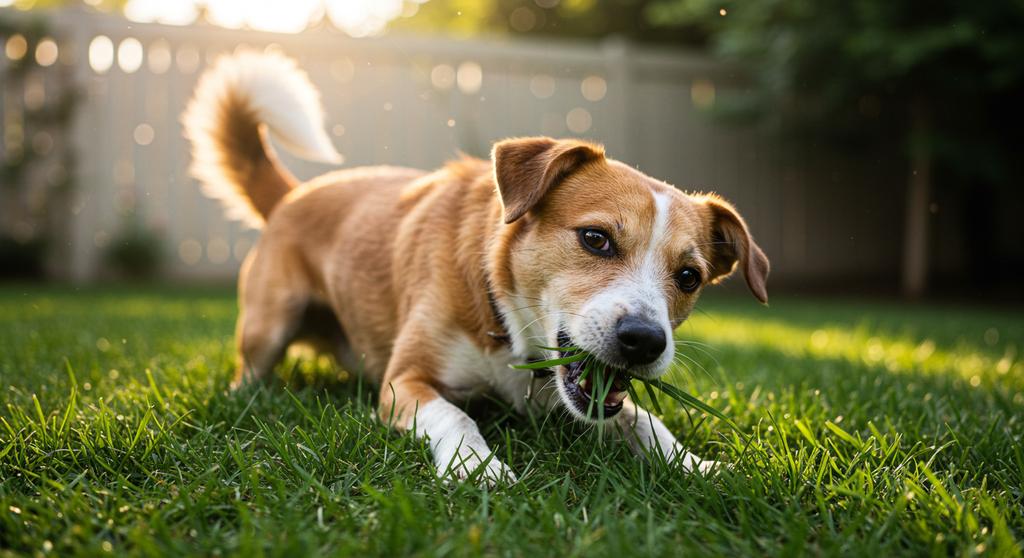
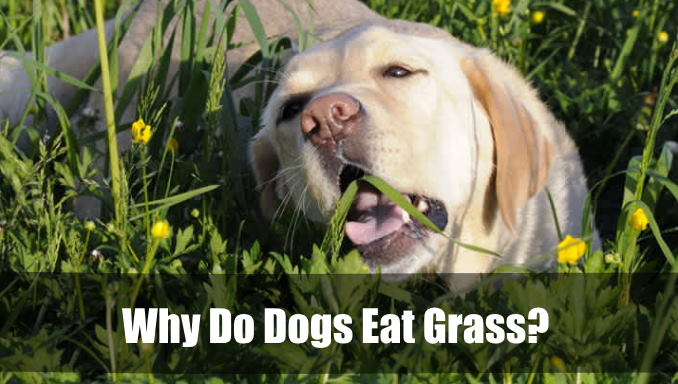
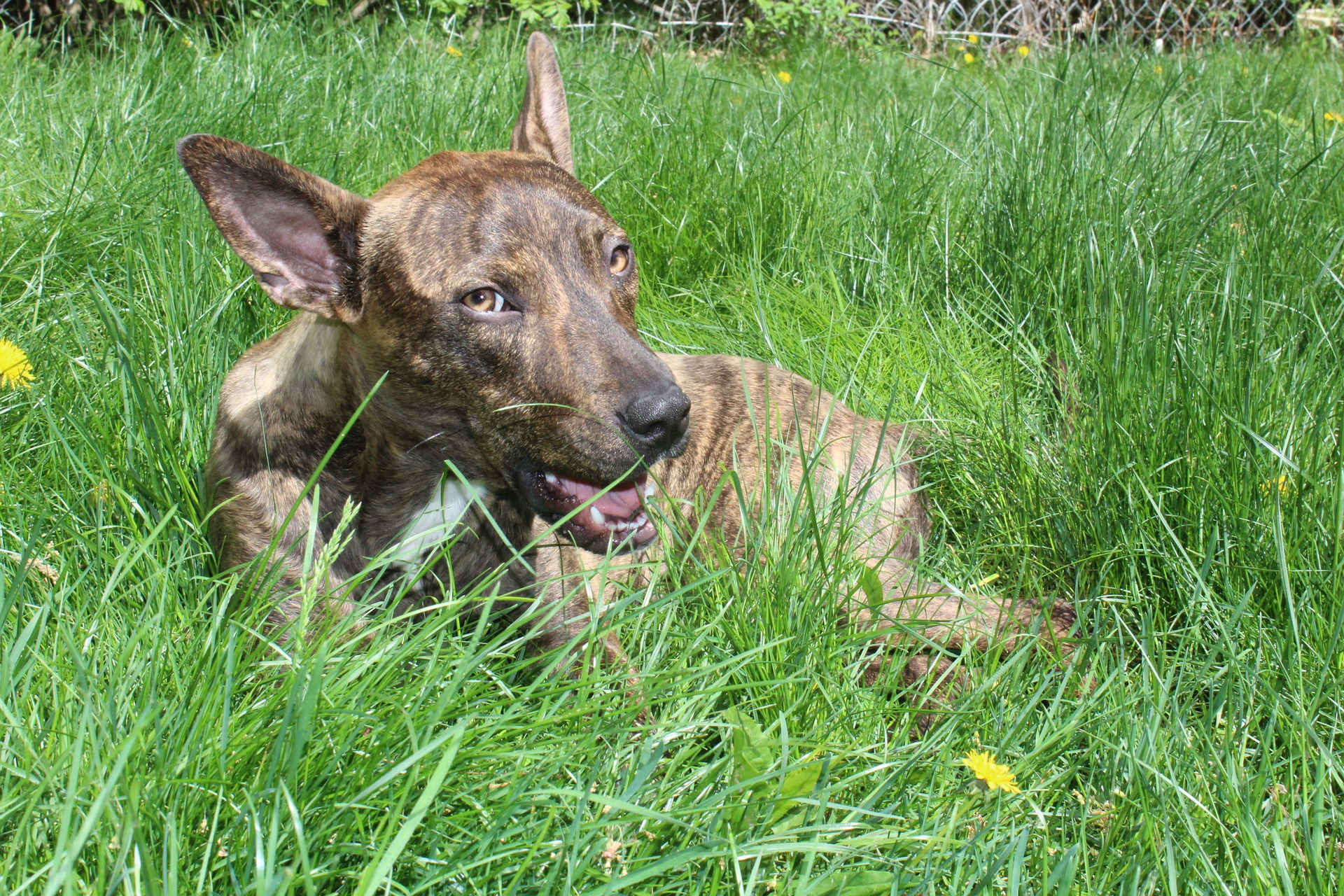
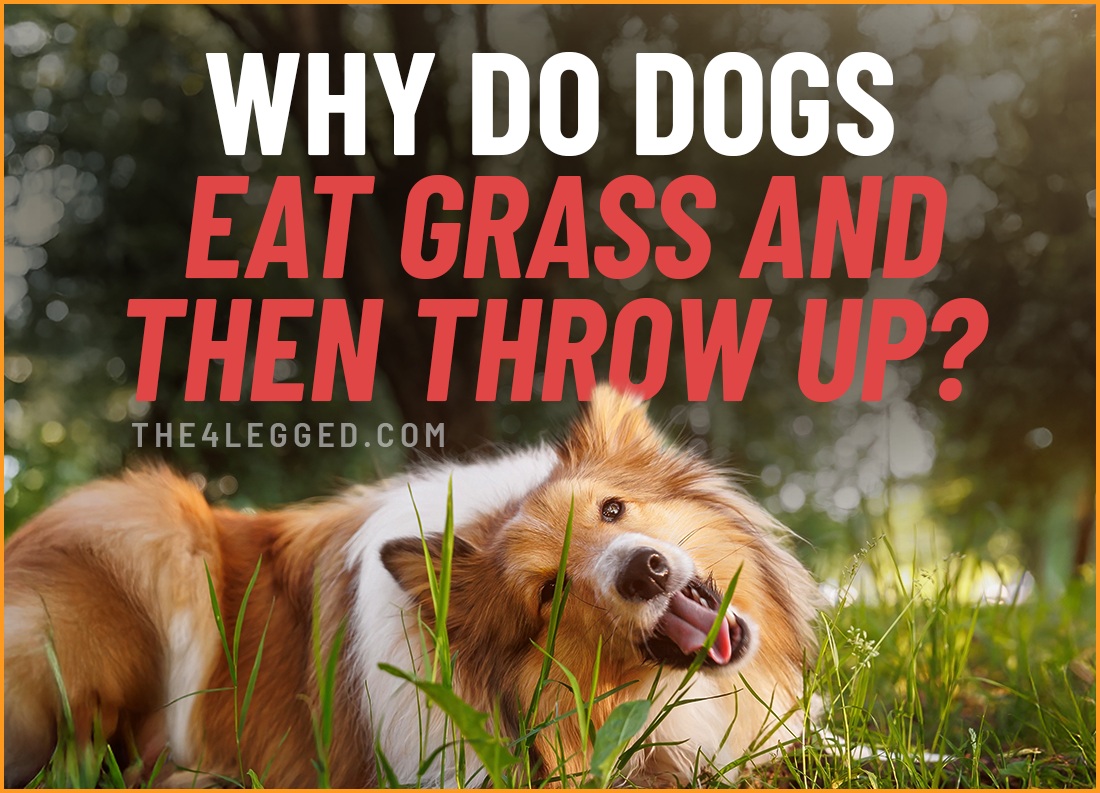
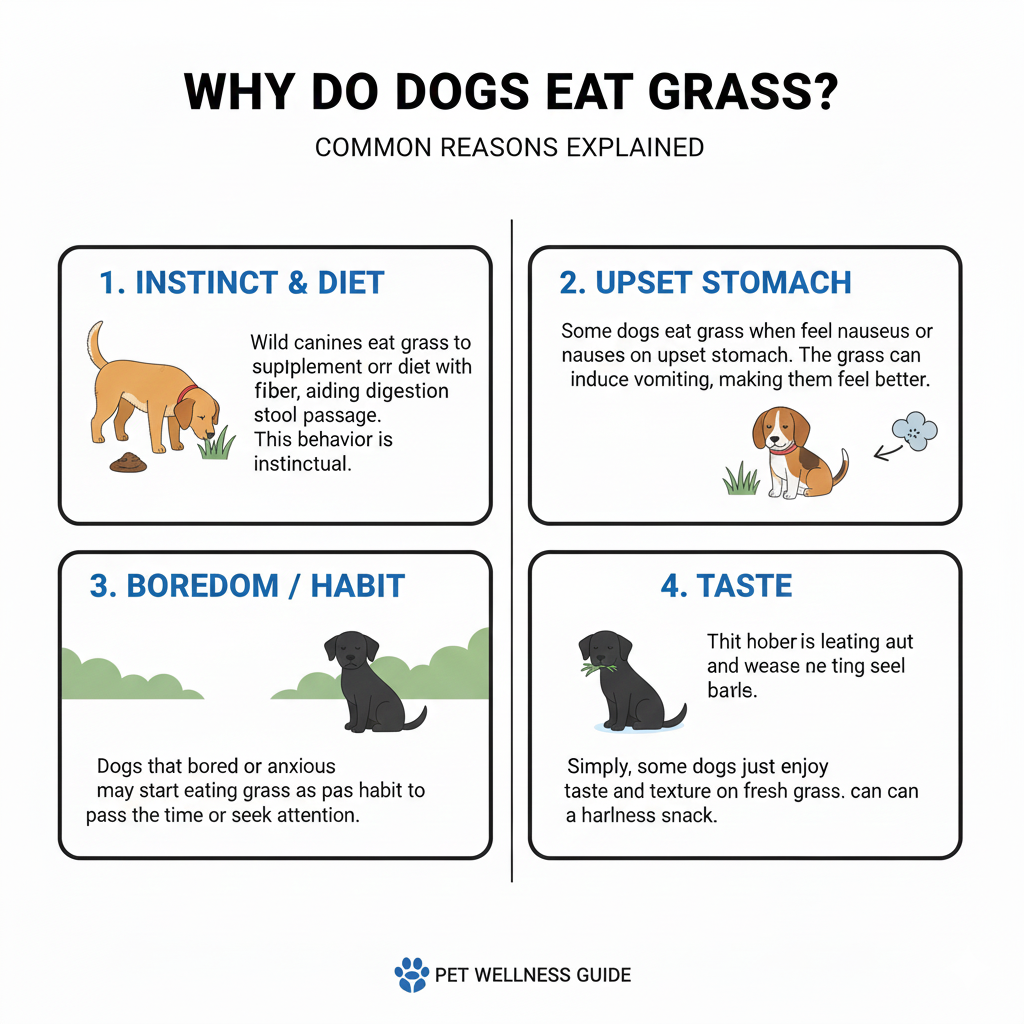
Dogs eat grass and weeds for several reasons, most commonly due to instinct, boredom, digestive upset, or nutritional deficiencies. This behavior, known as pica, is relatively common and often harmless. Some dogs may chew grass and weeds to induce vomiting and relieve nausea, while others simply enjoy the taste or texture.

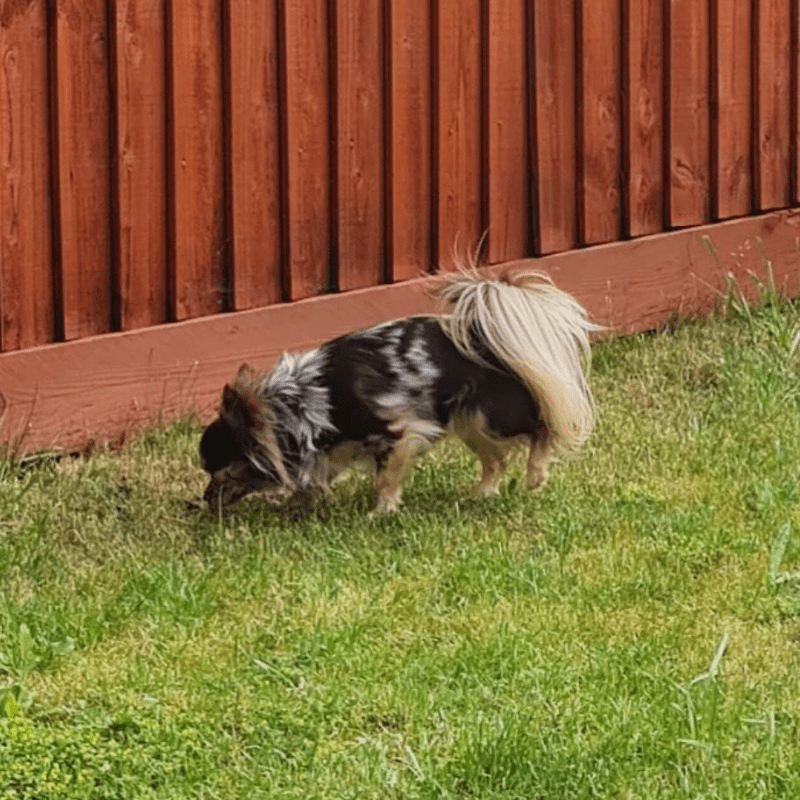
This particular example perfectly highlights why Why Do Dogs Eat Wild Grass And Not Other Plants is so captivating.
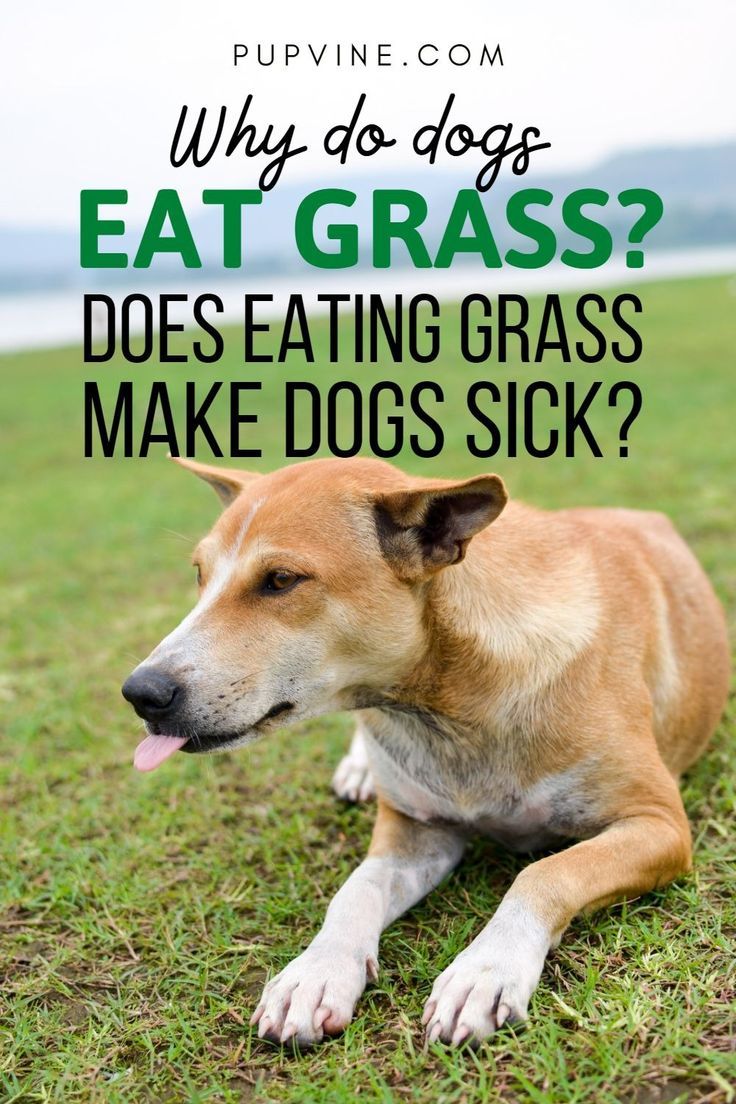
Why do dogs eat grass Does eating grass make dogs sick
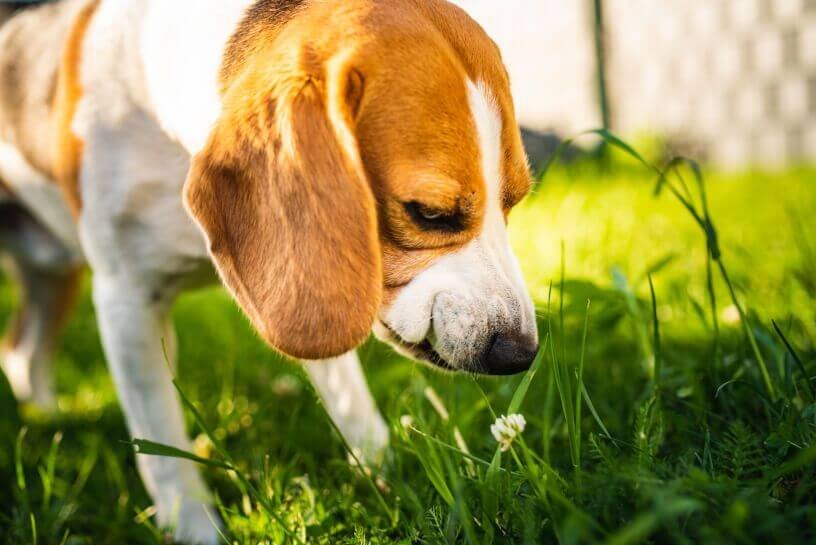
Have you ever wondered why dogs eat grass ? If you're worried about a four-legged friend that can't stop grazing, fear not ! Bitesize has the answers.
Here are some possible reasons behind it. It can be strange or concerning to see your dog eating grass when you're out and about together. It's usually nothing to worry about - but why do they do it? This page sheds light on some of the possible reasons behind your furry foodie's grass habit, and what you can do about it.
Why Does My Dog Eat Grass
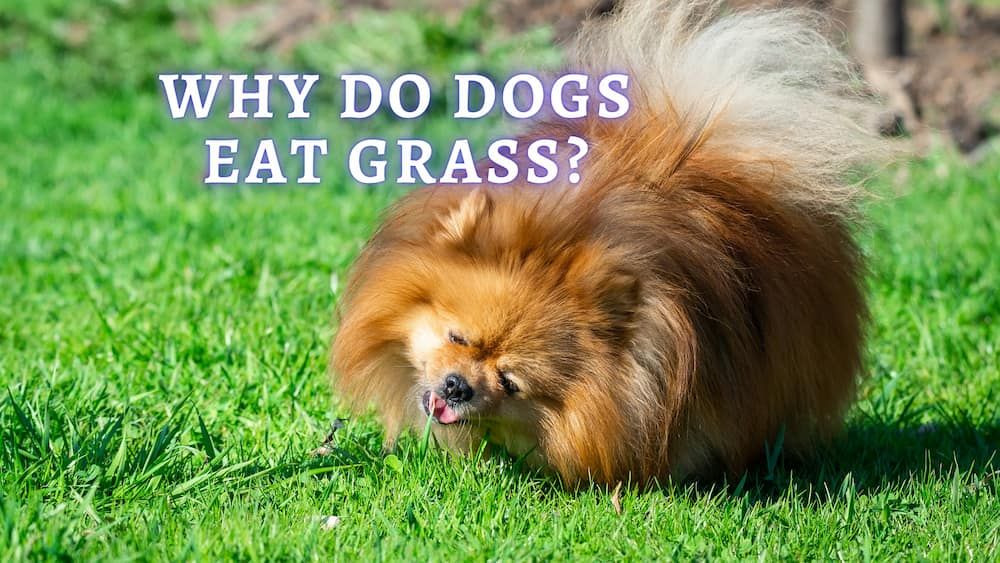
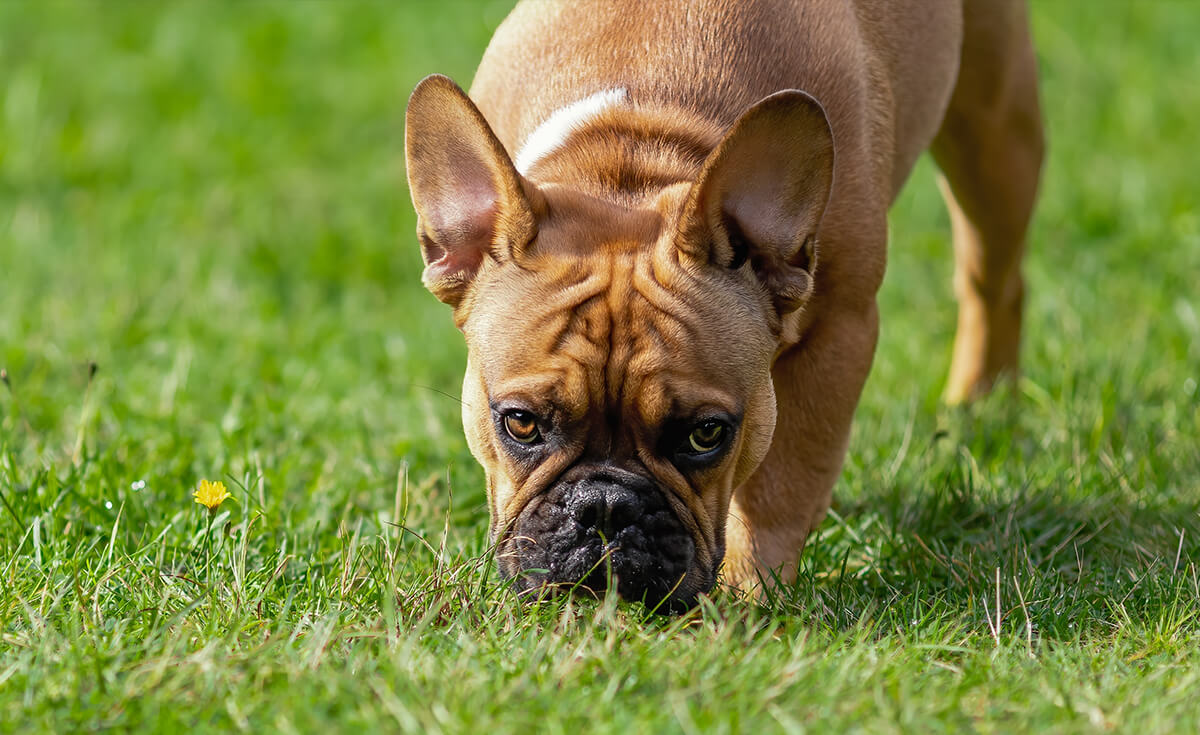
As we can see from the illustration, Why Do Dogs Eat Wild Grass And Not Other Plants has many fascinating aspects to explore.
While canines in the wild weren't getting their primary source of nutrients from grass , eating an entire animal provided an optimal diet, especially if the animal's diet consisted of various ...
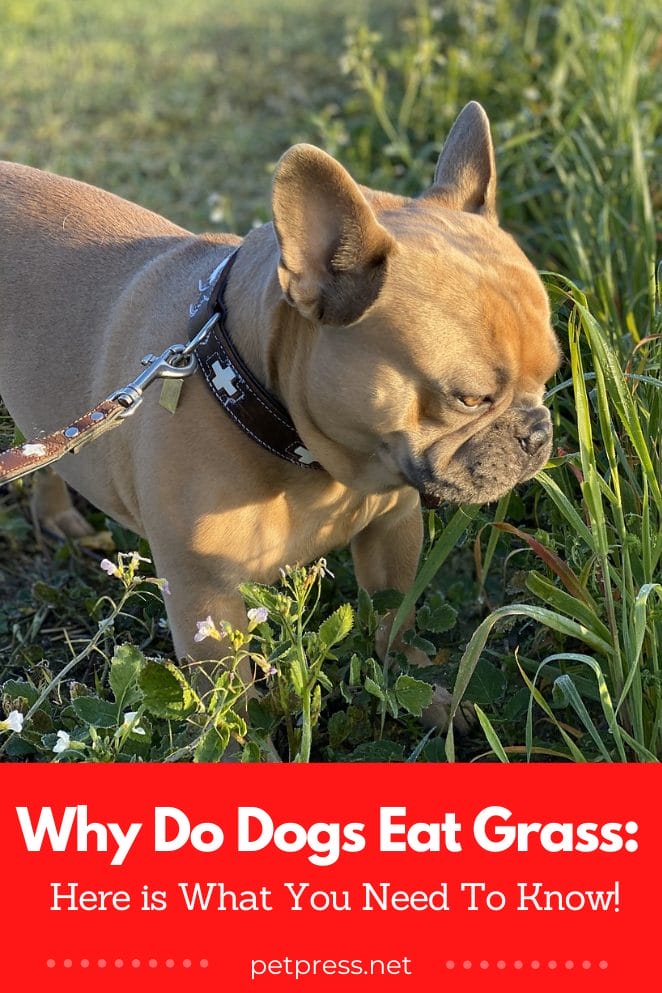
Wondering why your dog eats grass ? Learn the common reasons, when to worry, and how to tell if it's a health issue or normal behavior. Vet-reviewed.
Why Do Dogs Eat Grass What Science Says
Why do dogs eat grass — and should you be worried? The short answer is: it's usually normal. Most dogs eat grass occasionally, and the majority of those do so without vomiting or showing any sign of illness. That said, the reasons behind this behavior range from simple instinct to dietary gaps, and knowing the difference can matter. Here's what the science and veterinary research actually say.