Overview of Whisker Habituation Theory
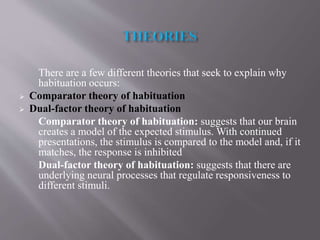
Wagner's SOP theory , MKM's perceptual learning theory , and Hall and Rodríguez' theory all present different, though overlapping, perspectives. Each approach makes different assumptions about the contextual-specificity of habituation learning and in terms of what is actually learned during habituation .
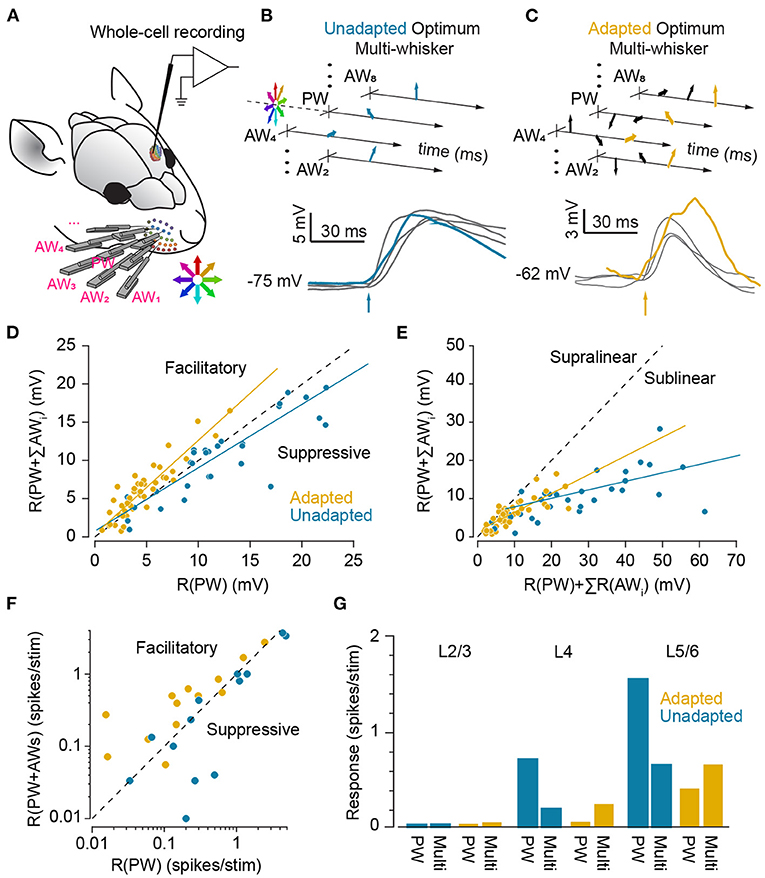
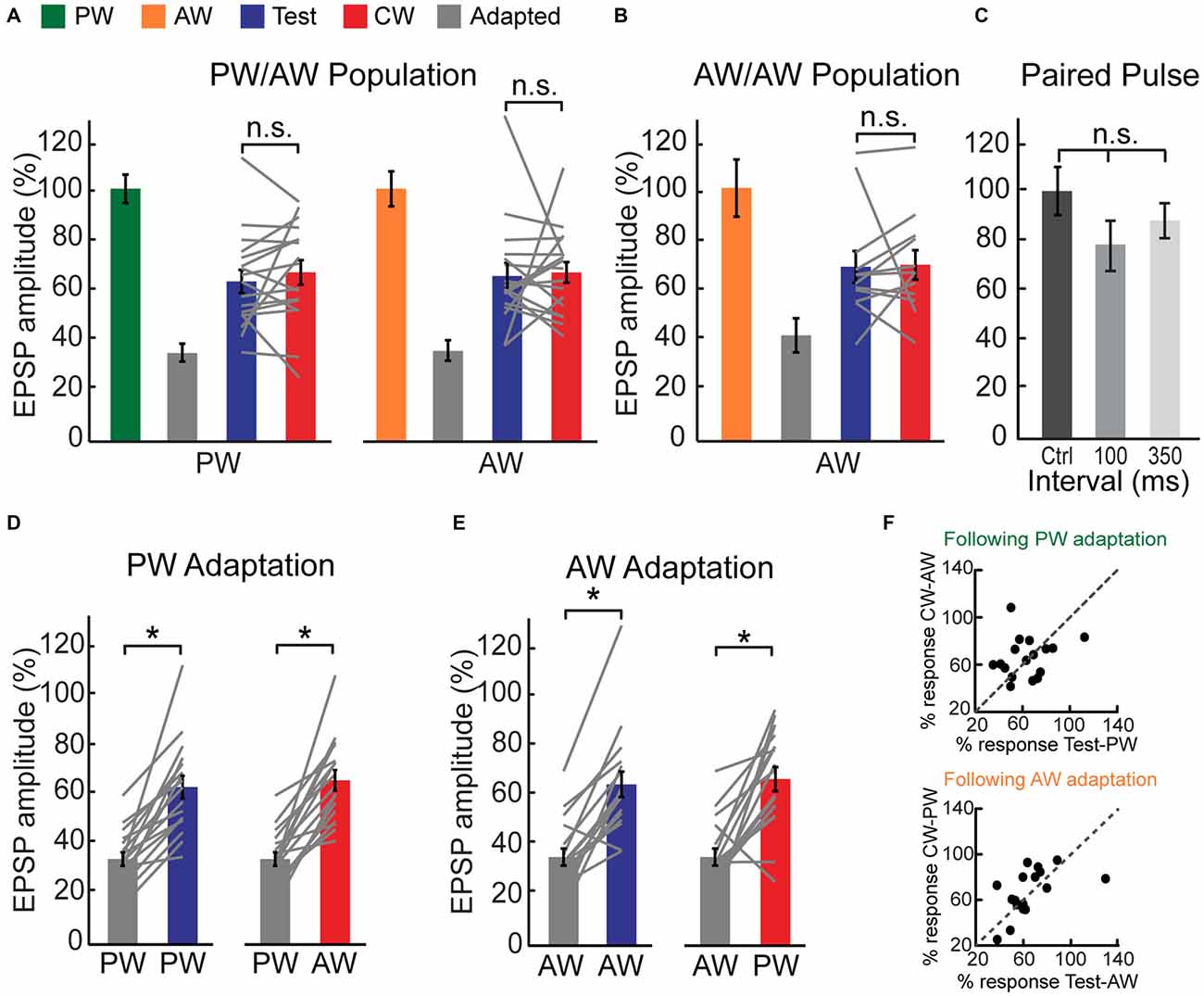
We suggest that whisker -dependent sensory function is surprisingly intact in Reeler mice. However, our observed habituation -related changes in Reeler mice whisker movements suggest some behavioural differences in these mice, which is a likely result of their disorganised cortex due to reelin deficiency.
Key Details About Whisker Habituation Theory
Cladogram of the species showing context-specific habituation . However, before reviewing the experimental studies providing support to the associative nature of habituation , it may be useful to elucidate on which theoretical grounds habituation should be, under certain circumstances, context specific. 2. A Context-Specific Theory of Habituation : Wagner's Model Historically, three main ...
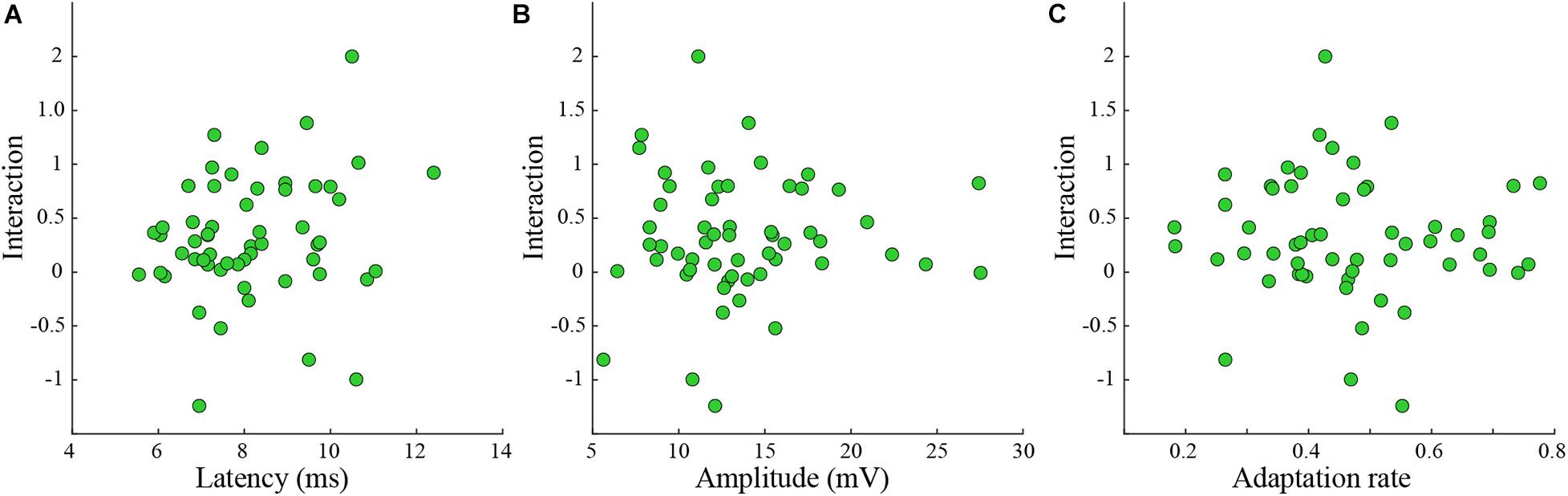
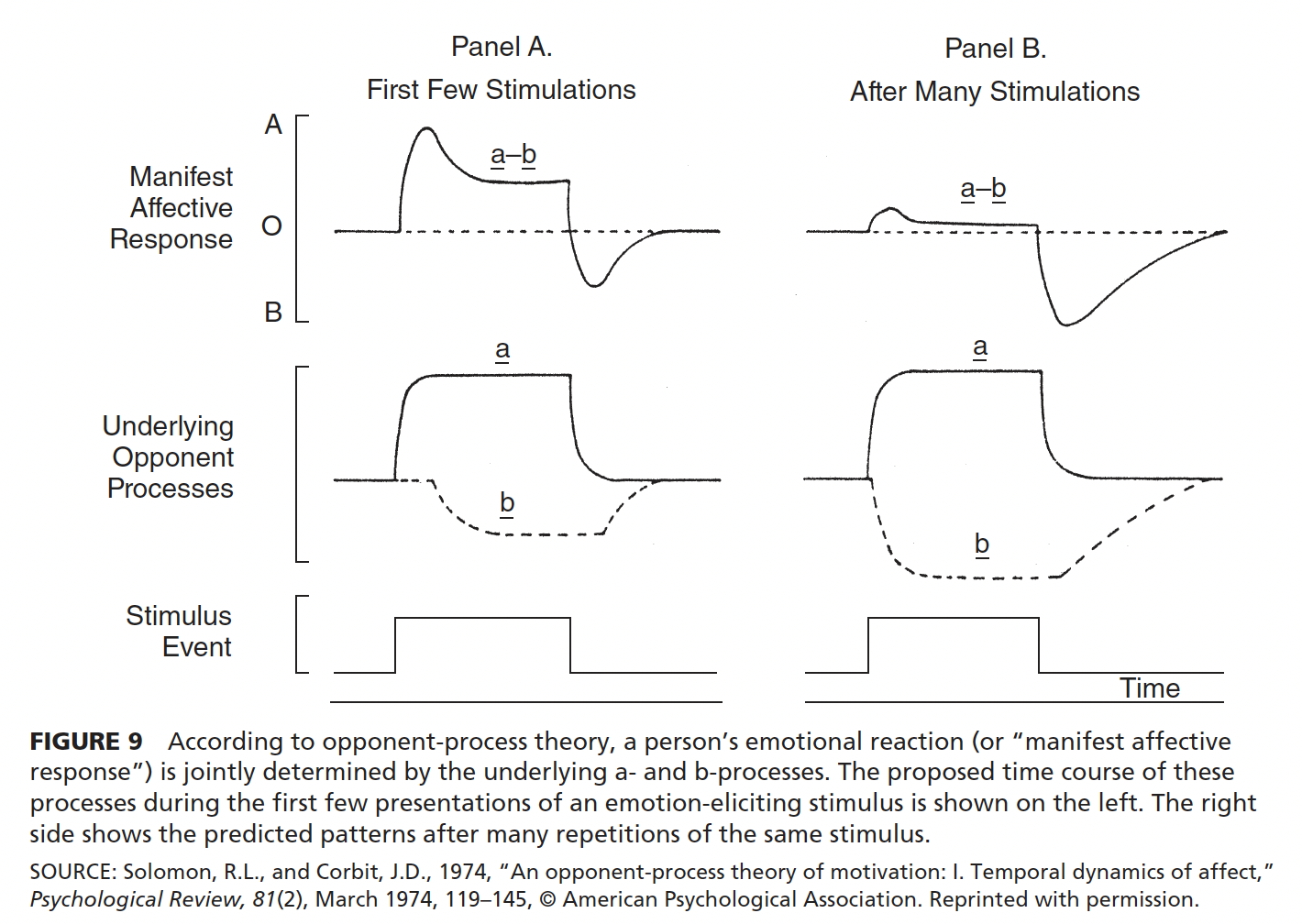
Furthermore, visual representations like the one above help us fully grasp the concept of Whisker Habituation Theory.
A peculiarity of Wagner's theory is that it specifically predicts that (long-term) habituation should be context-specific, which is a claim that has found empirical confirmations from studies with ...
In this revised view of habituation , we recognize that habituation comes in at least two forms, short-term habituation and long-term habituation . The distinction is the duration of the effects of training and the demonstrated (or assumed) necessity of changes in protein synthesis that underlie long-term habituation .
The structure of this article is as follows. First, the article describes current practices in habituation research in terms of using infant-controlled designs in general, and habituation criteria in particular. This section identifies spe-cific issues with these approaches and poses challenges that need to be resolved.
Habituation Revisited

Simulations of the Characteristics of Habituation In order to show the quantitative strength of these assumptions, in this section, we present a series of computer simulations illustrating how the model accounts for each characteristic of habituation .
Key Details About Whisker Habituation Theory
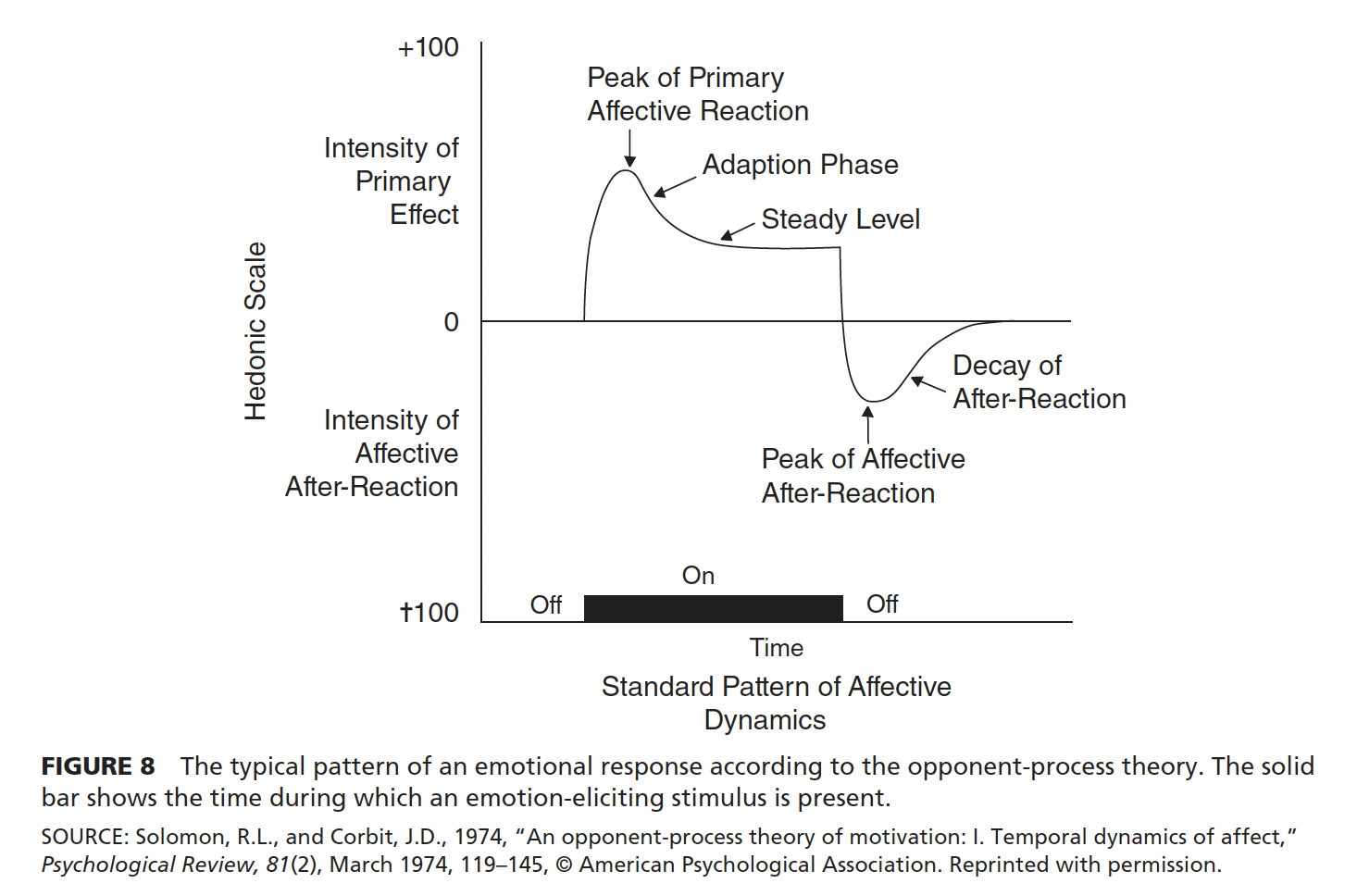
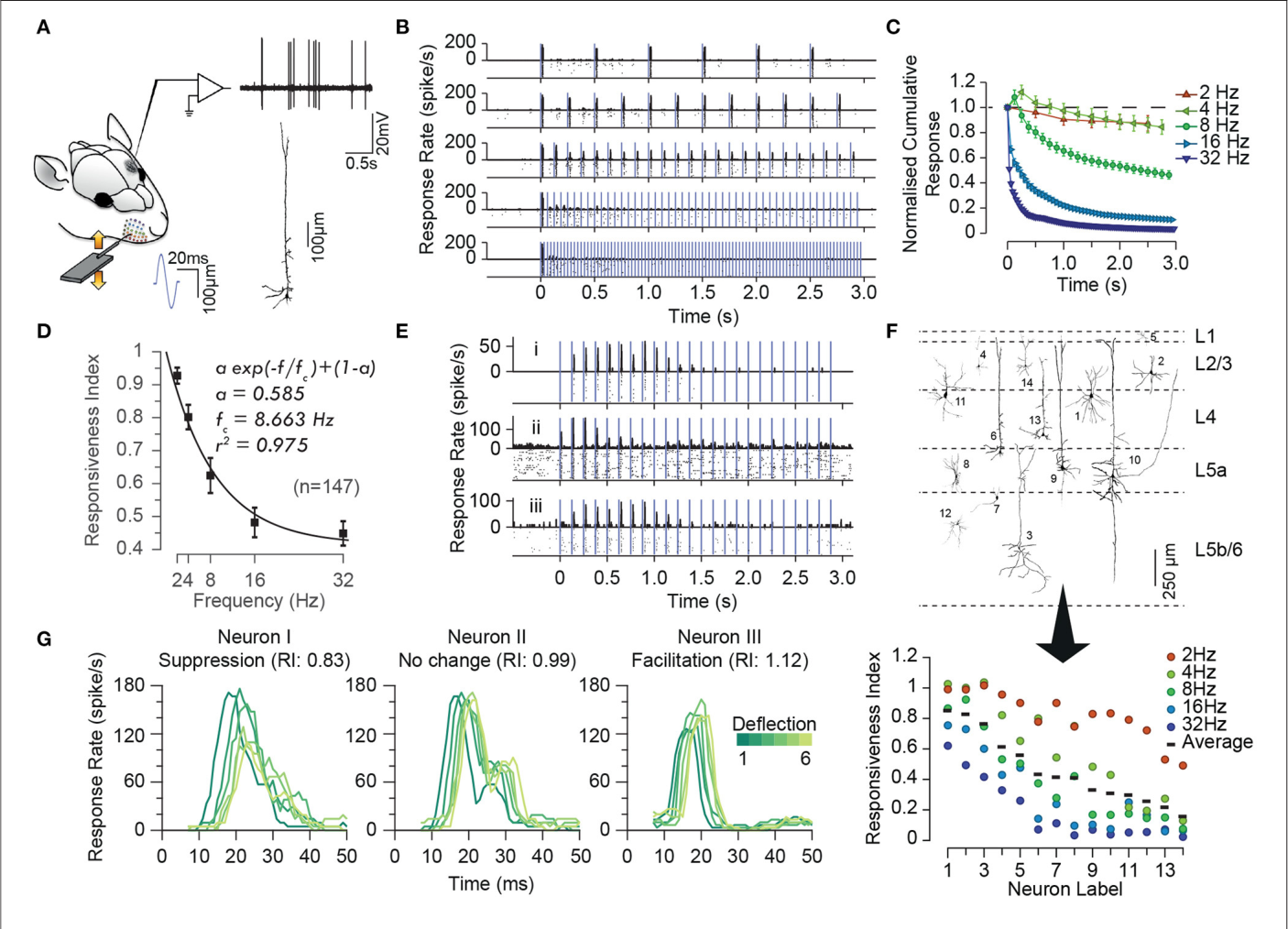
Habituation consists of the progressive response decrement to a repeated stimulation, a response decline that is not accounted for by sensory or motor fatigue. Together with sensitization, habituation has been traditionally considered to be a prototypical example of non-associative learning, being affected only by the features of the stimulation, as for instance its intensity or frequency ...
Abstract Habituation is defined as a decline in responding to a repeated stimulus. After more than 80 years of research, there is an enduring consensus among researchers on the existence of 9-10 behavioral regularities or parameters of habituation . There is no similar agreement, however, on the best approach to explain these facts. In this paper, we demonstrate that the Sometimes Opponent ...