Overview of Use Of Glp-1 Receptor Antagonists In High Blood Pressure Treatment
Glucagon-like peptide-1 receptor agonists ( GLP-1 RAs) are widely used for the treatment of type 2 diabetes and, more recently, for weight management among individuals without diabetes.
Key Details About Use Of Glp-1 Receptor Antagonists In High Blood Pressure Treatment
The current hypertension guidelines must address the robust evidence supporting the use of incretin-based therapeutics in patients with hypertension. A caveat is that no trial to date has used BP reduction as the primary end point when investigating the interaction between GLP-1 or GLP-1/GIP receptor agonists and antihypertensive medications.
Despite the availability of a wide range of antihypertensive agents, a significant proportion of individuals with resistant hypertension (RHTN) struggle to achieve blood pressure (BP) control. Obesity ranks among the most significant modifiable risk factors for RHTN, with 56-91% of patients with RHTN classified as overweight or obese. Glucagon-like peptide-1 receptor agonist ( GLP-1 RAs) are ...
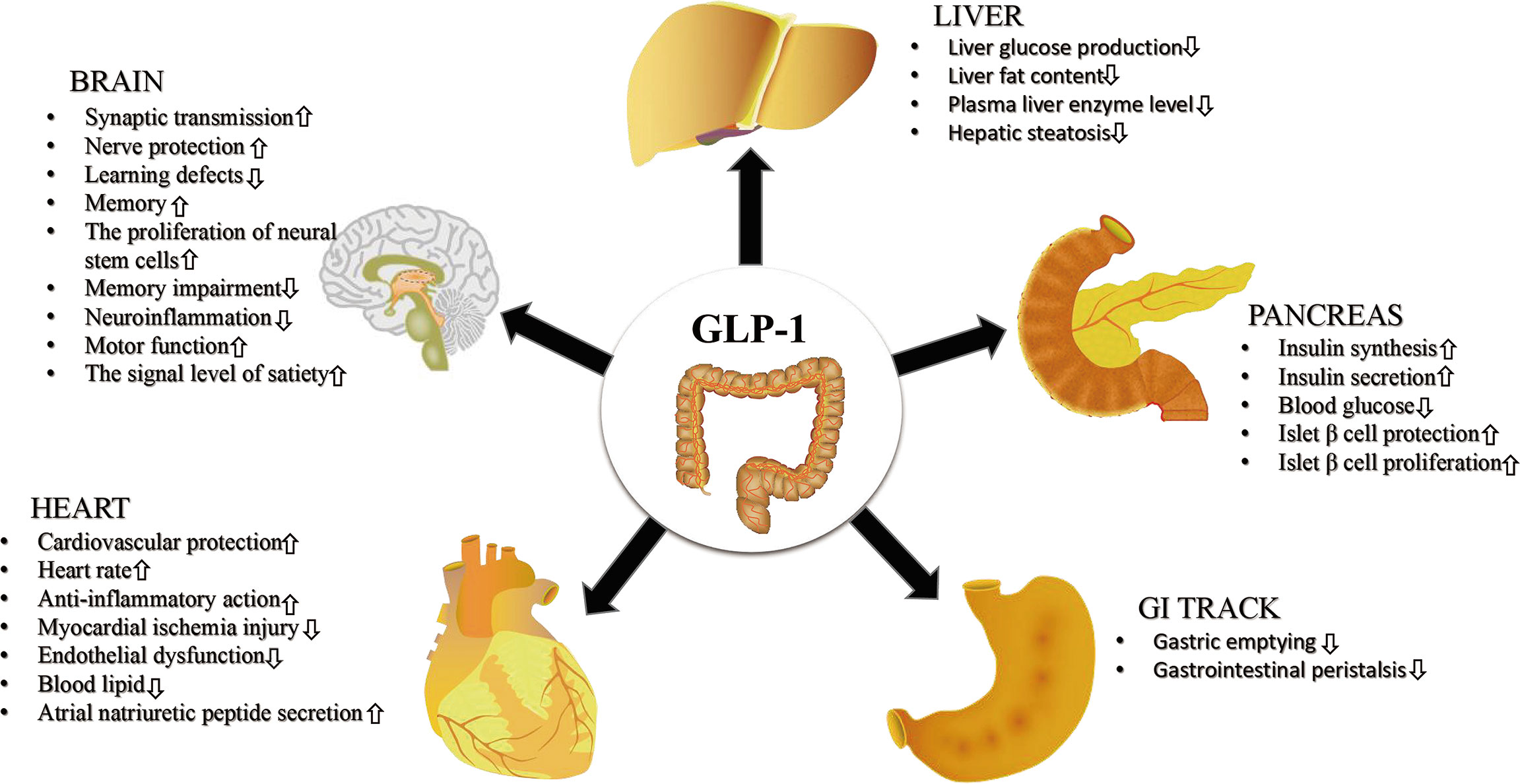
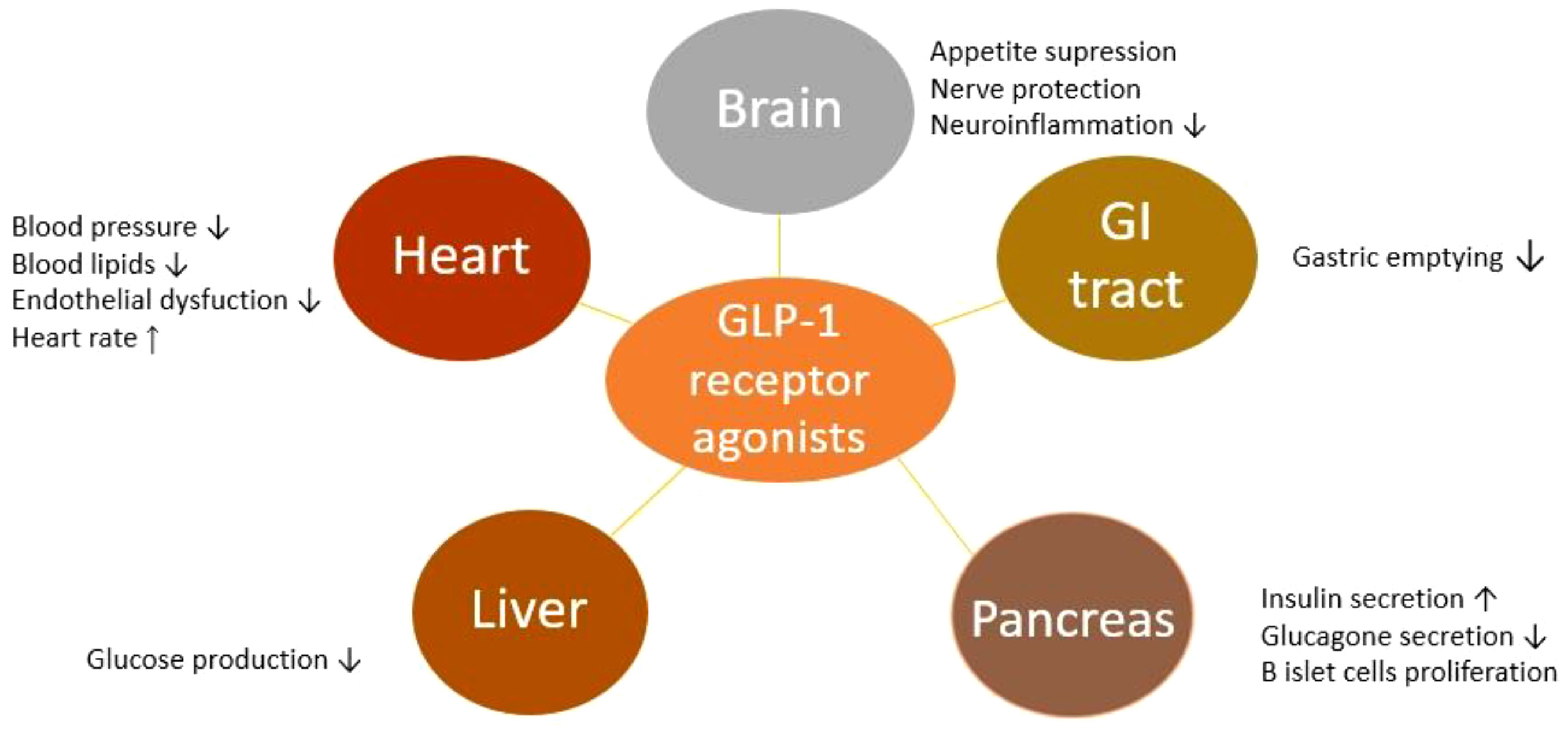
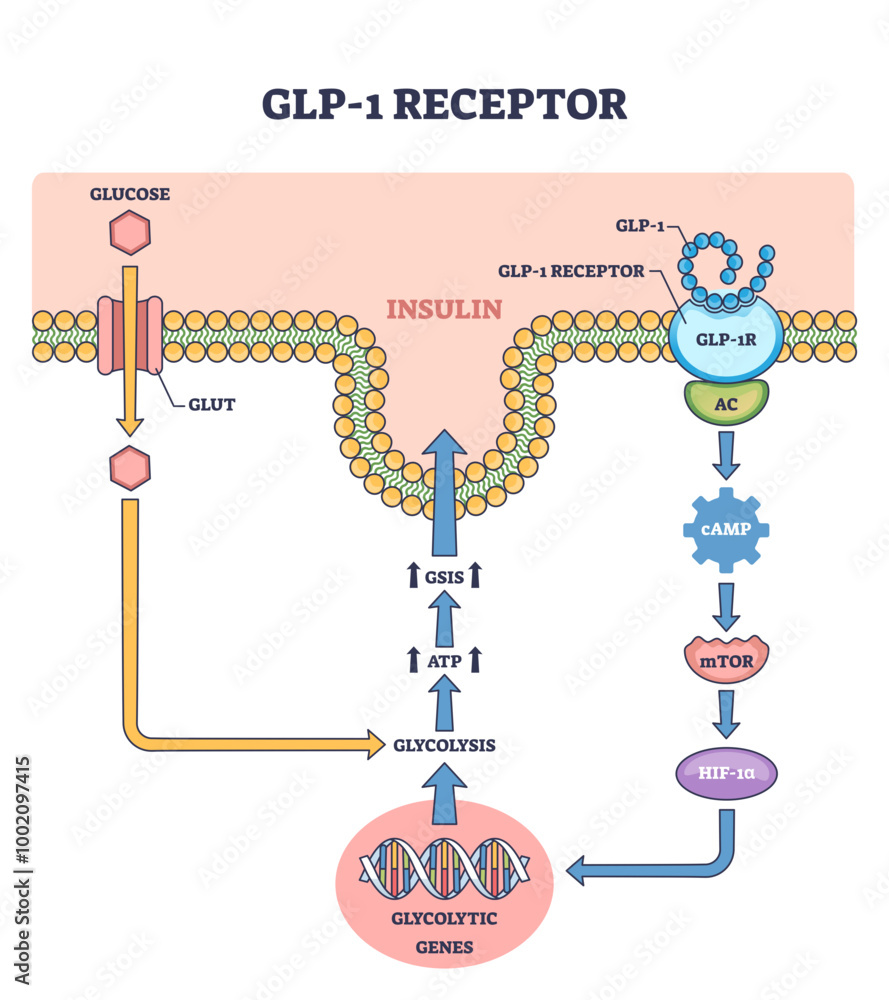
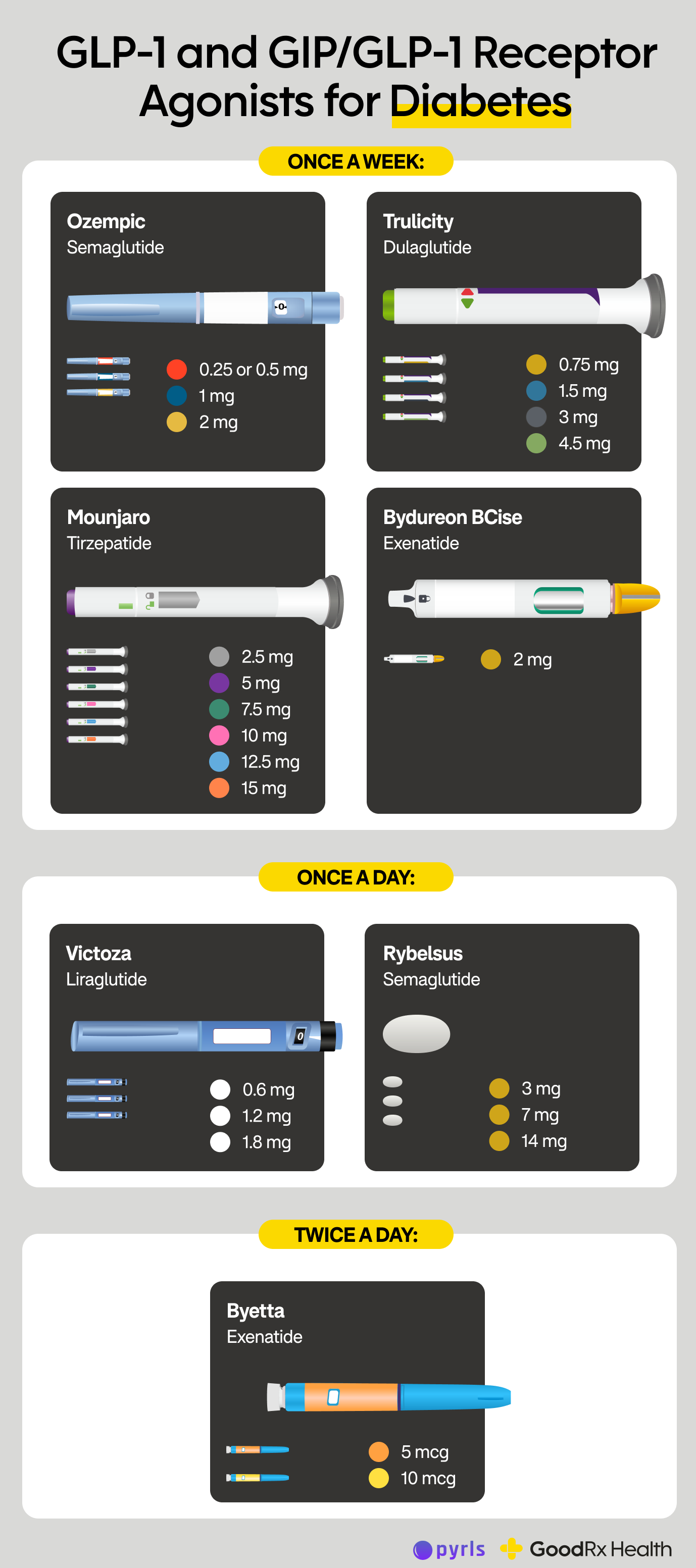
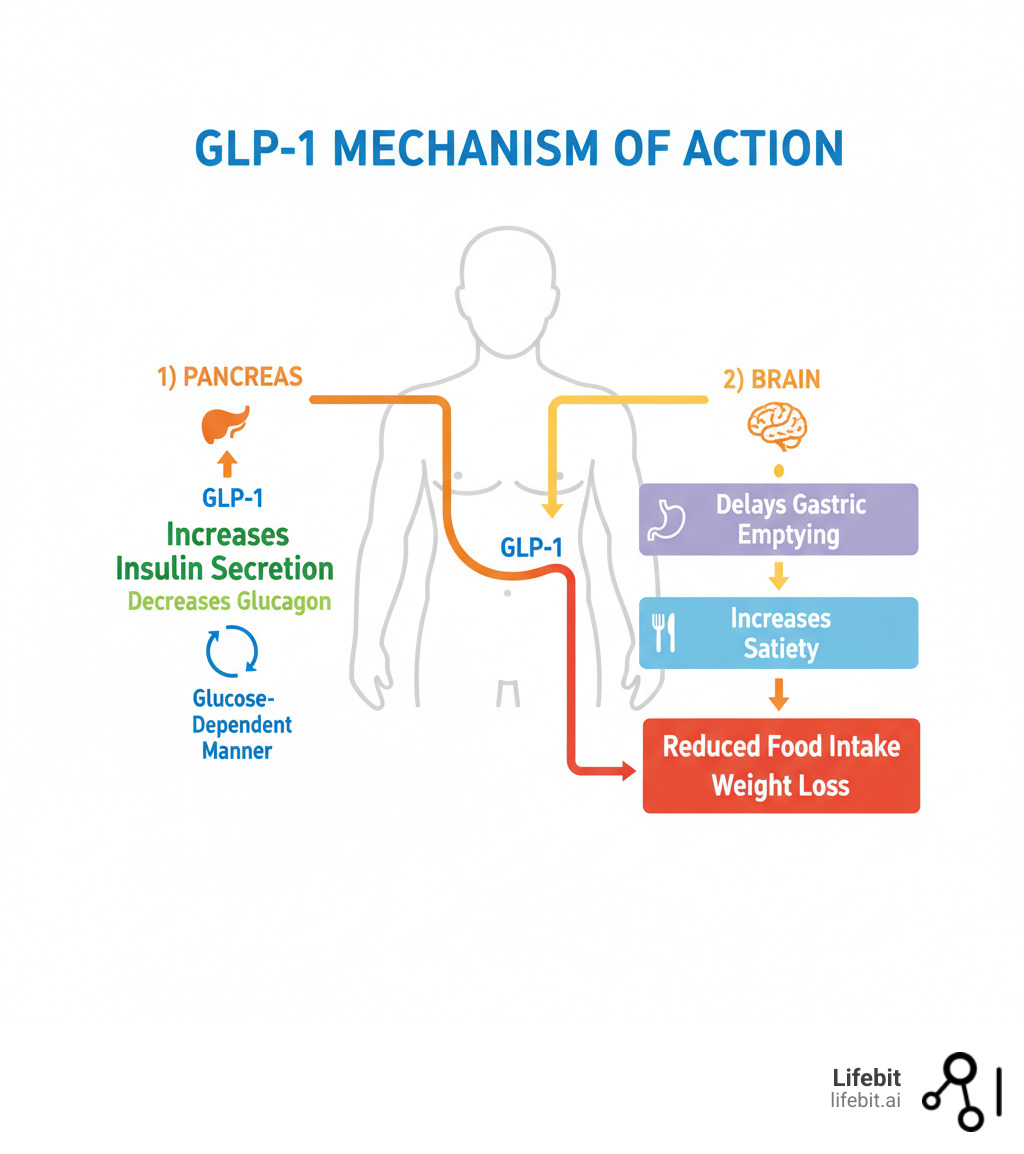
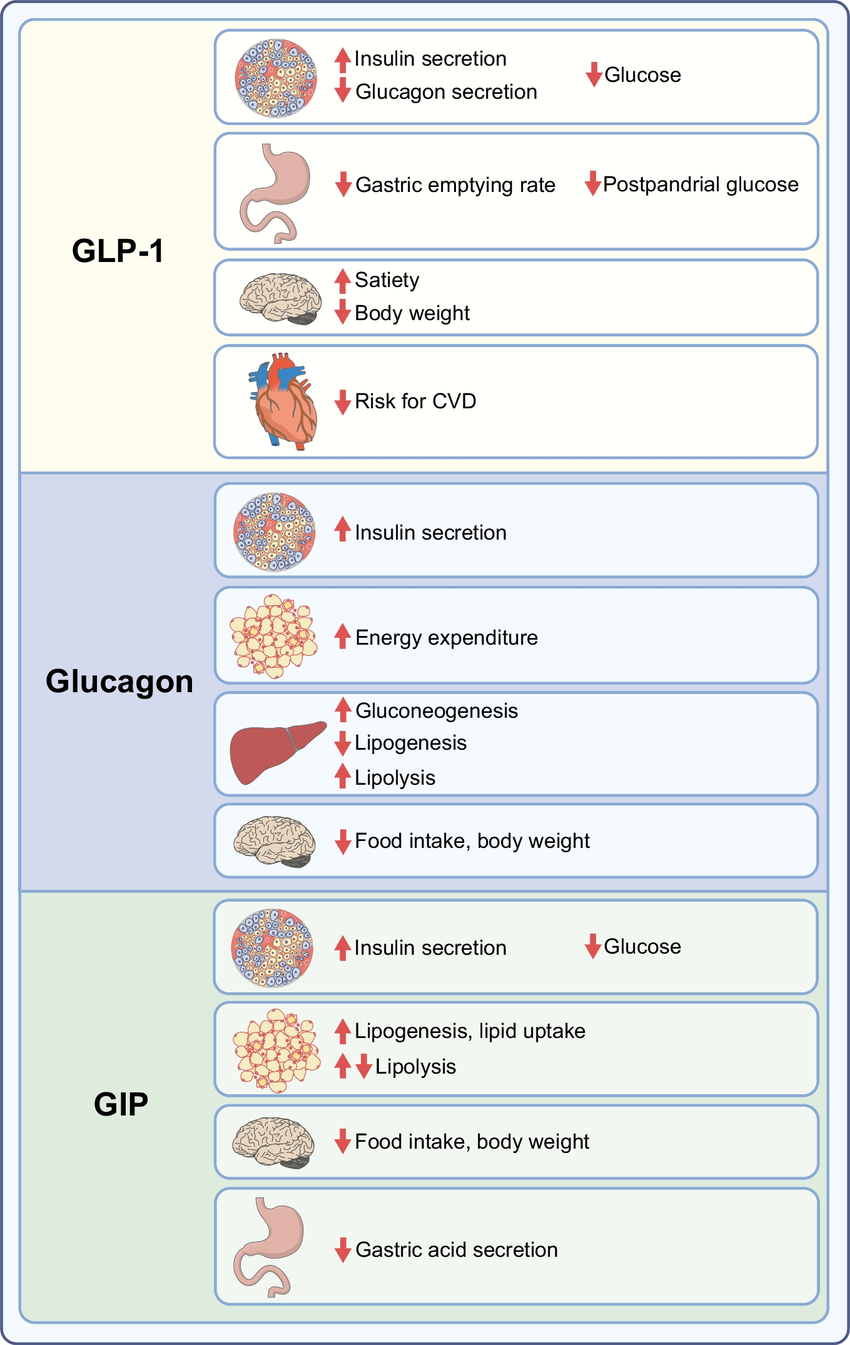
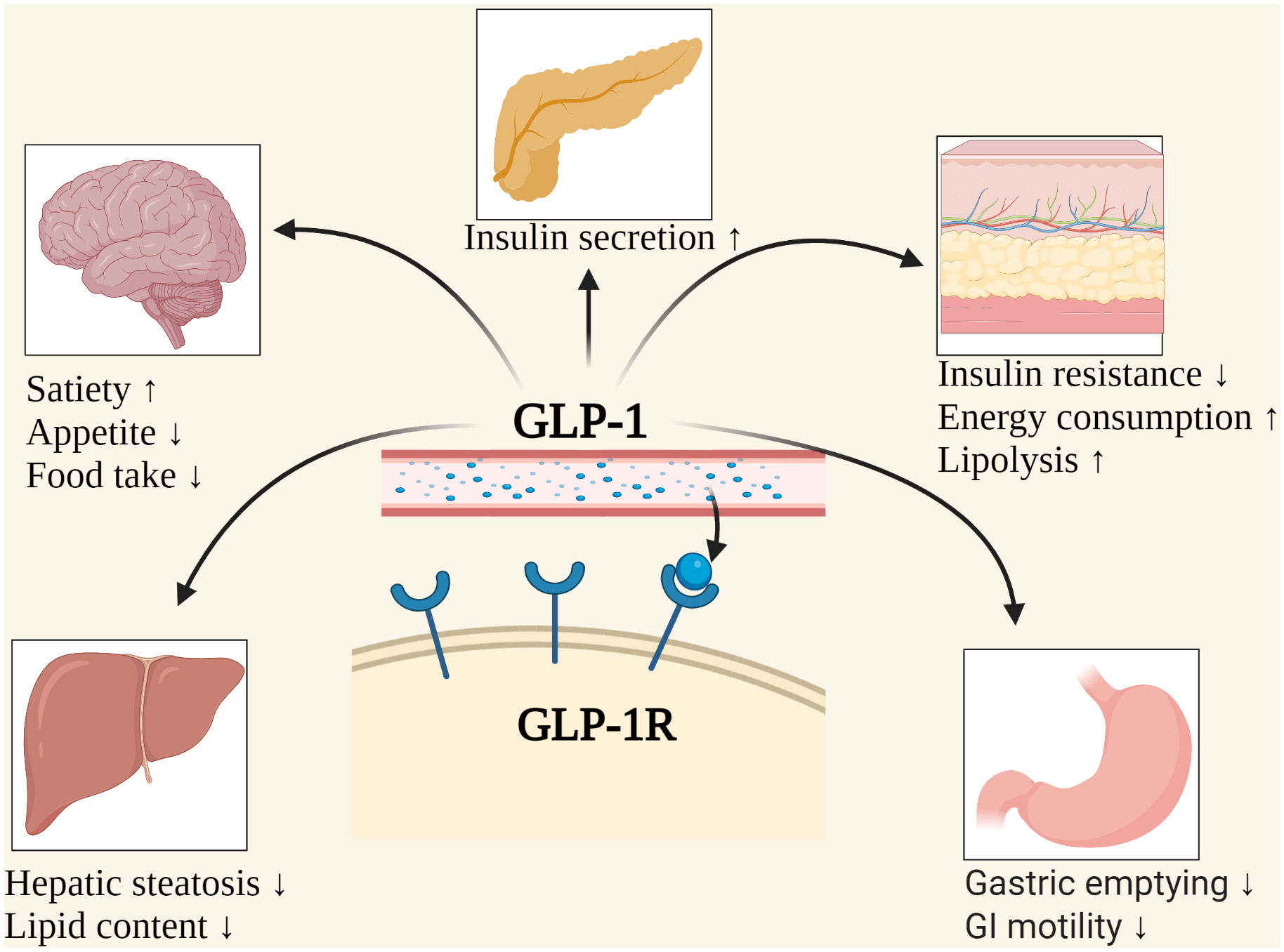
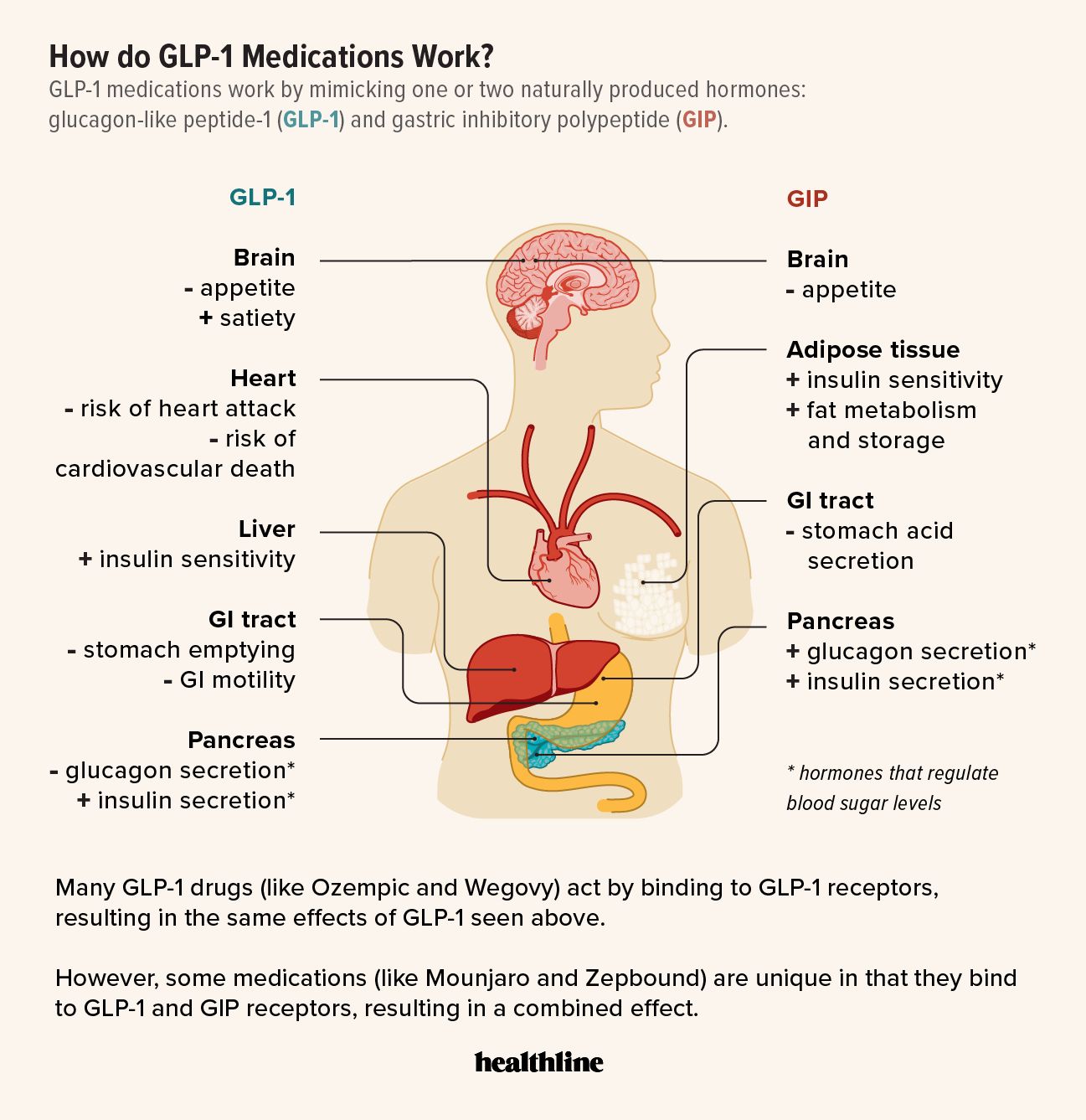
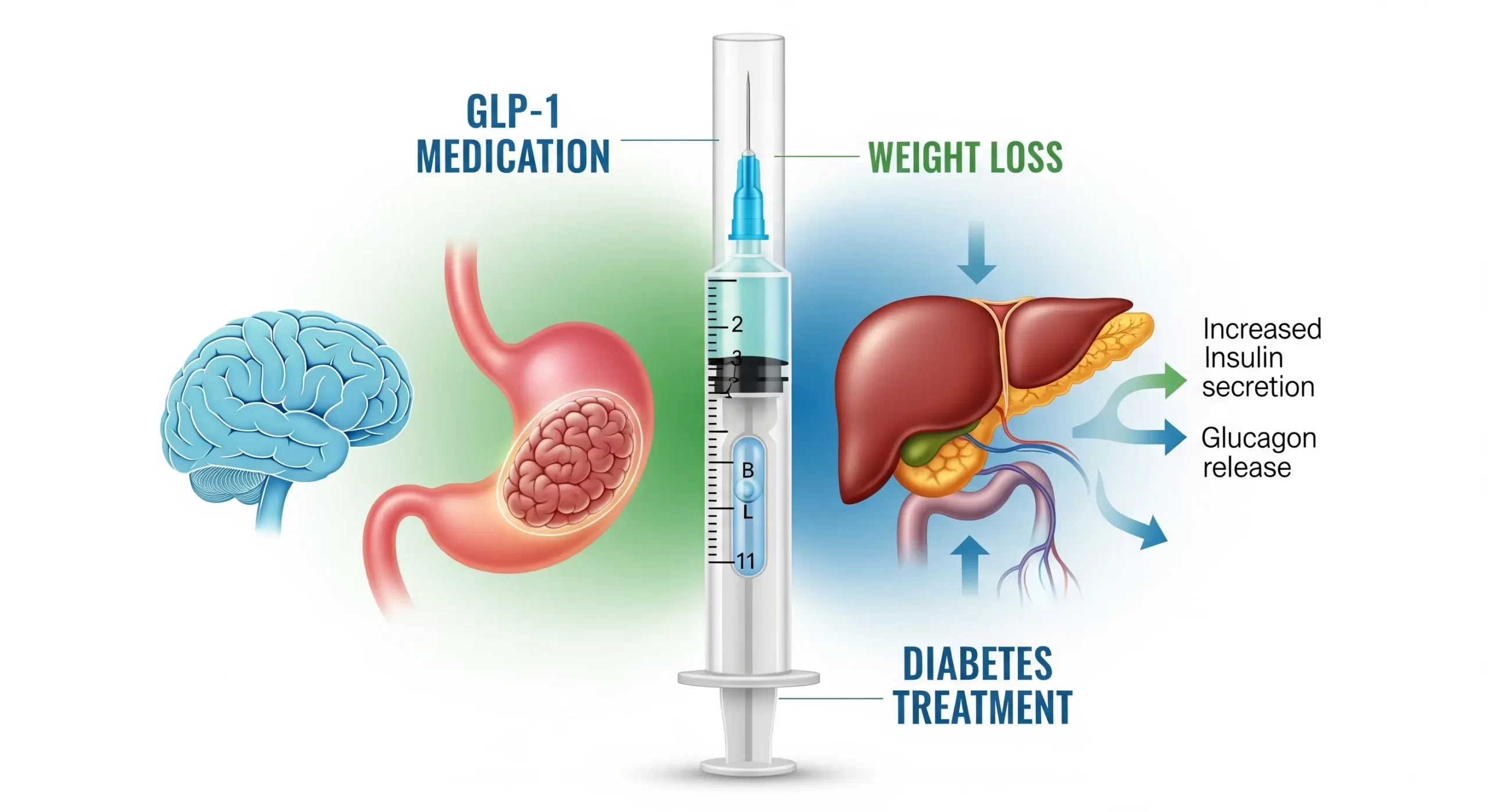
As we can see from the illustration, Use Of Glp 1 Receptor Antagonists In High Blood Pressure Treatment has many fascinating aspects to explore.
Useful Notes on Use Of Glp-1 Receptor Antagonists In High Blood Pressure Treatment
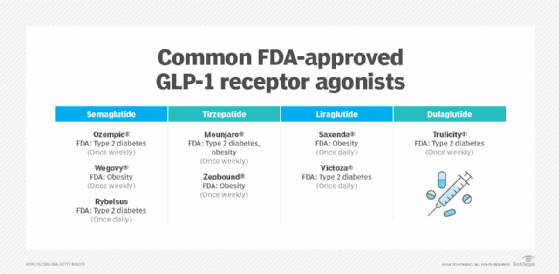
Glucagon-like peptide-1 receptor agonist medications ( GLP-1s ) aren't FDA-approved to treat high blood pressure . But they can still help improve blood pressure through their effects on weight, blood sugar, and heart health.
Graphical Abstract SGLT2 inhibitors and GLP-1 receptor agonists modestly lower blood pressure across diverse patient populations, including those without diabetes. These effects appear largely independent of glycaemic control and offer additive value in high -risk patients with overlapping comorbidities.
Blood Pressure

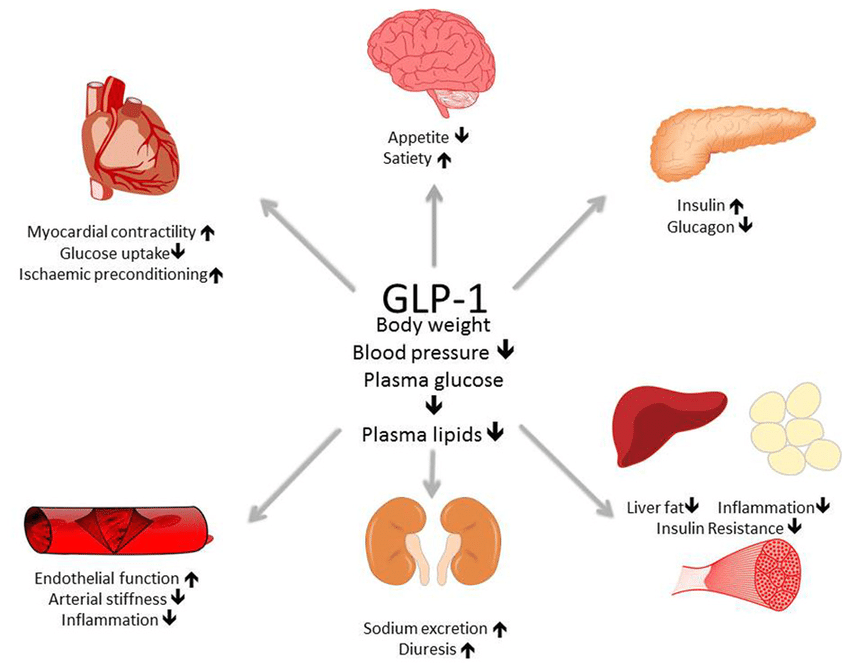
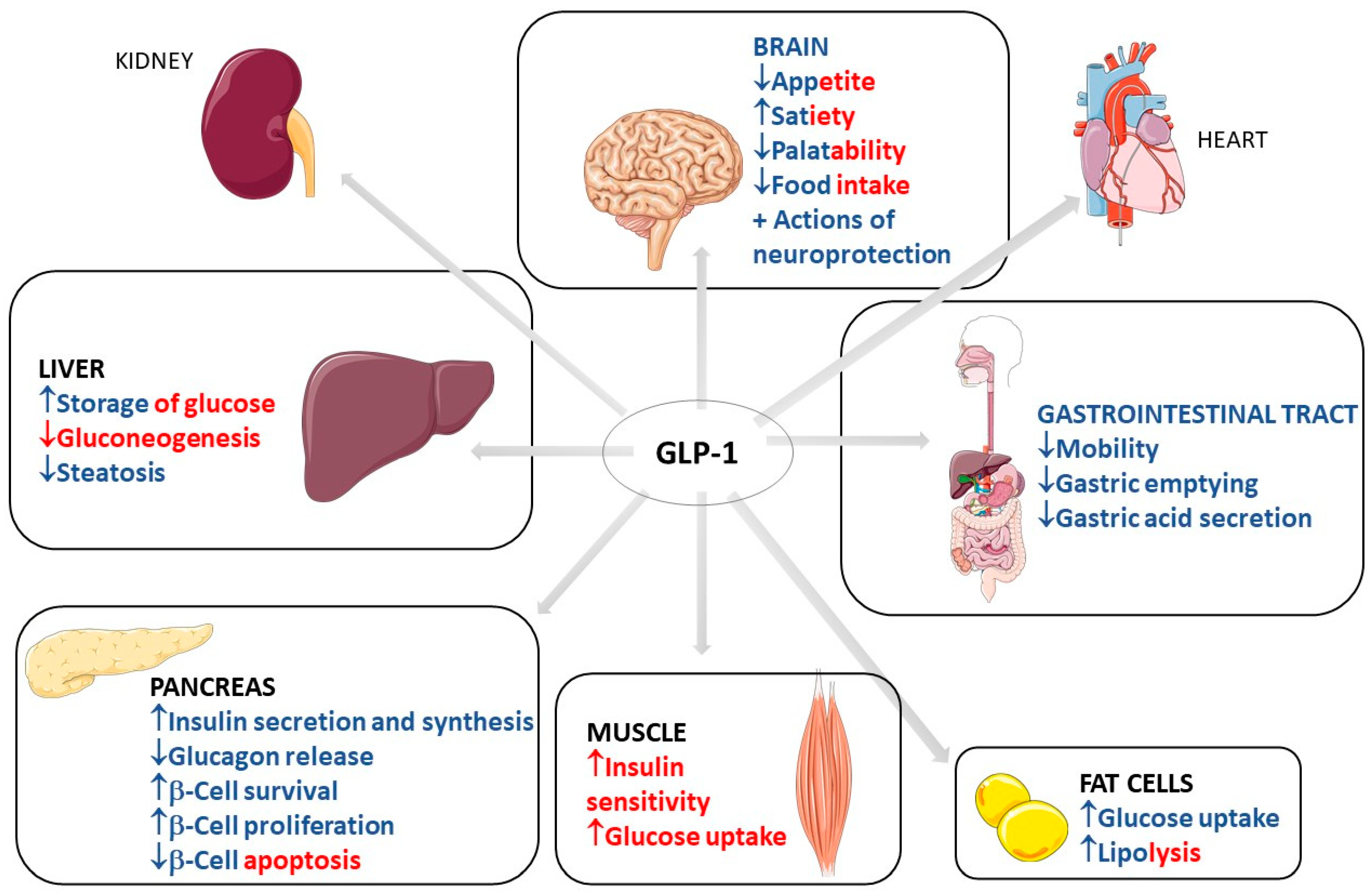
As we can see from the illustration, Use Of Glp 1 Receptor Antagonists In High Blood Pressure Treatment has many fascinating aspects to explore.
Purpose of Review Hypertension is the leading modifiable risk factor for cardiovascular disease. Despite multiple antihypertensive therapies, blood pressure (BP) control remains suboptimal in many individuals with persistent cardiovascular risk. This review evaluates the antihypertensive potential of sodium-glucose cotransporter-2 inhibitors (SGLT2-i) and glucagon-like peptide-1 receptor ...
Influence of combination therapy with SGLT2 inhibitors and GLP-1 receptor agonists on the management of blood pressure in Japanese patients with diabetes
The benefits of GLP1 receptors in cardiovascular diseases
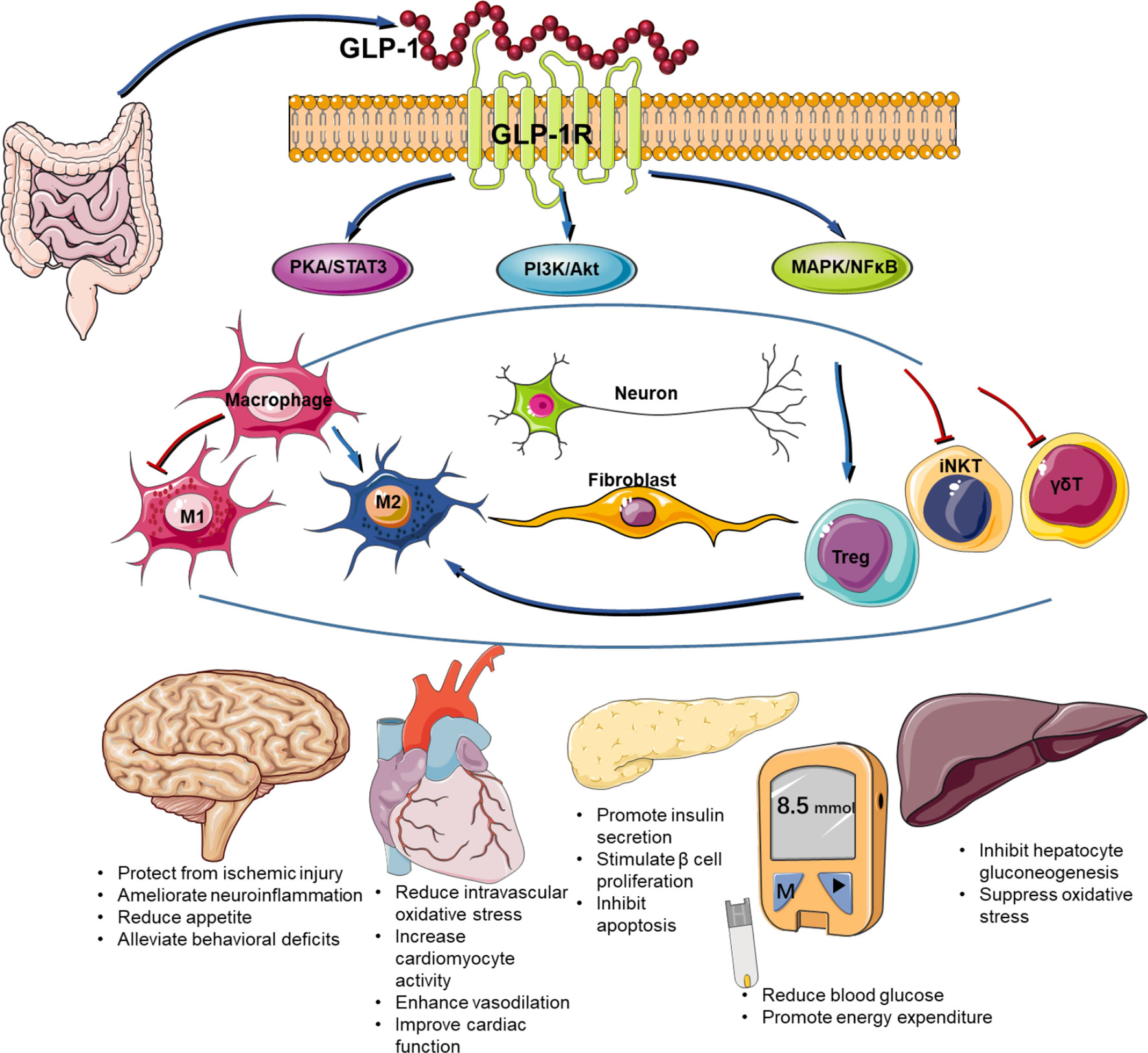
Abstract Glucagon like peptide-1 ( GLP-1 ) receptor agonists are well established drugs for the treatment of type 2 diabetes (T2D). In addition to glycemic control, GLP-1 receptor agonists have beneficial other effects. They act by binding to GLP-1 receptors , which are widely distributed in the body, including cardiomyocytes and blood vessels. The aim of this article is to provide a ...
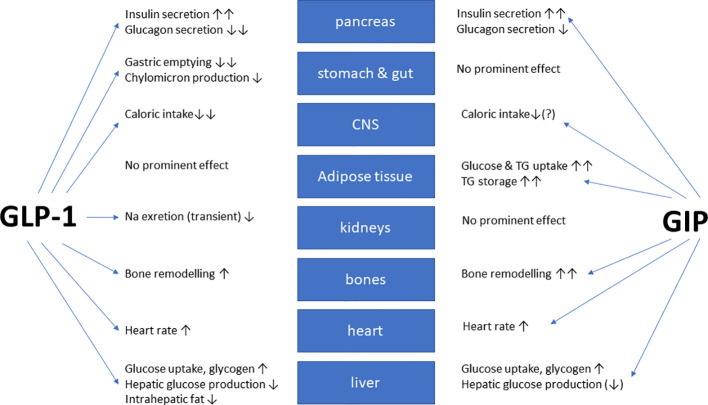
Glucagon-like peptide 1 receptor agonists ( GLP-1 RAs) have emerged as a transformative class of therapies initially developed for glycemic control in type 2 diabetes mellitus. Now, they are also getting recognized for their broader cardiometabolic effects. In this review, we discuss the mechanism of action of GLP-1 RAs, focusing on their proposed cardiometabolic impact and the key clinical ...