Urinary Incontinence in Cats
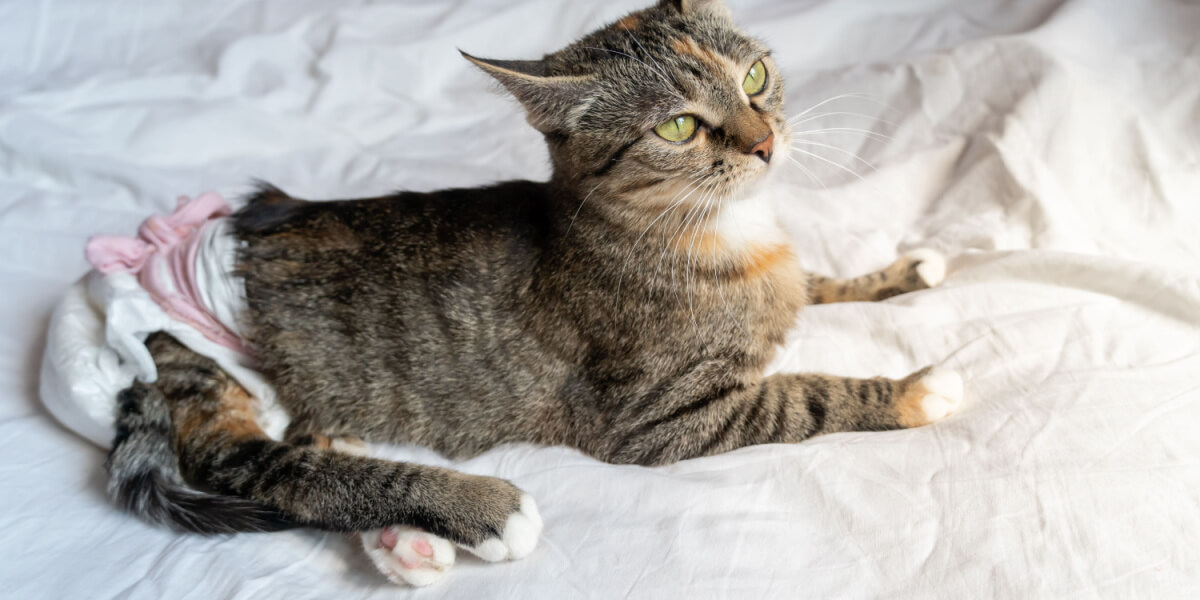
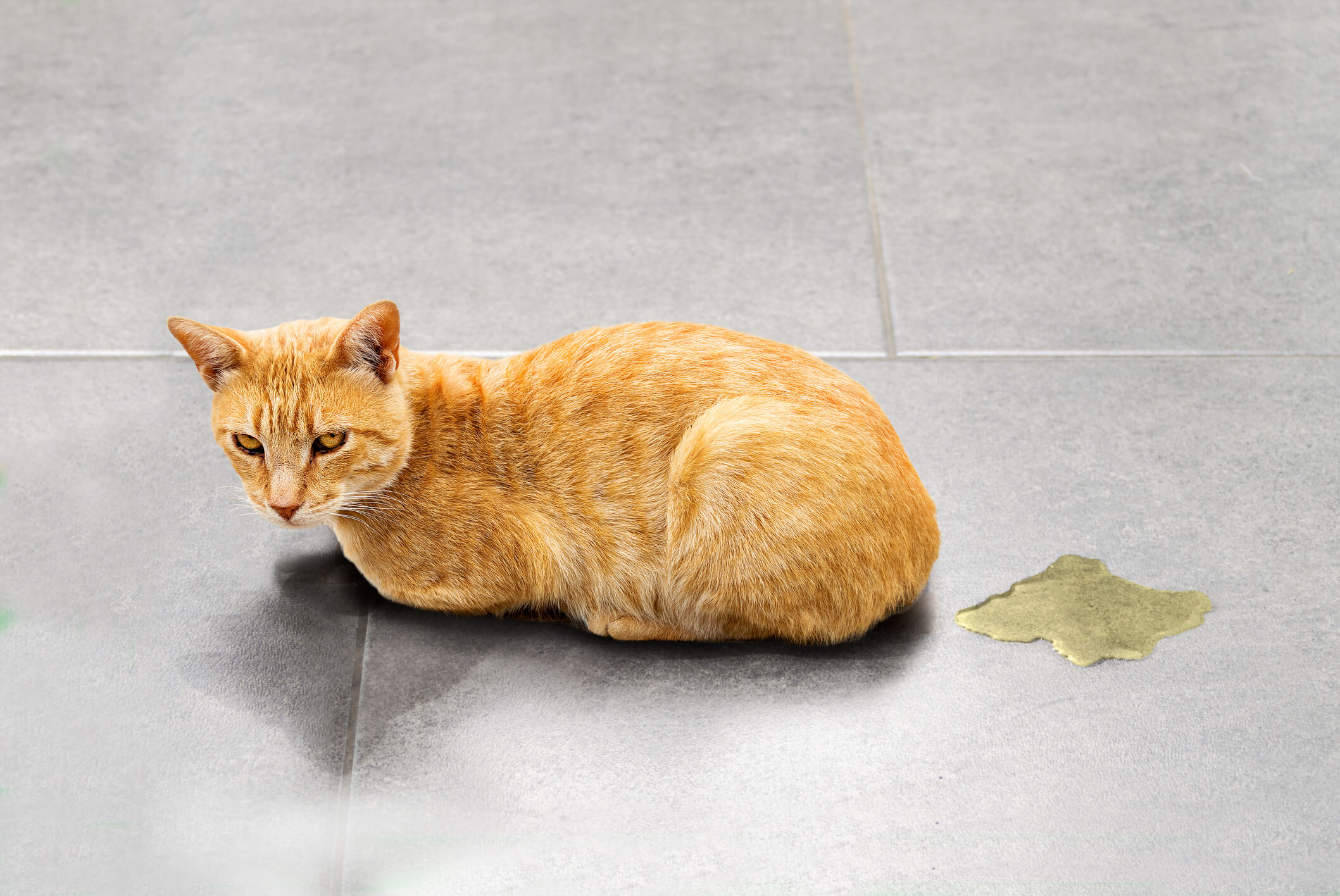
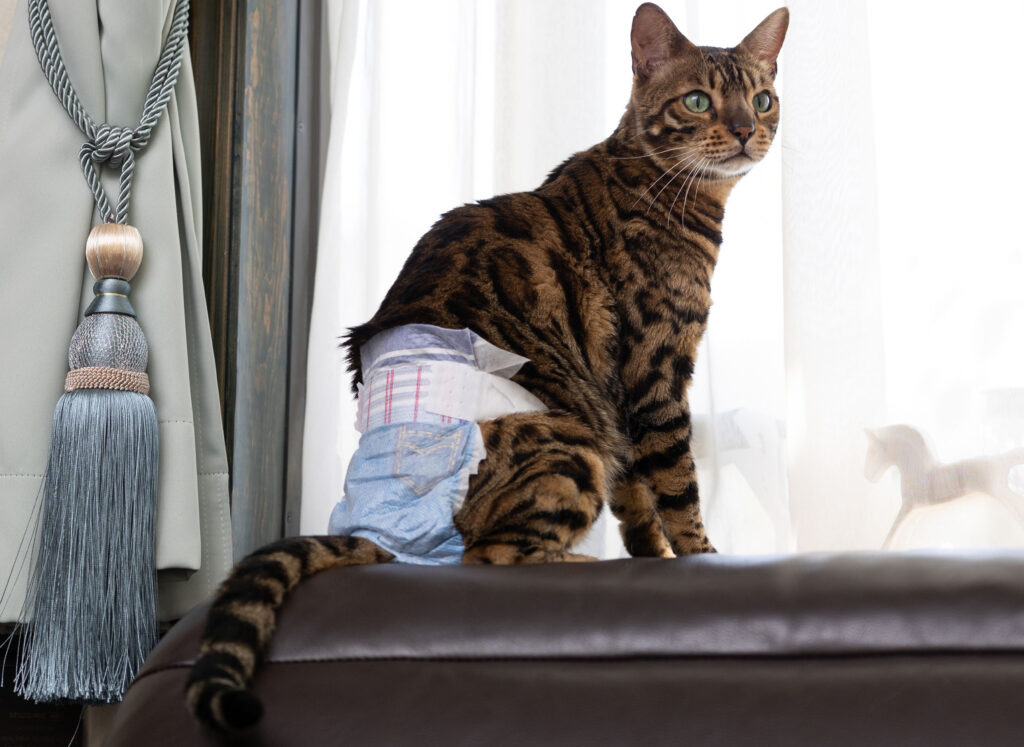
Symptoms of Urinary Incontinence in Cats Urinary incontinence in cats can easily be confused with inappropriate urination (urination that occurs anywhere other than outdoors or in the litter box). Inappropriate urination is more common, but it is a voluntary (purposeful) action. Urinary incontinence will happen involuntarily, without the cat's knowledge.
Learn what urinary incontinence is in cats , how you can recognize it, and how to differentiate it from other inappropriate urinary behaviors.
Managing urinary incontinence in cats

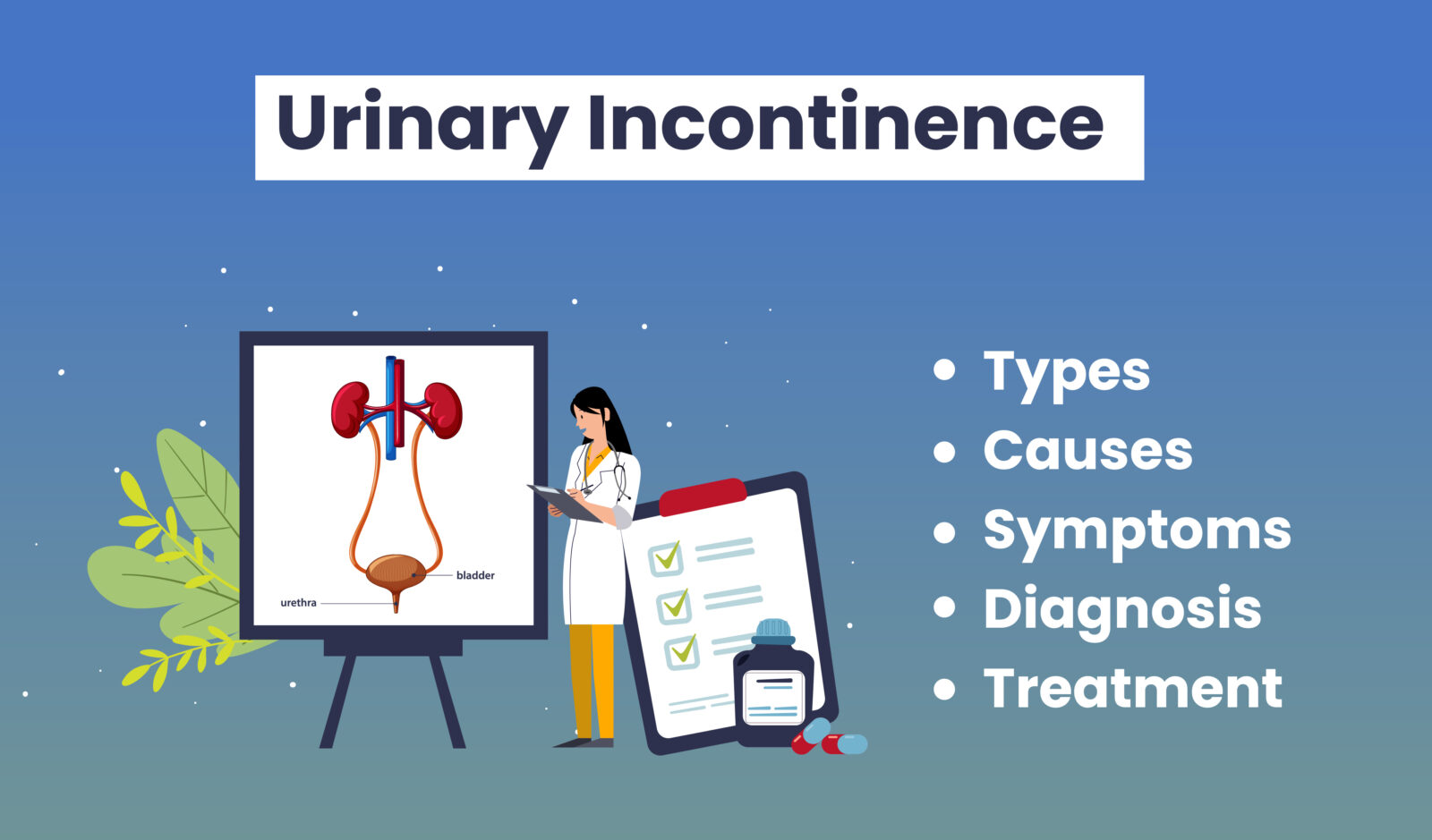
Introduction Urinary incontinence is defined as the involuntary loss of urine through the urethra. It is generally characterised by an intermittent or continuous dripping of urine, which may or may not be accompanied by episodes of normal urination or nocturia. Urinary incontinence is estimated to be much less common in cats than in dogs, representing just 4-5% of all cases of lower urinary ...
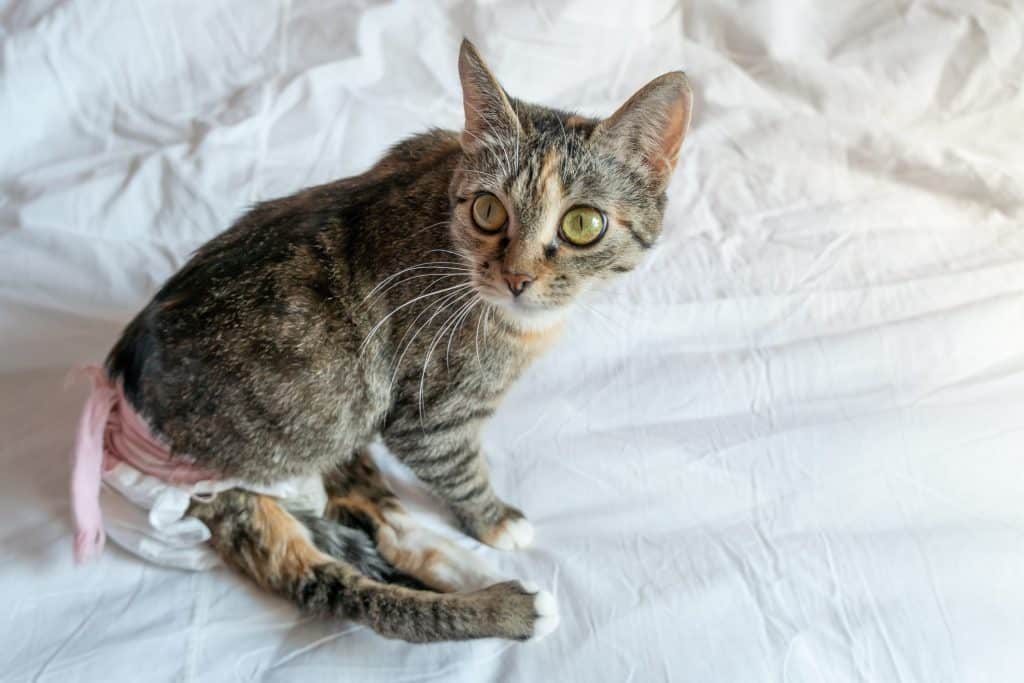
Urinary incontinence is the involuntary release of urine. An affected cat may dribble urine or void a large amount, while seemingly unaware. Voiding urine is clearly involuntary if it occurs while the cat is sleeping or walking and not crouched in the usual posture for elimination Urinary incontinence is caused by any illness or injury that interferes with normal control over urinating ...
Feline urinary incontinence

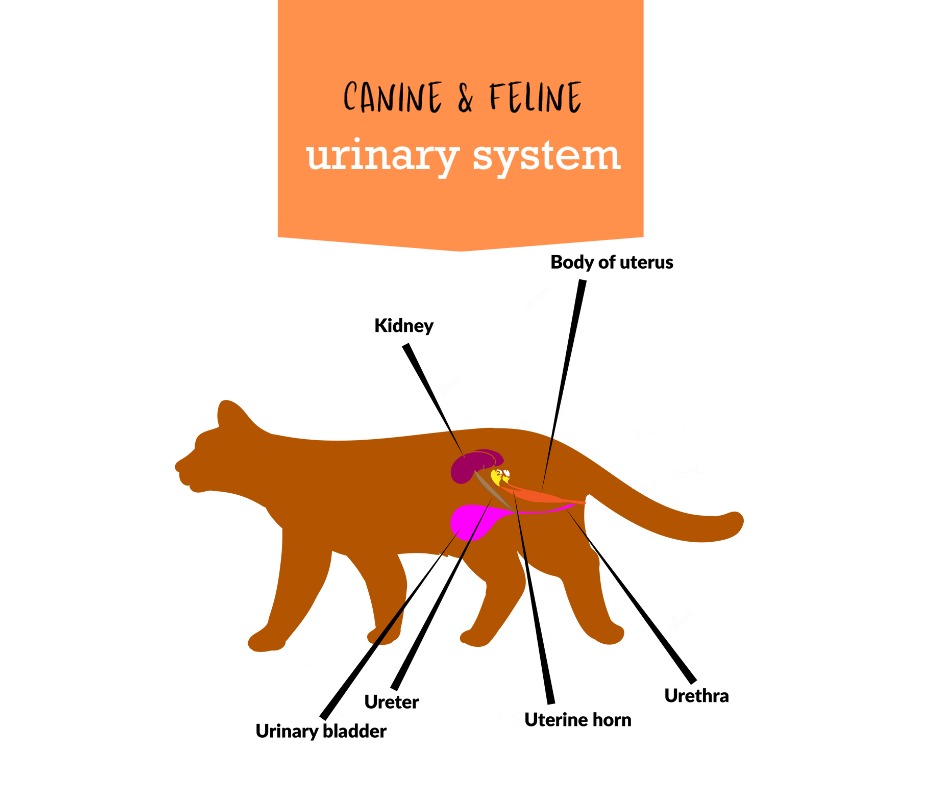
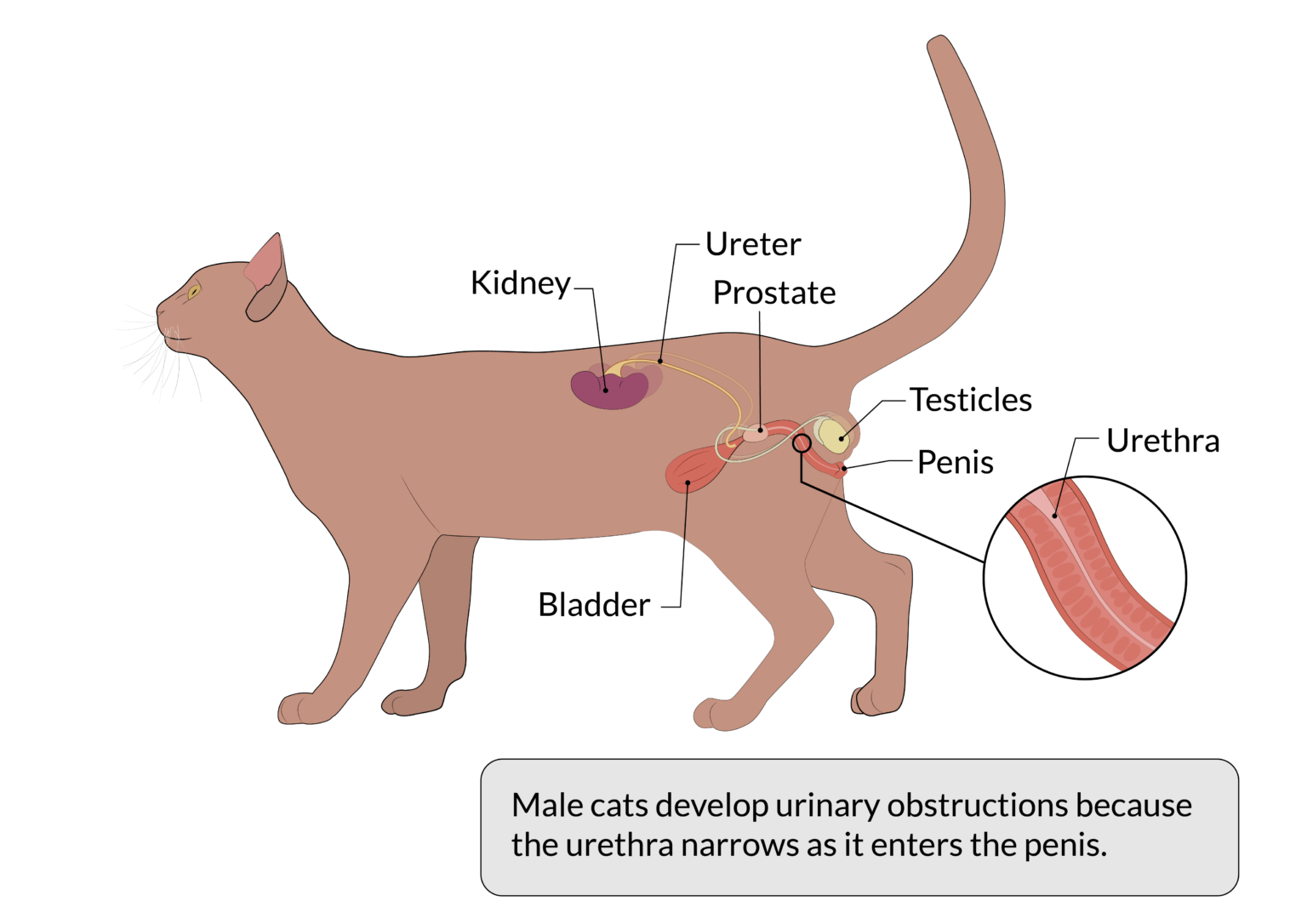
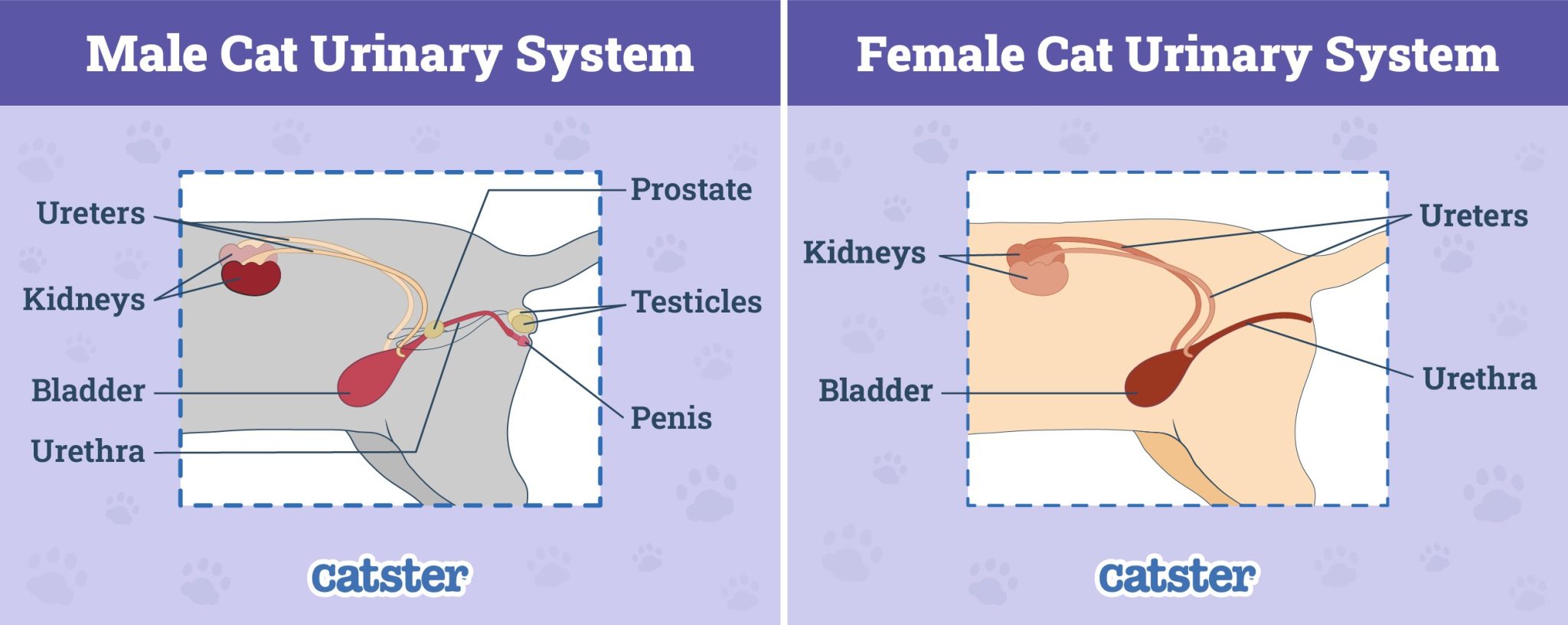
As we can see from the illustration, Urinary Incontinence In Cats With Maternal Uremia has many fascinating aspects to explore.
Abstract Objectives The objective of this retrospective study was to describe the feline population presented for urinary incontinence at a veterinary teaching hospital between 2009 and 2019, with a particular focus on cats with a non-neurologic underlying cause.
Conclusions and Clinical Importance Urinary incontinence in cats was associated with a variety of congenital and acquired disorders that affected both phases of micturition with similar frequency. Incontinent cats with spinal cord disorders were common and warrant a more guarded prognosis than do cats with bladder or urethral disorders.
Three steps to feline urinary incontinence management ...

Urinary incontinence defined Urinary incontinence is defined as involuntary leakage of urine. Therefore, it is different from behavioral periuria characterized by normal voluntary elimination of urine in the wrong place (sites other than the litter box or outdoors) or the wrong time (nocturia) as defined by the owner.
The '2025 iCatCare consensus guidelines on the diagnosis and management of lower urinary tract diseases in cats' provide an overview of the common presenting signs caused by underlying feline lower urinary tract (LUT) diseases in cats , which often are indistinguishable between different underlying causes. The Guidelines set out a diagnostic approach to affected cats before focusing on the most ...
These types of abnormalities are rare, but important to consider, if your cat has urinary tract problems. Disorders of the Kidneys There are many congenital and inherited problems that affect the kidneys. Among these are kidney dysplasia and hypoplasia, failure of the kidney (s) to develop, polycystic kidneys, and kidney cysts.
Understanding urinary tract diseases and how to help cats at home: a guide for caregivers Lower urinary tract diseases are common in cats . In addition to veterinary treatment, changes in the cat's home environment to reduce stress can assist recovery when combined with diet changes and measures to increase water intake.