PDF From pixels to isolation
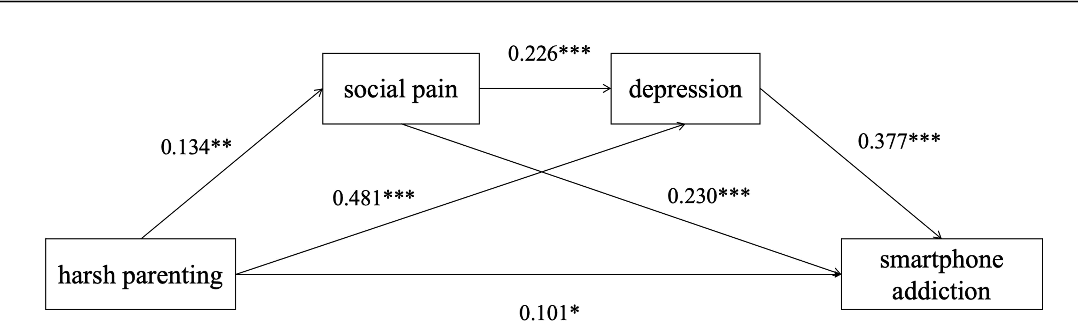
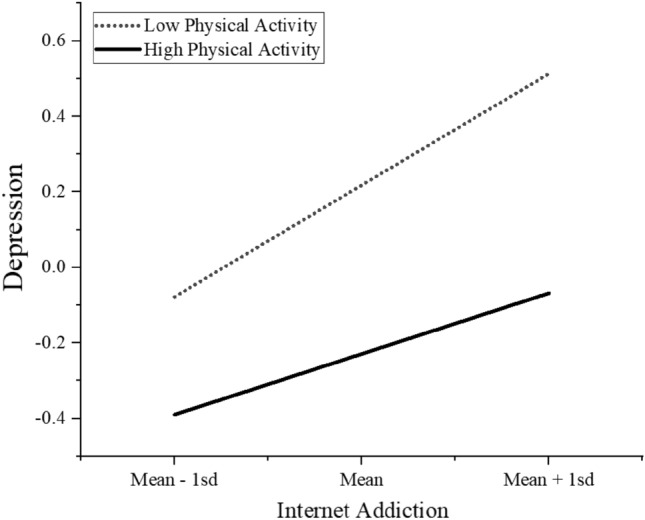
The results suggest that technological addiction may contribute to increased depression among young adults , which in turn leads to Hikikomori-related risk behaviors (e.g., avoiding school or work) and ultimately results in the development of Hikikomori.
The results suggest that technological addiction may contribute to increased depression among young adults , which in turn leads to Hikikomori-related risk behaviors (e.g., avoiding school or work) and ultimately results in the development of Hikikomori.
The relationship between technology addictions and ...
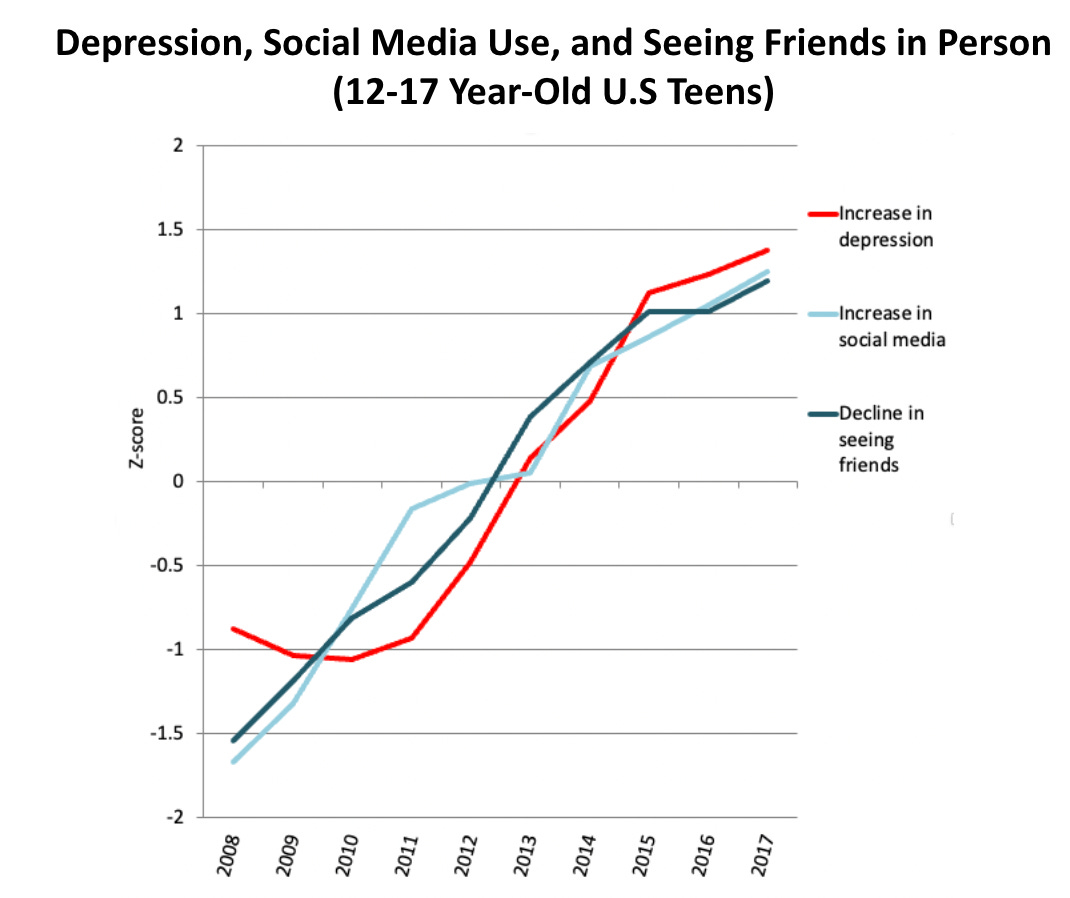
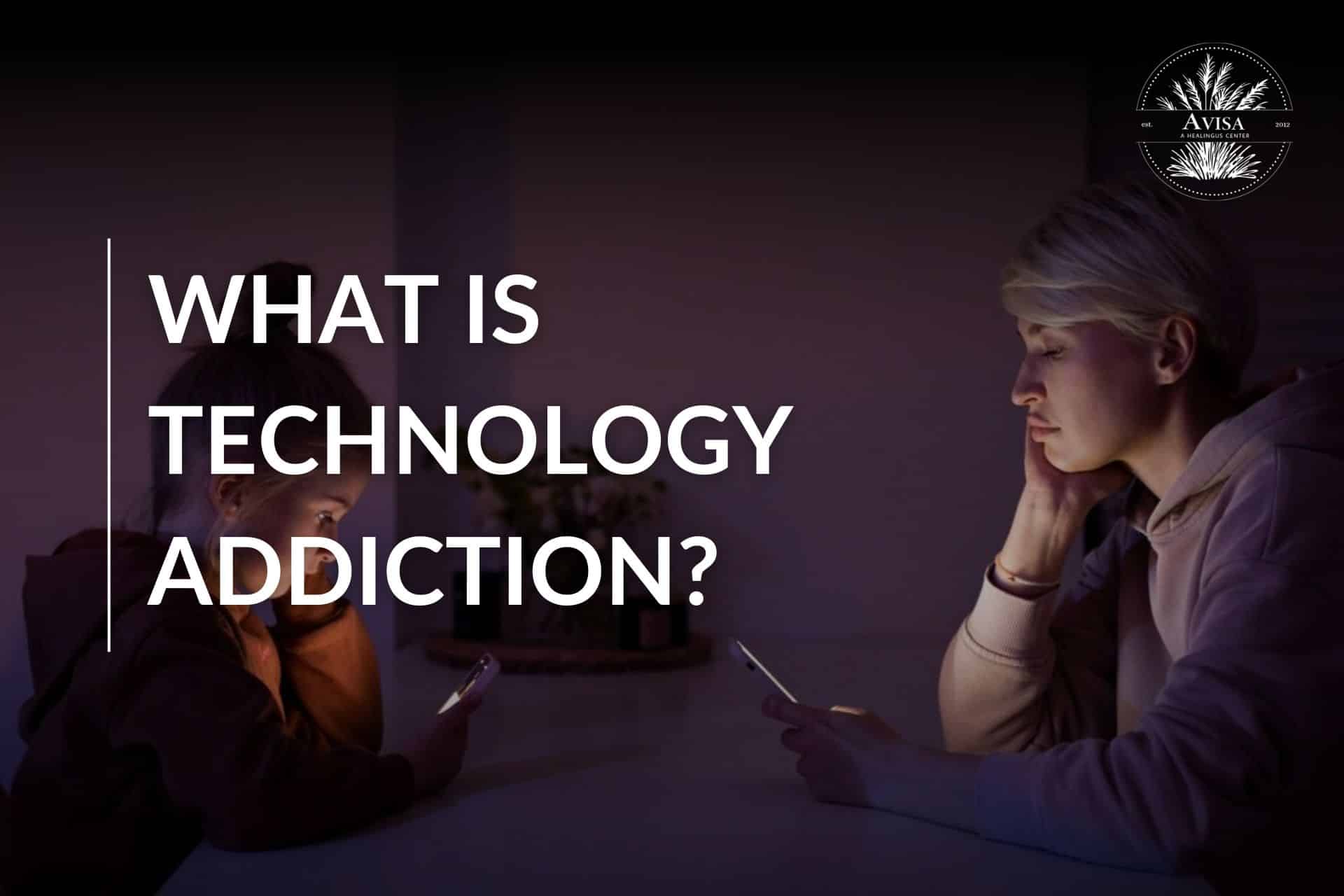
As we can see from the illustration, The Relationship Between Tech Addiction And Depression In Adults has many fascinating aspects to explore.
Our findings preliminarily suggest that an addictive use of smartphones, Internet and Facebook may act as a stressor that exacerbates psychosis proneness directly or indirectly through distress.
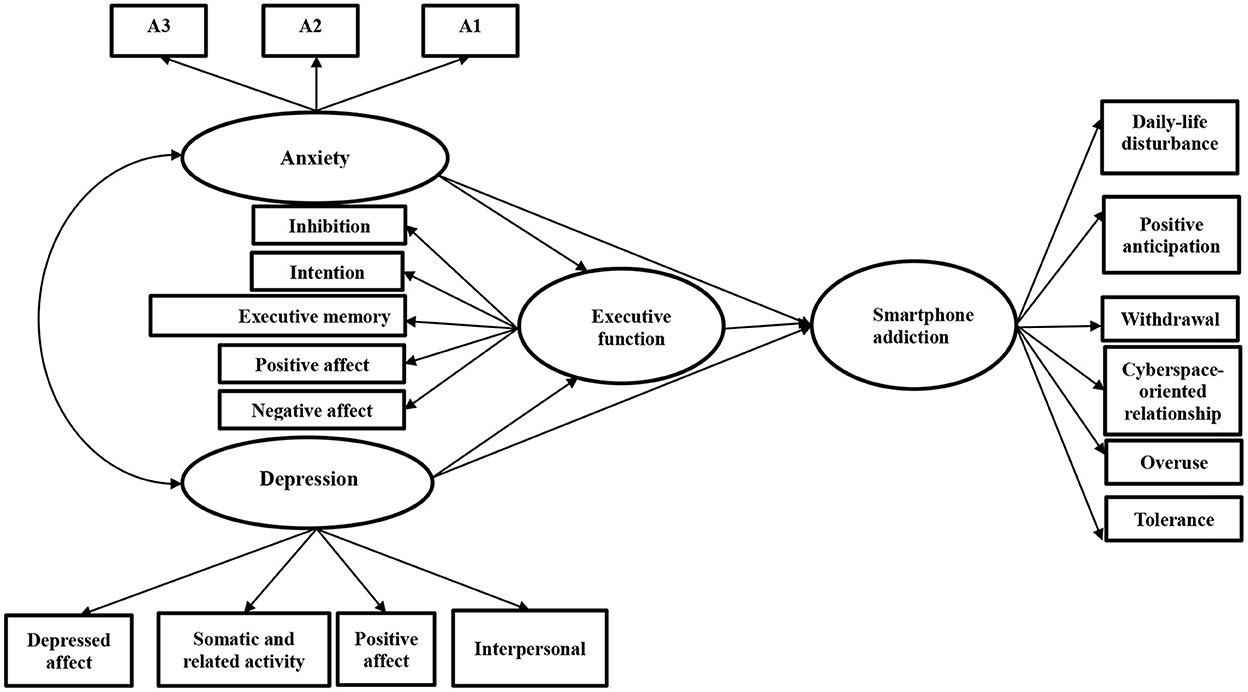
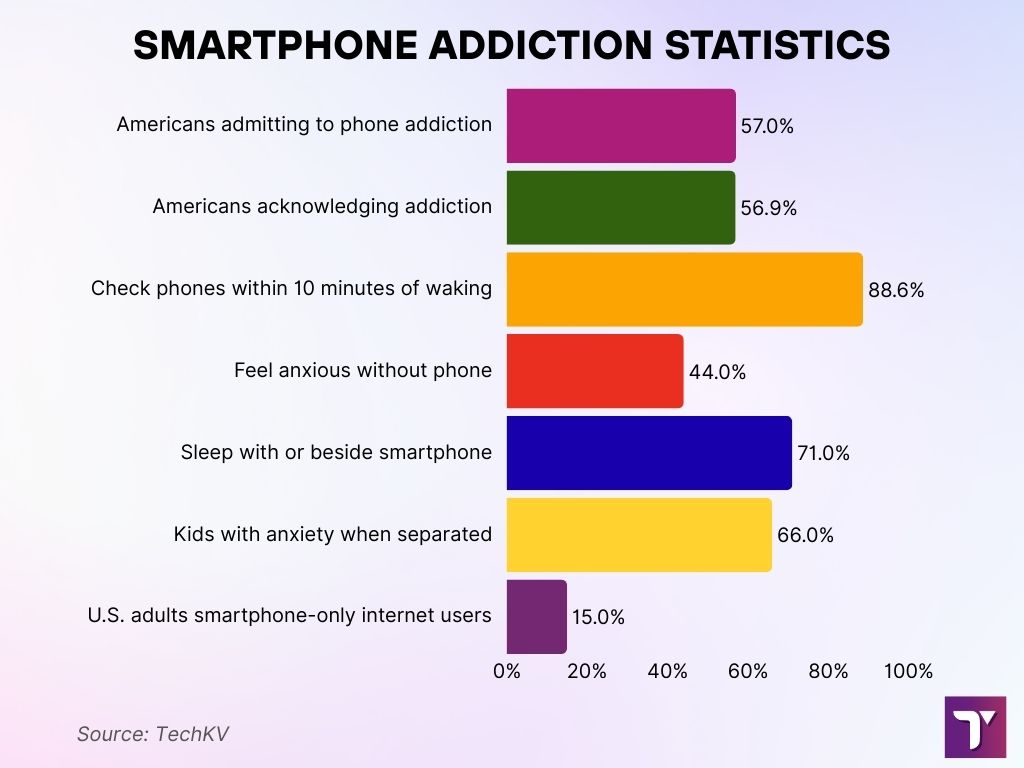
Our review is the first systematic review that utilizes empirical evidence from the last decades that demonstrates the relationship between smartphone addiction and health outcomes among adults .
The Tech Addiction and Mental Health Crisis

Furthermore, visual representations like the one above help us fully grasp the concept of The Relationship Between Tech Addiction And Depression In Adults.
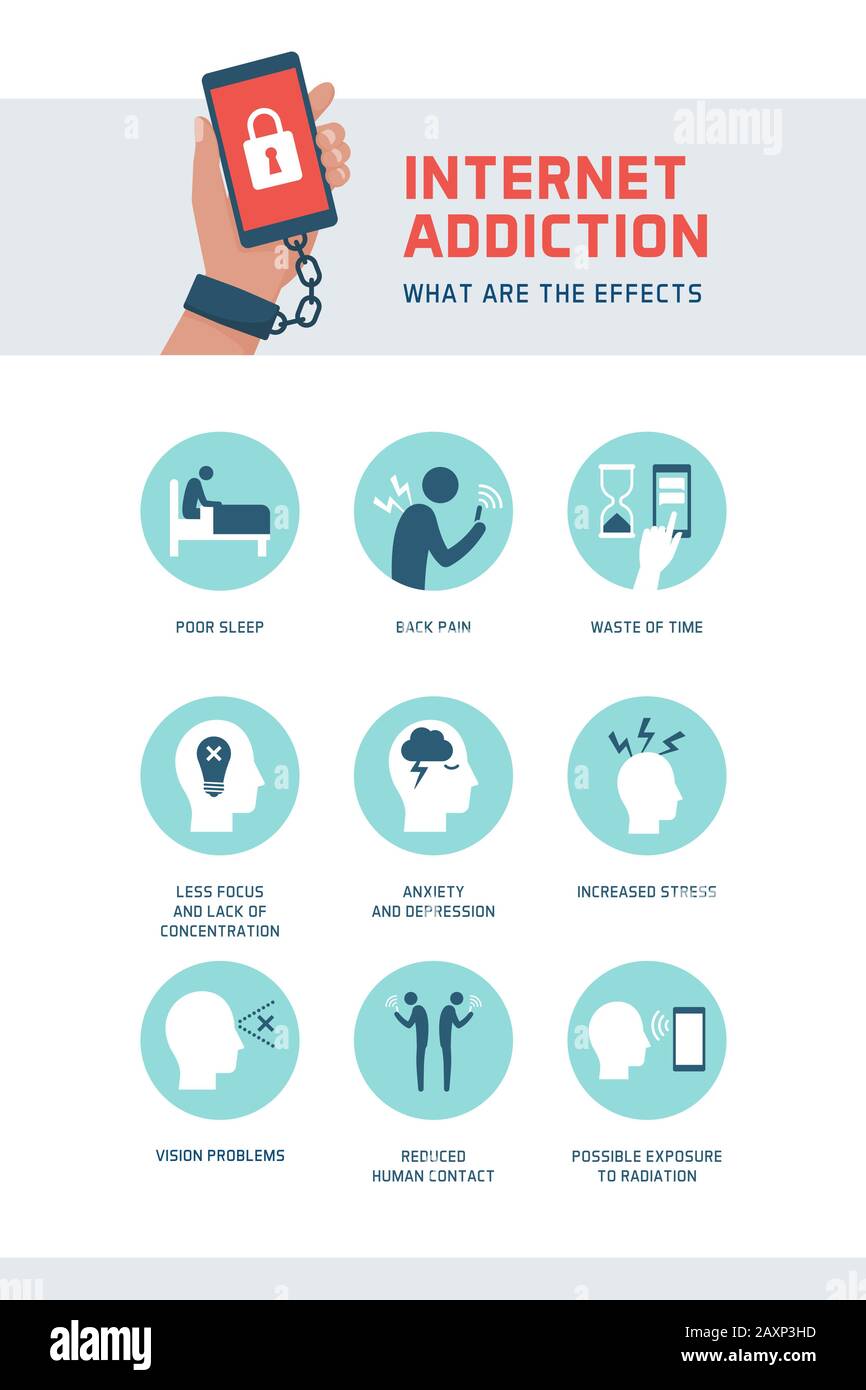
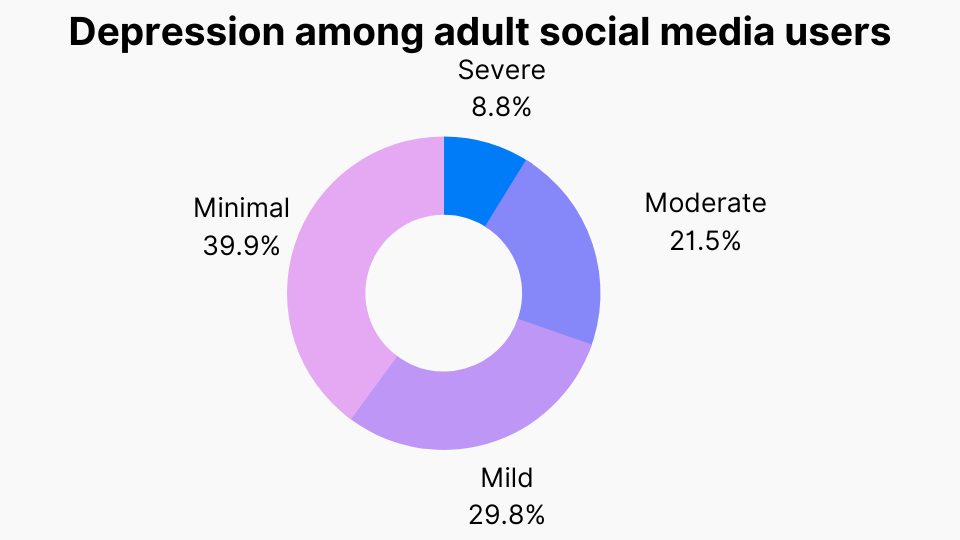
Tech addiction can have a significant impact on mental health, leading to anxiety, depression , and other mental health concerns. Signs of tech addiction include excessive use of technology, withdrawal symptoms when not using technology, and neglecting other responsibilities.
We aimed to explore the relationship between tobacco dependency, the degree of severity of anxious and depressive symptoms, and certain related personal characteristics and adult health...
The association between psychological distress and internet addiction ...

Moving forward, it's essential to keep these visual contexts in mind when discussing The Relationship Between Tech Addiction And Depression In Adults.
Internet addiction has emerged as a global public health concern, with psychological distress recognized as a key contributing factor.
Research interest was mostly on factors related to both addiction and depression such as cognitive distortion, insomnia, loneliness, self-esteem, social support, alexithymia, as well as cybervictimization or academic performance.
We used linear mixed models and meta-analyses to examine the association between Internet use and mental health among 87,559 adults aged ≥50 years from 23 countries.
Our study shows that PSU can be viewed as an indicator of symptoms of anxiety and depression and a possible manifestation of these mental health problems in modern society. Furthermore, PSU as a maladaptive coping behavior may contribute by worsening these symptoms.