Canine Inflammatory Bowel Disease Management
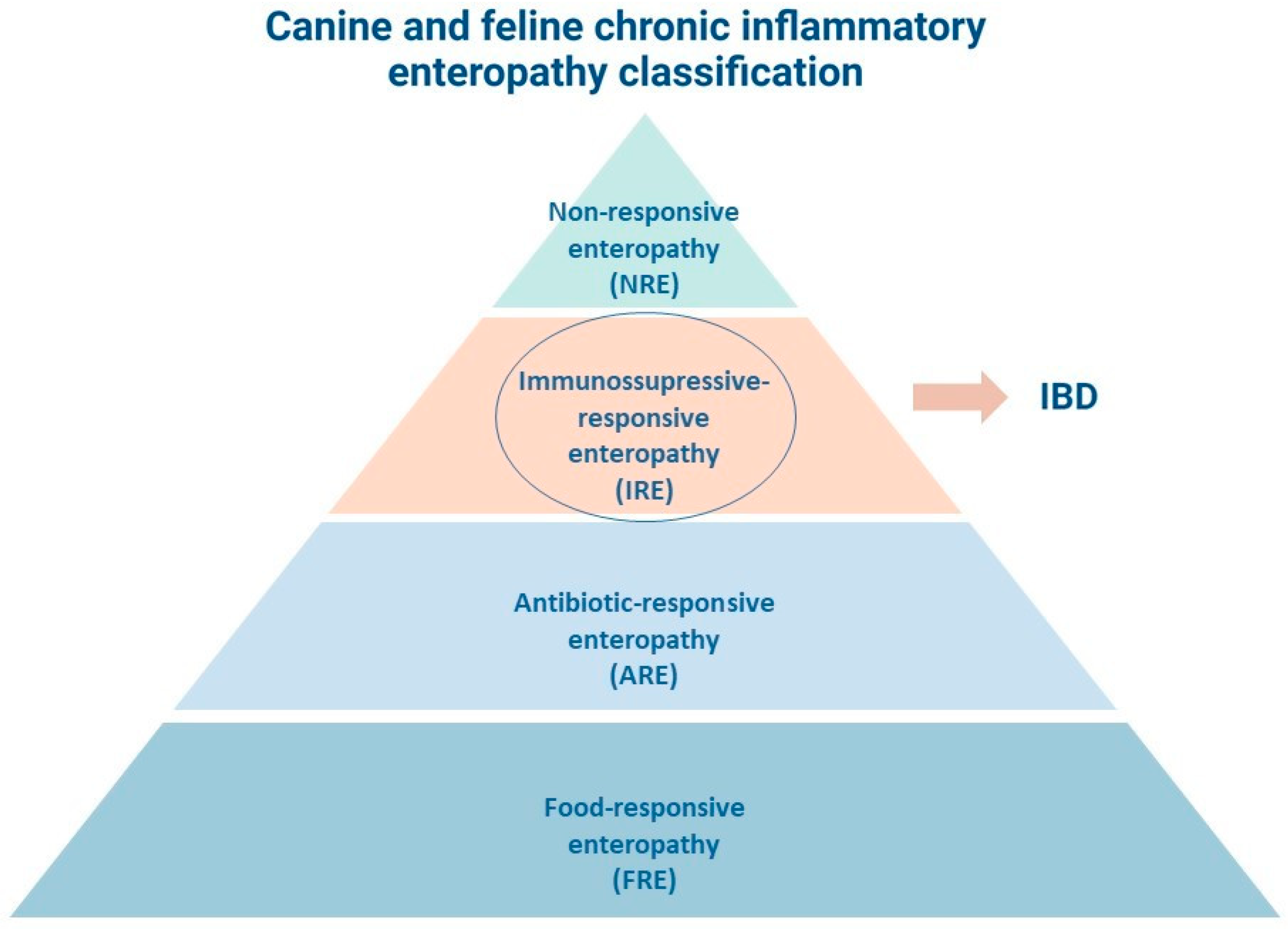
Definition Inflammatory bowel disease (IBD) by definition is a chronic inflammatory process involving the gastrointestinal (GI) tract, with no identifiable underlying cause. Inflammation can be centred on the stomach, small intestine or large intestine and clinical signs can either be persistent or intermittent. The underlying aetiology of IBD is complex and involves interaction between the ...
Inflammatory Bowel Disease Fact Sheet
Information for pet owners on the symptoms, causes, diagnosis and treatments available for Inflammatory Bowel Disease in dogs and cats.

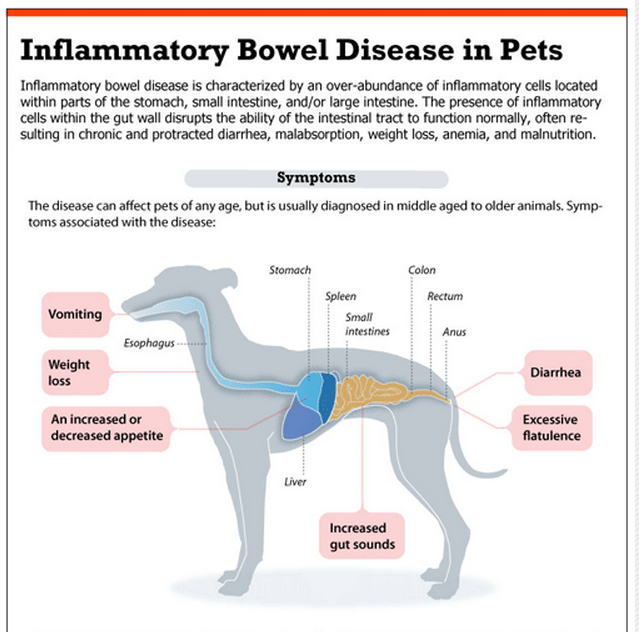
Overview Inflammatory bowel disease (IBD) is a chronic condition (greater than three weeks) caused by inflammation in the gastrointestinal tract. Middle aged dogs of both sexes are equally affected. Clinical signs Signs may vary and be intermittent and may include: Weight loss Vomiting Diarrhea Flatulence Decreased or increased appetite Cause The cause of IBD is unknown but is believed to be a ...
Useful Notes on Severe Canine Inflammatory Bowel Disease Remedy
Abstract The past decade has witnessed the performance of well-designed studies that enable diagnosing canine chronic inflammatory enteropathy and trials that assess treatment options. In these guidelines, we evaluate diagnostic approaches including endoscopy, biopsy, and histopathology, disease classification, and biomarkers used in the management of this condition. Dietary treatment options ...

This particular example perfectly highlights why Severe Canine Inflammatory Bowel Disease Remedy is so captivating.
Inflammatory Bowel Disease (IBD) is a chronic disease of the intestinal tract. Occasionally, the stomach may be involved. Most dogs with IBD have a history of recurrent or chronic vomiting or diarrhea. During periods of vomiting or diarrhea, the dog may lose weight, but is normal otherwise.
Inflammatory Bowel Disease (IBD) in Dogs and Cats
Inflammatory Bowel Disease in Dogs and Cats Diagnosis, diagnostics, and treatment for inflammatory bowel disease (IBD) in dogs and cats, a multifactorial disease characterized by chronic enteropathies that can significantly impact quality of life.

Inflammatory bowel disease in dogs actually refers to a group of conditions that all cause chronic inflammation of the digestive system. IBD occurs because of an abnormal reaction from the immune system to (non-infectious) bacteria in the gut or food antigens.
The inflammatory bowel diseases (IBD) are the most common causes of chronic vomiting and diarrhea in dogs and cats, and refer to a group of poorly understood enteropathies characterized by the infiltration of the gastrointestinal mucosa by inflammatory cells. The cellular infiltrate is composed of variable populations of lymphocytes, plasma cells, eosinophils, macrophages, neutrophils, or ...