Screen time
Here, this particular routine is referred to as screen time [1]. In this context, care and concern about the time spent with digital media arise, especially with children, in regards to the early exposure and introduction of digital media. The negative associations that accompany the current culture of early screen exposure are ...
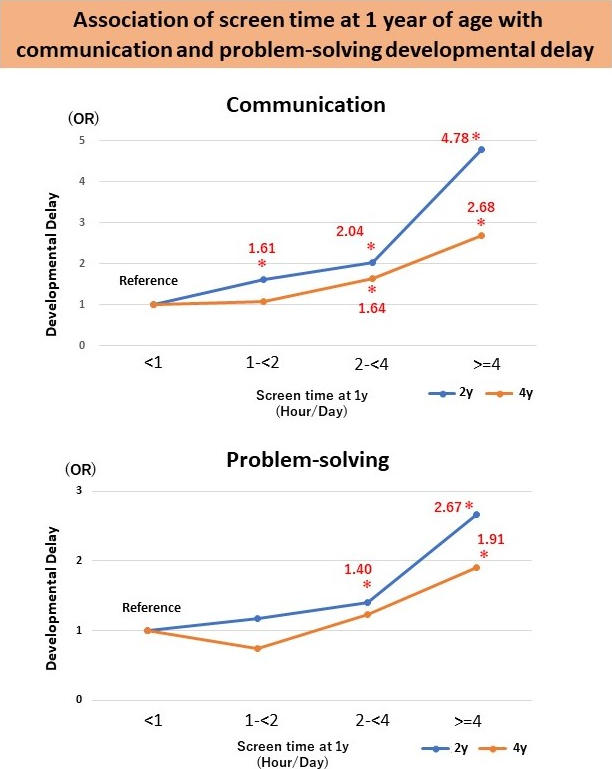
Self-regulation, the ability to control thoughts, emotions, and behavior for goal-directed activities, shows rapid development in infancy, toddlerhood, and preschool periods. Early self-regulatory skills predict later academic achievement and socioemotional adjustment. An increasing number of studies suggest that screen media use may have negative effects on children's developing self ...
The Impact of Screen Time on Early Childhood Development
This paper explores the effects of screen time on children under the age of five, focusing on cognitive, social, emotional, and physical development.
Screens have become an integral part of children's daily lives. Children's screen time is increasing, and screen engagement is beginning earlier in life.1 These trends raise concerns because excessive screen time in early childhood is correlated with a range of adverse physical, psychosocial, and cognitive outcomes.2 Several mechanisms have been proposed to explain these associations ...

Young children and screen
Abstract Young children are deeply immersed in digital technologies and the way children interact with screen -based media during early childhood is constantly changing. Literature shows that the use of screen -based media in early childhood can have both positive and negative impacts on children's cognitive and socioemotional development.
Make Screen Time Learning Time
Thousands of interactive math games that are tailored to your child's learning needs. Our pre-K-8th grade curriculum is research-based, common core aligned, and comprehensive.
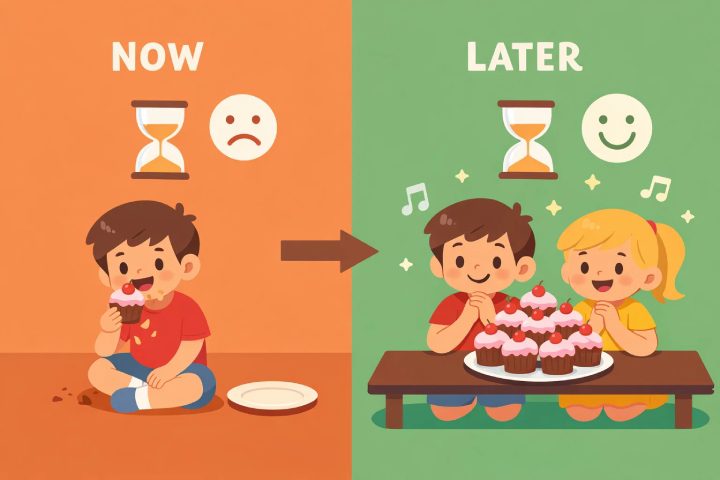
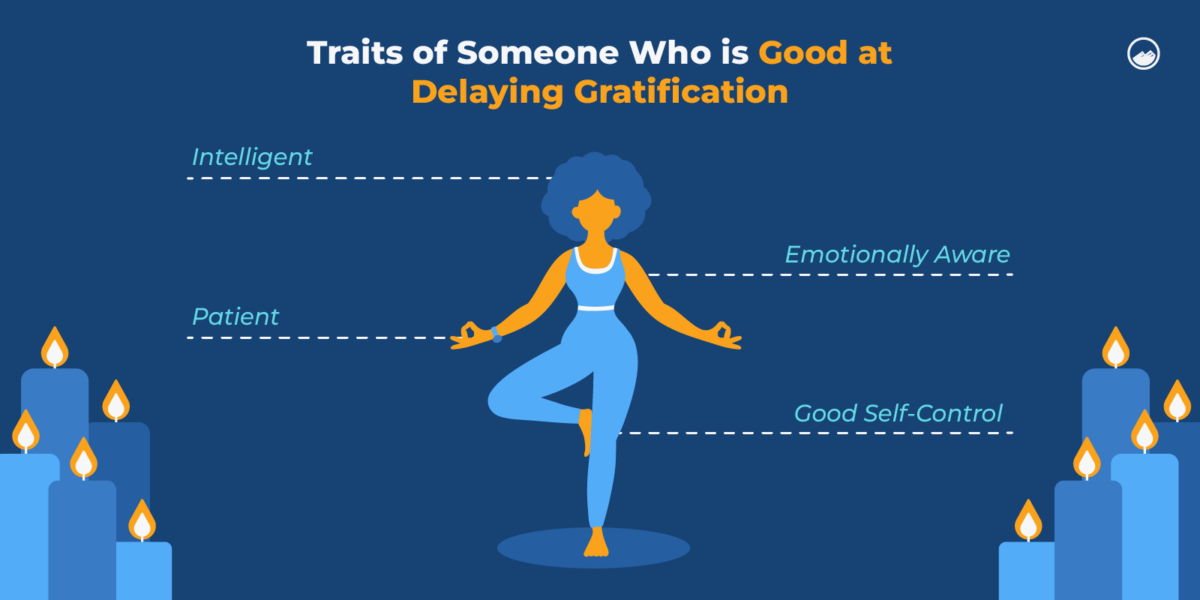
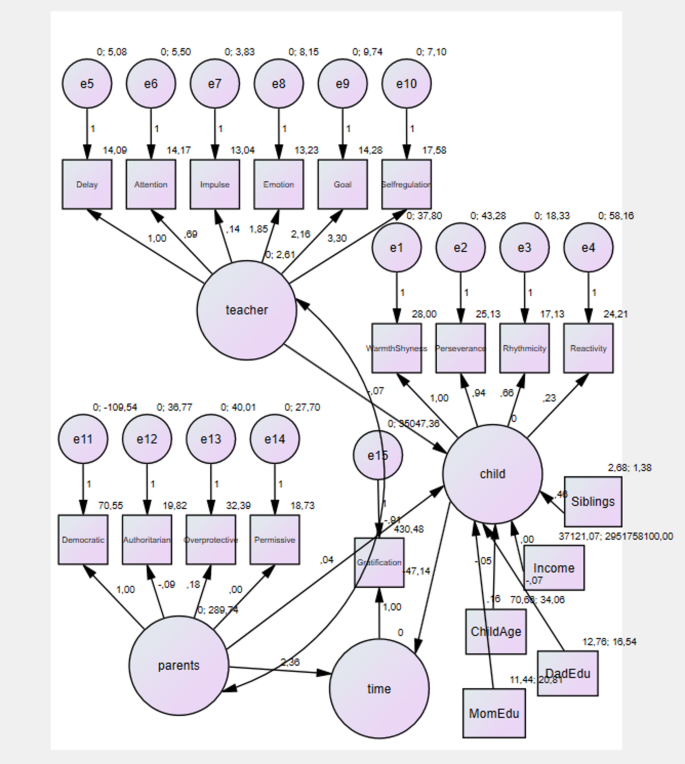
This study demonstrates that young children with weaknesses in objectively-measured delay of gratification and inhibitory control are more likely to be provided media for emotion regulation ...

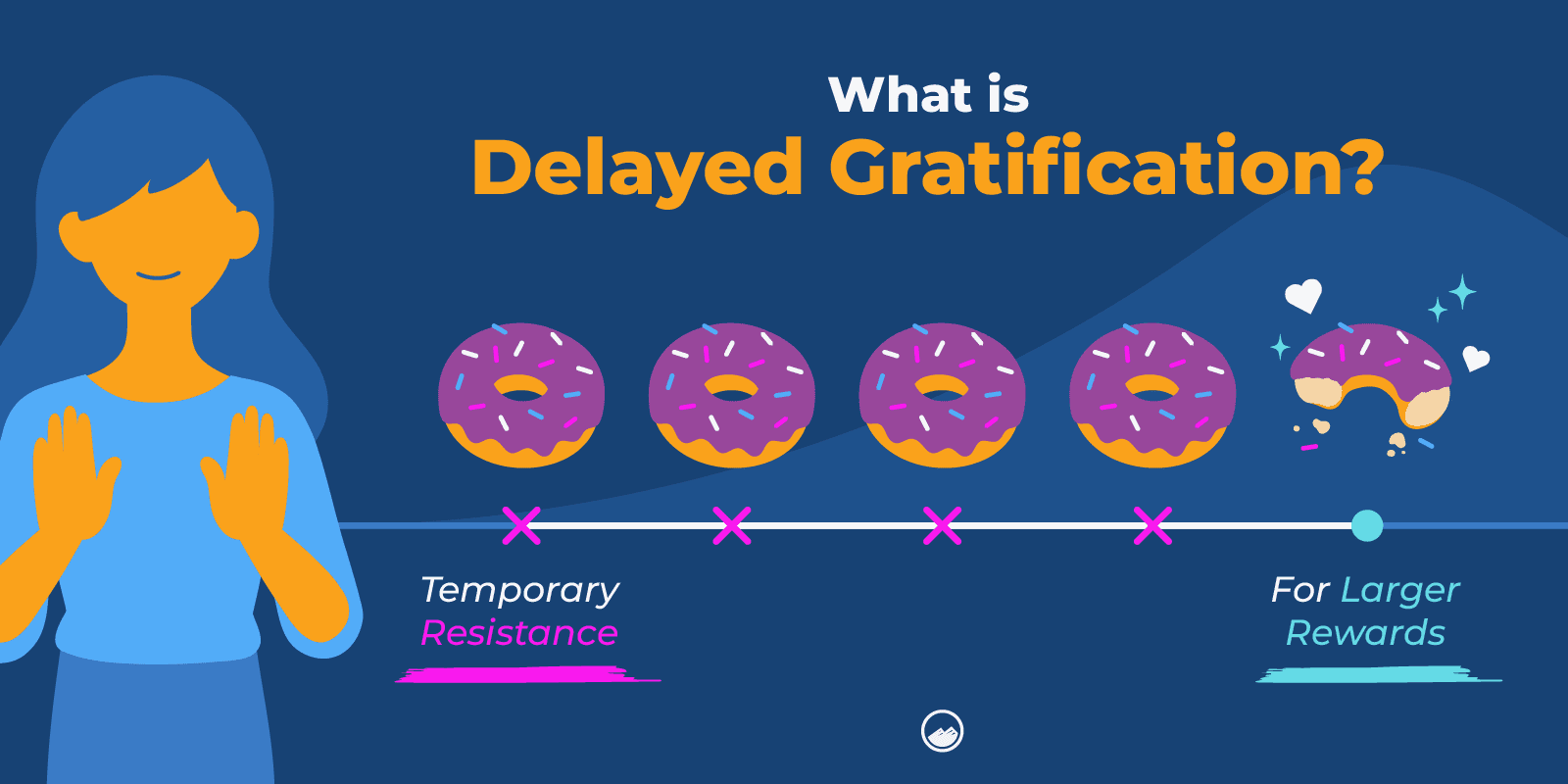
Moving forward, it's essential to keep these visual contexts in mind when discussing Screen Time And Kids Ability To Delay Gratification In Early Childhood.
Screen Time Effects on Child Development
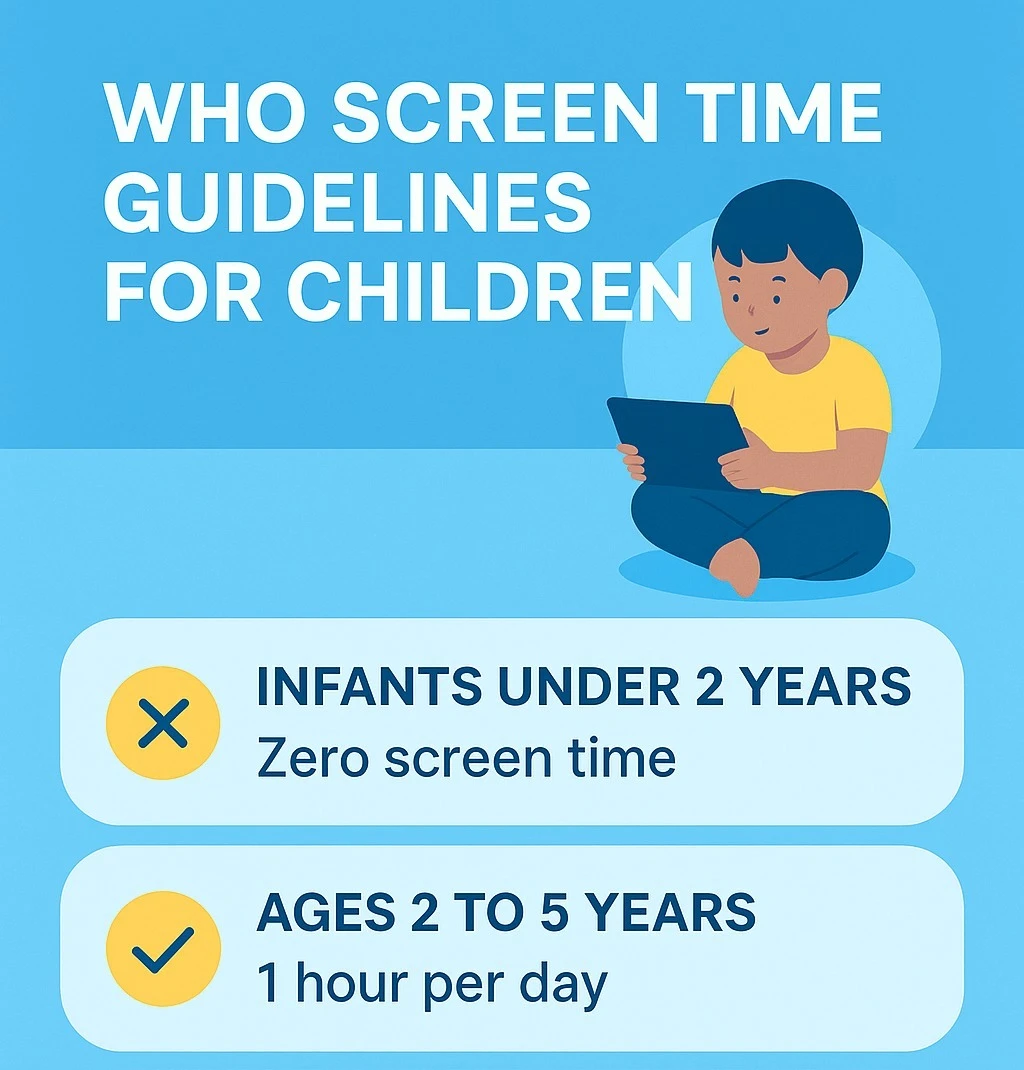
Discover how screen time affects children's brain development, behavior, and well-being. Evidence-based limits, strategies, and age-appropriate guidelines from cyber psychology research.
The growing brain in early childhood is at a critical stage for cognitive and social-emotional development as the neural pathways form to support skills such as self-regulation and executive functioning. How these skills develop and mature has far-reaching impacts later in childhood and even adulthood. Media use and experiences in the early years interact with and may interfere with these ...
Increased screen time (ST) among preschool children is becoming a matter of concern globally. Although gadgets such as phones, tablets and computers might be of educational use in this population ...