Nitrate In Reef Tank
This is the most sustainable nitrate in reef tank approach. Water Changes: The classic method . Regularly swapping out a portion of your tank water with fresh, clean saltwater physically removes nitrates. A 10-20% weekly water change is a fantastic baseline for most systems. Controlled Feeding: The biggest source of nitrates is food.
Removing the skimmer is rarely beneficial and may cause more harm than good. Bacterial Export (Carbon Dosing, Biopellets, Denitrators) Bacterial-based filtration methods are highly effective at reducing nutrients , particularly nitrate. If your tank is already running low, it's often best to reduce or pause these approaches until levels increase.
Adjusting Nutrients (Nitrate and Phosphate) in Reef Tanks

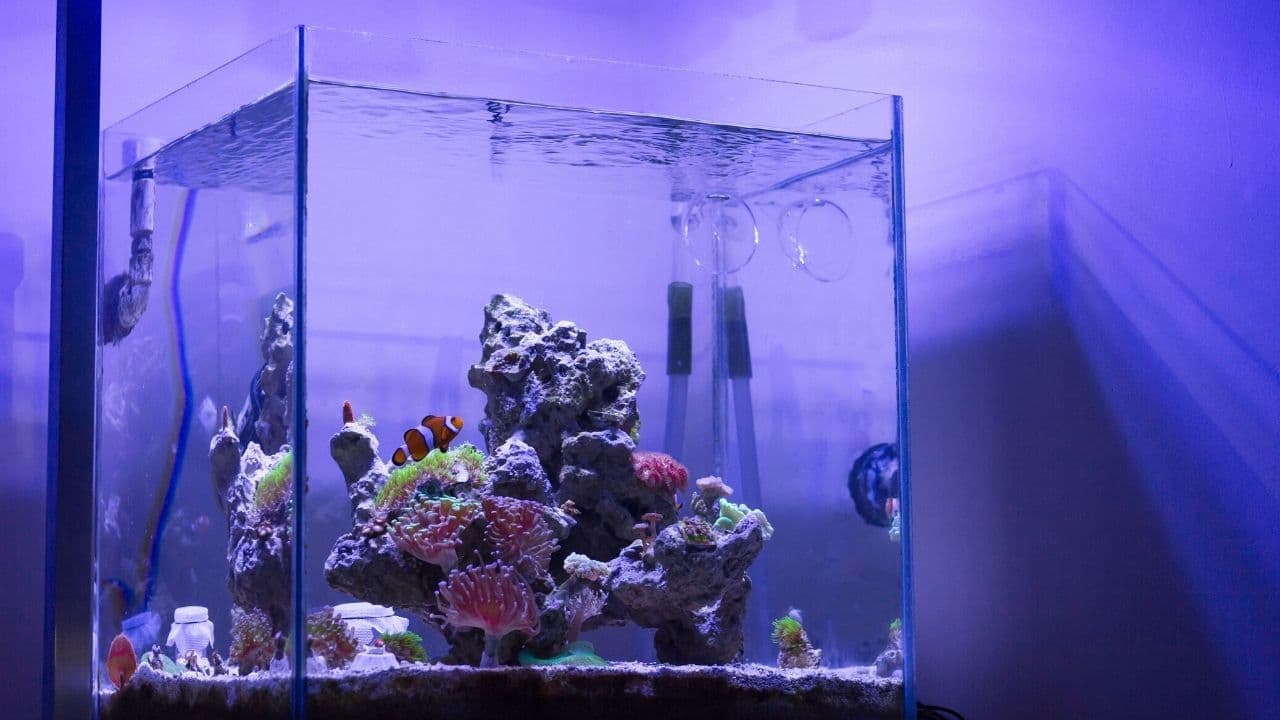
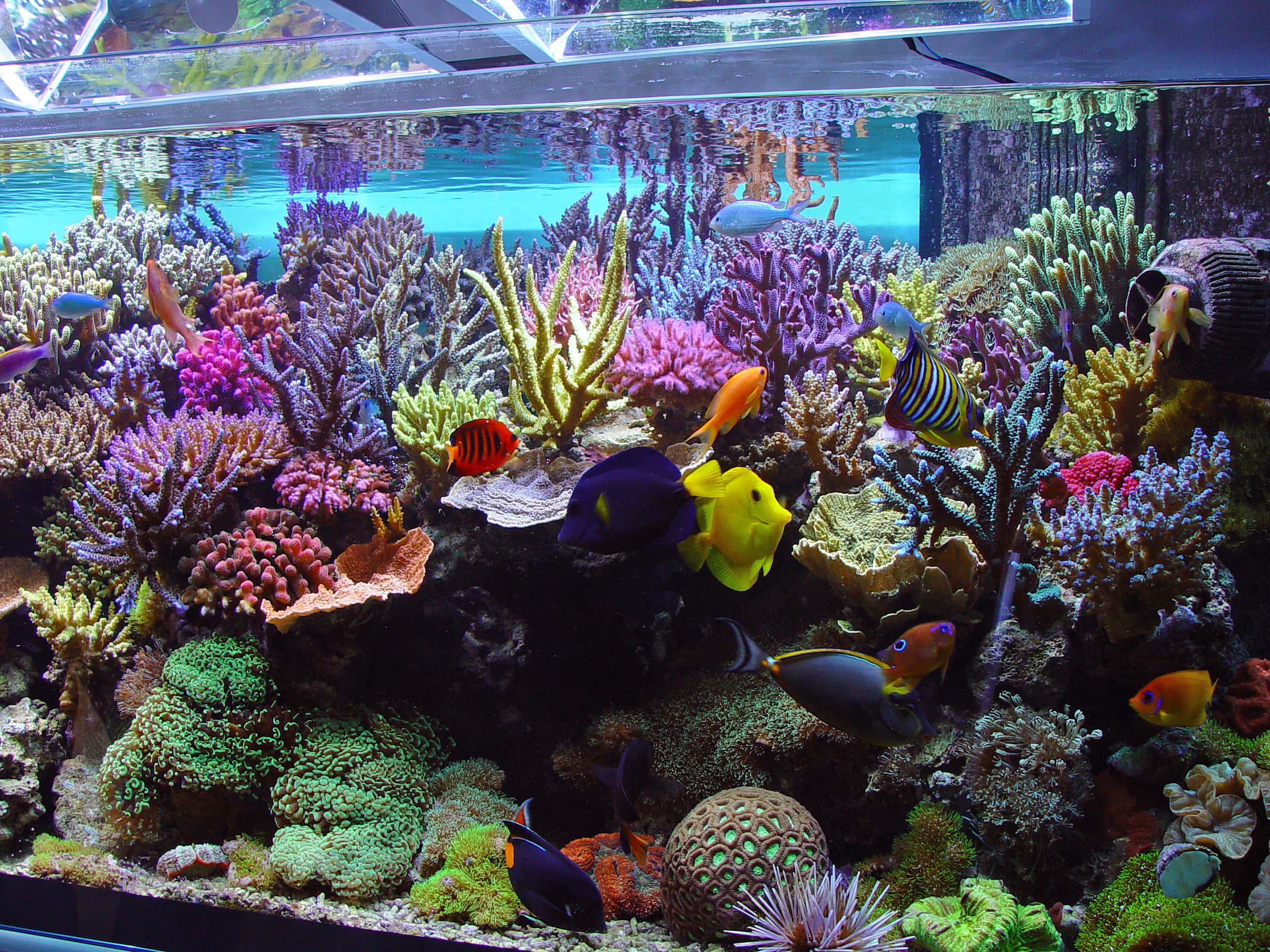
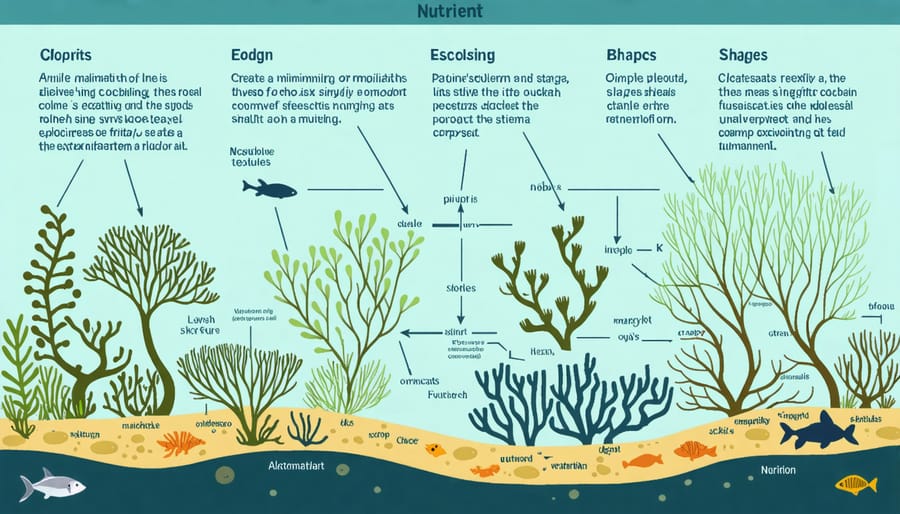
Furthermore, visual representations like the one above help us fully grasp the concept of Saltwater Reef Tank Nutrient Balancing Methods.
Keeping nitrate and phosphate balanced is an important part of saltwater aquarium keeping. Not only are these two parameters essential for coral health, but they are linked to how algae will grow in your aquarium.
Elevated nitrates in a reef tank reduce water quality, interfere with coral health, and contribute to nuisance algae growth. The key is keeping your nitrates at low levels without starving the tank completely of vital nutrients . Why Are Nitrates Important in Reef Tanks ?
How to Manage Low Nitrate and Phosphate Levels in Reef Tanks

Such details provide a deeper understanding and appreciation for Saltwater Reef Tank Nutrient Balancing Methods.
Learn what to do if nitrate and phosphate levels drop to zero in your reef tank . Discover tips for balanced nutrient levels, feeding strategies, and ways to avoid coral stress.
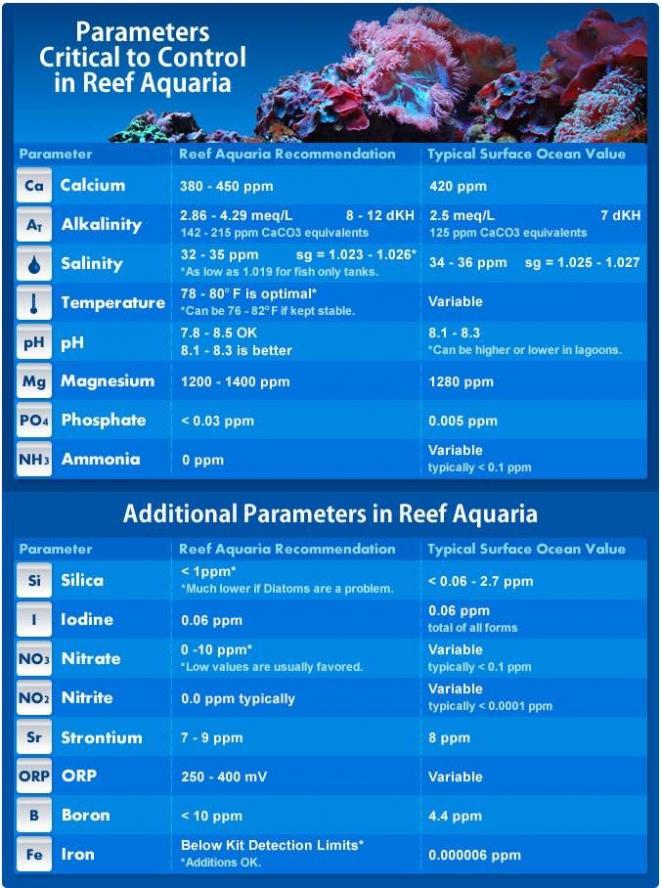
Nutrient levels—specifically nitrates (NO₃) and phosphates (PO₄) —play a critical role in coral health, coloration, and growth. While high nutrients can fuel algae and stress corals, ultra-low nutrients can starve them, leading to pale tissue and poor polyp extension. This guide explains how to find the perfect nutrient balance for your reef tank and keep it stable over time.
Balancing fish and coral in your reef aquarium is all about creating a thriving ecosystem. Start by selecting compatible species; research their social behaviors to avoid stress and aggression. Maintain ideal water parameters with the right salinity, pH, and nutrient levels, and keep a close eye on water quality. Use proper lighting customized to coral needs and manage algae effectively to ...
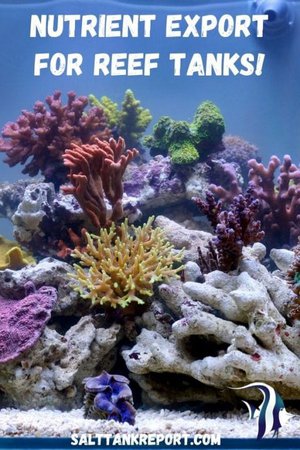
As we can see from the illustration, Saltwater Reef Tank Nutrient Balancing Methods has many fascinating aspects to explore.
Learn how to control nitrate and phosphate in your reef tank with practical tips on feeding, filtration, refugiums, and troubleshooting common nutrient problems.
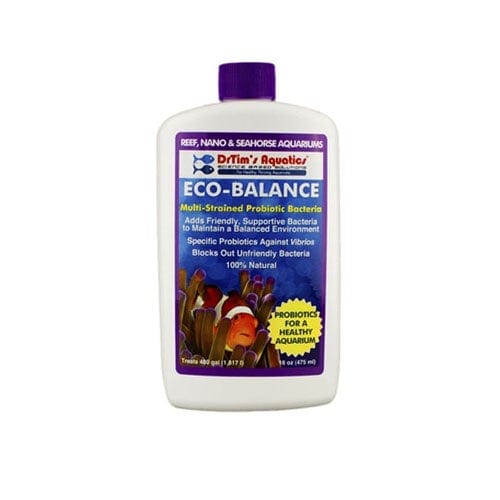
5 Best Reef Tank Nitrate Removers for 2026
Below are five proven reef -safe nitrate removers for 2026, how they work, and how to use them without swinging your water chemistry. For mixed reefs , aim for a stable 2-10 ppm nitrate; ultra-low nutrient SPS systems can run 0.5-5 ppm, but avoid chasing zero. How to choose a nitrate remover that fits your reef Method of action
Discover effective strategies to lower nitrates in your reef aquarium and promote vibrant marine life. This comprehensive guide explores the common sources of nitrates, their impact on coral health, and essential methods like regular water changes and nitrate-reducing media. Learn how proper monitoring and maintenance can create a balanced, thriving ecosystem for your fish and corals. Keep ...