Oral fish oil restores striatal dopamine release after traumatic brain ...
Omega-3 fatty acid administration can affect the release of neurotransmitters and reduce inflammation and oxidative stress, but its use in traumatic brain injury (TBI) has not been described extensively. We investigated the effect of 7 day oral fish oil treatment in the recovery of potassium evoked dopamine release after TBI. Sham rats and TBI rats were given either olive oil or fish oil by ...
Differential time and related appearance of signs, indicating improvement in the state of consciousness in vegetative state traumatic brain injury (VS-TBI) patients after initiation of dopamine treatment.
Role of the Dopaminergic System in the Striatum and Its Association ...

This review aims to provide an overview of the functionality of the dopaminergic system in the striatum and its roles in functional recovery or rehabilitation after TBI. Keywords: dopamine , corticostriatal pathway, functional recovery, traumatic brain injury , dopamine receptors Introduction
Among the many pathophysiologic consequences of traumatic brain injury are changes in catecholamines, including dopamine , epinephrine, and norepinephrine. In the context of TBI, dopamine is the one most extensively studied, though some research ...
Dopamine enhances recovery after traumatic brain injury through ...

Background Although the neurotransmitter dopamine (DA) plays a crucial pathophysiologic role after traumatic brain injury (TBI), its function and specific underlying mechanisms of action remain unclear. Methods Adult male mice underwent controlled cortical impact (CCI). We administered DA intraperitoneally to mice for 14 consecutive days, starting 8 h before CCI. On day 3 after brain injury ...
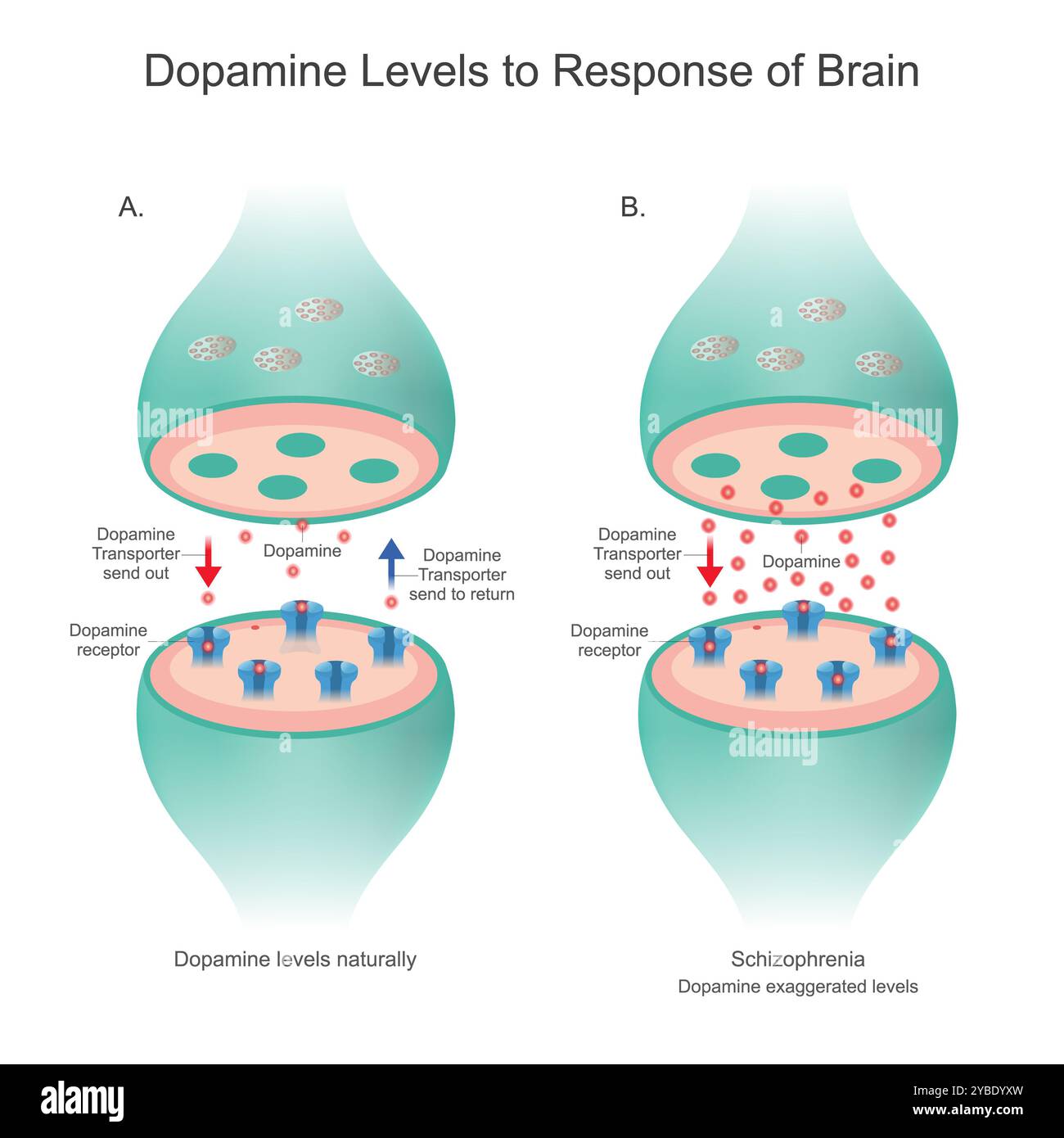
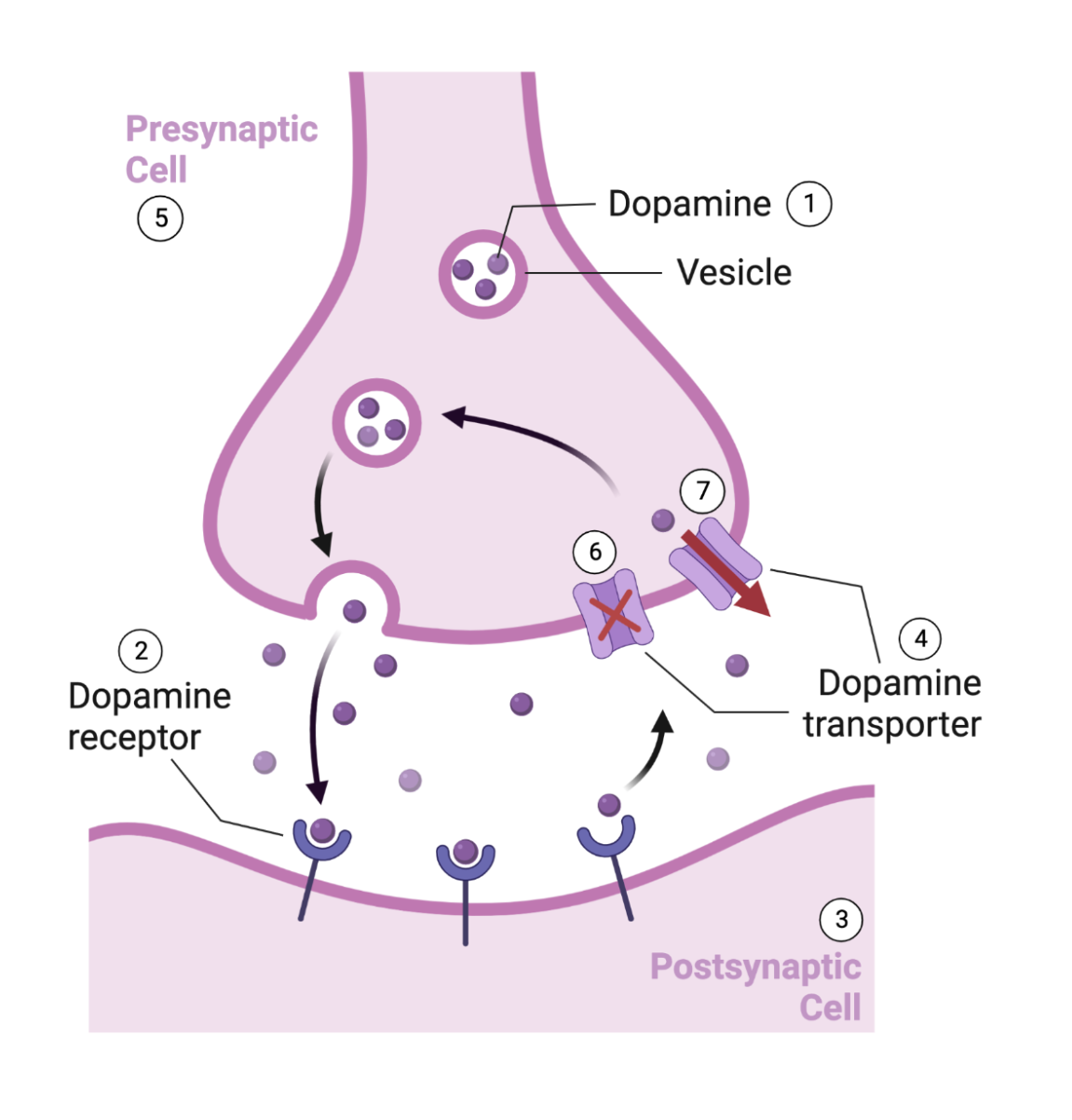
This study investigates the dopaminergic abnormalities that can occur after traumatic brain injury (TBI). By examining the changes in dopamine transporter levels, the research provides insight into the neurological consequences of TBI and suggests implications for therapeutic interventions aimed at addressing these dopaminergic dysfunctions.
Impact of Traumatic Brain Injury on Dopaminergic Transmission

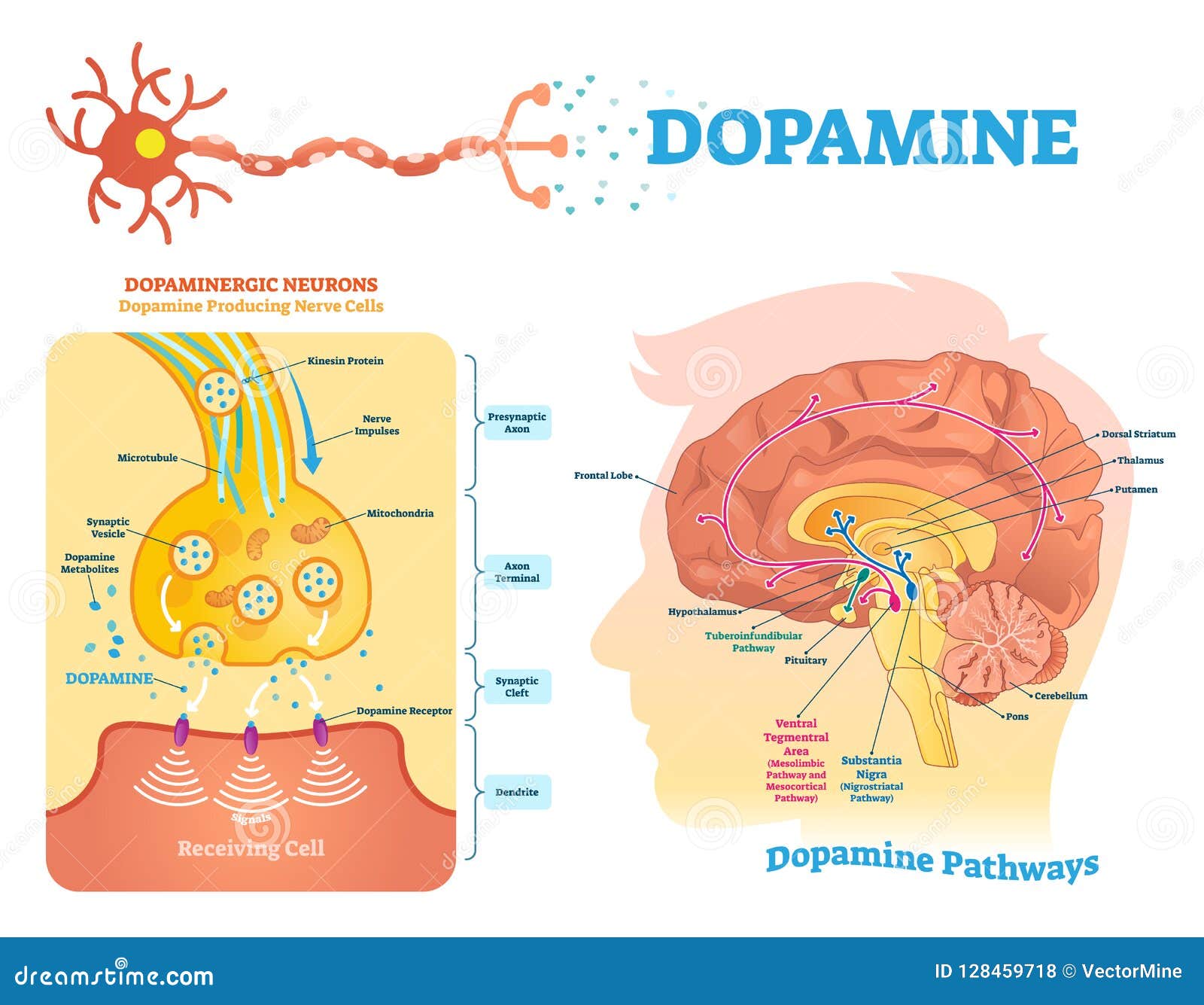
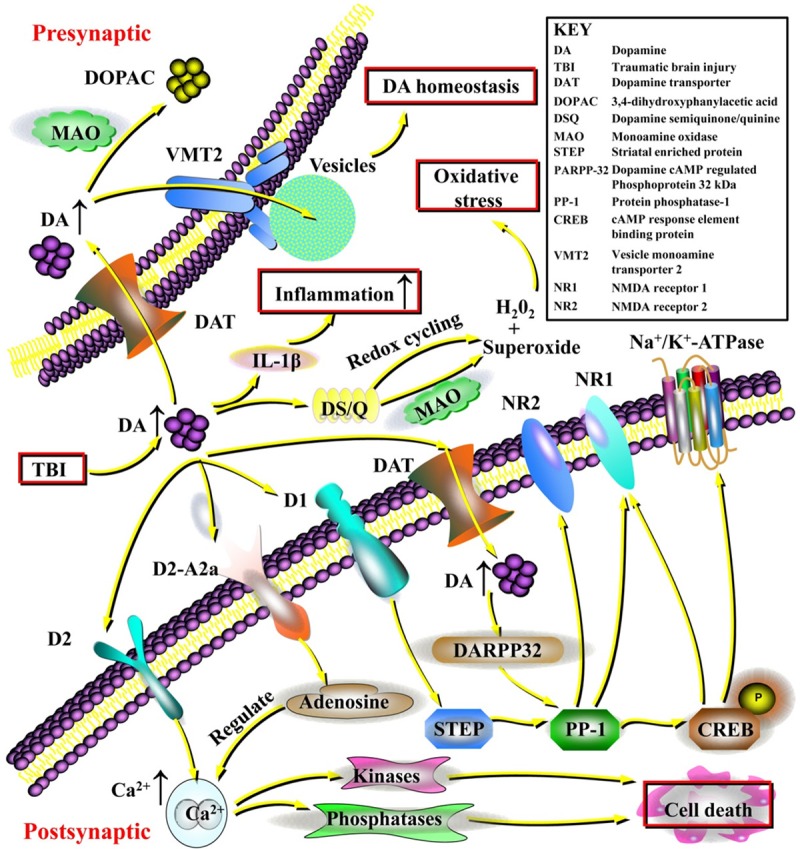
In particular, there is considerable evidence that dopamine (DA) physiology in the nigrostriatal and mesocorticolimbic pathways might be impaired after traumatic brain injury (TBI). Alterations in DA levels can lead to oxidative stress and cellular dysfunction, and DA plays an important role in central nervous system inflammation.
Dysregulation of the dopaminergic system secondary to ...
Dysregulation of the dopaminergic system secondary to traumatic brain injury : implications for mood and anxiety disorders
Abstract Traumatic brain injury can reduce striatal dopamine levels. The cause of this is uncertain, but is likely to be related to damage to the nigrostriatal system. We investigated the pattern of striatal dopamine abnormalities using 123 I-Ioflupane single-photon emission computed tomography (SPECT) scans and their relationship to nigrostriatal damage and clinical features. We studied 42 ...