Food Science & Technology
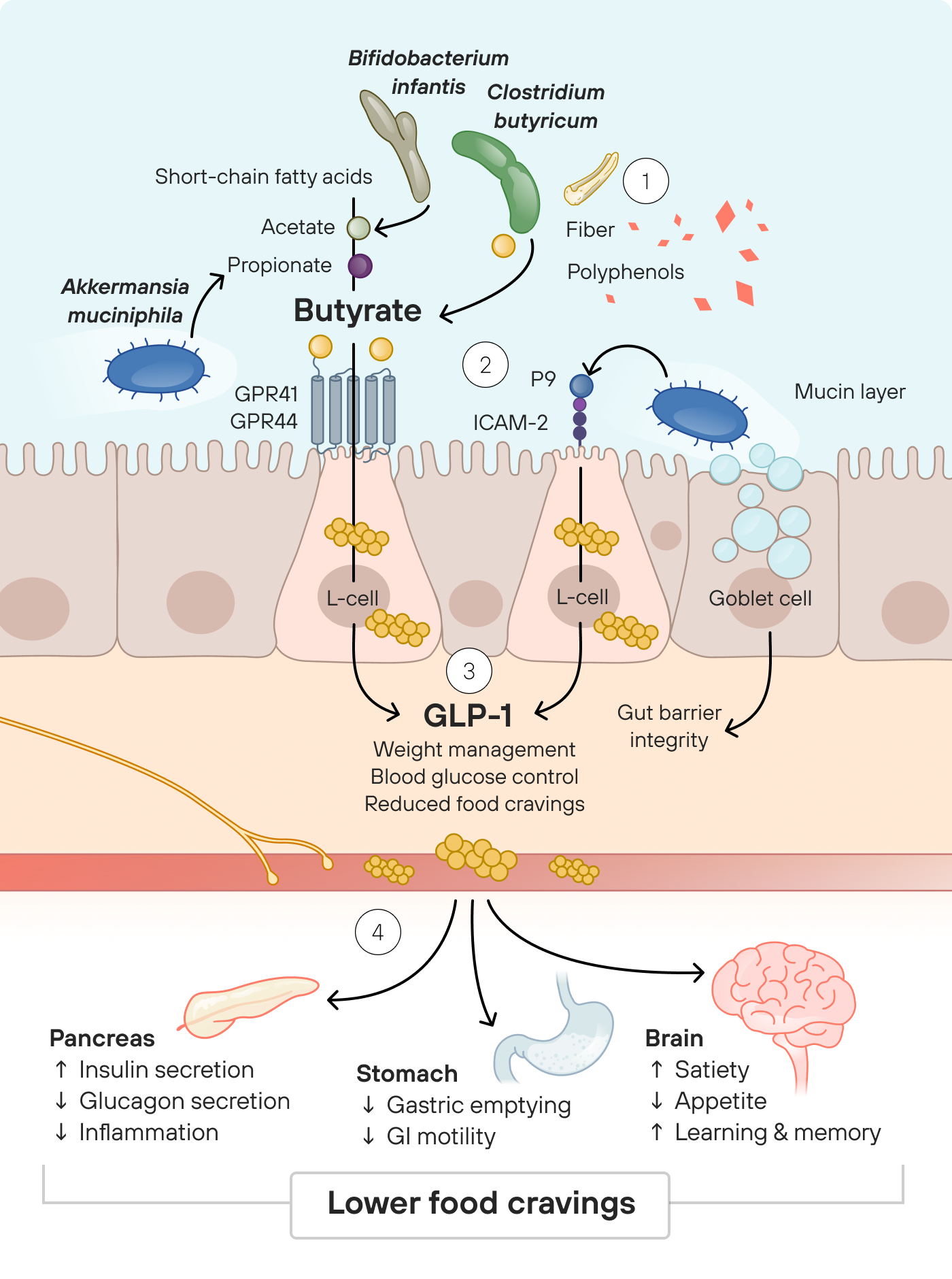
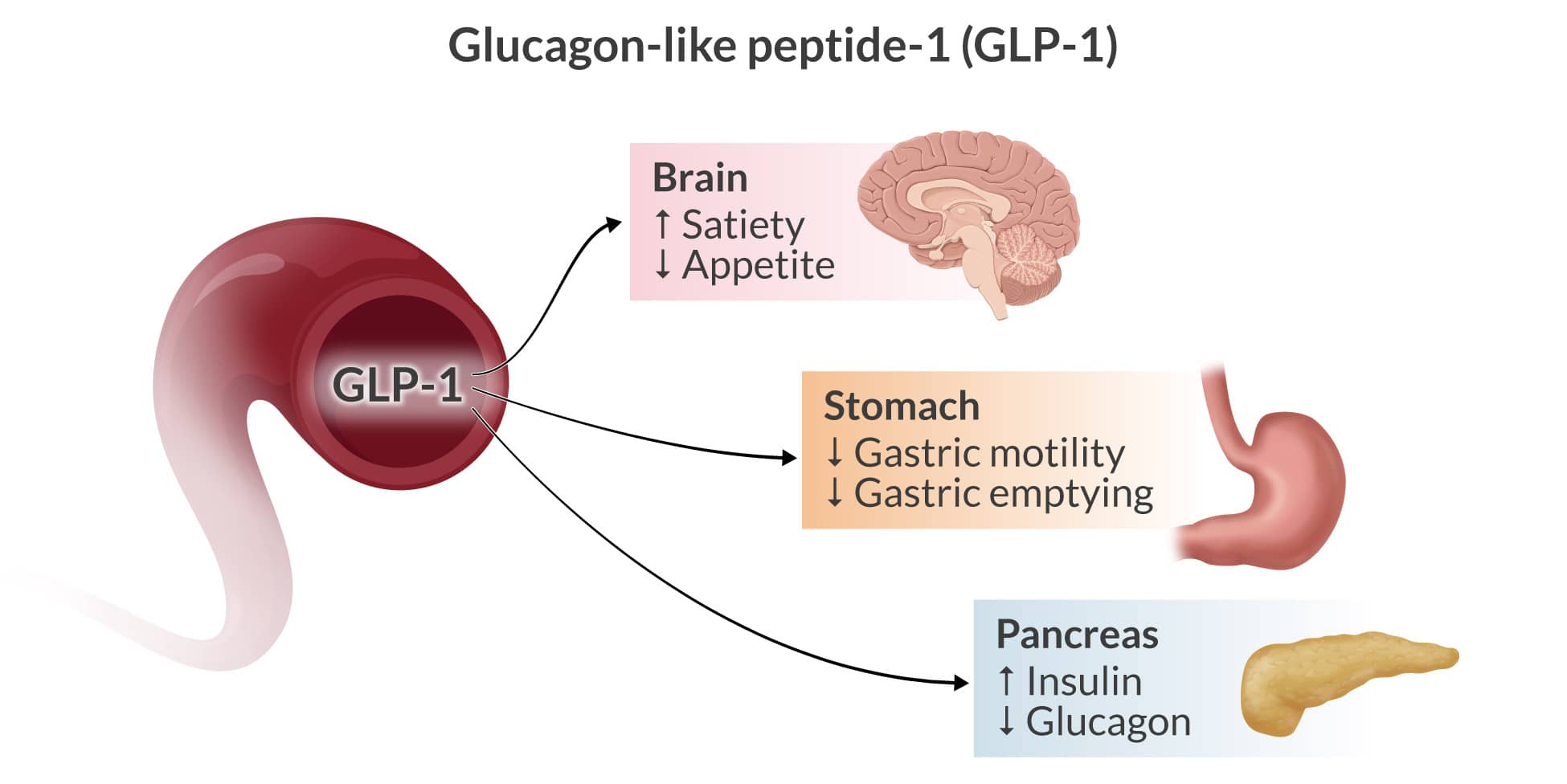
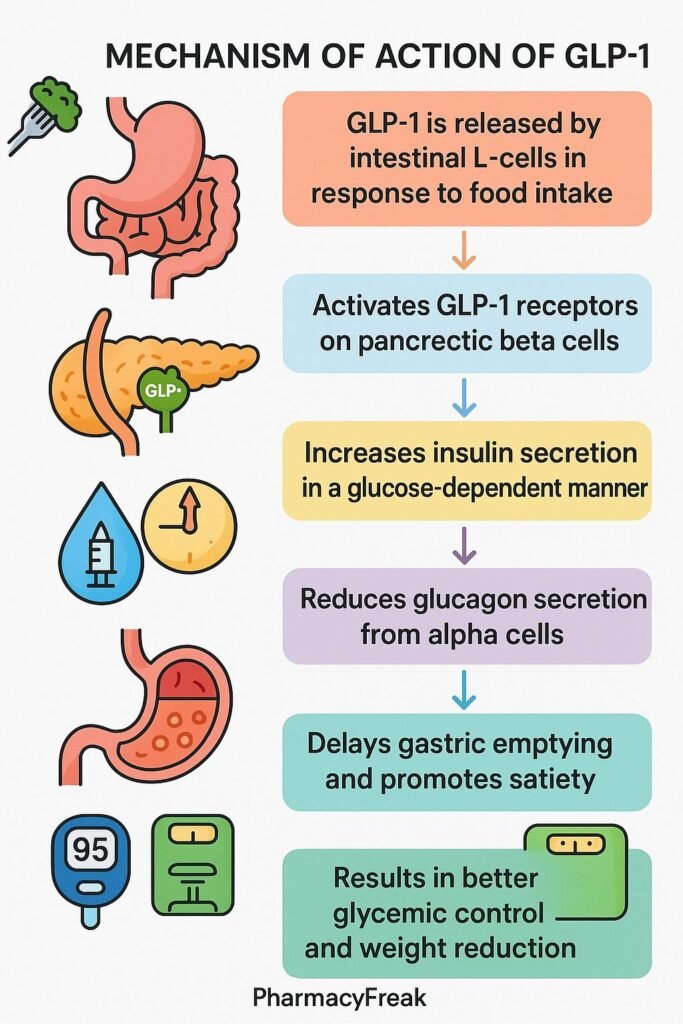
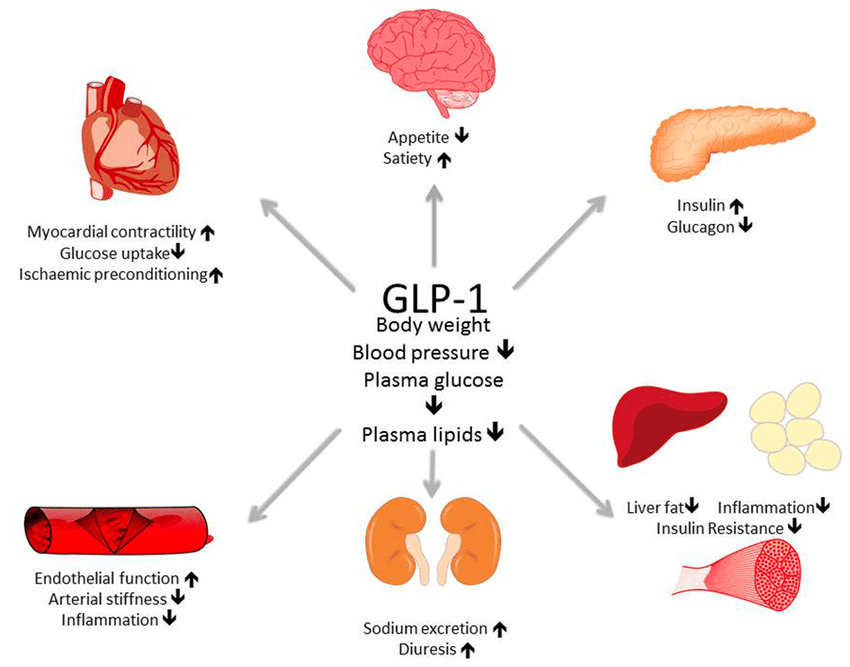
Abstract Glucagon-like peptide 1 ( GLP-1 ), a gastrointestinal peptide and central mediator of glucose metabolism, is secreted by L cells in the intestine in response to food intake. Postprandial secretion of GLP-1 is triggered by nutrient-sensing via transporters and G- protein -coupled receptors (GPCRs).
Medical nutrition in the glucagon
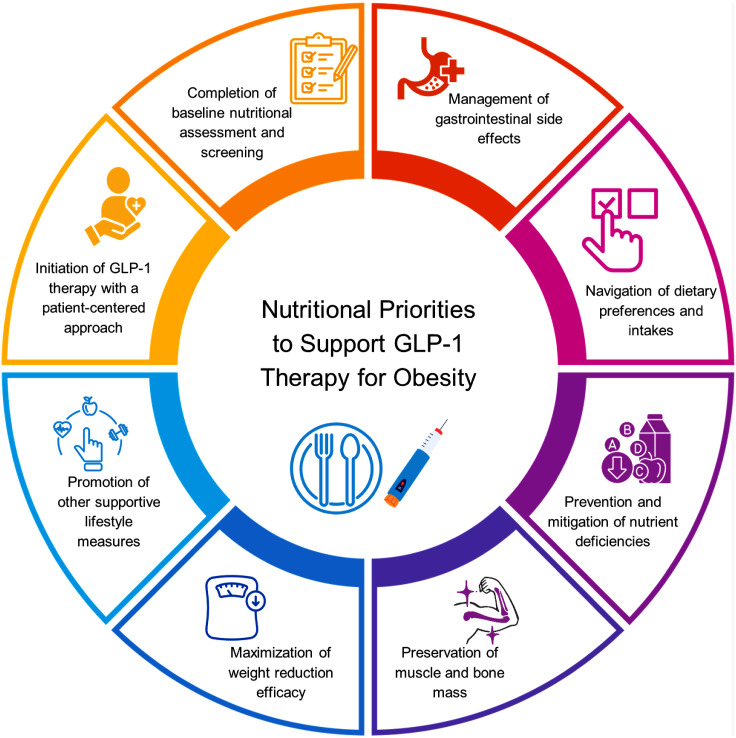
Therefore, high- protein oral nutrition supplements, protein modulars, or essential amino acid formulations should be considered early when patients are unable to meet daily protein or meal-level leucine targets through habitual food intake alone, even in the absence of severe gastrointestinal intolerance.
Glucagon-like peptide-1 ( GLP-1 ) is an enterohormone with a key role in several processes controlling body homeostasis, including glucose homeostasis and food intake regulation. It is secreted by the intestinal cells in response to nutrients, such as glucose, fat and amino acids. In the present review, we analyse the effect of protein on GLP-1 secretion and clearance. We review the literature ...
PDF Glucagon

This particular example perfectly highlights why Protein And Glp1 For Food Science And Technology is so captivating.
The main reasons for this gap in knowledge is the redundant signalling in the gut for the different protein diges-tion products and the complexity of protein digests(5). Here we review the literature on this subject in order to determine if the evidence supports differential effects of food proteins on GLP-1 profile.
Through intestinal protein sensing, dietary proteins regulate glucose homeostasis and food intake by secreting gut hormones, such as glucagon-like peptide 1 ( GLP-1 ), cholecystokinin (CCK), peptide YY (PYY) and glucose-dependent insulinotropic polypeptide (GIP).
Dietary impact on fasting and stimulated GLP
Glucagon-like peptide 1 ( GLP-1 ), a gastrointestinal peptide and central mediator of glucose metabolism, is secreted by L cells in the intestine in response to food intake. Postprandial secretion of GLP-1 is triggered by nutrient-sensing via transporters and G- protein -coupled receptors (GPCRs). GLP-1 secretion may be lower in adults with obesity/overweight (OW) or type 2 diabetes mellitus (T2DM ...
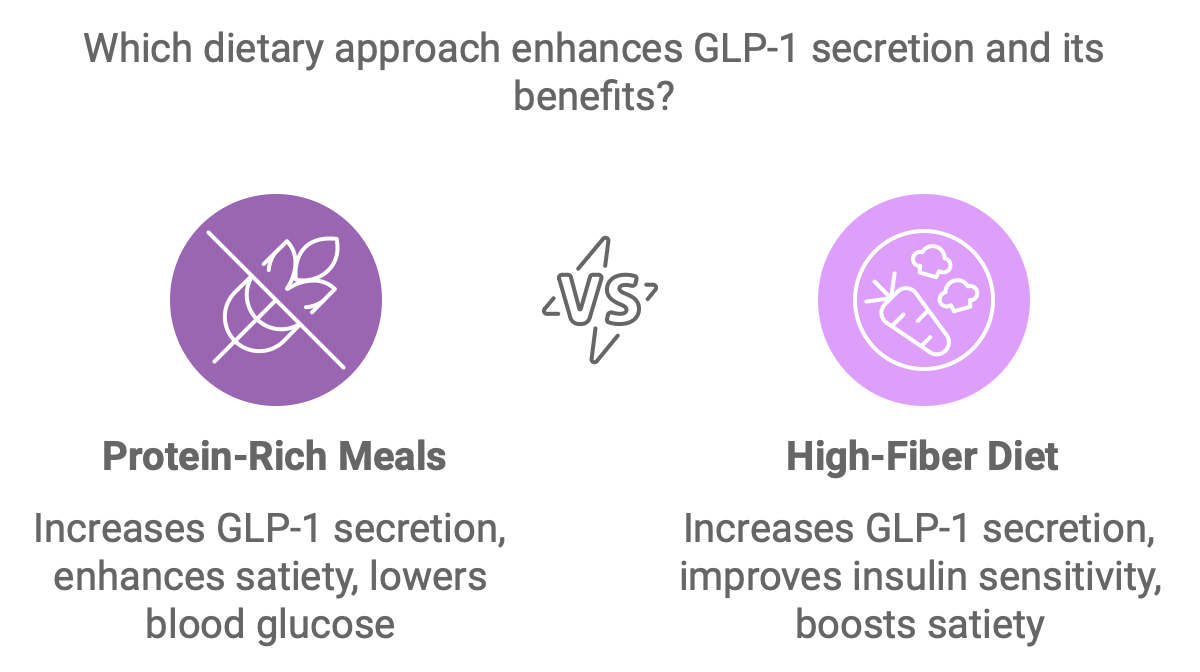
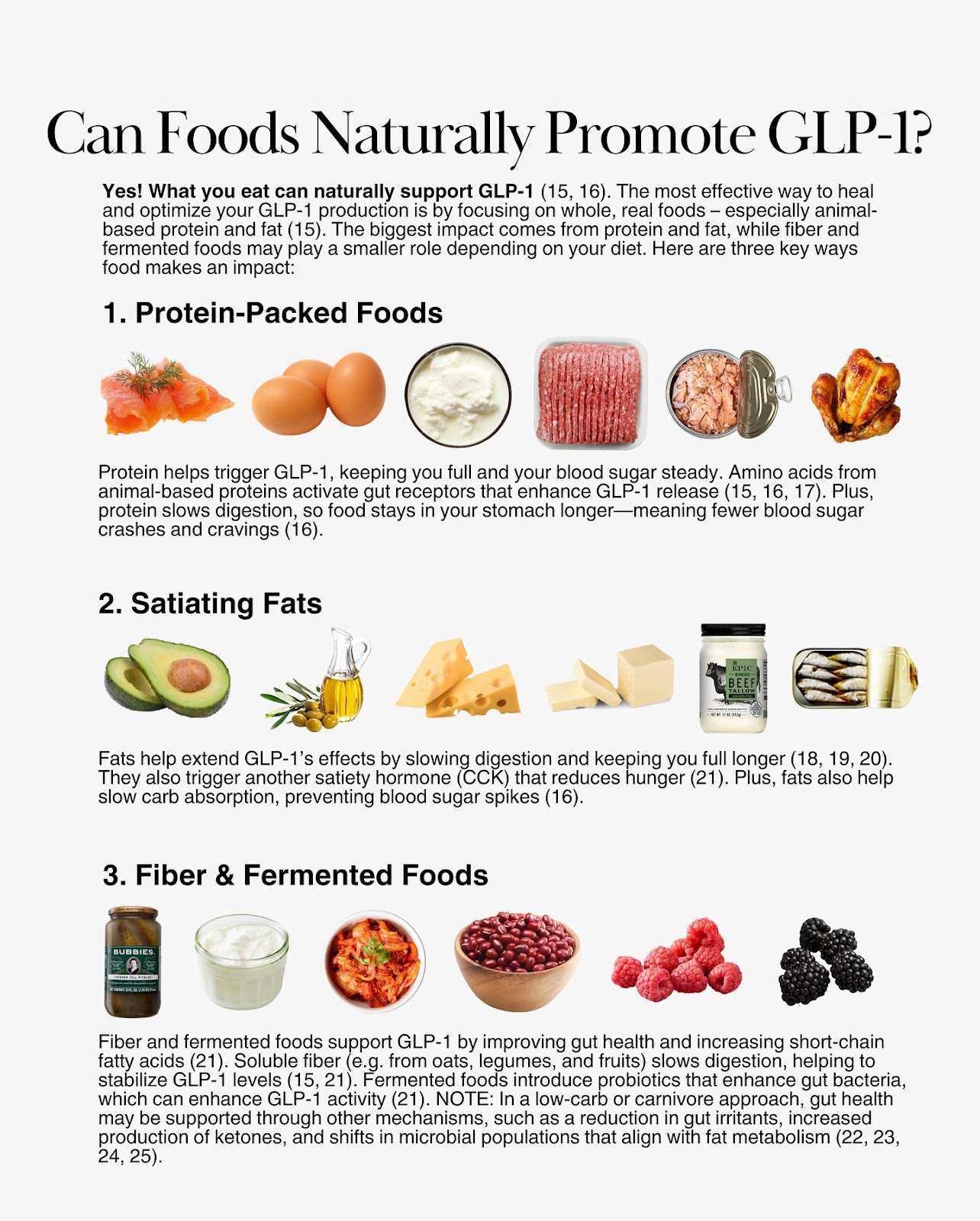
Learn which foods may support your body's GLP-1 response—fiber/SCFAs, whey protein timing, olive oil, pistachios, and spice—based on studies.

Moving forward, it's essential to keep these visual contexts in mind when discussing Protein And Glp1 For Food Science And Technology.
Key Details About Protein And Glp1 For Food Science And Technology
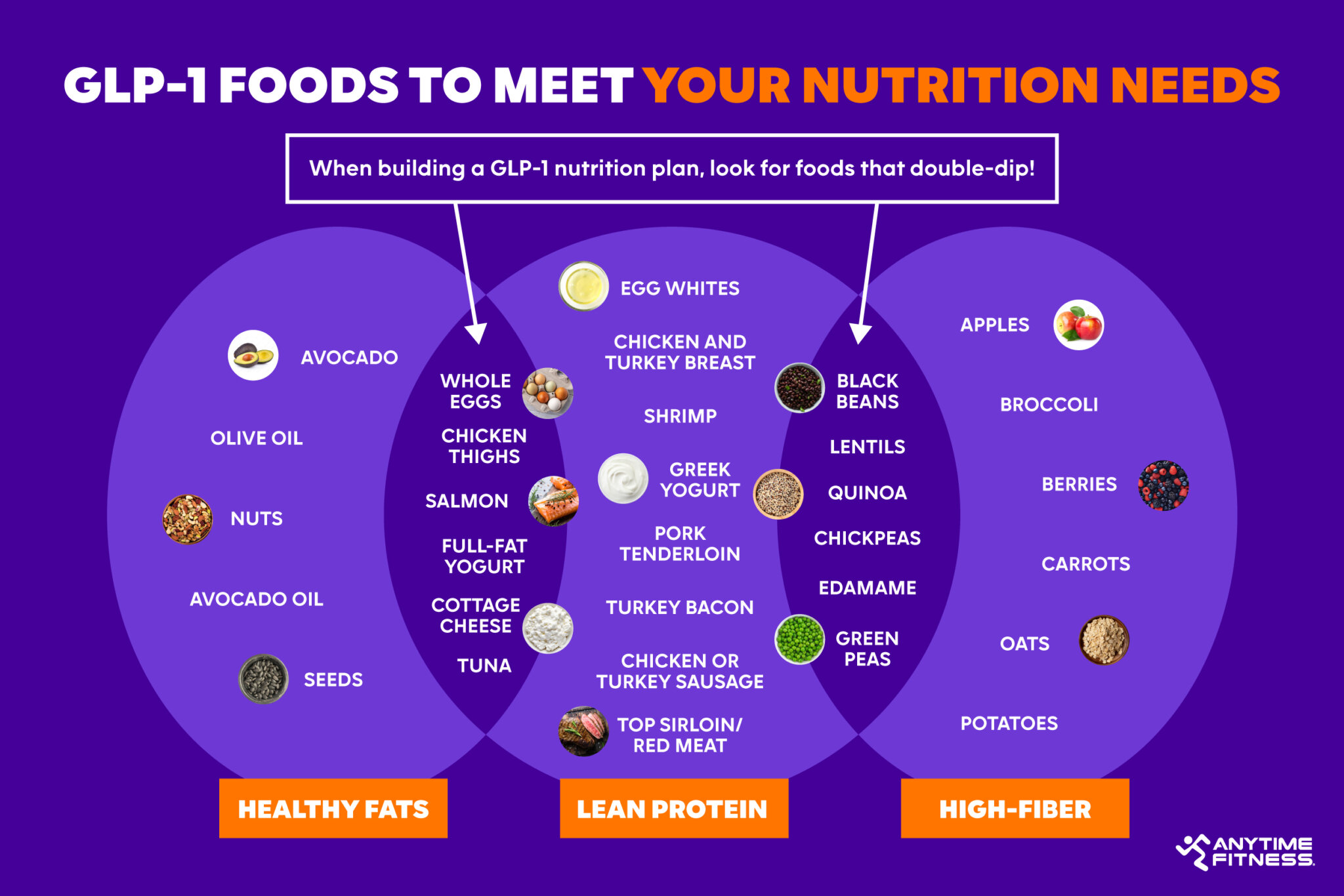
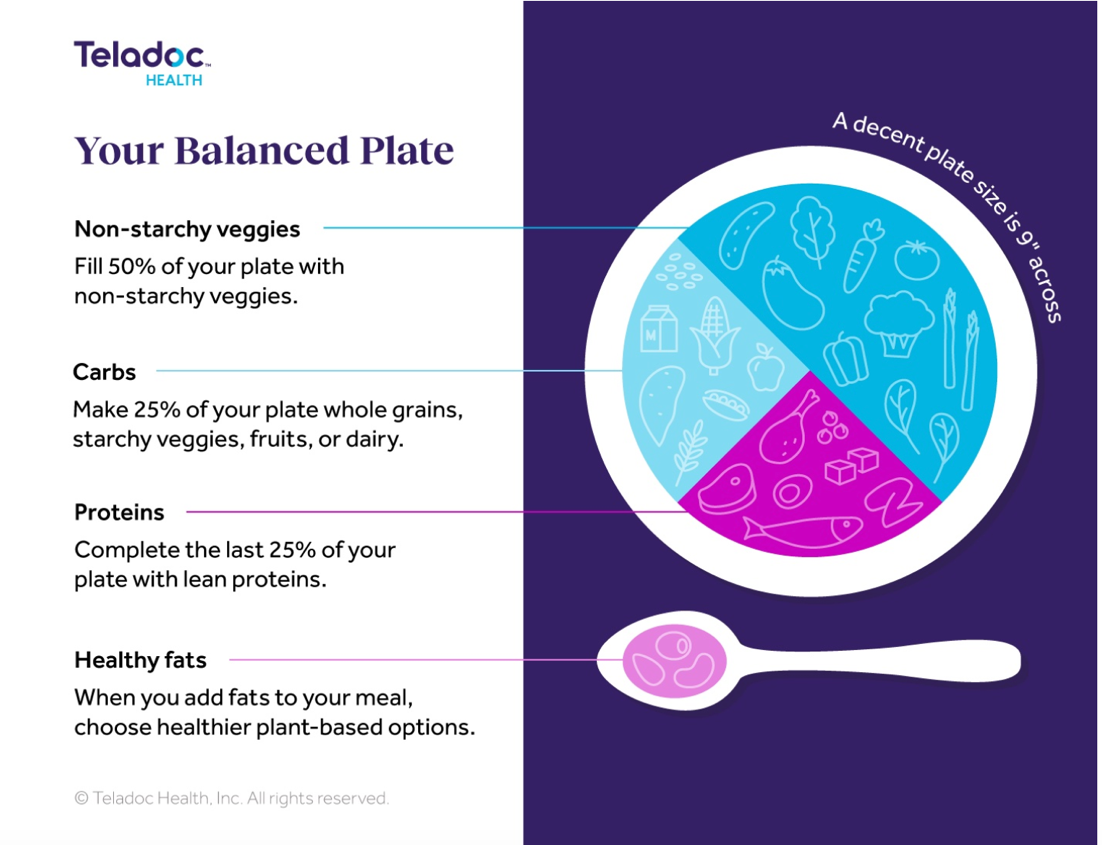
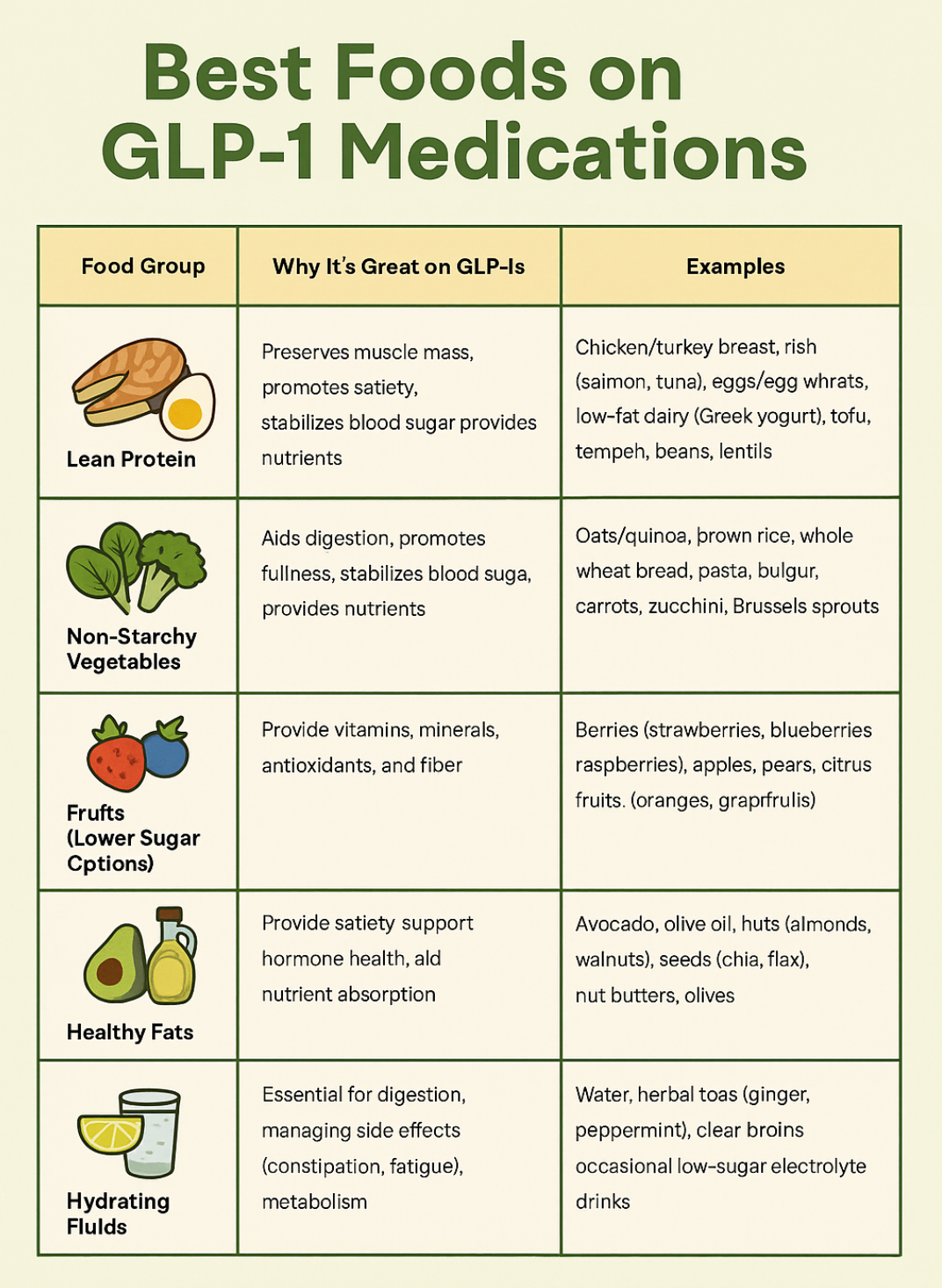
Final Thoughts on GLP-1 Foods and Natural Activation Understanding how GLP-1 functions and the role of specific foods makes it easier to connect daily choices with appetite control and energy balance. From protein and fiber to vegetables, grains, and dairy, each food group contributes in measurable ways to hormone regulation.
This study aims at identifying food ingredients that have potential to enhance satiety and therefore potentially can be used for preventing and treating obesity. To do so, effects of thirteen food ingredients on the secretion of gut satiety hormone glucagon-like peptide-1 ( GLP-1 ) in enteroendocrine STC-1 and HuTu-80 cells were investigated. First, the effects of food ingredients on cell ...