Overview of Phytosterol Benefits In Grain Free Dog Food For Overall Health And Wellness
Explore if grain-free dog food suits your pet's needs. Understand the benefits and potential risks, including FDA findings.
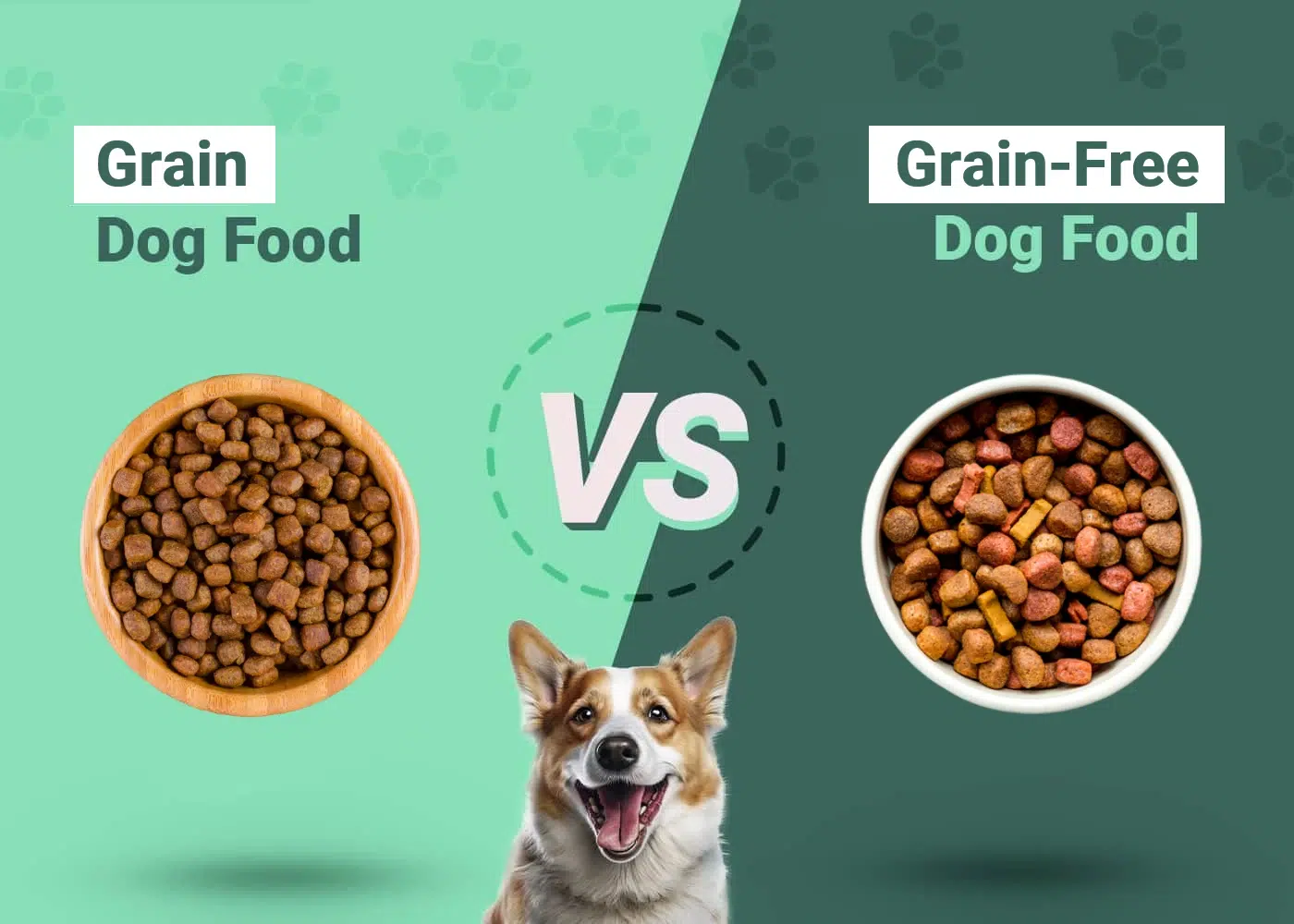
Grain-free dog food became popular in the early 2010s. Many pet parents believed that, like human gluten- free diets, removing grains (such as corn, wheat, and rice) from their dogs' food would reduce allergies or improve overall health .
Why Feed Grain

Such details provide a deeper understanding and appreciation for Phytosterol Benefits In Grain Free Dog Food For Overall Health And Wellness.
The movement towards grain-free diets began in the early 2000s as veterinarians and nutrition companies sought to address food allergies in pets. Today, grain-free products are marketed as healthier options and have gained widespread popularity. Understanding Grains in Dog Food Grains provide various health benefits , including:
Many pet owners question whether grain-free diets are truly safer for your dog or cat; this post gives clear, evidence-based guidance. You'll learn what grain-free formulas replace grains with, potential benefits , documented risks (including associations with certain heart conditions), and common myths, so you can confidently evaluate if grain-free is right for your pet.
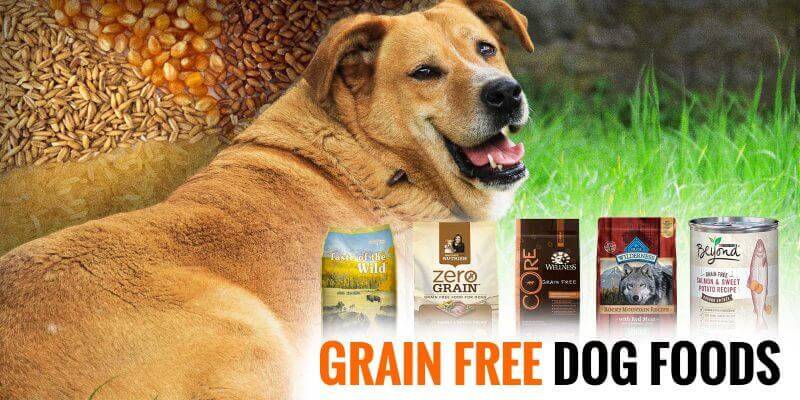
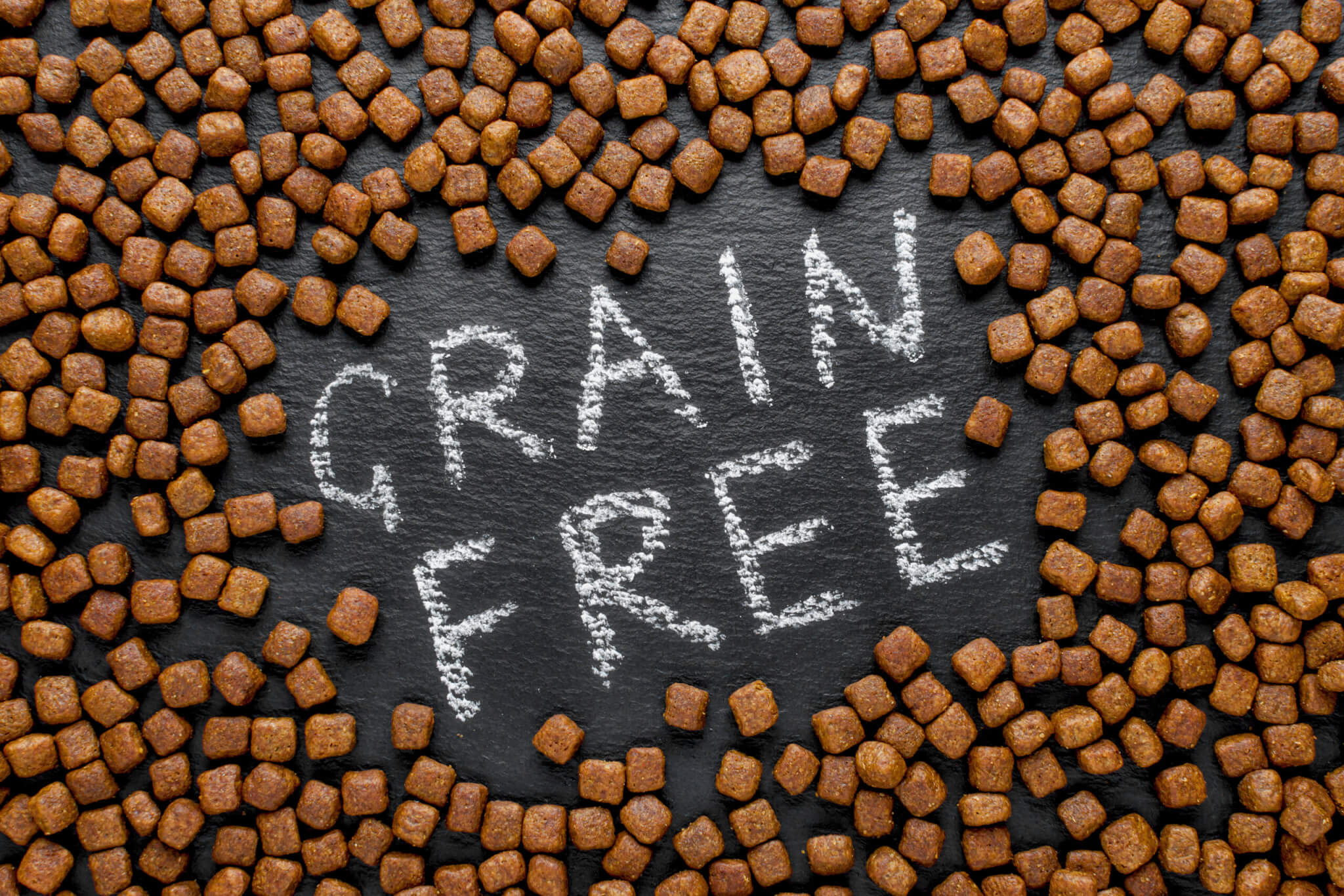
Grain-free dog food has been gaining in popularity over the past few years. And while grain-free diets may have some benefits , there are also some potential risks associated with them as well.
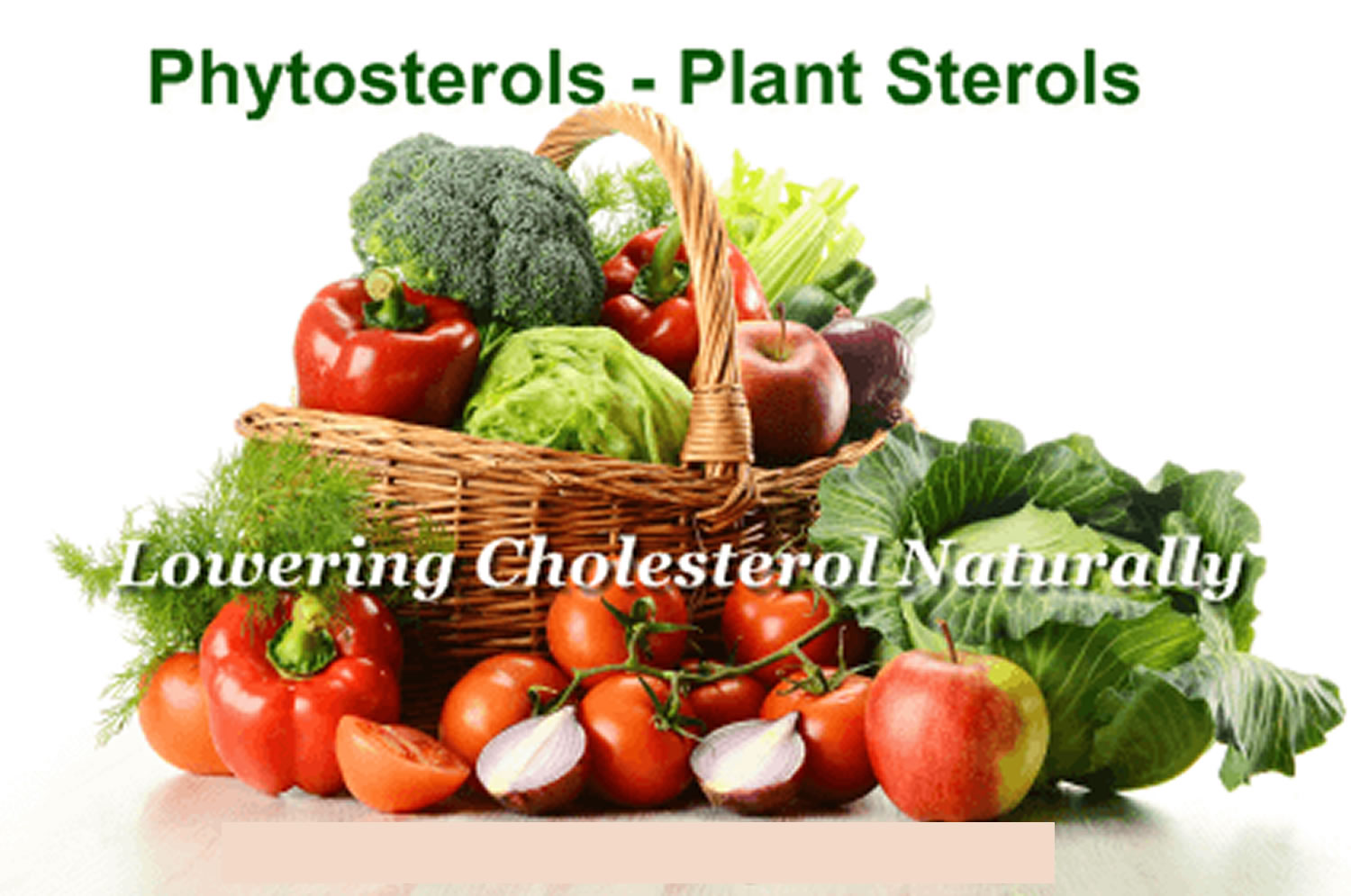
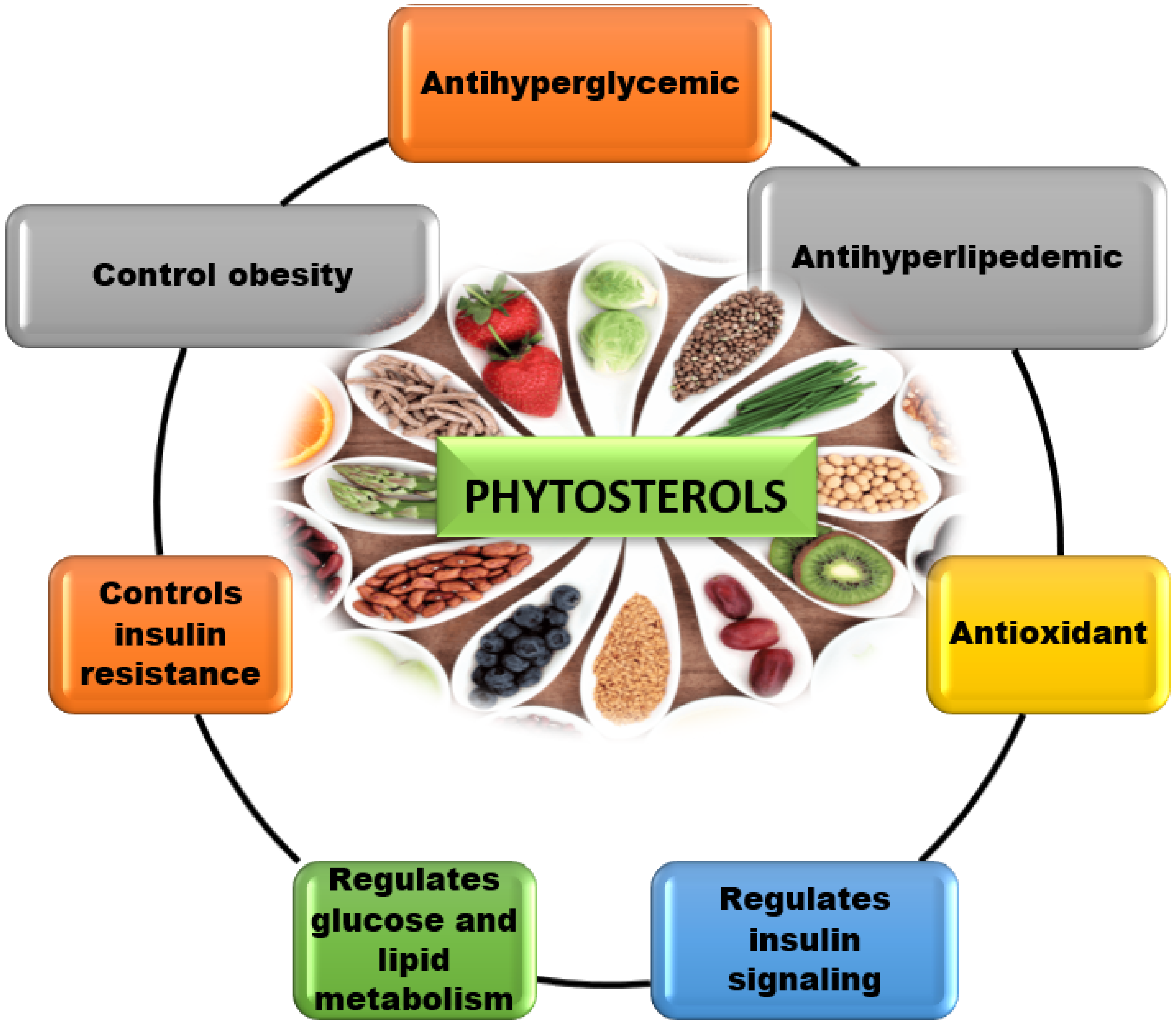
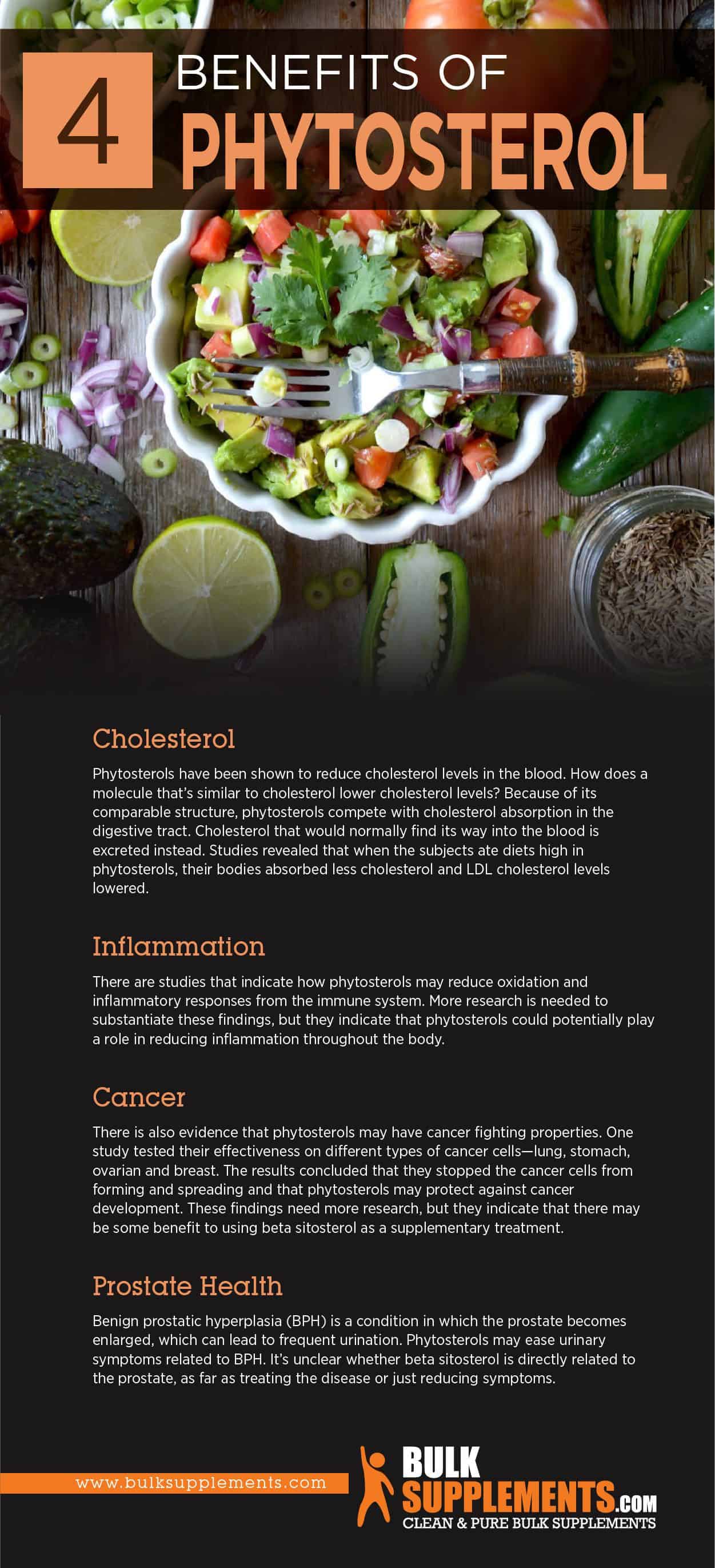
These plant sterols have found their way into the discussion about the health of our four-legged friends. But what exactly are phytosterols , and what does their presence in a dog's diet mean? This article sheds light on the role of phytosterols and examines the potential benefits and drawbacks of their ingestion by dogs .
Overview of Phytosterol Benefits In Grain Free Dog Food For Overall Health And Wellness
In recent years, grain-free pet food has gained increasing attention due to its widespread promotion as a natural and hypoallergenic diet. This trend has prompted us to conduct an in -depth critical assessment of the nutritional implications of such diets. This review systematically analyzed the nutritional components of commercially available grain-free pet food , revealing significant ...

Is grain-free bad for dogs ? Learn the facts about grain-free diets, potential risks, and if veterinarians recommend them.
Effect of phytosterols on reducing low
Each dog received a total of 1300 mg phytosterols (Collestra, Aché), orally along with the 2 usual meals (equivalent to one 650 mg capsule per meal), for 15 consecutive d. No physical, manual or chemical containment method has been instituted to administer phytosterol to the dogs .