List of epidemics and pandemics
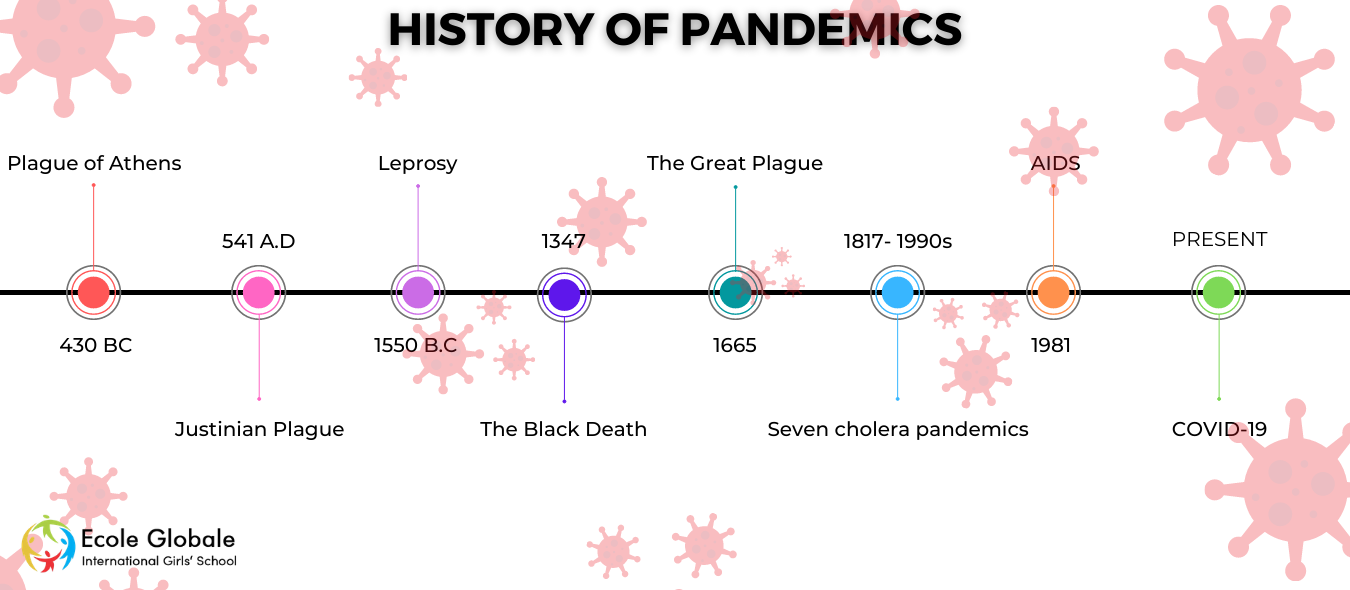
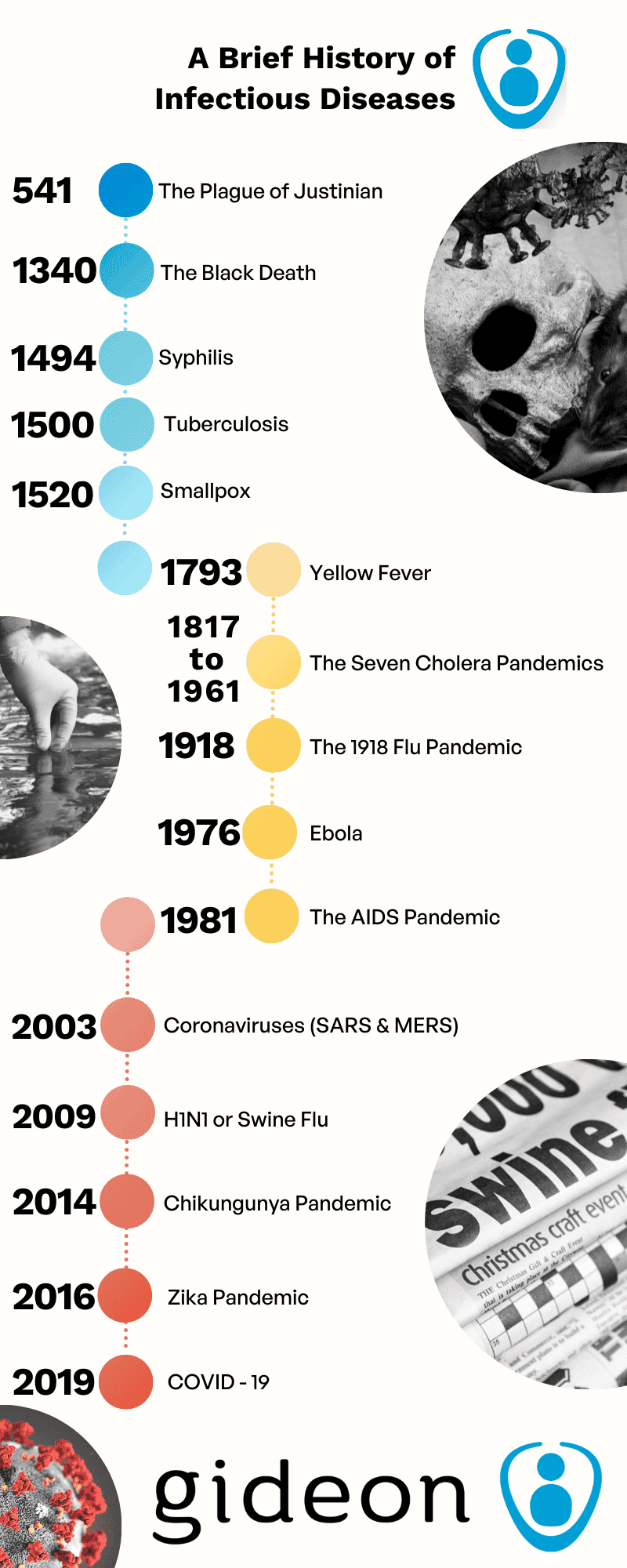
Pandemics timeline death tolls as of 2023 This is a list of all known epidemics and pandemics caused by an infectious disease in humans. Widespread non-communicable diseases such as cardiovascular disease and cancer are not included. An epidemic is the rapid spread of disease to a large number of people in a given population within a short period of time; in meningococcal infections, an attack ...
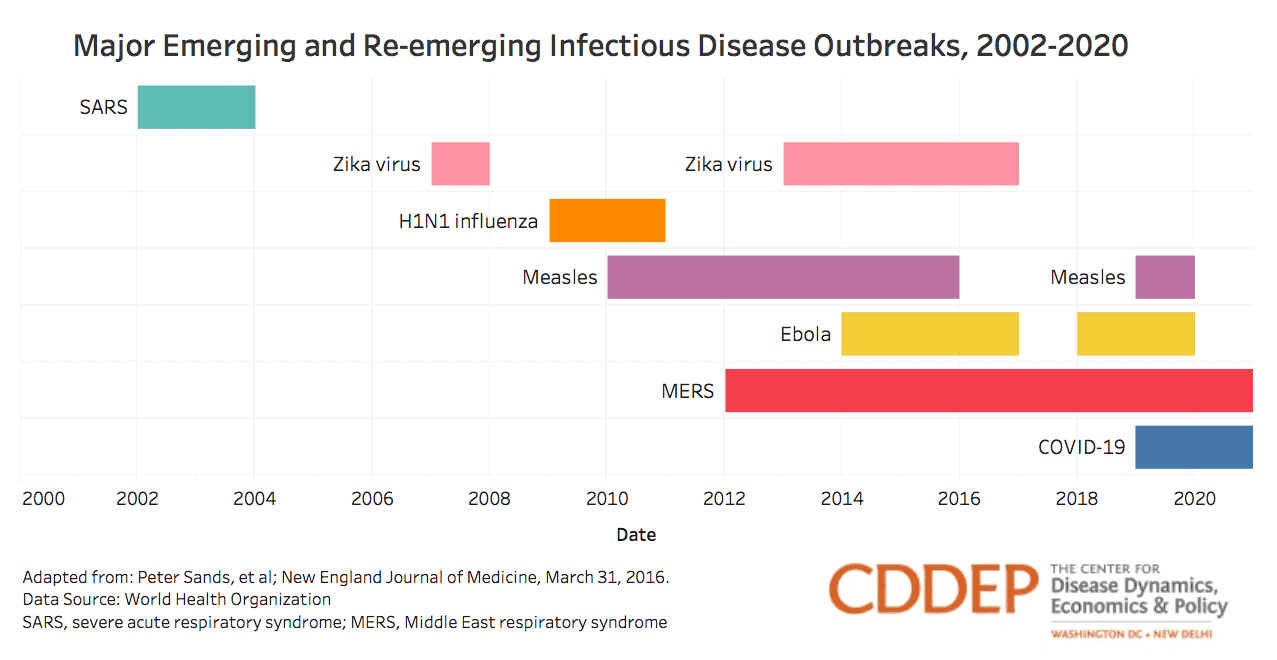
The number of high-threat infectious hazards continues to rise; some of these are re-emerging and others are new. While outbreaks of vaccine-preventable infectious diseases , such as meningococcal disease , yellow fever and cholera, can have disastrous effects in areas with limited health infrastructure and resources, and where timely detection and response is difficult.
The epidemiology of emerging infectious diseases and pandemics
Such details provide a deeper understanding and appreciation for Pandemics And Infectious Disease.
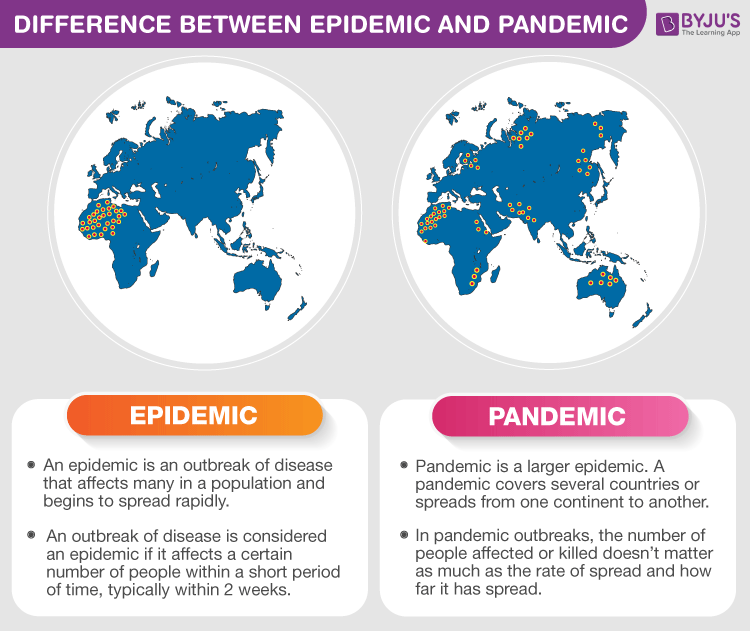
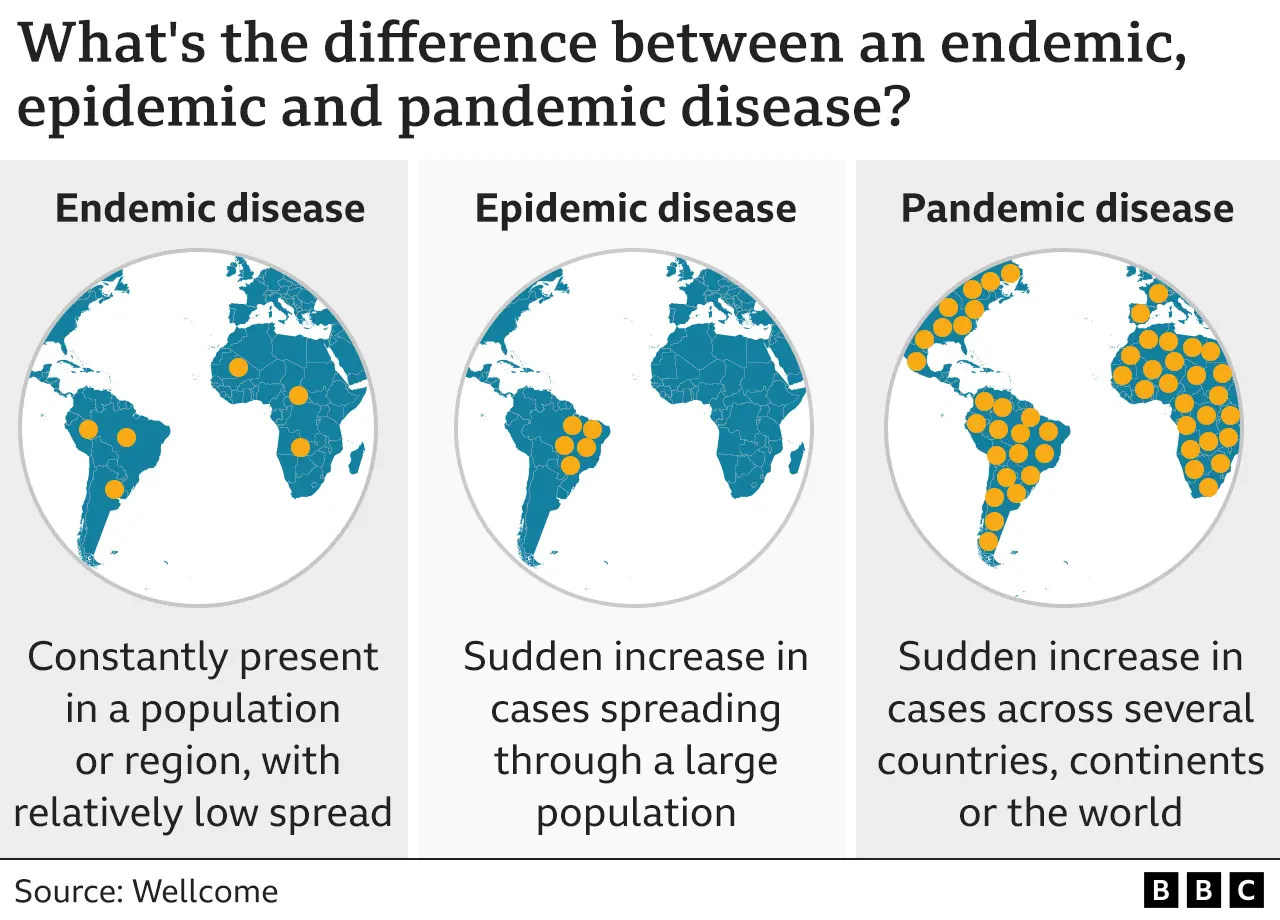
Epidemics and pandemics refer to the rapid spread of contagious, infectious , or viral diseases affecting large numbers of people. An epidemic typically occurs within a limited geographical area, while a pandemic spreads across larger regions or populations. Historical examples include the Black Death and the Spanish flu, which have shaped societal responses to outbreaks. The spread of these ...
Pandemics Throughout History
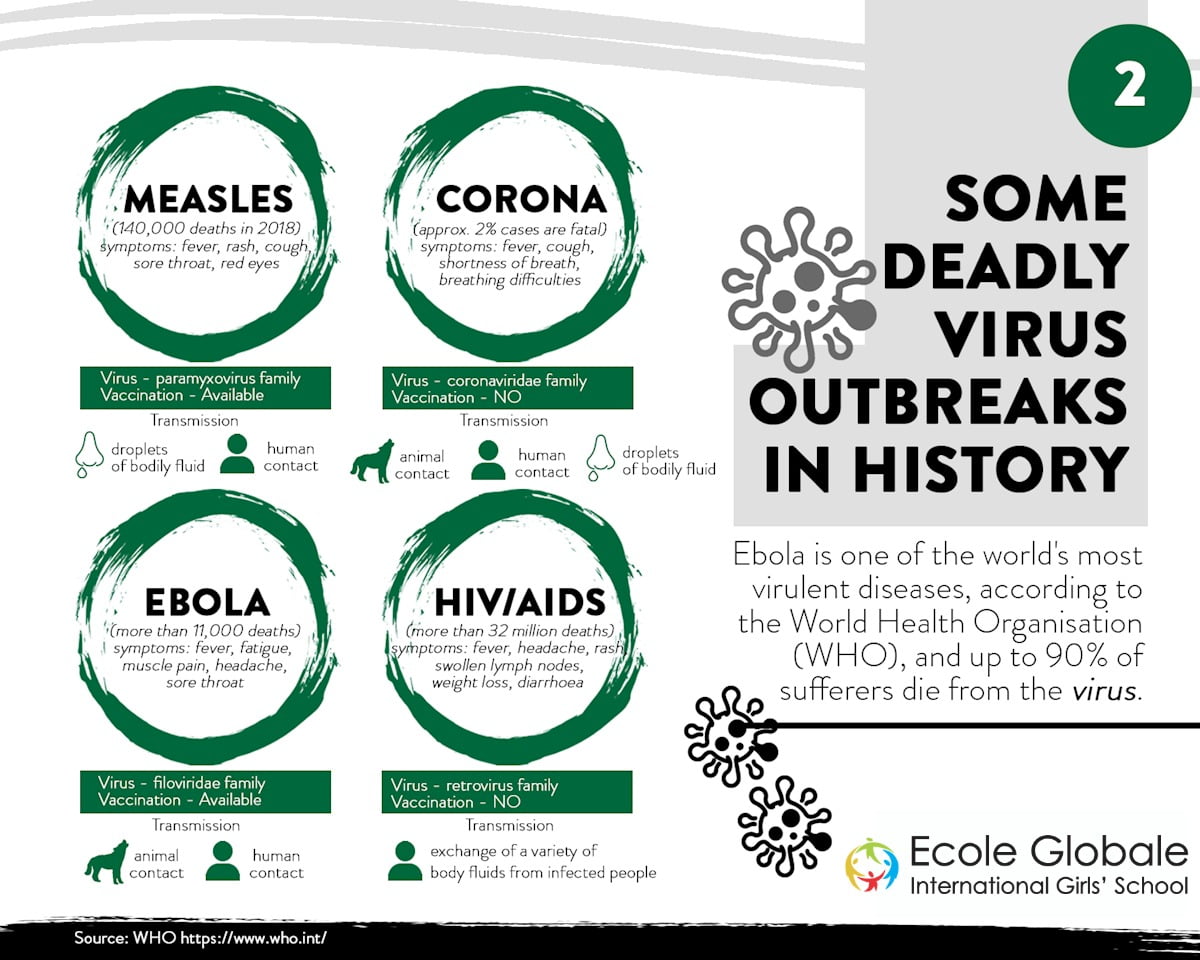
The emergence and spread of infectious diseases with pandemic potential occurred regularly throughout history. Major pandemics and epidemics such as plague, ...
Moving forward, it's essential to keep these visual contexts in mind when discussing Pandemics And Infectious Disease.
Answering Chat Every 0.3 seconds. Try ChatGPT API for Free — No Limits or Sign-up, Ever! Other AI Say Free, but They Limit You & Make You Sign-up. HotBot is Actually 100% Free.
10 Major Epidemics
Epidemics, unlike the global reach of pandemics , affect specific regions or populations. This list explores 10 major historical epidemics, highlighting their societal effects and lessons learned about disease and resilience.

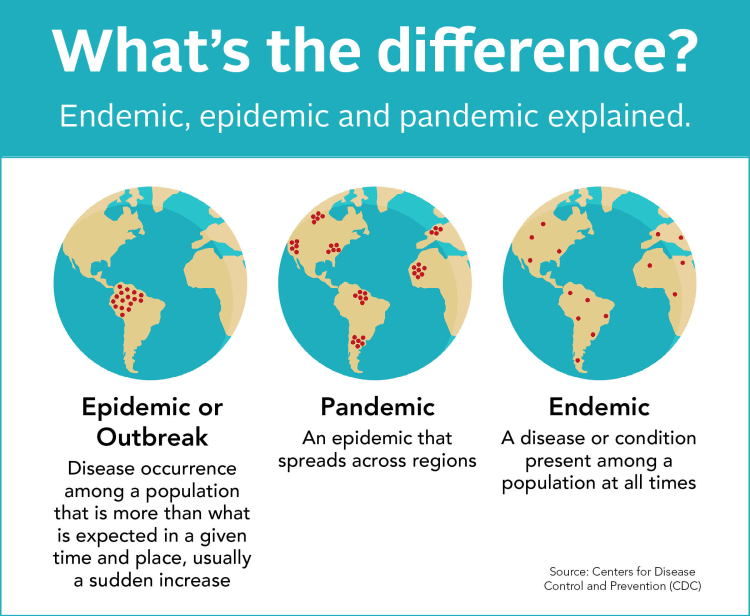
How we define outbreaks and pandemics Planning for outbreaks and pandemics How we define outbreaks and pandemics We monitor the incidence of nationally notifiable diseases in Australia as part of our communicable disease surveillance function. We describe outbreaks by the number of cases and geographical area affected as: endemic - an outbreak confined to a particular geographic area ...
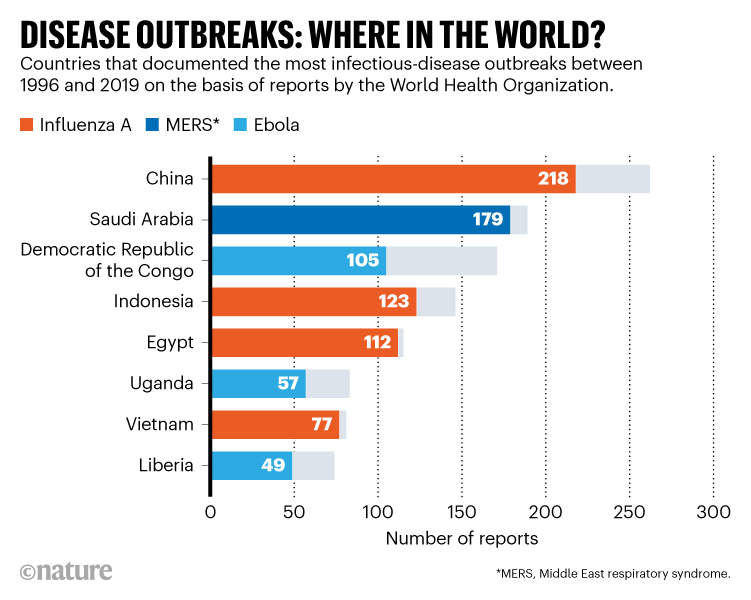
A report warns the world is more vulnerable to pandemics and deadly disease outbreaks than it was before COVID, despite advances in vaccines and diagnostics. The report comes amid Ebola and ...
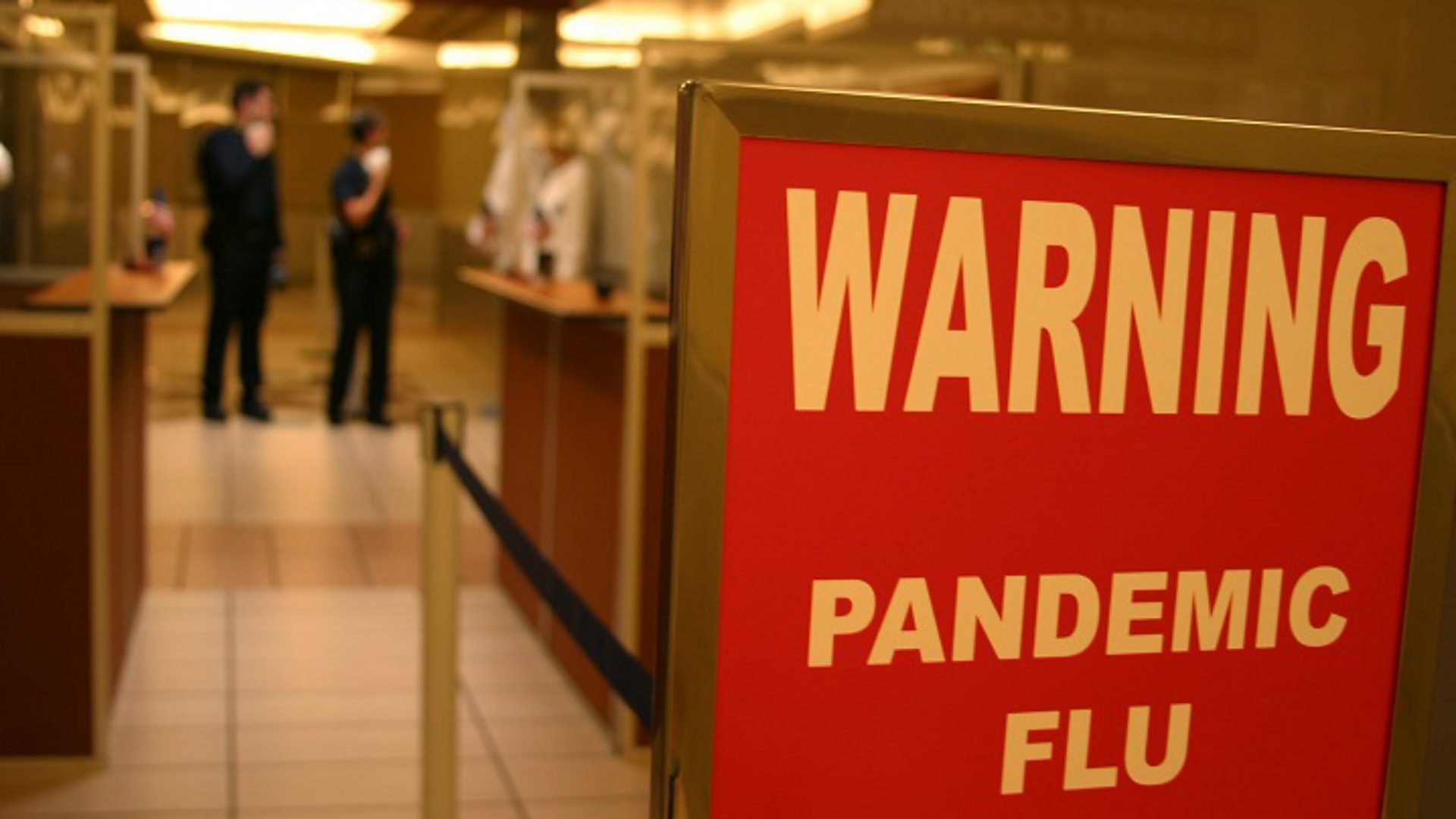
What is a pandemic ? A pandemic is when a new disease or new strain of an existing disease spreads worldwide. Viral respiratory diseases , such as new influenza viruses or COVID-19 are the ones most likely to cause a pandemic . In the past, there have been many influenza pandemics . The pandemics often start from influenza viruses in animals.