Sleep health in the older adults
These disorders substantially impact cognitive function, physical health, and quality of life. This narrative review examines age -related changes in sleep architecture, alterations in circadian rhythm, common sleep disorders, and modifiable behavioral factors in older populations.
Conclusions Age , financial situation, current job, and chronic disease were the most important factors determining sleep quality in older people. The identification of factors affecting sleep quality can be used as important data to develop interventions and programs to improve sleep quality .
PDF Promoting Healthy Sleep for Older Adults
Medical, psychiatric, and psychosocial factors overshadow age as a risk factor for sleep disturbance and can be mitigated through education and the implementation of effective strategies and policy interventions that enable healthy sleep behaviors and environments for older adults.

Sleep disturbance in the elderly should be considered a multifactorial geriatric health condition, requiring consideration of multiple risk factors and a comprehensive treatment approach. 3 In this review, we will focus on common sleep disorders, along with the diagnostic and specific treatment options to help improve quality of life in the ...
Identifying the specific factors which increase the risk of developing sleep disturbances can help target interventions and in turn improve the overall health of our aging population. Sleep aging research spans multiple disciplines and approaches including both human and animal studies as well as both cross-sectional and prospective designs.
Background Poor sleep quality in older adults can lead to poorer quality of life. Purpose To identify the predominant factors that best predict sleep quality amongst older adults. Methods A prospective cross-sectional study was carried out among 310 older adults (≥ 60 years) in the Department of General Medicine of a tertiary care hospital for a duration of 6 months. The Pittsburgh Sleep ...
Sleep health and aging
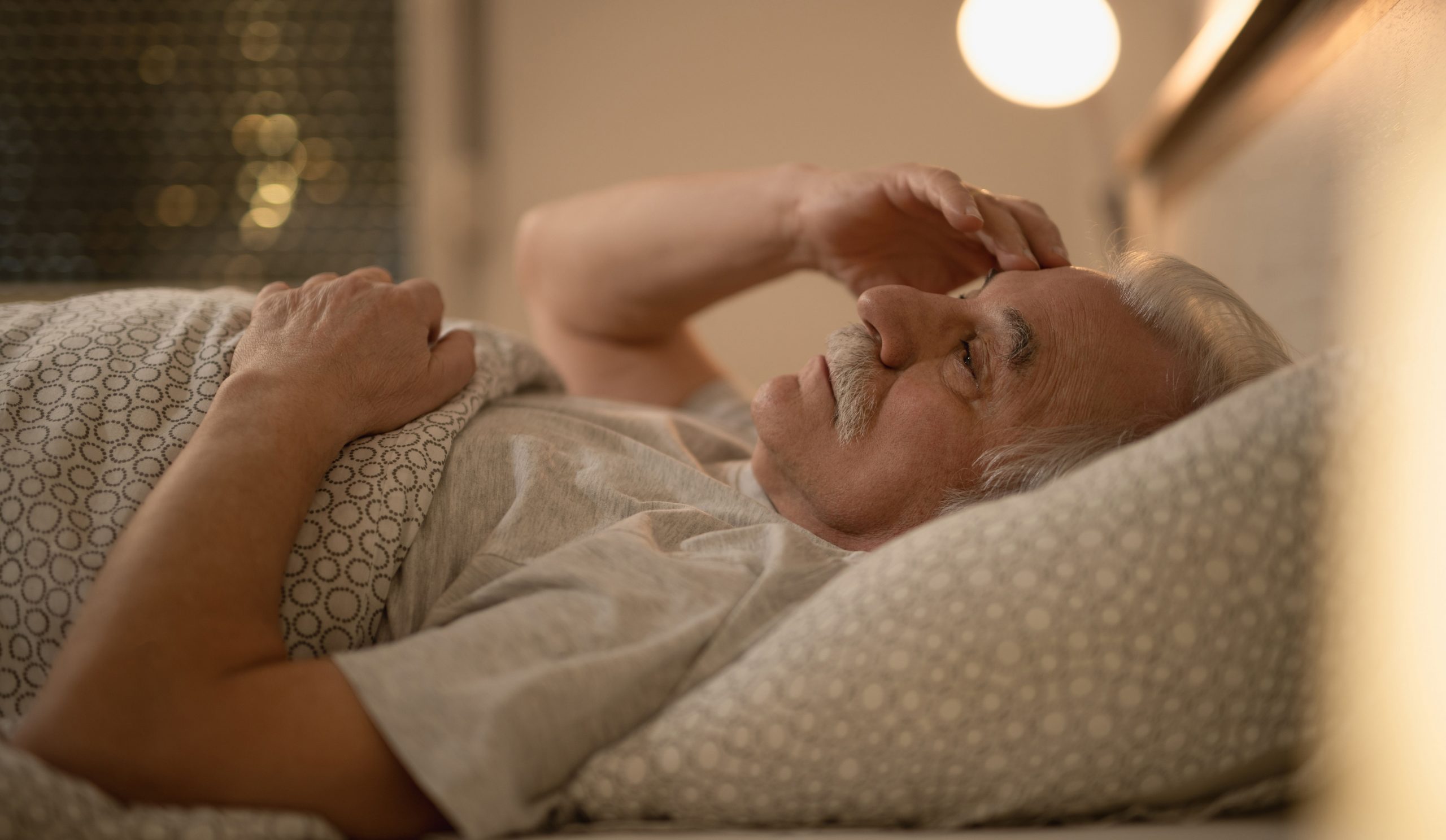
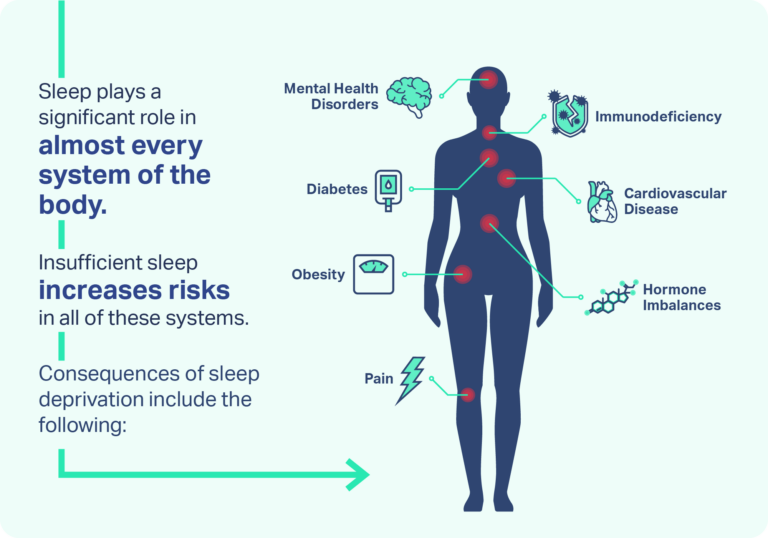
Rationale Sleep is critically important for all age groups, including older adults. Poor sleep can contribute to a higher risk of physical and mental health disorders such as depression and anxiety, dementia, obesity, hypertension, cardiovascular disease, and stroke in older adults. 1
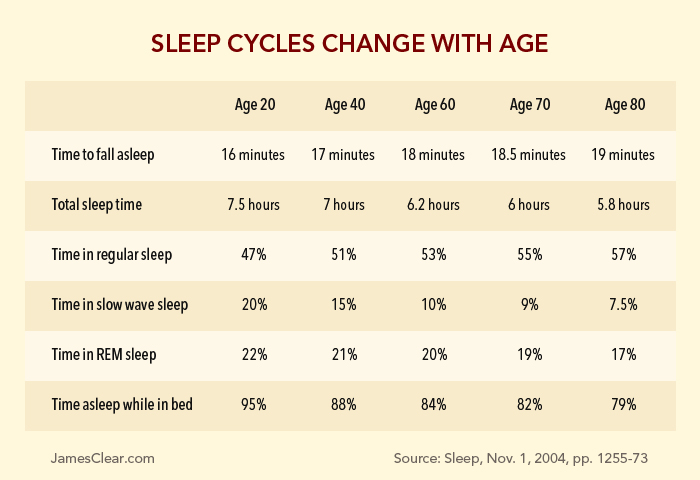
One measure of sleep quality is sleep efficiency, which is the amount of time asleep compared to the amount of time spent in bed. Sleep efficiency is the only measure of sleep quality that changes significantly for those age 60 and older, and declines gradually at a rate of about 3 percent per decade.
Aging and Sleep
Getting older can affect the quality and duration of sleep . Learn more about the complex relationship between aging and sleep and how to get better rest.
Poor sleep quality was associated with pre-frailty and frailty in older adults. The results show a wide diversity of methods for assessing both exposure ( sleep quality ) and outcome (frailty) and point to a need for further - especially longitudinal - research on the relationship between sleep and frailty.