Overview of Non-Canonical Autophagy Pathways Activated By Glp 1
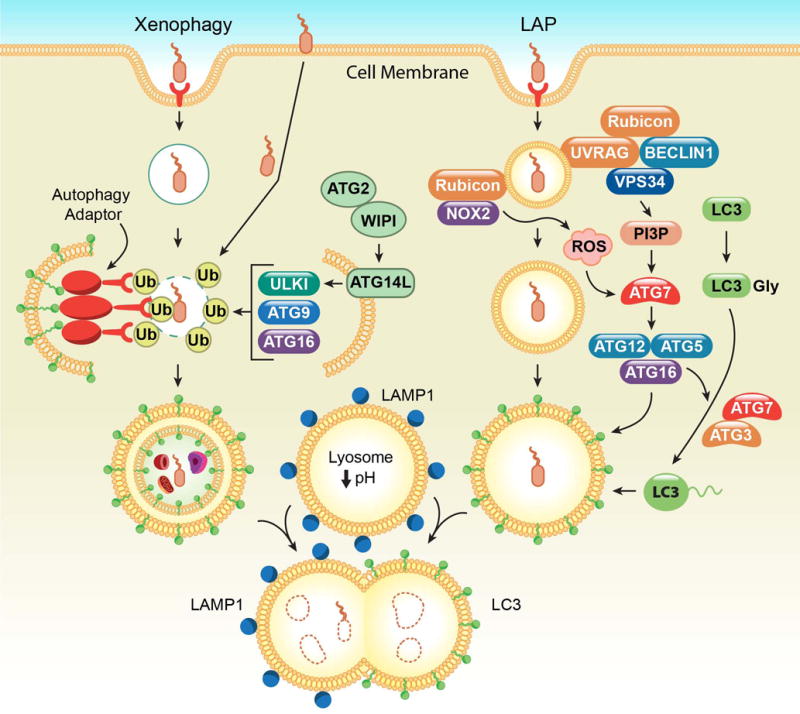
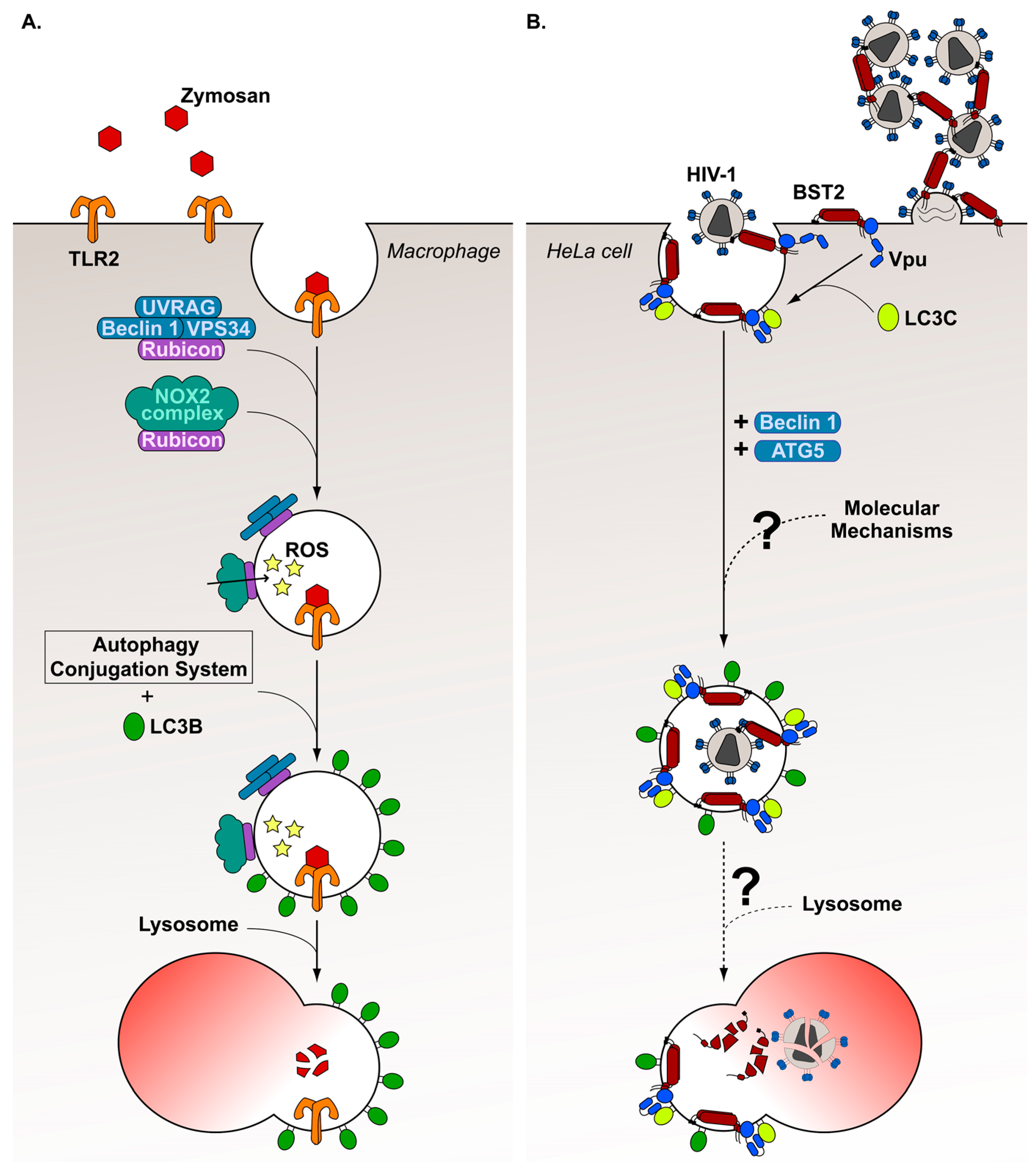
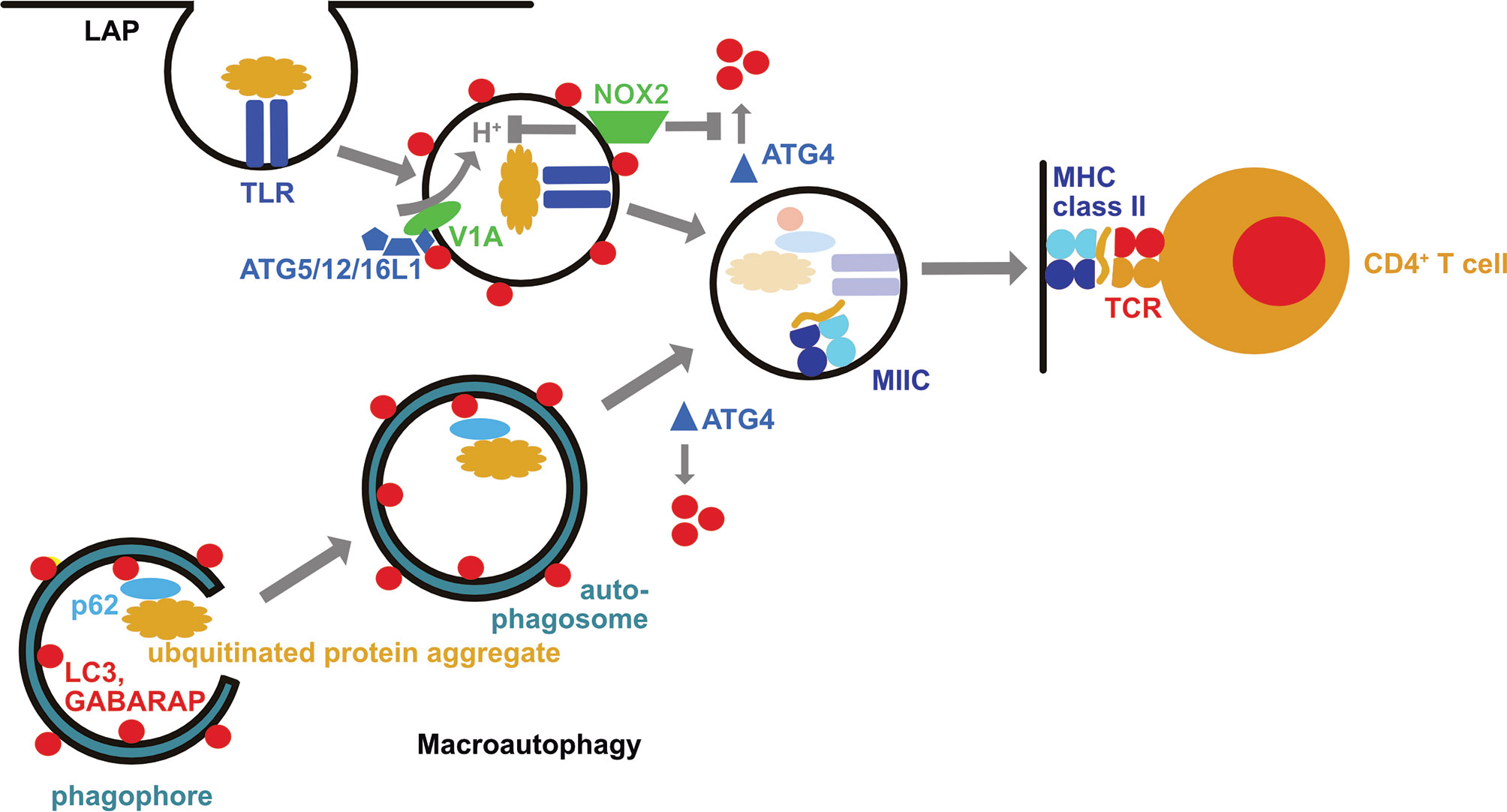
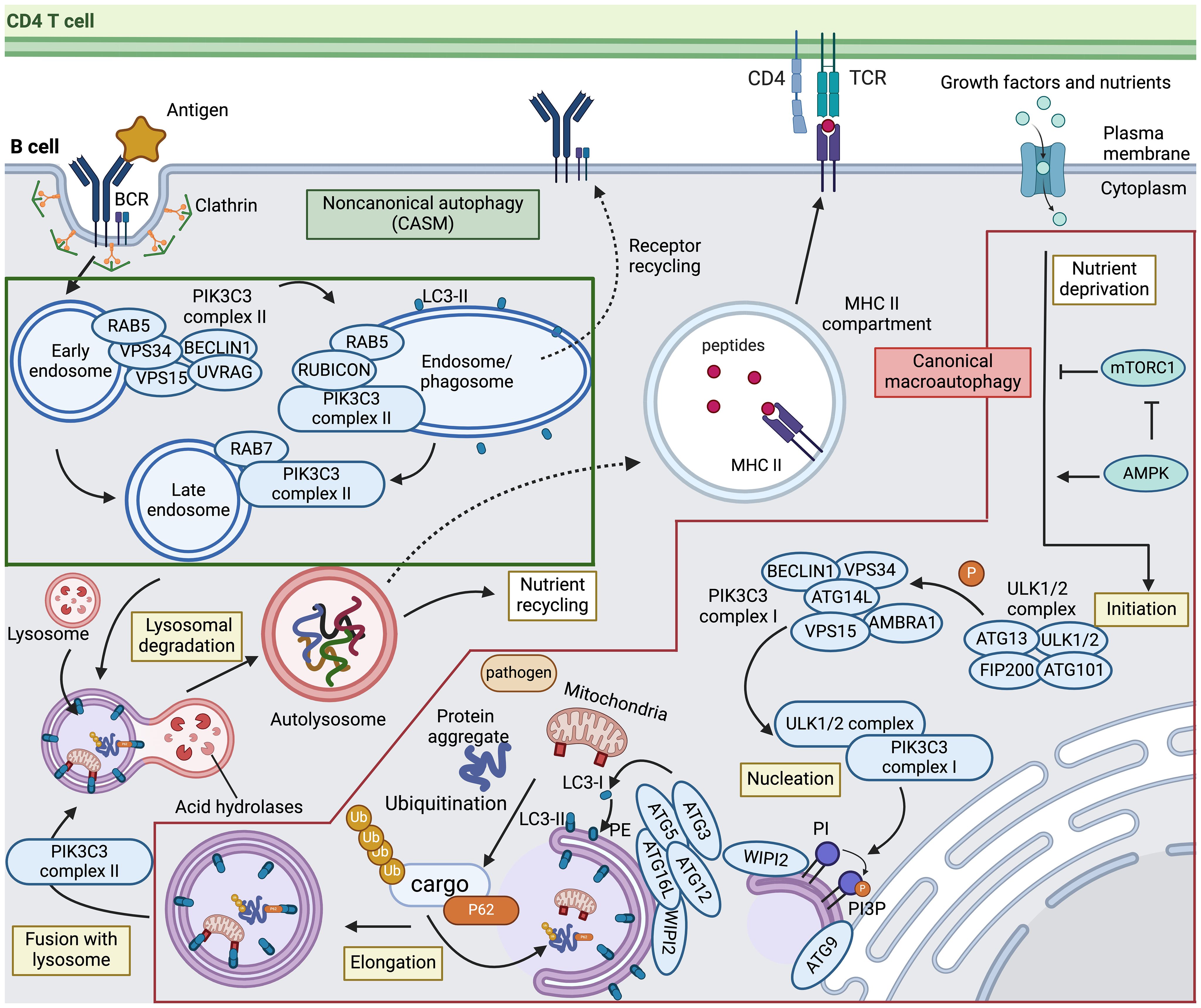
These autophagy -related pathways , referred to as noncanonical autophagy or conjugation of ATG8 to single membranes (CASM), contribute to B cell homeostasis and functions, including MHC class II-restricted antigen presentation to T cells, germinal center formation, plasma cell differentiation, and recall responses.
Canonical and Noncanonical Autophagy Pathways in Microglia
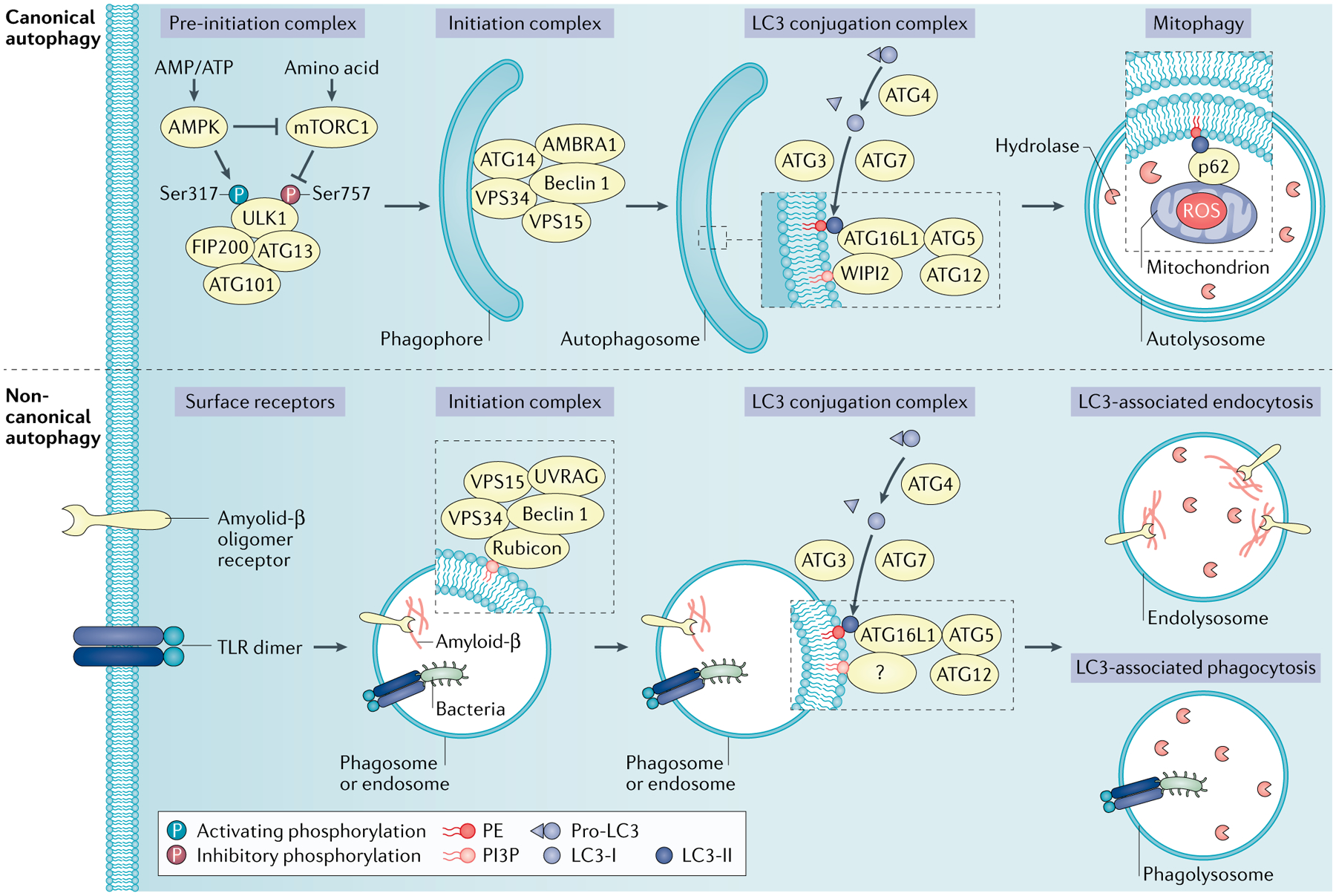
Besides the degradation of cytosolic components by canonical autophagy , recently identified noncanonical pathways participate in the clearance of extracellular entities. Here, we focus on the molecular aspects of both autophagy pathway variants in microglia.
Canonical autophagy , or macroautophagy, is a fundamental catabolic process through which intracellular material is degraded to maintain homeostasis, with vital functions in health and disease ( 1 ). The underlying autophagy (ATG) machinery comprises a diverse collection of proteins, from protein and lipid kinases to lipid transfer proteins and ubiquitin-like conjugation systems, which act in ...
Useful Notes on Non-Canonical Autophagy Pathways Activated By Glp 1
However, the impact of GLP -1RAs on lipid metabolism and autophagy in hepatocytes involved in non -alcoholic fatty liver disease (NAFLD) has not been well elucidated.
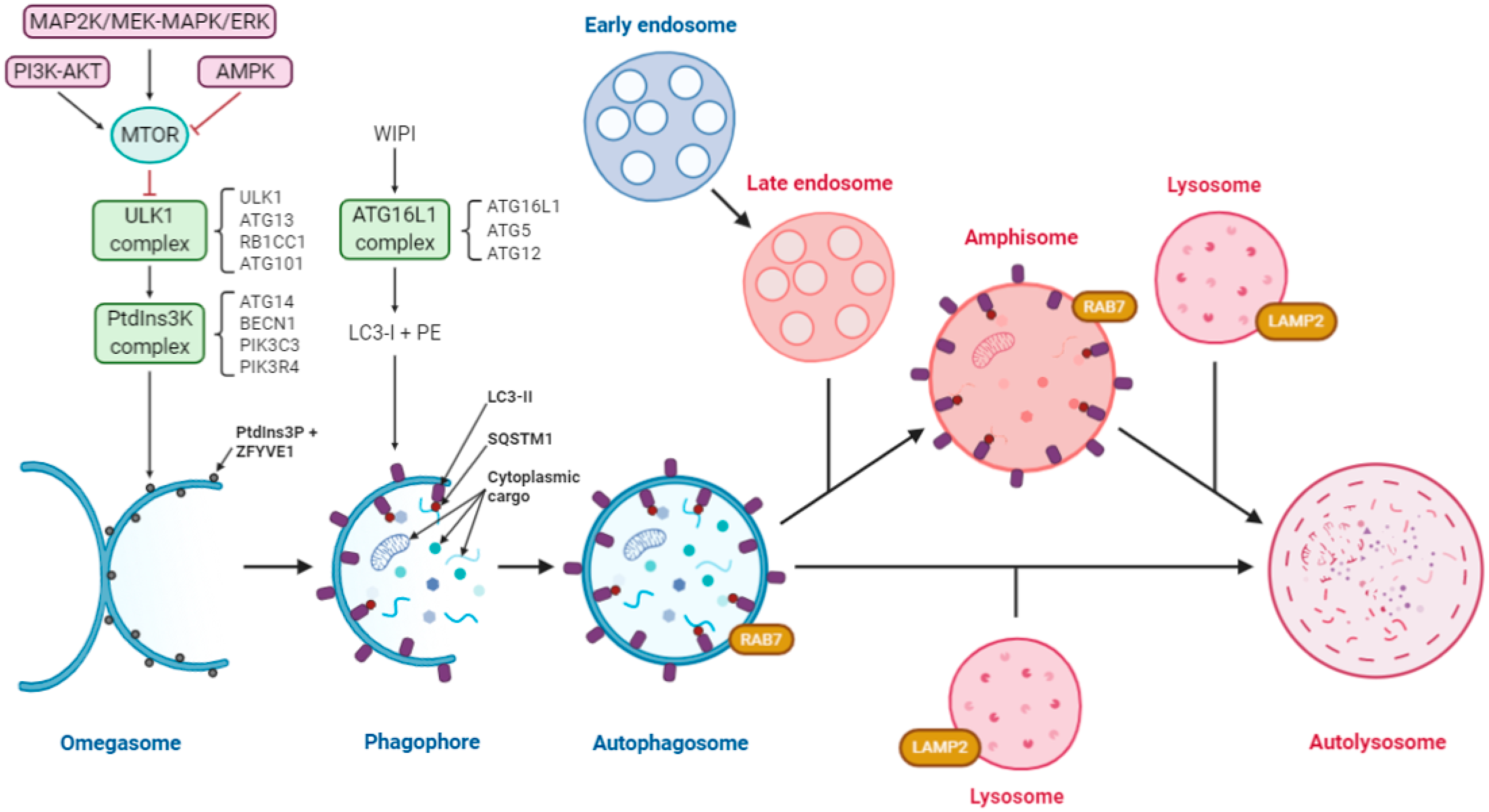
Moreover, GLP-1 could positively improve the progression of autophagy in vivo and in vitro through regulating the autophagy -related protein light chain 3 and p62 via AMP- activated protein kinase (AMPK)-mammalian target of rapamycin (mTOR) signaling pathway .
Many roads lead to CASM
INTRODUCTION Canonical autophagy , or macroautophagy, is a fundamental catabolic process through which intracellular material is degraded to maintain homeostasis, with vital functions in health and disease ( 1 ). The underlying autophagy (ATG) machinery comprises a diverse collection of proteins, from protein and lipid kinases to lipid transfer proteins and ubiquitin-like conjugation systems ...
Objective: Impaired autophagy has been implicated in the pathophysiology of neurodegenerative disorders, such as Alzheimer's Disease (AD) and Parkinson's Disease (PD). Consistent and replicated evidence indicate that Glucagon-like Peptide-1 Receptor Agonists ( GLP -1RAs) exert treatment and preventative effects across disparate neurologic and mental disorders, potentially through mechanisms ...
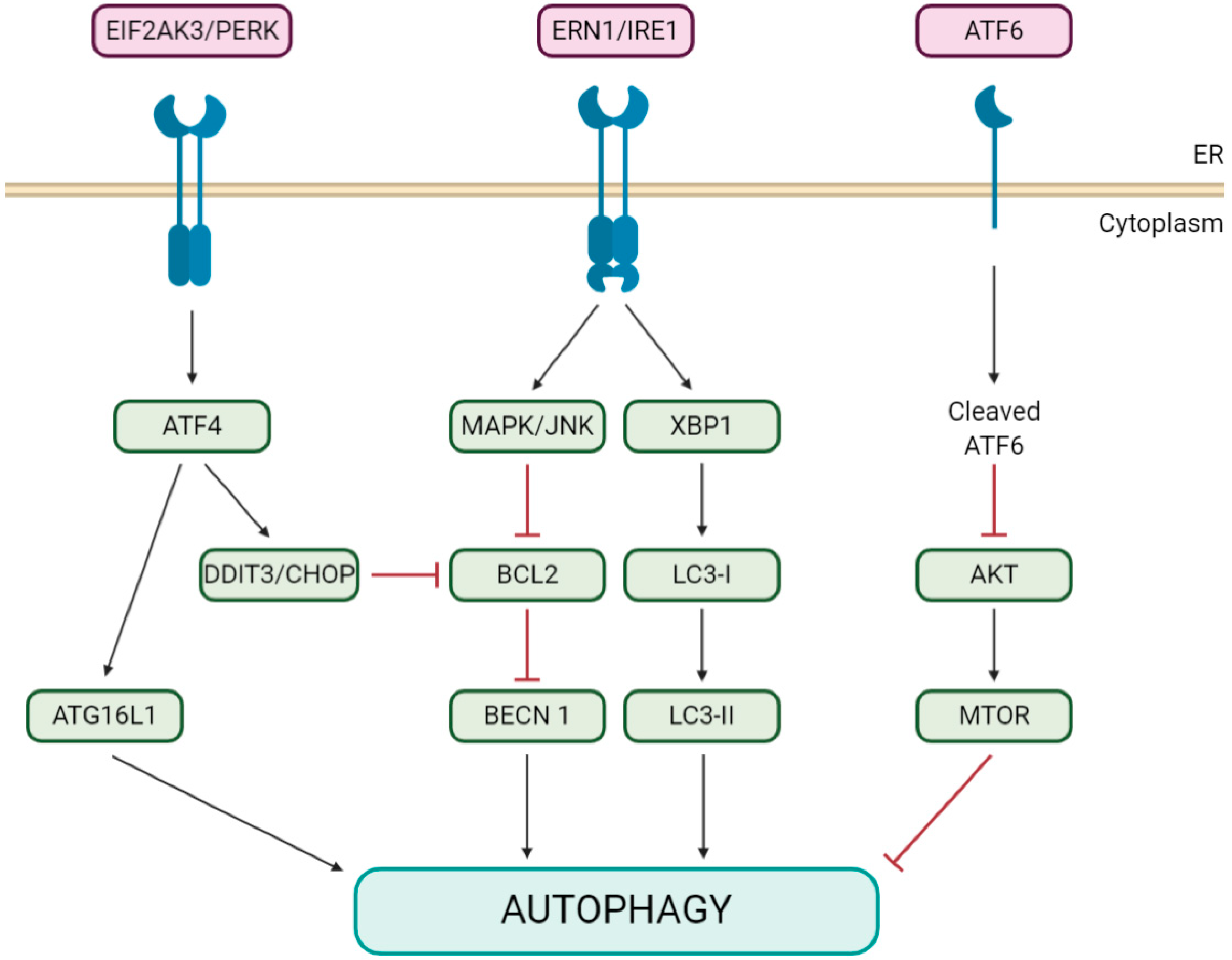
Molecular Mechanisms Underlying Initiation and Activation of Autophagy
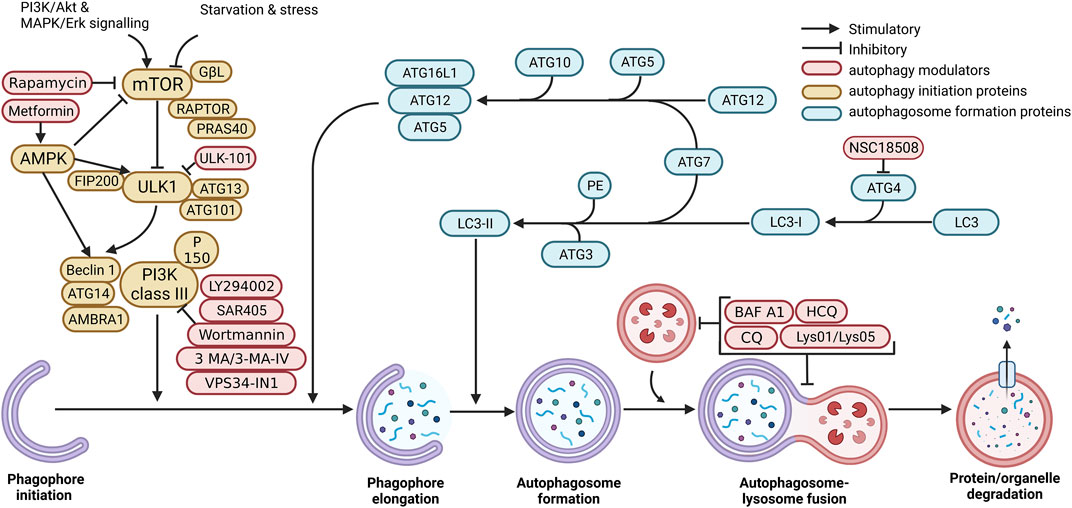
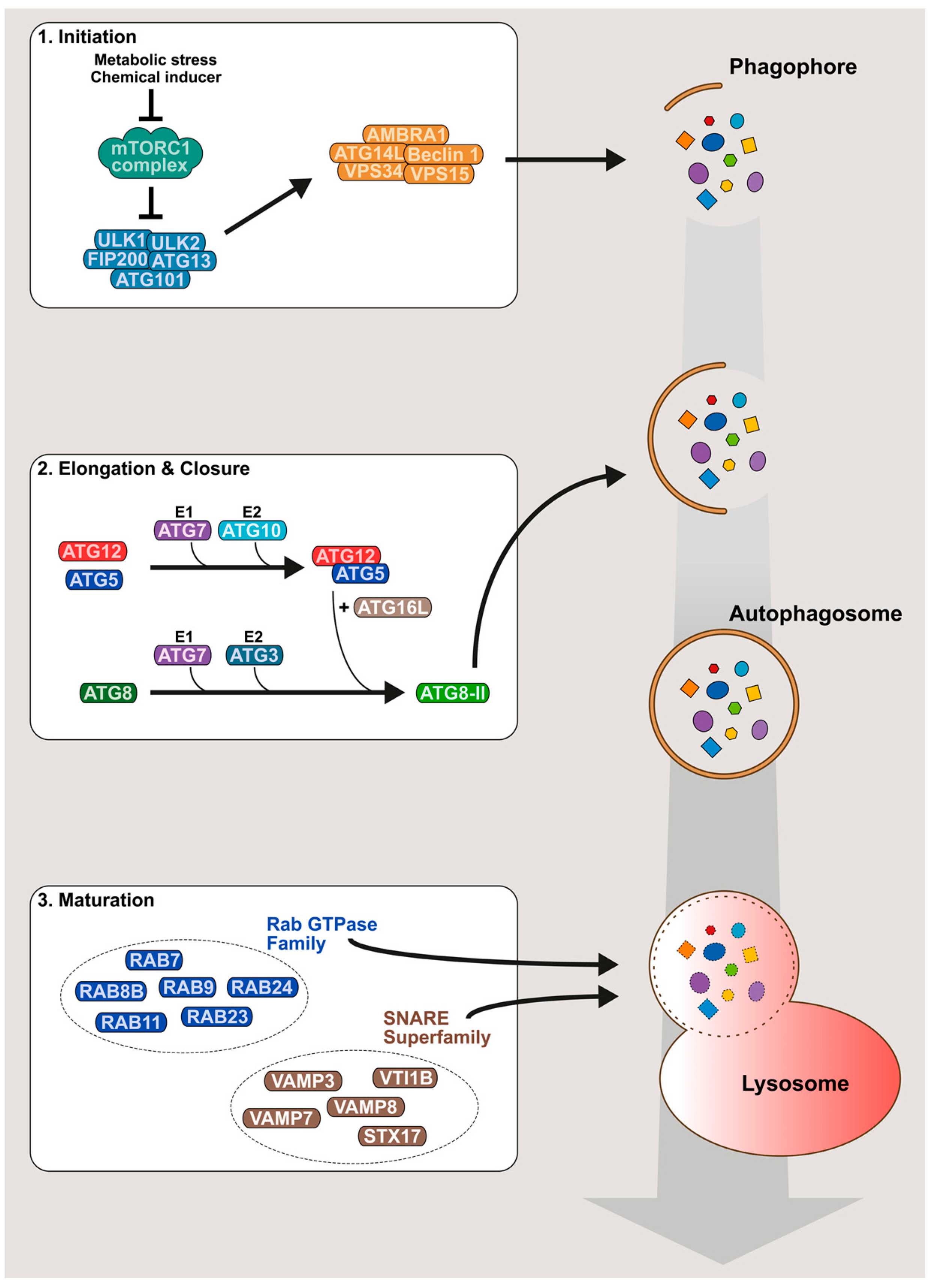
Autophagy is an important catabolic process to maintain cellular homeostasis and antagonize cellular stresses. The initiation and activation are two of the most important aspects of the autophagic process. This review focuses on mechanisms underlying autophagy initiation and activation and signaling pathways regulating the activation of autophagy found in recent years. These findings include ...
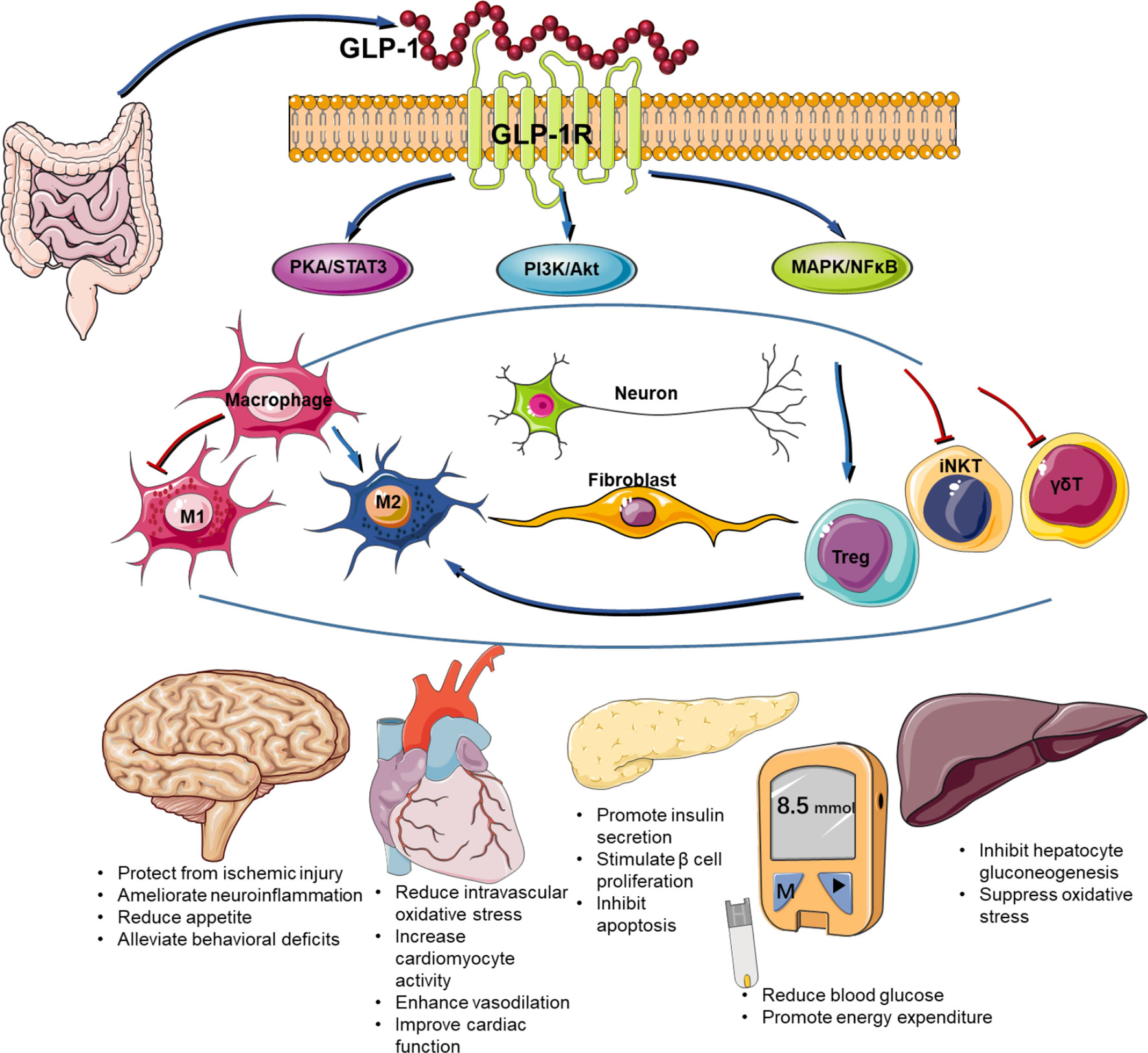
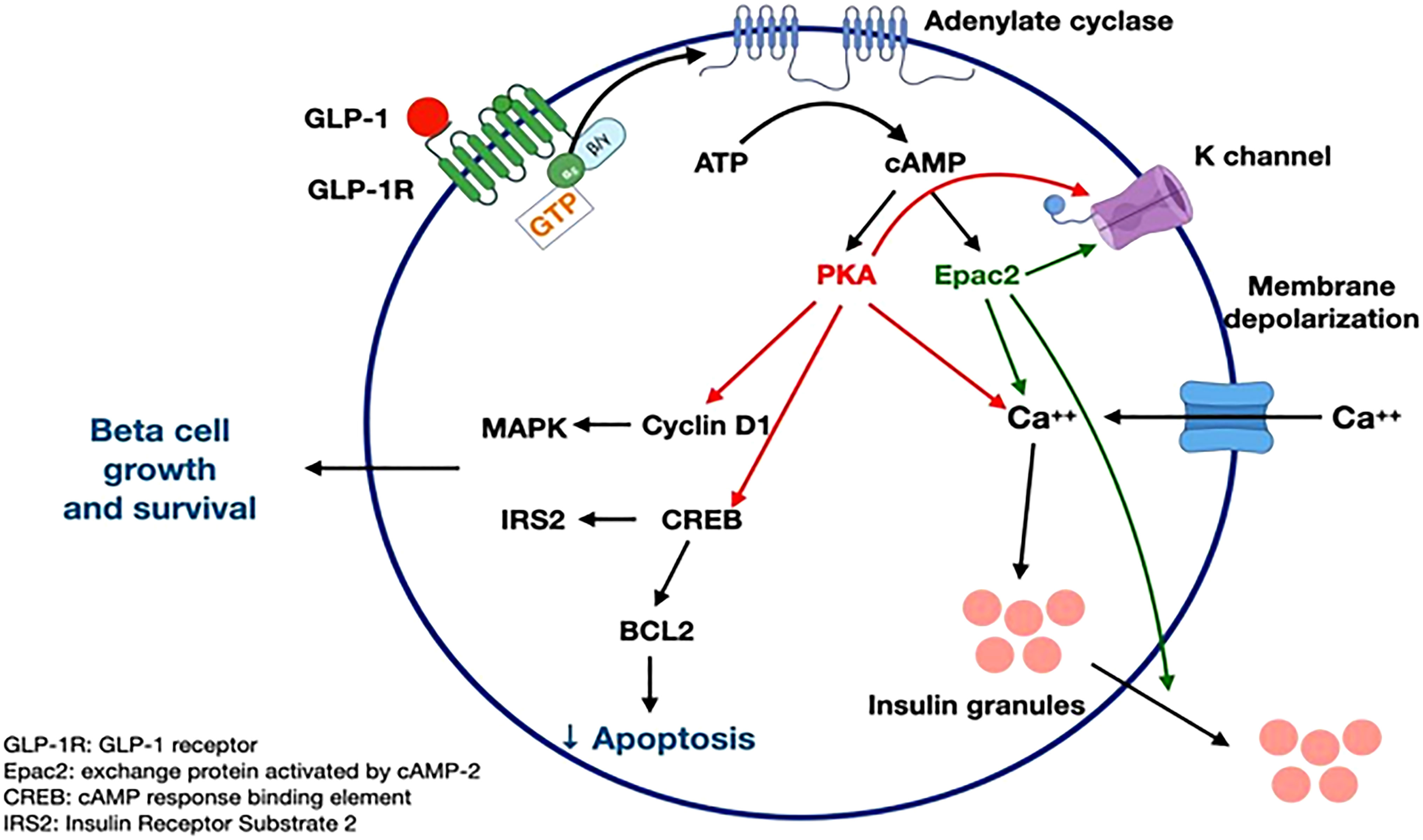
The glucagon-like peptide-1 ( GLP-1 ) receptor, known as GLP -1R, is a vital component of the G protein-coupled receptor (GPCR) family and is found primarily on the surfaces of various cell types ...