How to Use Dynamics and Texture in Your Compositions
The article focuses on the essential elements of dynamics and texture in musical compositions . It defines dynamics as variations in loudness and intensity, while texture refers to the interaction of different musical lines or voices. Key topics include the influence of dynamics on emotional impact, various levels of dynamics, types of texture , and techniques for effectively incorporating these ...
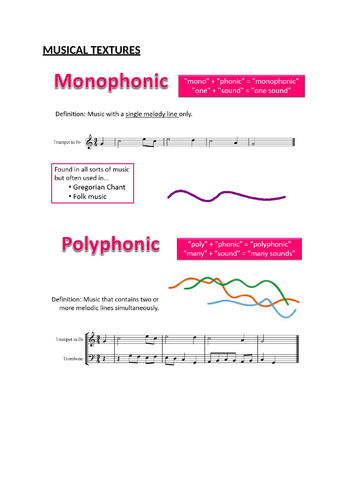
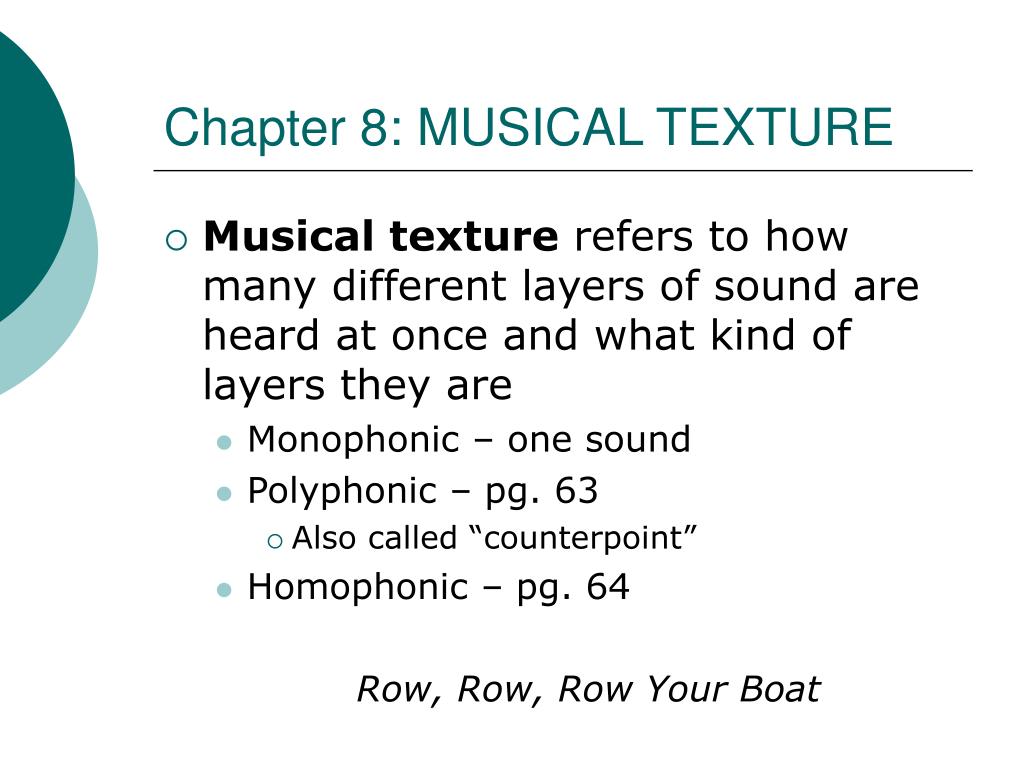
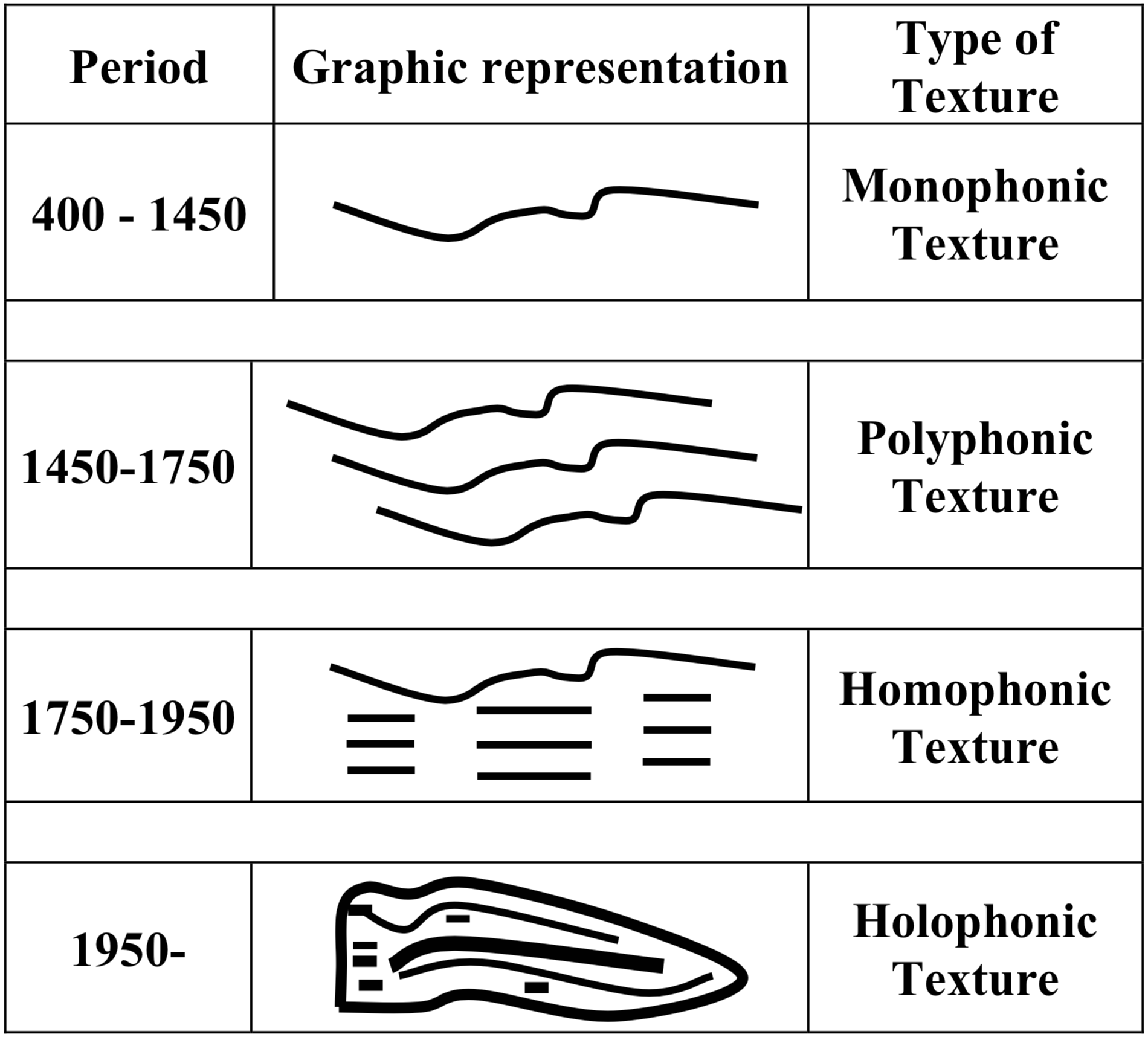
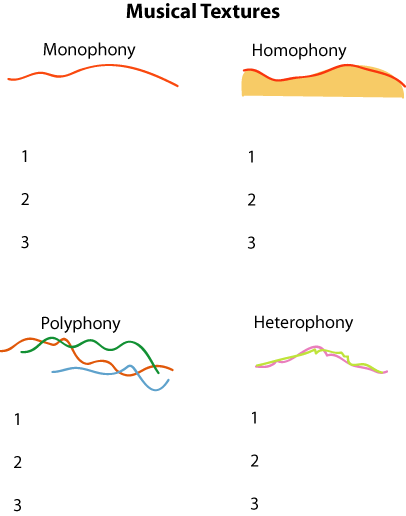
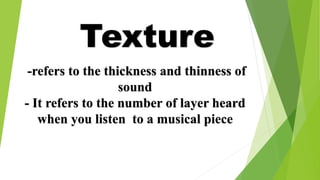
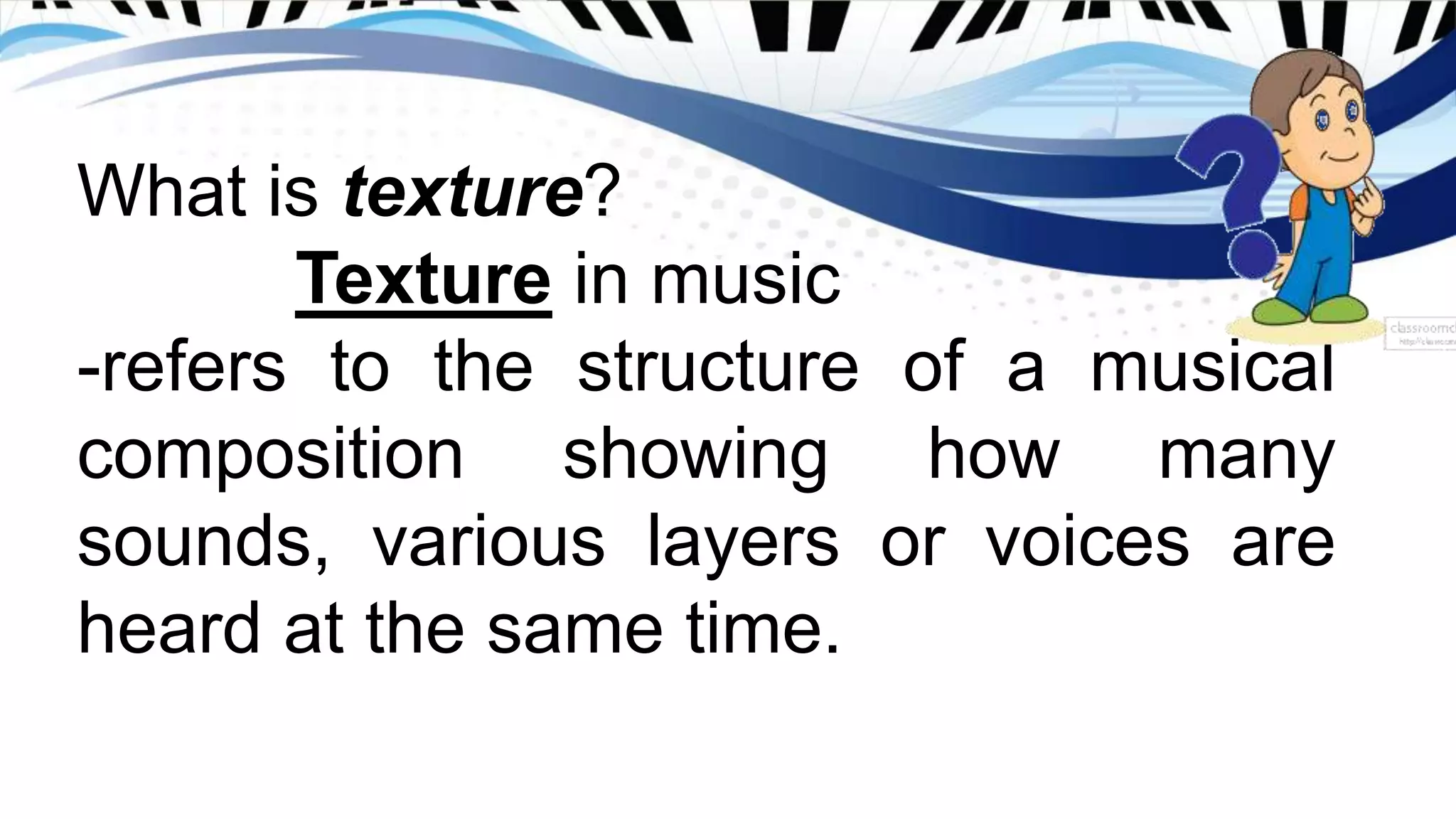
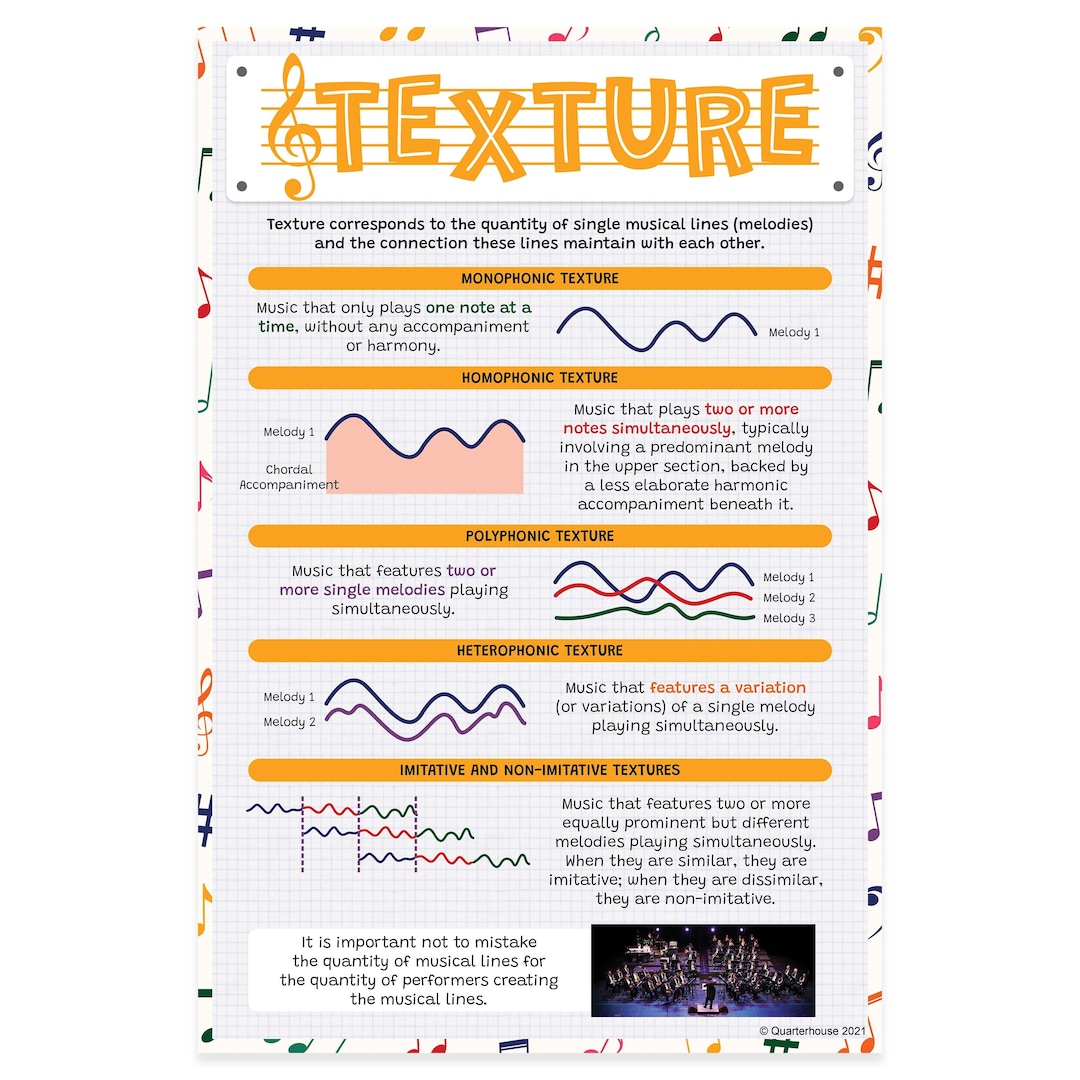
Musical texture refers to the relationship among simultaneous lines in music. Density describes the num-ber of lines or the distance between them. Changes in texture and density often underscore important formal divisions within a musical composition . Musical textures are classified as one of three types: monophony, homophony, or polyphony.
Texture (music)
COMPOSITIONAL DEVICES These are techniques and devices that composers use to build and enhance their musical ideas. They relate to pieces of music in a similar way that words, punctuation and grammar work within a sentence to give that sentence a certain character. Repetition Repetition is a very broad term and is a part of most music in some way.

5 Powerful Texture Techniques That Will Elevate Your Piano Compositions ...
5 Powerful Texture Techniques That Will Elevate Your Piano Compositions Beyond Expectation Discover how mastering these techniques can add richness and depth to your music, captivating audiences like never before.
Mastering texture is a crucial aspect of music composition , allowing composers to create complex, engaging, and emotionally resonant music. By understanding the different types of texture , techniques for creating texture , and how to apply texture in composition , composers can elevate their craft and produce outstanding works.
Mastering Texture in Composition

Such details provide a deeper understanding and appreciation for Musical Texture Composition Techniques.
Mastering texture is a crucial aspect of music composition . By understanding the different types of texture , techniques for creating texture , and strategies for applying texture in composition , composers can add depth, complexity, and emotion to their music.
After presenting the various concepts and operations, the paper concludes with a discussion about the potential creative application of them, and how they can be decoded into a musical score. Keywords: Musical Texture . Textural spaces. Music Composition . Music Analysis. Theory of Integer Partitions.
Musical Texture
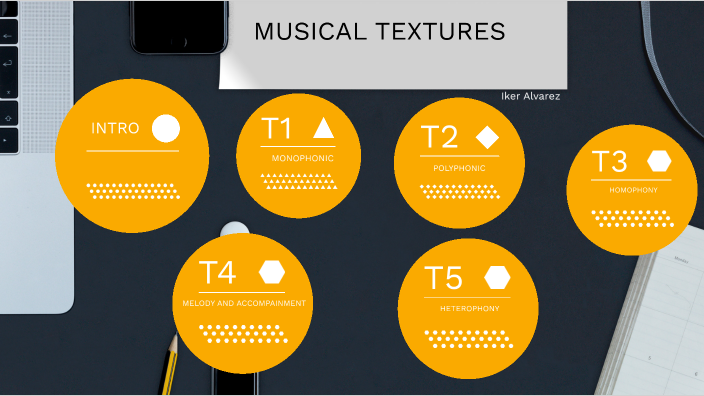
Musical Texture refers to how different layers of a piece of music are combined to produce the overall sound. There are four music textures that you need to understand: Monophonic Homophonic Polyphonic Heterophonic In this lesson we will look at definitions and explanations for each musical texture in turn. Types of Musical Textures People often struggle to find the right words to describe ...
Here, the texture is rich yet uncomplicated, inviting conversation and contemplation-a perfect example of how musical layers can create an immersive experience. The Heroes of Texture Notably, throughout music history, certain composers and artists have redefined how we perceive and employ texture .