Passive Cooling Systems For Sustainable Architecture
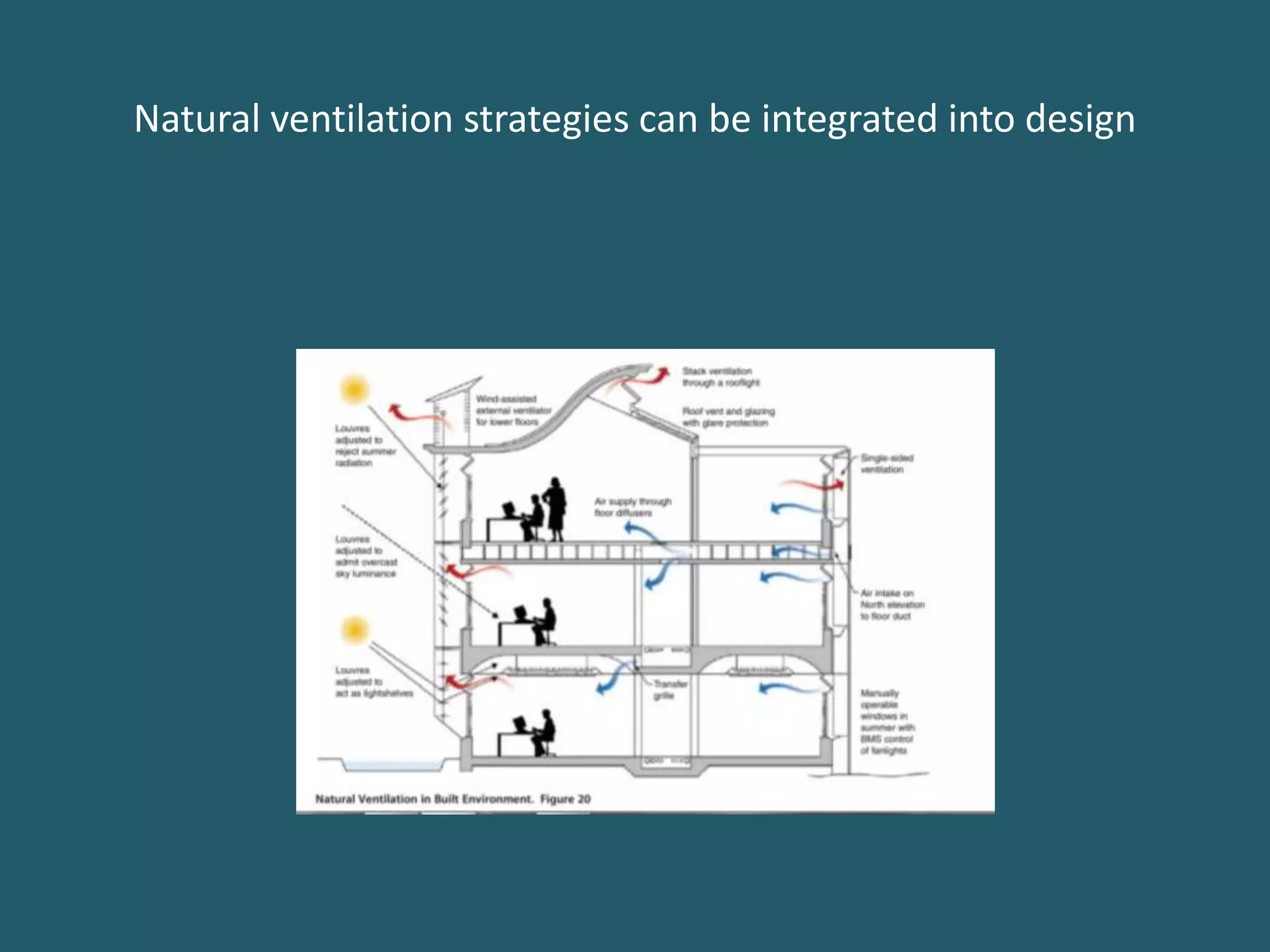
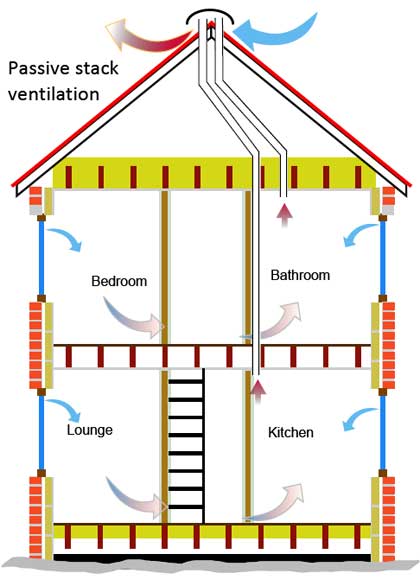
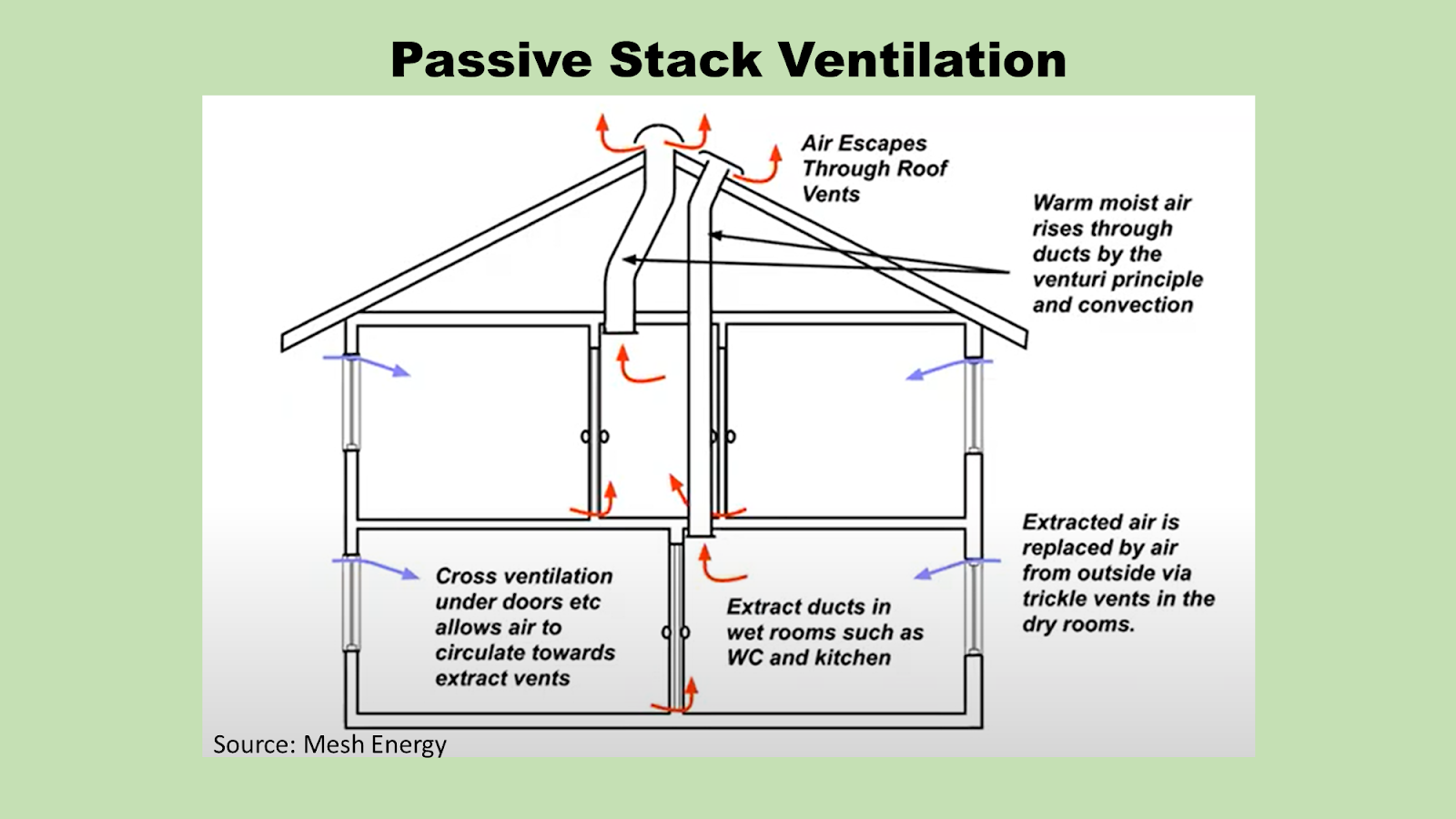
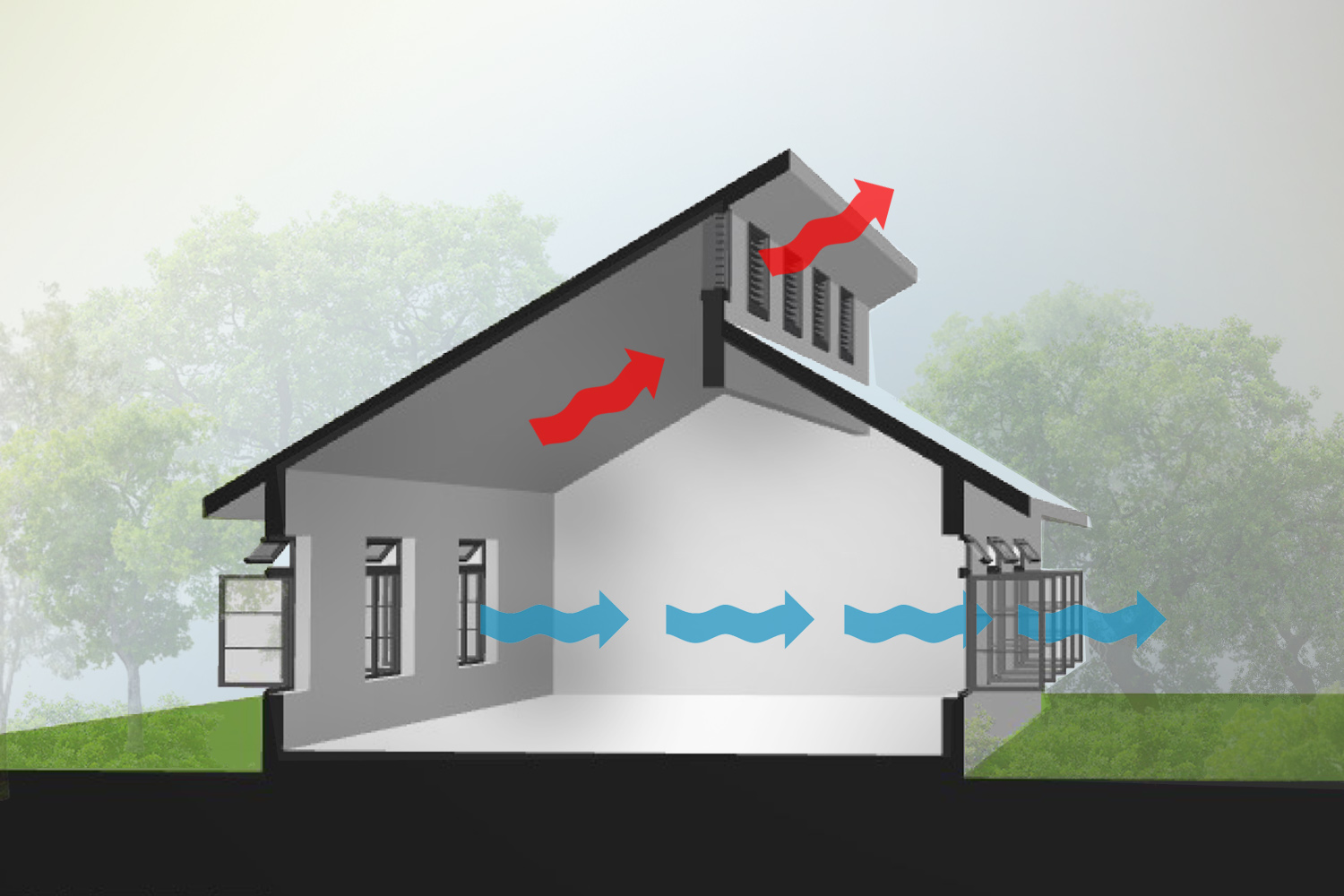
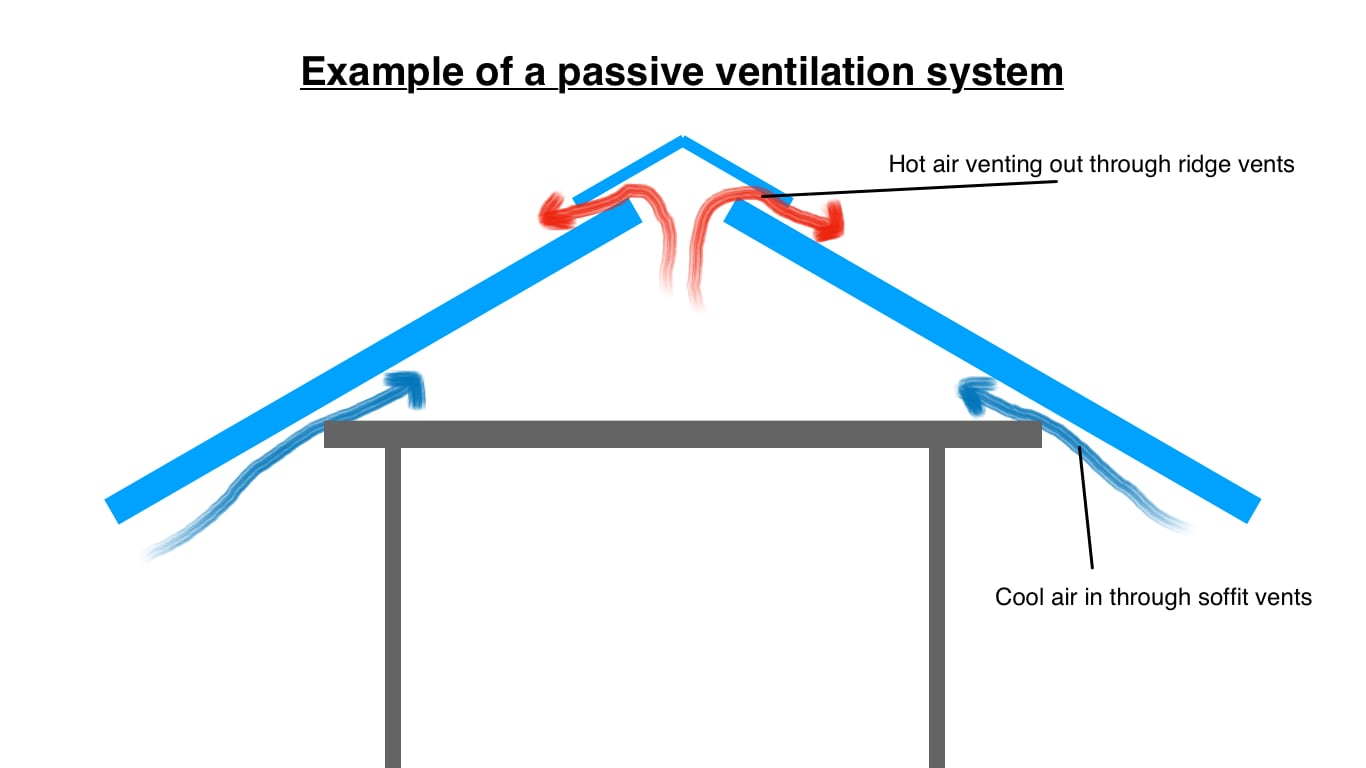
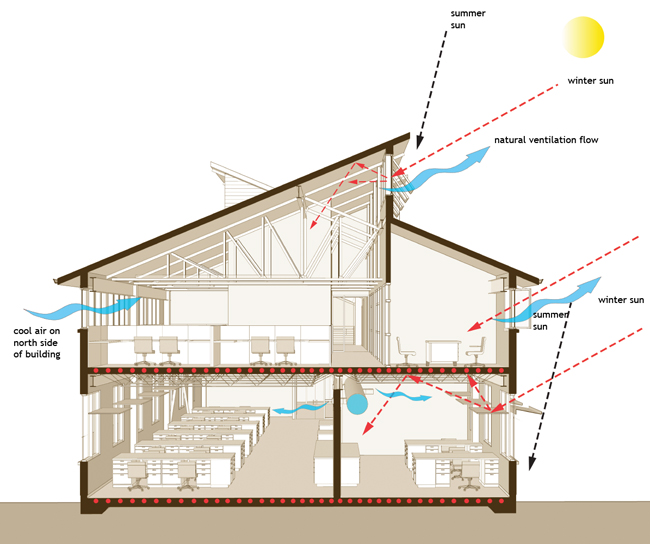
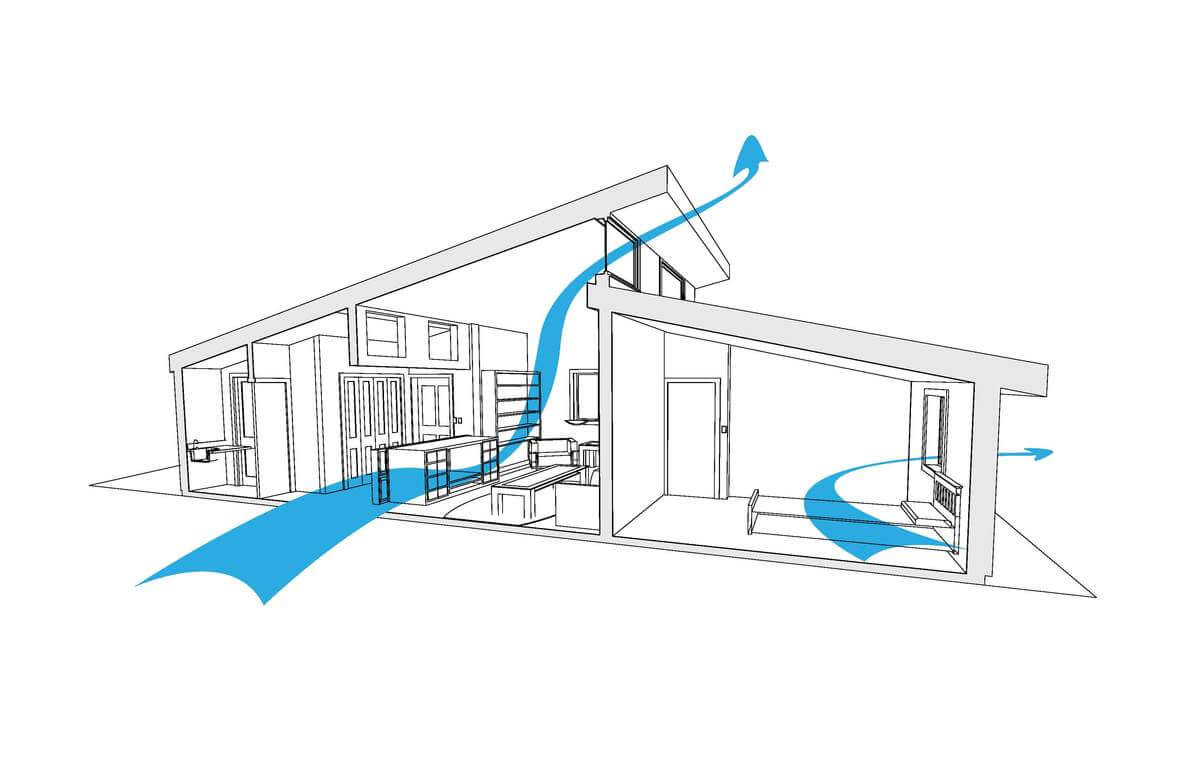
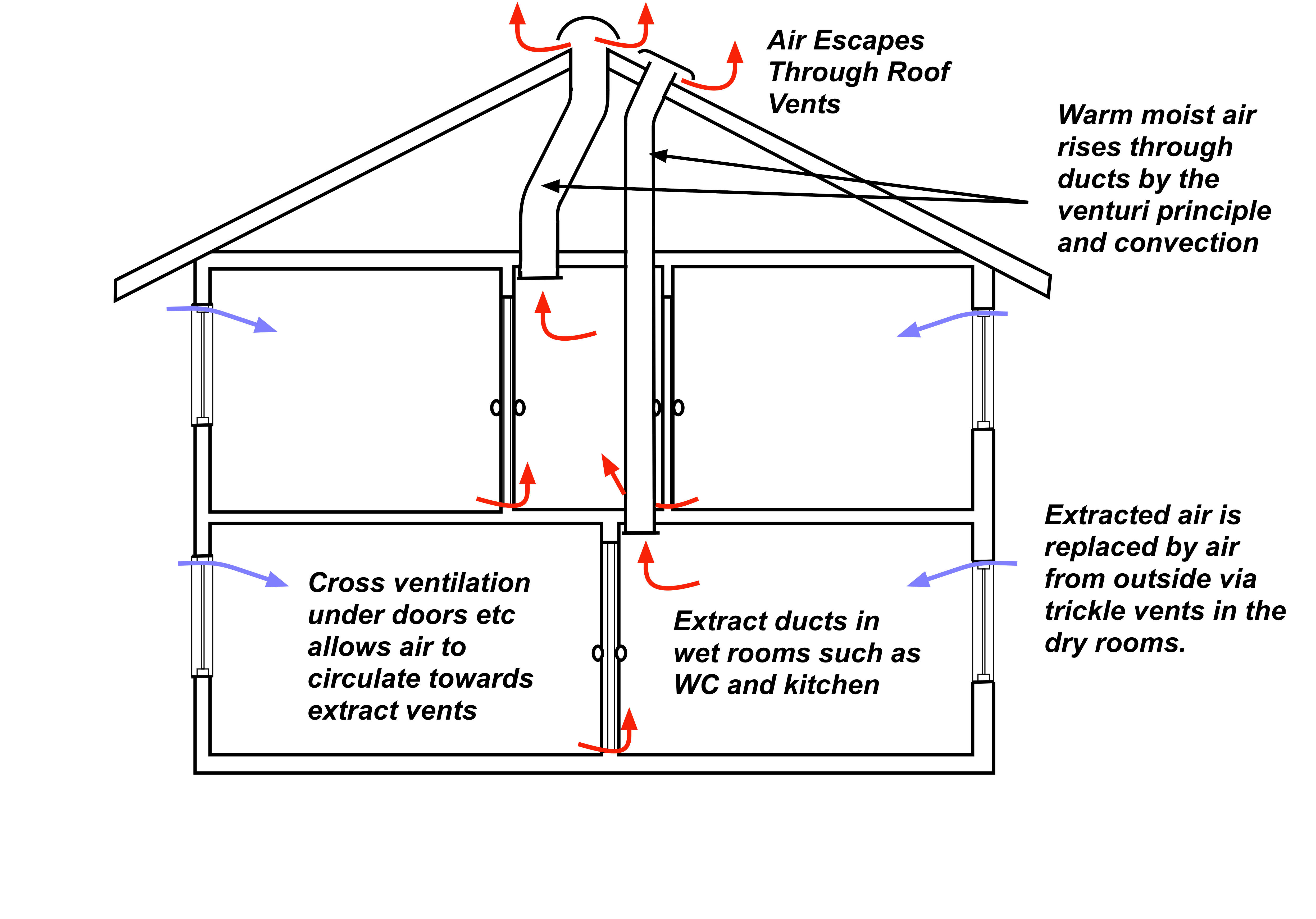
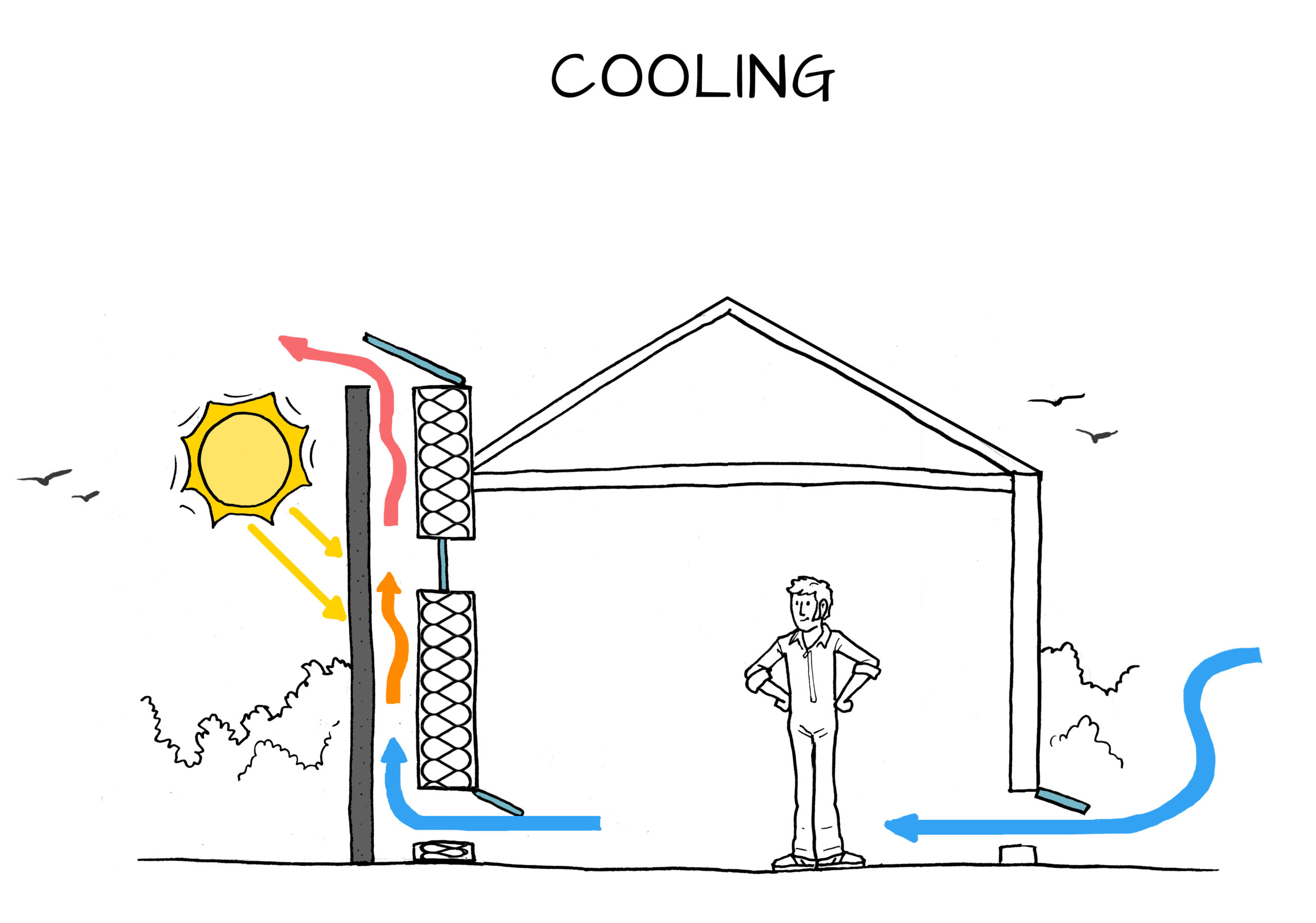
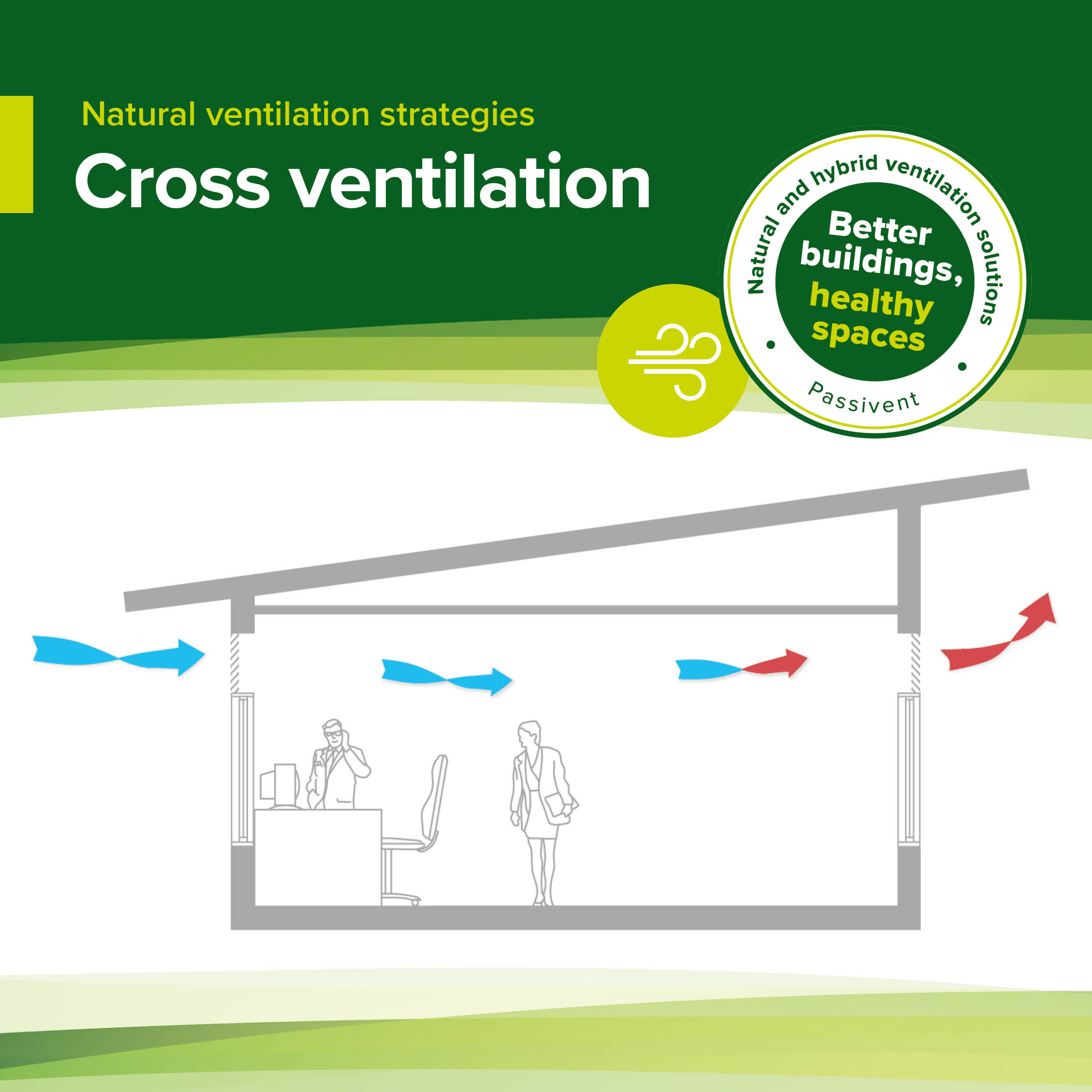
Natural Ventilation Natural ventilation is the movement of air through a building or other structure without the use of mechanical fans or other devices. It is a passive system that relies on the natural forces of wind and temperature to create airflow.
In light of the global awareness towards environmental sustainability and indoor health-quality, buildings with passive systems have become a prominent research topic and made up the project scopes carried out in civil construction. To reduce energy consumption while improving thermal comfort and indoor air quality (IAQ), natural ventilation has been welcomed as a feasible passive -cooling ...
Table of contents Executive summary Preamble Introduction Strategies to maintain acceptable indoor air quality Natural ventilation Mechanical ventilation Exhaust-only systems Supply-only systems Balanced systems Considerations Factors affecting ventilation needs and efficiency in Canadian homes Air distribution within the house Occupants Airtightness Seasonal changes Climate zone/Jurisdiction ...
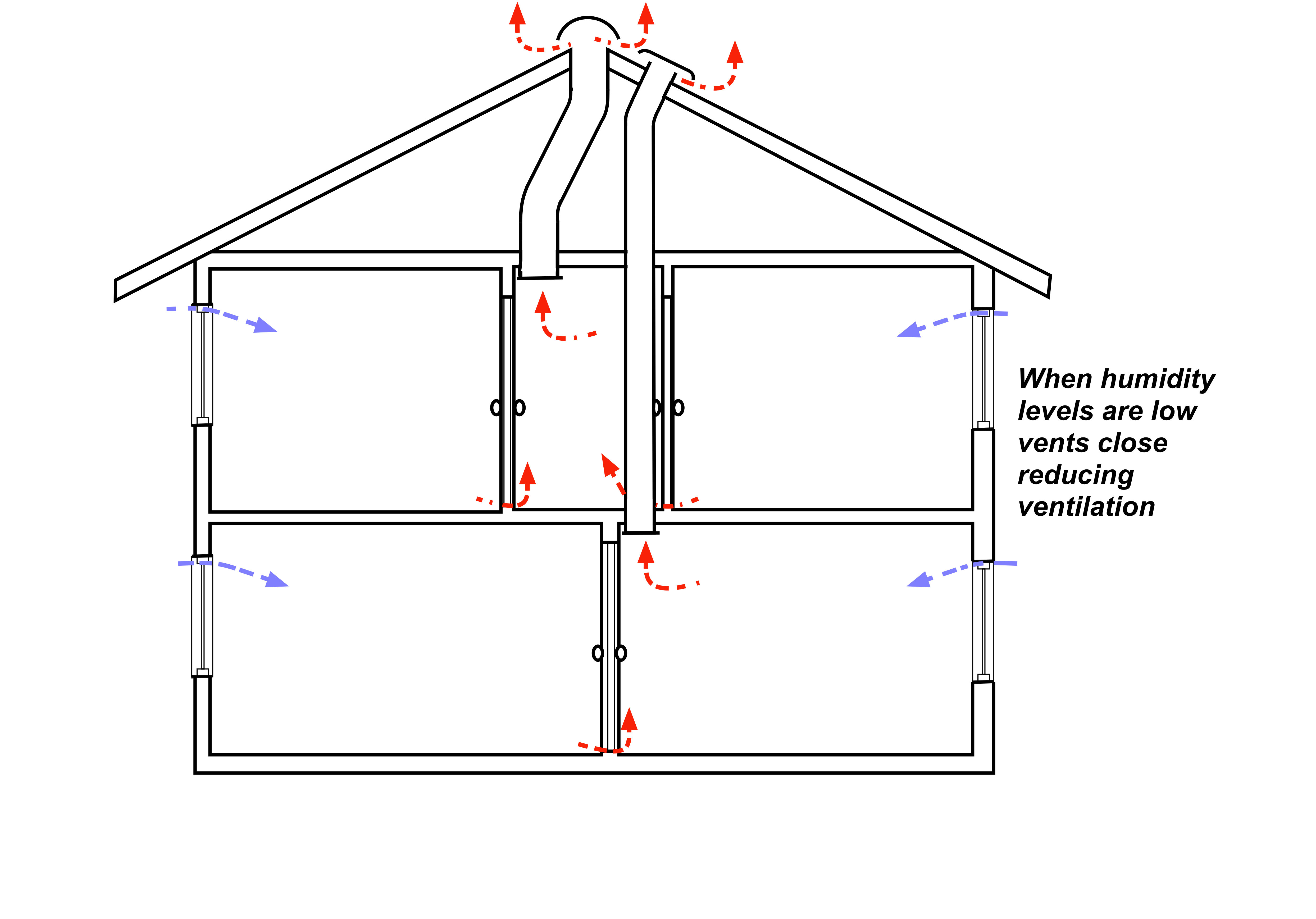
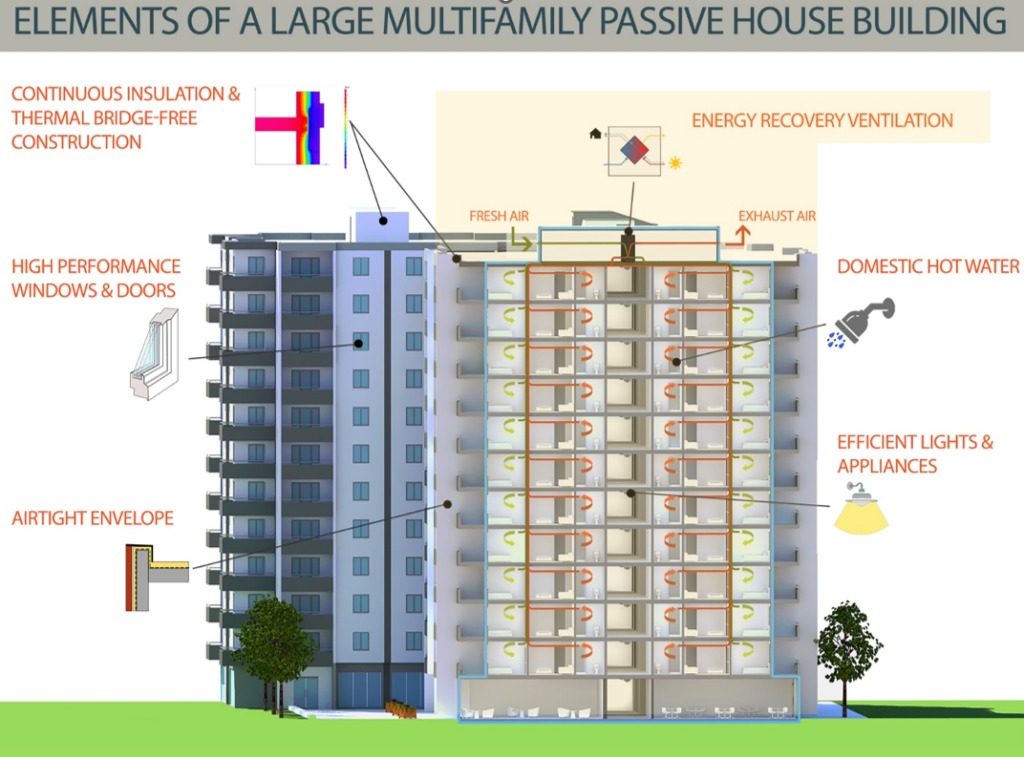
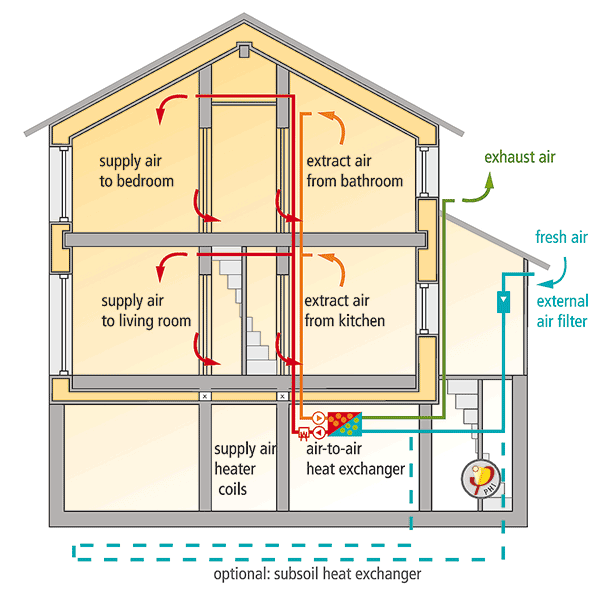
To maintain high air quality in an airtight structure a passive home needs a balanced ventilation system . Although you can certainly open your windows in a passive house, high efficiency heat ( and humidity) recovery systems are part of the ventilation system to maintain a comfortable temperature and humidity range by ensuring that the stale air ...

Passive Thermal Comfort Strategies in Residential Projects
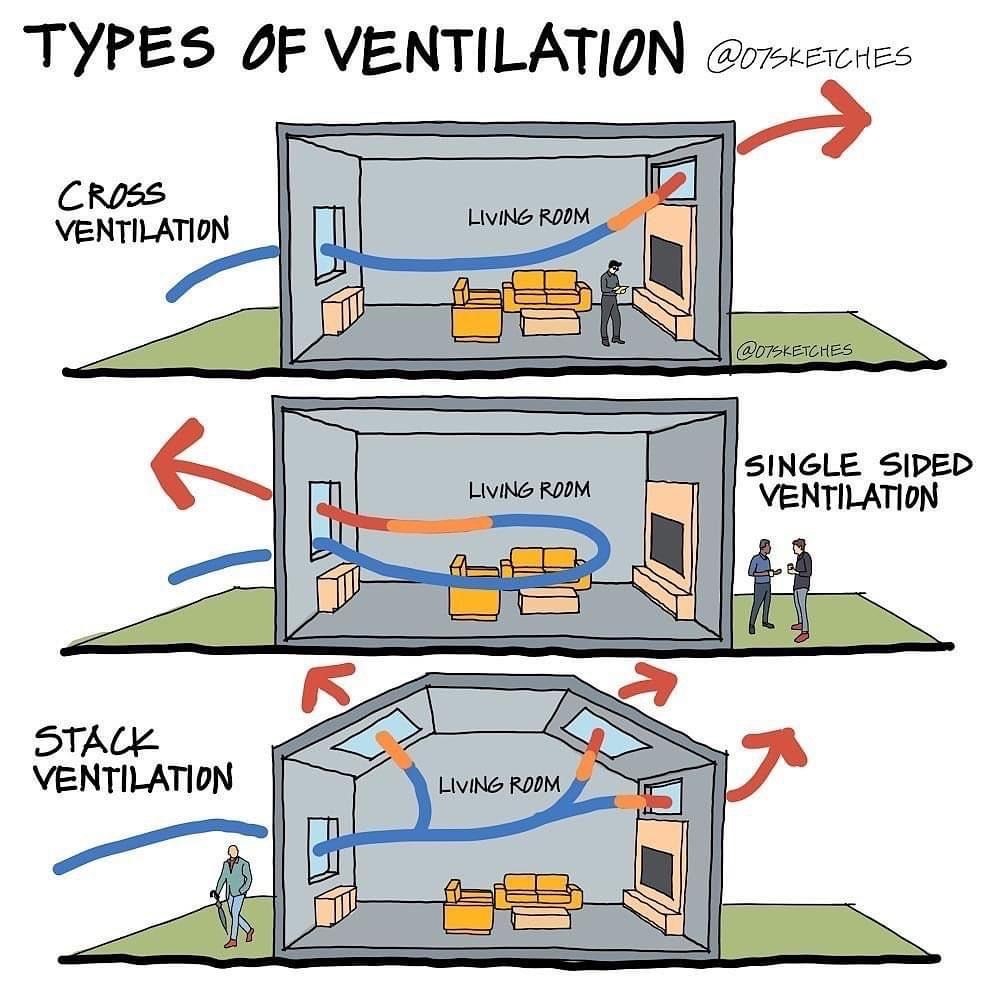
Natural ventilation is one of the most common passive design solutions and is used to move fresh air through the interior spaces thanks to air pressure variations.
Abstract The increasing global focus on energy-efficient construction, driven by climate change and the depletion of fossil fuels, has renewed interest in passive ventilation as a low-energy alternative to mechanical systems .
Natural ventilation as a passive cooling strategy for multi

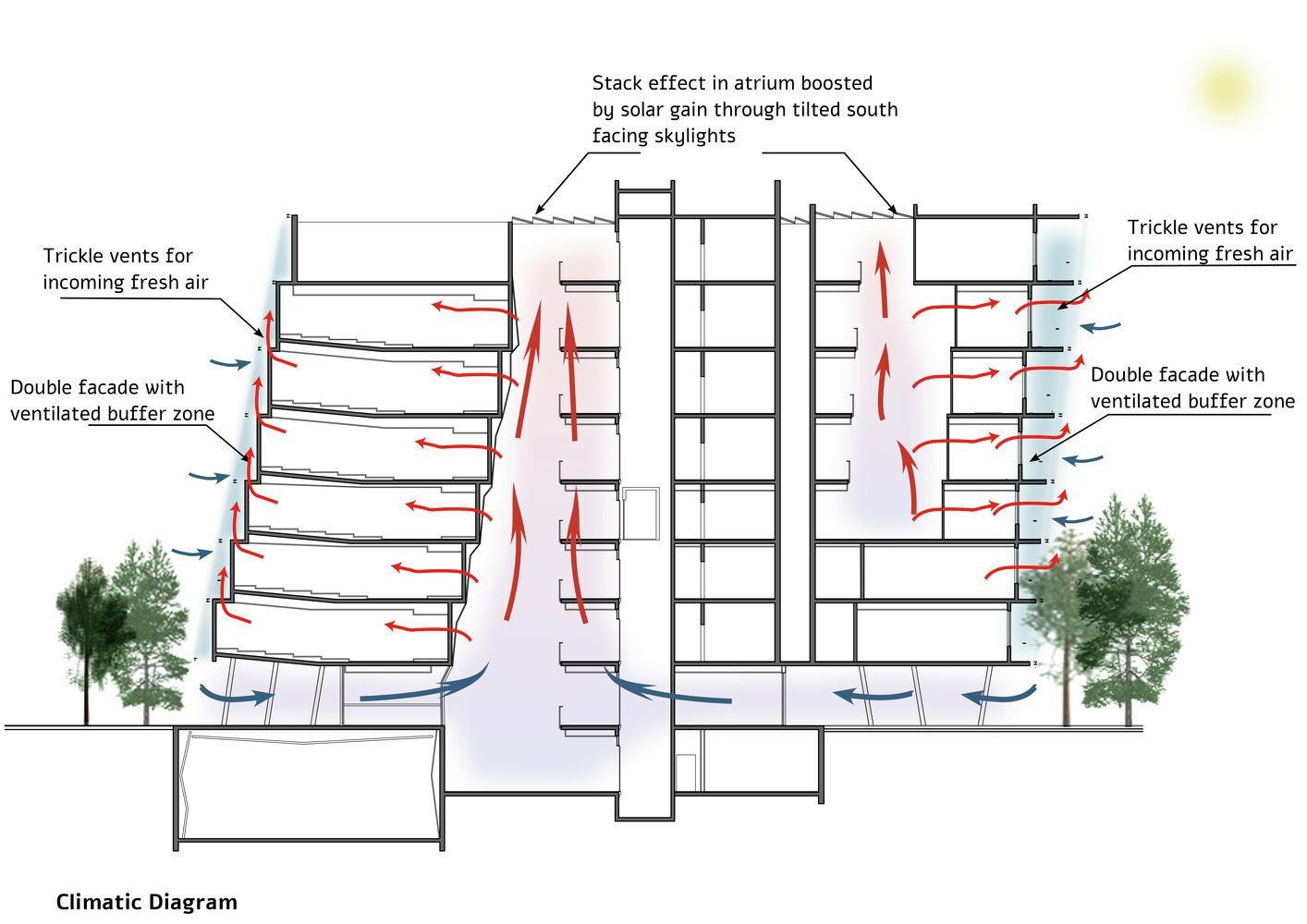
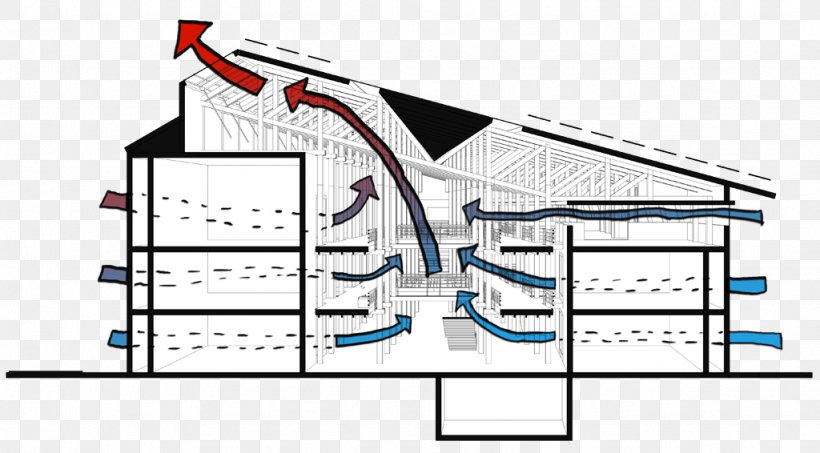
Natural ventilation has been one of the most important passive cooling strategies for conditioning the built environment. However, several challenges influence natural ventilation in multi-story buildings. Consequently, skycourt presents a passive cooling strategy to provide a direct airflow into the space to cool the surroundings, increase thermal comfort, and reduce the need for mechanical ...
A natural ventilation system can be as simple as a single operable window that can be used for local ventilation to one room or as complex as a group of operable windows and passive air vents strategically located to provide ventilation to an entire building or suite.
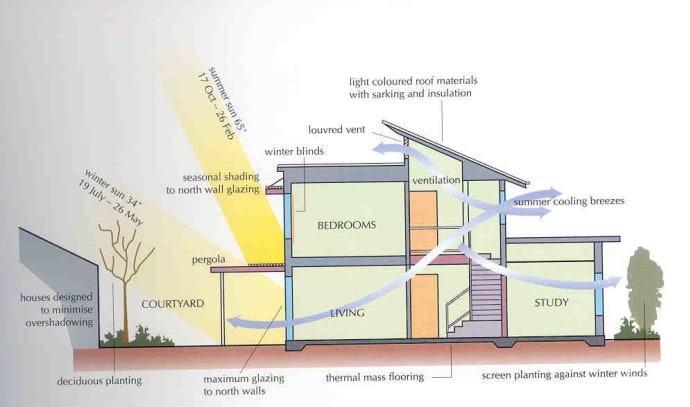
How Passive Design Strategies Shape Thermal Performance
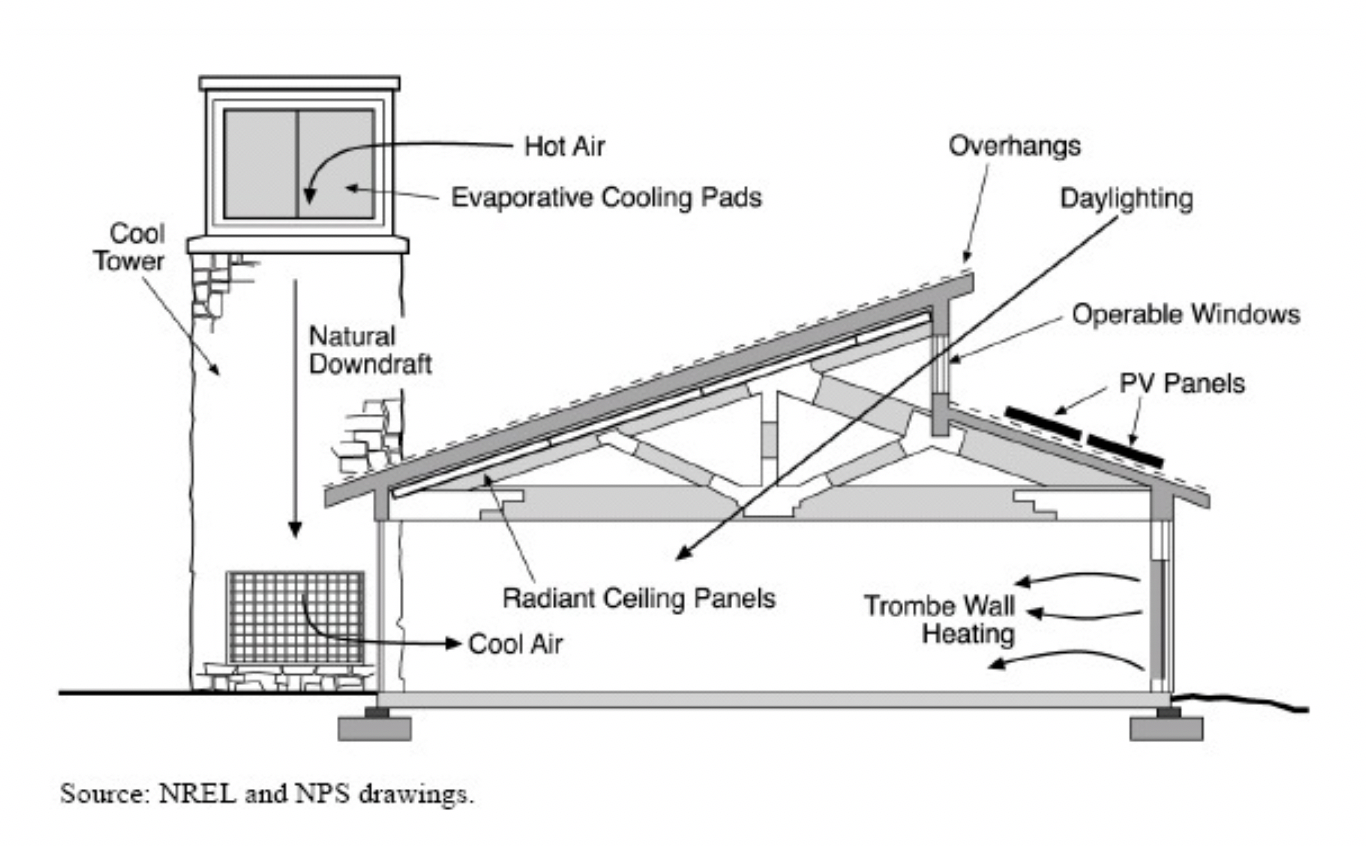
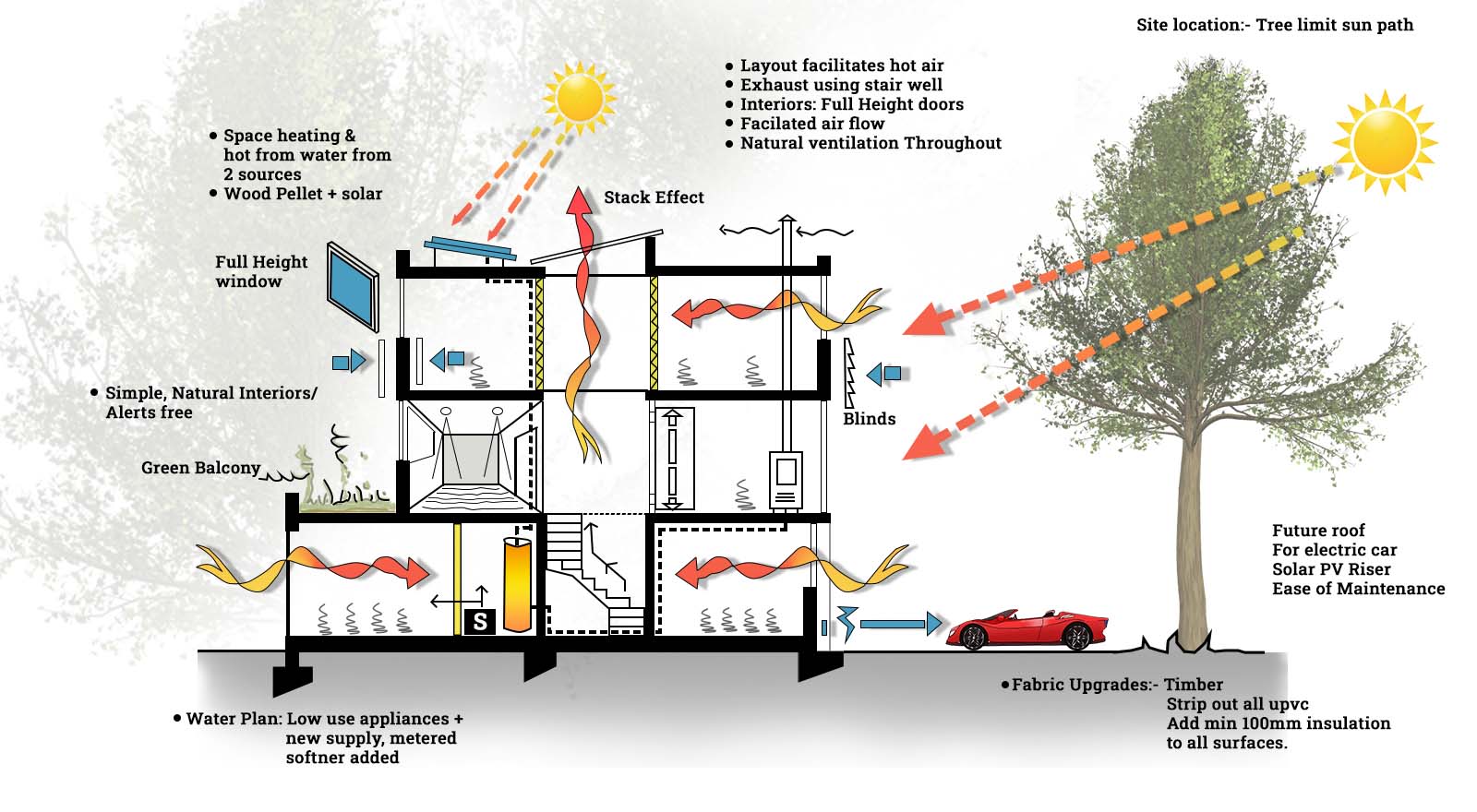
Learn how passive design strategies improve thermal performance through orientation, ventilation , roof windows, and daylight in contemporary architecture.
3 A healthy environment, with great indoor air quality - A heat recovery ventilation system ensures a supply of fresh clean air all year round. A Passive House-certified ventilation system delivers the air silently without drafts to every occupied space, and exhausts stale air where moisture or odors exist.