Machine learning
Our analysis revealed that nitro, indole, and piperidine substructures are similarly prevalent in both EI compounds and non- eye irritation (NEI) compounds. This prevalence complicates the model's ability to distinguish effectively between eye -irritating and nonirritating eyes .
Development of a Probability
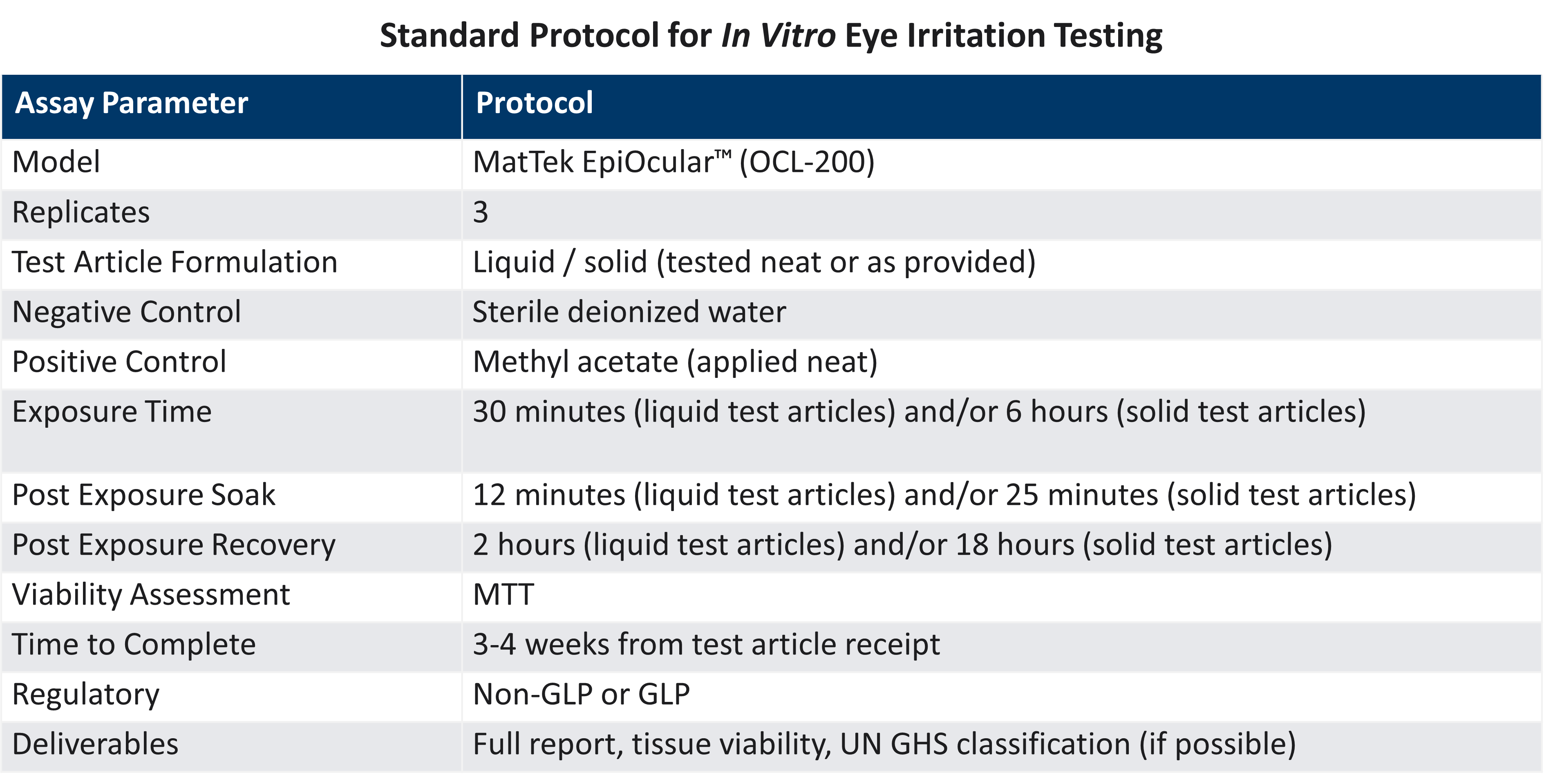
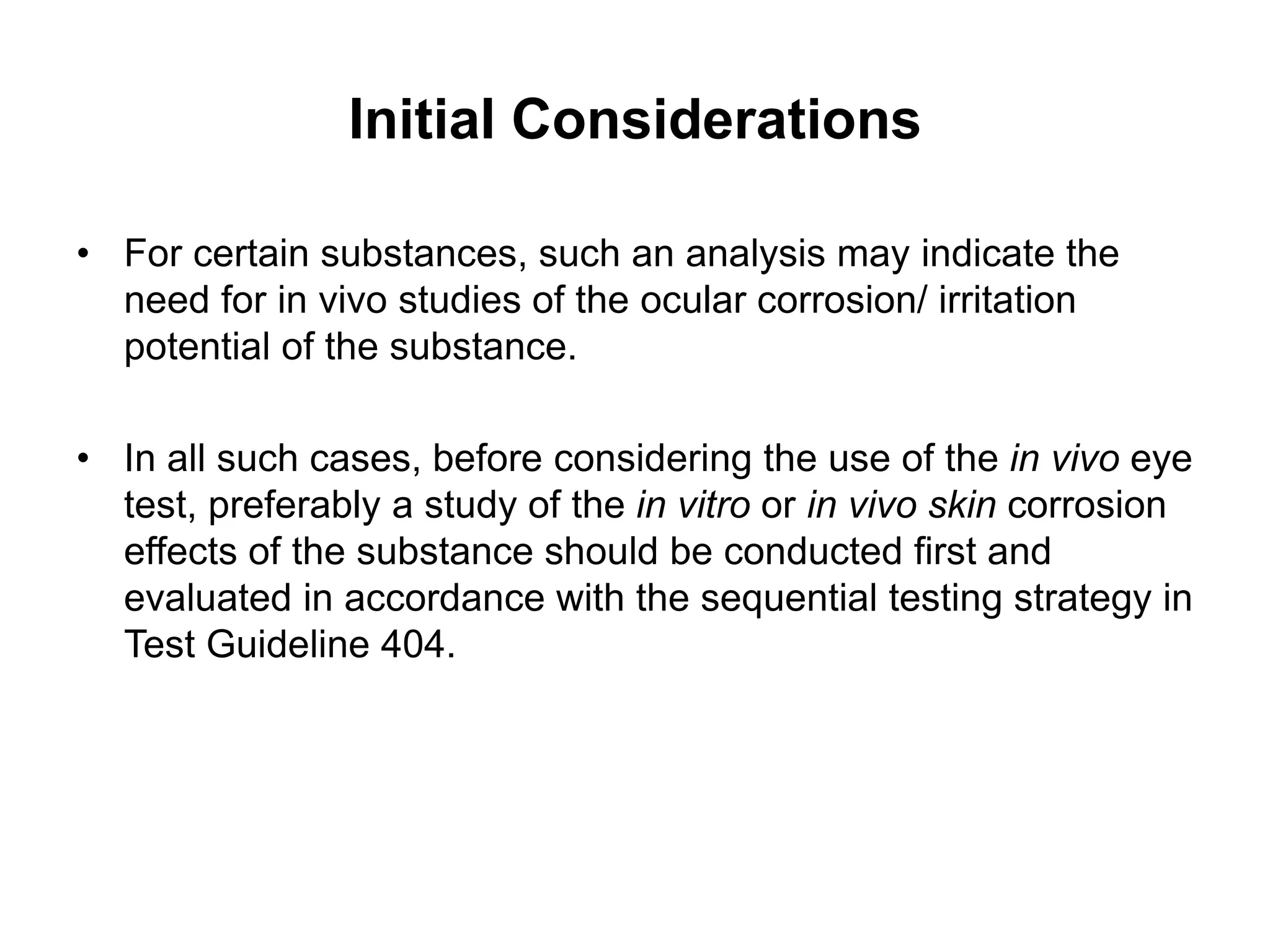
Based on current knowledge of the ocular anatomy and the mechanisms underpinning chemical-induced eye irritation , several different in vitro tests have been developed [2, 4] and are currently being validated as a substitute for testing with animal ocular samples.
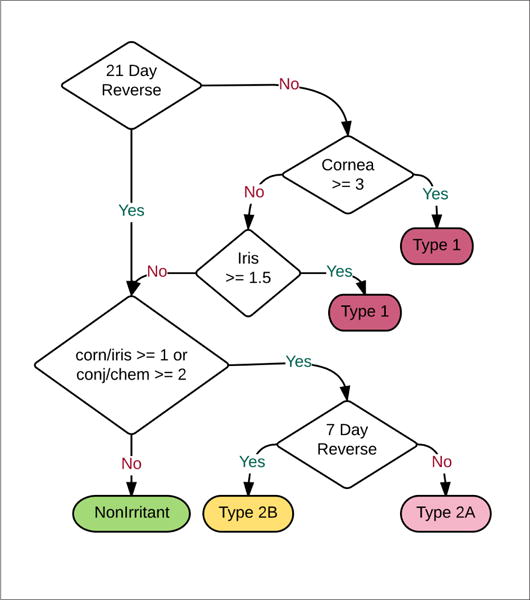
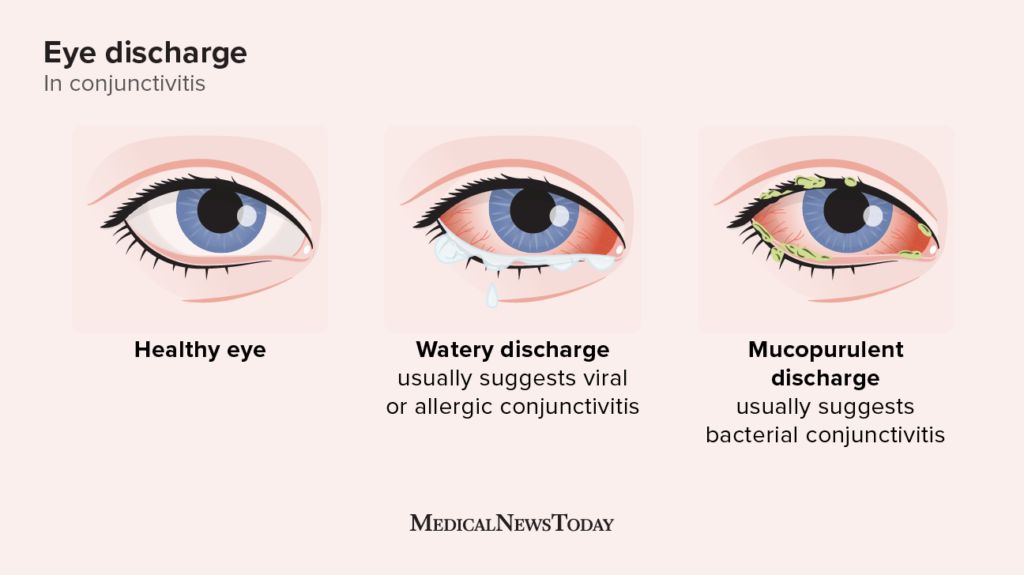
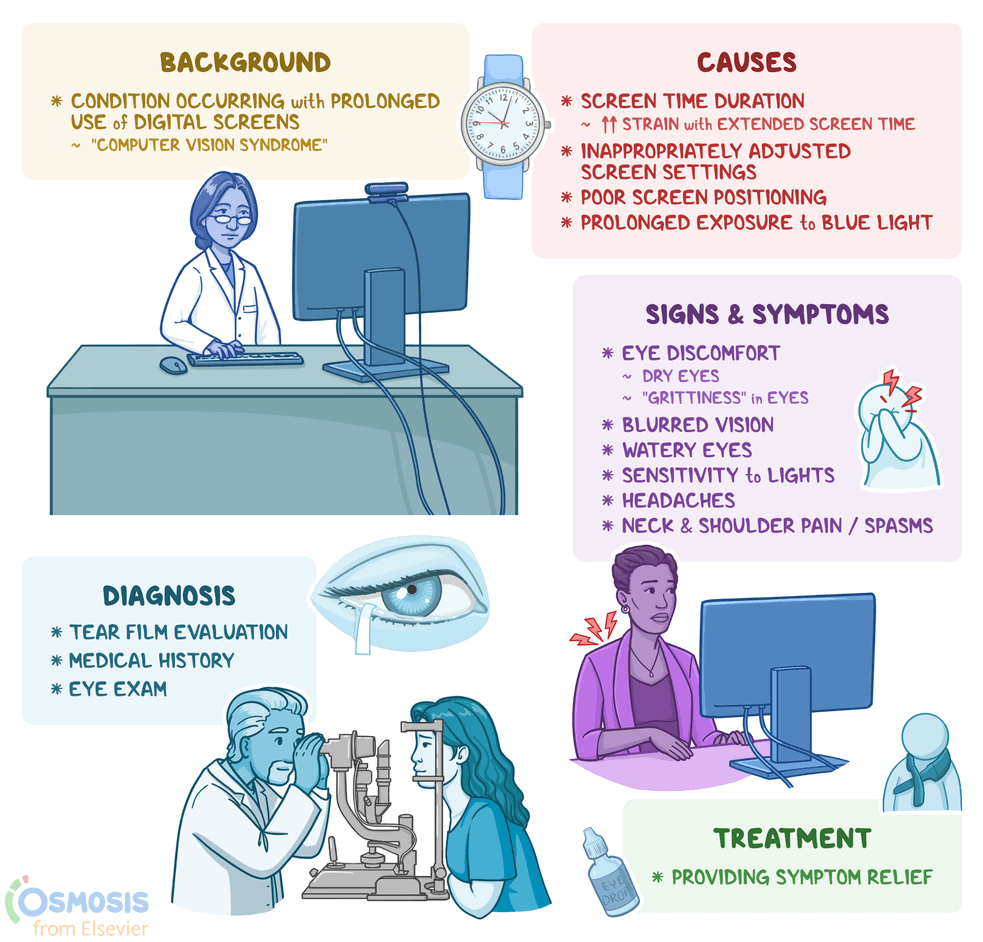
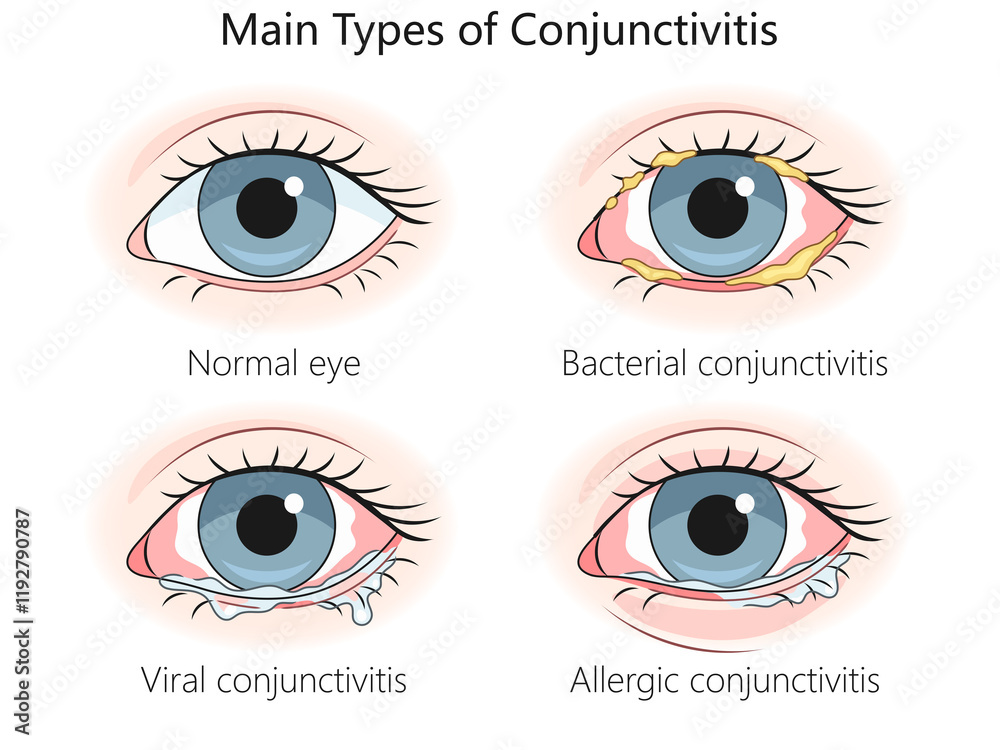
Furthermore, visual representations like the one above help us fully grasp the concept of Microcomputing Based Eye Irritation Analysis.
The Vitrigel- Eye Irritancy Test (EIT) method is an in vitro test method that allows the identification of test chemicals not requiring classification and labelling for eye irritation or serious eye damage. This test measures the eye irritation potential of a test chemical based on its ability to induce damage to the barrier function of the human corneal epithelium (hCE) models used in the ...
Development of Sensitive In Vitro Protocols for the Biocompatibility ...
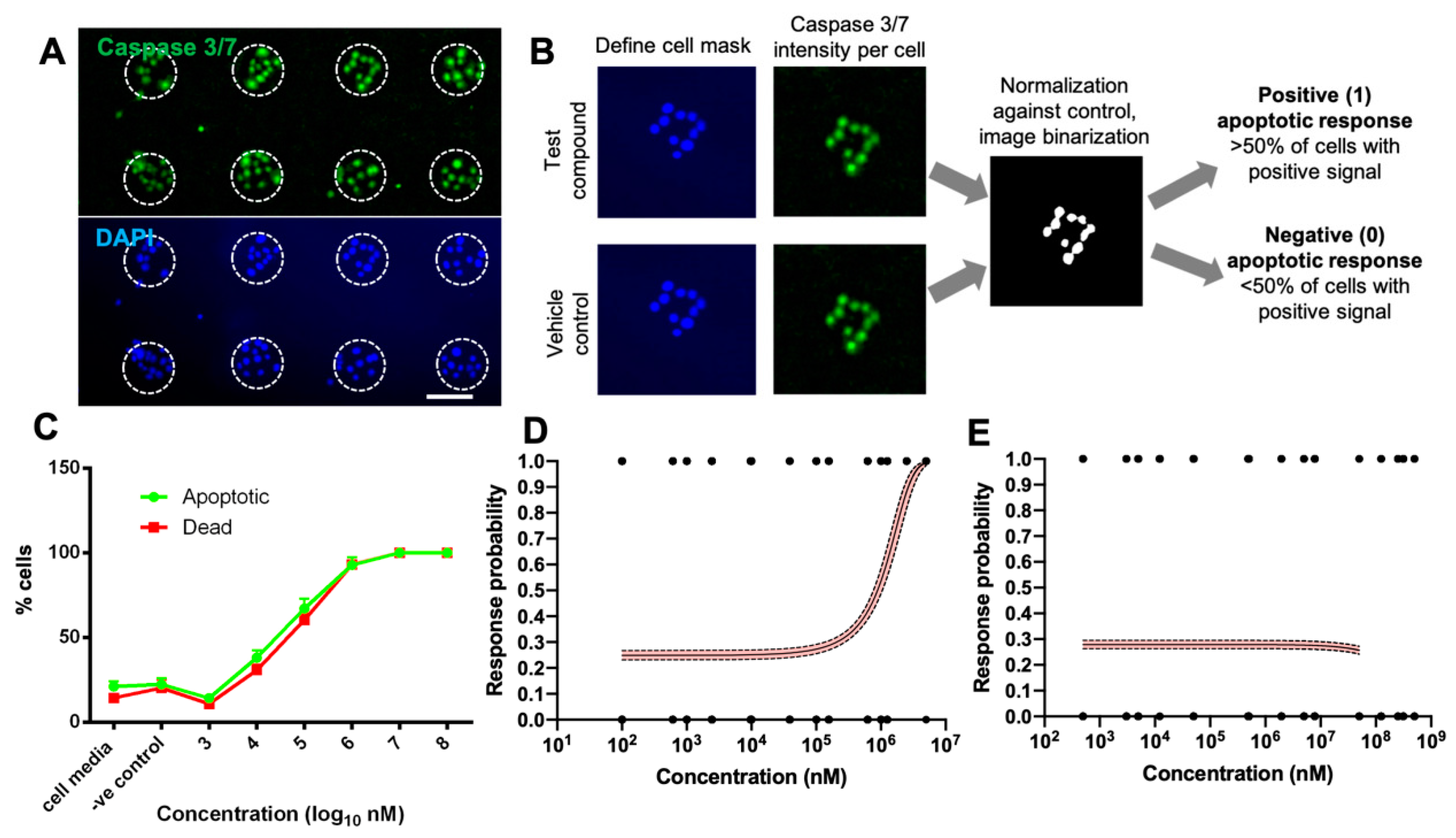
This study introduces a novel in vitro methodology that employs the 3-D reconstructed tissue model, EpiOcular, to assess the irritation and phototoxicity potential of medical devices and drugs in contact with the eye . Our study evaluated diverse test materials, including medical devices, ophthalmological solutions and an experimental drug (cemtirestat), for their potential to cause eye ...
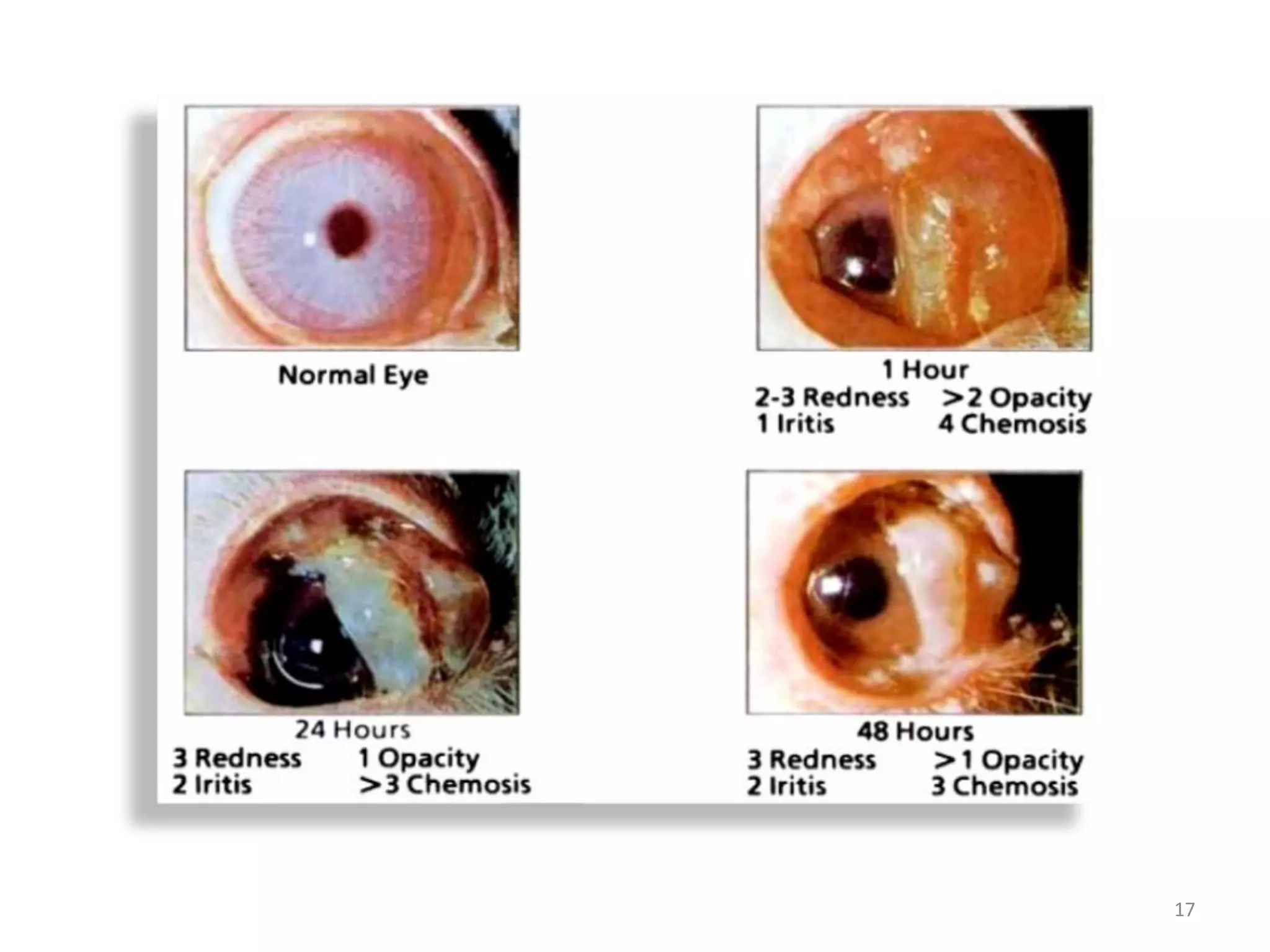
Such details provide a deeper understanding and appreciation for Microcomputing Based Eye Irritation Analysis.
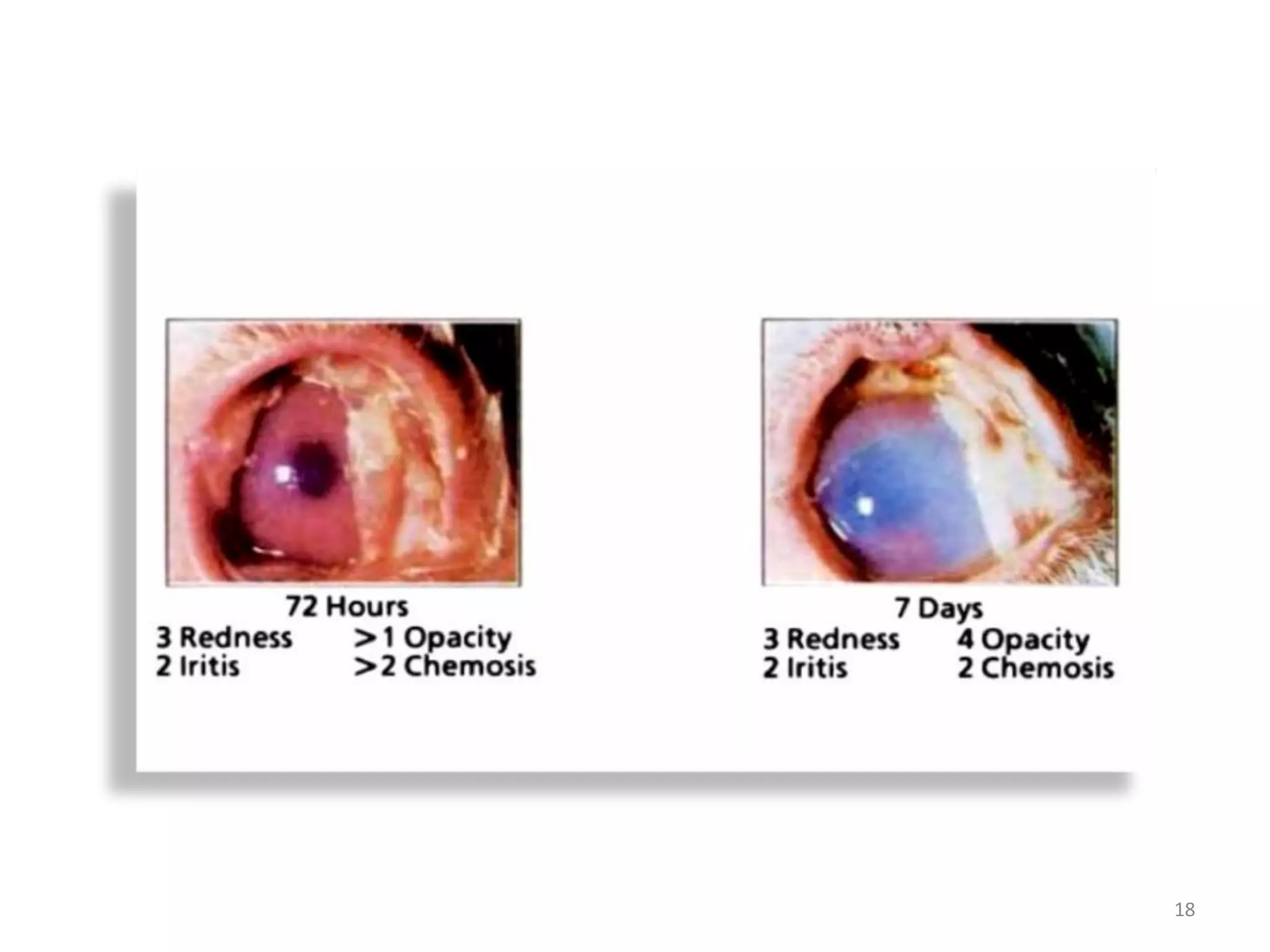
Eye irritation tests with animals have been conducted for a long time. However, the subjective decision to irritation , the anatomic/physiologic difference between species and humans, and ethical issues are crucial problems. Various research groups ...
Tissue Engineered Mini
Background: Eye irritation tests with animals have been conducted for a long time. However, the subjective decision to irritation , the anatomic/physiologic difference between species and humans, and ethical issues are crucial problems. Various research groups have paid attention to alternative testing methods. In these senses, we fabricated in vitro mini-cornea models with immortalized human ...

Such details provide a deeper understanding and appreciation for Microcomputing Based Eye Irritation Analysis.
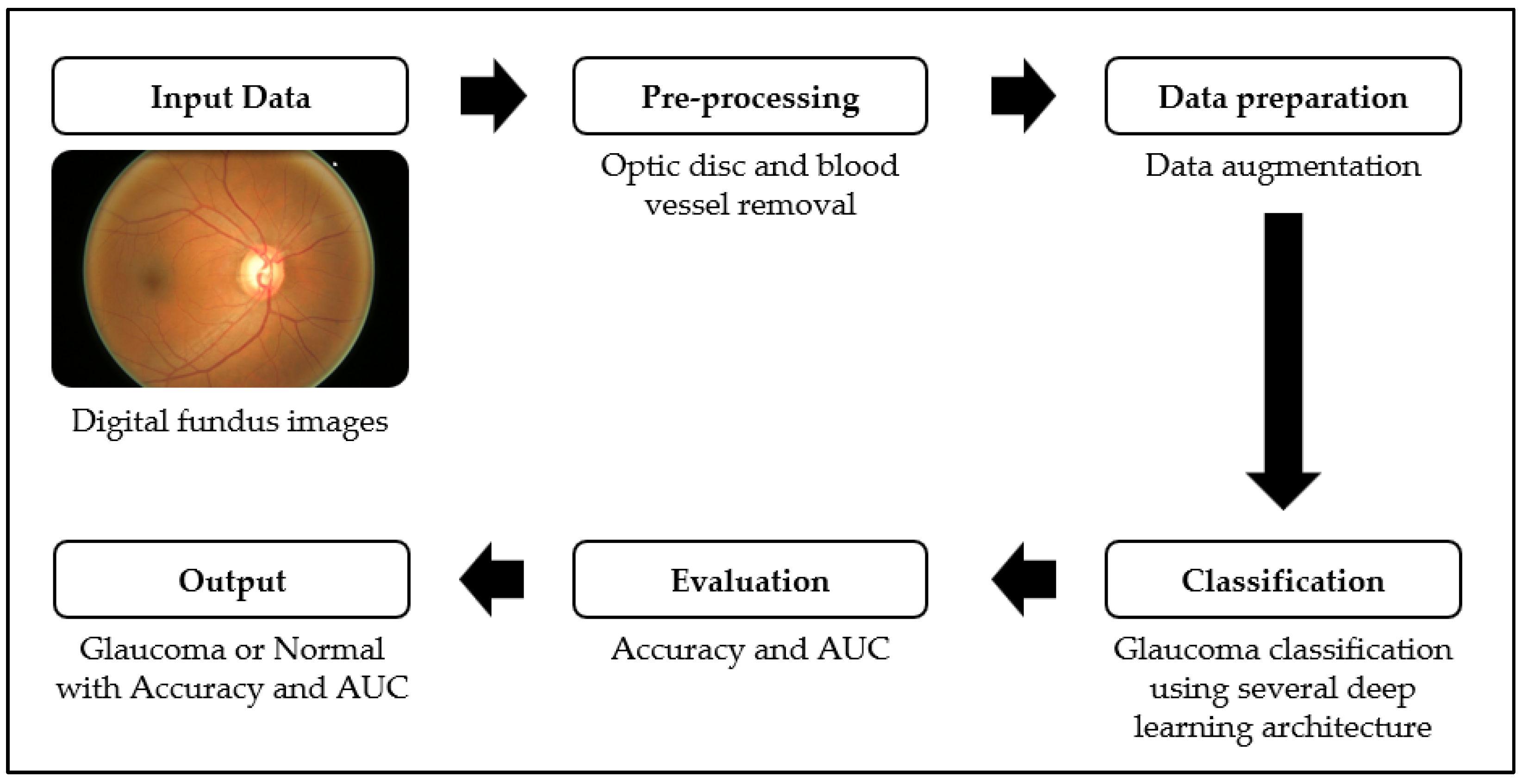
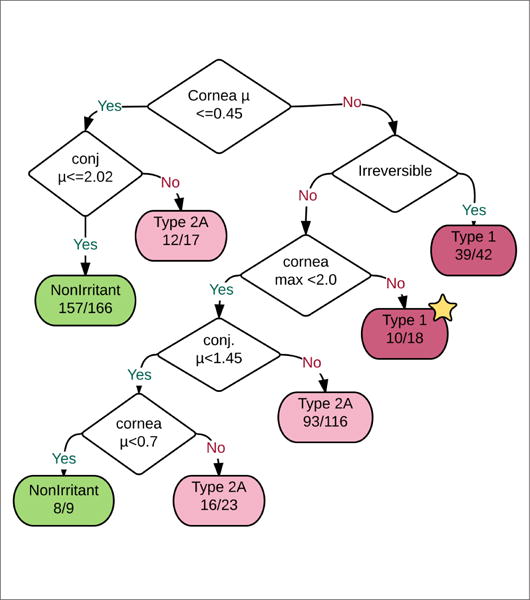
To address these issues, we adopted a computational modeling approach, integrating 3316 experimental data points on eye irritation and 3080 data points on skin irritation , to develop various machine learning and deep learning models.
PDF Methods for Predicting Serious Eye Damage and Irritation
The approaches can be used for the identification of substances causing serious eye damage (GHS Cat 1), causing eye irritation (GHS Cat 2), and not requiring classification for eye irritation or serious eye damage (GHS No Cat). Each approach can be used as a full replacement for the Draize rabbit eye irritation test.
The rapid and accurate prediction of eye irritants is a critical aspect of health hazard assessment. This research focuses on the creation of deep learning models that can classify compounds as either eye irritants or non-irritants. Even though some predictive models are published they are trained on either relatively small datasets or their datasets were not balanced. In contrast, for the ...