Overview of Liver Disease In Dogs And Tylenol Use And Hydrocephalus
Drug-induced liver injury (DILI) is an underrecognized cause of hepatic disease in dogs and cats. Successful identification of cases requires an initial suspicion by the practitioner, a thorough drug exposure history, and knowledge of the toxic potential for common veterinary drugs.
Liver disease in dogs is a blanket term describing various conditions affecting liver structure or function. The dog's liver performs over 500 vital functions and is susceptible to many afflictions. Signs of liver disease in dogs are vomiting, appetite loss, enlarged and painful abdomen, fever, lethargy, increased thirst, and urination. Neurological problems and yellow skin and mucous ...
Chronic Hepatic Diseases of the Dog
Chronic hepatitis is probably one of the main reasons it is a good idea to biopsy dogs' livers . It is a reasonably common disease , and a lot can often be done for the dog if you diagnose it before the hepatitis causes cirrhosis. Chronic hepatitis can be found in almost any breed of dog . There are several clinical presentations of this disease .
Dogs exposed to acetaminophen are likely to develop liver damage at lower doses and red blood cell changes at higher doses. Small breed dogs may also be at risk for decreased tear production (dry eye) secondary to acetaminophen poisoning. Dogs can develop liver damage within several days after ingestion of small doses of acetaminophen.
PDF Usage of Paracetamol by Veterinarians in Small Animals in Australia and ...

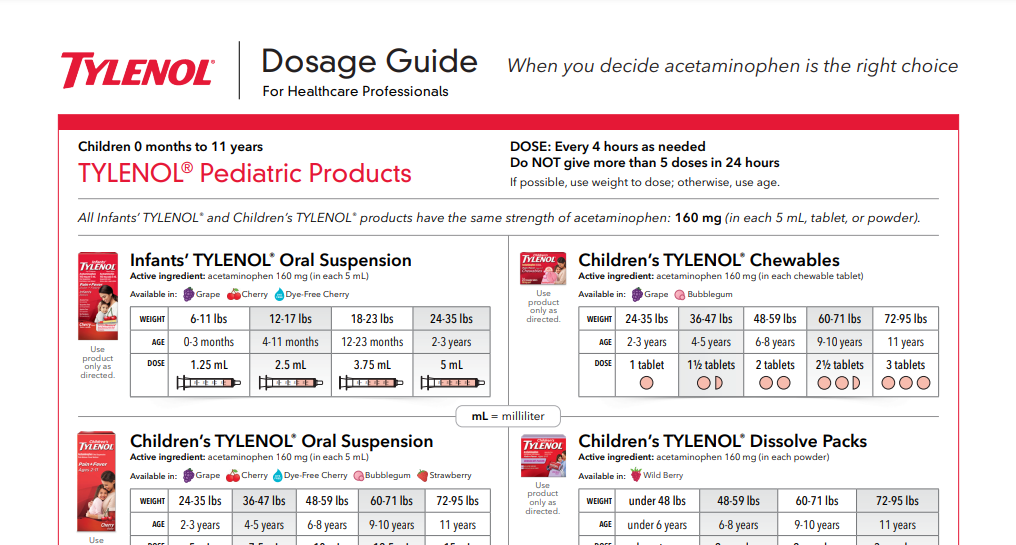
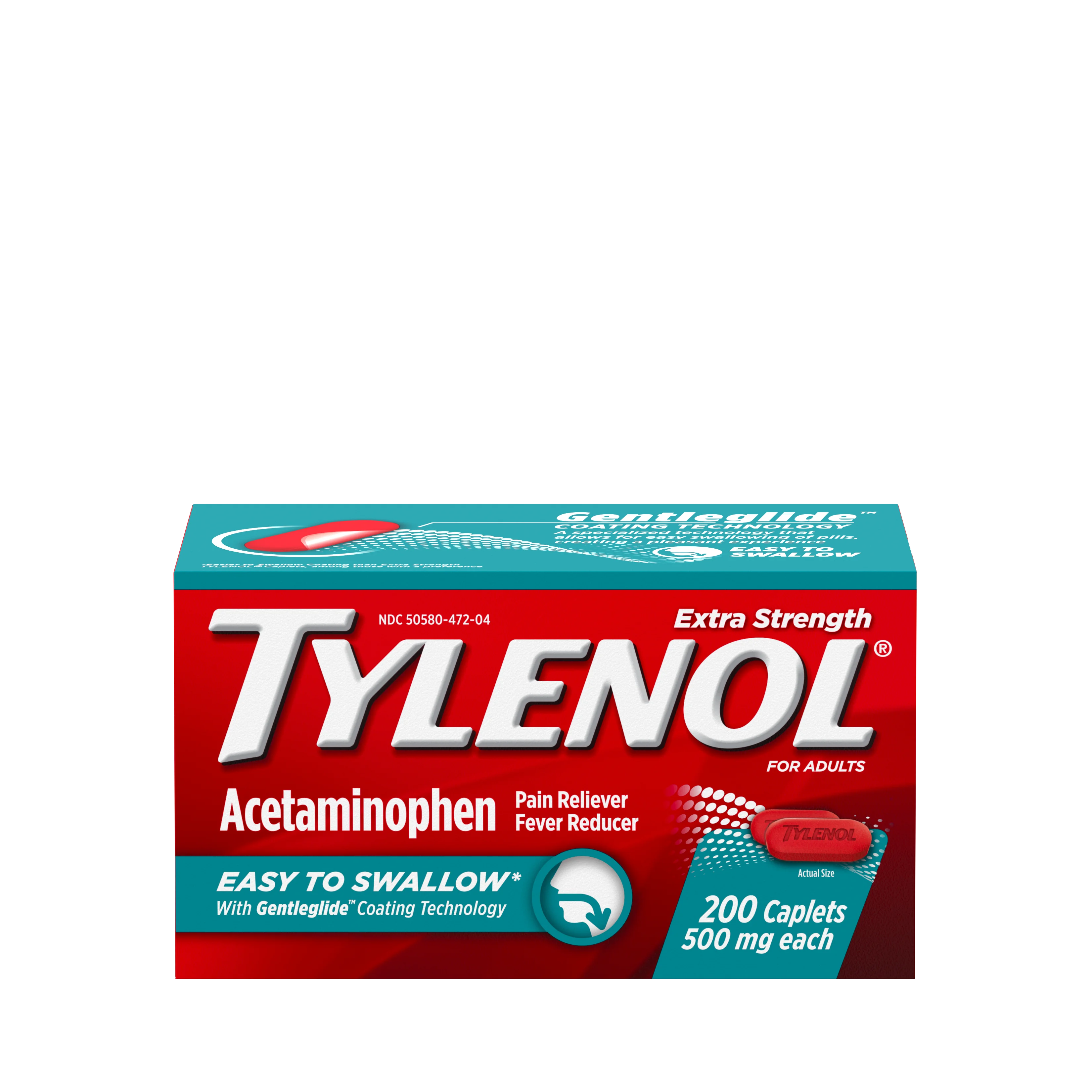
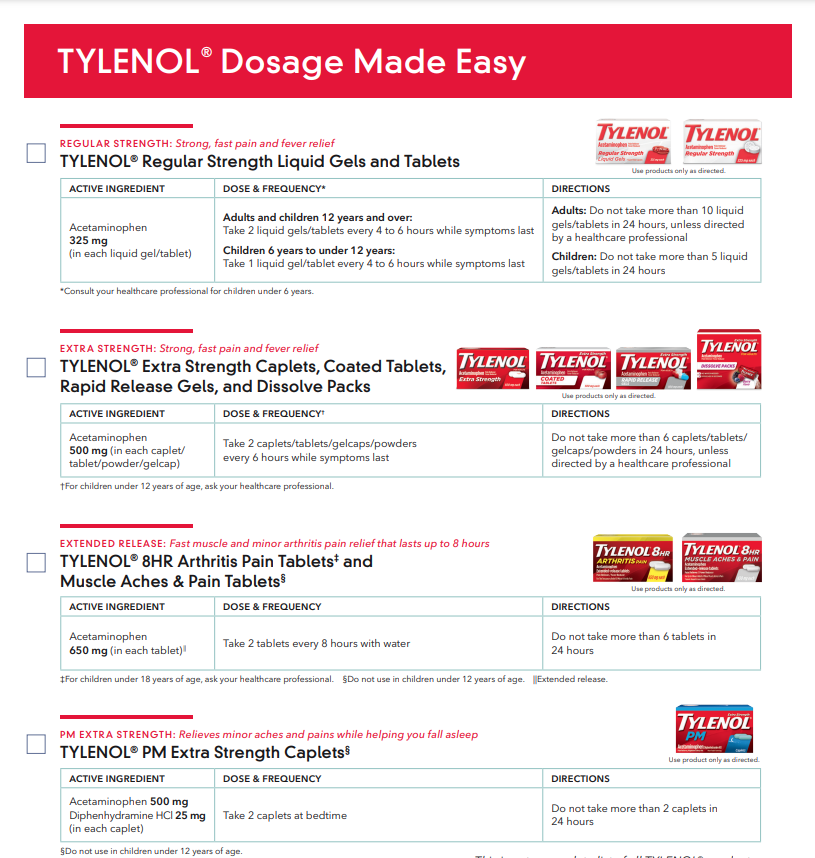
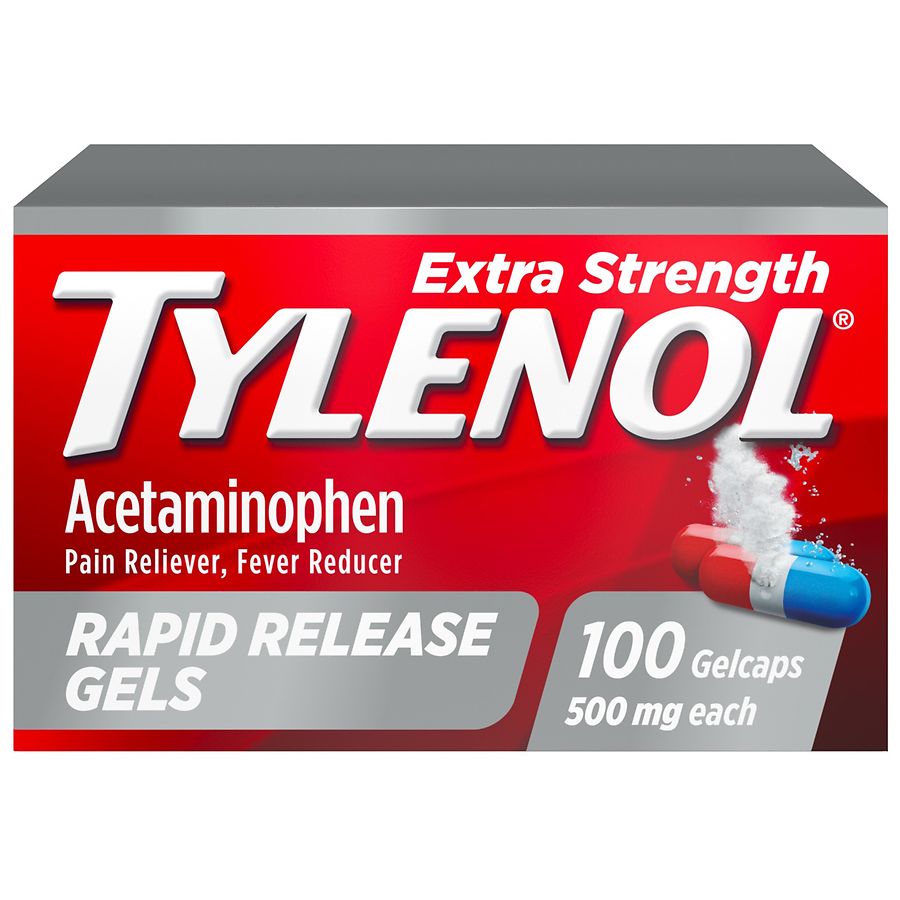
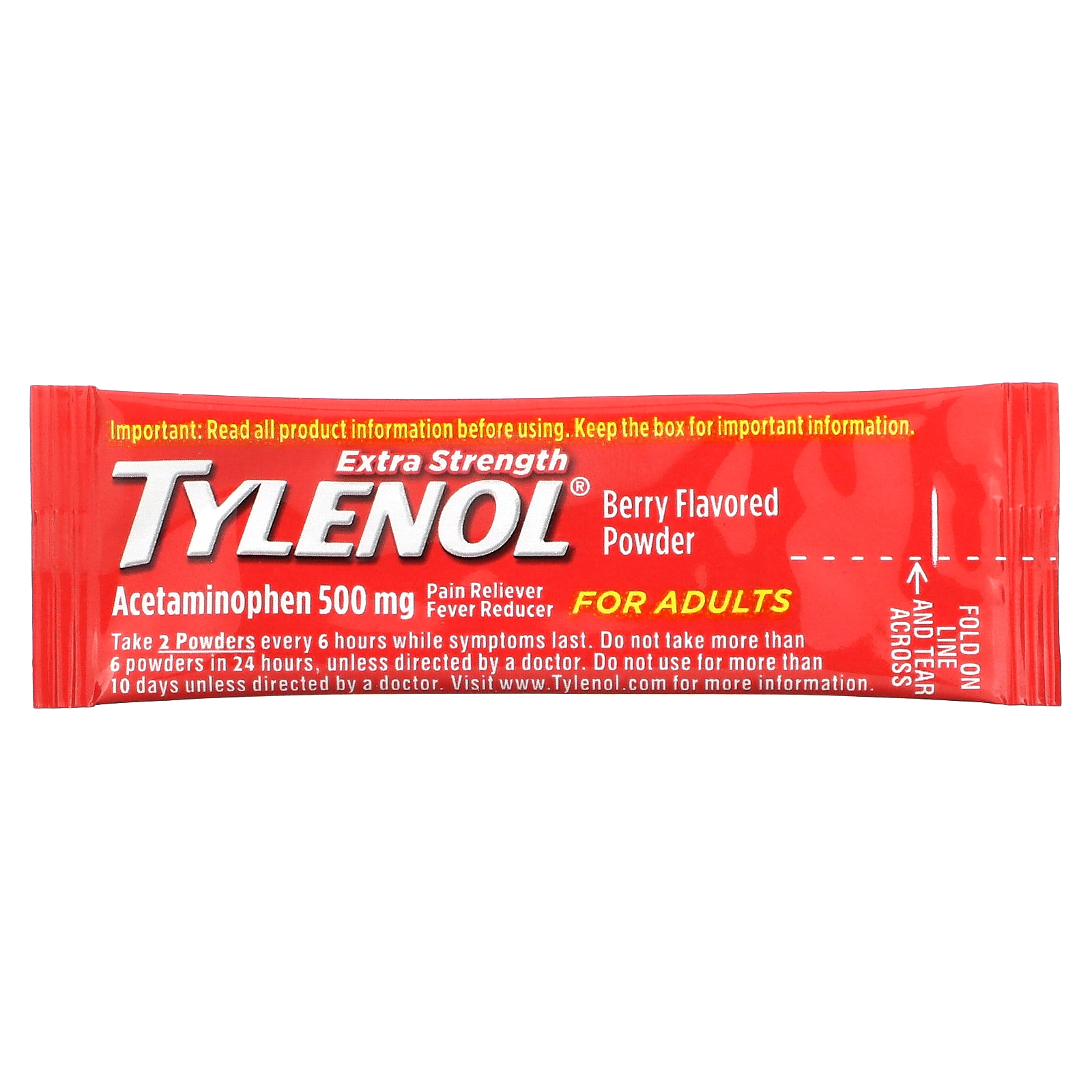
As we can see from the illustration, Liver Disease In Dogs And Tylenol Use And Hydrocephalus has many fascinating aspects to explore.
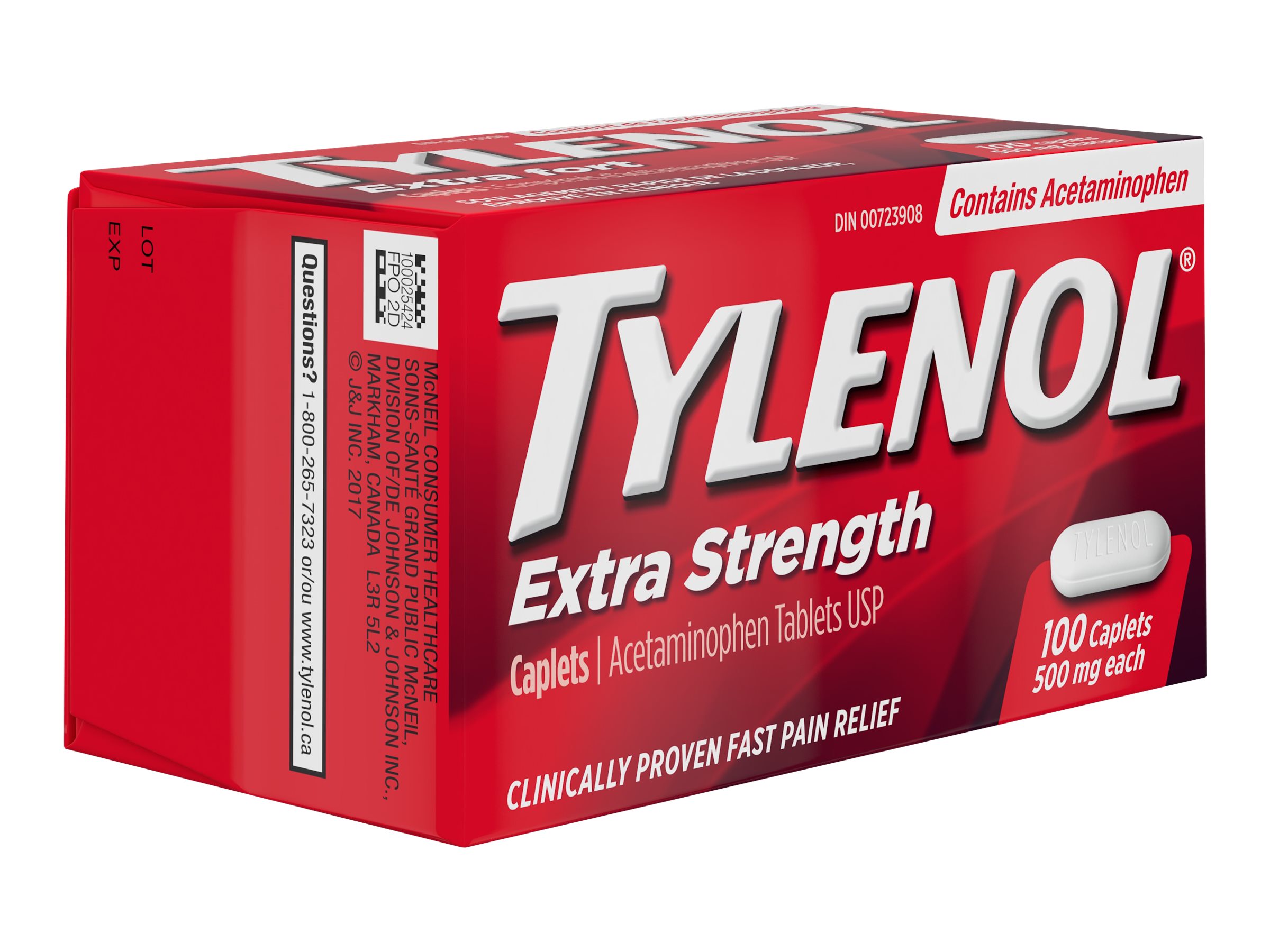
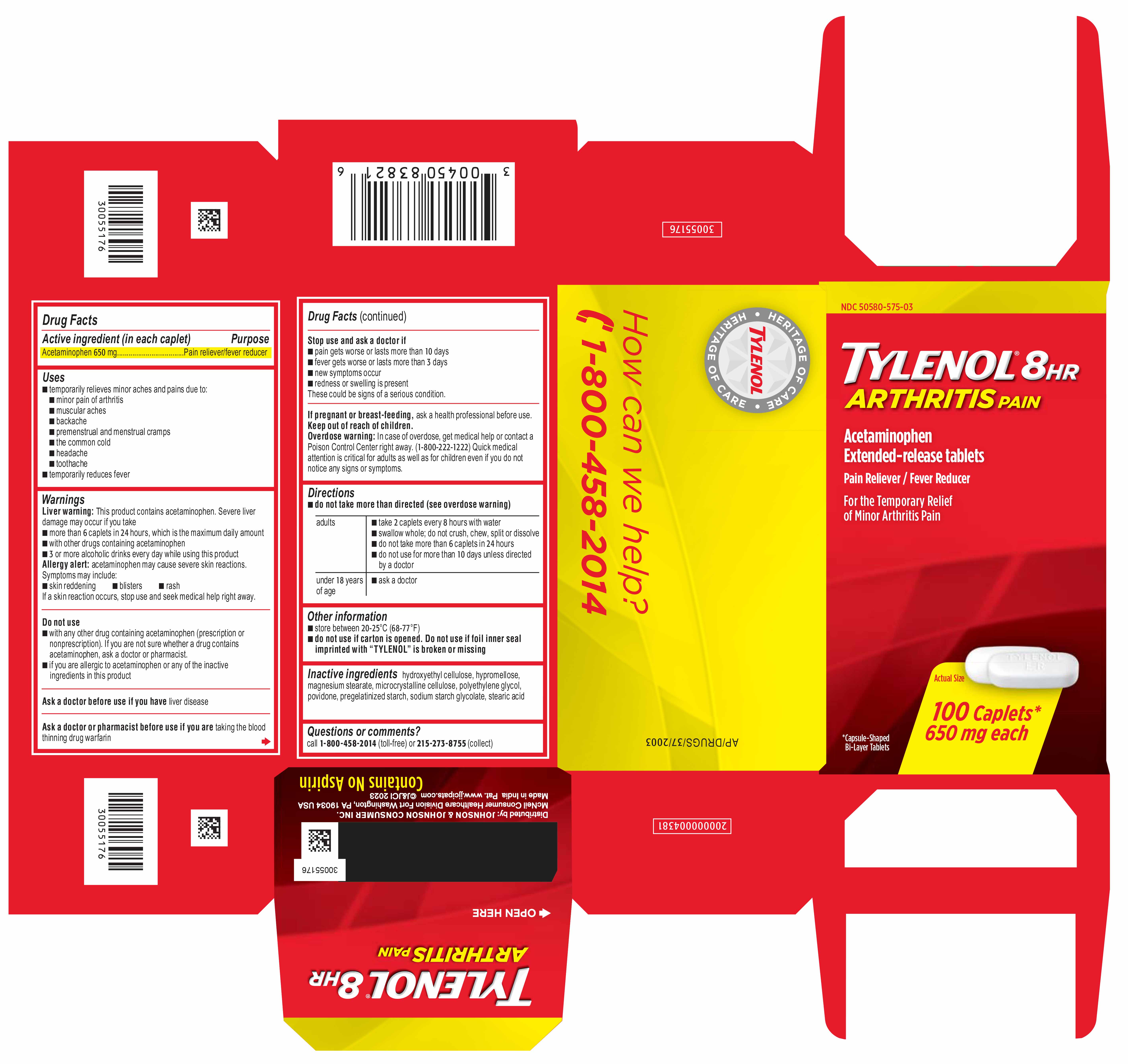
Dr. Barri Morrison explains why Tylenol ® is toxic to dogs , symptoms of Tylenol toxicity in dogs , and treatment options depending on amount ingested.
Acetaminophen intoxication in a dog
Acetaminophen toxicity is dose-dependent, and suspicion of intoxication is based on the presence of methemoglobinemia, hemolytic anemia and acute hepatic failure. Acetaminophen is metabolized in the liver via three pathways which include glucuronidation, sulfation and cytochrome P450 oxidation (3).

Hepatic encephalopathy (HE) is a neurobehavioral syndrome affiliated with either critical liver failure (ie, fulminant hepatic failure or cirrhosis) or portosystemic shunting (ie, congenital or acquired portosystemic shunting with decreased functional hepatic mass and intrahepatic shunting of blood around regenerative nodules). Failure to recognize and effectively manage HE contributes to ...
PDF Paracetamol Toxicity Protocol
High doses of acetaminophen result in glutathione depletion in the liver and red blood cells, which raises concentrations of N-acetyl-p-benzoquinoneimine. N-acetyl-p-benzoquinoneimine binds covalently with amino acid residues of cellular macromolecules and proteins, and results in cell death and tissue necrosis.
Icterus, hepatotoxicosis, and necrosis are more common with acetaminophen toxicosis in dogs than in cats. Other clinical signs in dogs include anorexia, abdominal pain, vomiting, lethargy, trembling, facial and paw edema, tachycardia, and tachypnea. Acute keratoconjunctivitis sicca has been reported in some dogs after acetaminophen ingestion.