Sustainable Urban Planning Strategies for New Zealand Cities
As New Zealand continues to grow and evolve, the blueprint for our urban landscapes becomes increasingly critical. Our cities are more than just clusters of buildings ; they are living ecosystems that shape our daily lives, our well-being, and our connection to the environment.
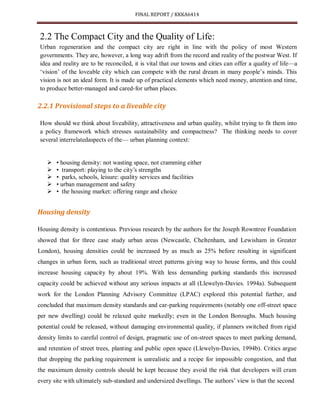
in city centre zones, building heights and density of urban form to realise as much development capacity as possible, to maximise benefits of intensification; and in metropolitan centre zones, building heights and density of urban form to reflect demand for housing and business use in those locations, and in all cases building heights of at ...
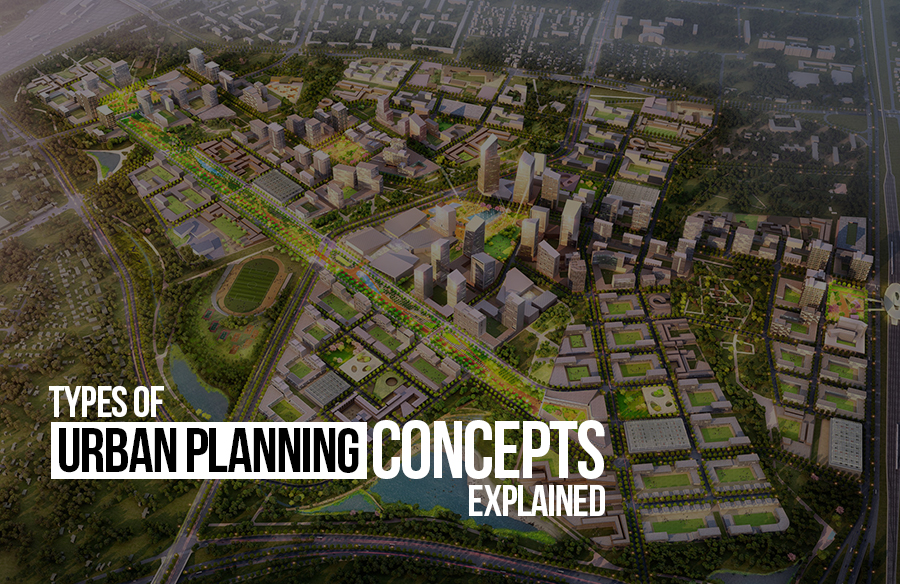
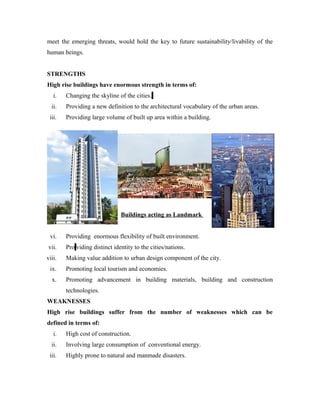
The paper argues that as cities continue to expand horizontally, to safeguard against their reaching an eventual breaking point, the tall building as a building type is a possible solution by way of conquering vertical space through agglomeration and densification.

As we can see from the illustration, Increasing Habits Racks Urban Building Stature Significant Strengths has many fascinating aspects to explore.
Executive Summary
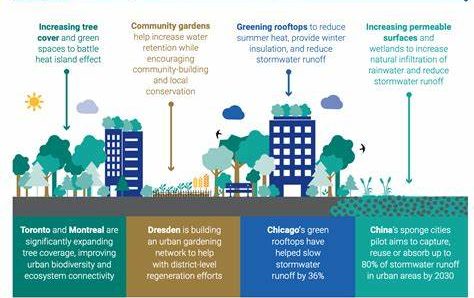
Equipping New Zealand's cities to face challenges such as housing affordability, changing demographics, and climate change will become more and more important as our population grows. Planning and building our cities to meet these challenges is called 'sustainable urban development'.
Good housing and urban outcomes require people working together. The housing and urban systems are large and complex, with many moving parts and contributors such as building and construction, welfare and financial systems.

Growing cities face mounting challenges
Greenery has been linked to better mental health, and now some researchers are trying to identify the specific features of urban landscapes that promote good health, and use them to redesign...
Our estimates show that quality of life tends to be higher in coastal and lakeside cities, and in places with less rain and more sun. Since the mid-1990s, places with increasing shares of their workforce engaged in education and health have risen in perceived quality of life.

Rethinking urban liveability
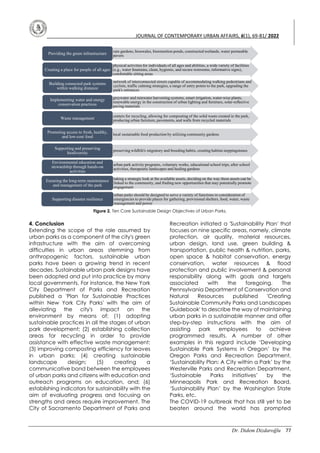
Urban liveability involves more than infrastructure and access to amenities; it encompasses the quality of life experienced by residents in urban environments and is about fostering meaningful connections between people, places, economies, and nature.
Our research sought to identify and synthesize healthy urban development case studies for two purposes. First, we aimed to understand how health is promoted through new development by exploring the processes, outcomes and mechanisms of impact of reported healthy development projects.