Is ibuprofen safe to take during pregnancy
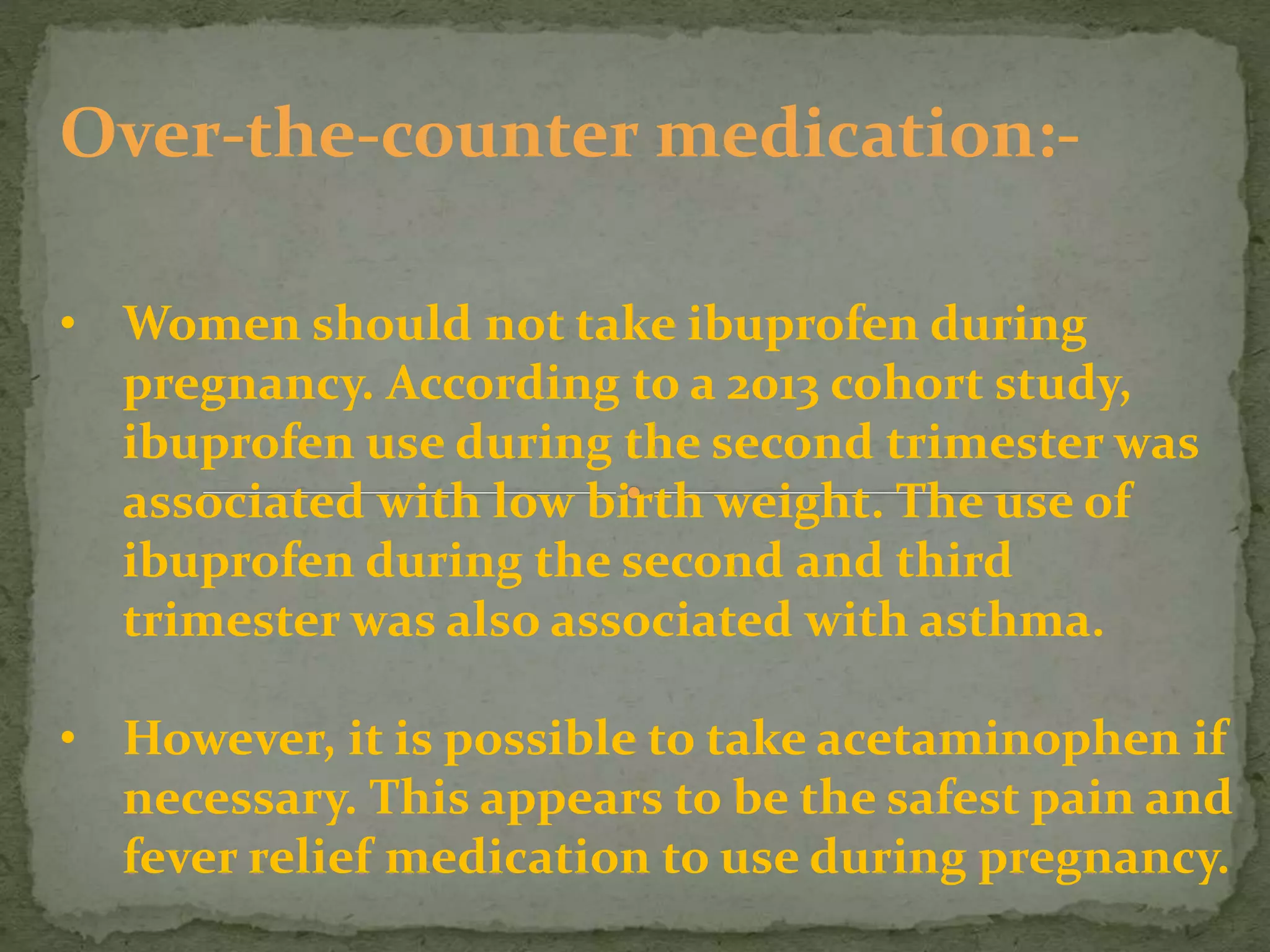
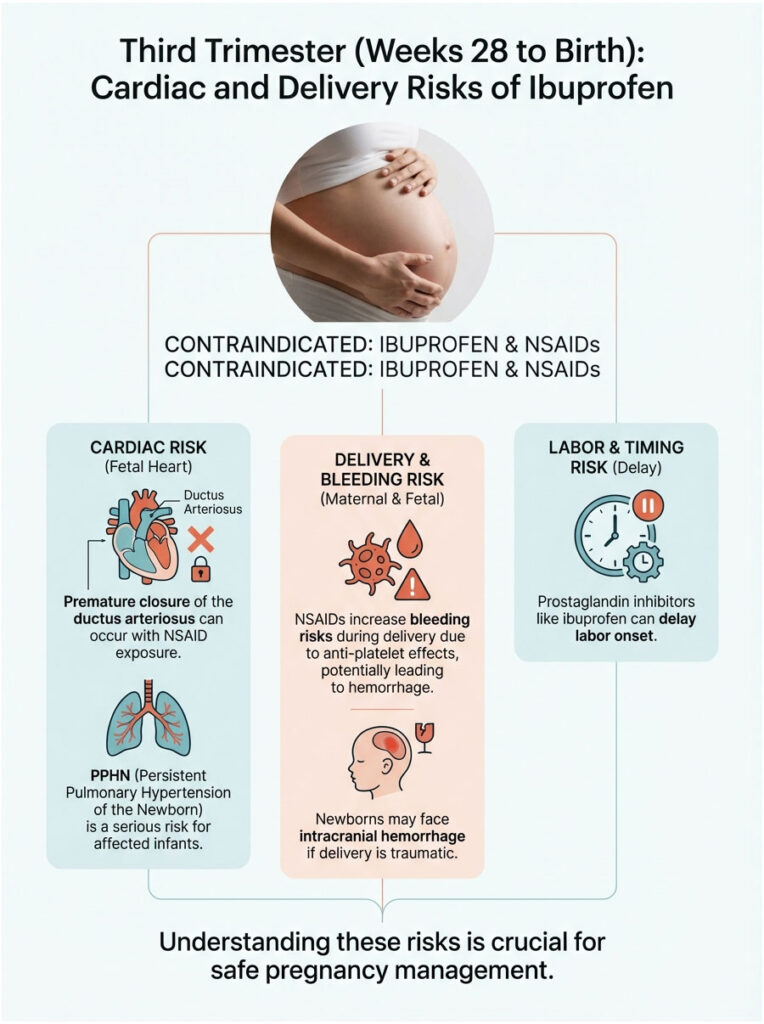
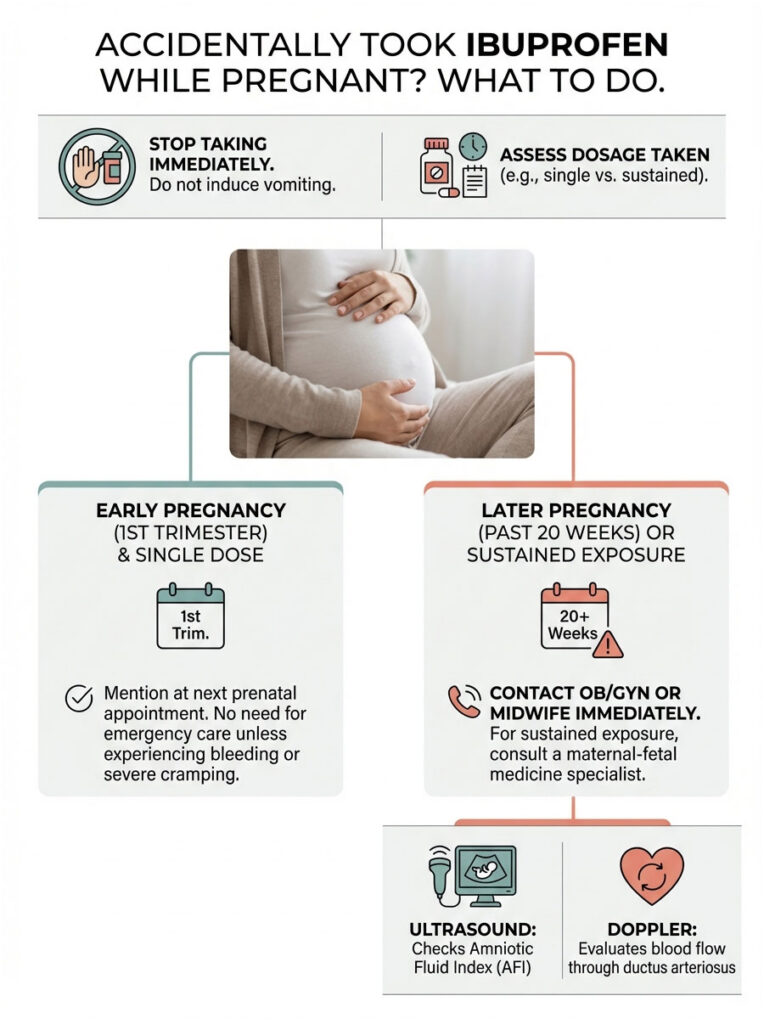
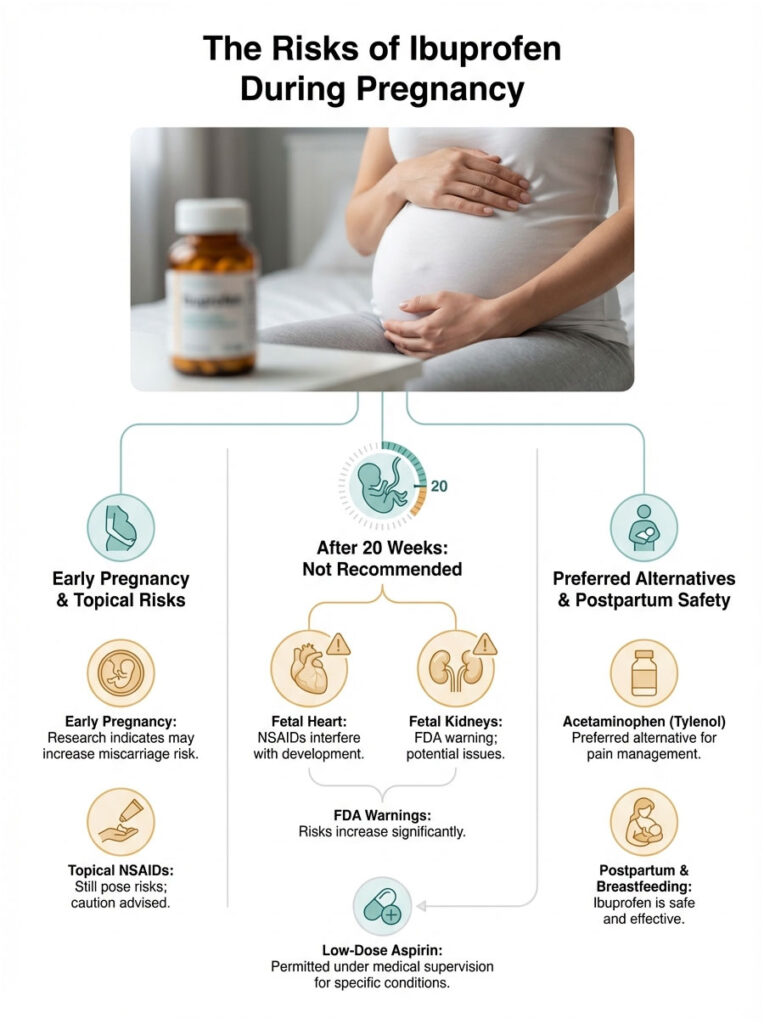
Key takeaways: Ibuprofen is not considered safe for pregnant women to use to relieve pain or fever. Studies show ibuprofen may increase the risk of miscarriage in the first trimester, the risk of pregnancy complications in the third trimester, and the risk of labor and postpartum complications. If you need pain or fever relief during pregnancy, stick to acetaminophen (Tylenol), which is ...
Many types of medications can ease pain during labor and delivery. Ideally, the drugs used are safe for mother and baby, don't interfere with labor and delivery, and provide good pain relief with few side effects. This is a guide to medications used during labor and delivery. Work with your health care team to make the best decision for you and your baby.
Is It Safe to Take Advil (Ibuprofen) During Pregnancy
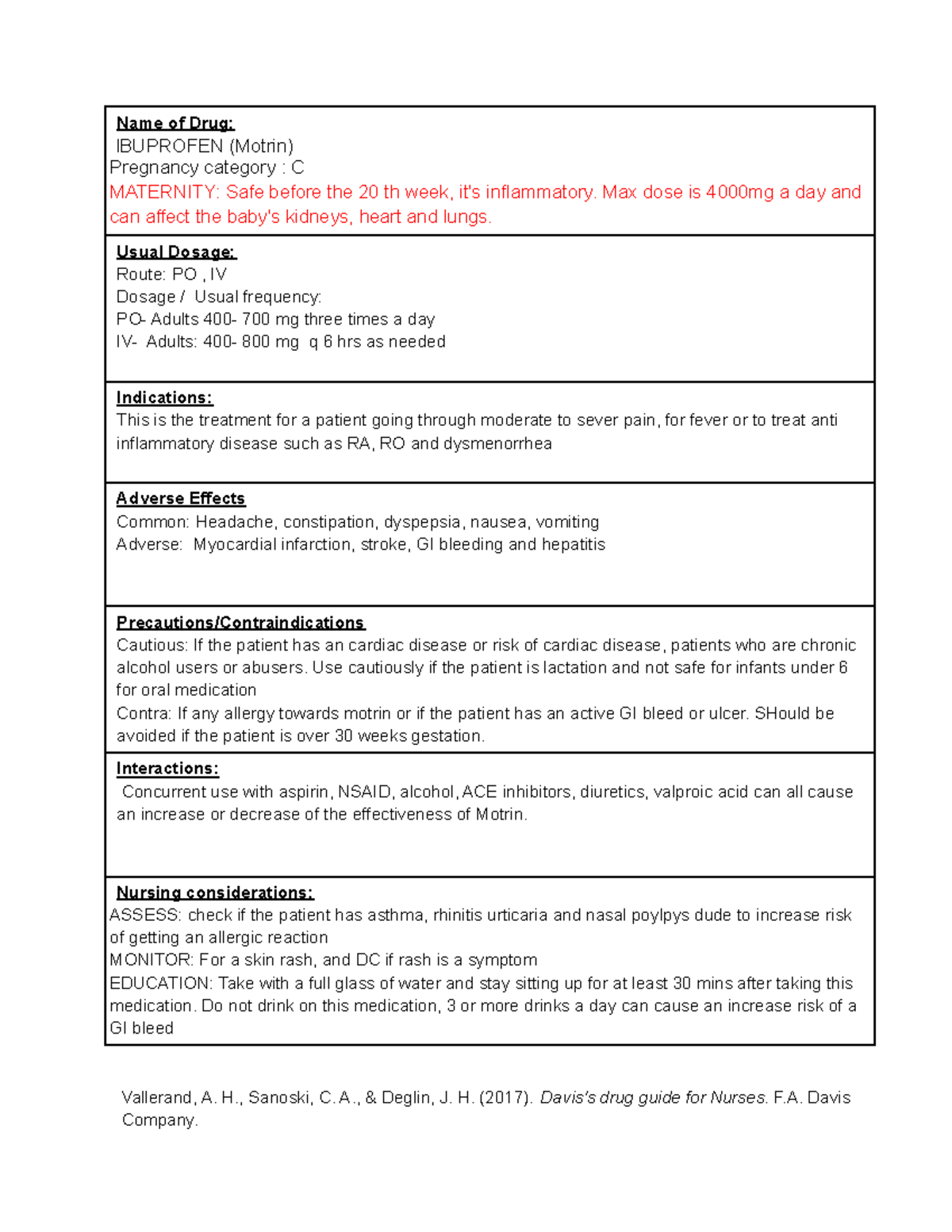
Don't take ibuprofen if you are 20 weeks or more pregnant as it can lead to poor kidney function in the fetus. It's not clear if it's safe to take ibuprofen before 20 weeks of pregnancy. It's safest to use Tylenol instead of ibuprofen for pain during pregnancy.

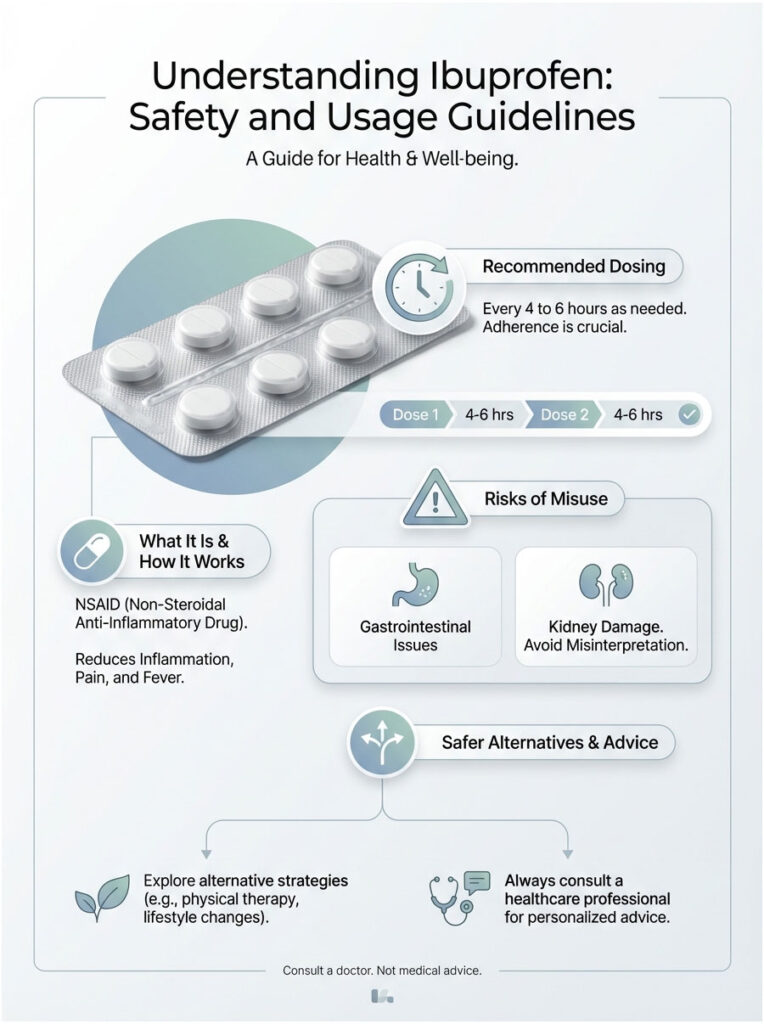
Advice and warnings for the use of Ibuprofen during pregnancy.
Medications for Pain Relief During Labor and Delivery
Many types of medications can relieve pain during labor and delivery. Explore your options and learn what to consider when deciding.
Pregnancy-safe alternatives to ibuprofen Even though ibuprofen is usually off the table when you're pregnant, you can still get relief from a headache or minor aches and pains from a cold, the flu, or injuries. Medication-wise, acetaminophen, known by the brand name Tylenol, is safe for most women during pregnancy.

PDF Pain Management after Childbirth
Anti-inflammatory medicines (e.g. diclofenac or ibuprofen ) for 1-2 days for a vaginal delivery and 2-4 days for a caesarean delivery Opioid pain relief (e.g. tramadol or oxycodone) for 2-3 days for a caesarean delivery If you are still in pain after this time please seek advice from your GP, family doctor or obstetrician.
Anti-inflammatory medications (eg. Diclofenac or ibuprofen ) for 1-2 days following a vaginal birth and 2-4 days following a caesarean birth Opioid pain relief (e.g., tramadol, tapentadol or oxycodone) for 2-3 days following a caesarean birth
Nitrous oxide combined with oxygen can be used for analgesia during any stage of active labour and/or during post birth procedures. Nitrous oxide with oxygen appears to have some effect in reducing pain intensity for women in labour and may also have additional benefits such as providing anxiolysis and a sense of control which may enhance ...