Hamster Wet Tail
Wet tail — known medically as proliferative ileitis or regional enteritis — is one of the most serious and rapidly fatal diseases a hamster can develop. The name comes from the most visible symptom : wet, matted fur around the tail and hindquarters caused by severe watery diarrhea.
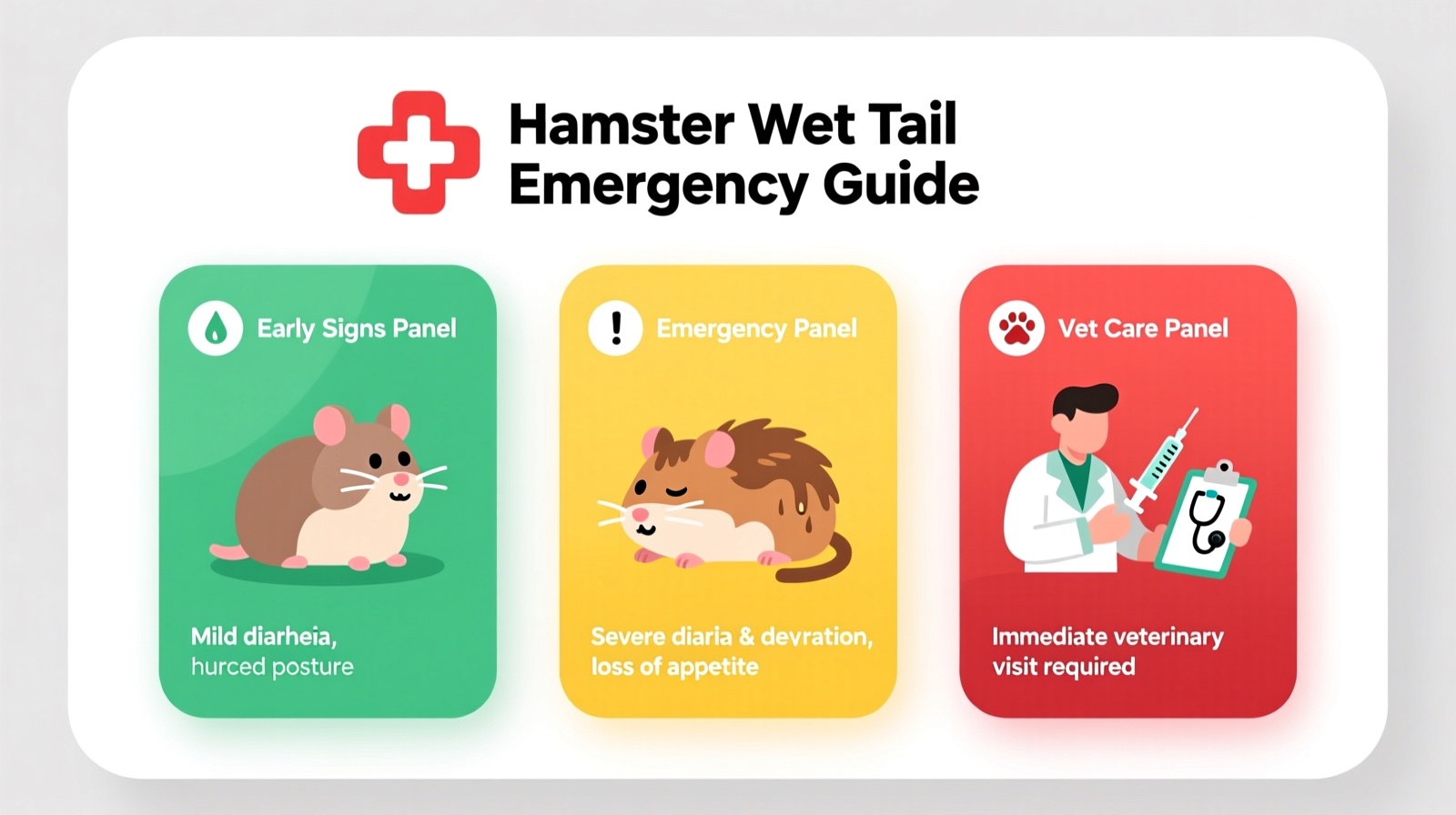
Diarrhea in a hamster is never something to watch for long at home. A hamster with loose stool, a wet rear end, poor appetite, or lethargy should see your vet the same day. Your vet may recommend fluids, warmth, nutritional support, and a hamster -safe antibiotic based on exam findings and severity.
Understanding Hamster Enteritis Complex
Hamster enteritis complex, commonly known as wet tail, is a serious digestive condition affecting hamsters . It is characterized by severe diarrhea and dehydration, requiring immediate veterinary attention.

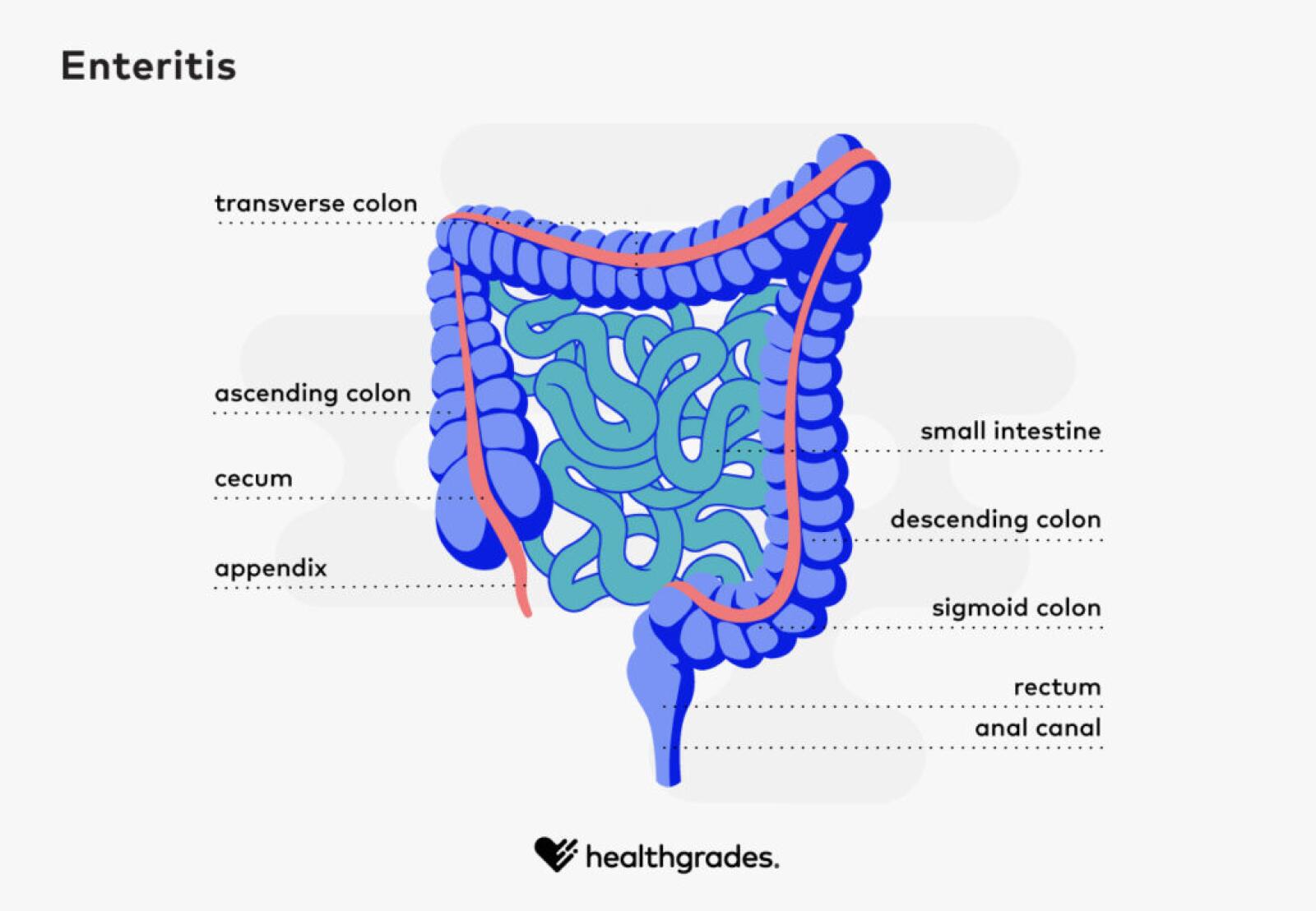
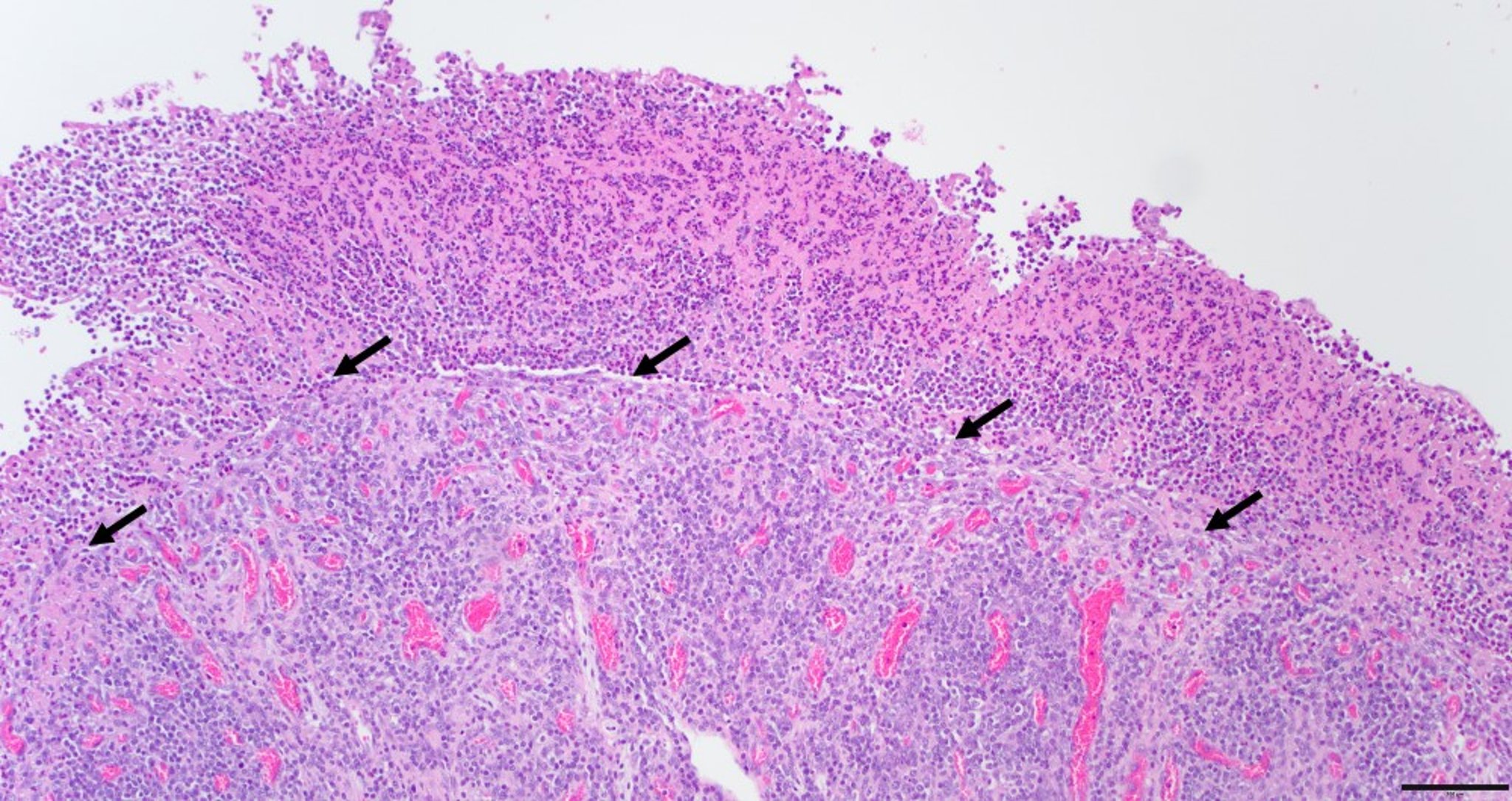
Proliferative enteritis is inflammation and hyperplasia of the ileum caused by the intracellular bacterium Lawsonia intracellularis. Often called "wet tail" due to fecal staining, it's the most serious intestinal disease seen in juvenile Syrian hamsters , sometimes extending to adults.
Wet Tail in Hamsters
Wet tail is a serious illness in hamsters that causes diarrhea and dehydration. Learn the symptoms , causes, and how fast vet care can help your pet recover.
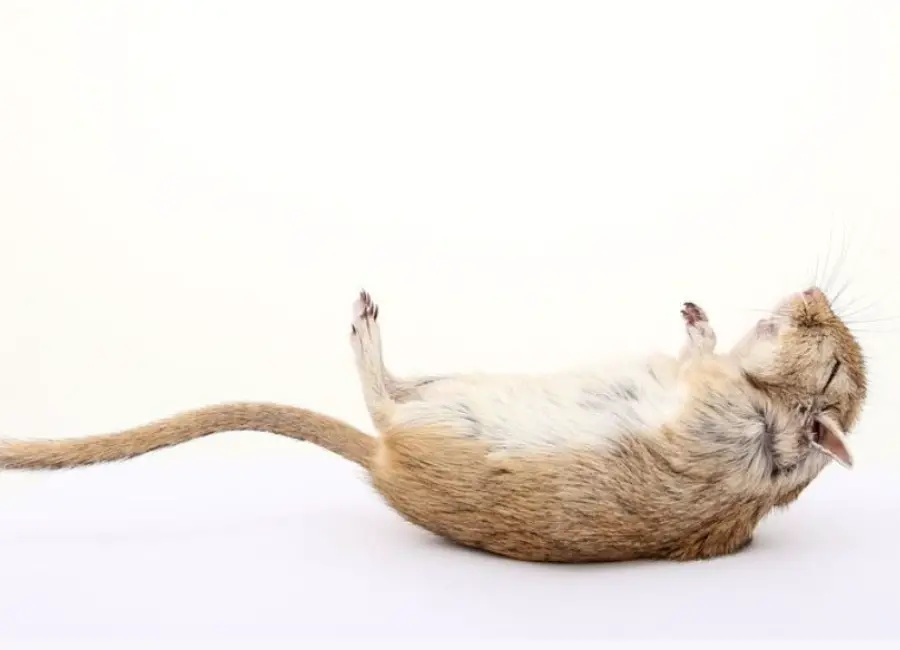
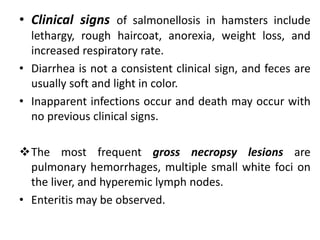
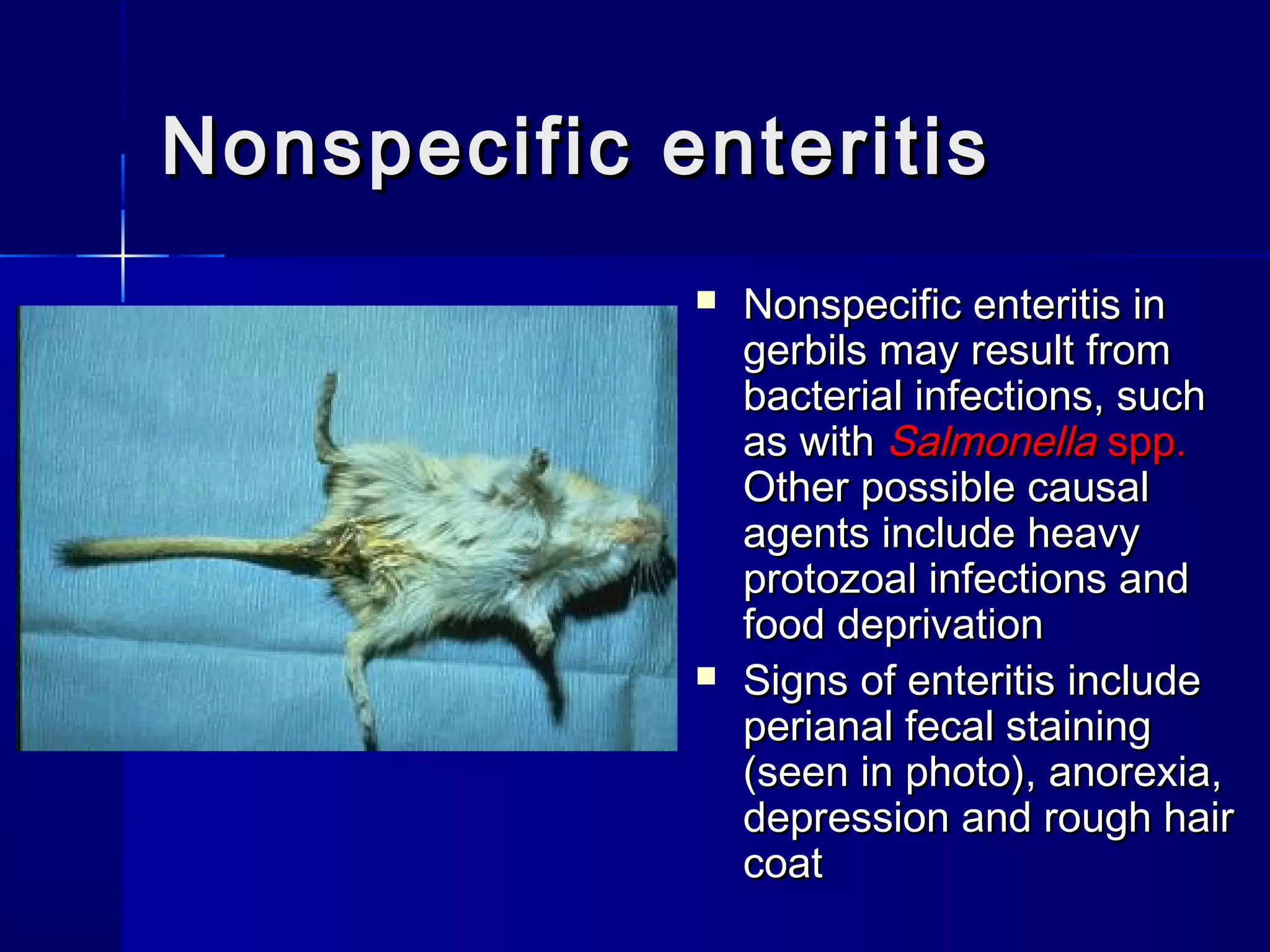
Symptoms obviously include diarrhea as well as a soiled bottom and tail, anorexia, lethargy, dehydration, depression, hunched posture, abdominal distension, weight loss, intestinal prolapse, skin tenting and squinting from dehydration, and sudden death in really severe cases.

This particular example perfectly highlights why Hamster Enteritis Symptoms is so captivating.
Hamster wet tail is a specific Lawsonia intracellularis infection with a strong foul odor, multiple simultaneous symptoms , and rapid worsening. Regular diarrhea from diet changes or mild stress usually resolves in 1-2 days and the hamster otherwise acts normal.
There are a wide range of symptoms of wet tail that are important to understand to notice if your hamster requires help. The most obvious sign that your hamster has wet tail is if they have diarrhoea or have wetness around their anus or tail.
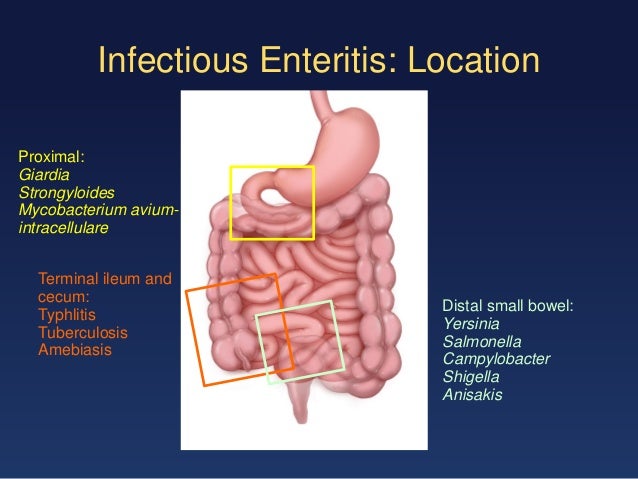
Proliferative Ileitis (hamsters) in Small Mammals
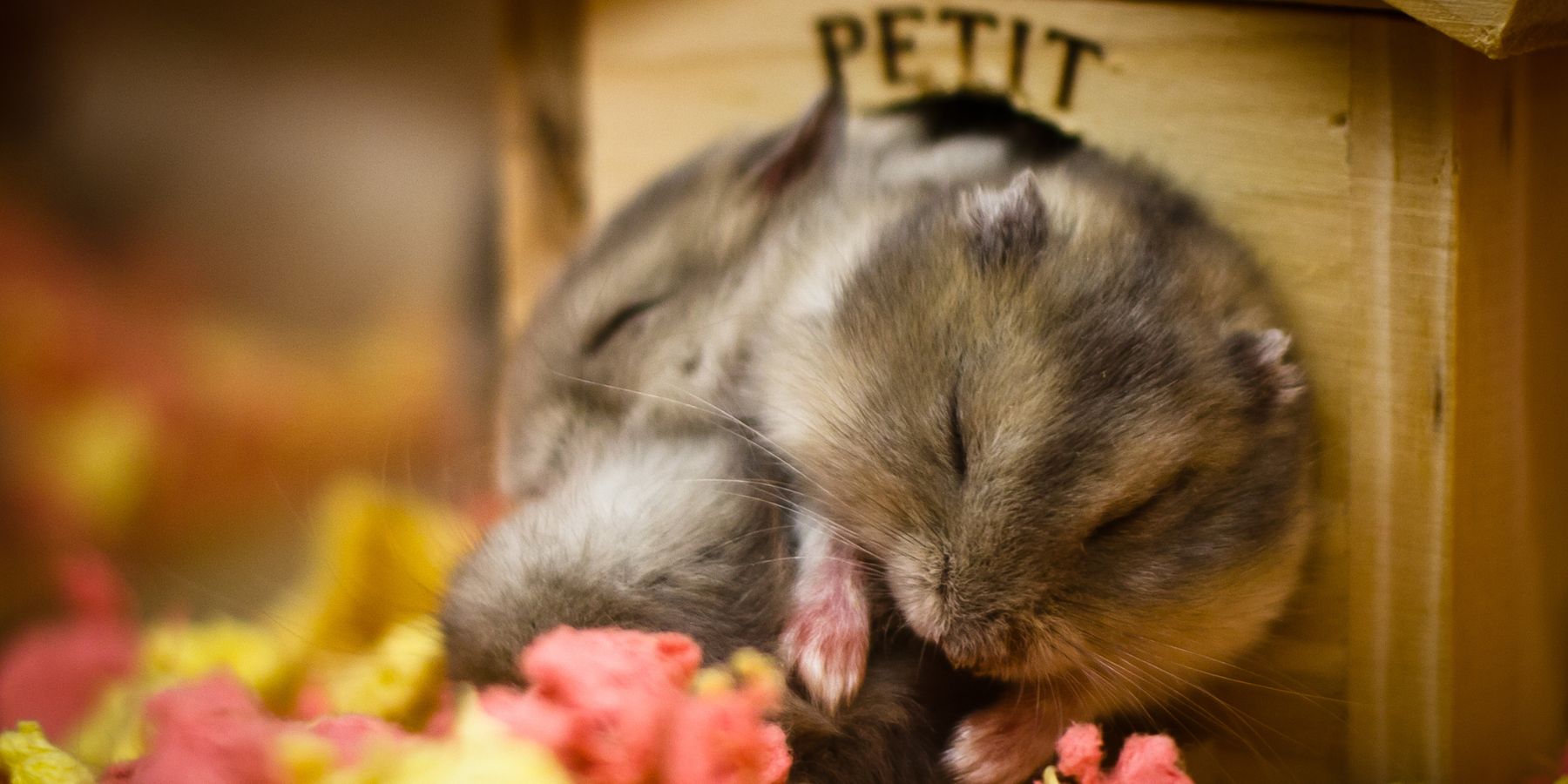
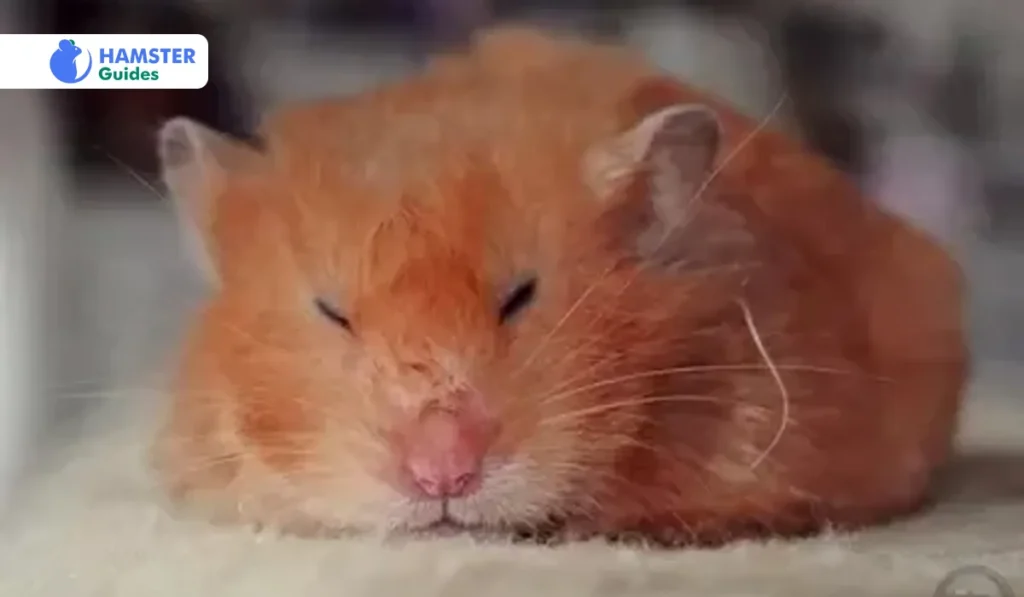
Lethargy and decreased activity are among the earliest symptoms , often preceding obvious diarrhea. Affected hamsters become quiet and inactive, spending most of their time sleeping and showing little interest in exploration, exercise, or interaction.
Clinical outbreaks of diarrhea in hamsters may be precipitated by stress, including high temperatures or humidity, overcrowding, malnutrition, dietary changes, shipping, or underlying diseases, such as endoparasitism.
Additional Notes on Hamster Enteritis Symptoms
Hamster - Bacterial, Viral, Mycotic, Parasitic and Non infectious. For Hamster Enteritis Symptoms, this point helps readers notice the most relevant visual details before moving into the gallery.
What are the signs of illness in hamsters? How to tell if a hamster is. This note connects the source idea with the visuals in a simple, reader-friendly way.
(PDF) Hamster enteritis: a review. This note connects the source idea with the visuals in a simple, reader-friendly way.