Diabetes, glucose toxicity, and oxidative stress
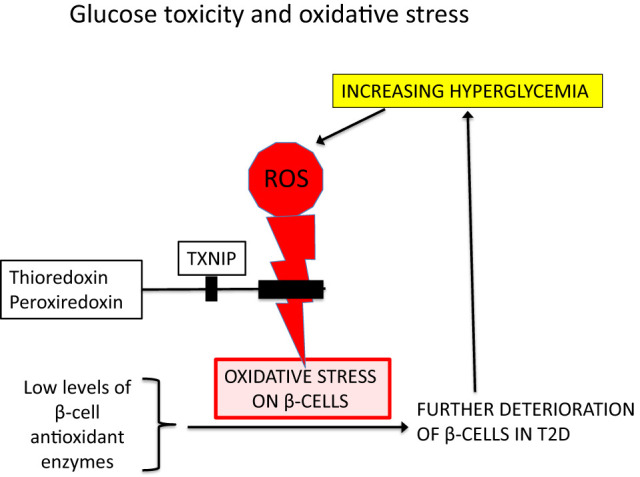
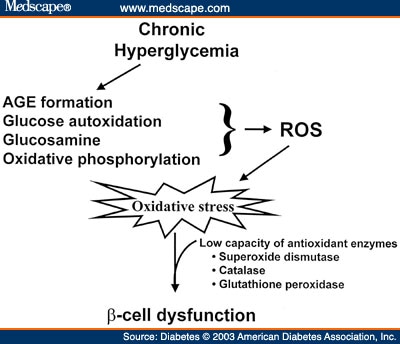
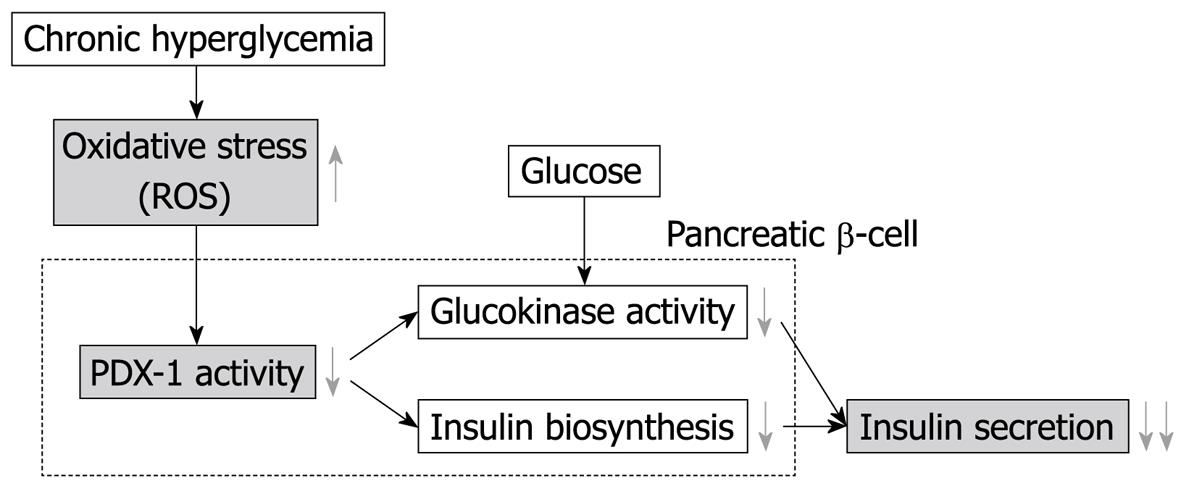
Diabetes is commonly referred to in terms of type 1 and type 2. Both forms involve pancreatic islet β-cell abnormalities, characterized by death in type 1 and accelerated apoptosis in type 2. The resultant chronic hyperglycemia leads to chronic oxidative stress for all tissues because glucose in abnormally high concentrations forms reactive oxygen species. It has been repeatedly emphasized ...
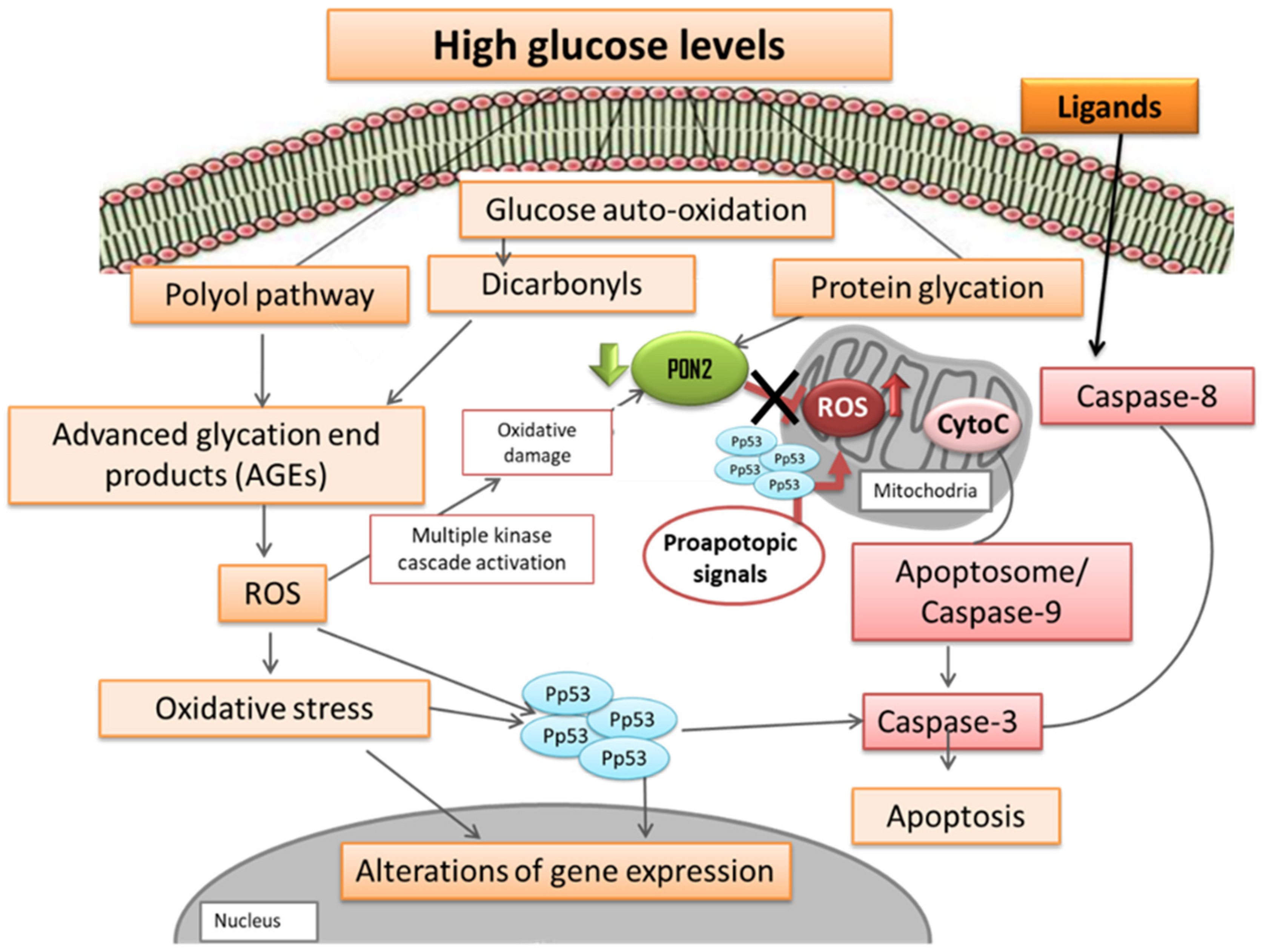
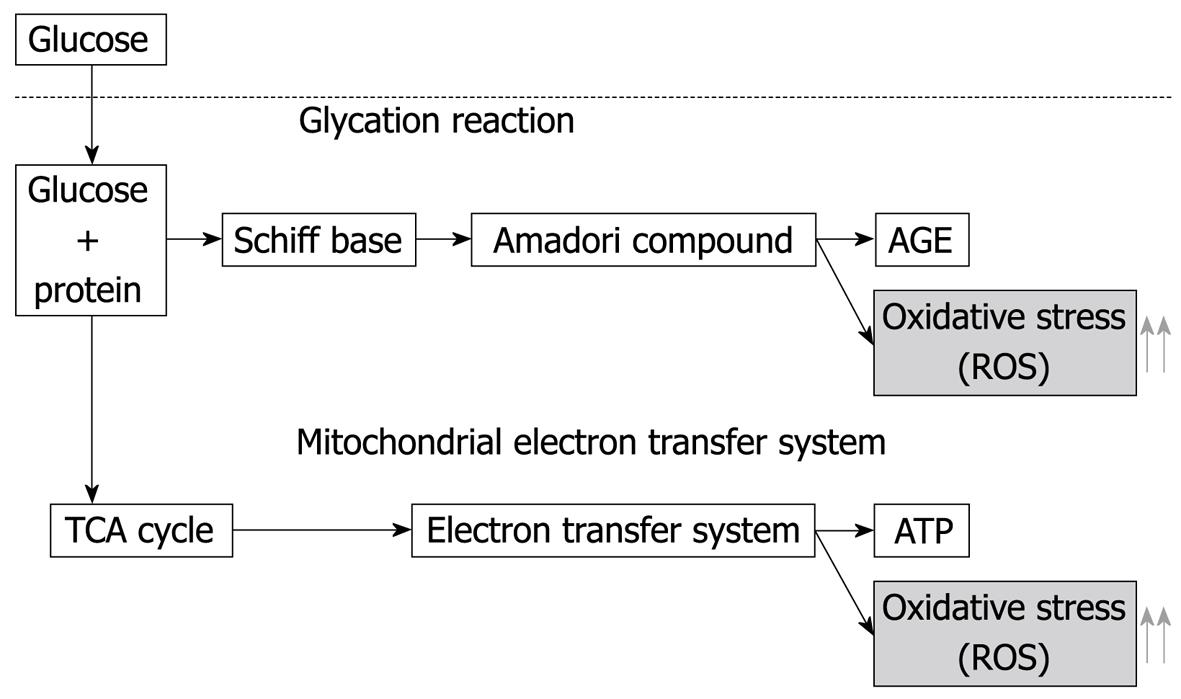
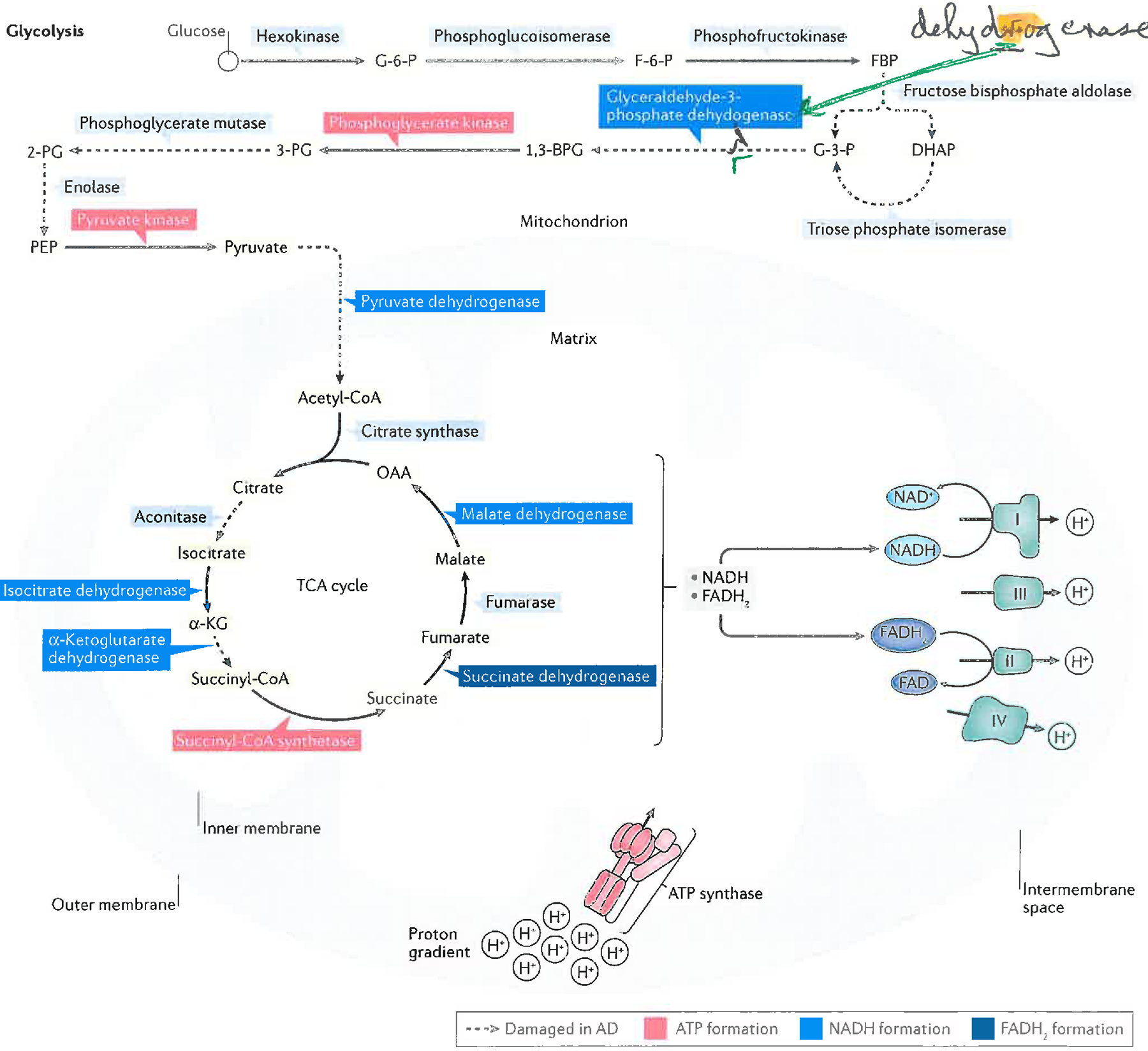
Glucose in chronic excess causes toxic effects on structure and function of organs, including the pancreatic islet. Multiple biochemical pathways and mechanisms of action for glucose toxicity have been suggested. These include glucose autoxidation, protein kinase C activation, methylglyoxal formation and glycation, hexosamine metabolism, sorbitol formation, and oxidative phosphorylation. There ...
Key Details About Glucose Toxicity And Oxidative Stress
Oxidative Stress Is a Mediator of Glucose Toxicity in Insulin

Pancreatic β cells secrete insulin in response to changes in the extracellular glucose . However, prolonged exposure to elevated glucose exerts toxic effects on β cells and results in β cell dysfunction and ultimately β cell death ( glucose toxicity ). To investigate the mechanism of how increased extracellular glucose is toxic to β cells, we used two model systems where glucose metabolism ...
This review focuses on the multiple and reciprocal relationships that exist between oxidative stress , hyperglycemia and diabetes and related metabolic disorders. Human metabolism uses most of the consumed glucose under aerobic conditions. Oxygen is needed in the mitochondria to obtain energy, as well as for the action of microsomal oxidases and cytosolic pro-oxidant enzymes. This relentlessly ...
Problems associated with glucose toxicity
Abstract Glucose homeostasis deficiency leads to a chronic increase in blood glucose concentration. In contrast to physiological glucose concentration, chronic superphysiological glucose concentration negatively affects a large number of organs and tissues. Glucose toxicity means a decrease in insulin secretion and an increase in insulin resistance due to chronic hyperglycemia. It is now ...

Moving forward, it's essential to keep these visual contexts in mind when discussing Glucose Toxicity And Oxidative Stress.
Oxidative stress plays a pivotal role in the development of diabetes complications, both microvascular and cardiovascular. The metabolic abnormalities of diabetes cause mitochondrial superoxide overproduction in endothelial cells of both large and small vessels, as well as in the myocardium. This increased superoxide production causes the activation of 5 major pathways involved in the ...
Molecular pathways of oxidative stress in diabetes
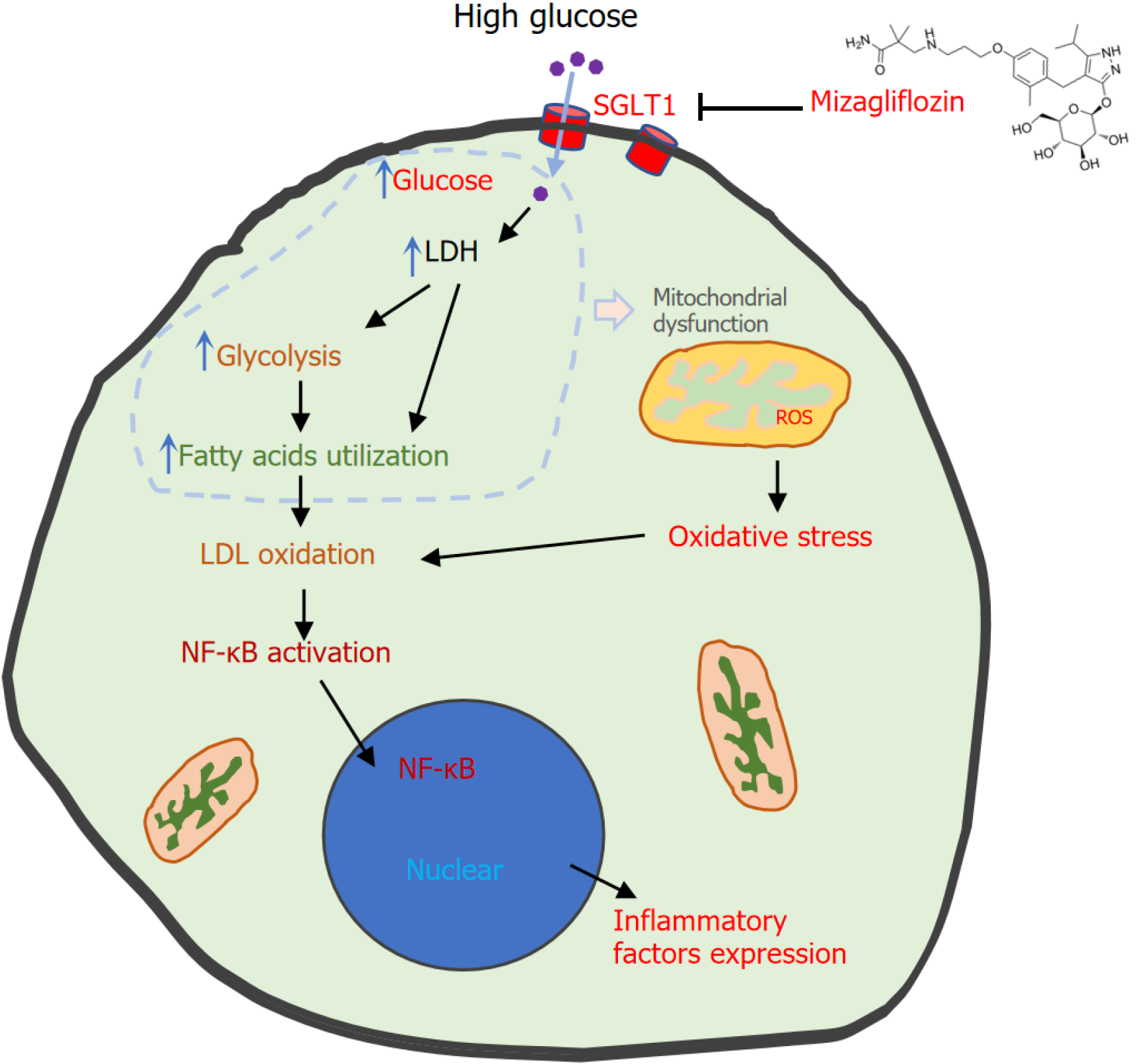
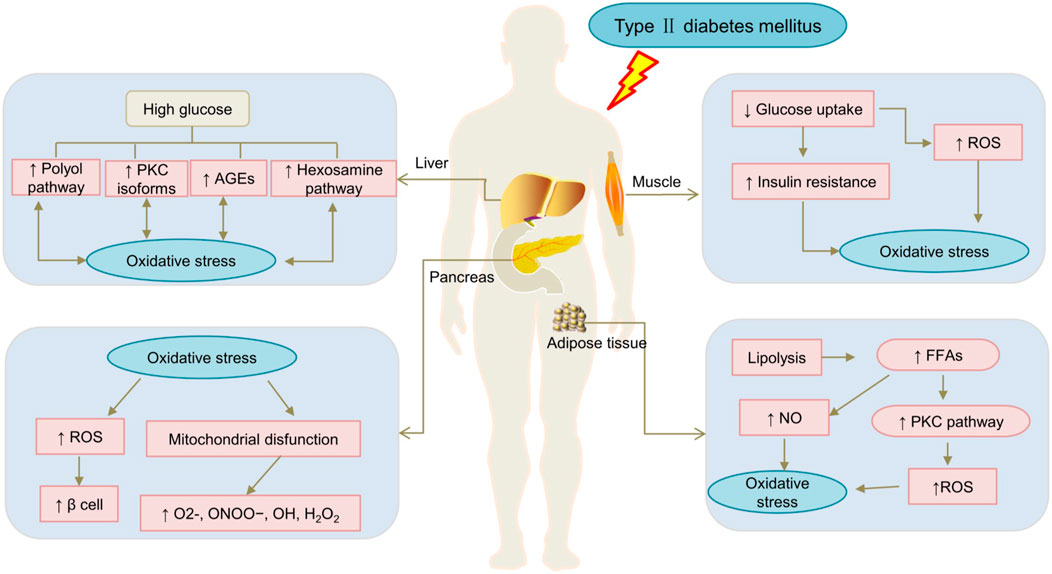
Oxidative stress plays a pivotal role in the pathogenesis of diabetes mellitus, primarily triggered by hyperglycaemia-induced activation of various metabolic pathways such as glycolytic, hexosamine, PKC, polyol, and AGE pathways. A critical event in this process is the inhibition of GAPDH mediated by PARP-1, leading to the accumulation of glyceraldehyde-3-phosphate, which subsequently promotes ...
Oxidative stress is a critical factor in the pathogenesis and progression of diabetes and its associated complications. The imbalance between reactive oxygen species (ROS) production and the body's antioxidant defence mechanisms leads to cellular damage and dysfunction. In diabetes, chronic hyperglycaemia and mitochondrial dysfunction contribute to increased ROS production, further ...