A role for Glucagon
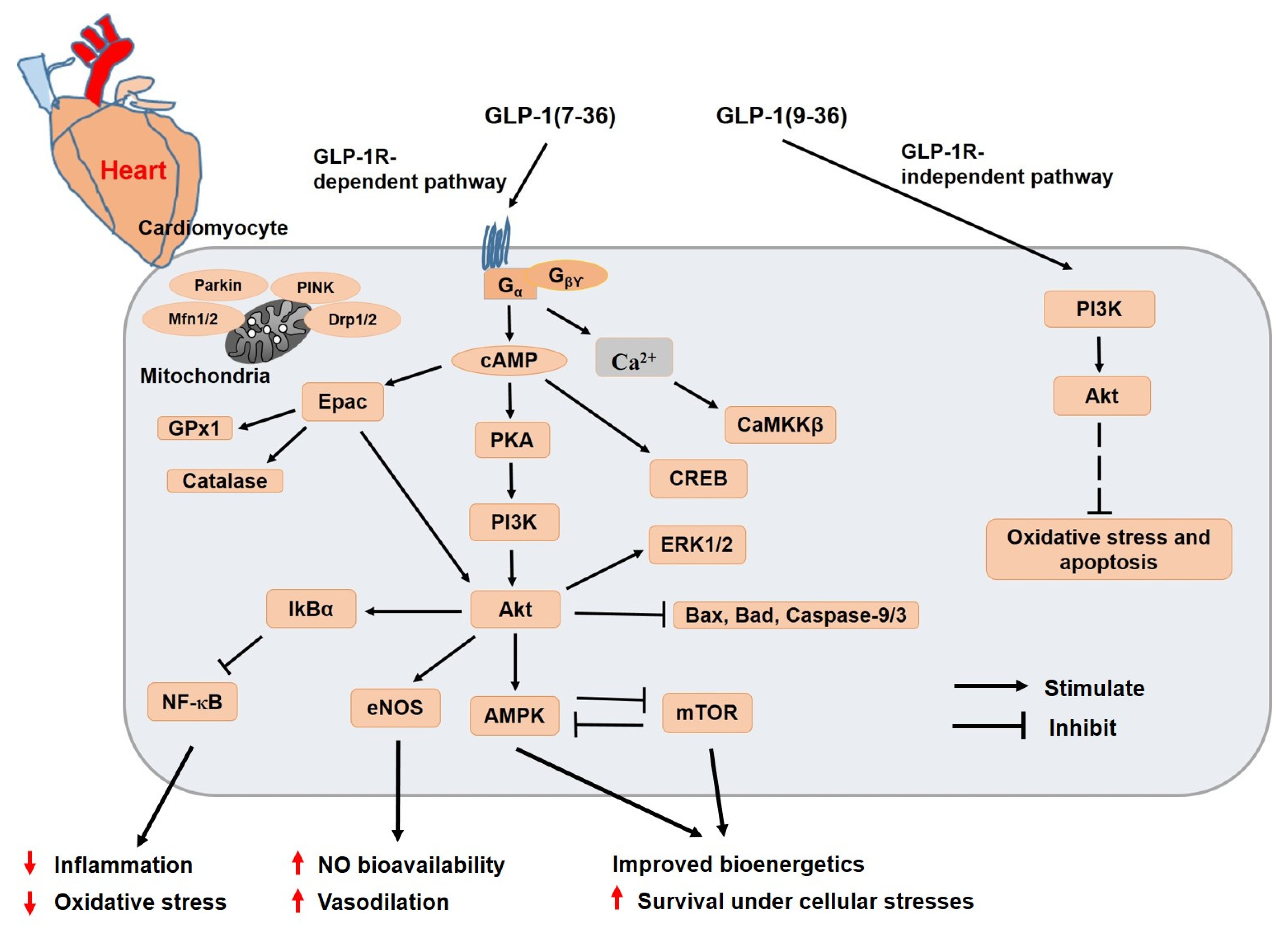
Thus, the pro-survival vs pro-death role of autophagy in regulating β-cell mass requires discussion. Emerging evidence suggests that Glucagon-Like Peptide-1 ( GLP-1 ) may exert beneficial effects on glucose homeostasis via autophagy -dependent pathways both in pancreatic β-cells and in other cell types.
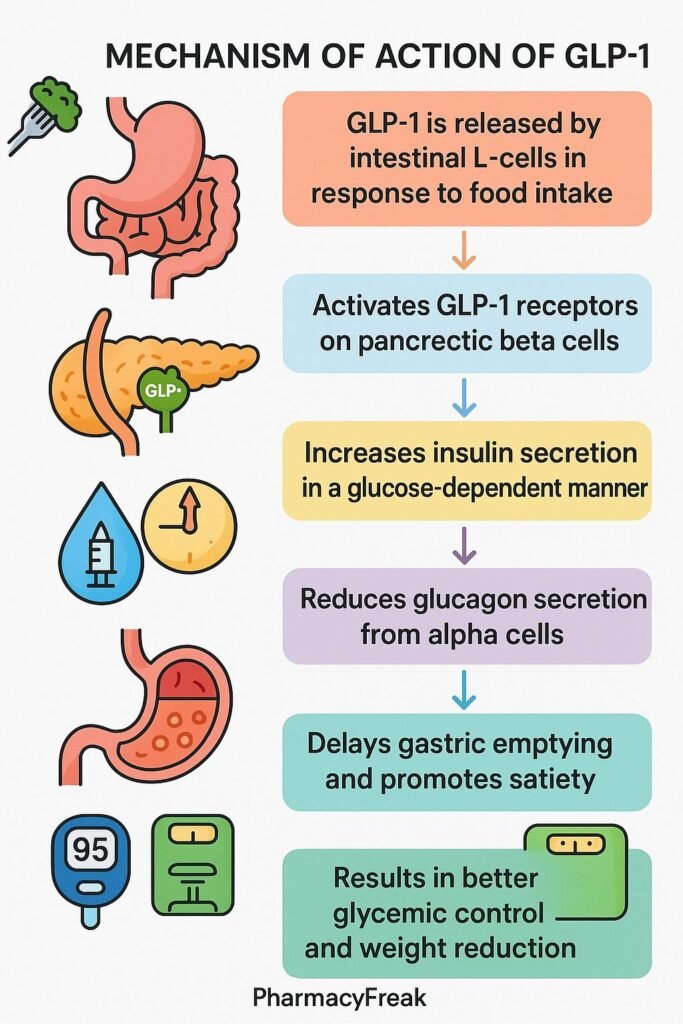
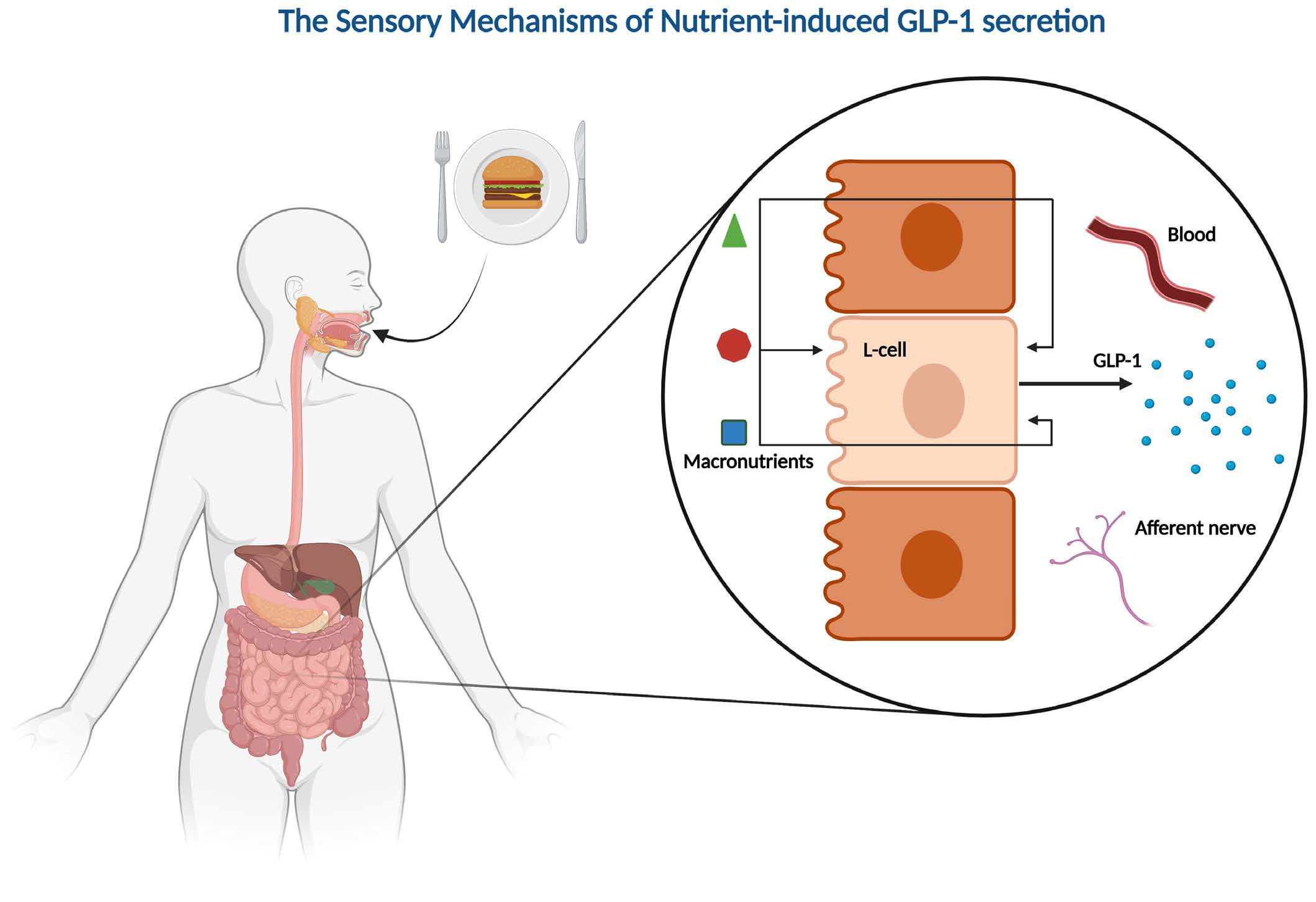
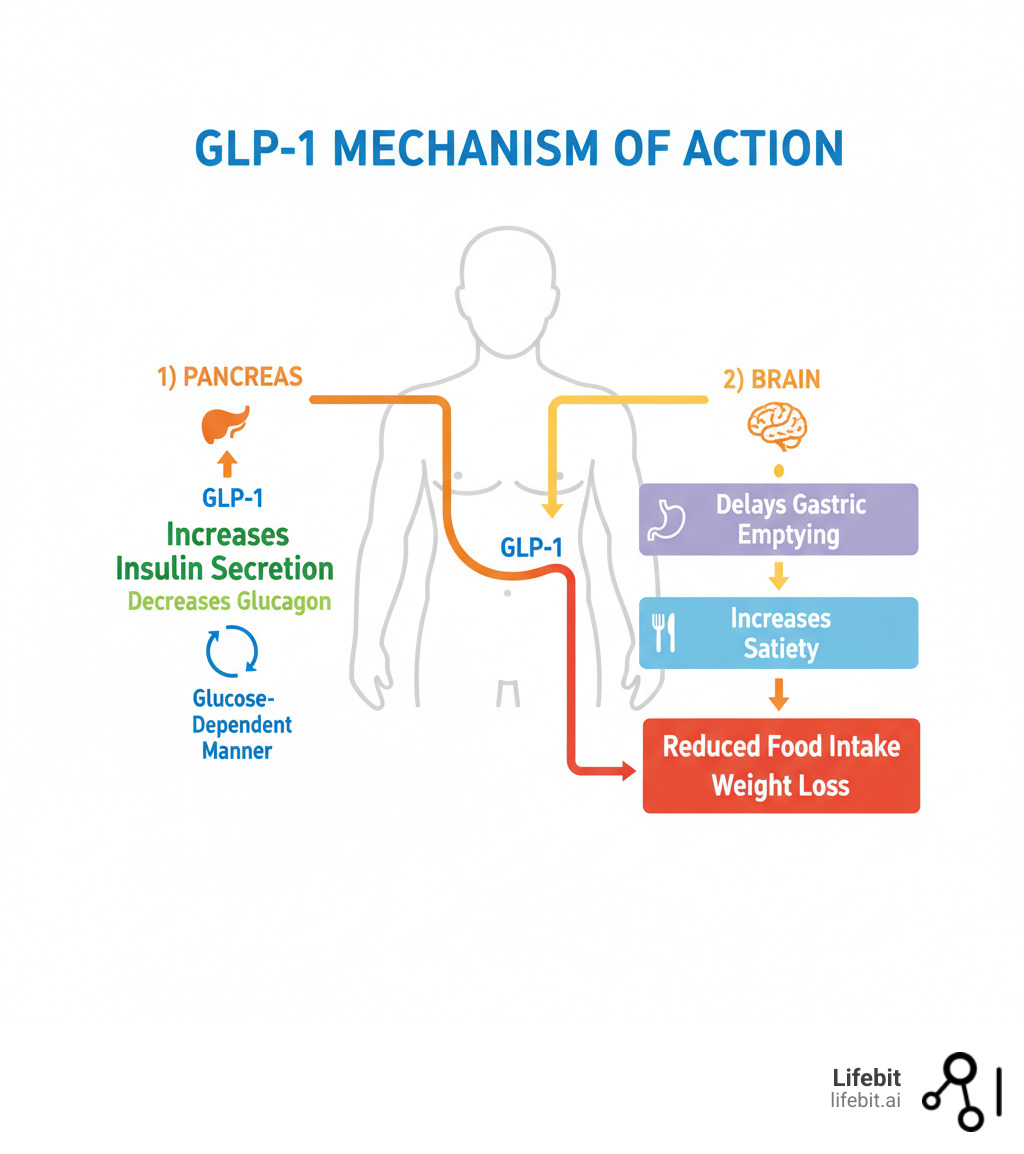
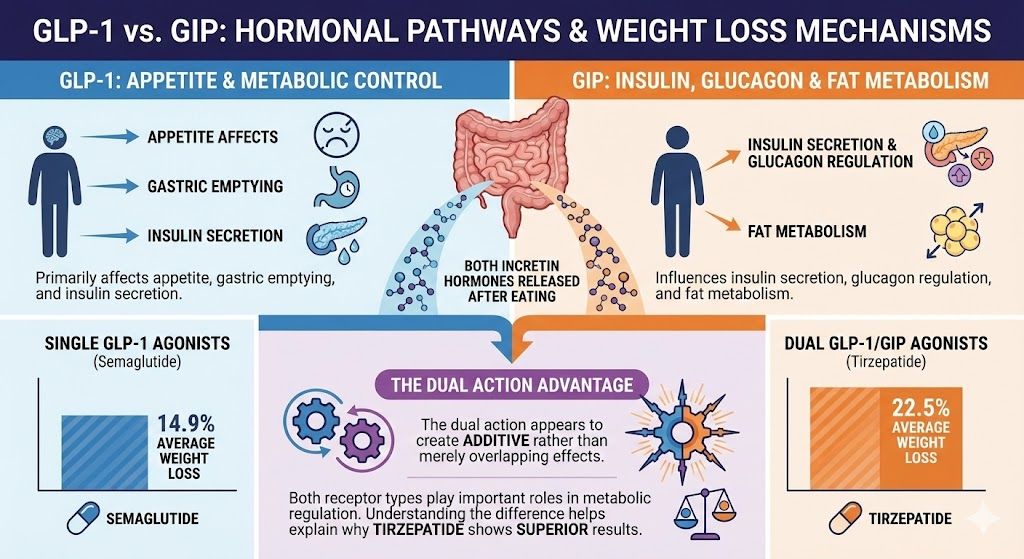
The incretin hormones glucose dependent insulinotropic polypeptide (GIP) and glucagon-like peptide-1 ( GLP-1 ), are secreted in the proximal and distal small intestine respectively in response to nutrients. GLP-1 , together with peptide tyrosine-tyrosine (PYY), stimulates potent negative feedback on gastric emptying.
Relevance of Autophagy Induction by Gastrointestinal Hormones

This particular example perfectly highlights why Glucose Absorption In Glp 1 And Autophagy is so captivating.
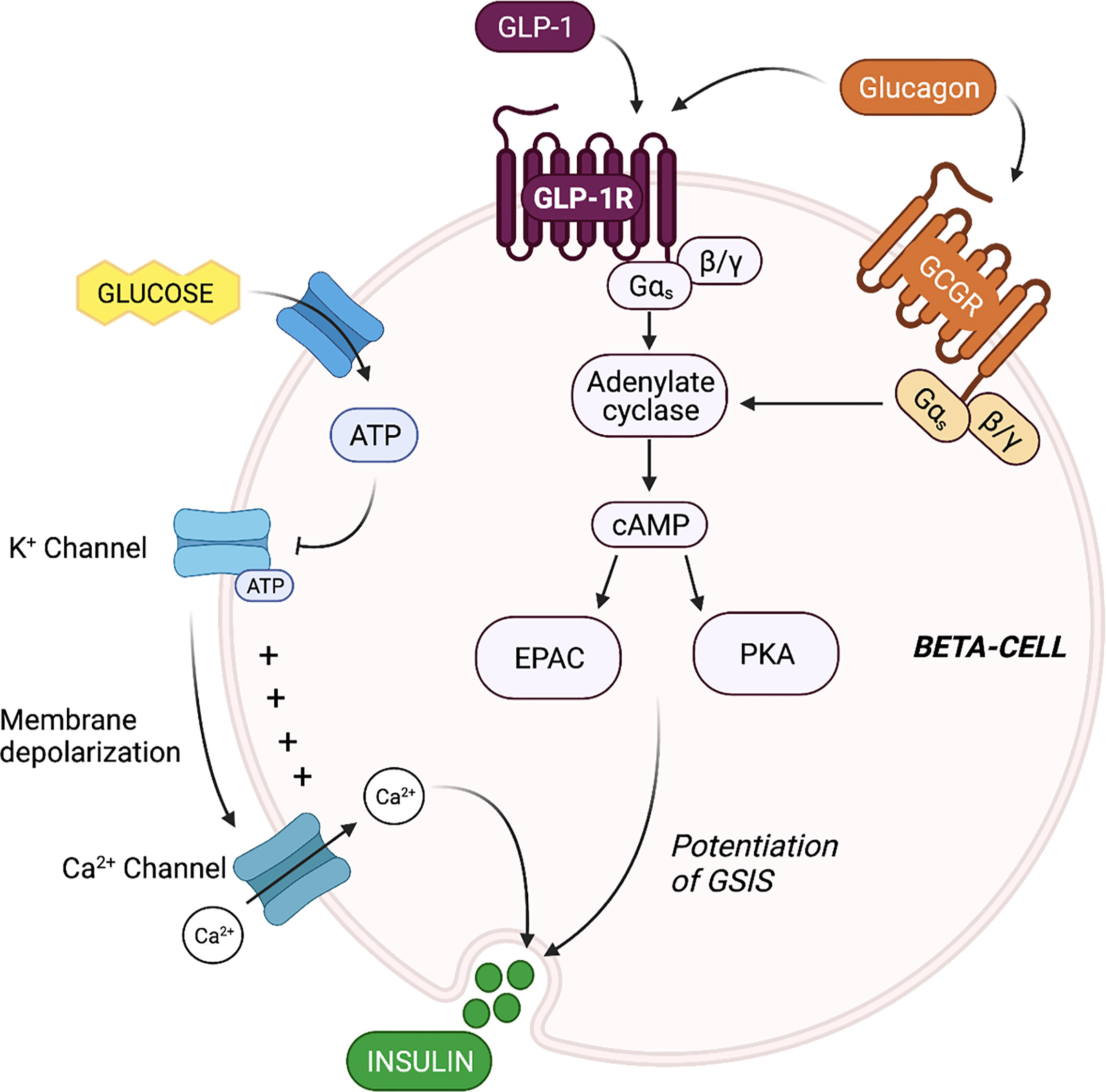
In addition, we focused on glucagon, a known polypeptide that regulates glucose levels and a classic molecule that induces autophagy . Glucagon and GLP-1 Synthesis From Proglucagon GLP-1 is produced from proteolytic cleavage of the precursor polypeptide pProG (Muller et al., 2017).
Abstract The incretin hormone Glucagon-Like Peptide-1 ( GLP-1 ) is best known for its "incretin effect" in restoring glucose homeostasis in diabetics, however, it is now apparent that it has a broader range of physiological effects in the body. Both in vitro and in vivo studies have demonstrated that GLP-1 mimetics alleviate endoplasmic reticulum stress, regulate autophagy , promote metabolic ...
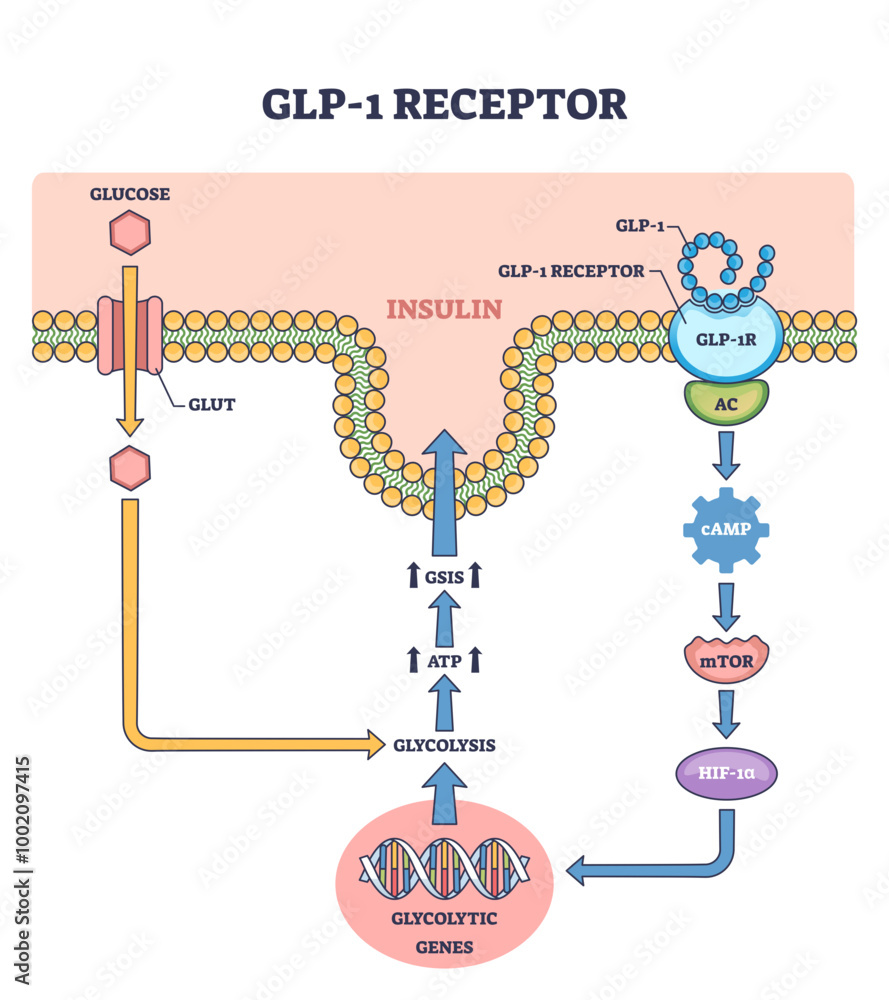
This receptor specifically interacts with GLP-1 , a key hormone that plays an integral role in regulating blood glucose levels, lipid metabolism, and several other crucial biological functions.

Regulation of Glucose Homeostasis by GLP
Released GLP-1 activates enteric and autonomic reflexes while also circulating as an incretin hormone to control endocrine pancreas function. The GLP-1 receptor ( GLP -1R) is a G protein-coupled receptor that is activated directly or indirectly by blood glucose -lowering agents currently in use for the treatment of type 2 diabetes mellitus (T2DM).
Long-acting glucagon-like peptide ( GLP)-1 analogs are currently available in treating diabetes with widely established safety and extensively evaluated efficacy. In recent years, autophagy , as a critical lysosome-dependent self-degradative process to maintain homeostasis, has been shown to be involved in the vascular endothelium ...

Dietary impact on fasting and stimulated GLP
Glucagon-like peptide 1 ( GLP-1 ), a gastrointestinal peptide and central mediator of glucose metabolism, is secreted by L cells in the intestine in response to food intake. Postprandial secretion of GLP-1 is triggered by nutrient-sensing via transporters and G-protein-coupled receptors (GPCRs). GLP-1 secretion may be lower in adults with obesity/overweight (OW) or type 2 diabetes mellitus (T2DM ...
Recent work that focused on elucidating the mechanisms and outcomes of GLP-1 neuromodulation led to the discovery of an impressive array of GLP-1 actions. Here, we summarize the many levels at which the GLP-1 signal adapts to different systems, with the goal being to provide a background against which to guide future research.