Overview of Glp-1 Receptor Agonist And Glp-1 Receptor Agonist Best Practices
Do not offer both a GLP-1 receptor agonist or tirzepatide and a DPP-4 inhibitor together to treat type 2 diabetes. Do not prescribe a GLP-1 receptor agonist to people with: Ketoacidosis. Pancreatitis. Renal impairment: Avoid exenatide standard-release and liraglutide injection if estimated glomerular filtration rate (eGFR) is less than 30 mL/min/1.73 m 2. Avoid exenatide modified-release ...
GLP-1 medicines and what they are used for Glucagon-like peptide-1 receptor agonists ( GLP-1s or GLP -1RAs) are medicines that help people feel fuller by mimicking a natural hormone released after ...
Considerations and interactions with GLP
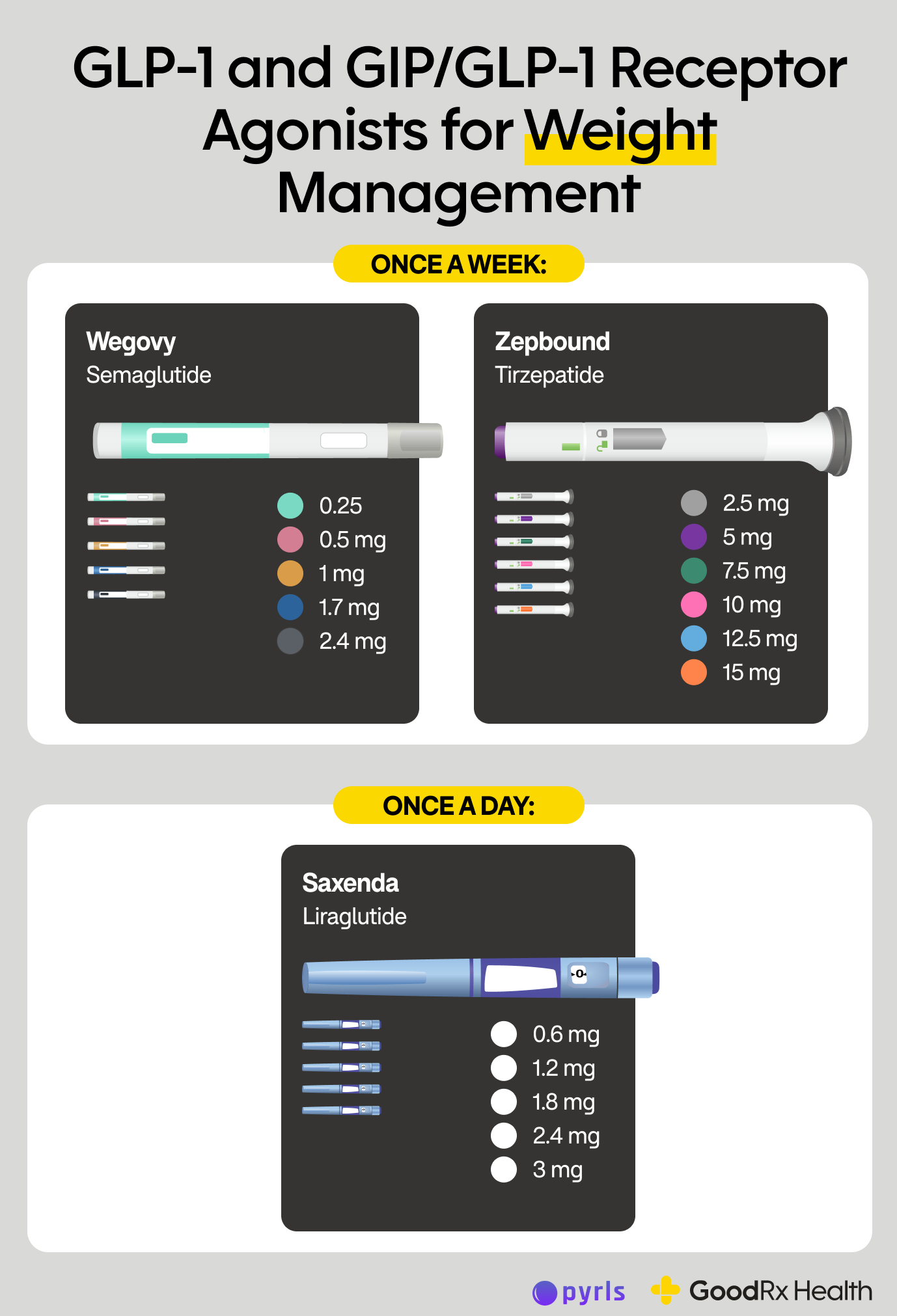
Signposting key risks and interactions of GLP-1 receptor agonists in diabetes, obesity, and weight management.
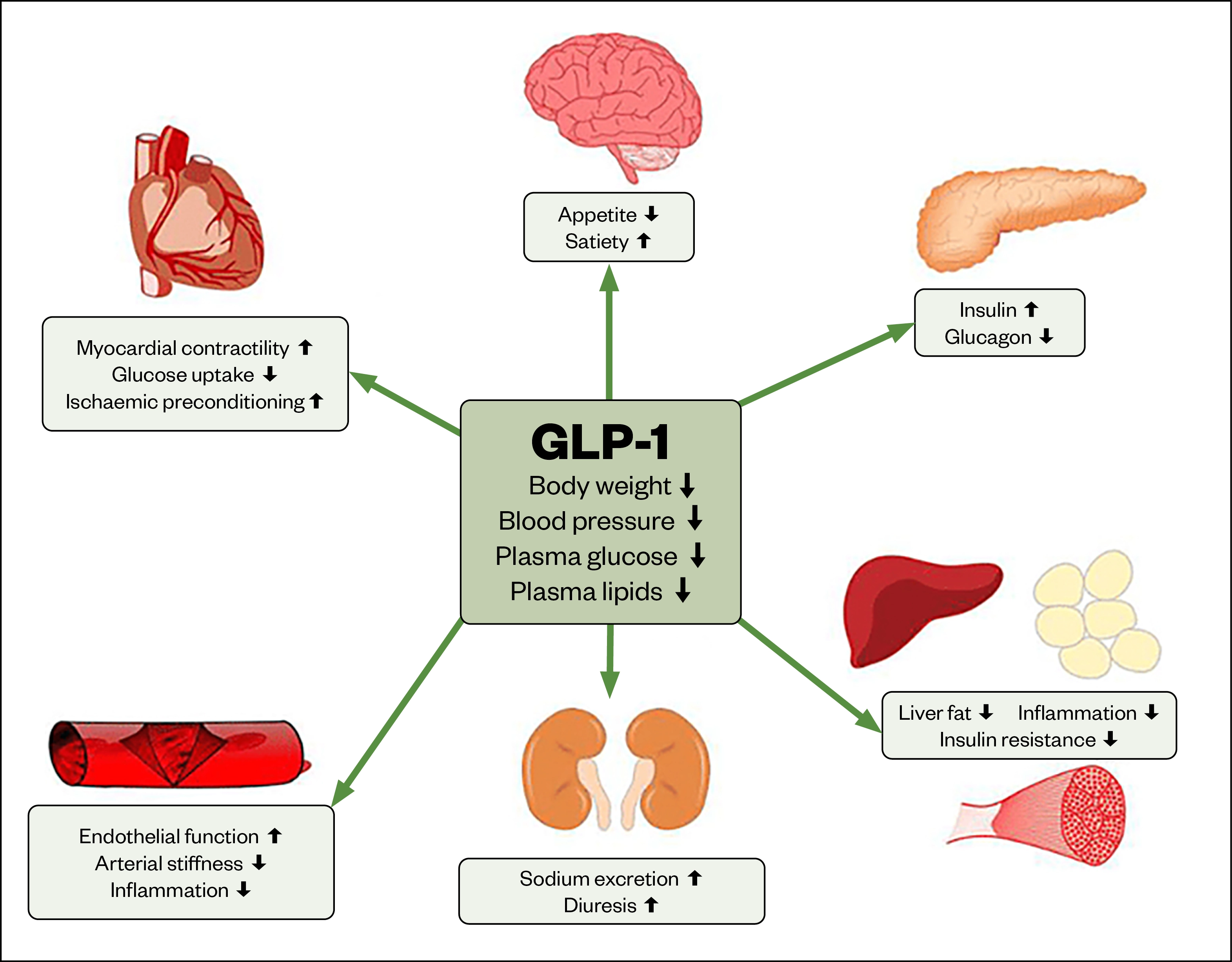
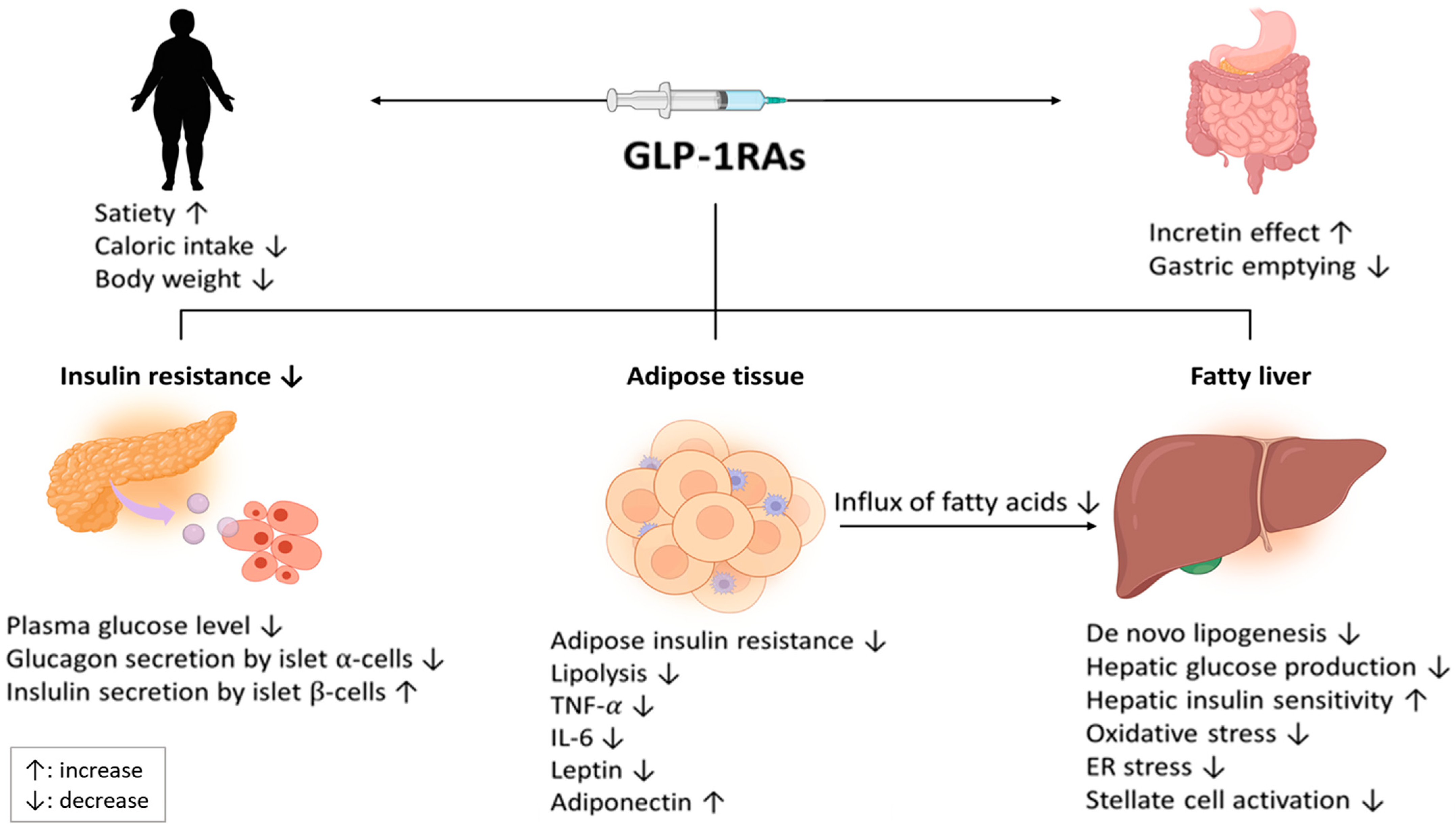
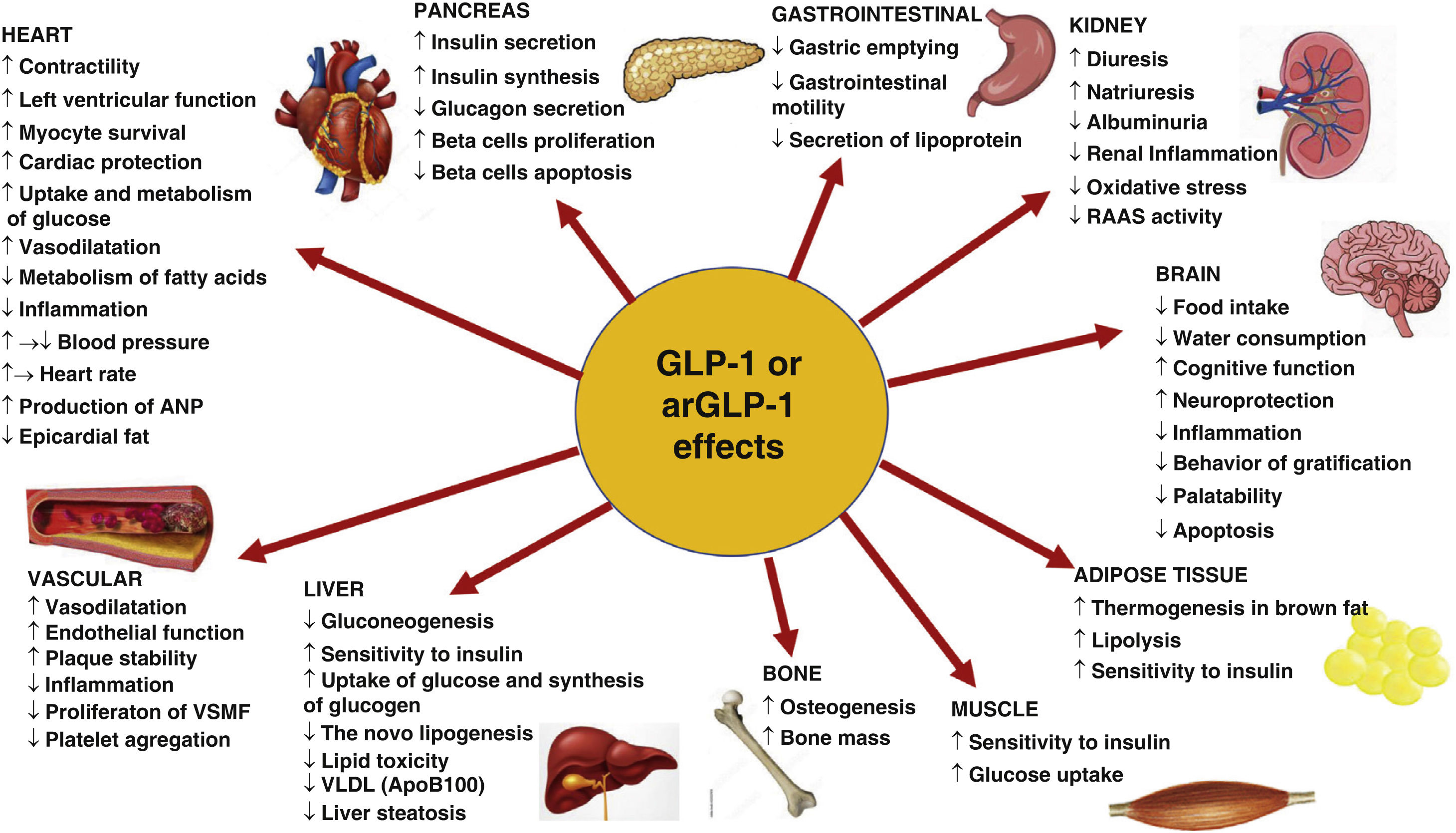
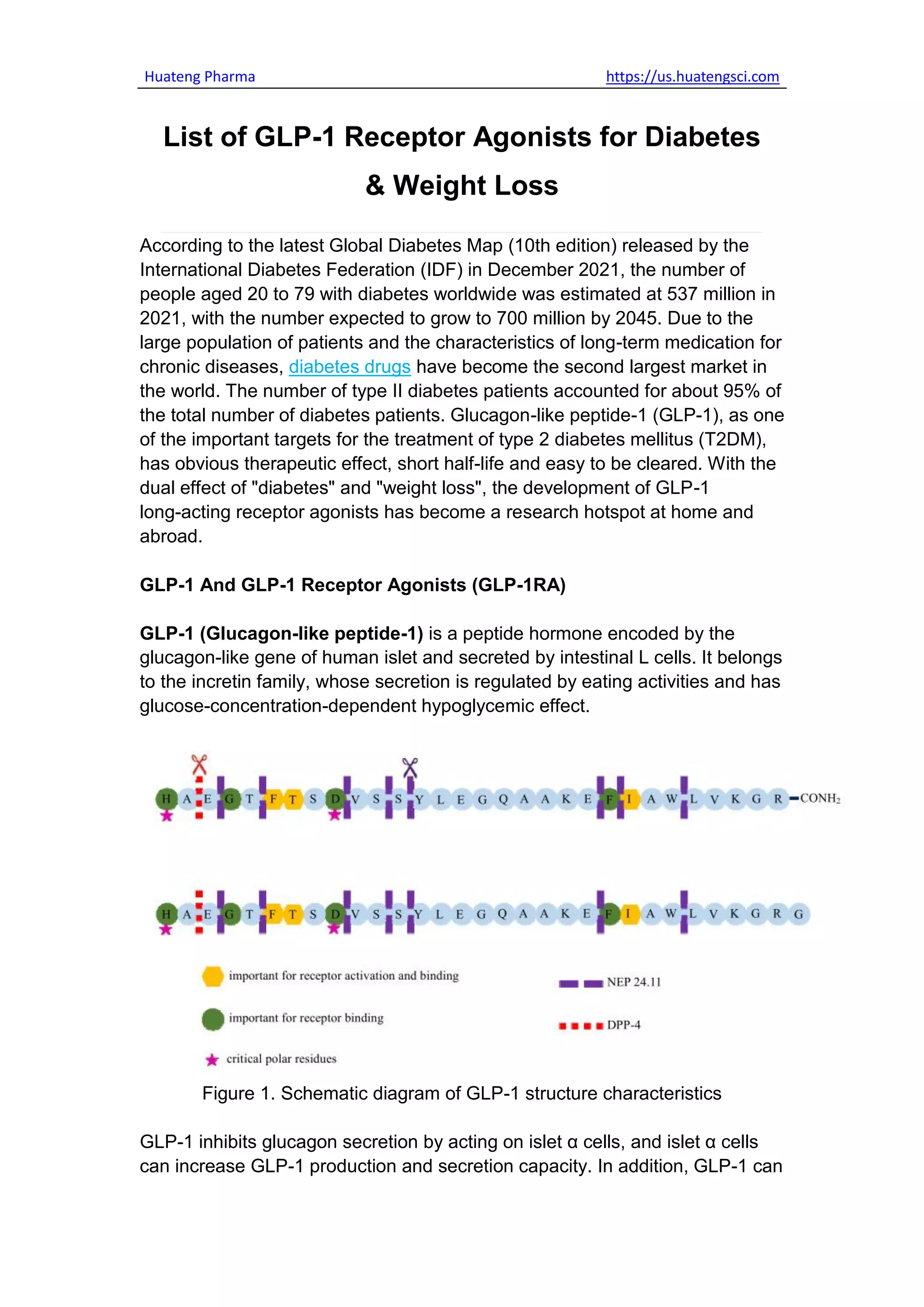
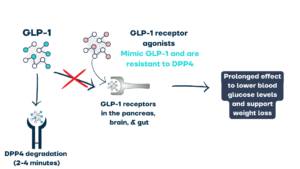
What are GLP-1 receptor agonists ? GLP-1 receptor agonists ( GLP-1 RAs) are injectable medications that mimic the action of glucagon-like peptide-1, a natural gut hormone released after eating. They stimulate insulin secretion when blood glucose is elevated, suppress glucagon release, slow gastric emptying and promote satiety. For people with type 2 diabetes, this translates into lower blood ...
Useful Notes on Glp-1 Receptor Agonist And Glp-1 Receptor Agonist Best Practices

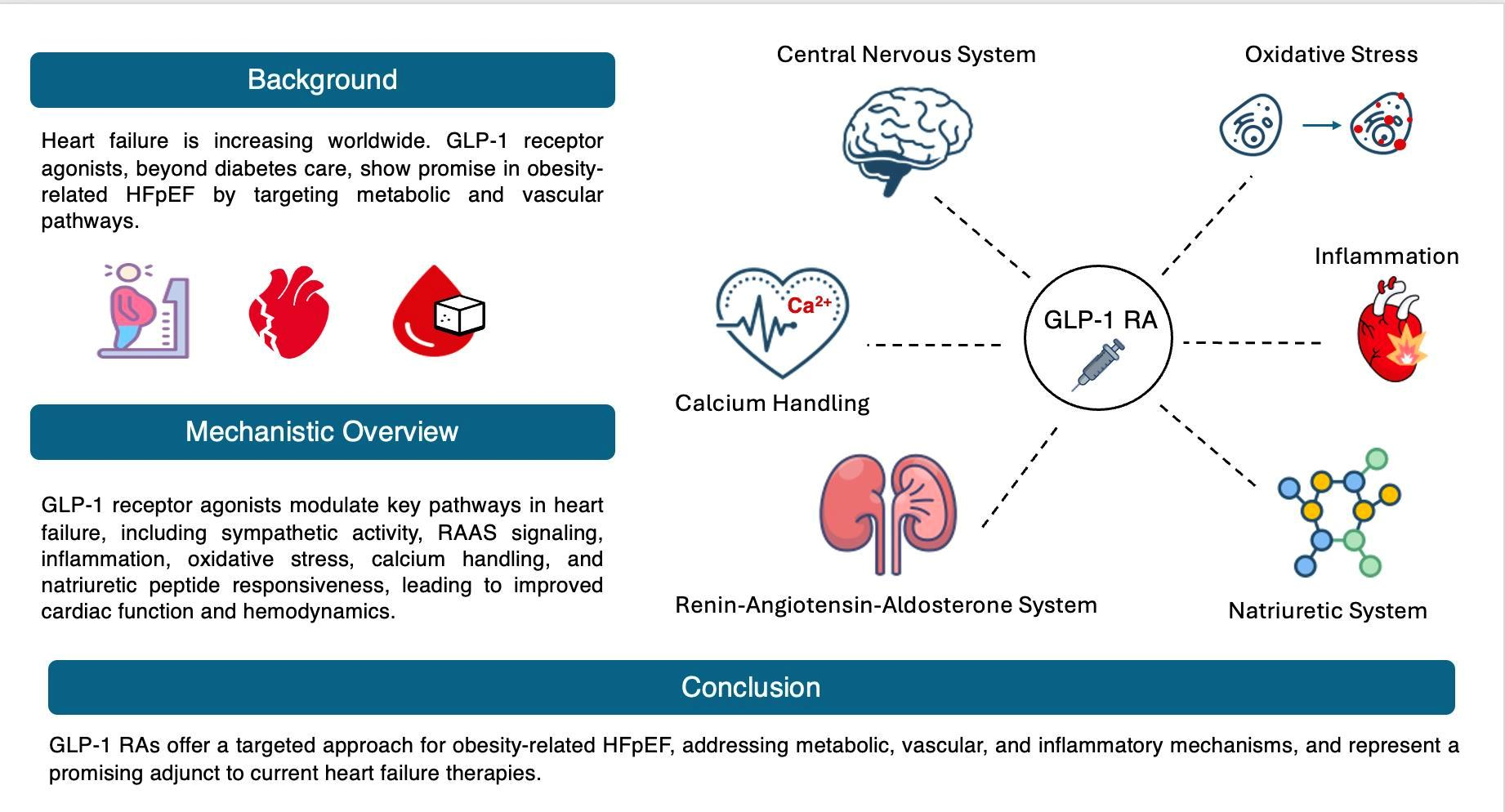
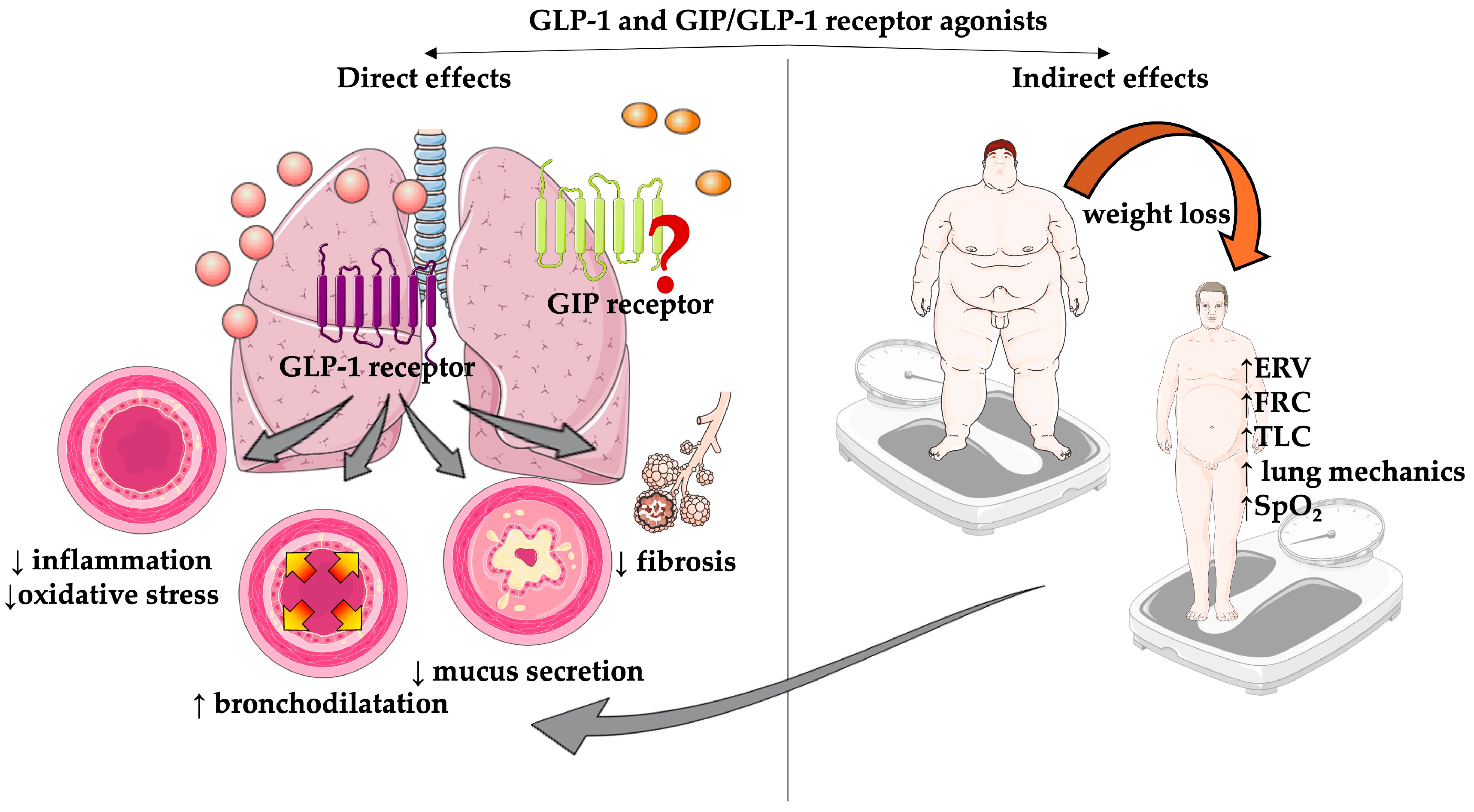
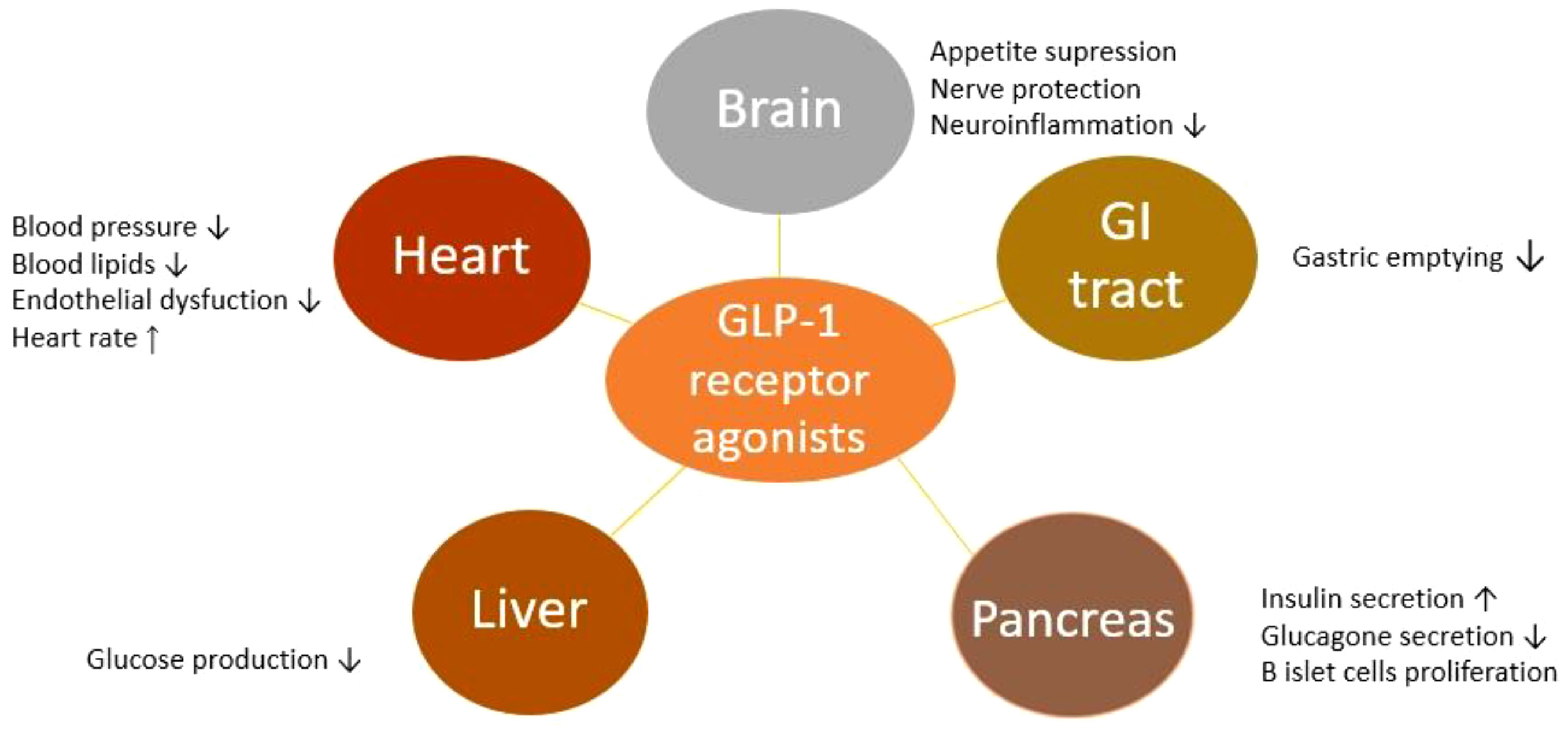
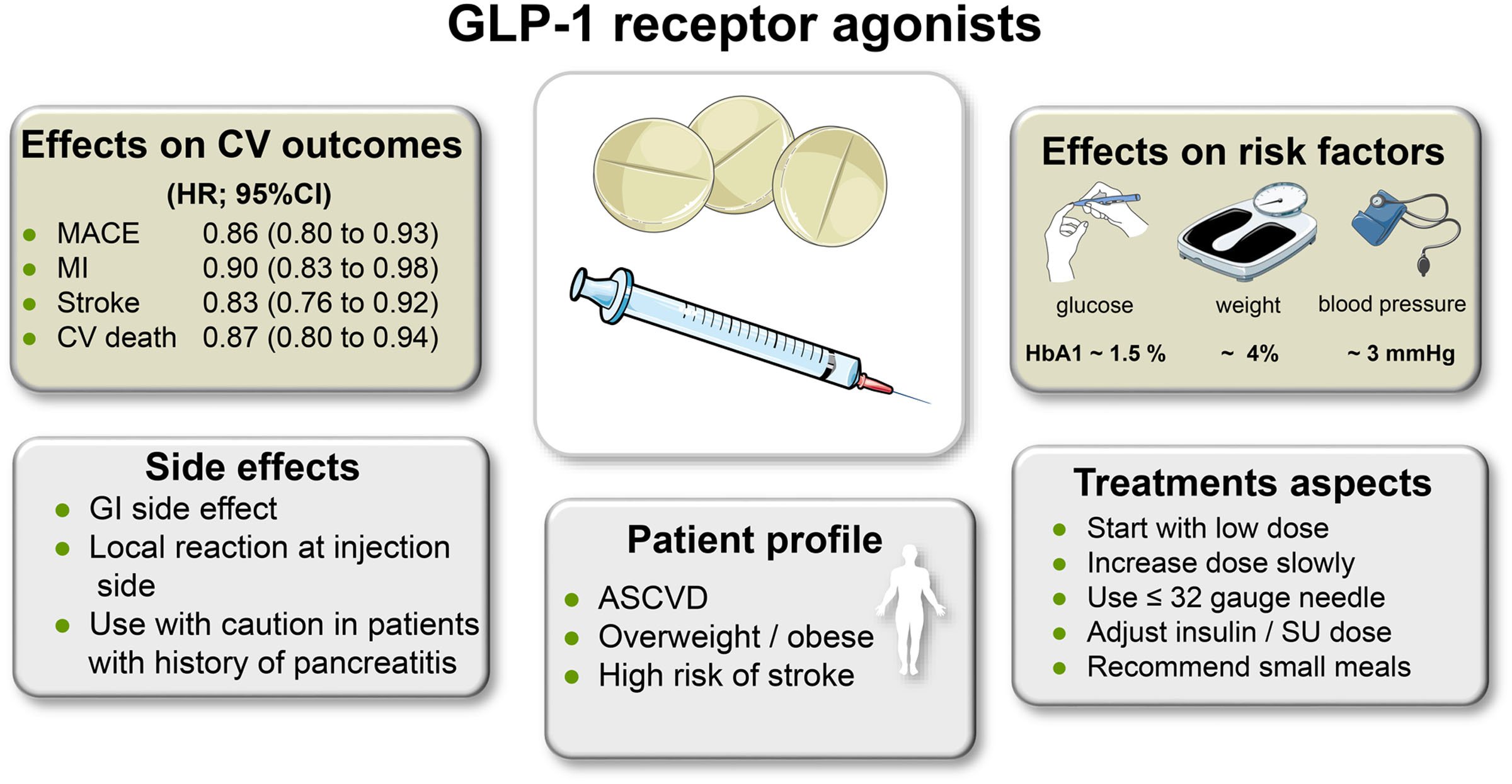
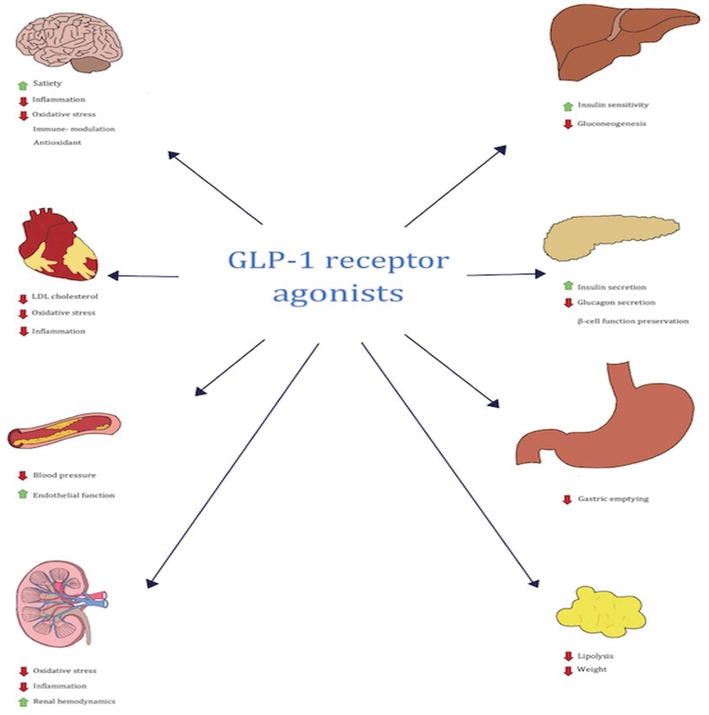
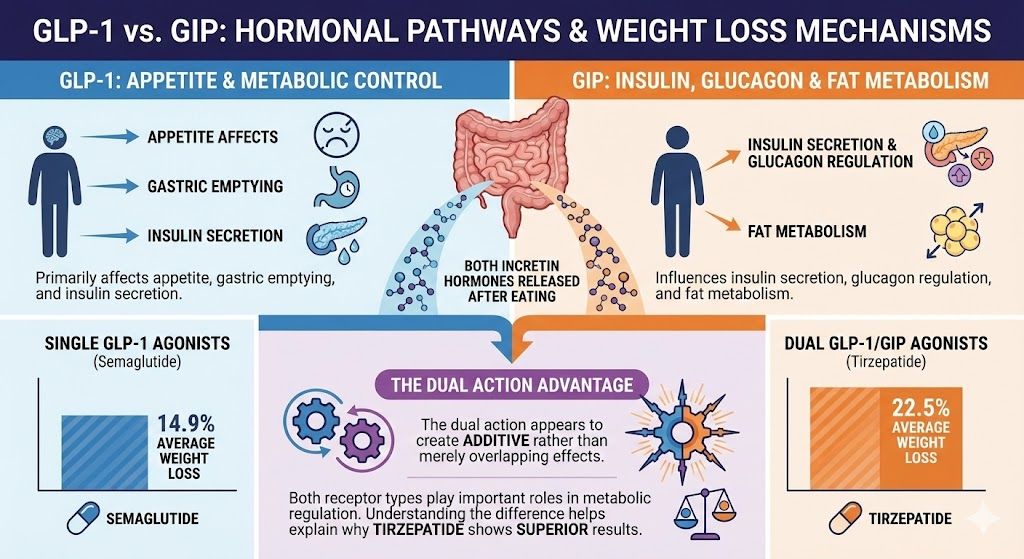
GLP-1 receptor agonists and GLP-1 and glucose-dependent insulinotropic peptide agonists have several mechanisms of action, including reduction of gastric emptying, inhibition of glucagon secretion ...
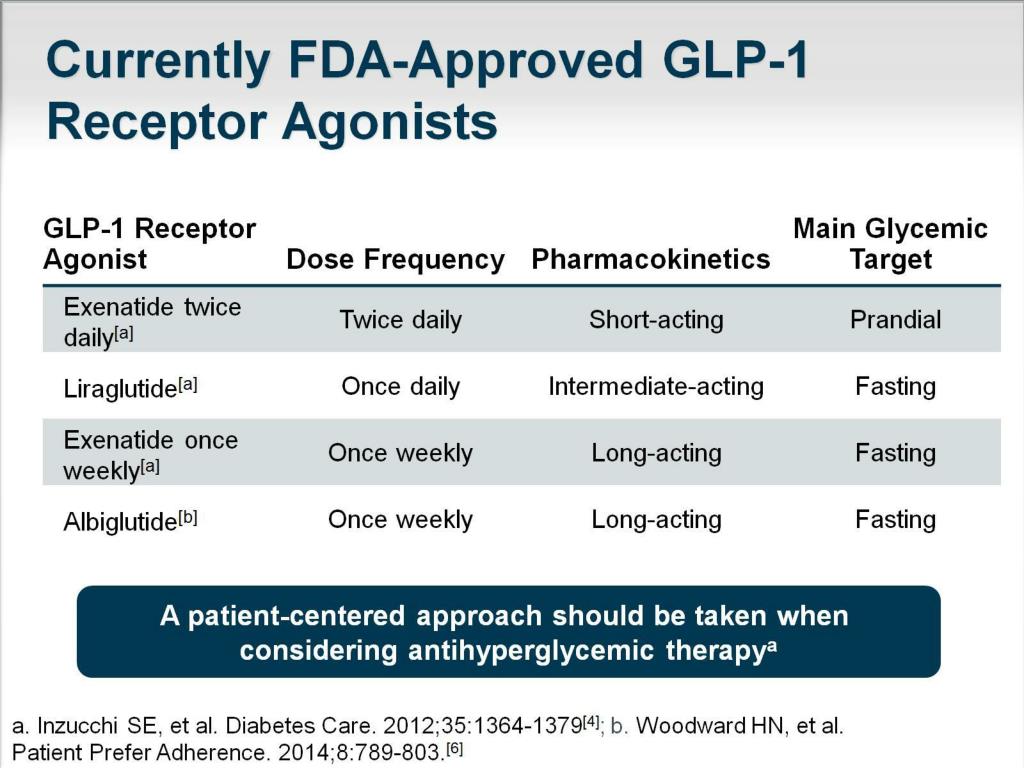
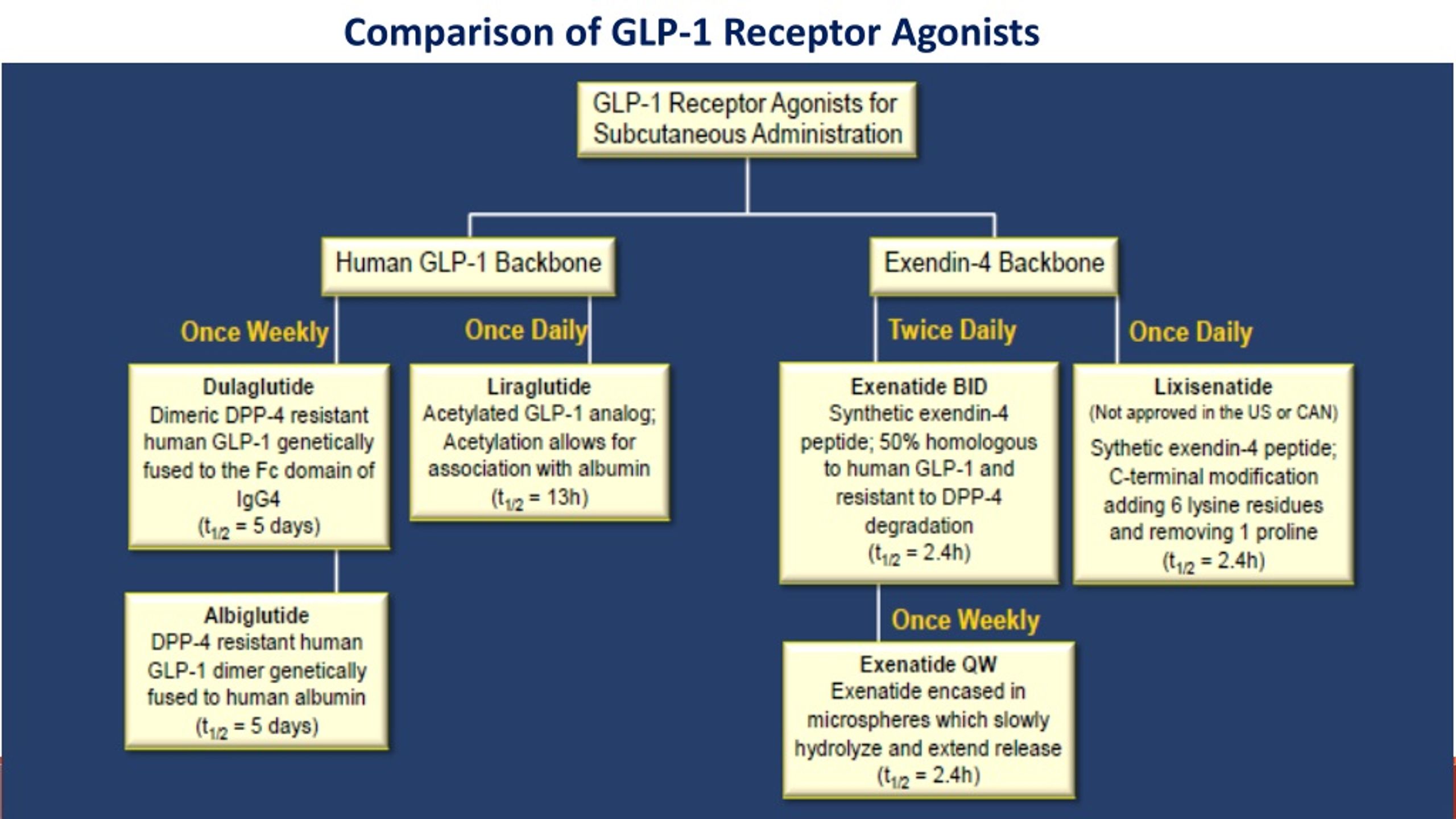
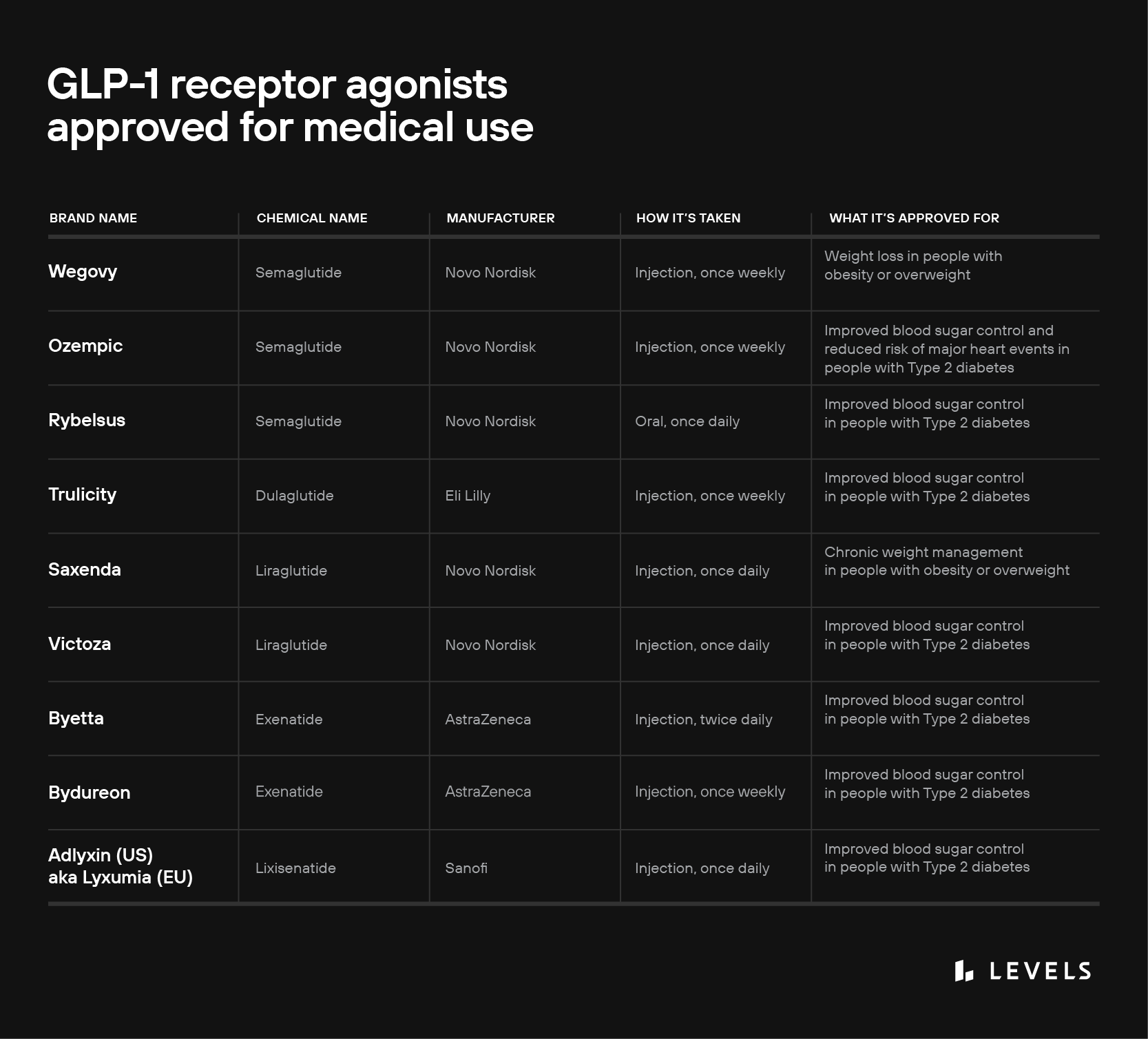
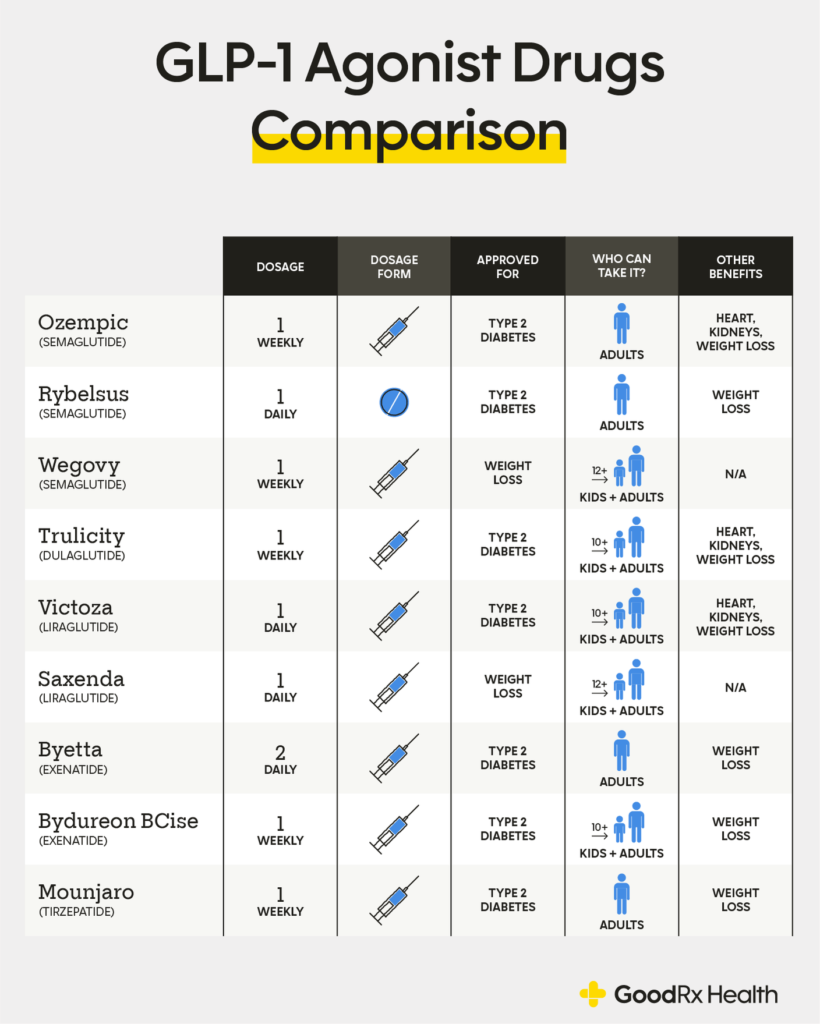
Glucagon-Like Peptide-1 Receptor Agonist ( GLP-1 RA) and dual long-acting Glucose-dependent Insulinotropic Polypeptide agonist (GIP) with GLP-1 RA in adults with Type 2 Diabetes (T2DM) There are currently four GLP-1 RAs (dulaglutide, exenatide, liraglutide and semaglutide) and one long-acting dual GIP/ GLP -1 RA (tirzepatide) licensed in the UK for the management of adults with T2DM.
Everything you need to know about GLP

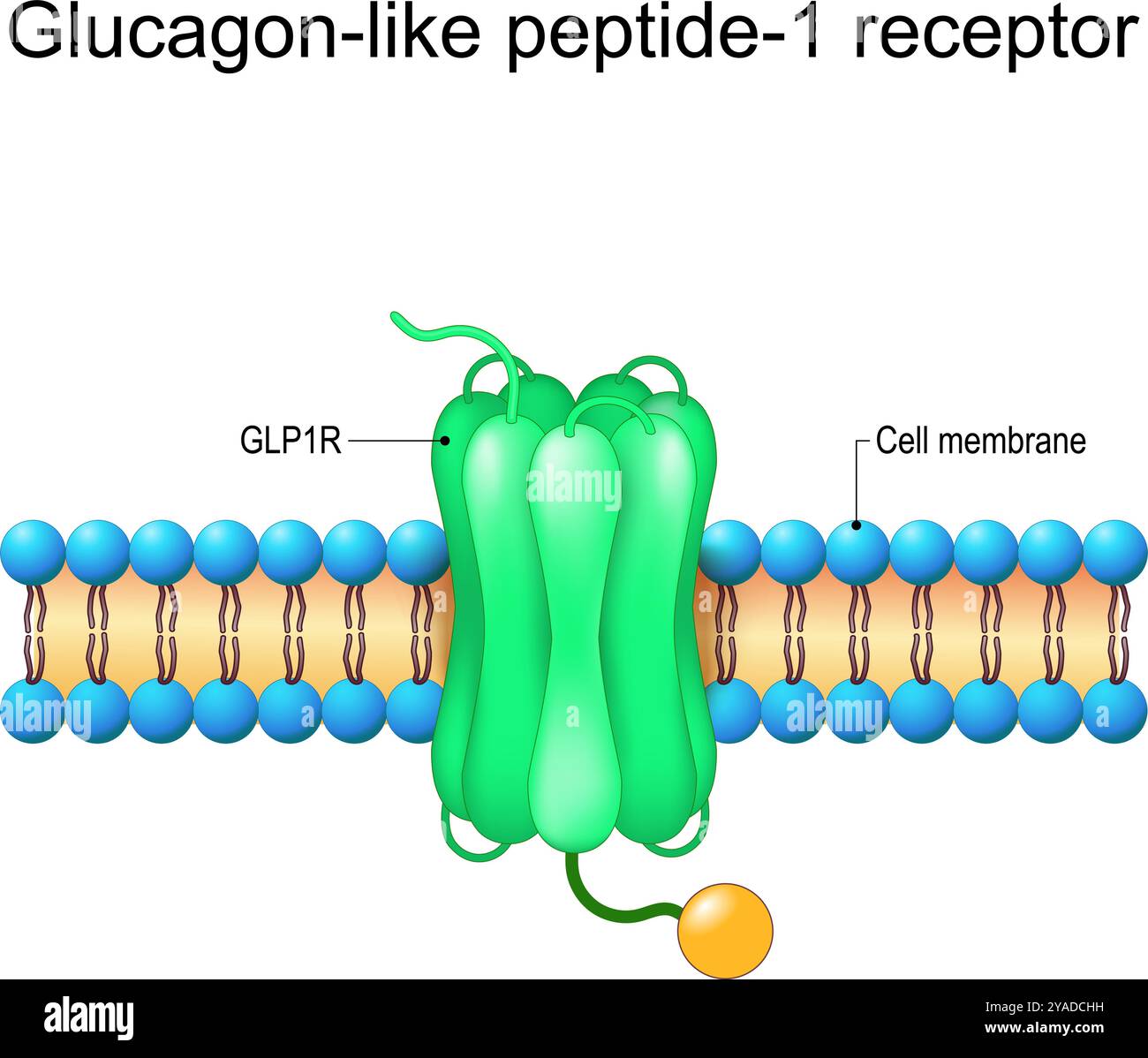
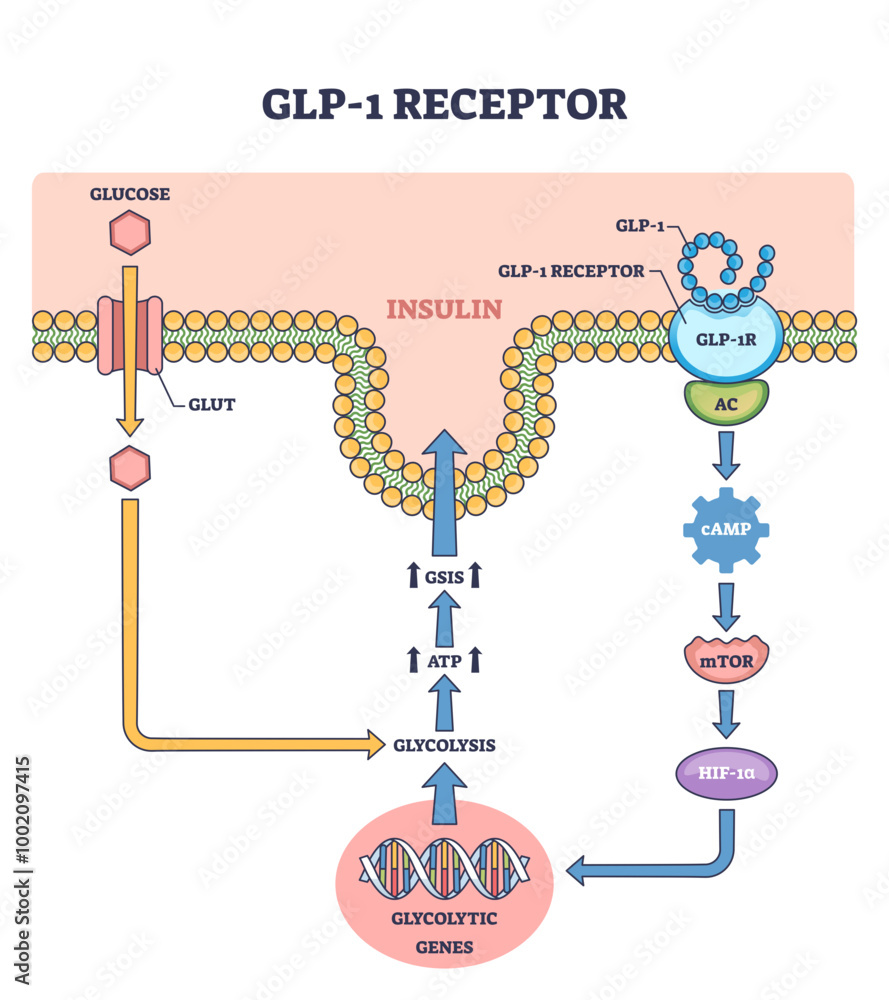
Furthermore, visual representations like the one above help us fully grasp the concept of Glp 1 Receptor Agonist And Glp 1 Receptor Agonist Best Practices.
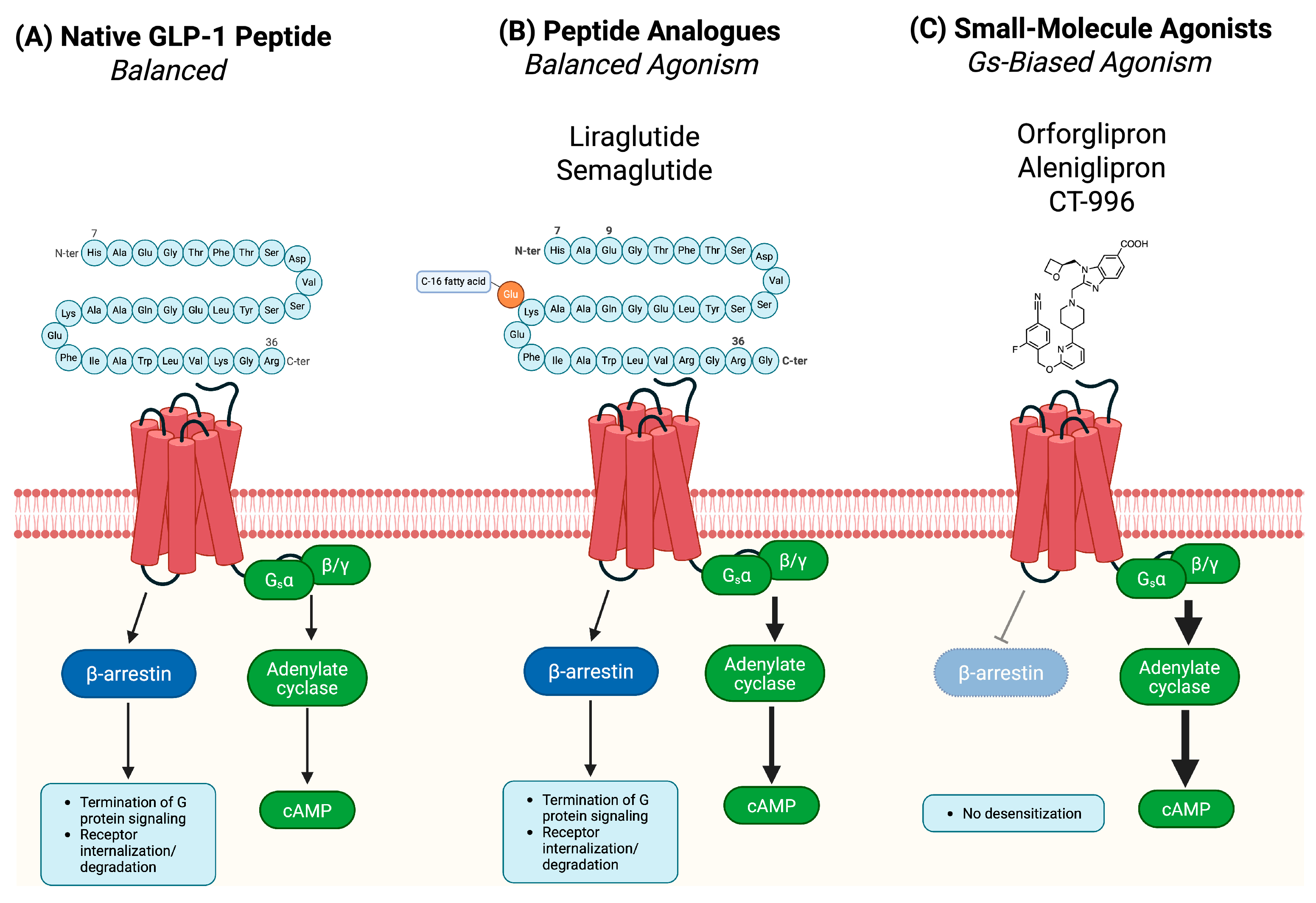
Some newer drugs combine GLP-1 receptor agonists with other metabolic targets or additional mechanisms to achieve more effective weight loss. For example, tirzepatide (Mounjaro; Eli Lilly) combines a GLP-1 receptor agonist with a glucose-dependent insulinotropic polypeptide (GIP) receptor agonist .
Glucagon-like peptide-1 receptor agonists ( GLP-1 RAs) are now used widely to manage diabetes, obesity, and an expanding set of metabolic and cardiorenal conditions. As prescribing grows in younger, healthier, and more diverse populations, clinicians increasingly require practical guidance that balances therapeutic benefit with individualized safety considerations. This review synthesizes the ...
The use of glucagon-like peptide-1 receptor agonists ( GLP-1 RAs) has rapidly expanded beyond management of type 2 diabetes into pharmacological treatment for obesity as well as a growing range of metabolic and cardiorenal indications. 1 Over the past five years, prescriptions for GLP-1 RAs have increased roughly five-to ten-fold across the ...
GLP-1 agonists are a type of medication you might need to take if you have type 2 diabetes. They are also known as GLP-1 analogues, GLP-1 RAs and incretin mimetics.