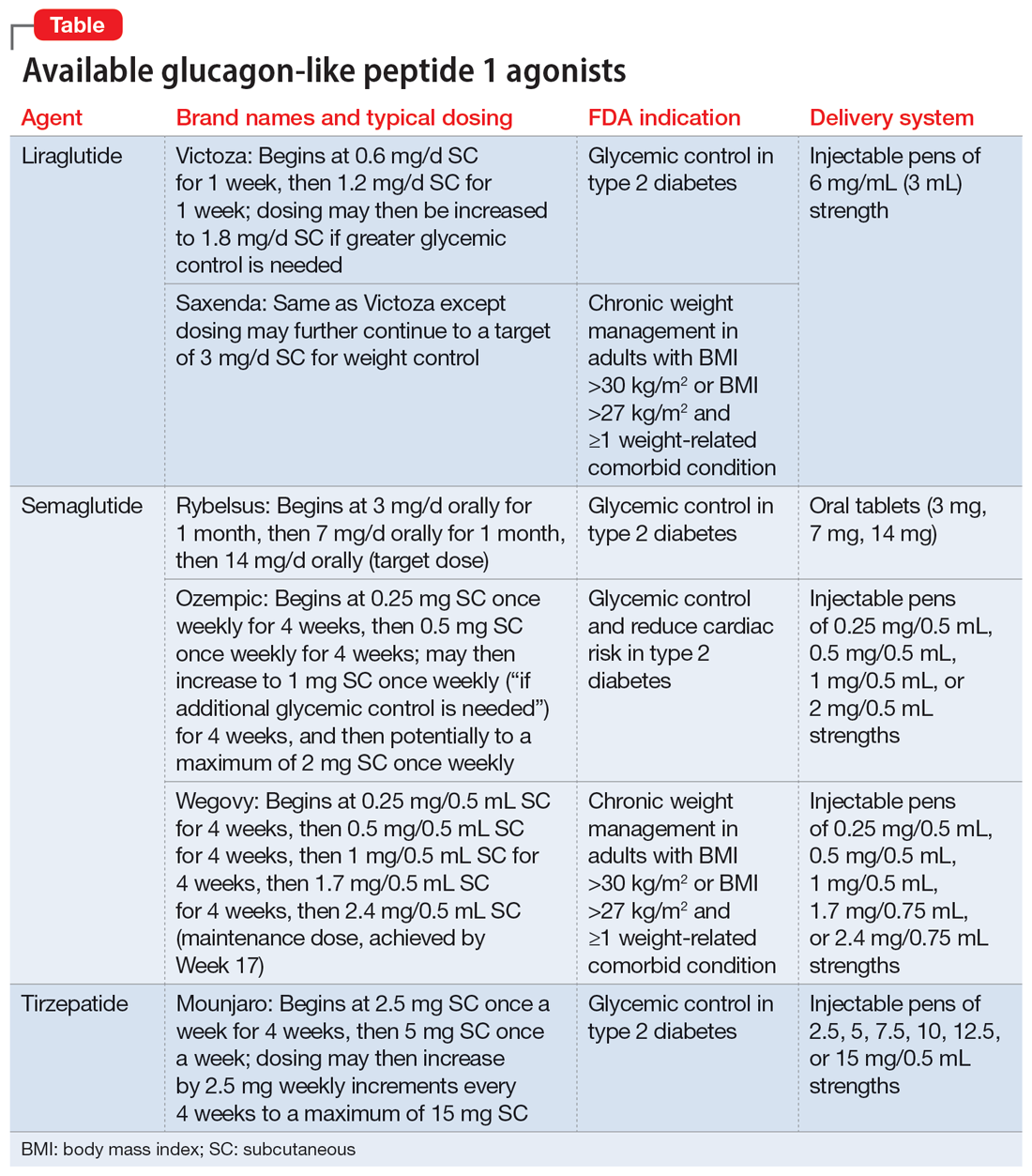
Hemoglobin A1c Reduction With the GLP
Introduction Glucagon-like peptide-1 receptor agonists ( GLP -1RAs) are effective treatments for reducing hemoglobin A1c (HbA1c) in people with type 2 diabetes (T2D), including those with reduced kidney function.
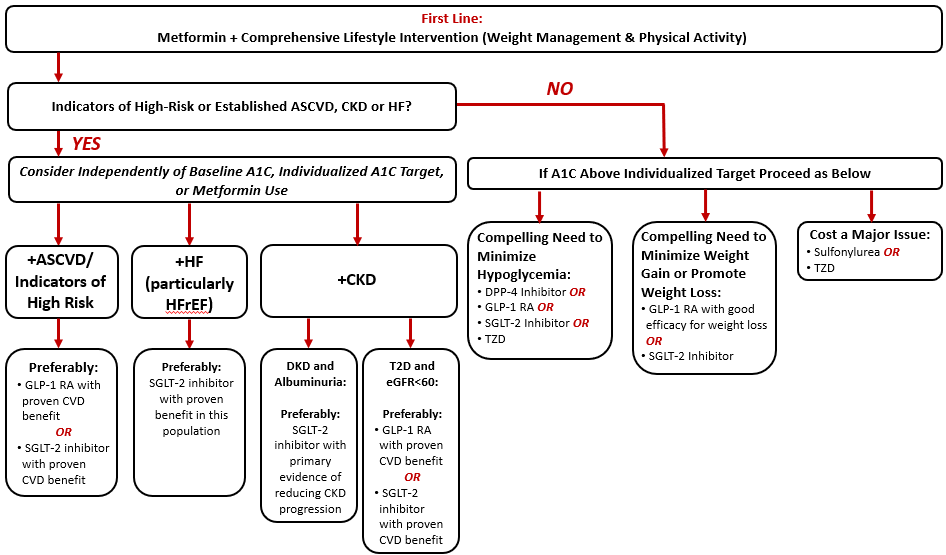
Methods This narrative review compares the relative effects of glycated hemoglobin (HbA1c) reduction on the cardiovascular protection provided by GLP -1RAs and SGLT2is in placebo-controlled cardiovascular outcome trials by using the results of either post-hoc mediation analyses or meta-regression studies.
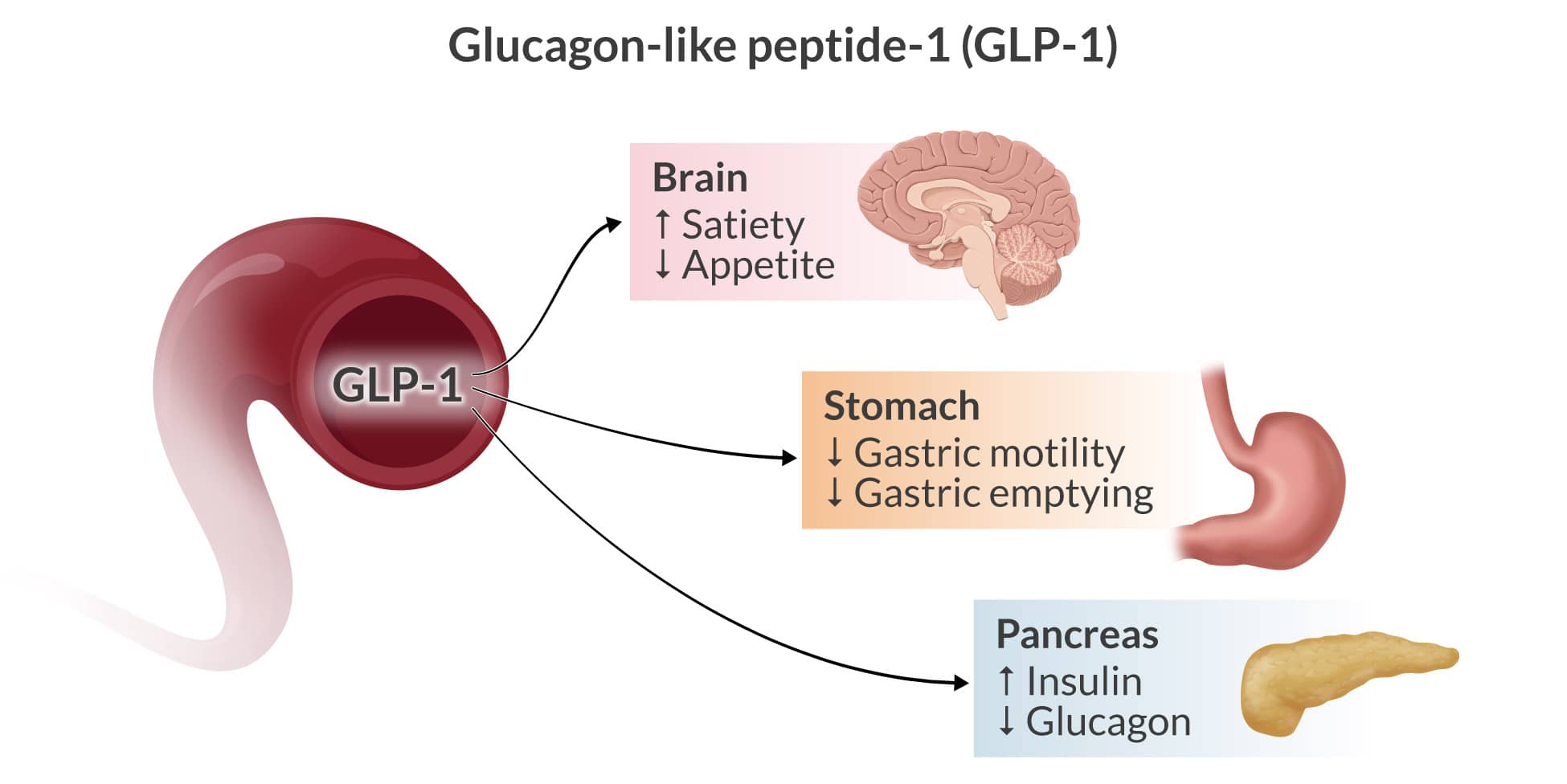
The effects of GLP

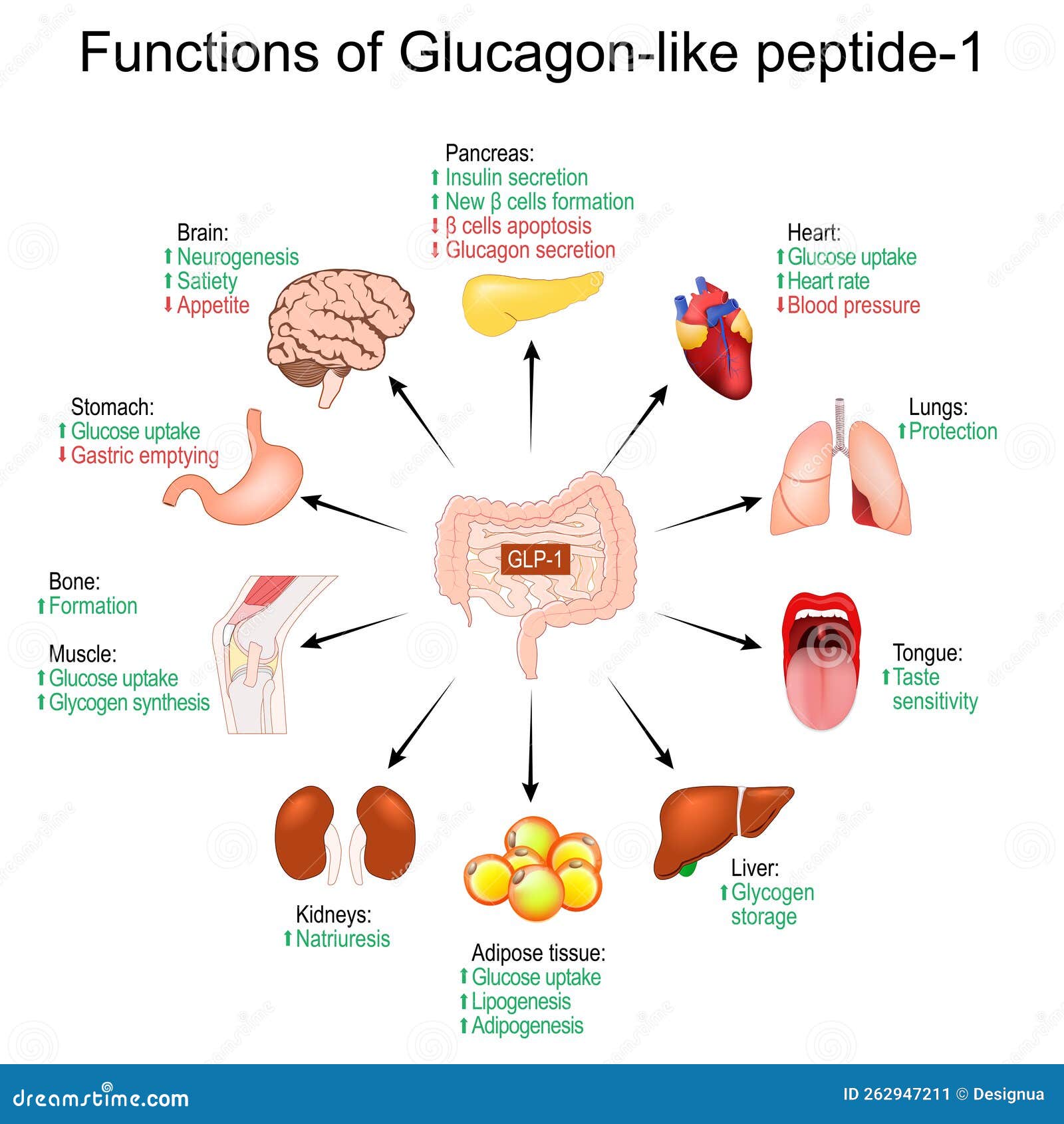
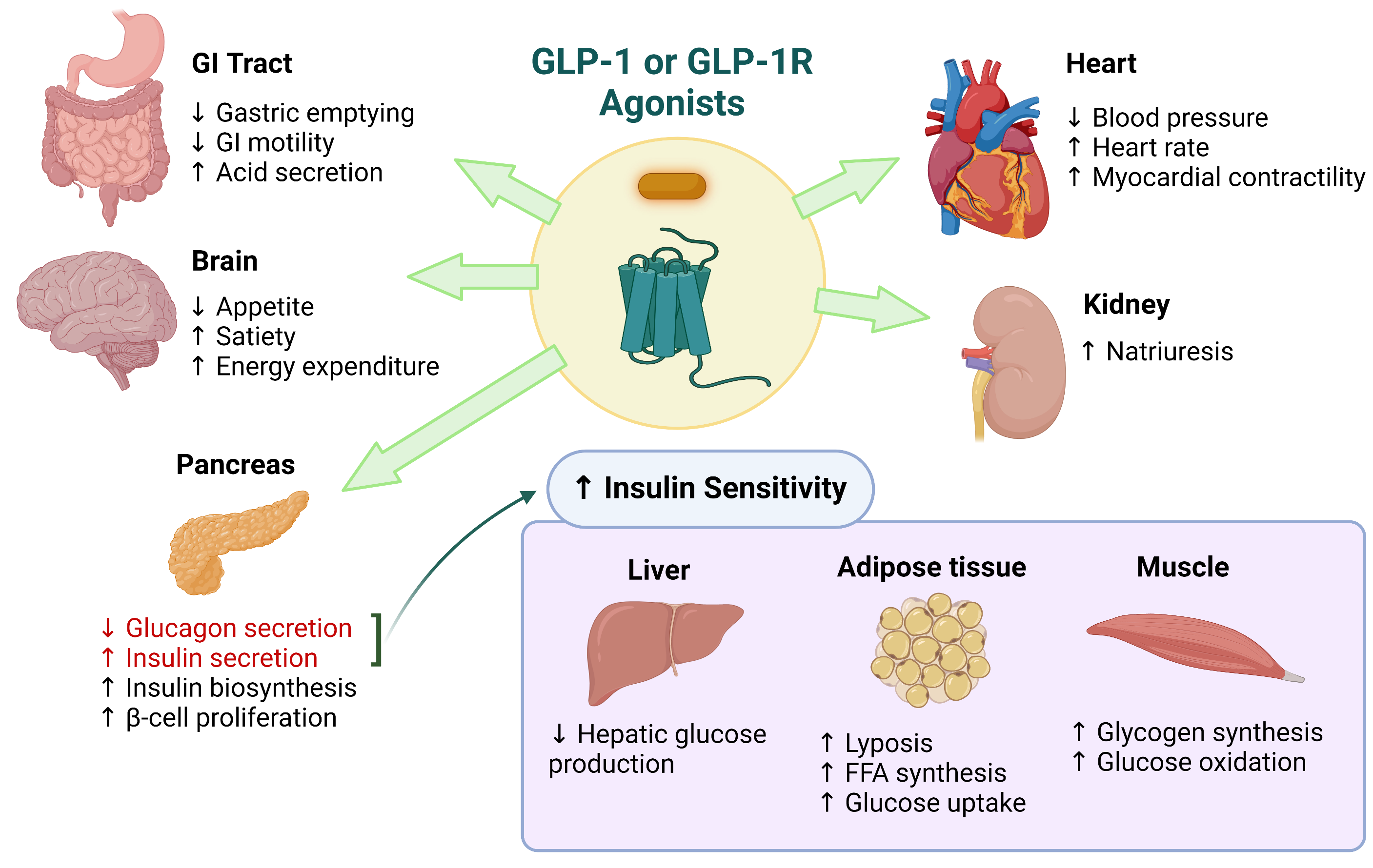
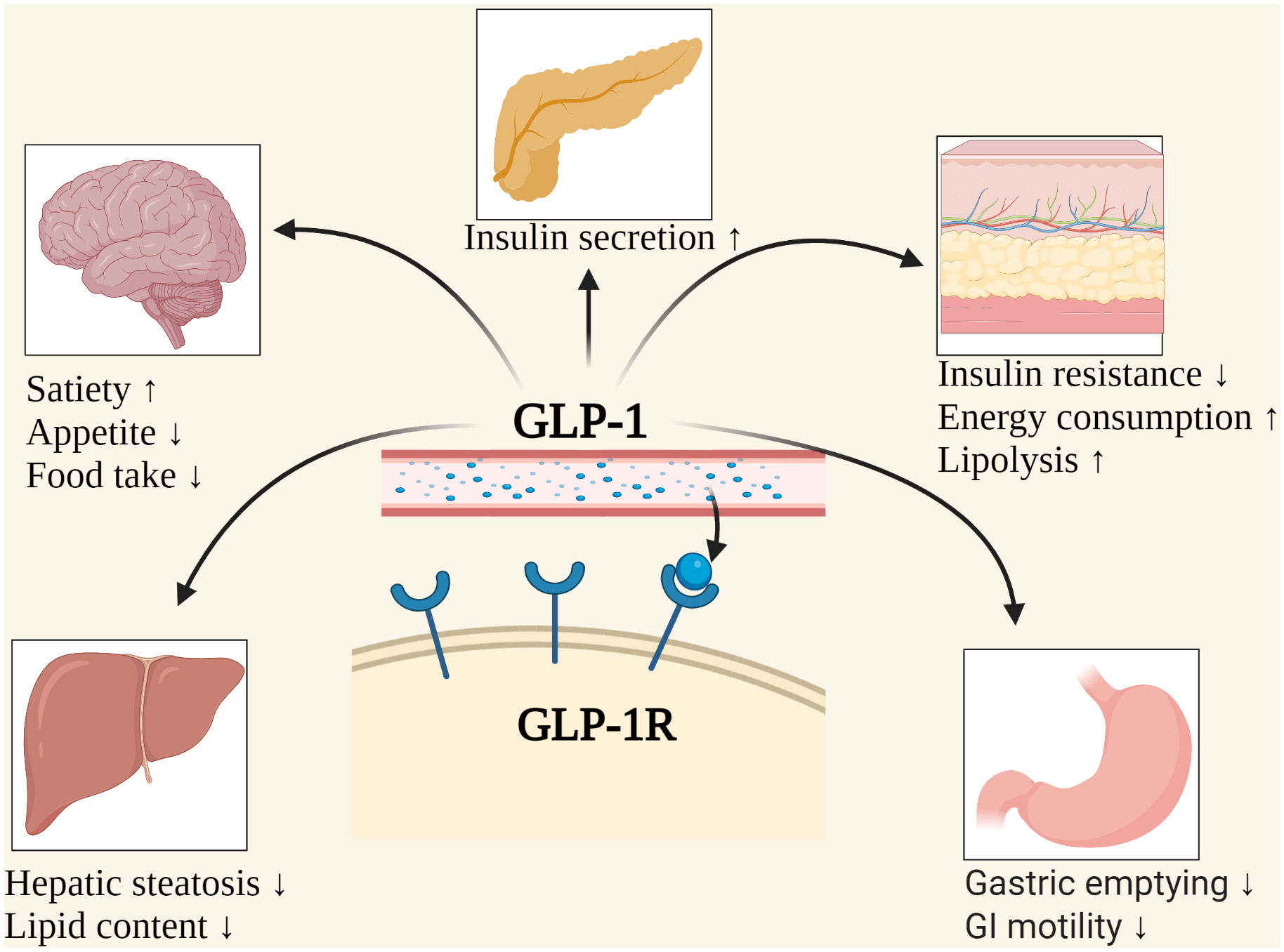
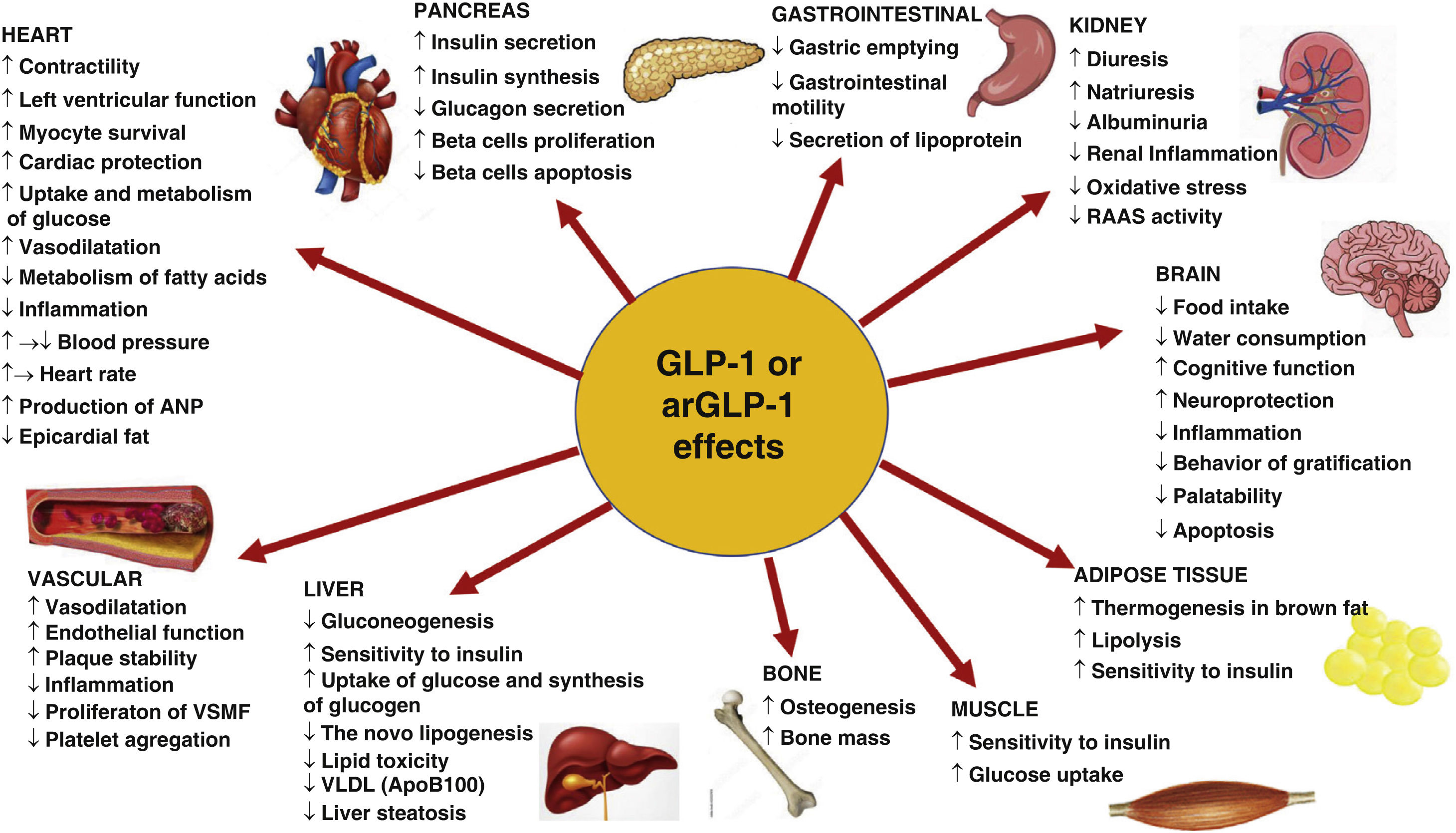
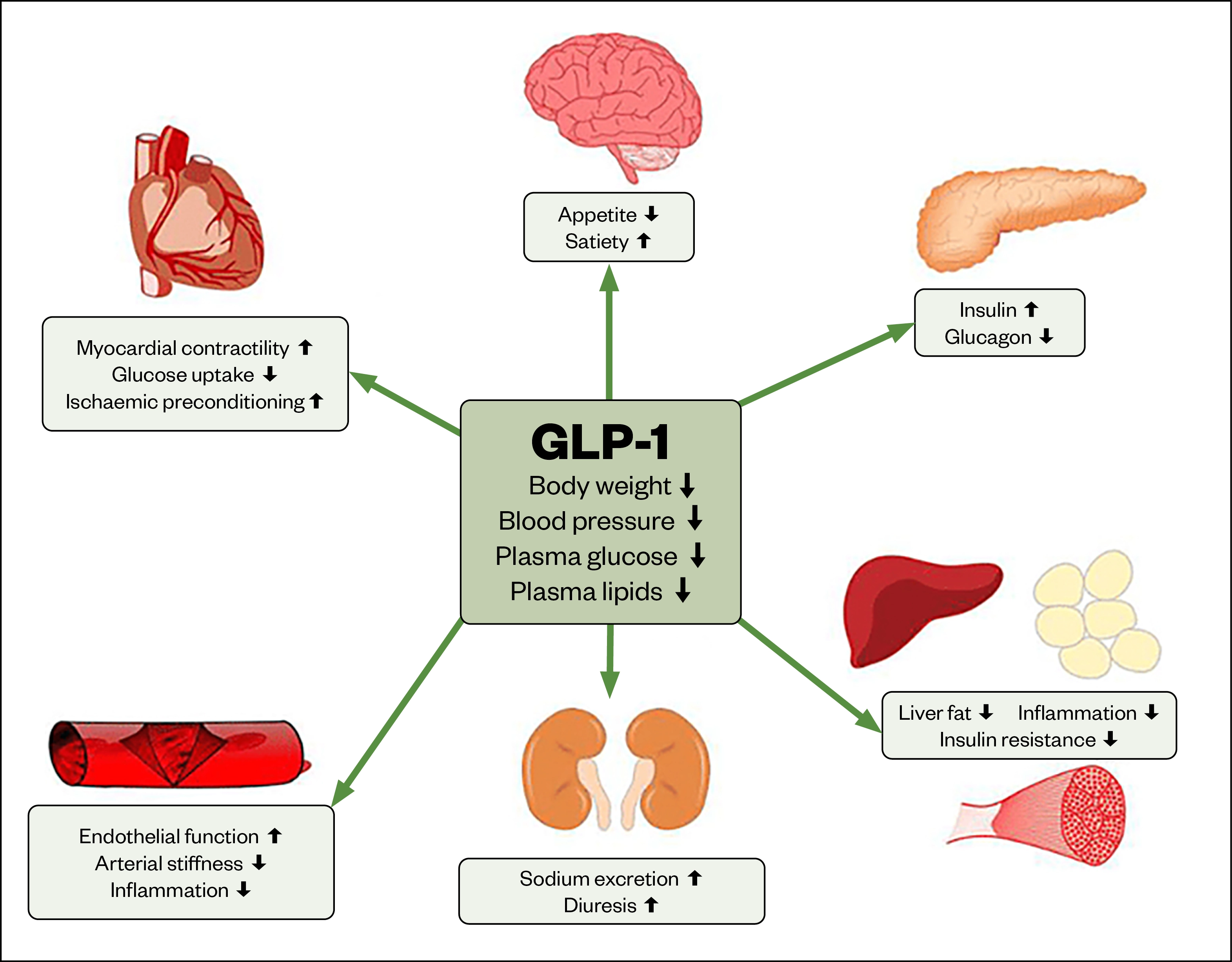
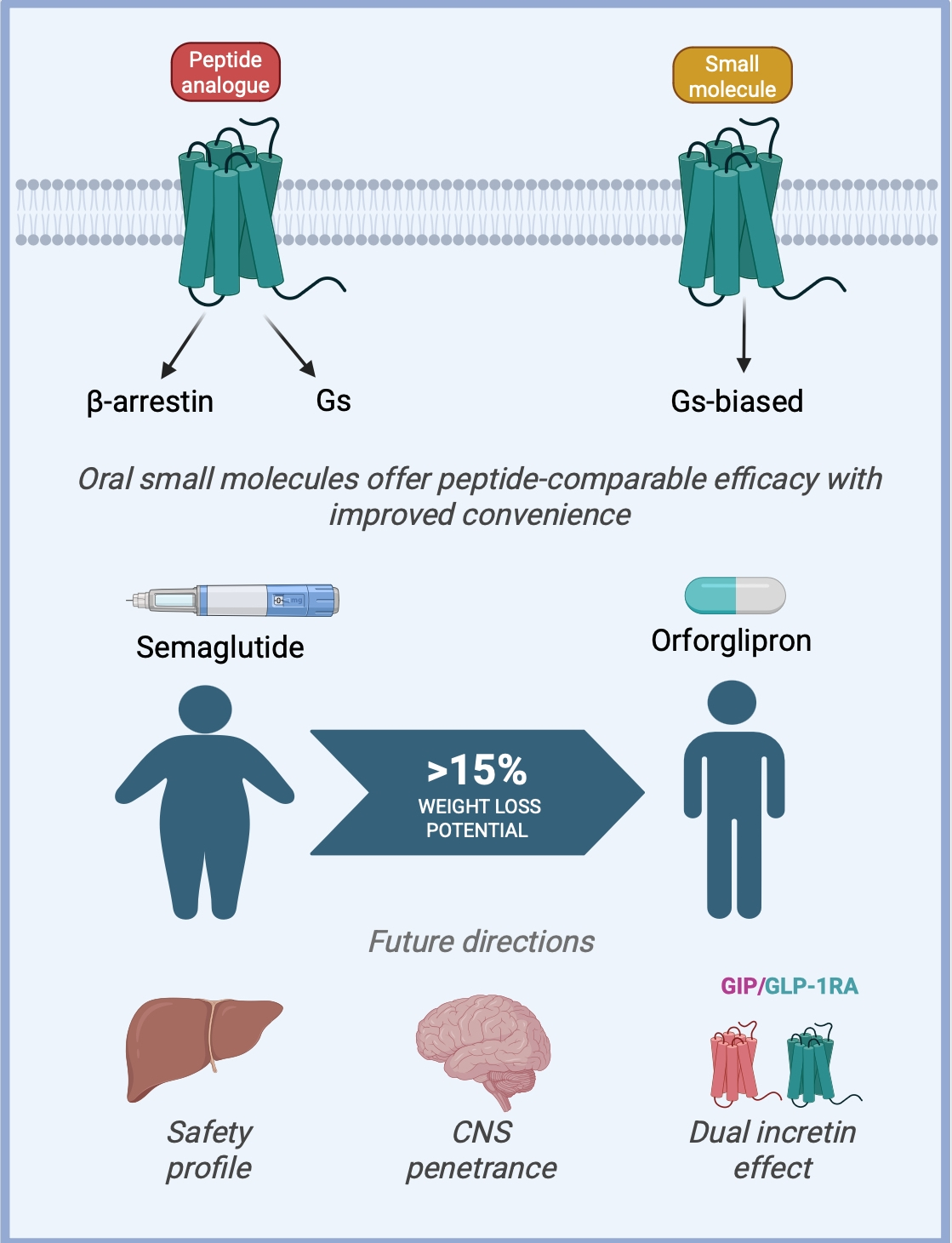
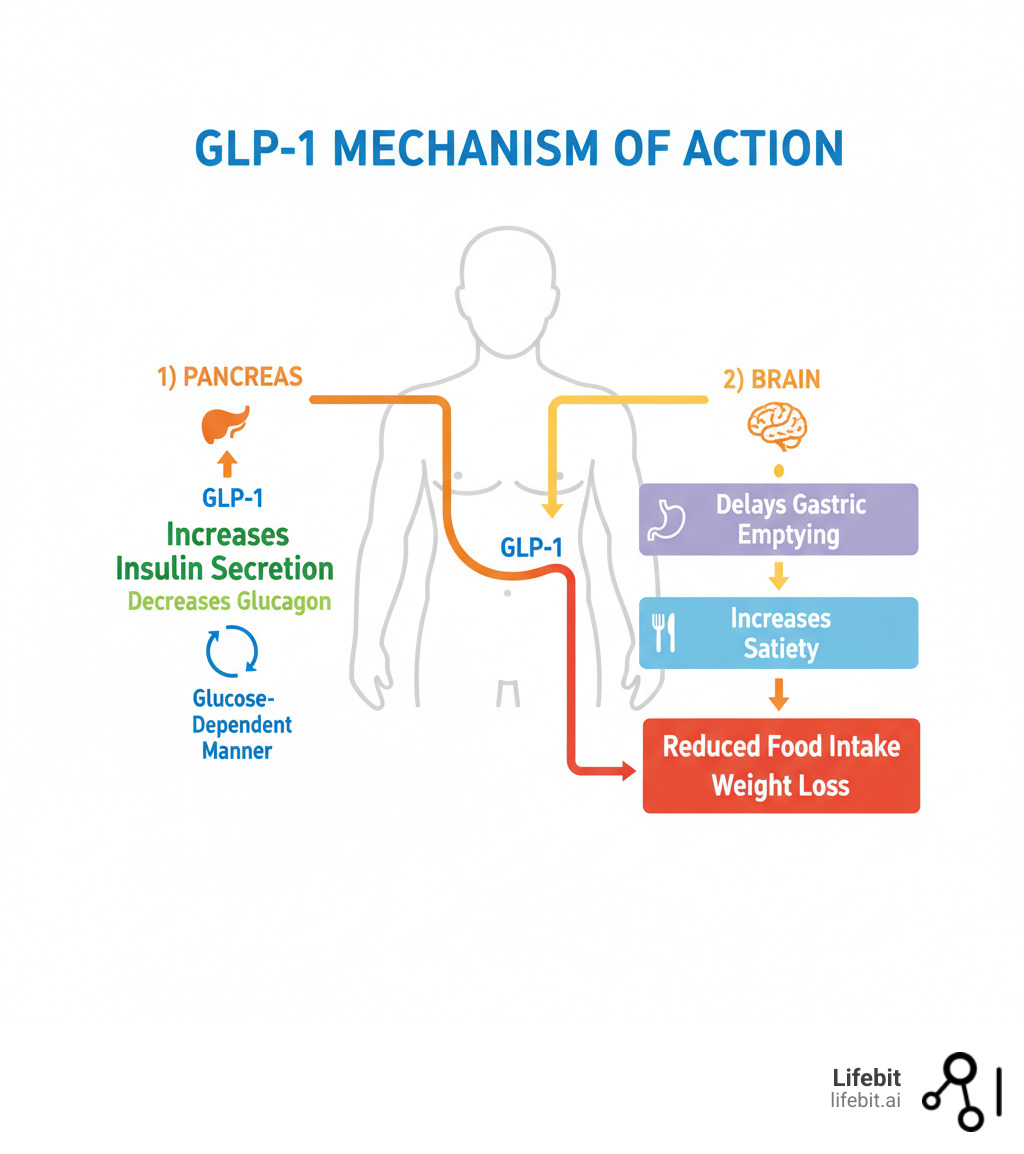
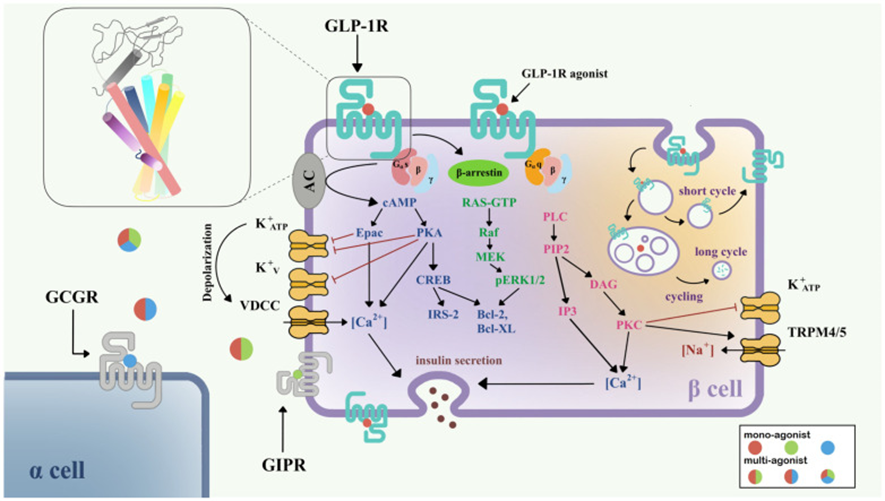
Furthermore, visual representations like the one above help us fully grasp the concept of Glp 1 Improved Hemoglobin A1C.
We searched PubMed, Cochrane Library, and Google Scholar for articles investigating the effects of GLP-1 agonists on the HbA1 c and total daily insulin dose without limitation to the publication date. The keywords used were GLP-1 agonists, liraglutide, albiglutide, exenatide, glycated hemoglobin , HbA1c, insulin dose, and glycemic control.
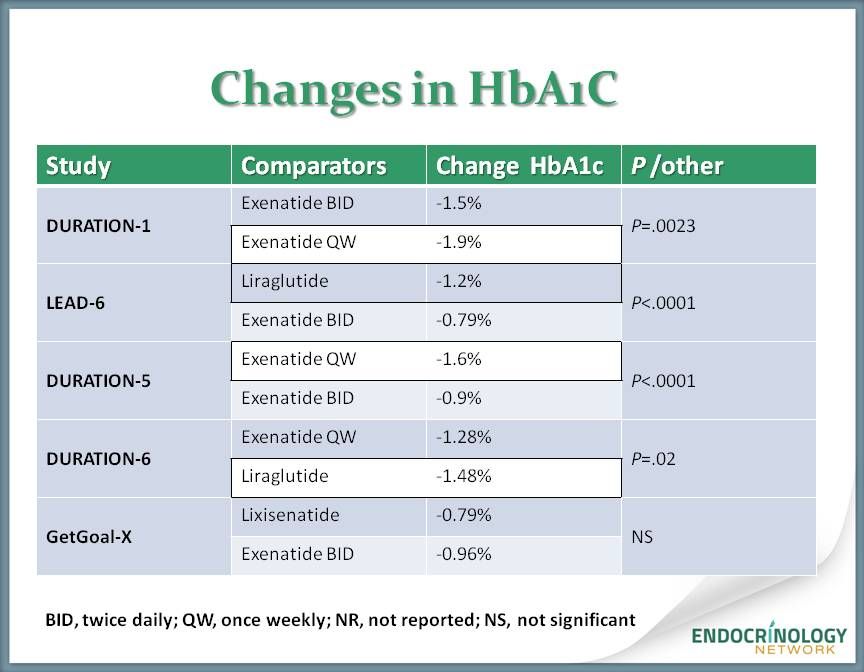
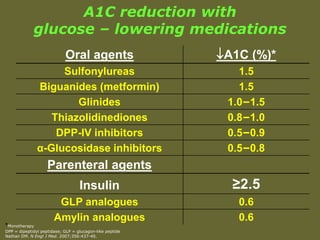
Injectable GLP-1 agonists can improve a patient's A1c by 0.8% to 1.5% from baseline, with some patients experiencing improvements of up to 2%. The most recent and highest quality study, a systematic review and network meta-analysis published in 2024 in the Annals of Internal Medicine 1 , supports the use of GLP-1 agonists as a effective ...
The first-in-class glucose-dependent insulinotropic polypeptide (GIP), glucagon-like peptide-1 receptor ( GLP-1 ), and glucagon triple hormone receptor retatrutide lowered hemoglobin A 1C (HBA 1c) levels and weight in patients with type 2 diabetes, according to topline results from a phase 3 clinical trial.

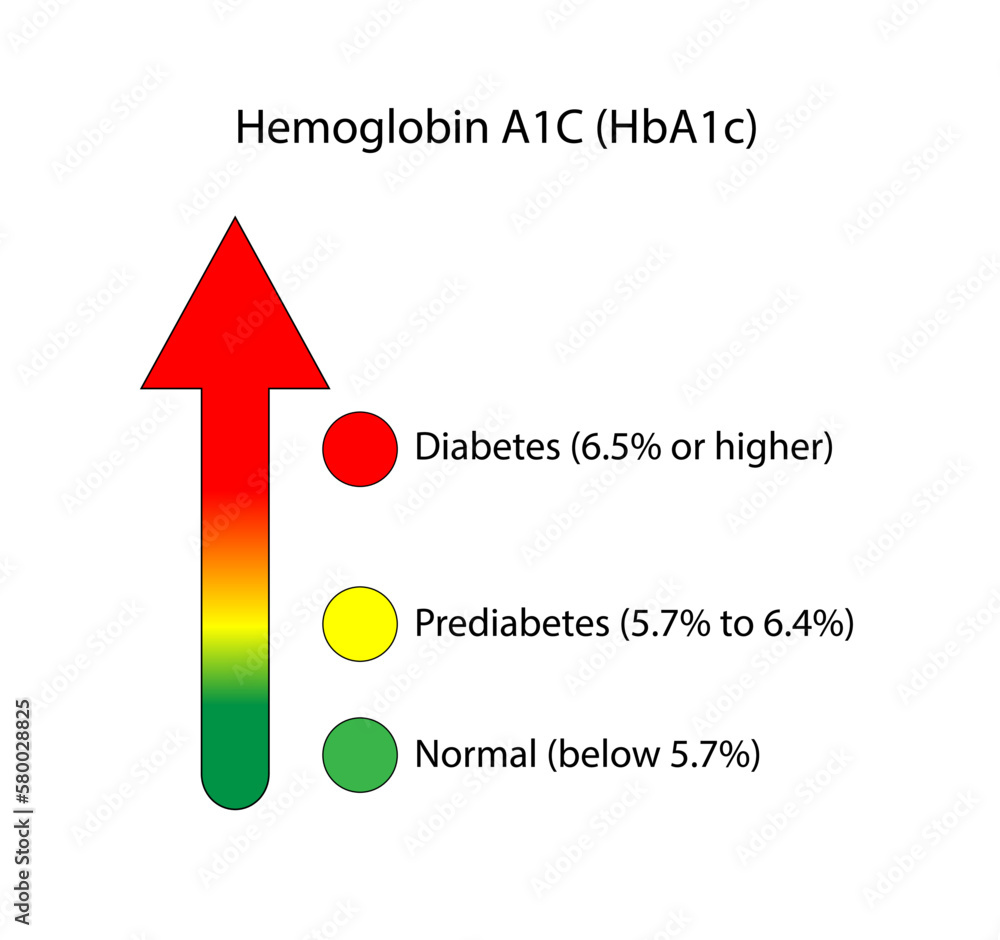
Cholesterol Changes on GLP-1 What Is A1C and Why Does It Matter on GLP-1 ? Hemoglobin A1C (also called HbA1c or glycated hemoglobin ) measures the percentage of your red blood cells that have sugar molecules attached to them. Because red blood cells live approximately 90-120 days, A1C provides a rolling 3-month average of your blood sugar levels.
Effect of Hemoglobin A1c Reduction or Weight Reduction on Blood ...
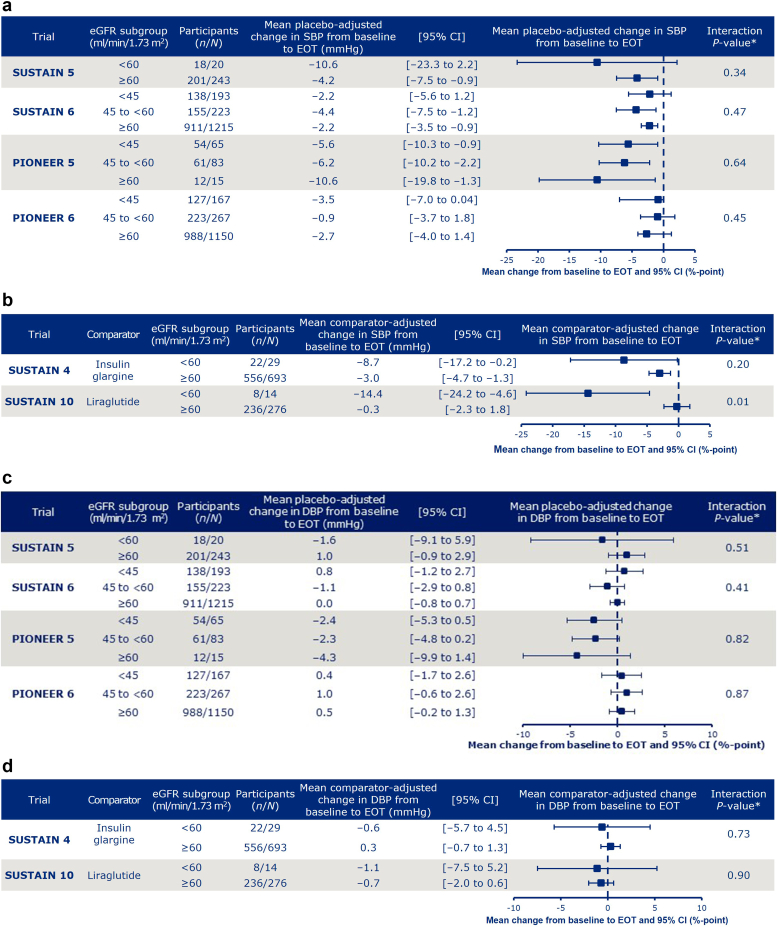
This study aims to evaluate the effect of hemoglobin A1c reduction or body weight reduction with GLP ‐ 1 RA treatment and SGLT 2i treatment on BP changes in patients with type 2 diabetes mellitus.
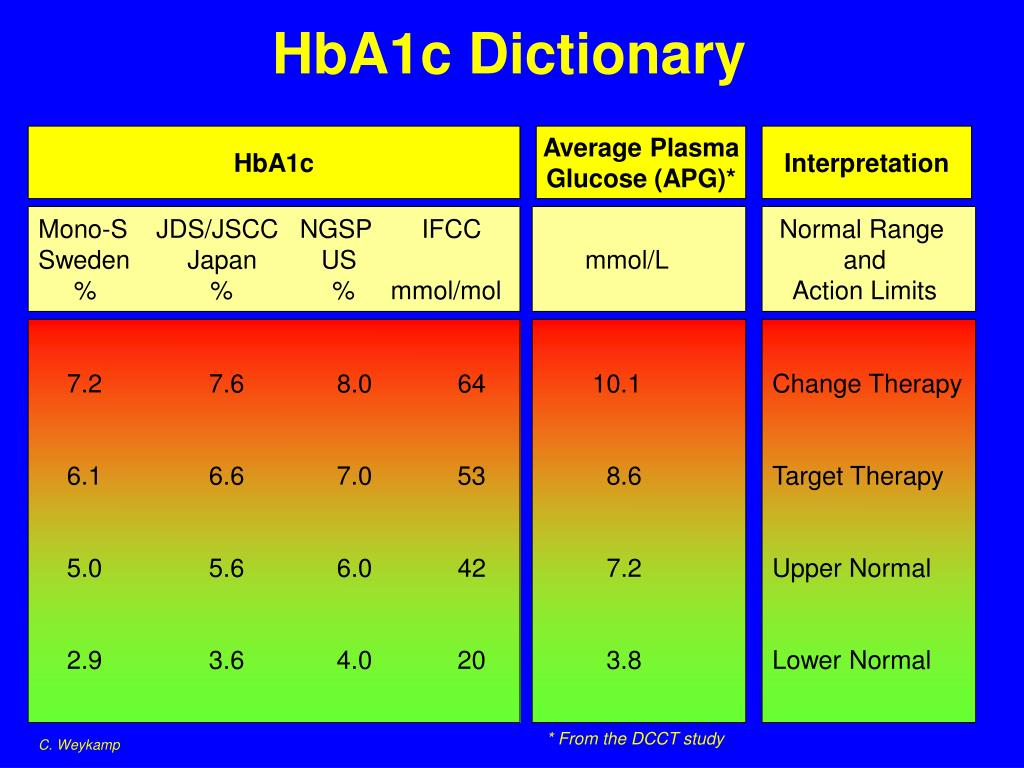
Such details provide a deeper understanding and appreciation for Glp 1 Improved Hemoglobin A1C.
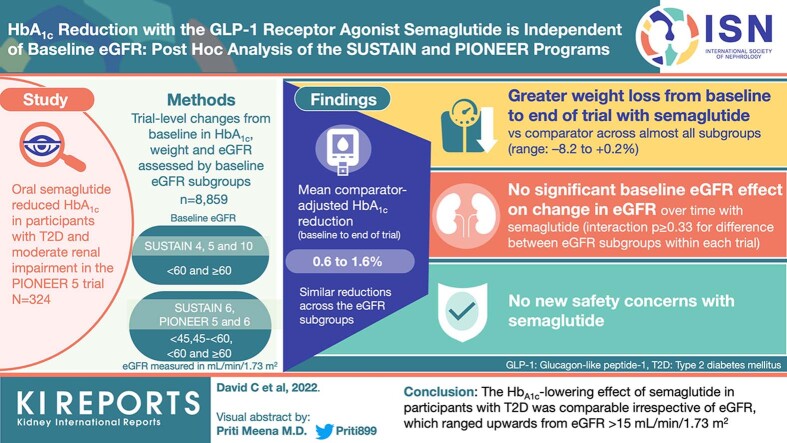
Introduction: Glucagon-like peptide-1 receptor agonists ( GLP -1RAs) are effective treatments for reducing hemoglobin A1c (HbA1c) in people with type 2 diabetes (T2D), including those with reduced kidney function. Methods: This post hoc analysis assessed the HbA1c-lowering efficacy of semaglutide, a GLP -1RA, in participants with a range of kidney functions in the SUSTAIN 4-6 and 10 (subcutaneous ...
A1C and GLP
Learn what hemoglobin A1C measures, how GLP-1 medications affect A1C levels, why monitoring matters, and what your numbers mean for diabetes risk and metabolic health.
A target A1C of <7% is the recommended goal for most people with type 2 diabetes. However, many are not achieving this target with their current treatment. Glucagon-like peptide 1 ( GLP-1 ) receptor agonists are highly efficacious in achieving glycemic control and could aid primary care providers (PCPs) in getting patients to their A1C target. However, despite their potential, use of GLP-1 ...