Reflections on the discovery GLP
Scientists were chasing an incretin hormone, and when GLP-1 was finally discovered, we found that it had a pronounced satiety effect, slowed down gastric emptying, and actually reduced ...
The pivotal discovery of GLP-1 was followed by the discovery of GLP-1 being a satiety hormone in humans acting on the brain and exerting a pronounced slowing of gastric emptying leading to weight ...
Reflections on the discovery GLP
Abstract Scientists were chasing an incretin hormone, and when GLP-1 was finally discovered, we found that it had a pronounced satiety effect, slowed down gastric emptying, and actually reduced postprandial insulin response. These mechanisms are the basis for the highly efficacious GLP-1 analogues that today offer safe and effective treatment in millions of people living with obesity. Moreover ...
Initial evidence that GLP
Glucagon-like peptide 1 ( GLP-1 ) has incretin effects that are well-documented, but the independent role of GLP-1 action in human satiety perception is debated. We hypothesized that blockade of GLP-1 receptors would suppress postprandial satiety and ...

Furthermore, visual representations like the one above help us fully grasp the concept of Glp 1 Deficiency And Satiety.
We highlight the brain mechanisms of GLP -1RA-induced satiation and satiety , including cognitive impacts, with an emphasis on animal studies of hypothalamic glucagon-like peptide-1 receptor ( GLP -1R) and GLP -1R-expressing neurons. Actions in non-hypothalamic regions are also discussed.
Overview of Glp-1 Deficiency And Satiety
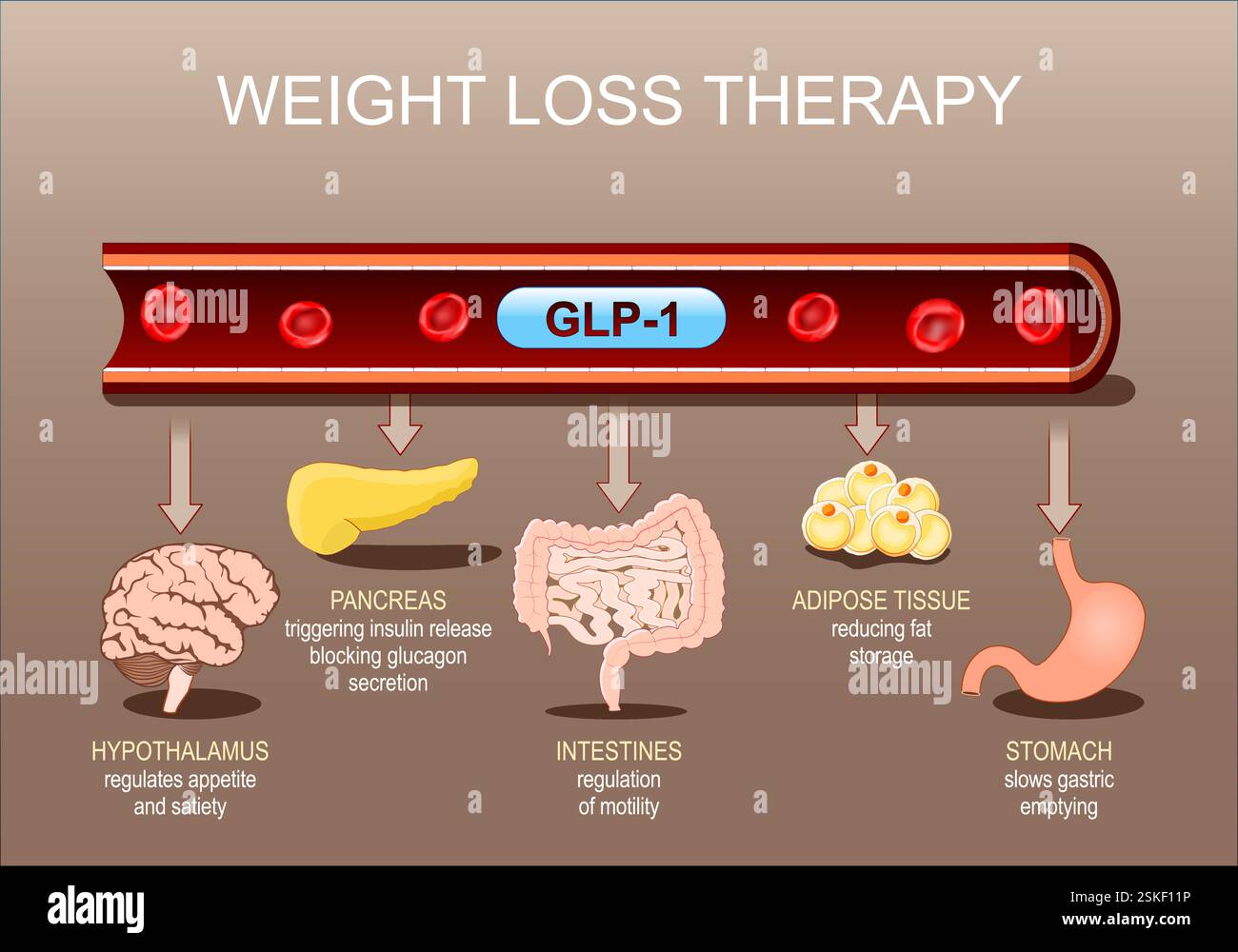
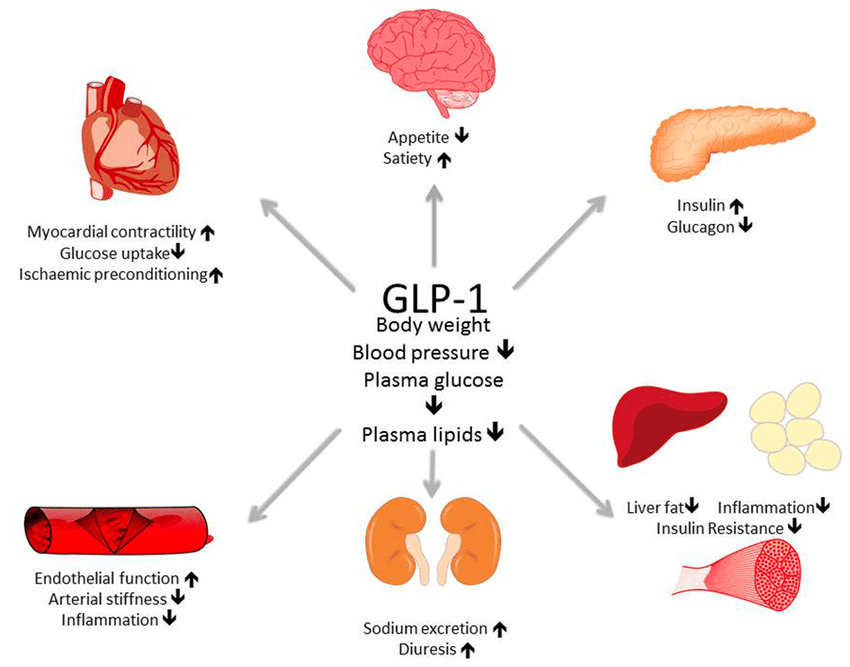
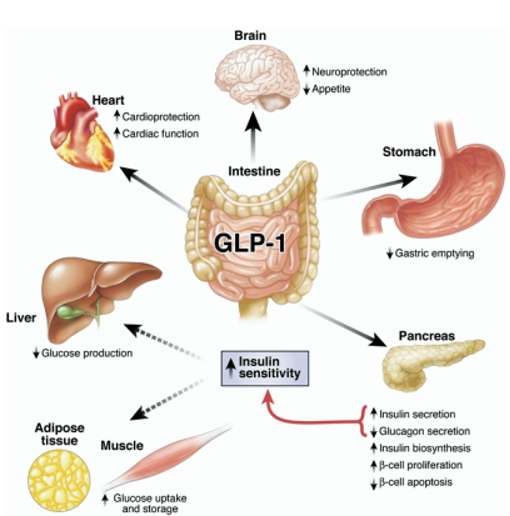
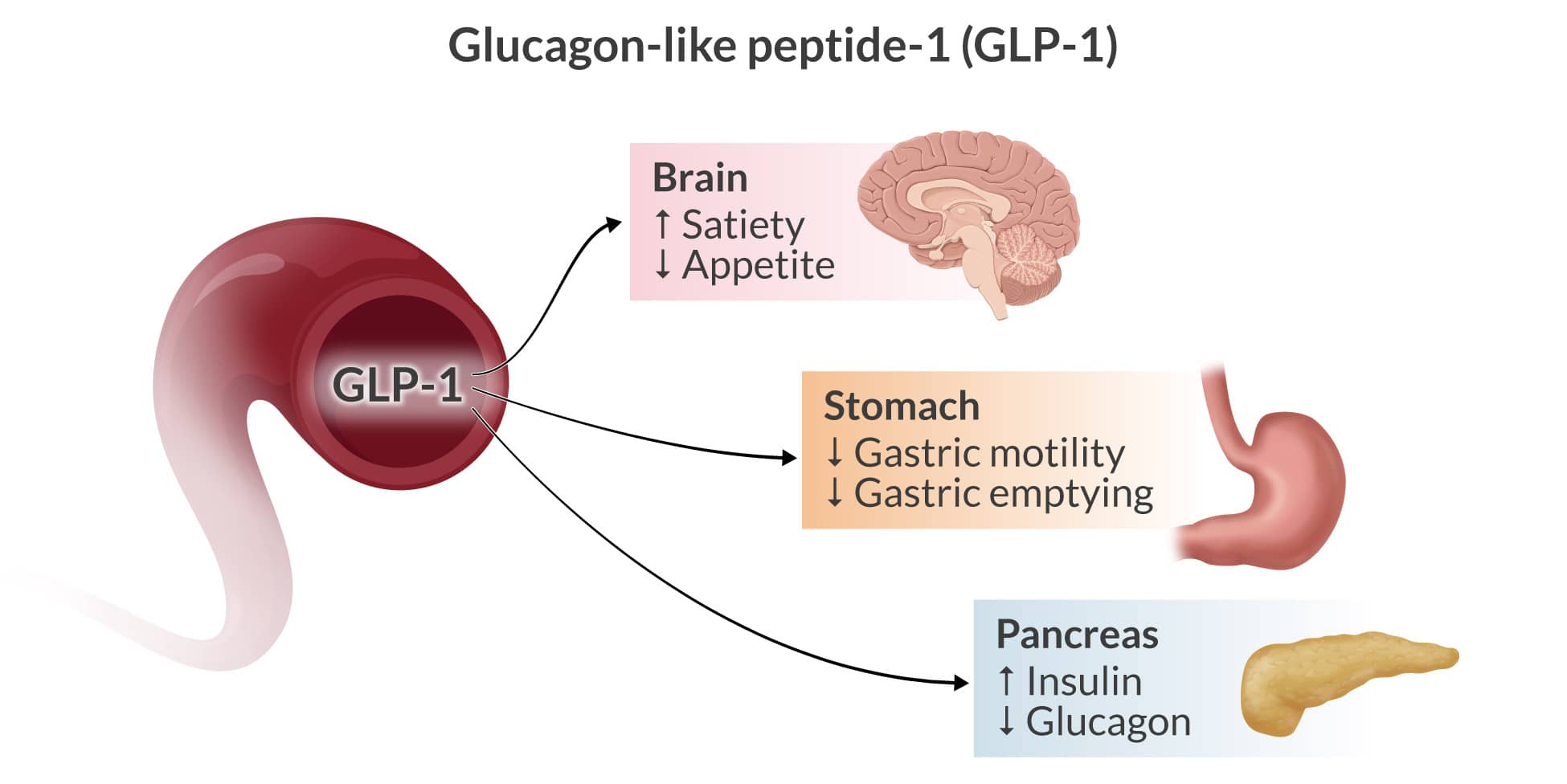
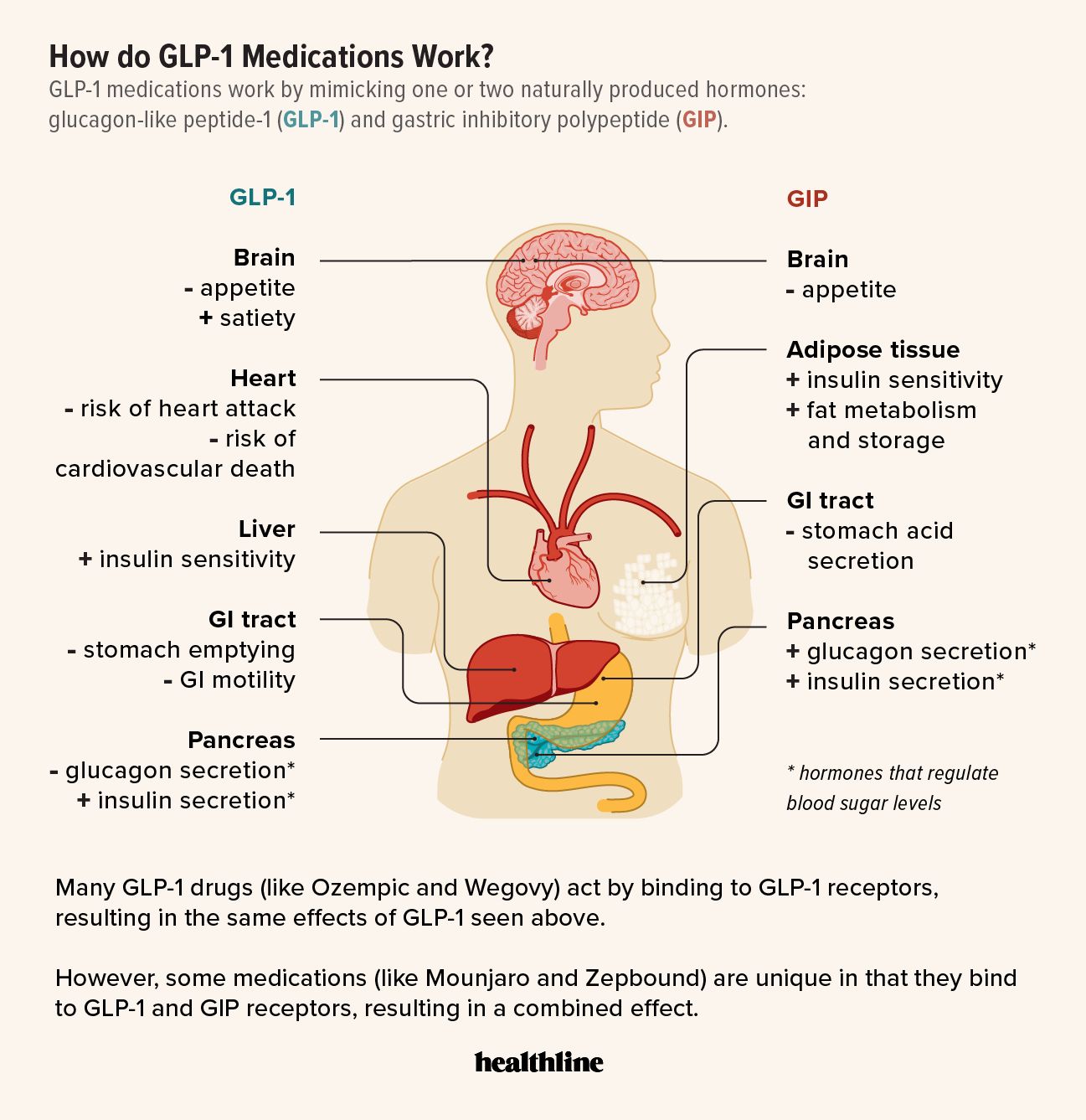
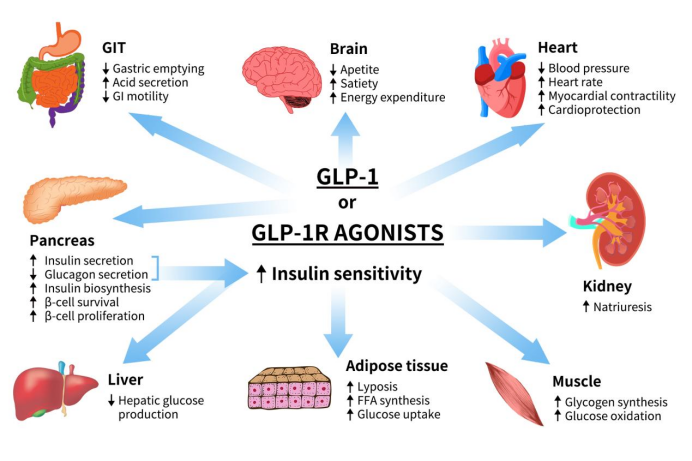
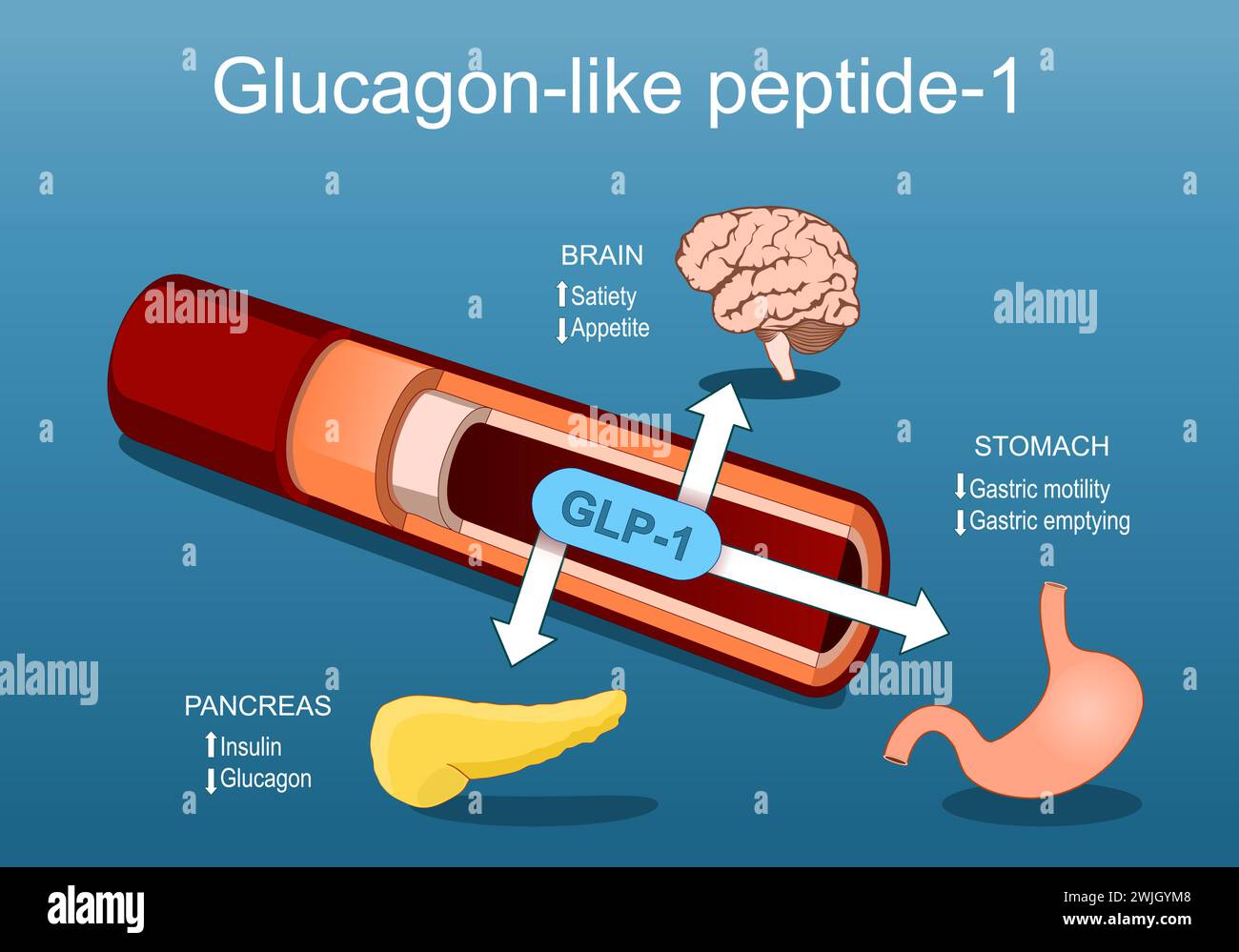
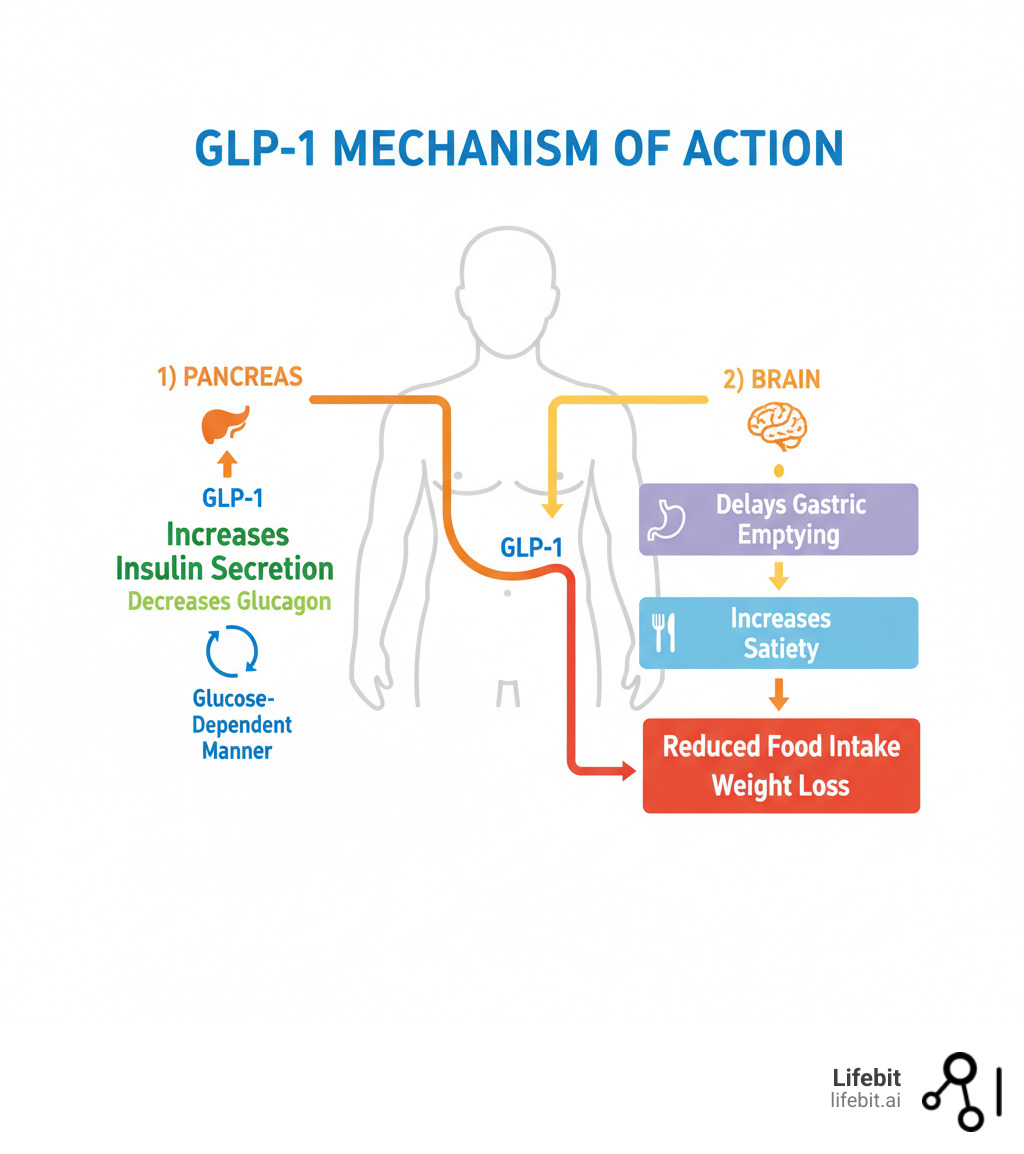
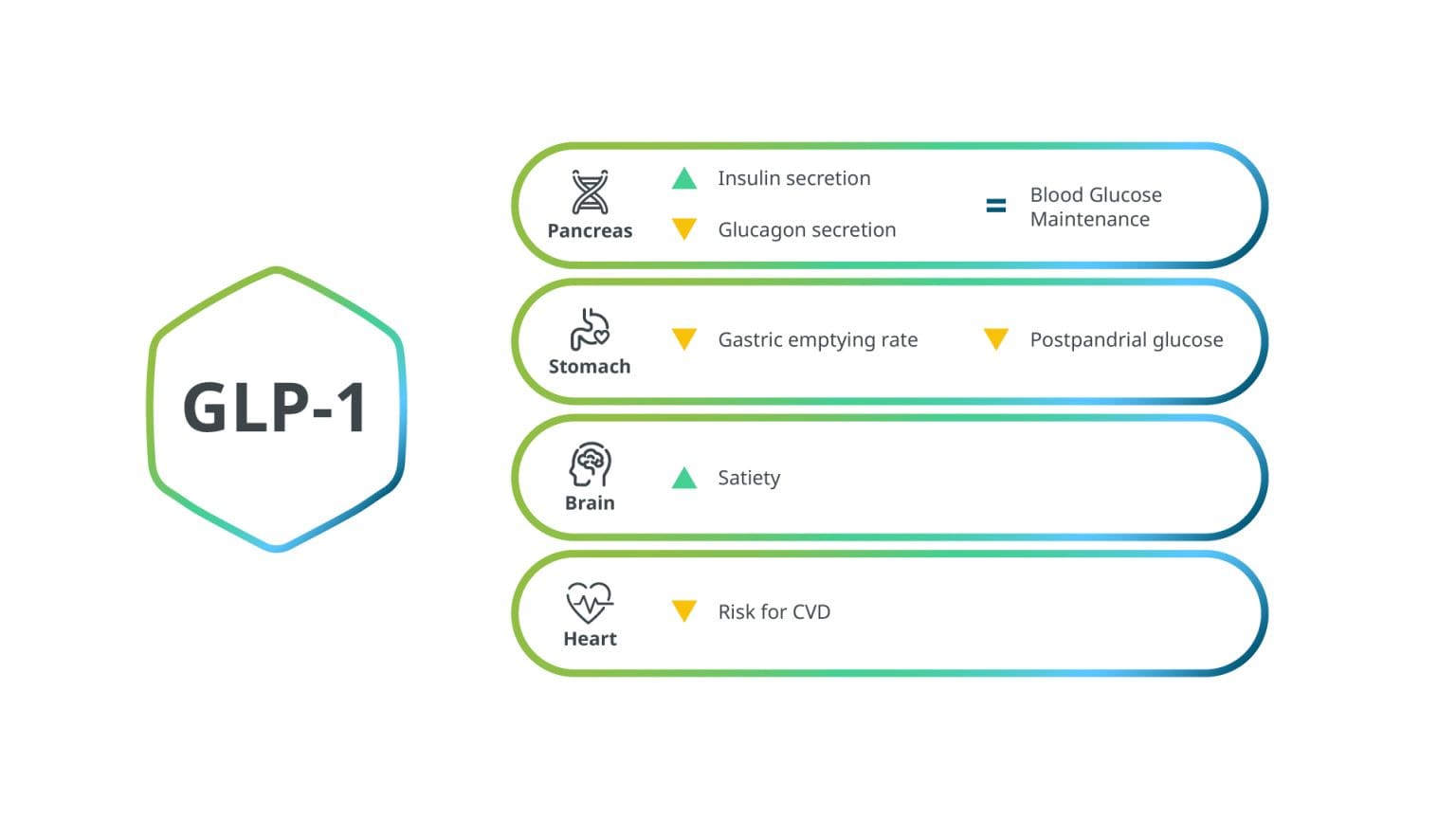
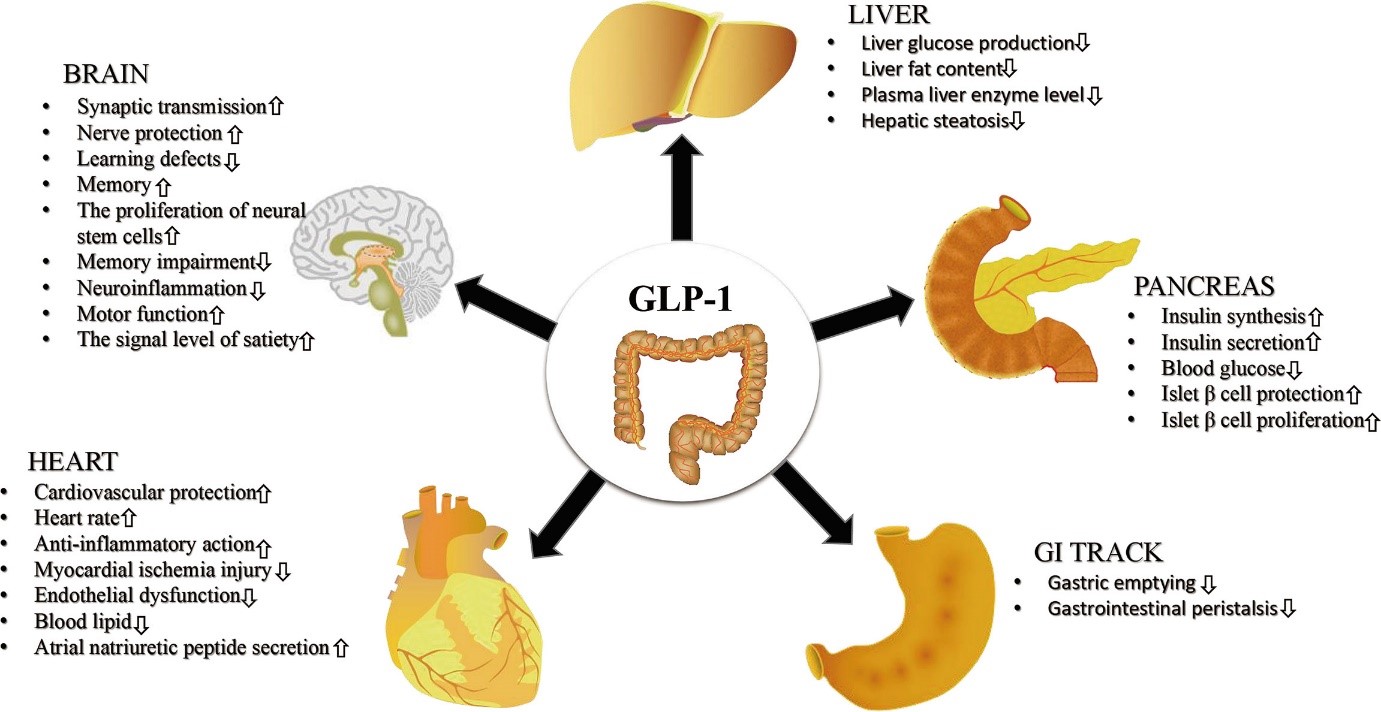
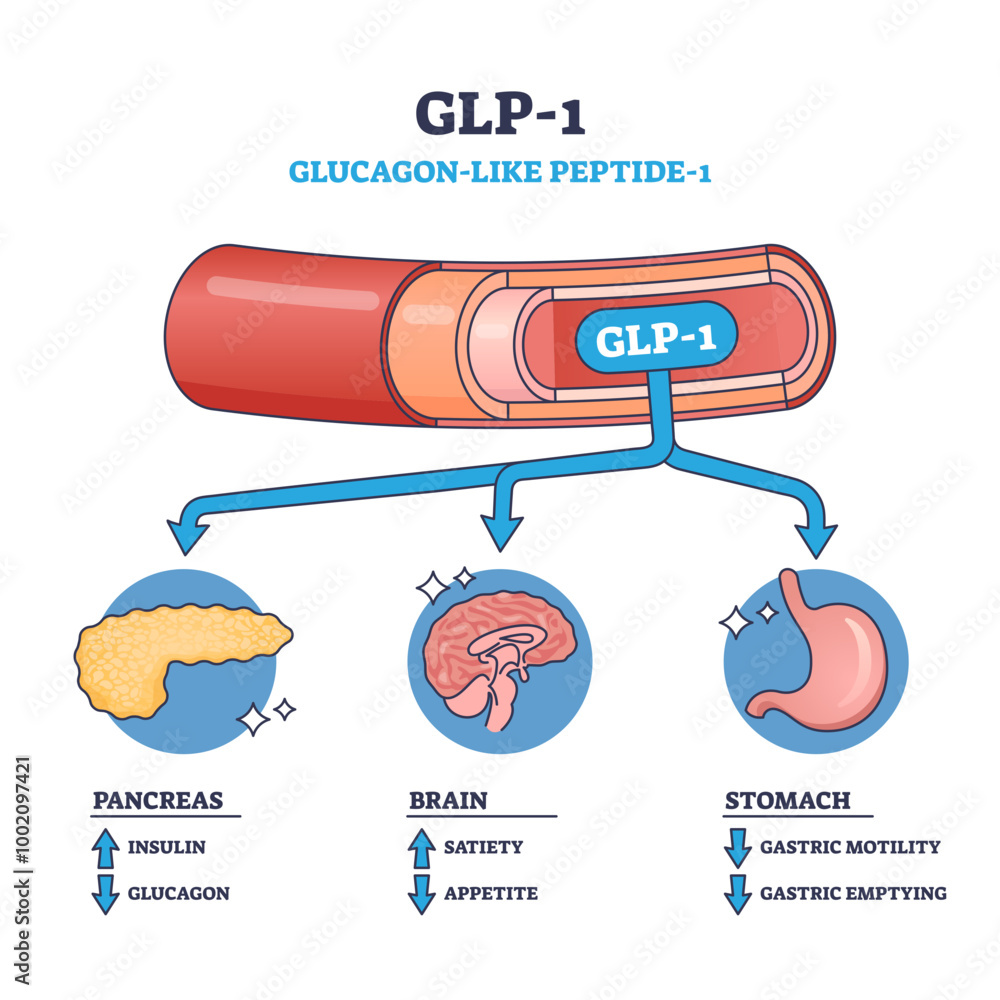
Glucagon-like peptide-1 ( GLP-1 ) plays a pivotal role in glucose homeostasis by enhancing insulin secretion, suppressing glucagon release, delaying gastric emptying, and acting on the central nervous system to regulate satiation and satiety .

Key Details About Glp-1 Deficiency And Satiety
The gut peptide glucagon-like peptide 1(7-36) amide ( GLP-1 ) is released into the circulation after food intake. GLP-1 has been shown to have an incretin effect and inhibits gastrointestinal motility in humans. In rats, intracerebral administration of GLP-1 results in reduced food intake. Obese humans have been found to have an attenuated plasma GLP-1 response to a mixed meal. To approximate ...
Analysis of human and mouse brain samples pinpointed GLP-1 receptor ( GLP -1R) neurons in the dorsomedial hypothalamus (DMH) as candidates for encoding preingestive satiation. Optogenetic manipulation of DMH GLP -1R neurons caused satiation. Calcium imaging demonstrated that these neurons are actively involved in encoding preingestive satiation.
More Context About Glp 1 Deficiency And Satiety
Glucagon-like peptide-1. weight loss. Physiological functions of GLP-1. It gives the article a little more context before the image collection begins.
Weight loss therapy and GLP-1. Gastrointestinal hormones. Role of. This note connects the source idea with the visuals in a simple, reader-friendly way.
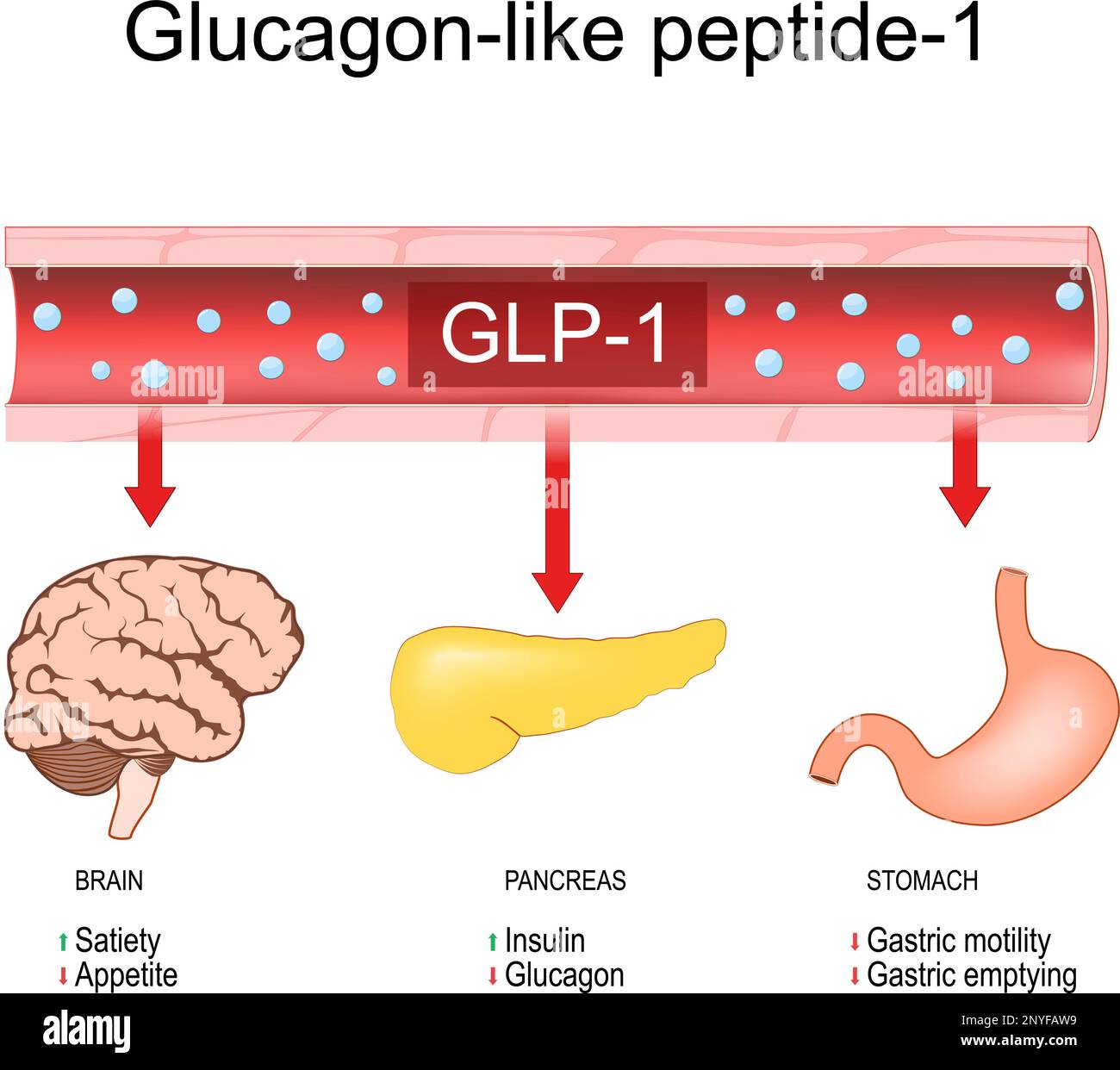
Glucagon-like peptide-1. GLP-1 from blood vessel to pancreas, brain and. The extra context helps the page feel more useful without forcing the same phrase repeatedly.