Psychiatric effects of GLP
Research examining off-label use in psychiatric populations, such as those with major depressive disorder , anxiety disorders and obsessive-compulsive spectrum disorders , may help clarify the broader therapeutic potential of GLP -1RAs.
Glucagon-like peptide-1 receptor agonists ( GLP -1RAs) have recently received Food and Drug Administration (FDA) approval for obesity management. However, the causal relationship between GLP -1RAs and psychiatric and neurodevelopmental conditions remains unclear.
Can Ozempic Affect OCD Symptoms
Some people with OCD on social media have shared positive experiences using GLP-1 medications: "I am diagnosed with OCD, anxiety disorder and Semaglutide has drastically reduced my obsessive and compulsive thoughts/behaviors," one user commented.
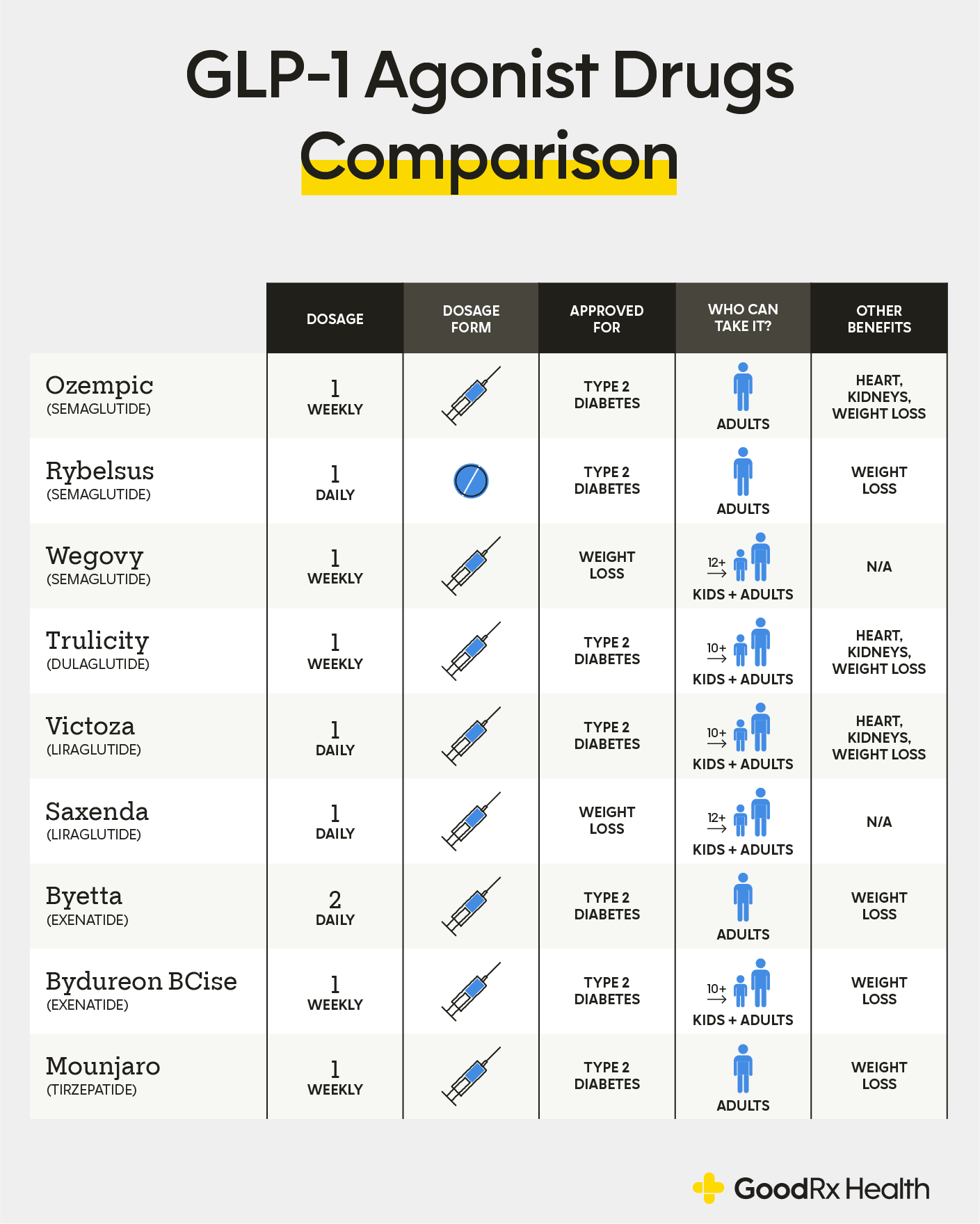
This particular example perfectly highlights why Glp 1 Agonists And Obsessive Compulsive Disorder is so captivating.
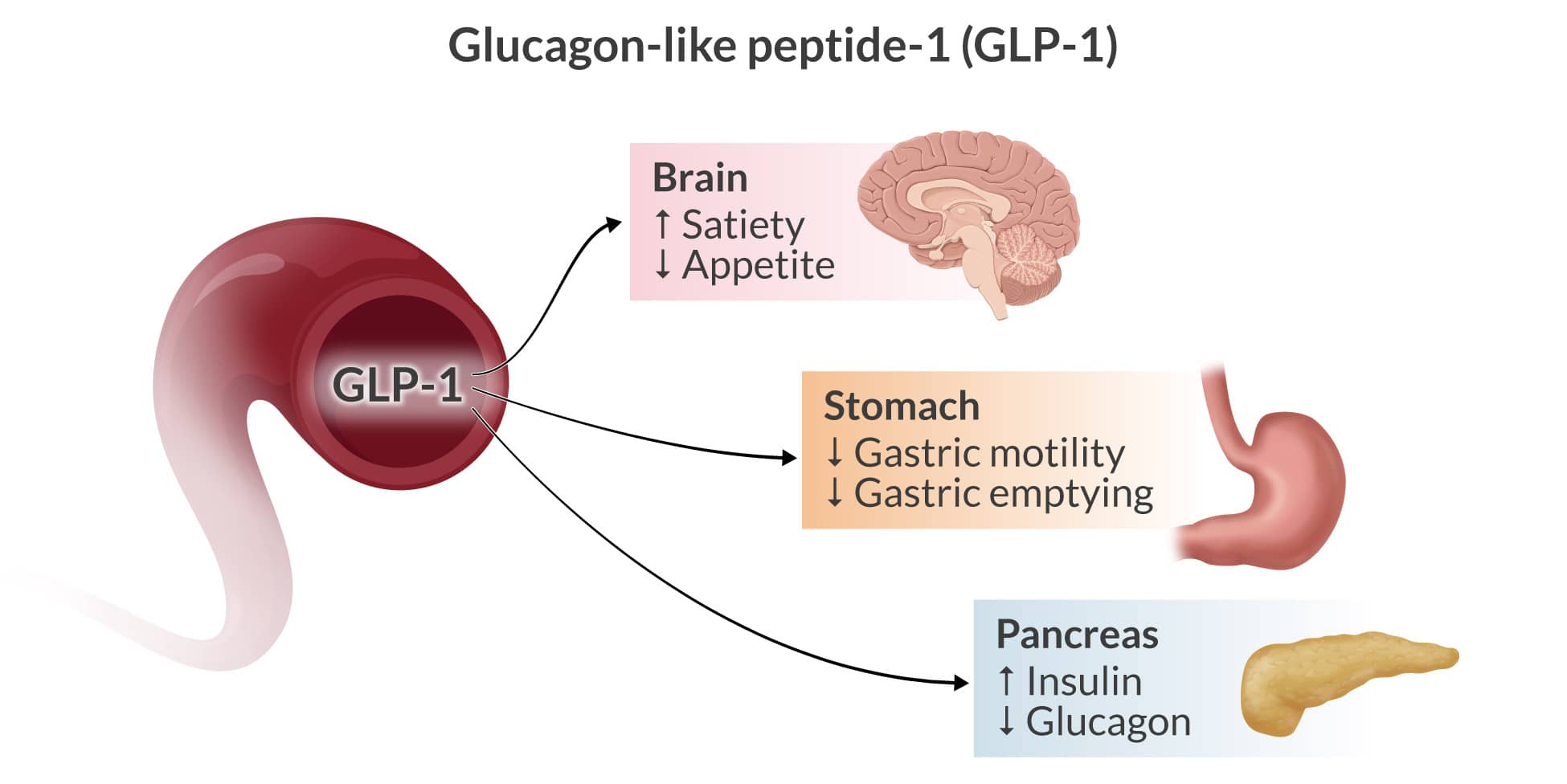
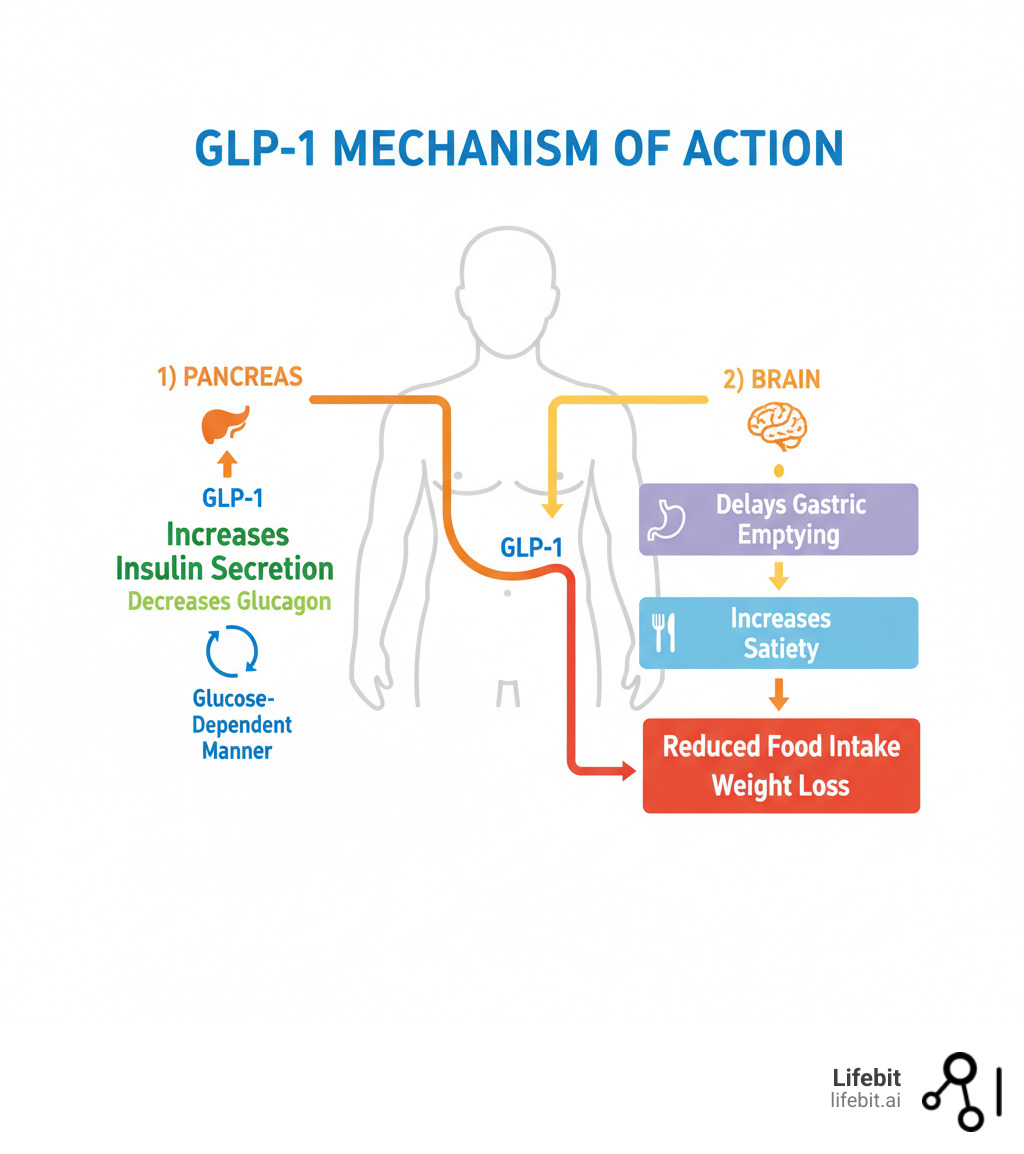
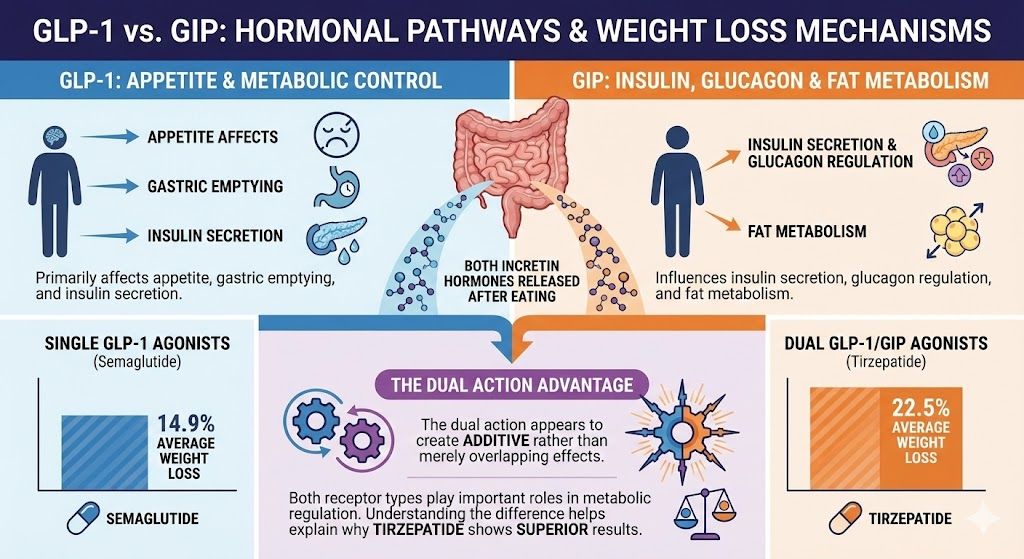
Semaglutide, initially developed to manage blood sugar and aid weight loss in people with type 2 diabetes and obesity, is now being studied for its potential effects on mental health conditions, including Obsessive-Compulsive Disorder (OCD). This medication mimics a natural hormone in the body called GLP-1 (glucagon-like peptide-1), which has multiple effects on the body, such as controlling ...
The Potential Role of GLP
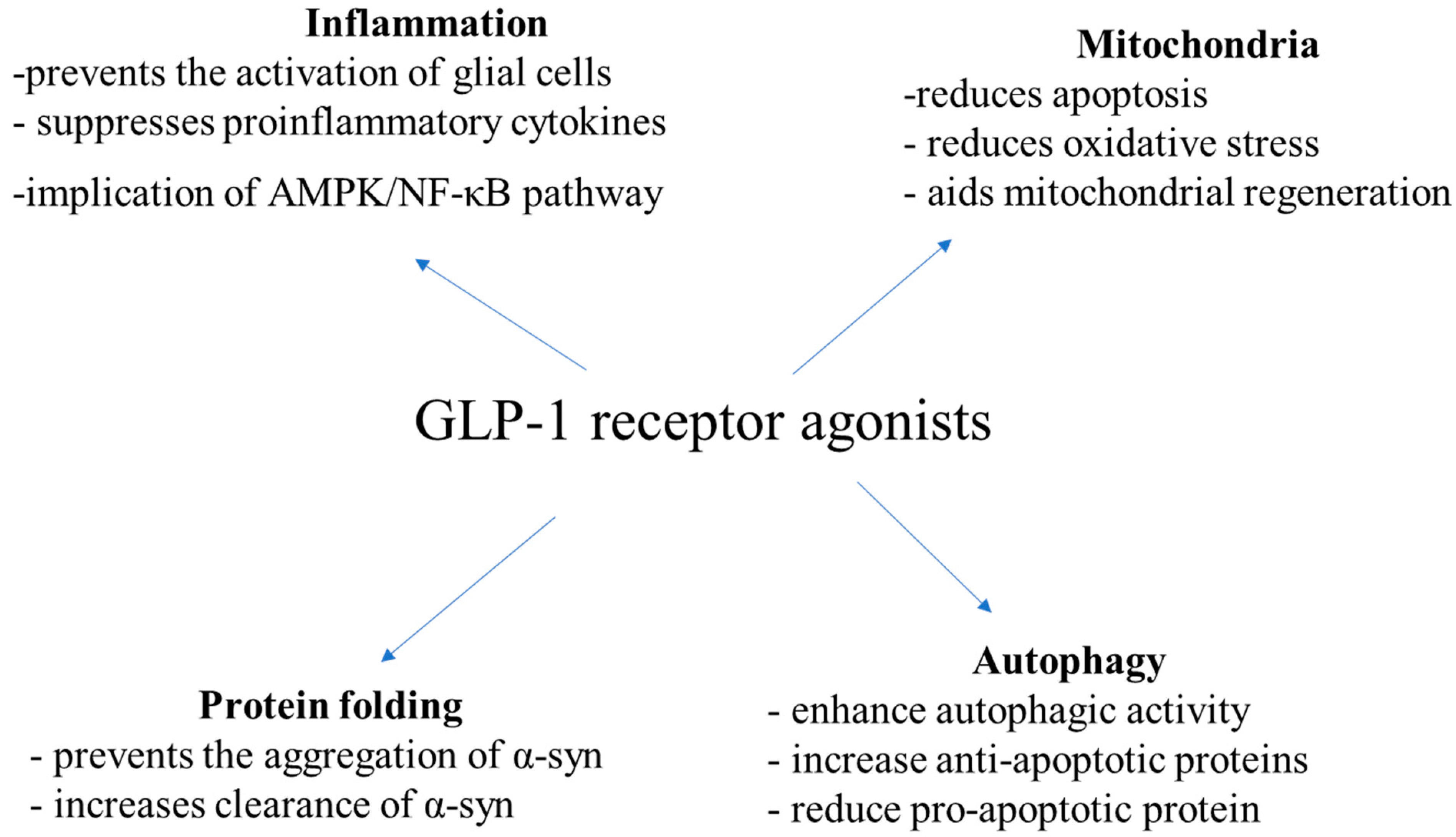
Conclusion In conclusion, the burgeoning evidence supporting the neuropsychiatric effects of GLP-1 RAs heralds a new frontier in mental health treatment. By harnessing the neurobiological pathways modulated by GLP-1 signaling, these agents promise targeted interventions that may address the underlying pathophysiology of psychiatric disorders .
This systematic review examines the current literature on glucagon-like peptide-1 receptor agonists ( GLP -1RAs)-associated psychiatric manifestations, including depression, suicidality, eating disorders , substance use disorders (SUD) and schizophrenia spectrum disorders . A comprehensive literature search was conducted to identify studies evaluating the association between GLP -1RAs and ...

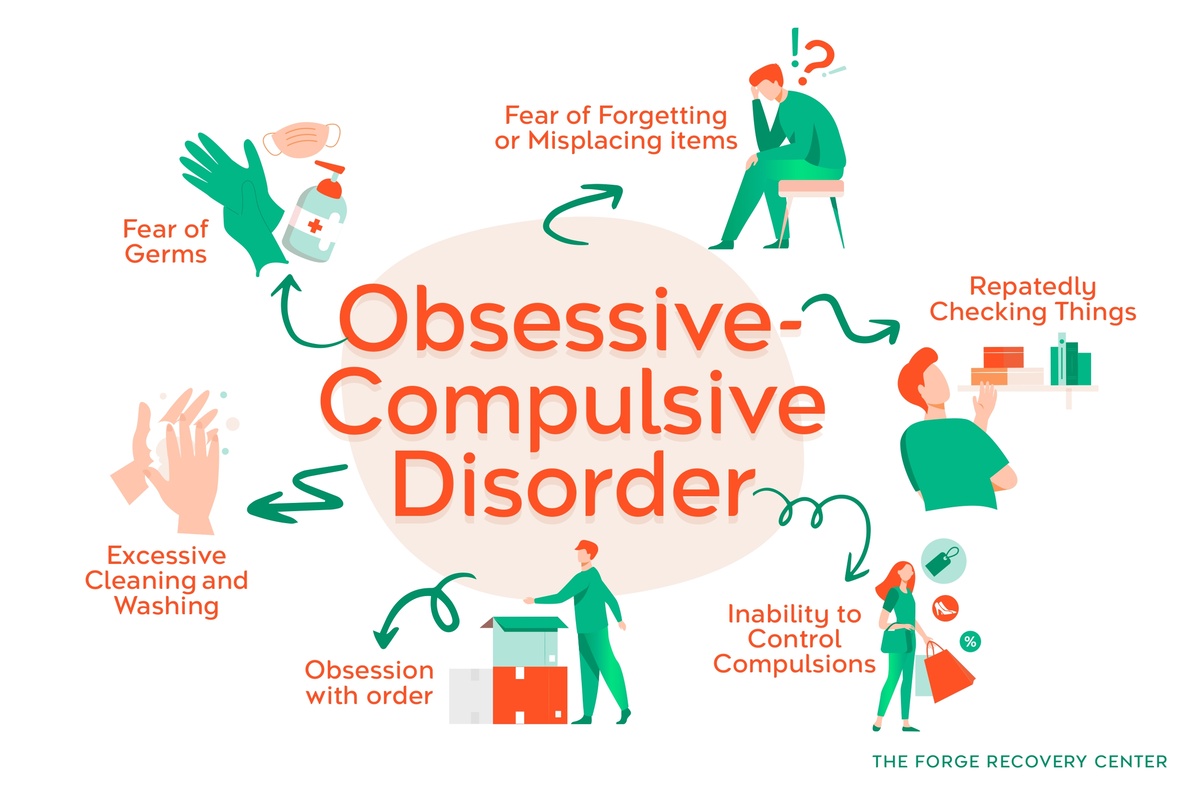
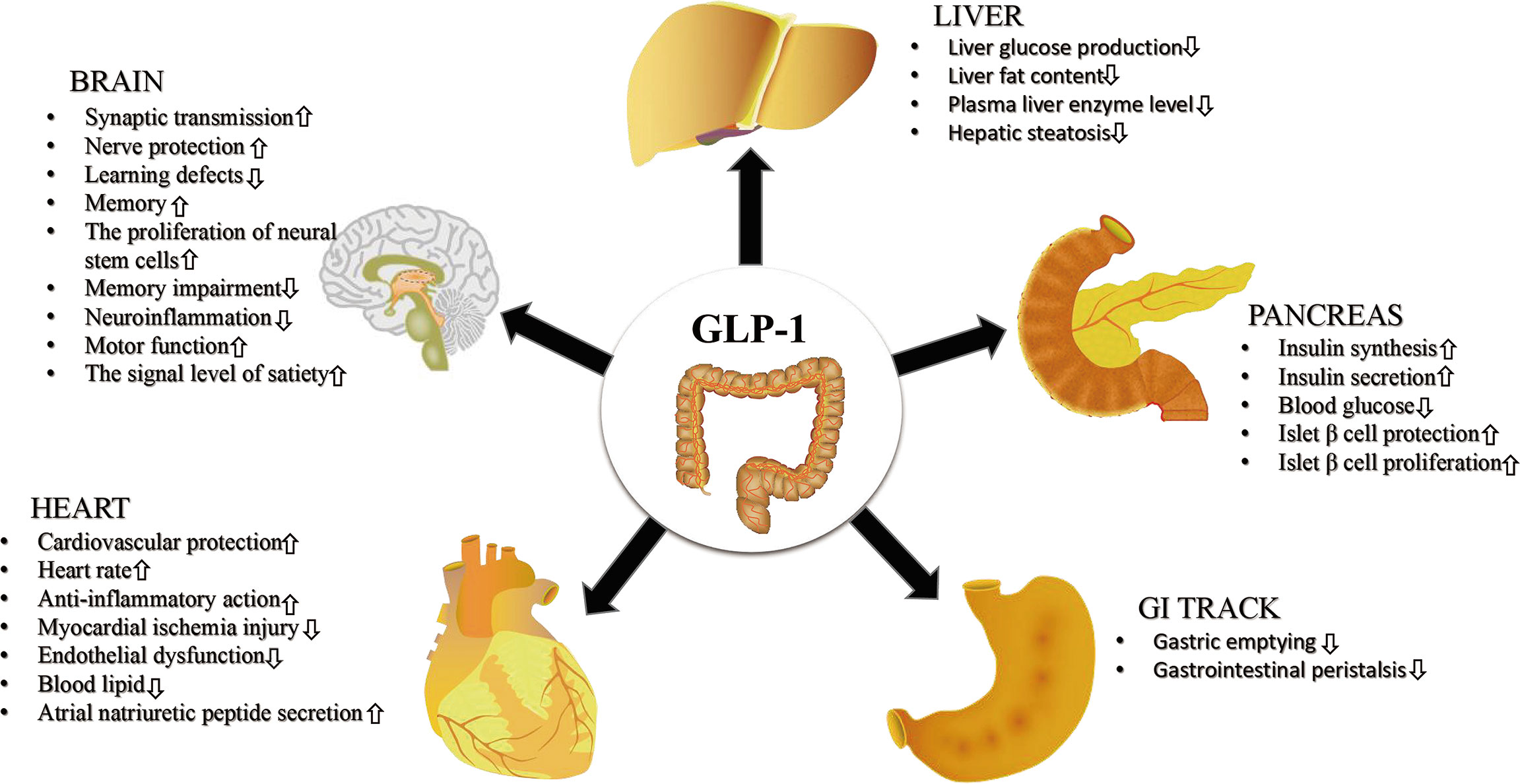
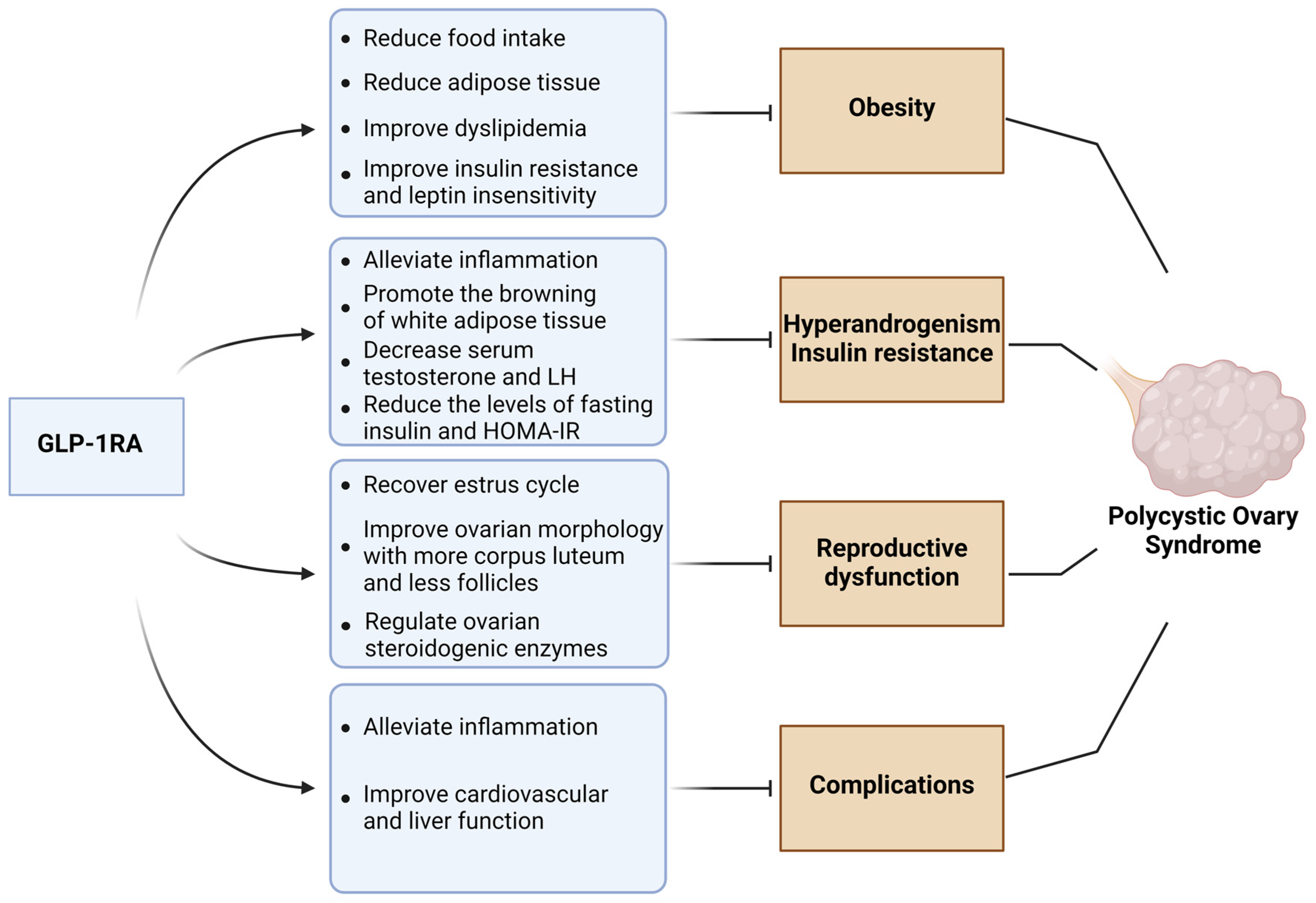
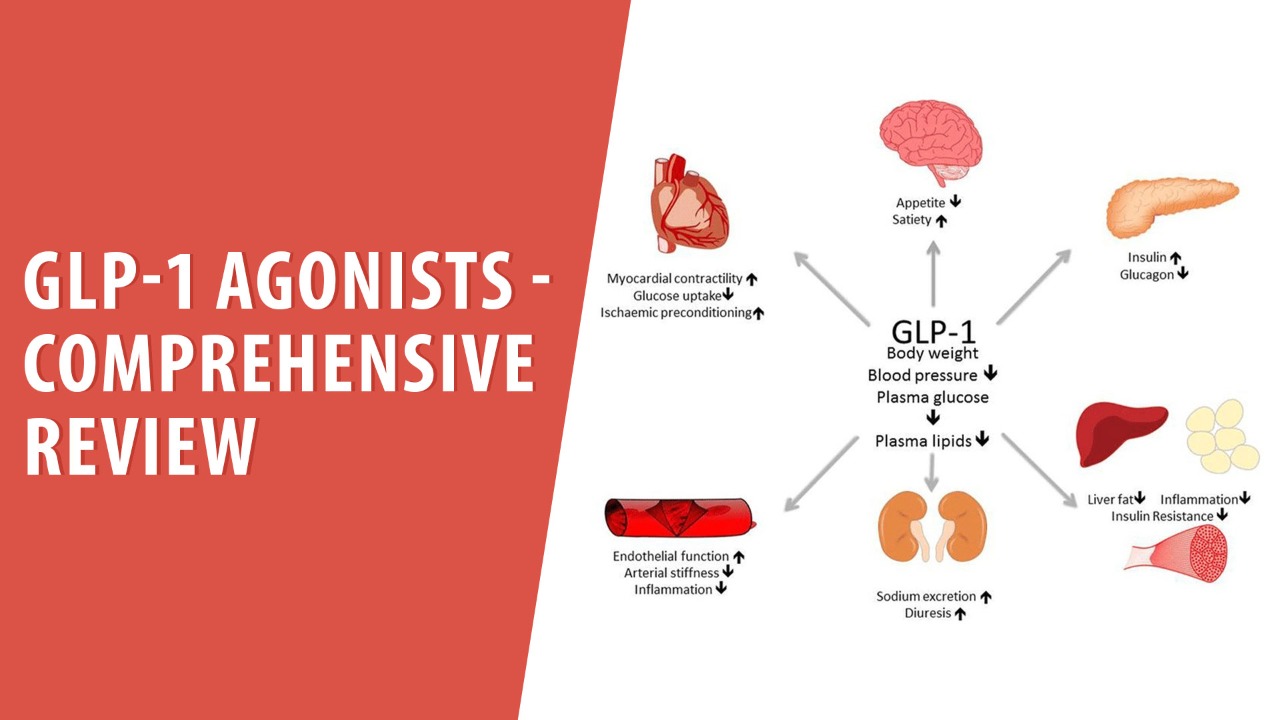
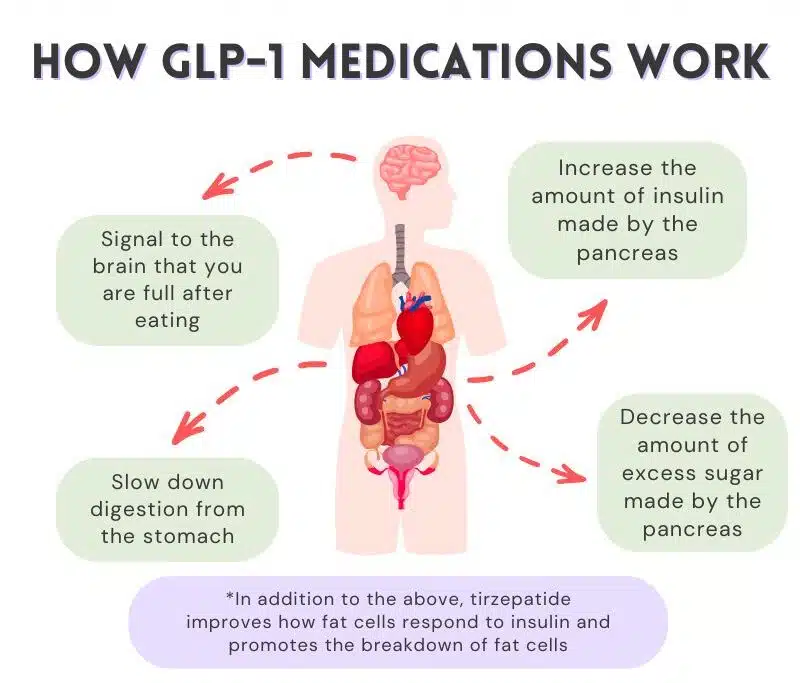
Furthermore, visual representations like the one above help us fully grasp the concept of Glp 1 Agonists And Obsessive Compulsive Disorder.
The Potential Role of GLP
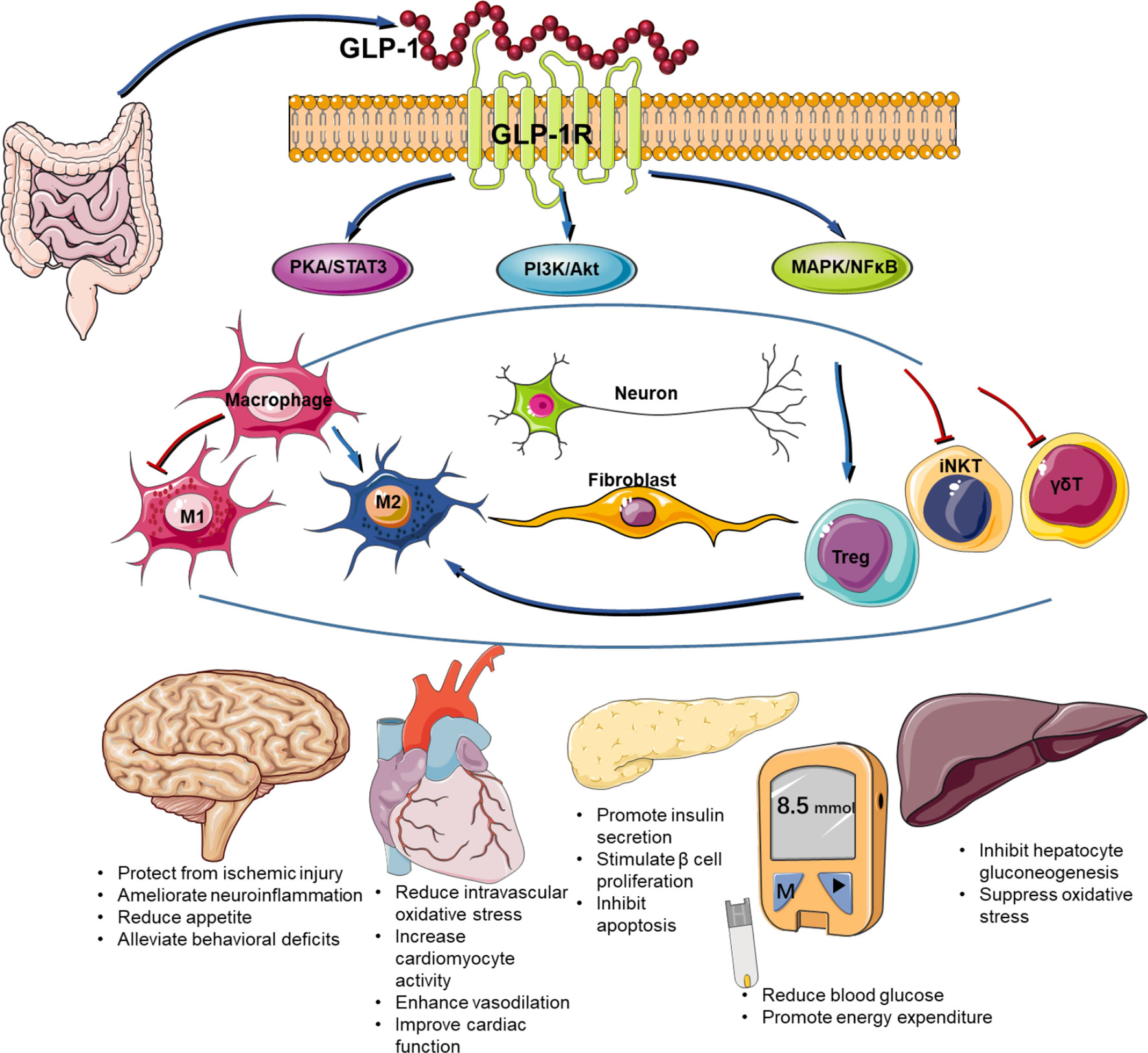
In the past few years, researchers have been uncovering some fascinating connections between neuroscience and endocrinology, which could lead to exciting new treatments for psychiatric disorders . One of the most intriguing areas of exploration involves the potential of glucagon-like peptide-1 ( GLP-1 ) receptor agonists ( GLP-1 RAs).
Current evidence underscores the potential of GLP-1 receptor agonists as a novel therapeutic approach for certain psychiatric disorders , particularly AUDs, depression, and autism-related food behaviors.
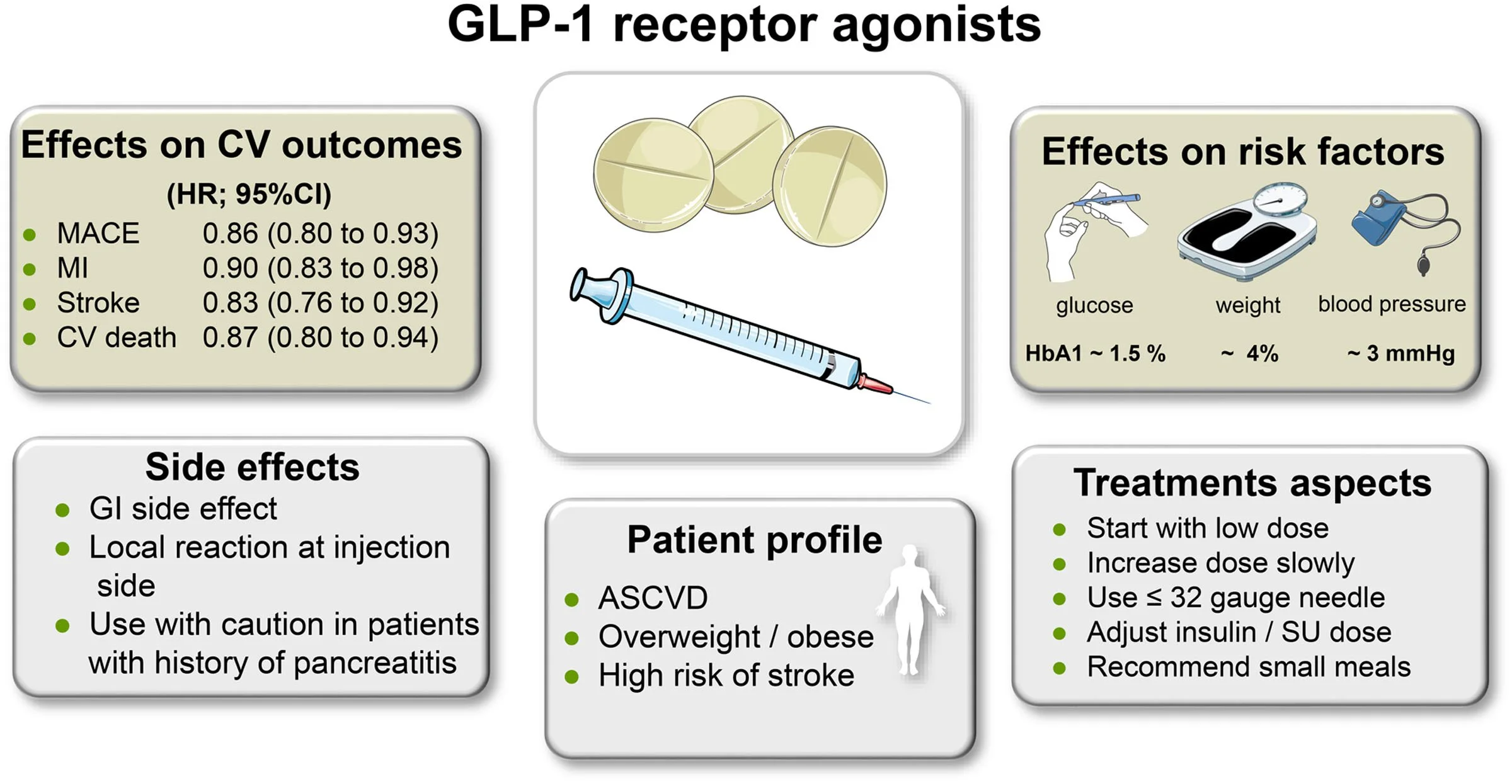
The available data suggest that the use of GLP-1 medicines exhibits an acceptable safety profile in most individuals with neuropsychiatric disorders . Here, we review recent clinical evidence and ongoing trials exploring the efficacy and safety of GLP-1 medicines across a broad range of neurological conditions.
Background Glucagon-like peptide-1 receptor agonists ( GLP -1RAs) have recently received Food and Drug Administration (FDA) approval for obesity management. However, the causal relationship between GLP -1RAs and psychiatric and neurodevelopmental conditions remains unclear. Methods We used Mendelian randomization (MR) to investigate the association between genetically proxied GLP -1RA exposure and ...