Changes in lean body mass with glucagonlike peptide1based therapies ...
Weight loss induced by glucagon-like peptide-1 receptor agonists ( GLP -1RAs) and dual glucagon-like peptide-1 receptor ( GLP -1R)/glucose-dependent insulinotropic polypeptide receptor agonists is coming closer to the magnitudes achieved with surgery. However, with greater weight loss there is concern about potential side effects on muscle quantity (mass), health and function. There is ...
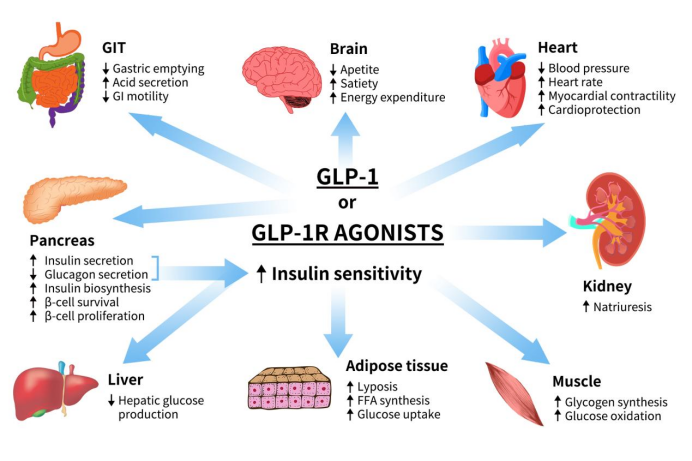
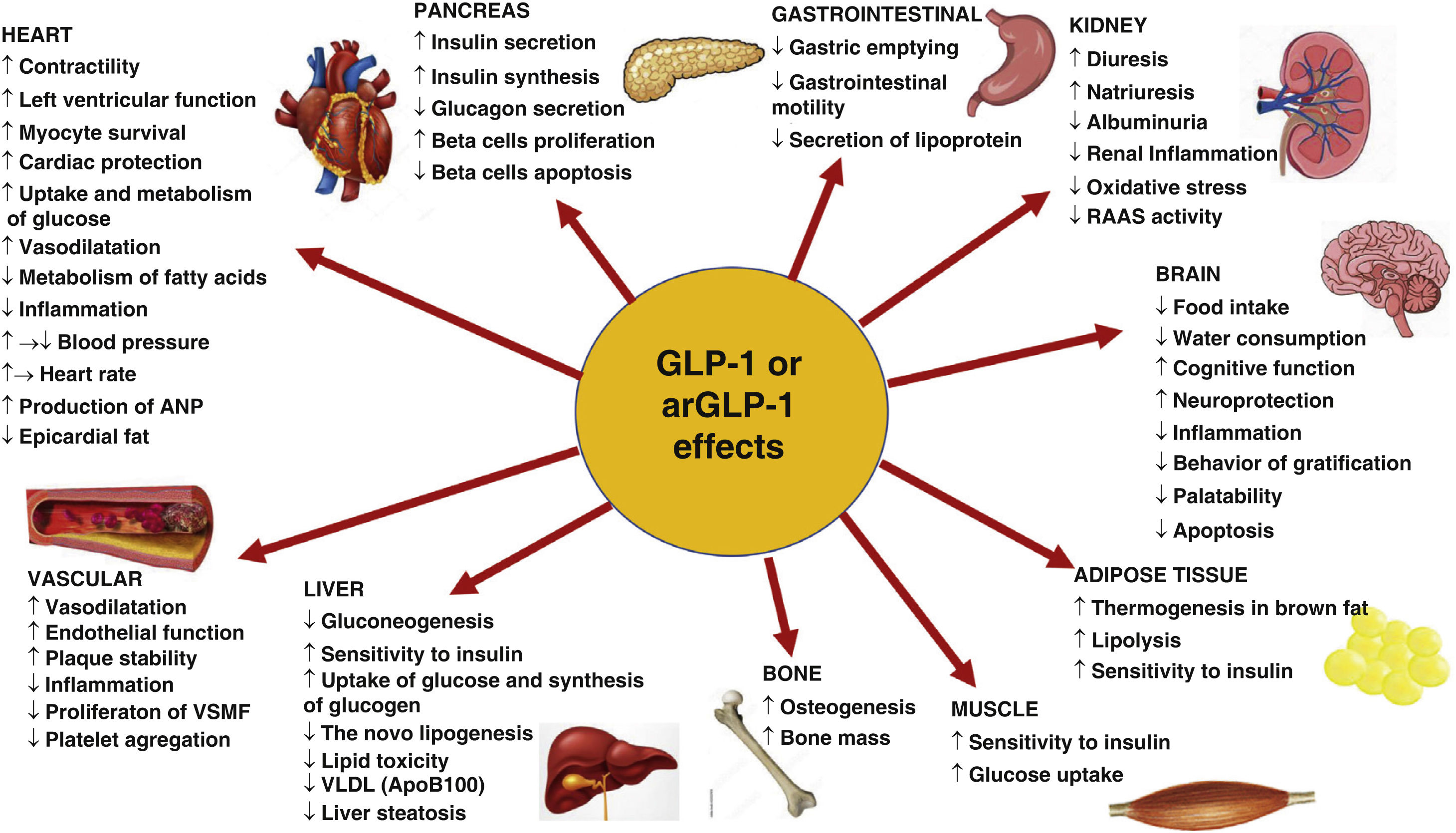
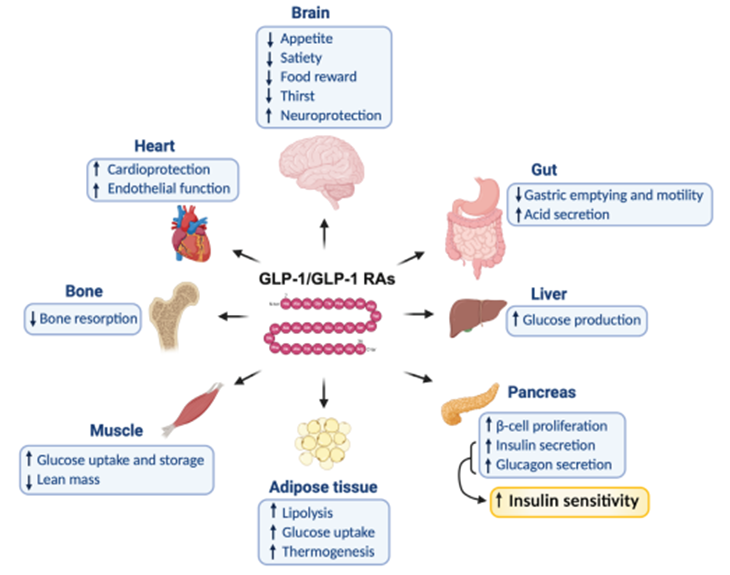
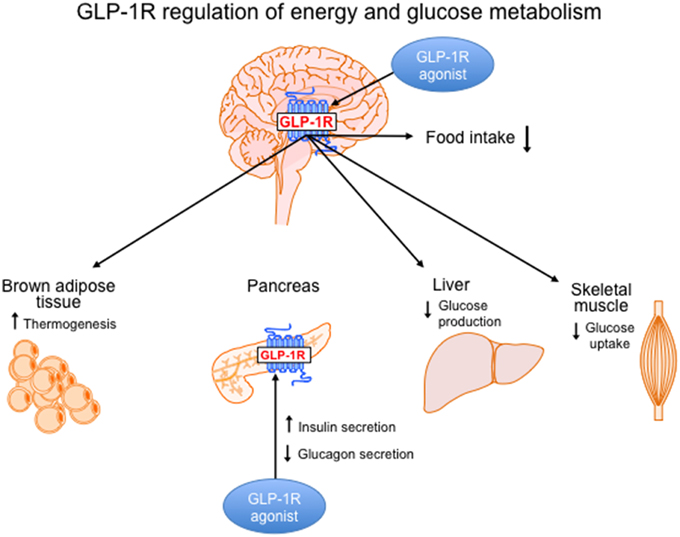
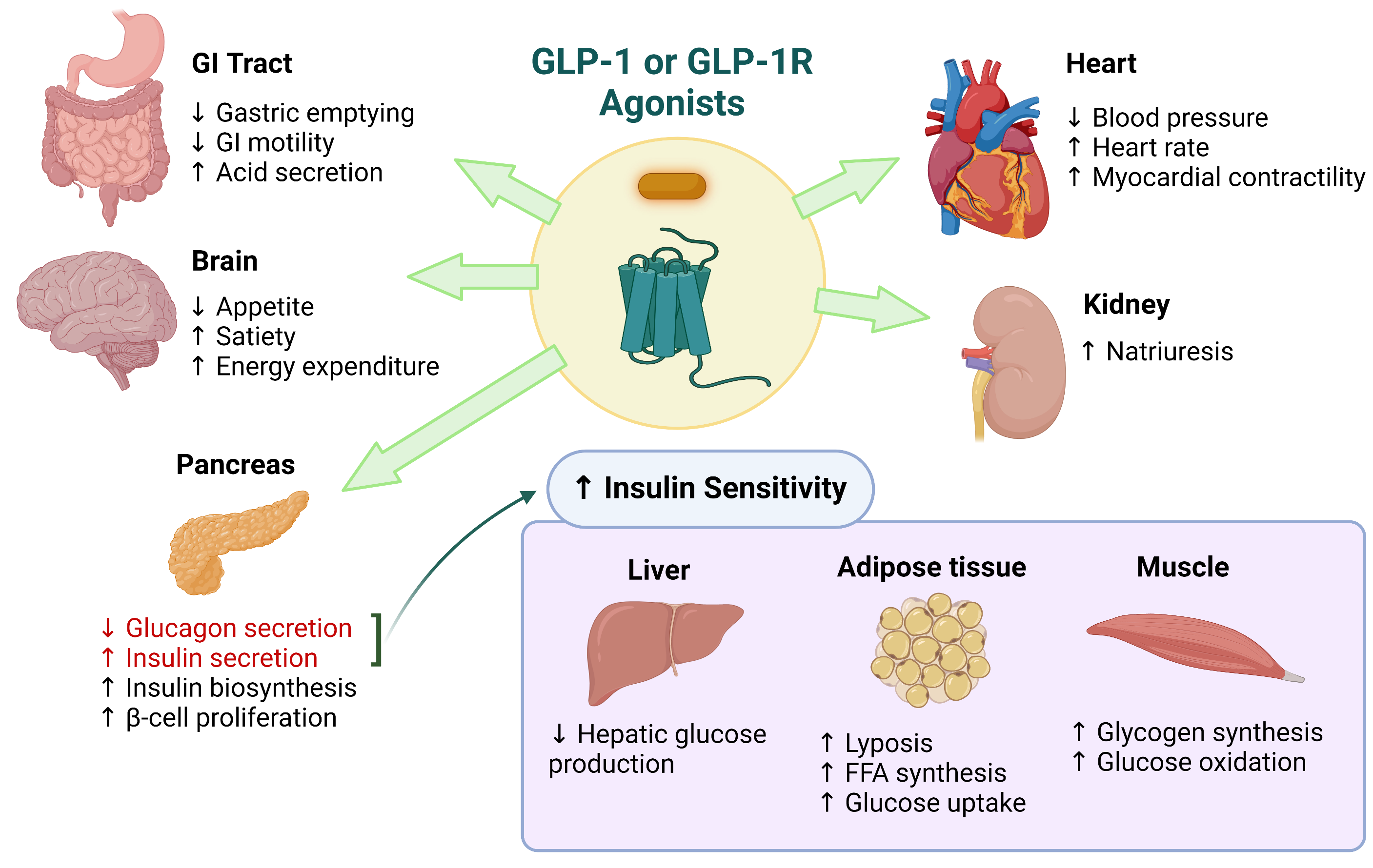
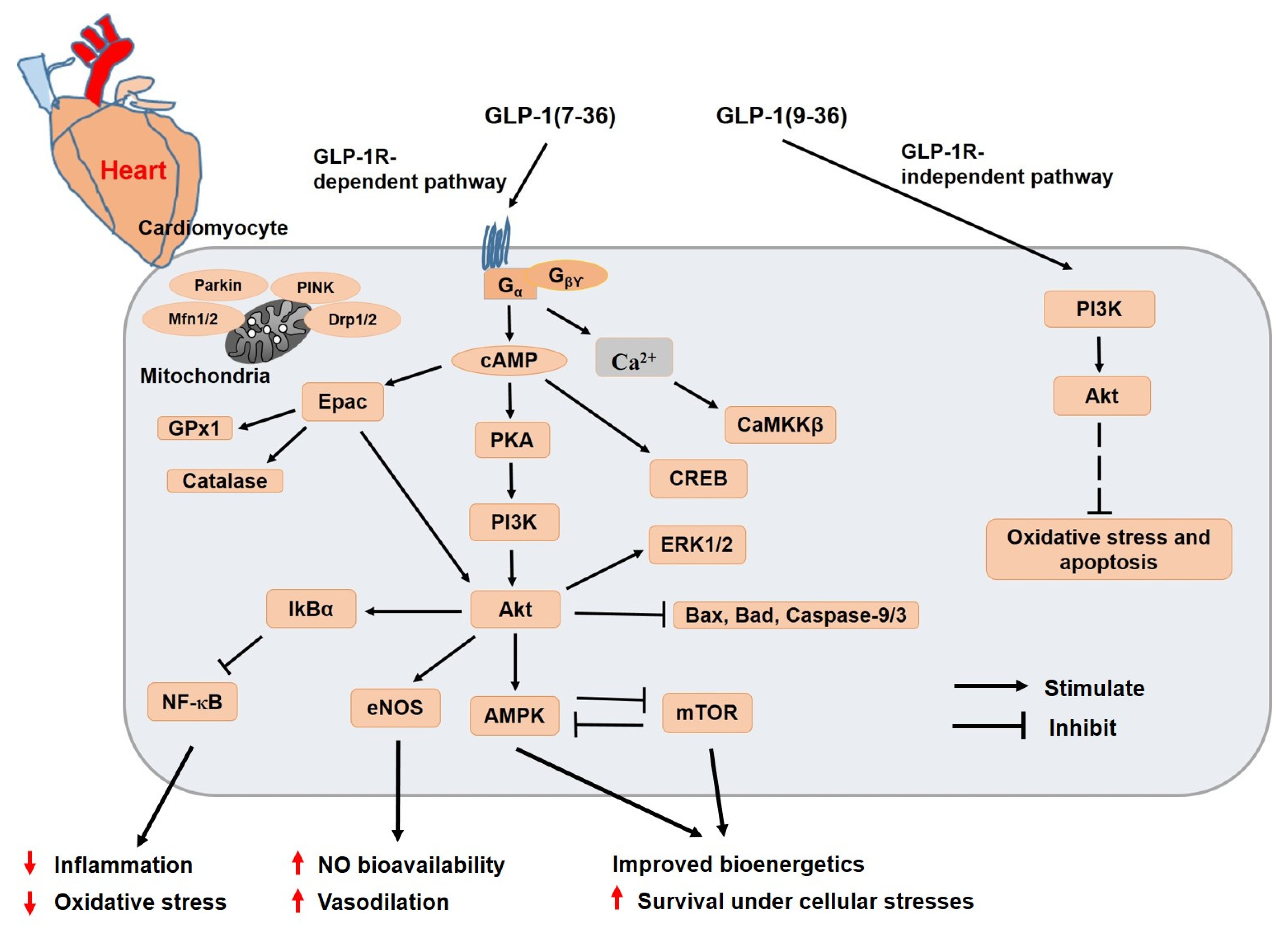
Glucagon-like peptide-1 ( GLP-1 ) receptor agonists ( GLP-1 RAs) improve glycaemia and reduce body weight, yet their organ-level actions on skeletal muscle remain incompletely defined. Framing skeletal muscle as an integrated unit of vasculature and muscle cells, we synthesize evidence with emphasis on glucose and protein metabolism . GLP-1 and GLP-1 RAs recruit microvasculature in muscle ...
Muscle Mass and Glucagon
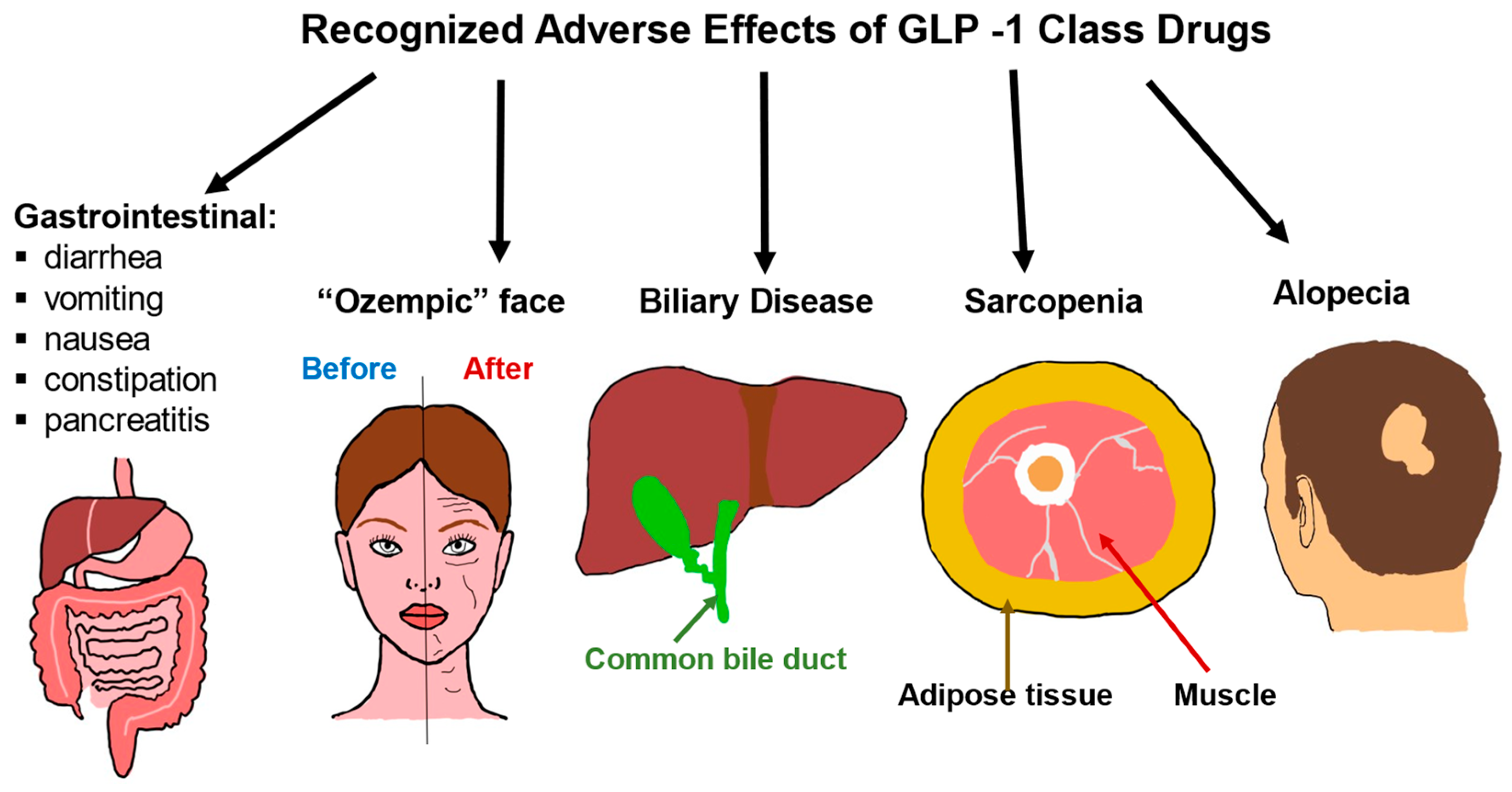
Glucagon-like peptide-1 receptor agonists ( GLP-1 RAs) have transformed the management of obesity, demonstrating significant efficacy in inducing weight loss and improving metabolic parameters. However, emerging clinical and paraclinical evidence suggests that these agents may also contribute to an unintended reduction in skeletal muscle mass, potentially exacerbating or precipitating ...
Muscle loss and GLP
Skeletal muscle wasting is a major yet often overlooked determinant of adverse outcomes in diabetes mellitus and obesity. Loss of muscle mass and strength not only impairs mobility and quality of life, but also worsens insulin resistance, accelerates cardiometabolic decline and increases mortality risk. The convergence of chronic inflammation, mitochondrial dysfunction and altered protein ...
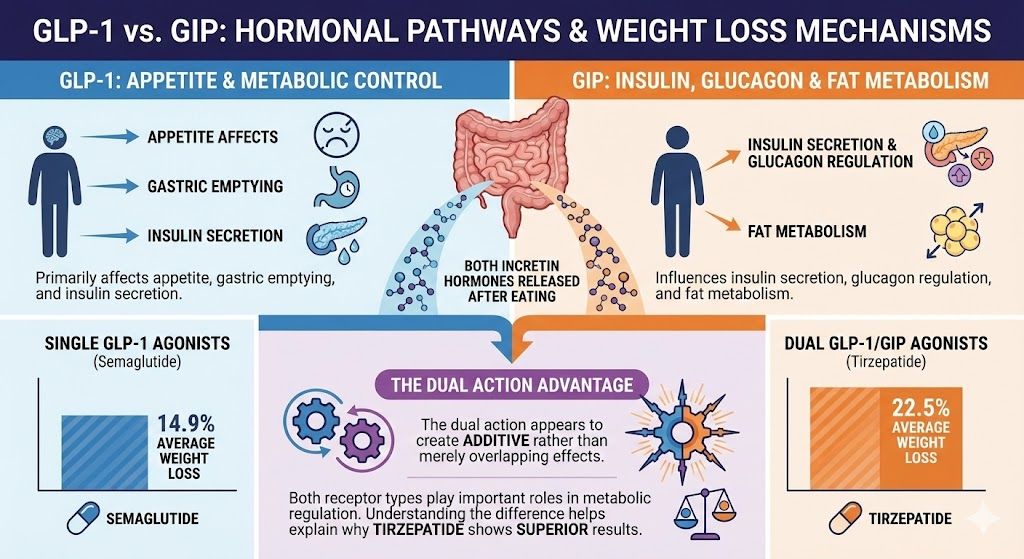
The systematic review aimed to assess the effects of GLP-1 receptor agonists ( GLP-1 RA) and dual GLP-1/GIP agonists on weight loss and body composition in individuals with overweight or obesity ...
Overview of Glp-1 Agonist-Induced Changes In Muscle Energy Metabolism
Conclusion. - Maximizing fat loss while preserving lean ( muscle ) tissue mass and function is a central goal of modern obesity pharmacological treatments. Currently, available data preclude to have a definite conclusion about positive/negative effects of GLP-1-based therapies on muscle .
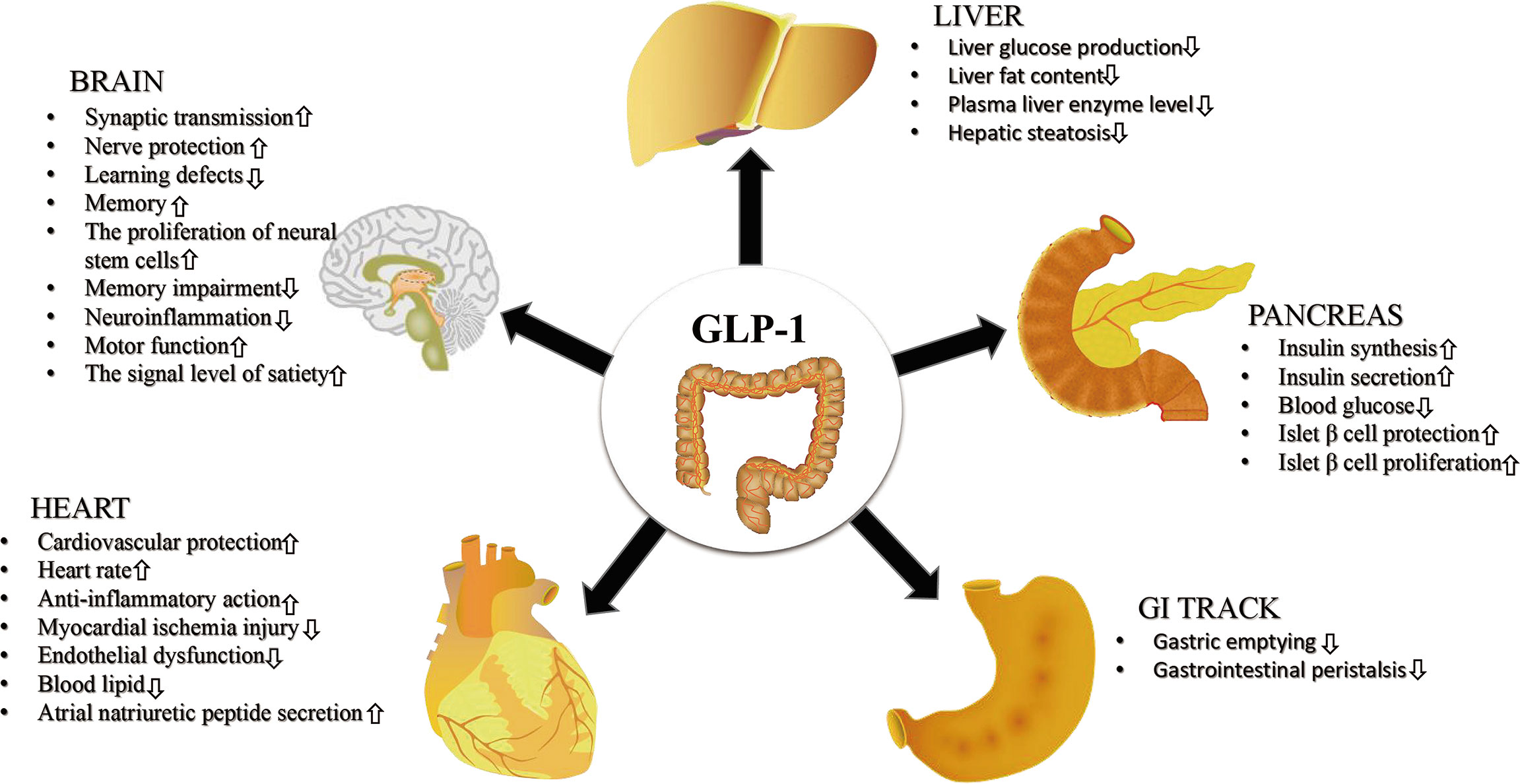
This particular example perfectly highlights why Glp 1 Agonist Induced Changes In Muscle Energy Metabolism is so captivating.
Langer et al. show that GLP-1 medicines mildly reduce absolute muscle mass but improve relative mass and running performance in mice. Despite similar changes to body weight, GLP -1RA affects the muscle proteome differently compared to calorie restriction. A human pilot trial shows that muscle strength is maintained during GLP -1RA treatment.
Muscle mass loss during GLP1 receptor agonist therapy ...
GLP1 receptor agonist therapies induce substantial weight loss, but up to 40% of this weight loss is lean mass, particularly muscle . Loss of muscle mass can be caused via activation of type II ...
New research reveals how GLP-1 muscle loss may accelerate cellular aging—and what experts recommend to protect long-term health.