ISFM Consensus Guidelines on the Diagnosis and Management of Feline ...
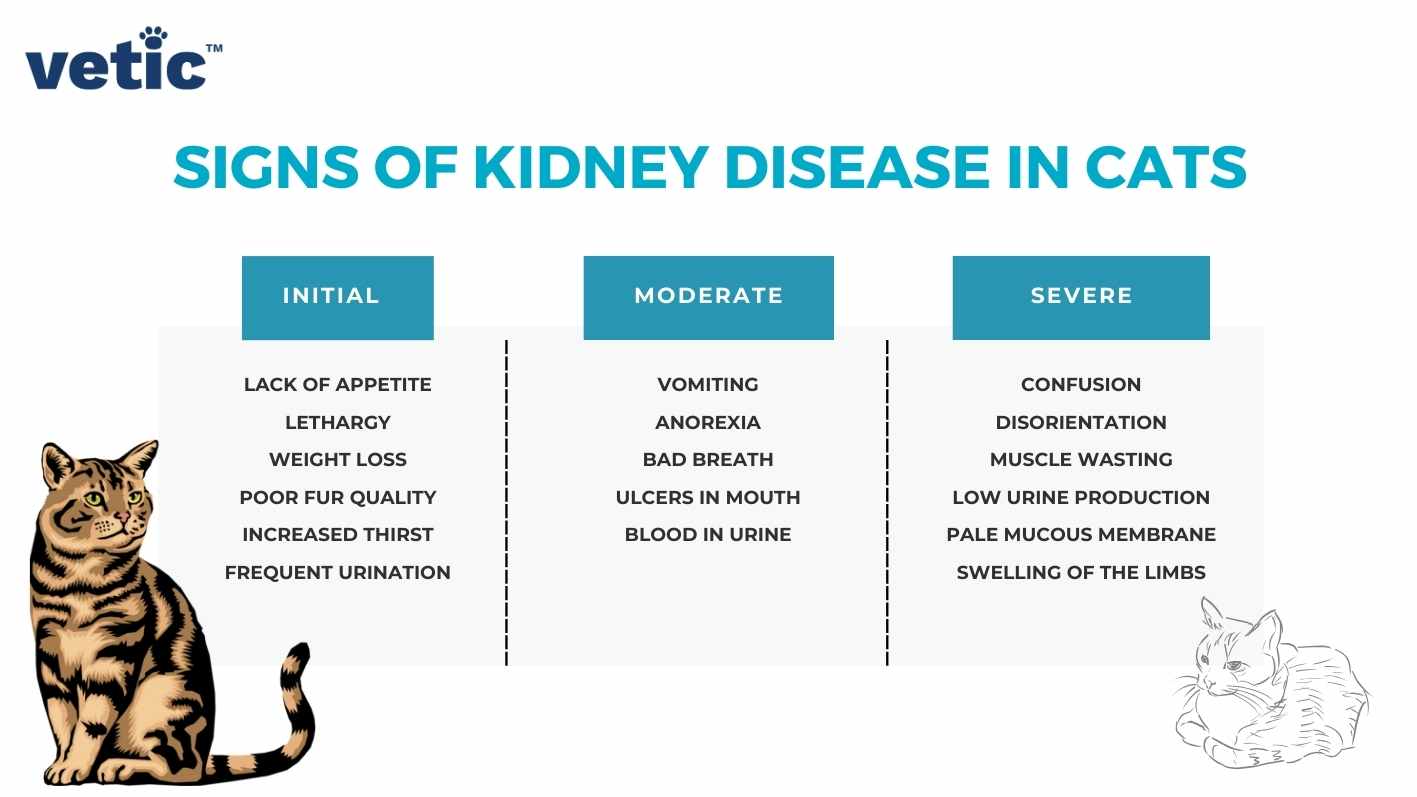
of CKD. upper urinary tract obstructions, and potential-ly viral infections involving retroviruses as well as a recently recognised morbillivirus.8-12 other specific causes of CKd sometimes recog-nised include amyloidosis, polycystic kidney disease , renal lymphoma, hypercalcaemic nephropathy and congenital disorders - some of these have breed associations.4,8,13 other than age, clear risk ...
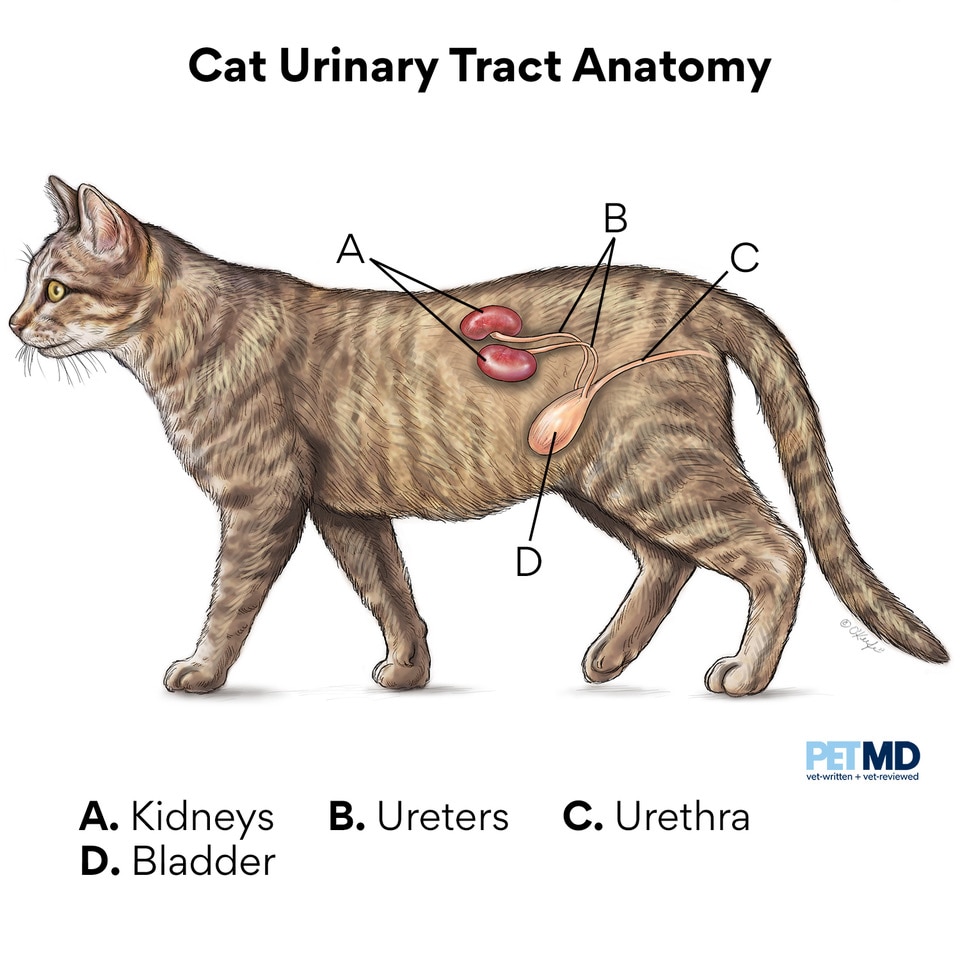
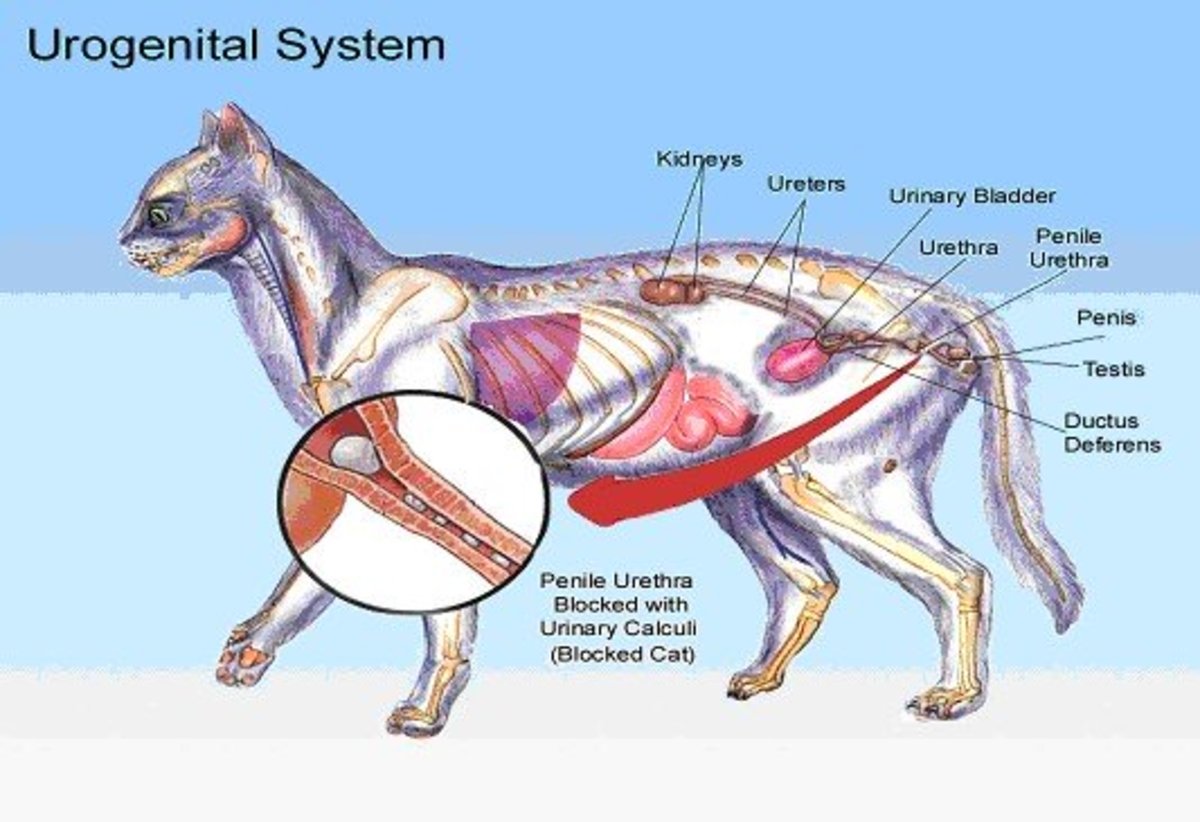
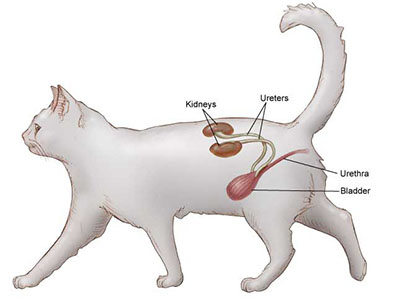
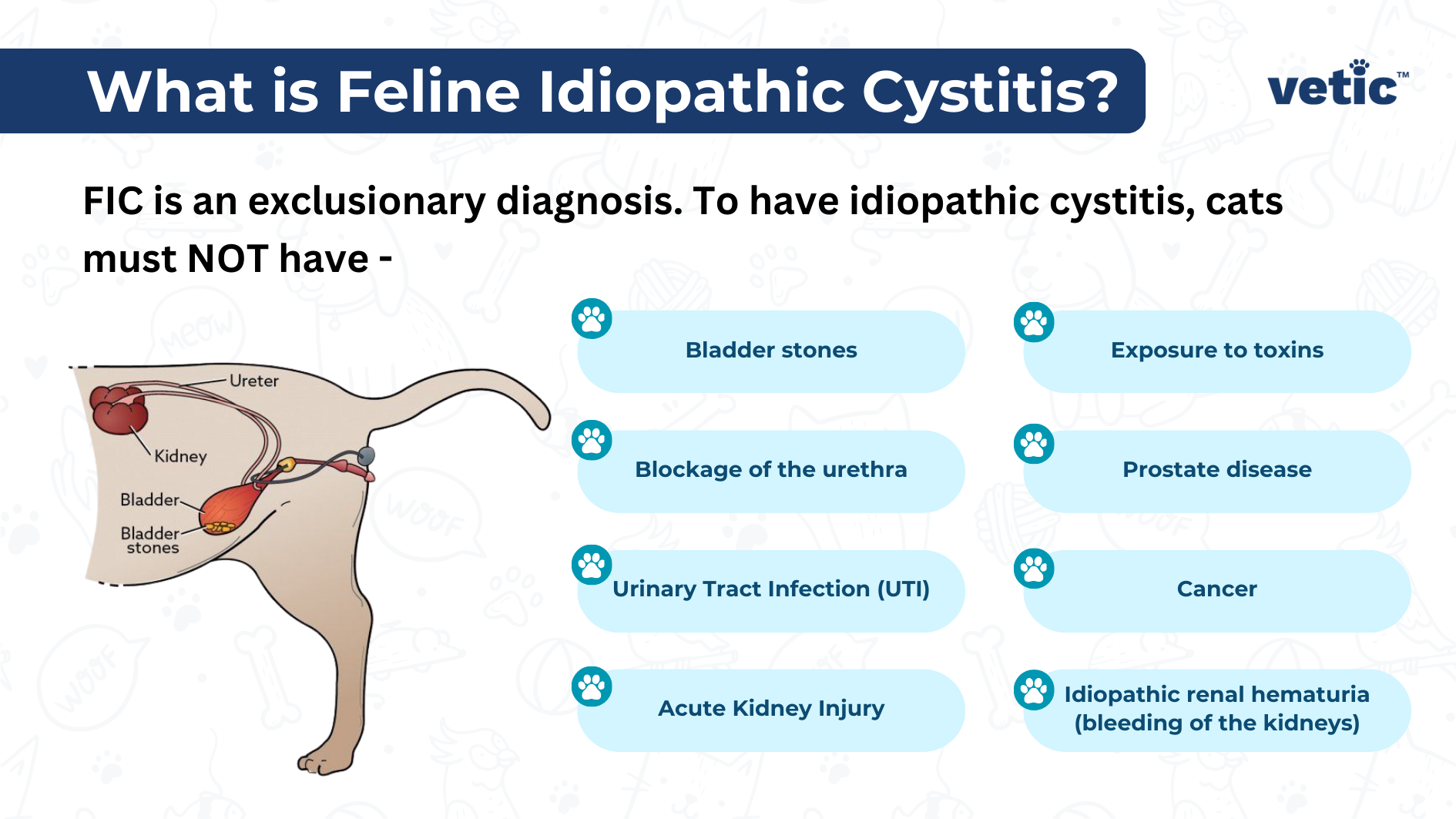
Bladder and Kidney Stones Are These Frequent Urinary Tract Infections ? Video: Cat Owner's Guide to Kidney Disease Diagnosis: Kidney Disease House Soiling Lower urinary tract disease (LUTD) covers a range of disorders from mild to serious. The signs of LUTD are usually referred to as lower urinary tract signs, or LUTS. LUTD includes abnormalities in the structure and function of the bladder and ...
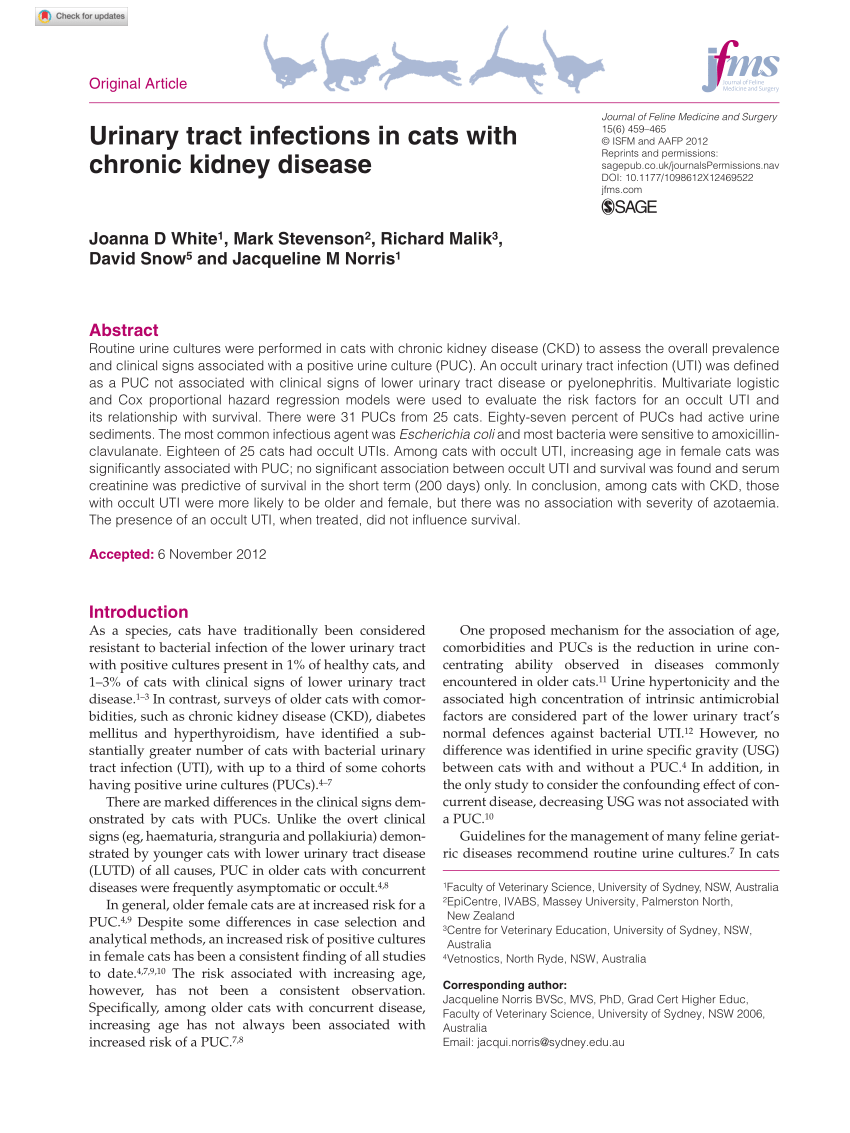
Kidney infections are uncommon in cats, but lower urinary tract infections are very common. Some cats are more prone to kidney infections than others, including cats with diabetes mellitus; cats with chronic kidney disease ; cats prone to lower urinary tract infections ; cats with urinary tract stones; and those born with immune issues ( feline leukemia or feline immunodeficiency virus) or ...

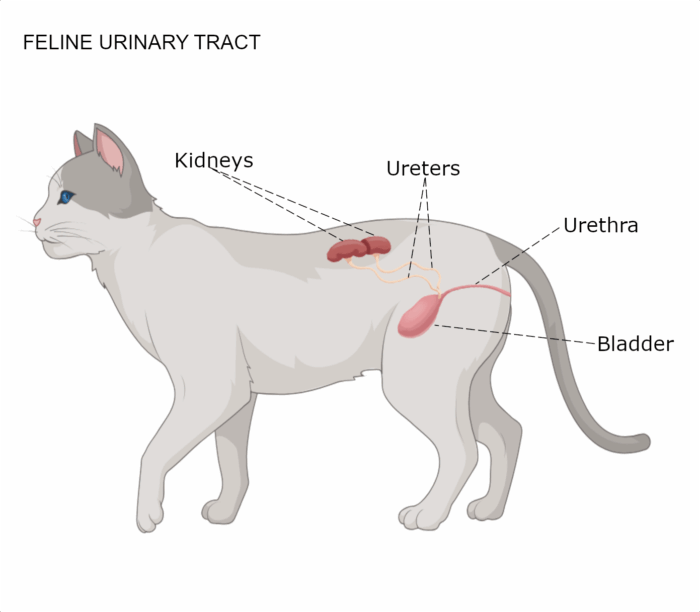
Most infections of the urinary system are caused by bacteria. The infection usually develops when bacteria enter the body through the urethra. The bacteria then travel to the bladder, and in some cases they set up an infection there. Sometimes bacteria continue to move up the urinary tract to the kidneys and can result in kidney infection (pyelonephritis). There are several factors that ...
Useful Notes on Feline Urinary Tract Infections With Kidney Disease Management
International Society for Companion Animal Infectious Diseases (ISCAID) guidelines for the diagnosis and management of bacterial urinary tract infections in dogs and cats (updated 2019) Antimicrobial use Guidelines for Treatment of Respiratory Tract Disease in Dogs and Cats: Antimicrobial Guidelines Working Group of the International Society for Companion Animal Infectious Diseases (2017 ...
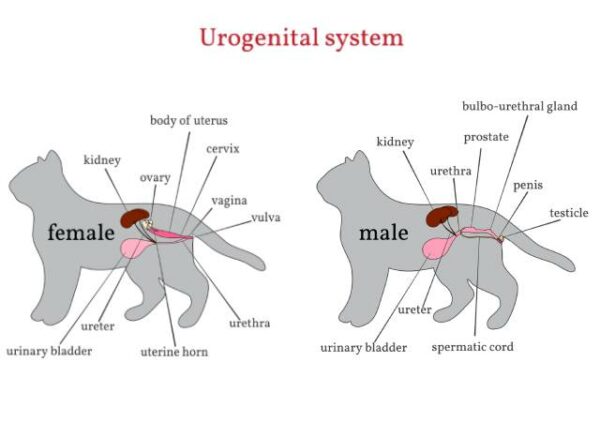
This particular example perfectly highlights why Feline Urinary Tract Infections With Kidney Disease Management is so captivating.
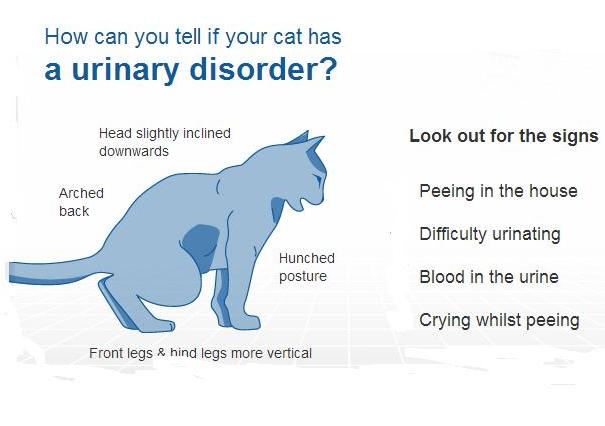
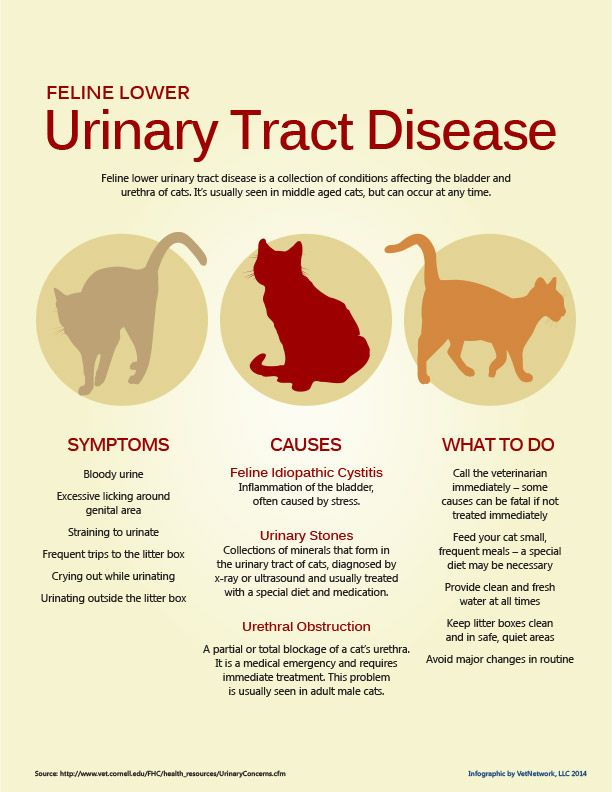
The aim of the '2025 iCatCare consensus guidelines on the diagnosis and management of lower urinary tract diseases in cats' is to provide primary care practitioners with a review of the literature and easy-to-access practical information to assist in the approach to, and management of, these challenging cases. Presenting signs of lower urinary tract diseases As mentioned, despite different ...
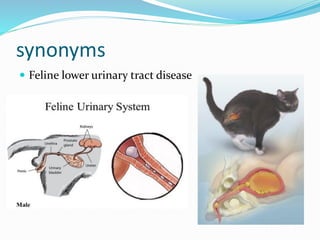
Feline lower urinary tract disease (FLUTD) is a general term used to describe conditions affecting the bladder or urethra of cats;1 it is not a syndrome or specific diagnosis. It has been reported that between 4.5% and 8% of cats presenting to veterinary practices or teaching hospitals have FLUTD.2,3 Causes of FLUTD include physical conditions and behavioral disorders resulting in ...
Pyelonephritis in Cats

Moving forward, it's essential to keep these visual contexts in mind when discussing Feline Urinary Tract Infections With Kidney Disease Management.
Overall, cats with sudden pyelonephritis do well and return to normal health with appropriate treatment unless they also have kidney stones, chronic kidney disease , urinary tract obstruction, or cancer in the urinary tract . Cats with chronic or recurrent pyelonephritis may be difficult to cure and their prognosis is more serious.
Cats with bacterial UTI will most often be discovered to have anatomical, metabolic, or functional problems of the bladder or urethra, or have undergone urinary tract instrumentation (e.g. urinary catheterization) that facilitate bacterial ascent and colonization of the urinary tract .