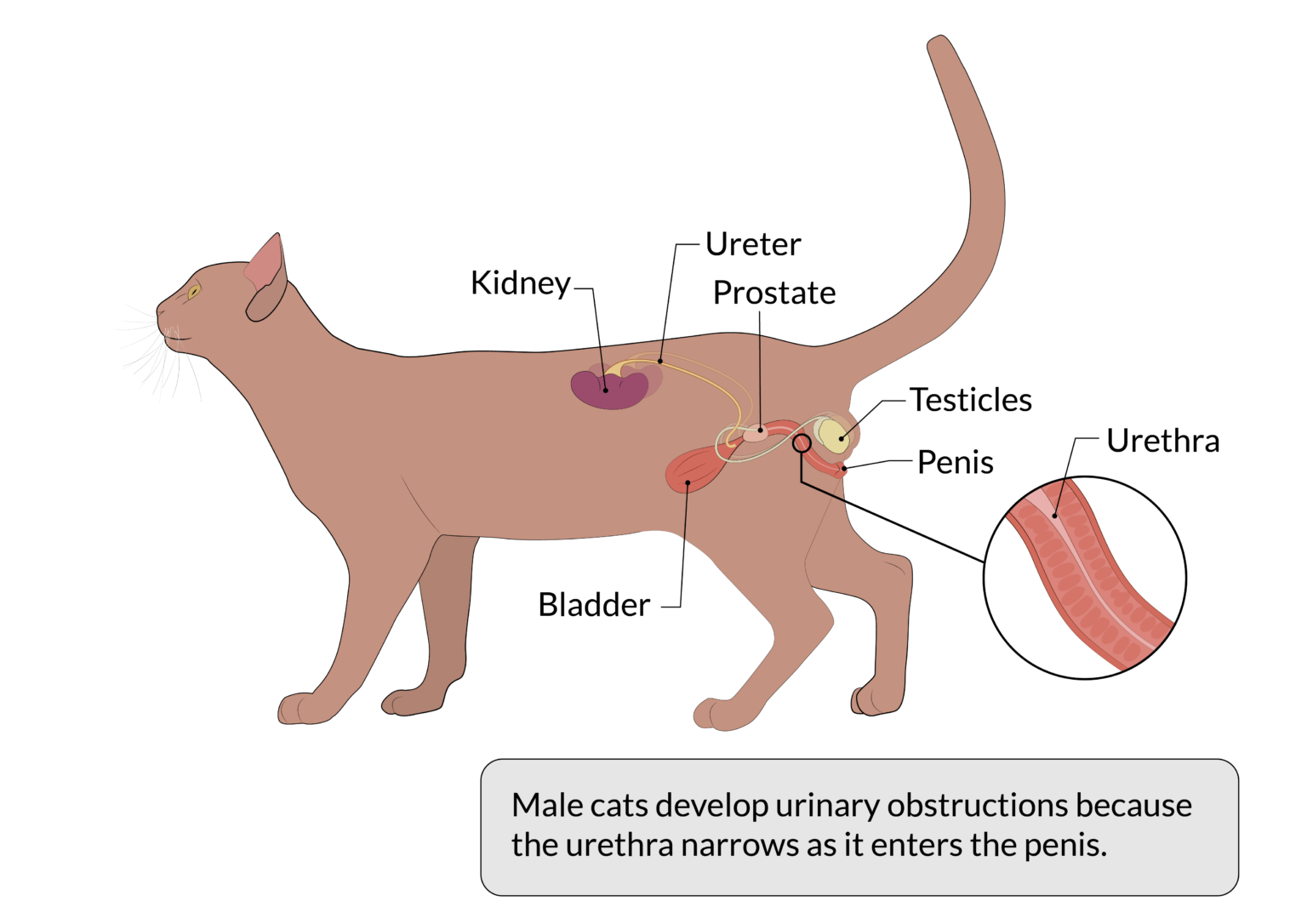
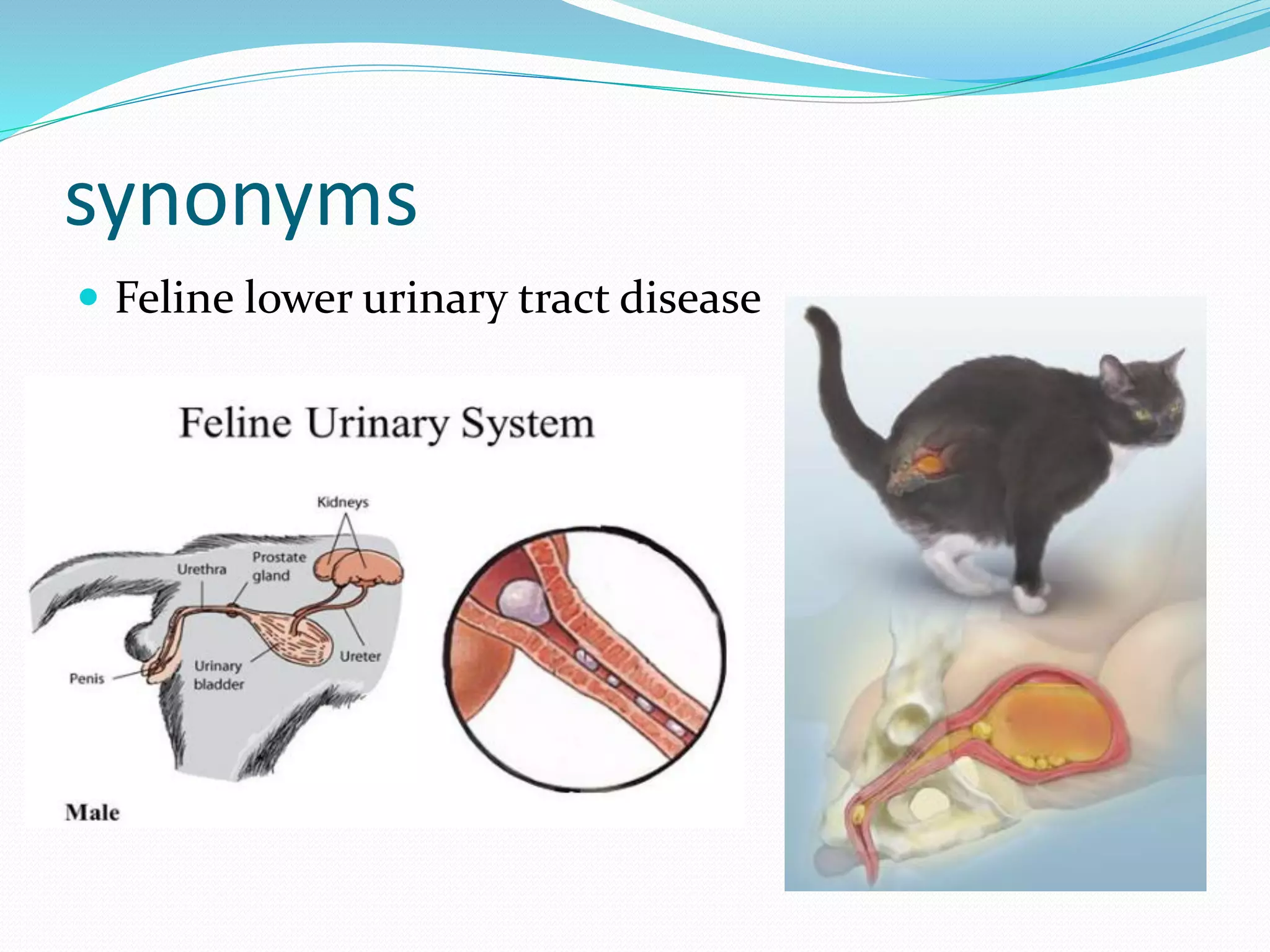
Feline lower urinary tract disease (FLUTD)
Learn about the causes , symptoms, diagnosis, and management of urinary tract infections (UTIs) in cats. Understand risk factors, bacterial and non-bacterial causes , nutrition, hydration, stress, and environmental impact on feline urinary health.
2025 iCatCare consensus guidelines on the diagnosis and management of ...
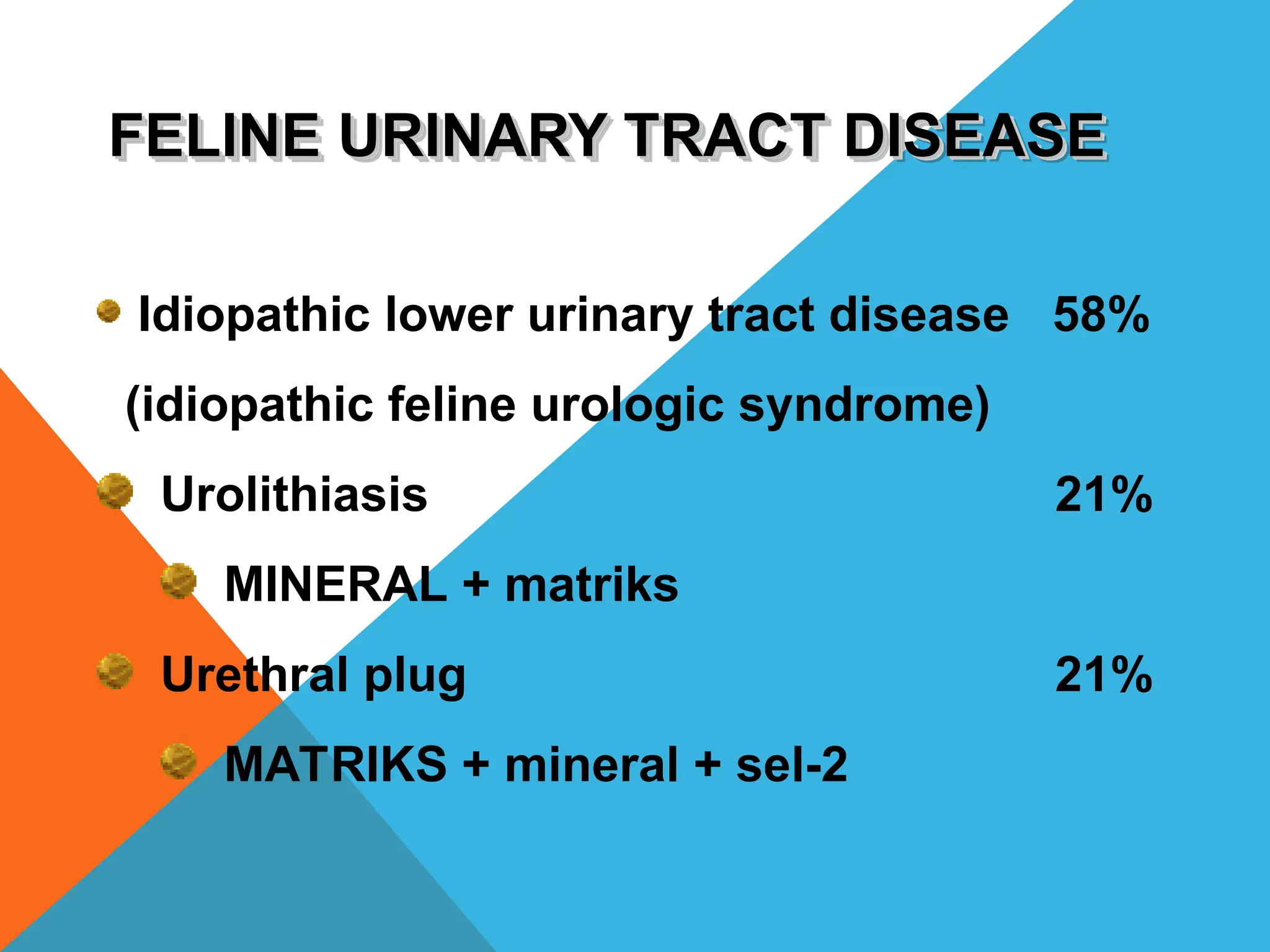
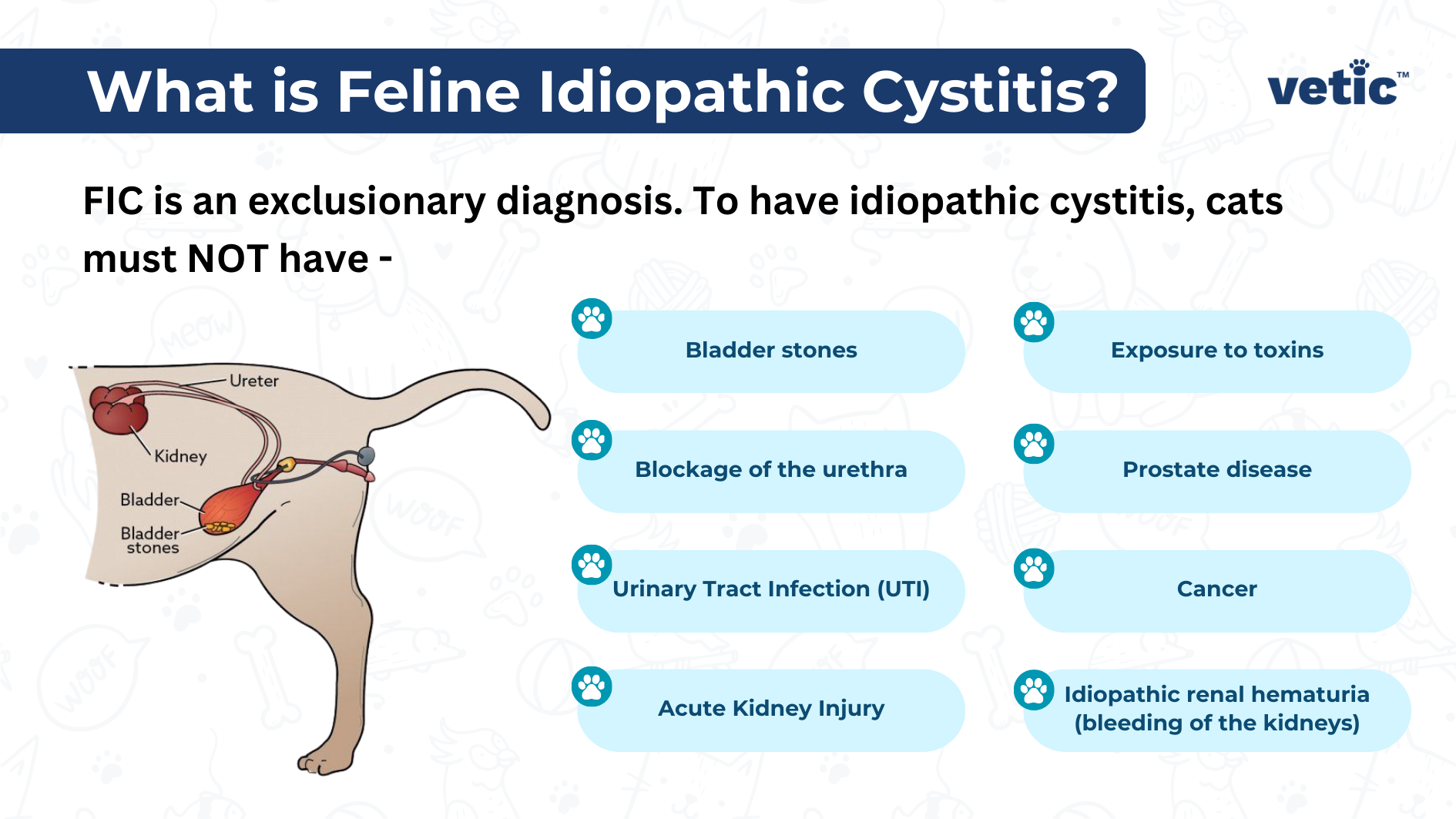
The Guidelines set out a diagnostic approach to affected cats before focusing on the most common causes of LUTS: feline idiopathic cystitis (FIC), urolithiasis, urinary tract infection and urethral obstruction. The aim is to provide practitioners with practical information on these problematic conditions.

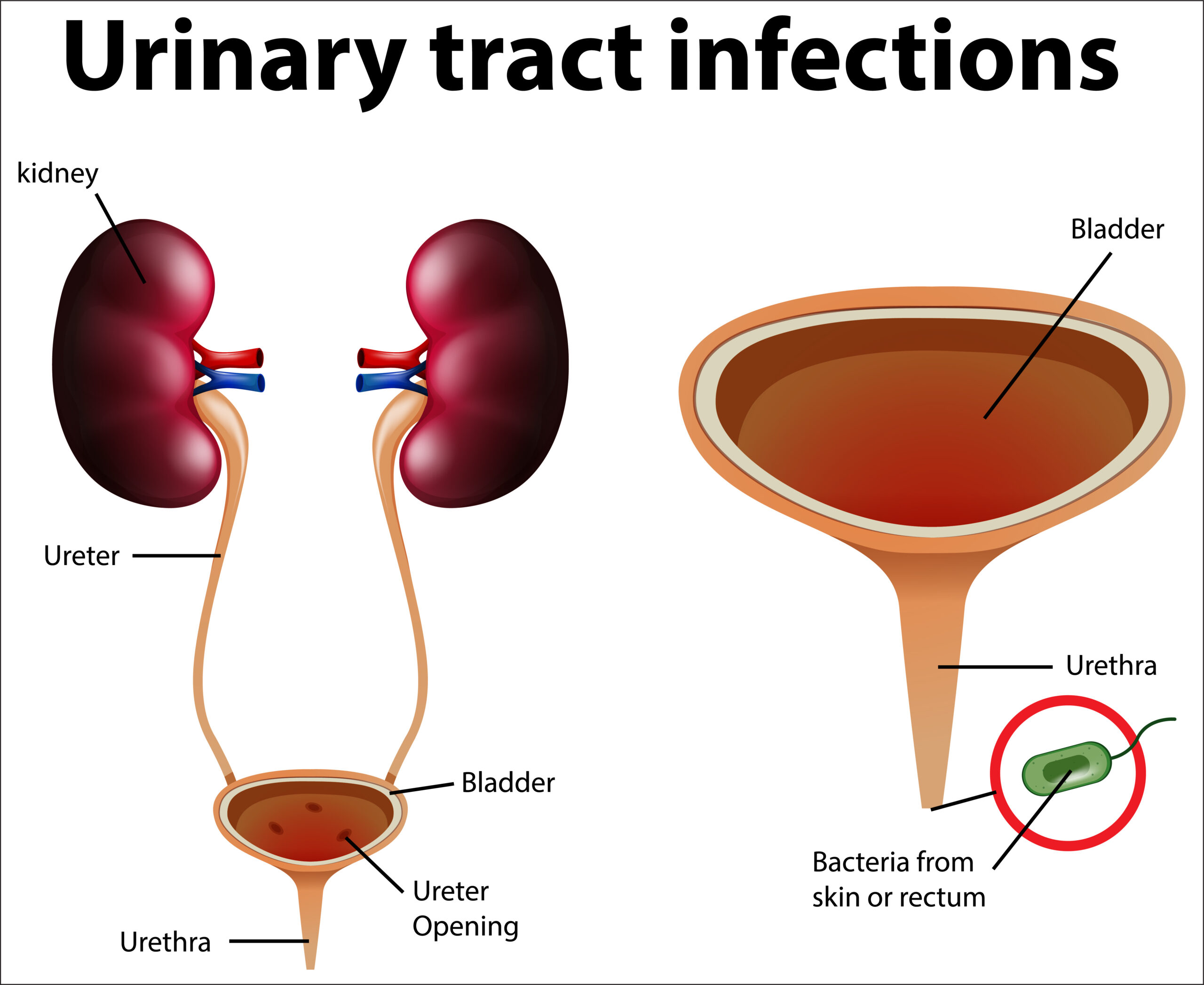
Furthermore, visual representations like the one above help us fully grasp the concept of Feline Urinary Tract Infection Causes Due To Changes In Household Workshops.
Can urinary tract infections in indoor cats be prevented with dietary changes ? Dietary changes can play a significant role in preventing urinary tract infections (UTIs) in indoor cats. Feeding a high-quality, balanced diet that is rich in moisture can help to dilute the urine and reduce the risk of UTIs.
Understanding Feline UTI Causes to Prevent Recurrence
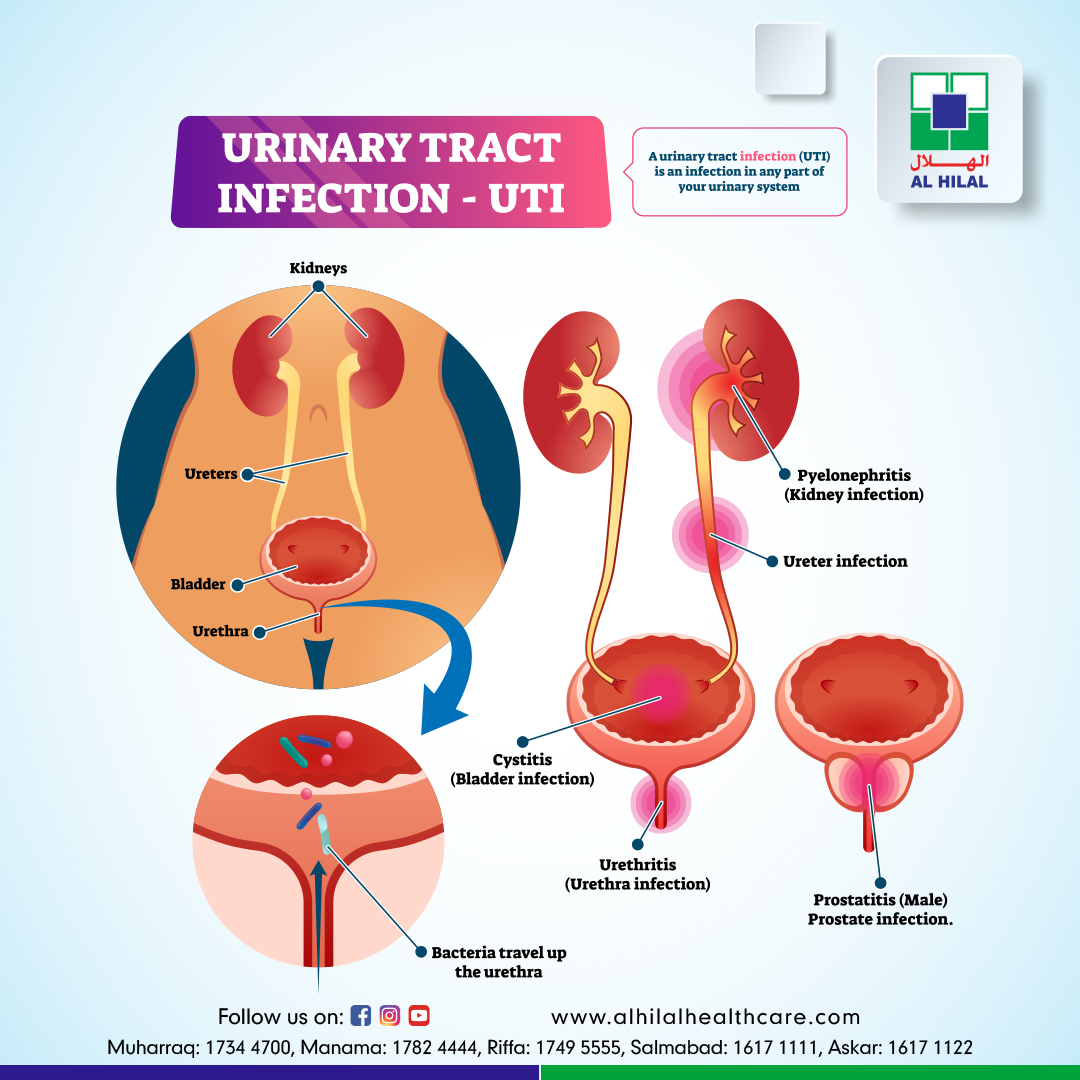
Discover the risk factors, symptoms, and prevention strategies for feline urinary tract infections (UTIs) in cats. Learn how to identify causes , prevent recurrence, and improve treatment outcomes.
Moving forward, it's essential to keep these visual contexts in mind when discussing Feline Urinary Tract Infection Causes Due To Changes In Household Workshops.
Bladder and Kidney Stones Are These Frequent Urinary Tract Infections ? Video: Cat Owner's Guide to Kidney Disease Diagnosis: Kidney Disease House Soiling Lower urinary tract disease (LUTD) covers a range of disorders from mild to serious. The signs of LUTD are usually referred to as lower urinary tract signs, or LUTS. LUTD includes abnormalities in the structure and function of the bladder and ...
Feline Lower Urinary Tract Disease
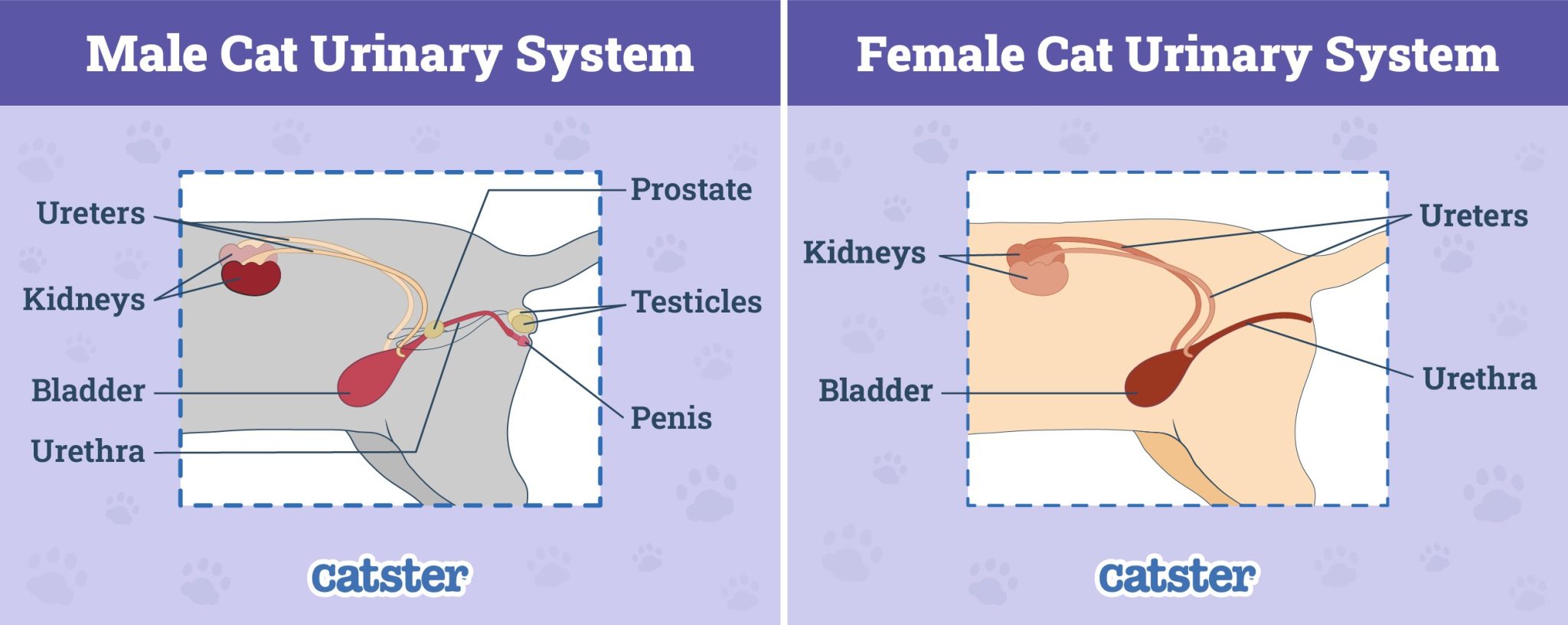
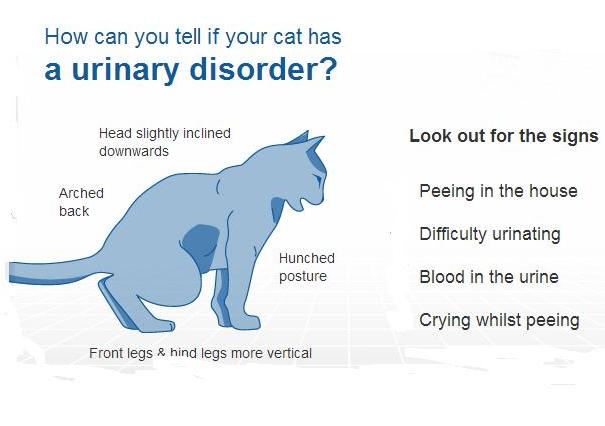
Cats commonly suffer from problems with their urinary system. Feline lower urinary tract disease (FLUTD) is a term used to describe a combination of signs, such as passing urine more frequently, blood-tinged urine or urinating outside the litter tray or with pain. It is not a diagnosis and has several causes that will need investigating by your veterinary clinic.
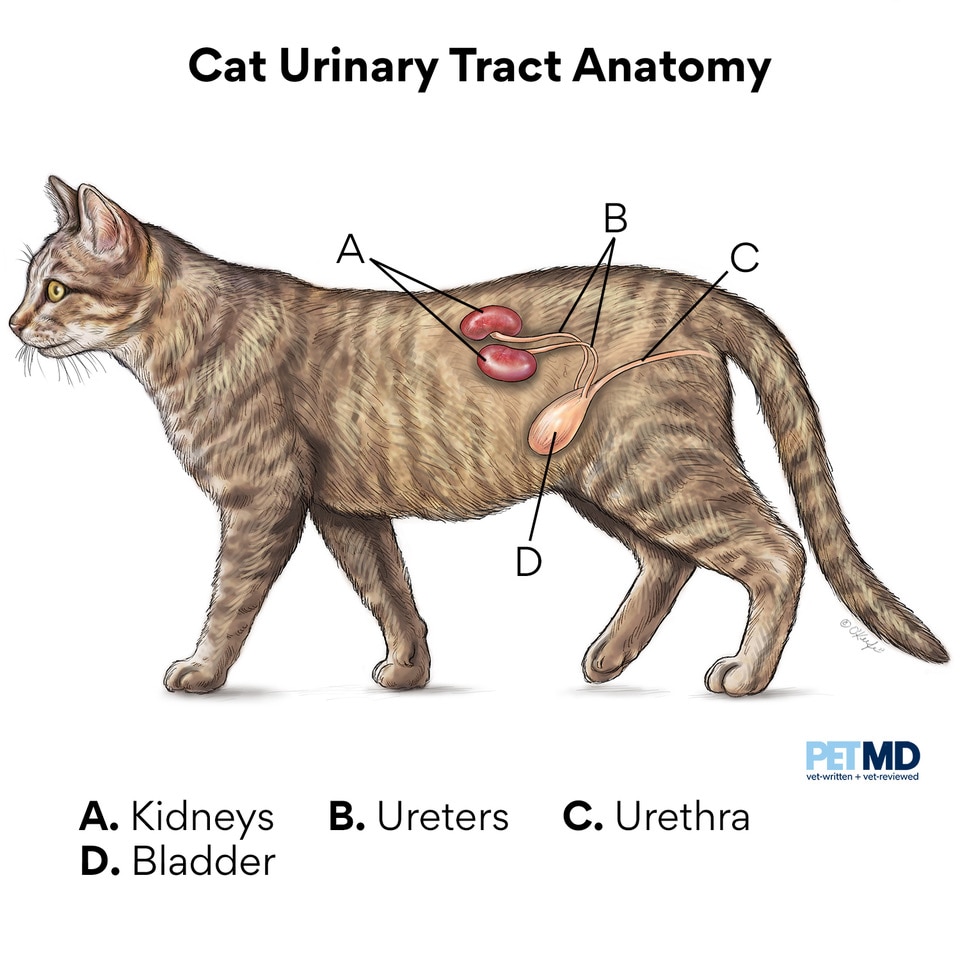
Moving forward, it's essential to keep these visual contexts in mind when discussing Feline Urinary Tract Infection Causes Due To Changes In Household Workshops.
From urinary infections and blockages to stress-related urinary conditions in cats. Find out more about urinary problems in cats or feline lower urinary tract disease, including symptoms, treatments and prevention tips in our guide.
Feline Lower Urinary Tract Disease
Feline lower urinary tract disease (FLUTD) is defined as a broad category of urinary conditions in cats, including idiopathic cystitis, characterized by clinical signs such as stranguria, hematuria, dysuria, polyuria, and pollakiuria. It is influenced by factors such as stress and can lead to behavioral changes related to litter box use.
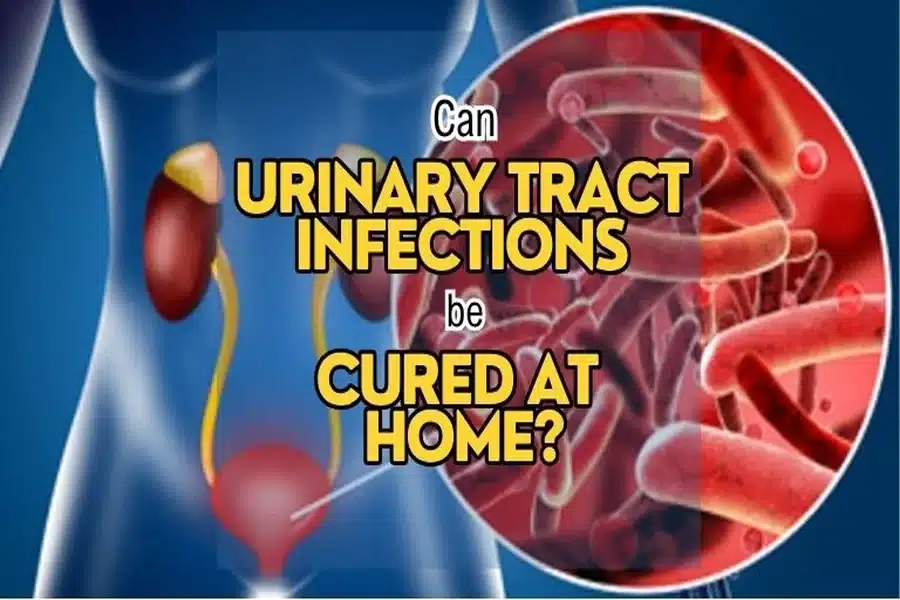
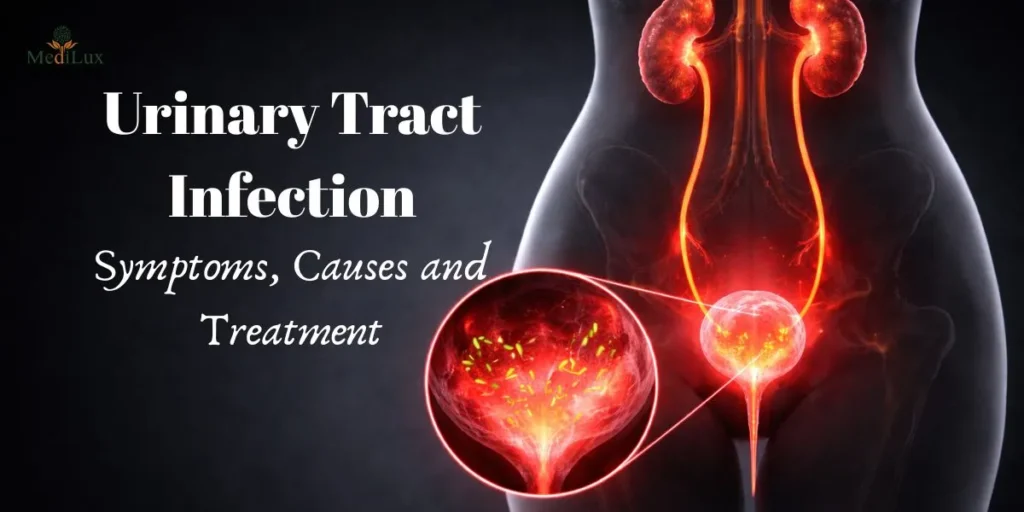
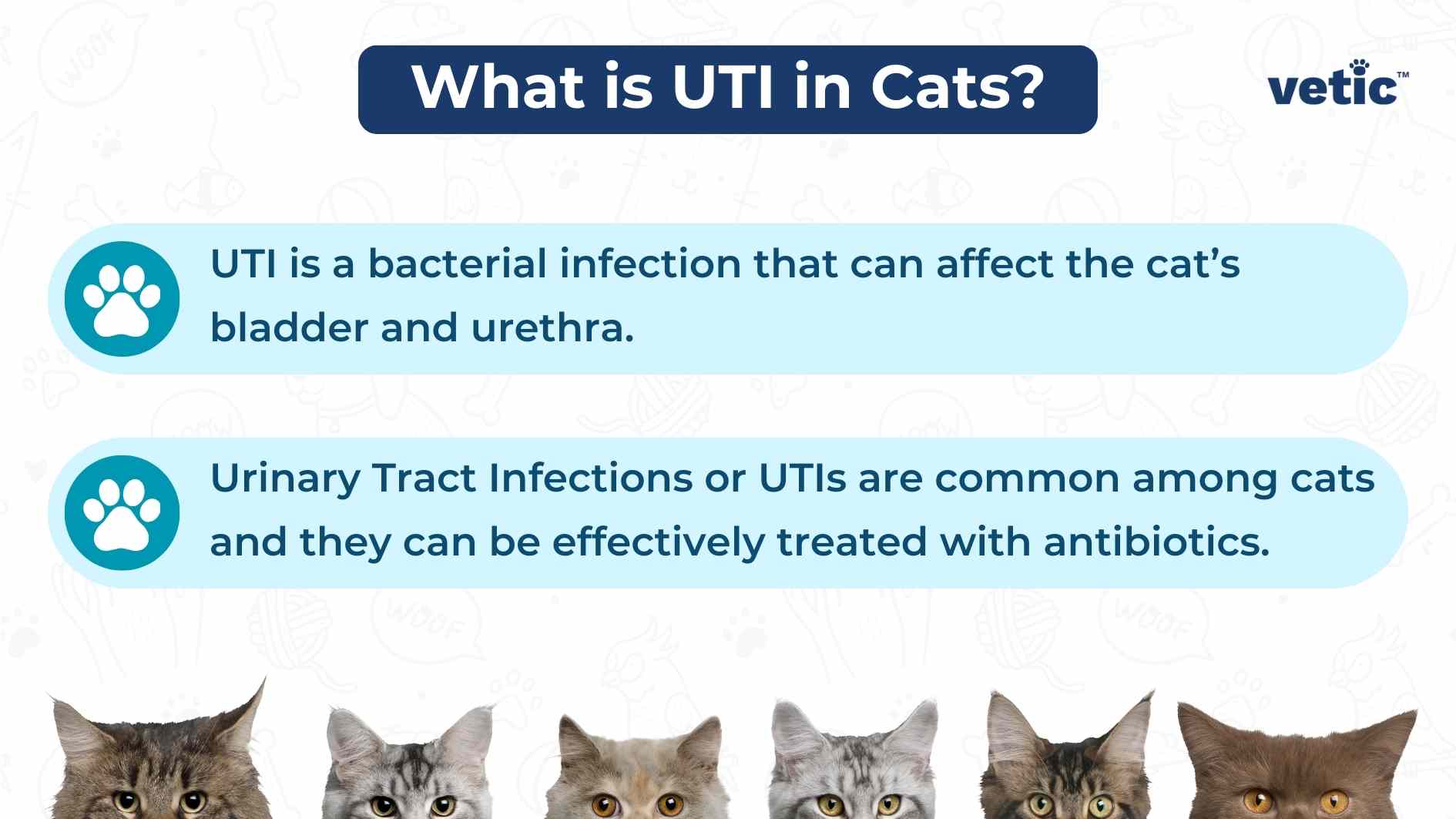
Cats can be mysterious companions, often keeping their ailments hidden. One common health issue that can be particularly challenging to spot is a urinary tract infection (UTI). These infections may affect any cat but are more prevalent in males, overweight, and older kitties. Recognizing the signs early is crucial to ensuring your furry friend remains…