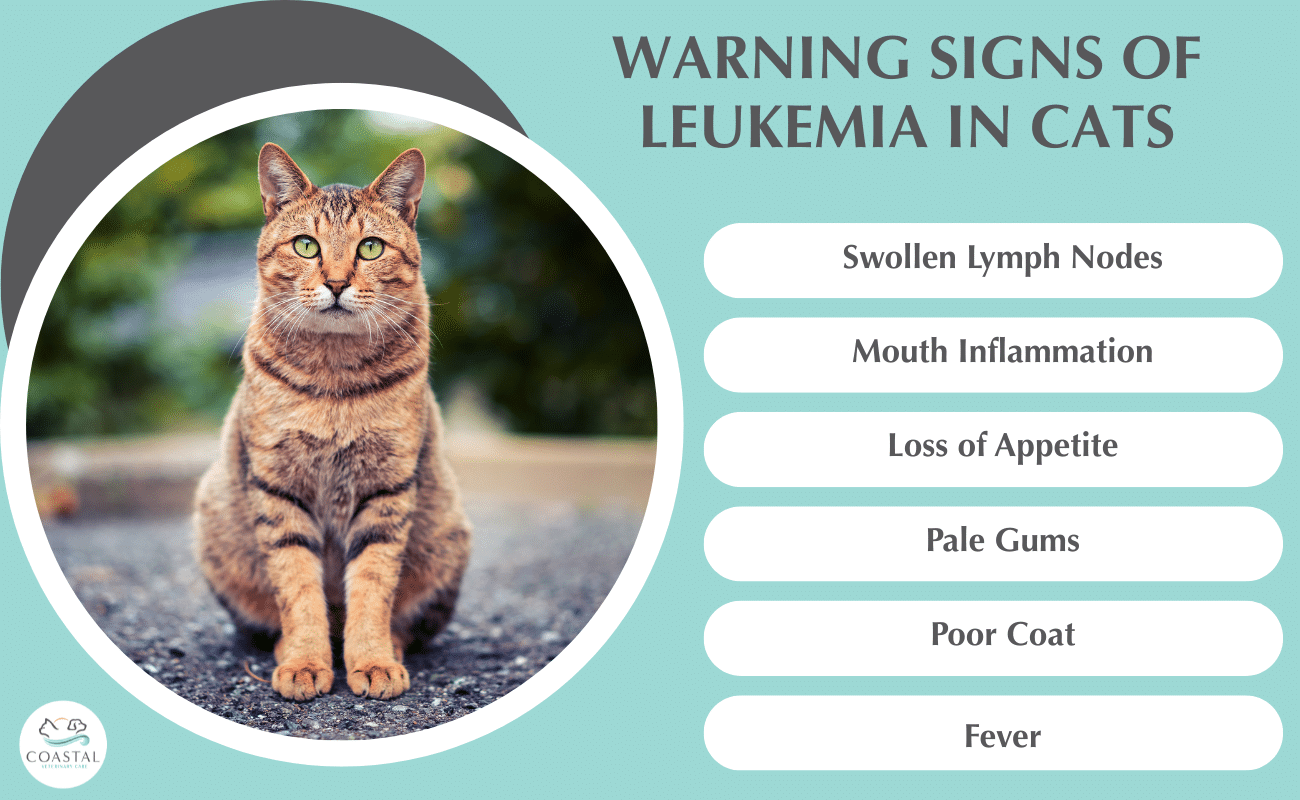
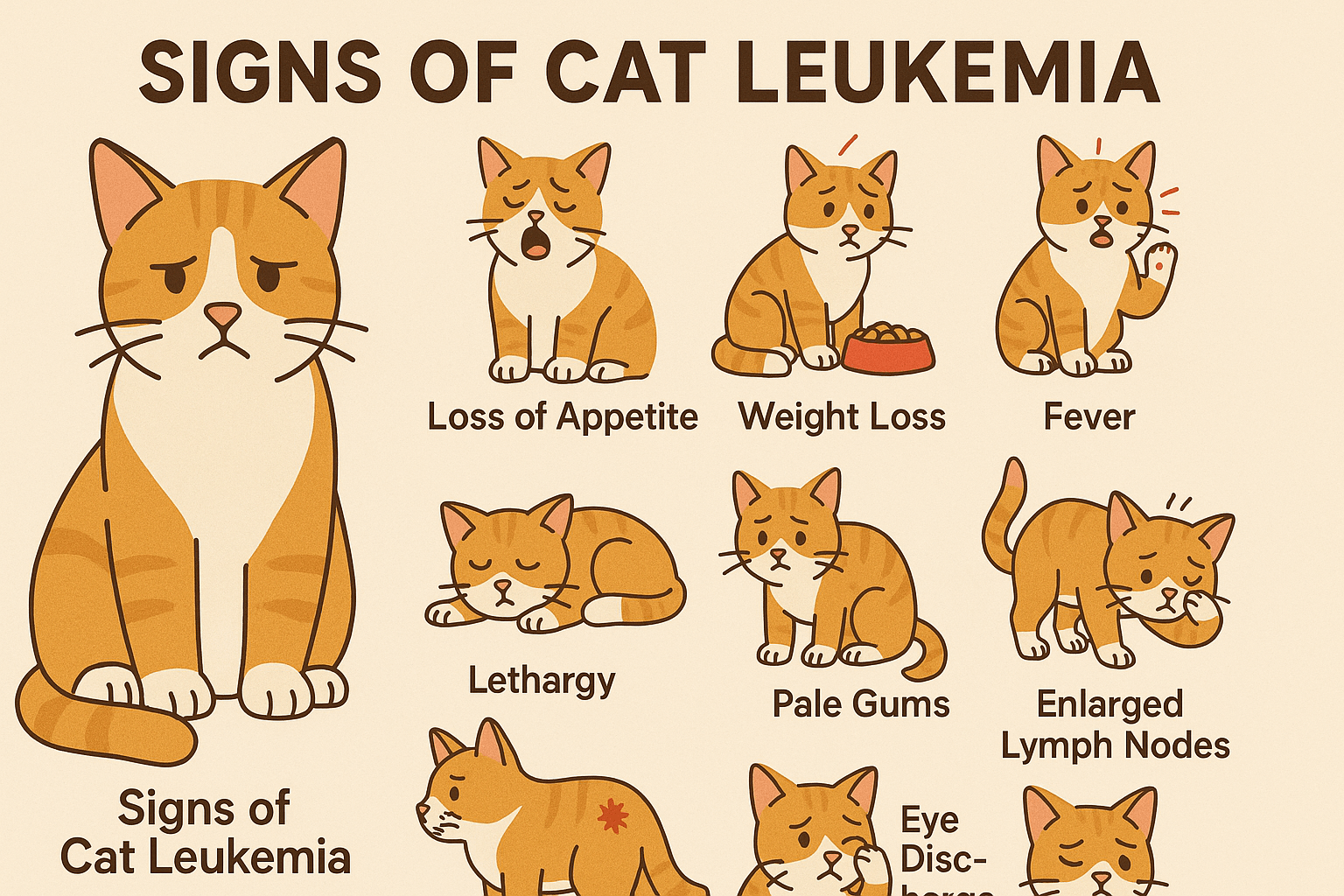
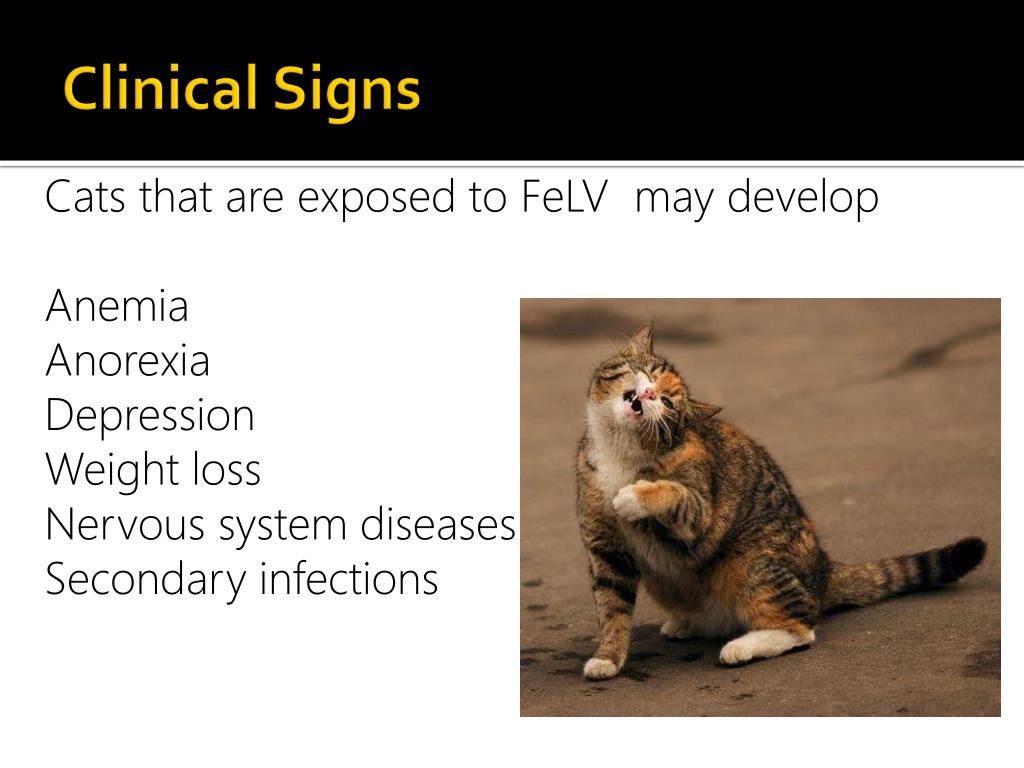
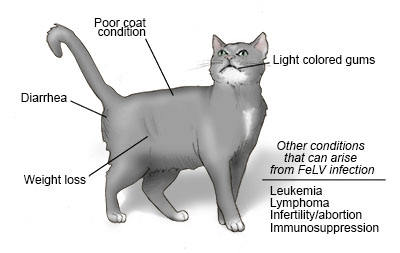
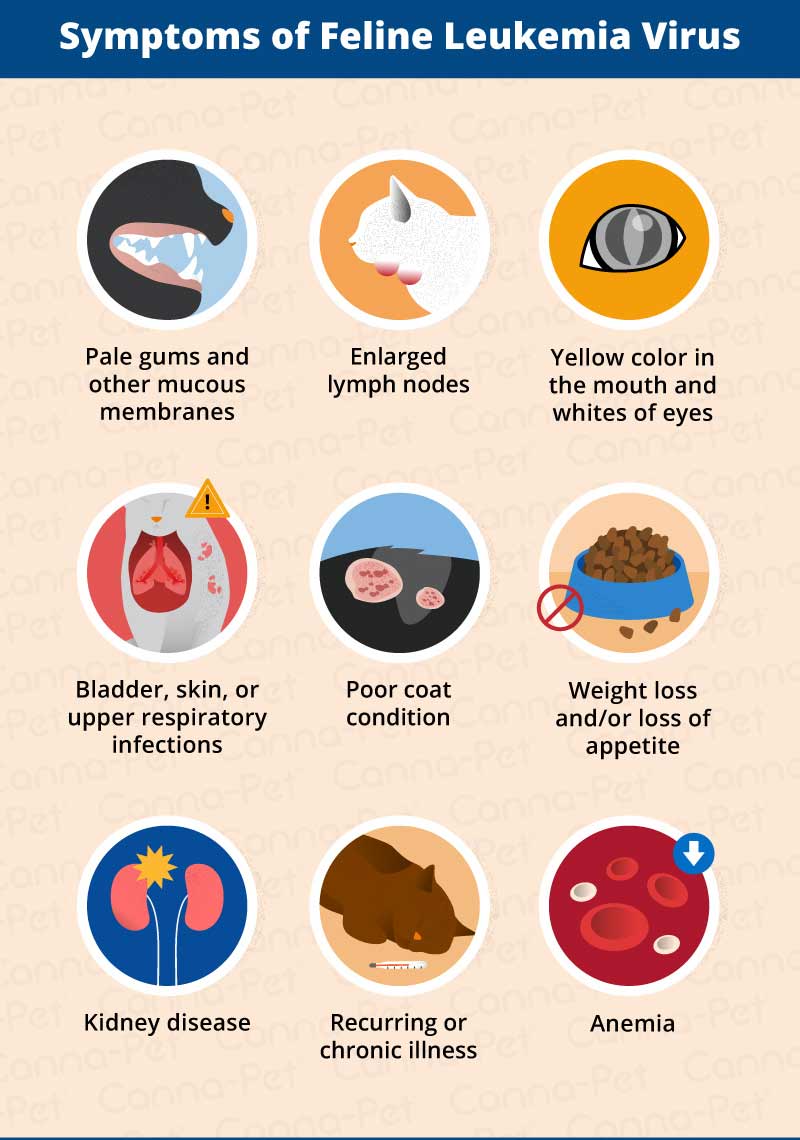
8 Early Warning Signs of Feline Leukemia Virus (FeLV)
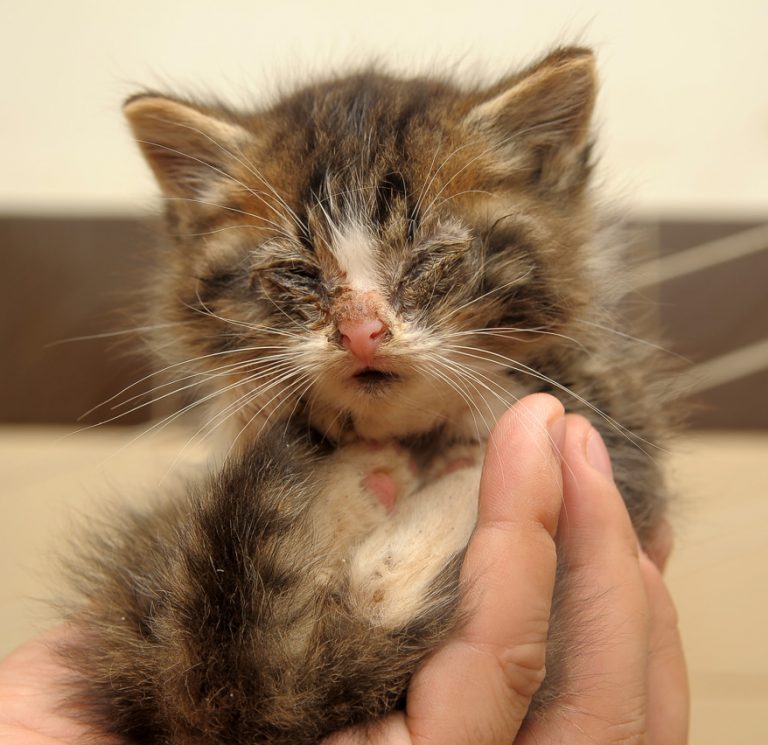
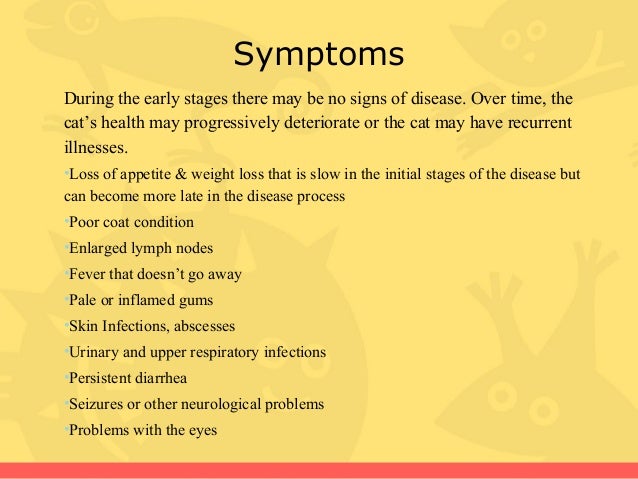
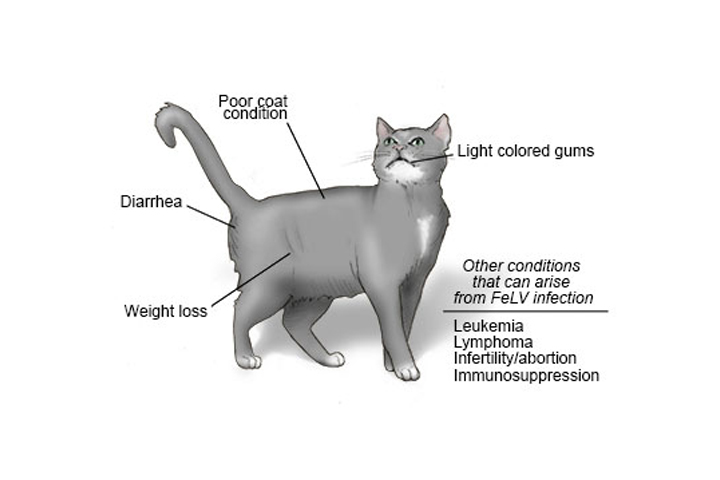
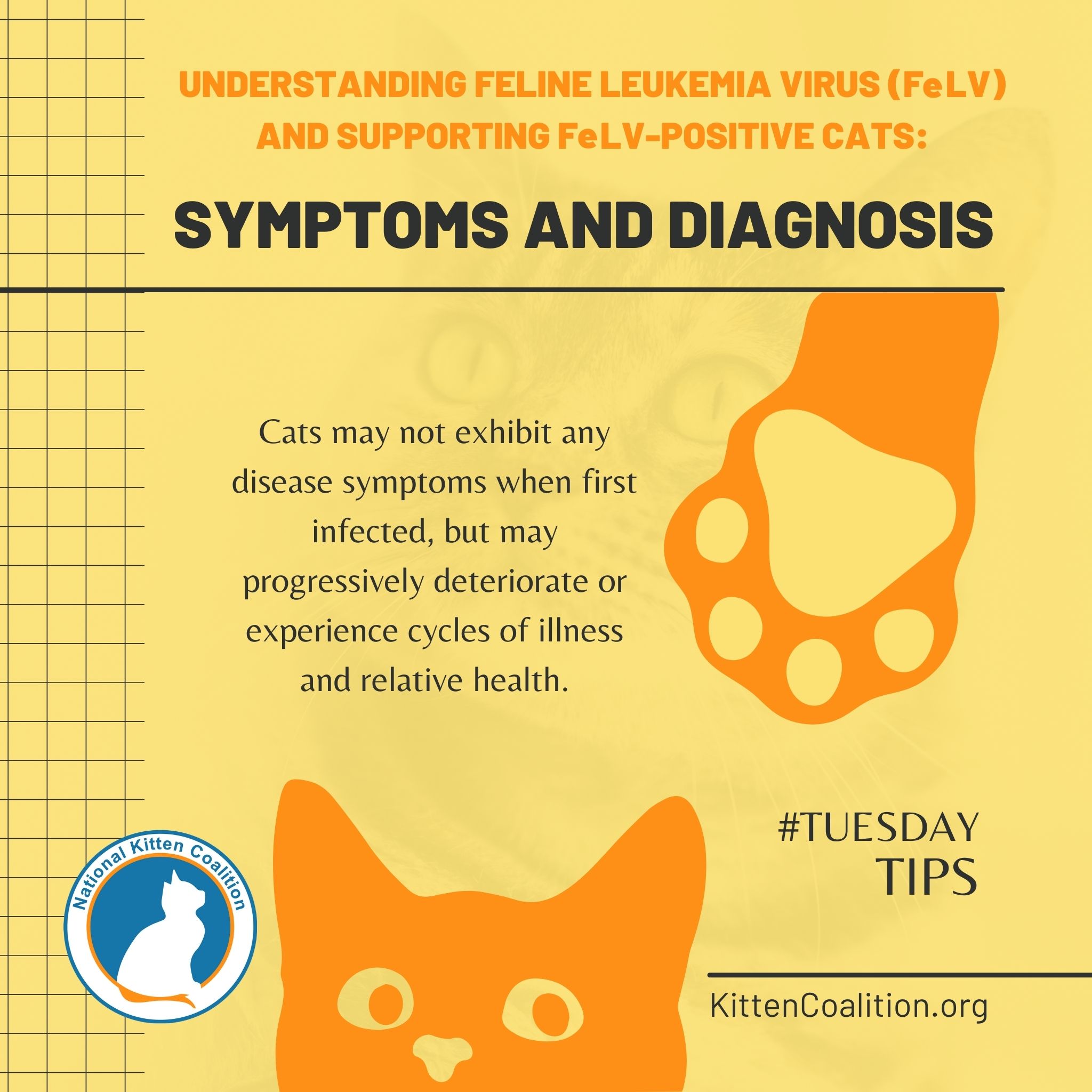
Most cats will show the signs of feline leukemia within a few weeks of being exposed to the virus , but some infected cats don't show symptoms for many years.
WebMD explains feline leukemia virus (FeLV), including symptoms , risk factors, treatments, and prevention.
Feline Leukemia Virus (FeLV)
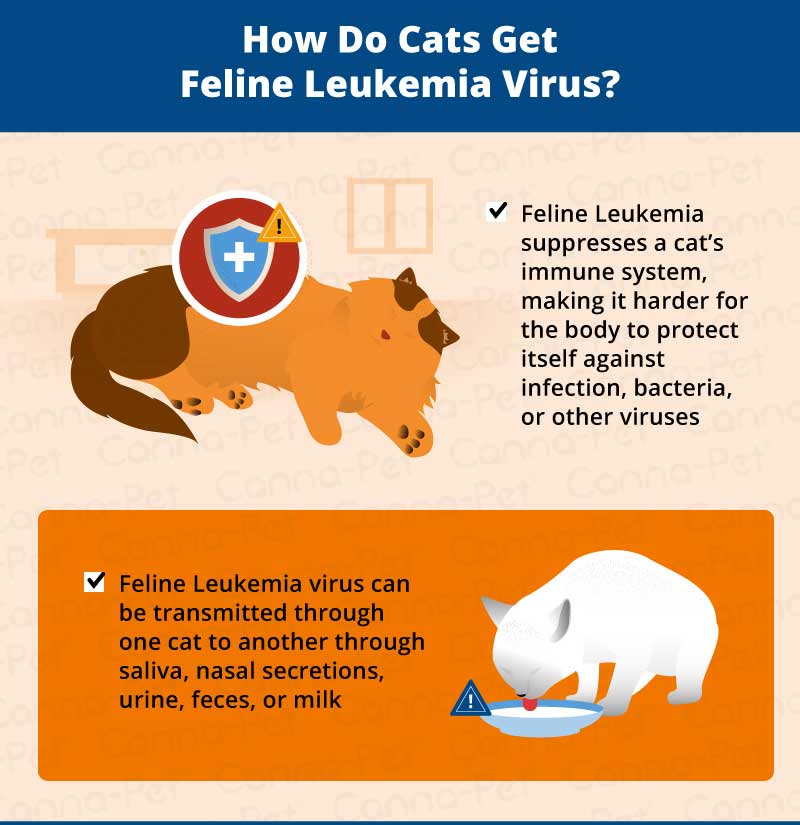
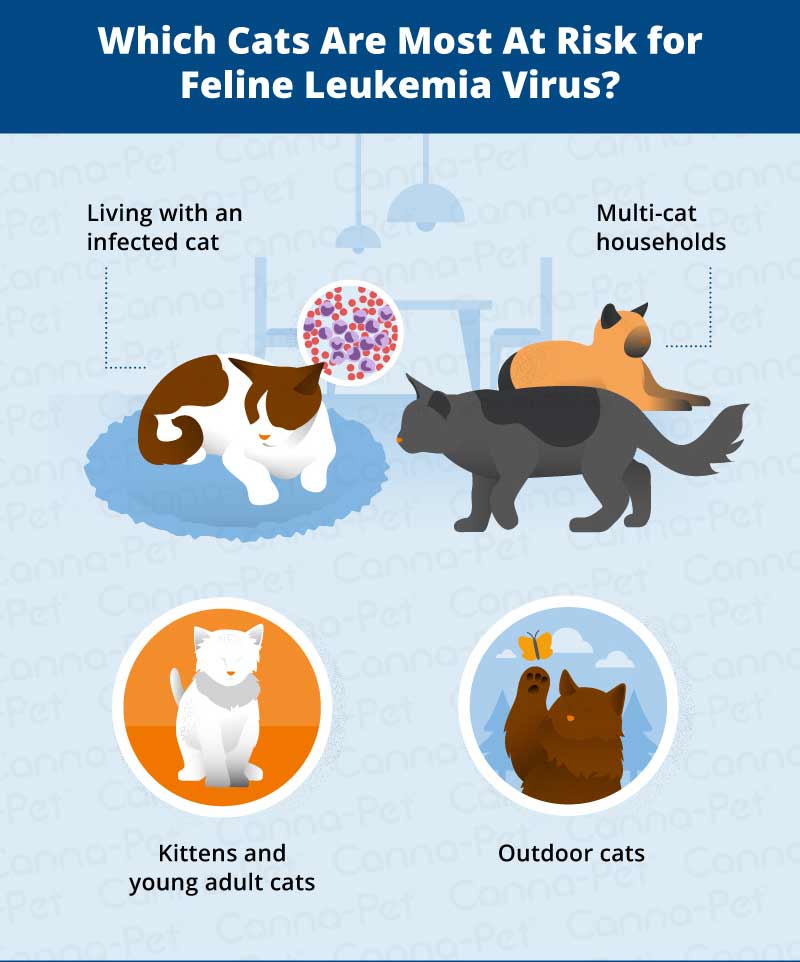
Feline leukemia is a serious health concern among domestic cats, primarily caused by the feline leukemia virus (FeLV). This contagious retrovirus weakens a cat's immune system and can lead to chronic infections, anemia, and even cancer. According to veterinary research, FeLV is transmitted through close contact, such as sharing food and water bowls or mutual grooming. Kittens, especially ...

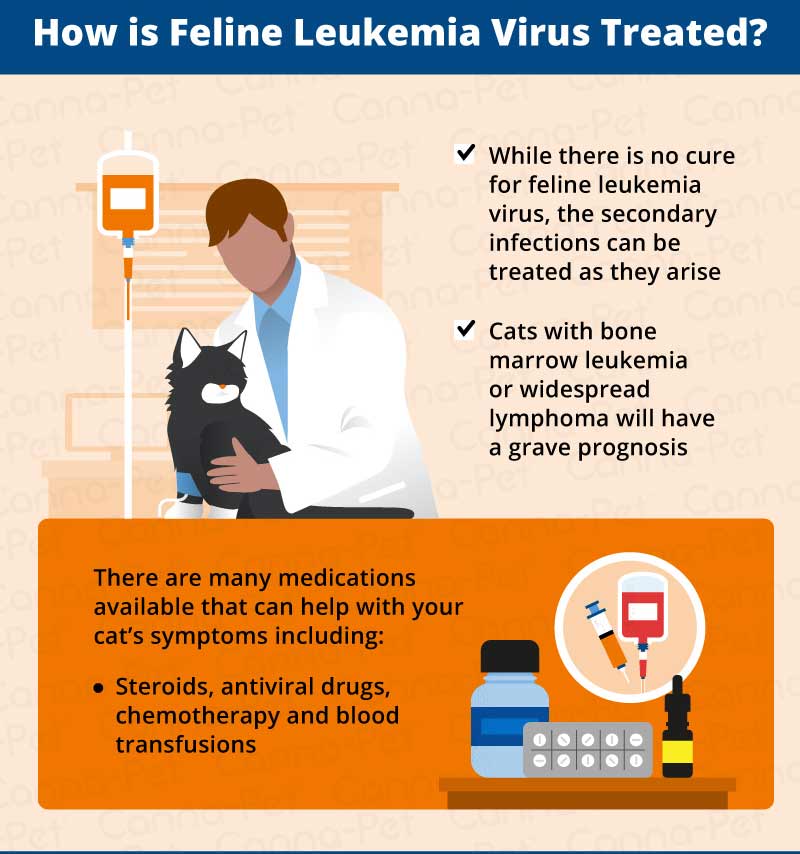
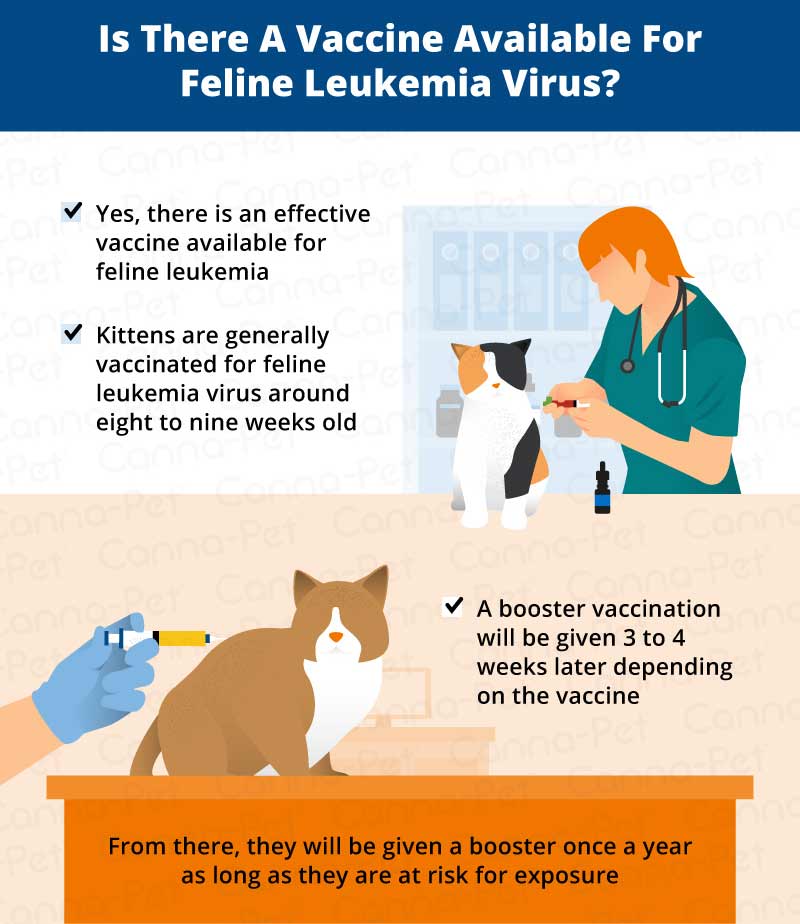
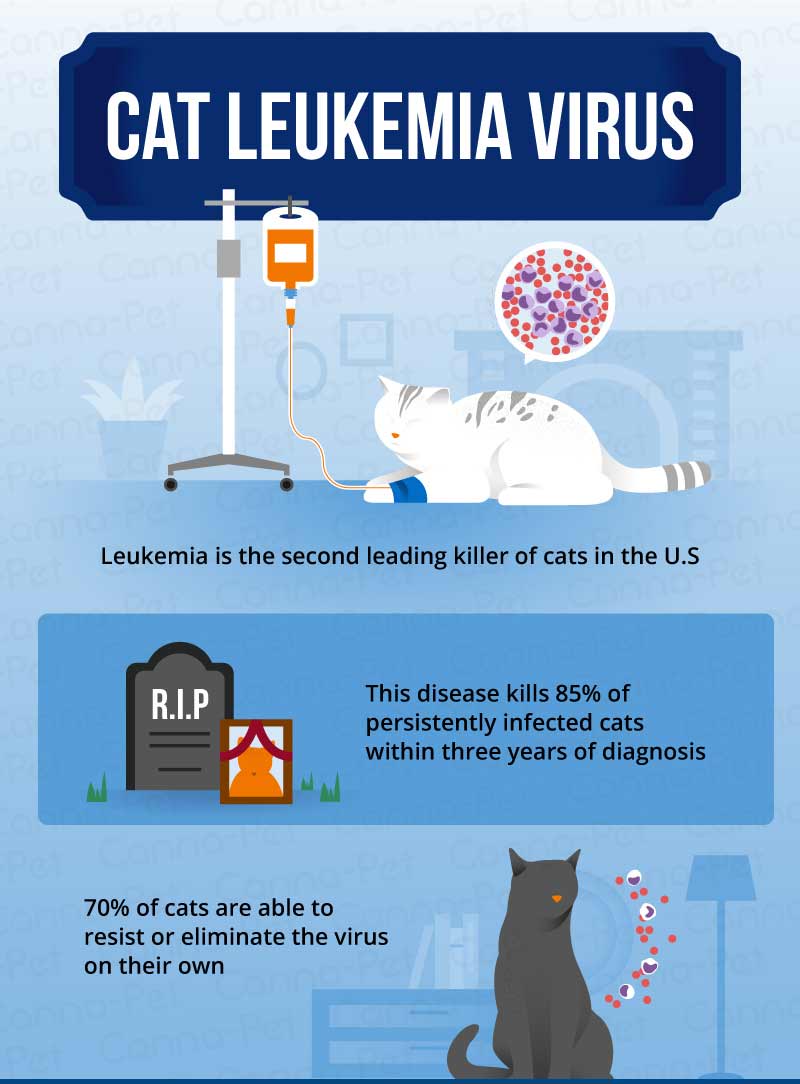
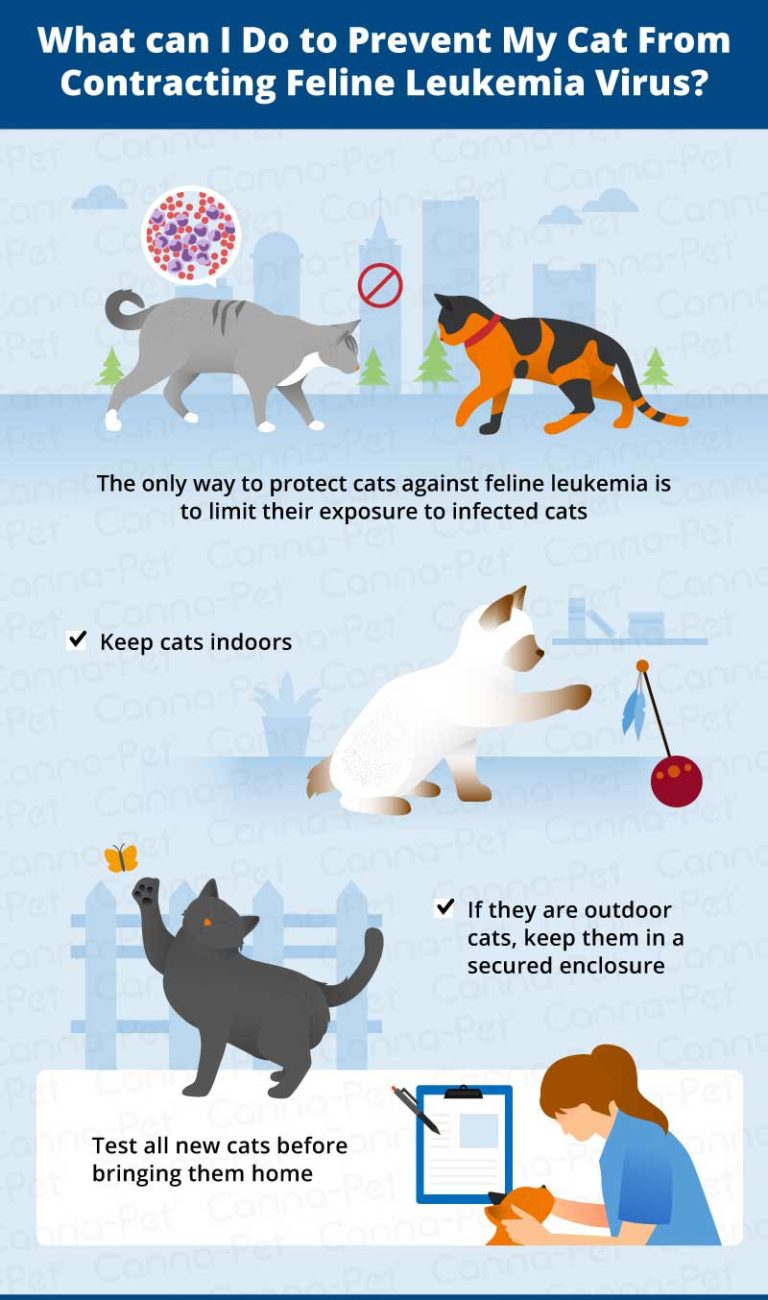
Feline leukemia virus is usually ultimately fatal. but infected cats may still have a good quality of life. The average survival time after diagnosis is 2.4 years, but some cats will appear "healthy" for multiple years. The disease typically develops faster in kittens than in adults , and some adults ultimately succumb to unrelated conditions. A vaccine is available to prevent feline leukemia ...
Feline Leukemia Symptoms
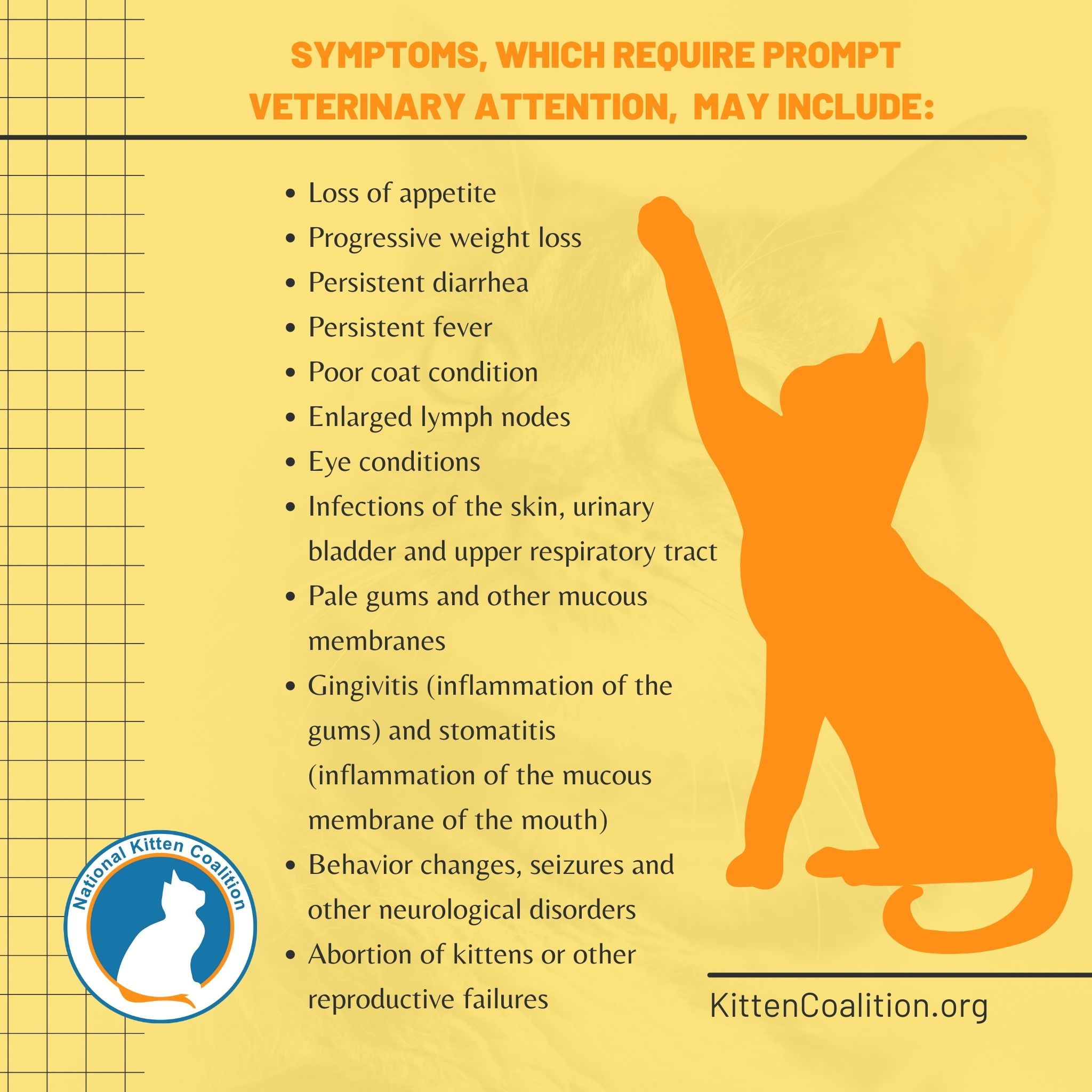
Feline Leukemia Virus (FeLV) is a serious disease that often begins with vague, easy-to-miss symptoms before progressing to more severe health complications. Understanding the feline leukemia symptoms to watch for can be the key to getting your cat the care they need at the earliest possible stage.
Feline Leukemia Virus
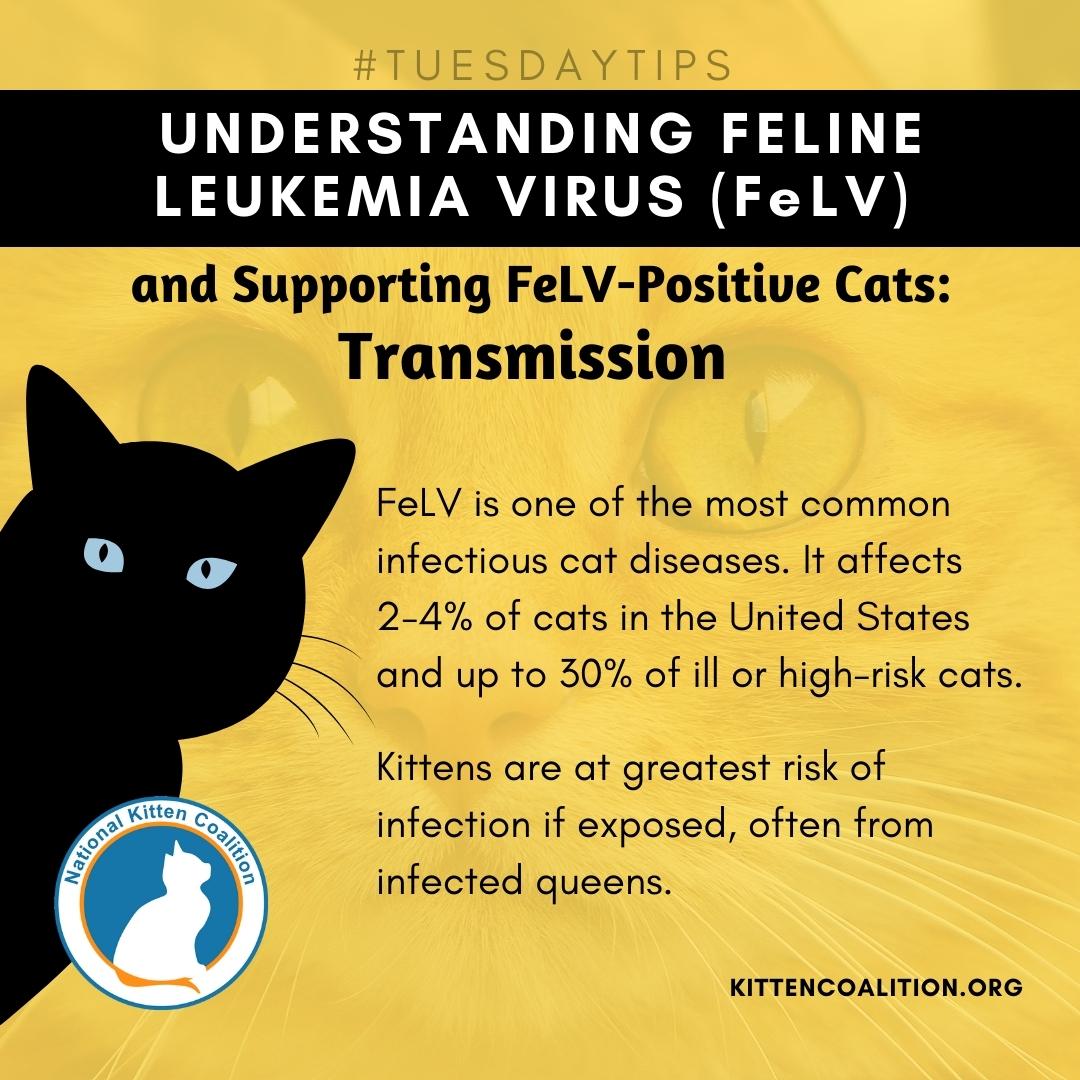
Feline leukemia virus (FeLV) is one of the most common and important infectious diseases in cats, affecting between 2-3% of all cats in the United States and Canada. Infection rates are significantly higher (up to 30%) in cats that are ill or otherwise at high risk (see below). Fortunately, the prevalence of FeLV in cats has decreased significantly in the past 25 years since the development of ...
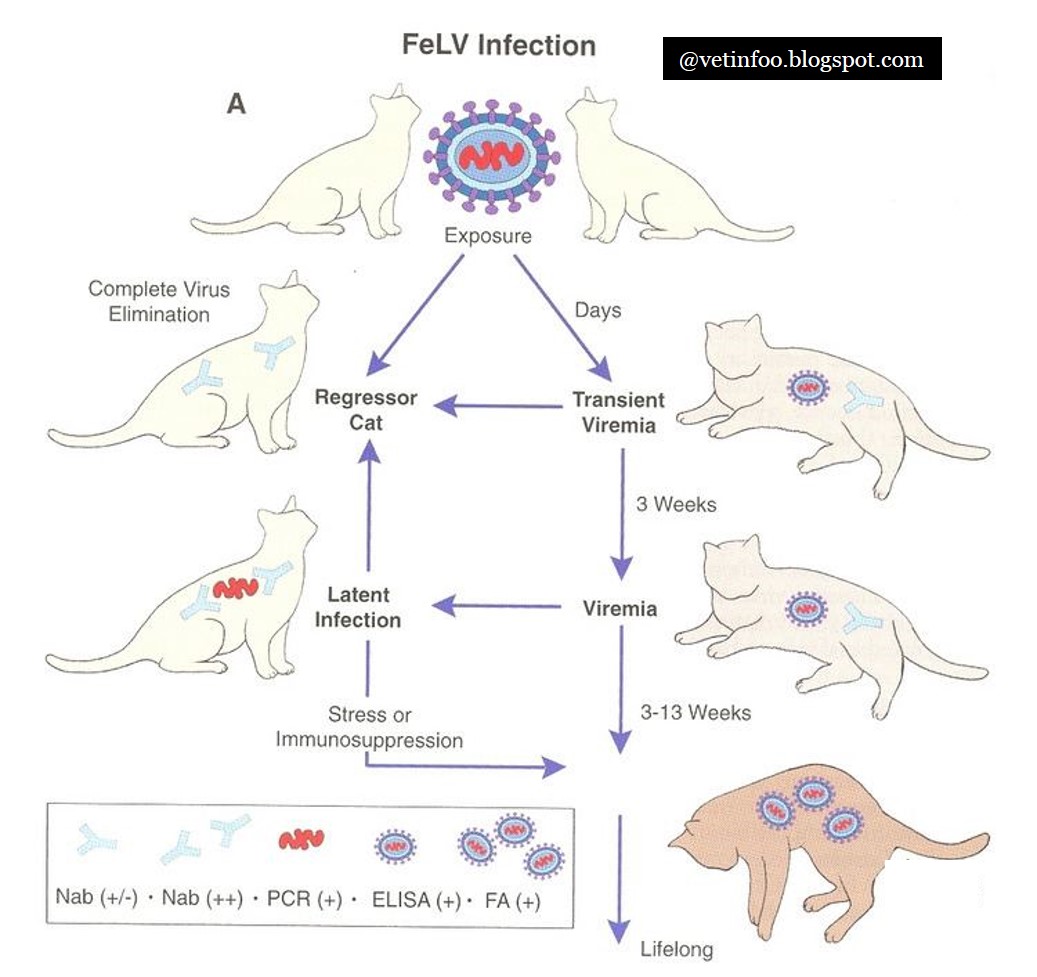
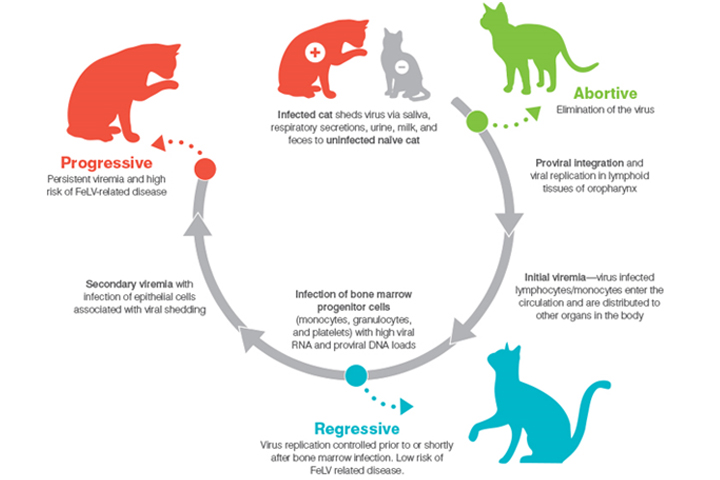
What is feline leukemia virus (FeLV)? Feline leukemia virus (FeLV) is a virus that infects cats. It was first identified in cats that had a form of leukemia (cancer of the white blood cells), but it is now known to cause a range of serious health problems. FeLV depresses the immune system, making infected cats more prone to infections, anemia, and certain cancers. Like all viruses, FeLV can ...
Feline Leukemia Virus Brochure
Feline leukemia virus adversely affects the cat's body in many ways. It is the most common cause of cancer in cats, it may cause various blood disorders, and it may lead to a state of immune deficiency that hinders the cat's ability to protect itself against other infections.
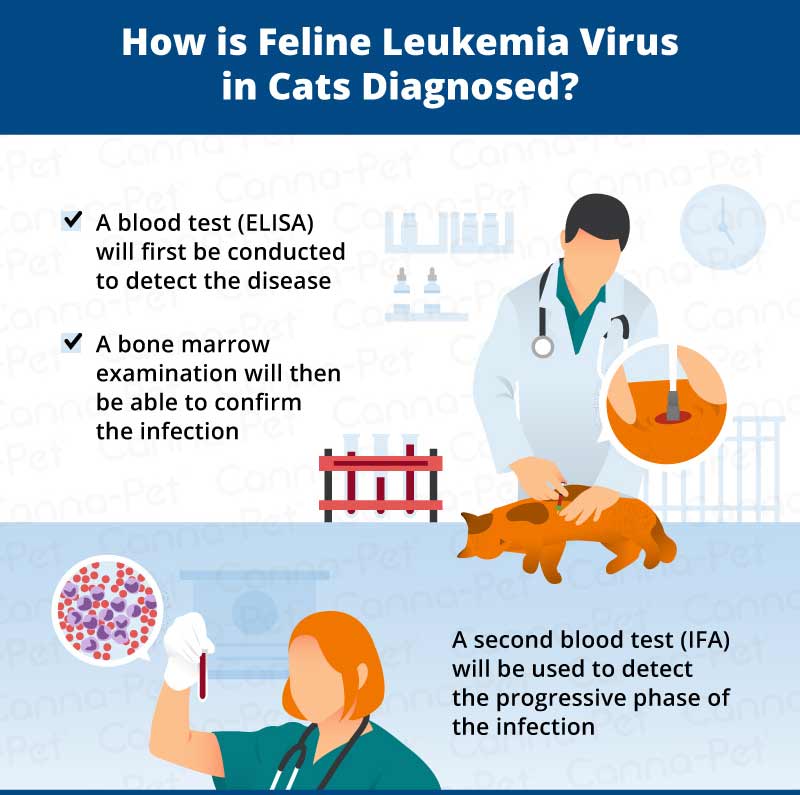
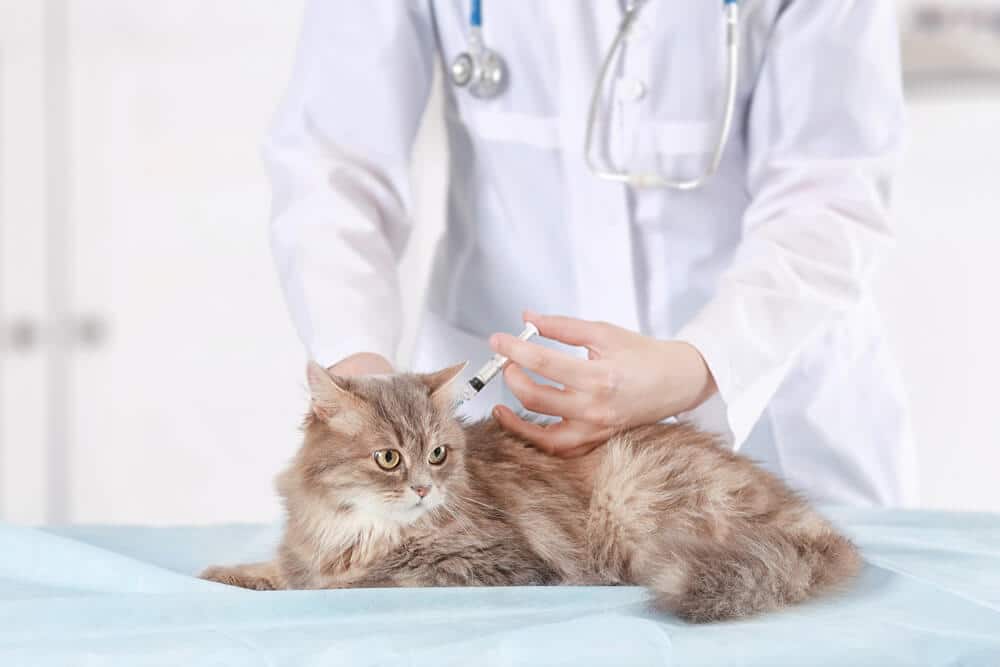
Feline leukemia virus (FeLV) is one of the most common infectious causes of disease of cats globally. Infection with FeLV can cause a variety of clinical signs, impacting a cat's longevity and quality of life. Vaccination and identification of infected cats is important in preventing disease transmission.