Feline Leukemia Virus Life Expectancy and Your Cats Health
Understand the impact of FeLV on your cats life expectancy , symptoms, treatment options, and prevention strategies to ensure their well-being.
Survival analysis and clinical abnormalities in cats with progressive ...
This study aimed to characterize the clinical presentations and effects of progressive and regressive outcomes of feline leukemia virus (FeLV) infection on the life expectancy of cats. In total, 176 cats were selected: 116 with progressive infection (FeLV+P), 30 with regressive infection (FeLV+ R), and 30 FeLV-negative cats (Control). The cats underwent testing using ELISA to detect the FeLV ...
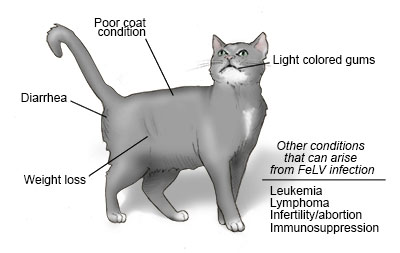
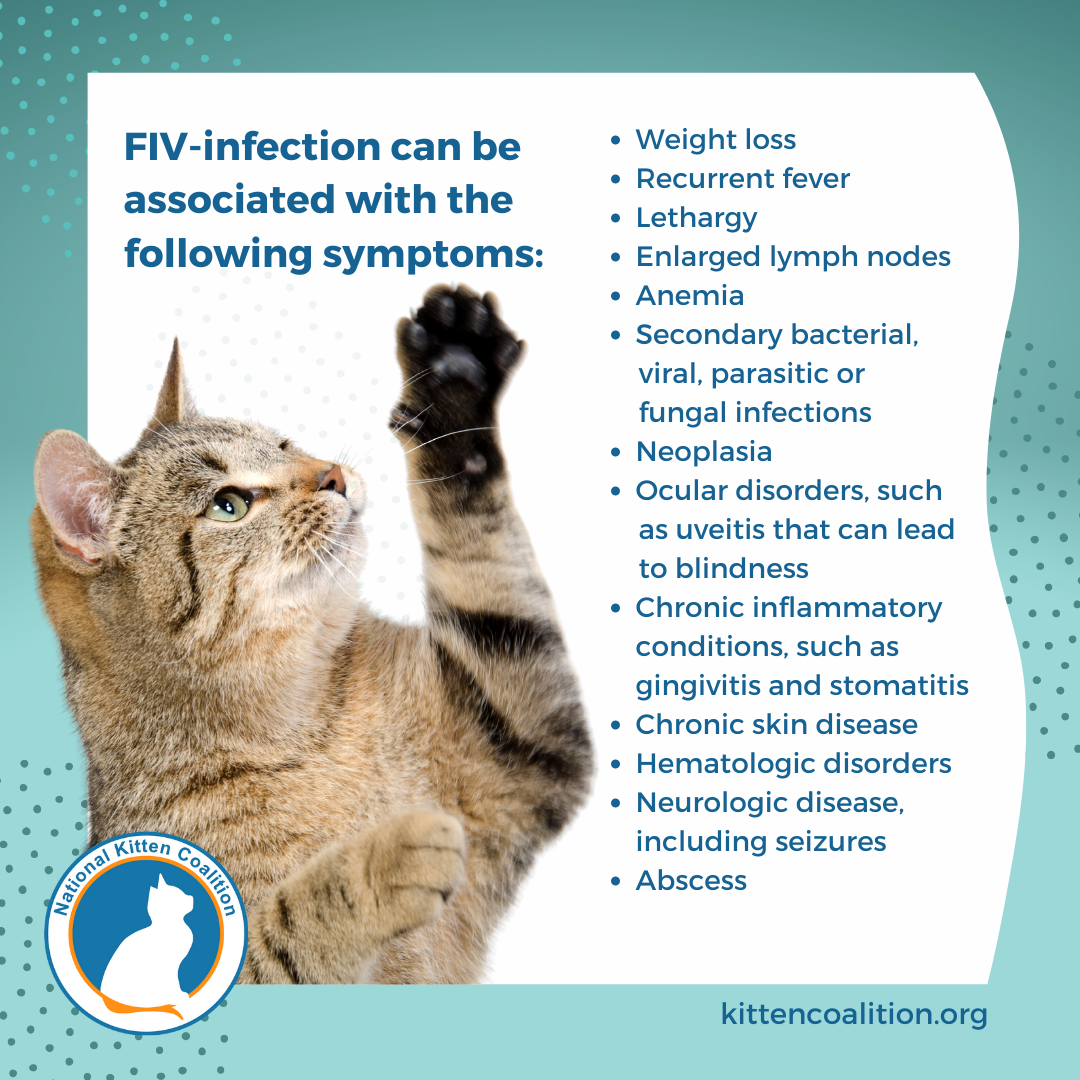
Progressively feline leukemia virus -infected cats persistently shed virus and remain infectious to other cats throughout their life , typically develop feline leukemia virus -associated diseases (neoplasia, anemia), and most will die within a few years.
What's New in Feline Leukemia Virus Infection
Feline leukemia virus (FeLV) is a retrovirus with global impact on the health of domestic cats that causes tumors (mainly lymphoma), bone marrow disorders, and immunosuppression. The importance of FeLV is underestimated due to complacency associated with previous decline in prevalence. However, with this comes lowered vigilance, which, along with potential for regressively infected cats to ...
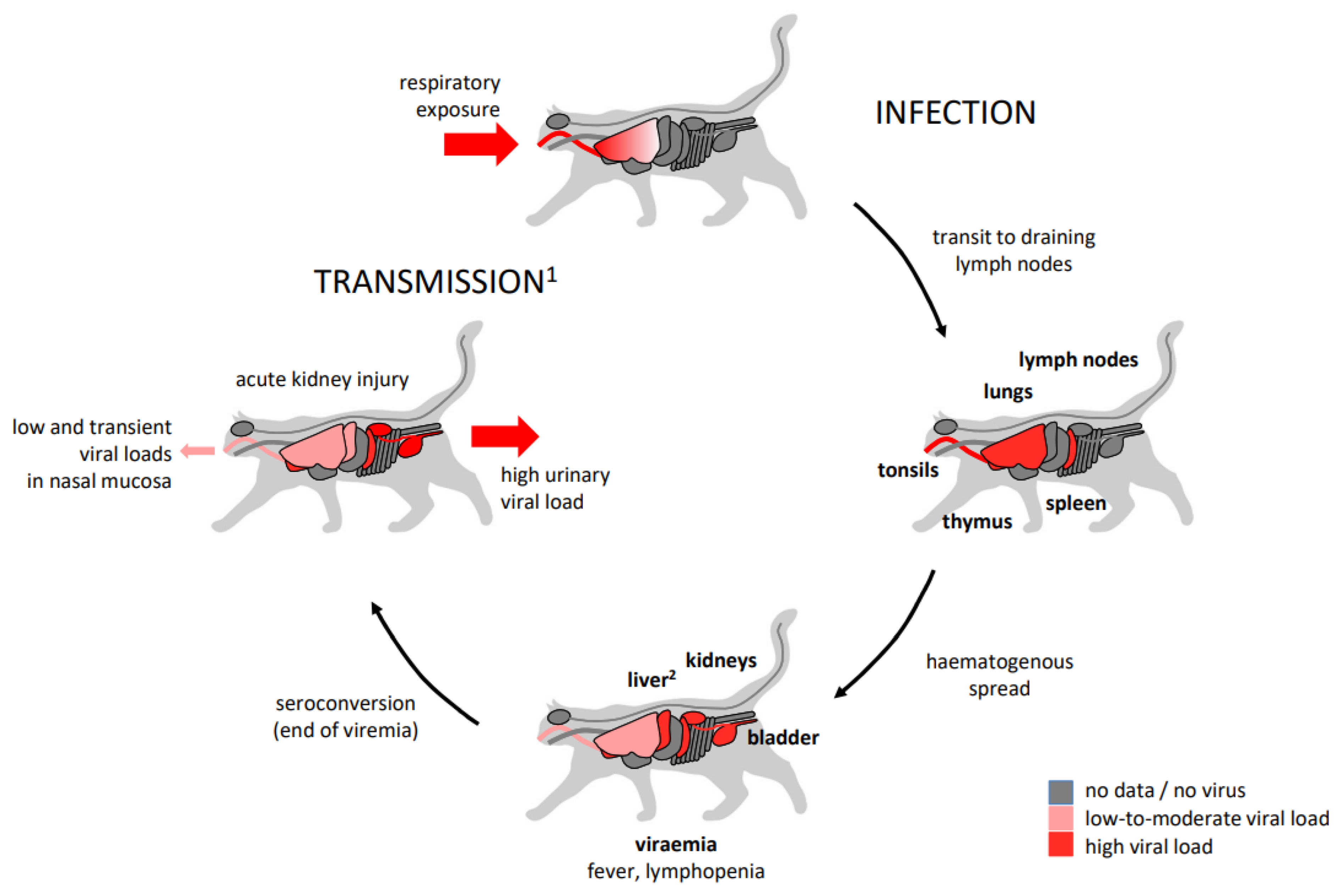
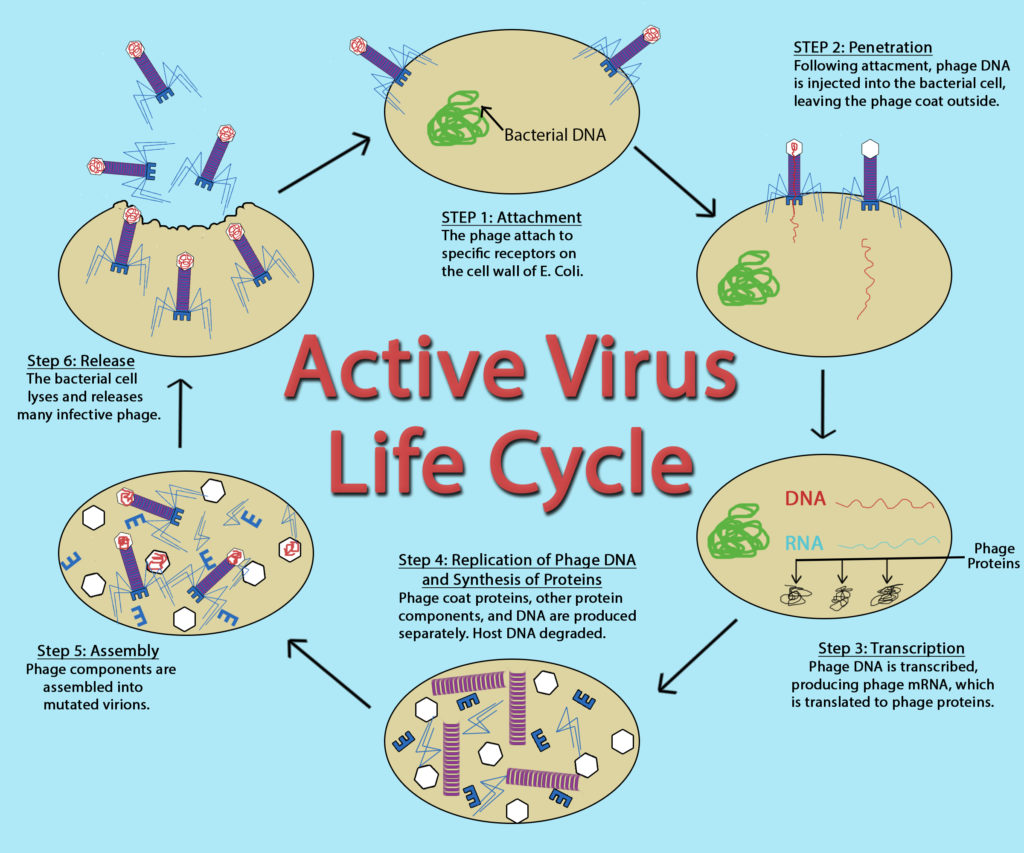
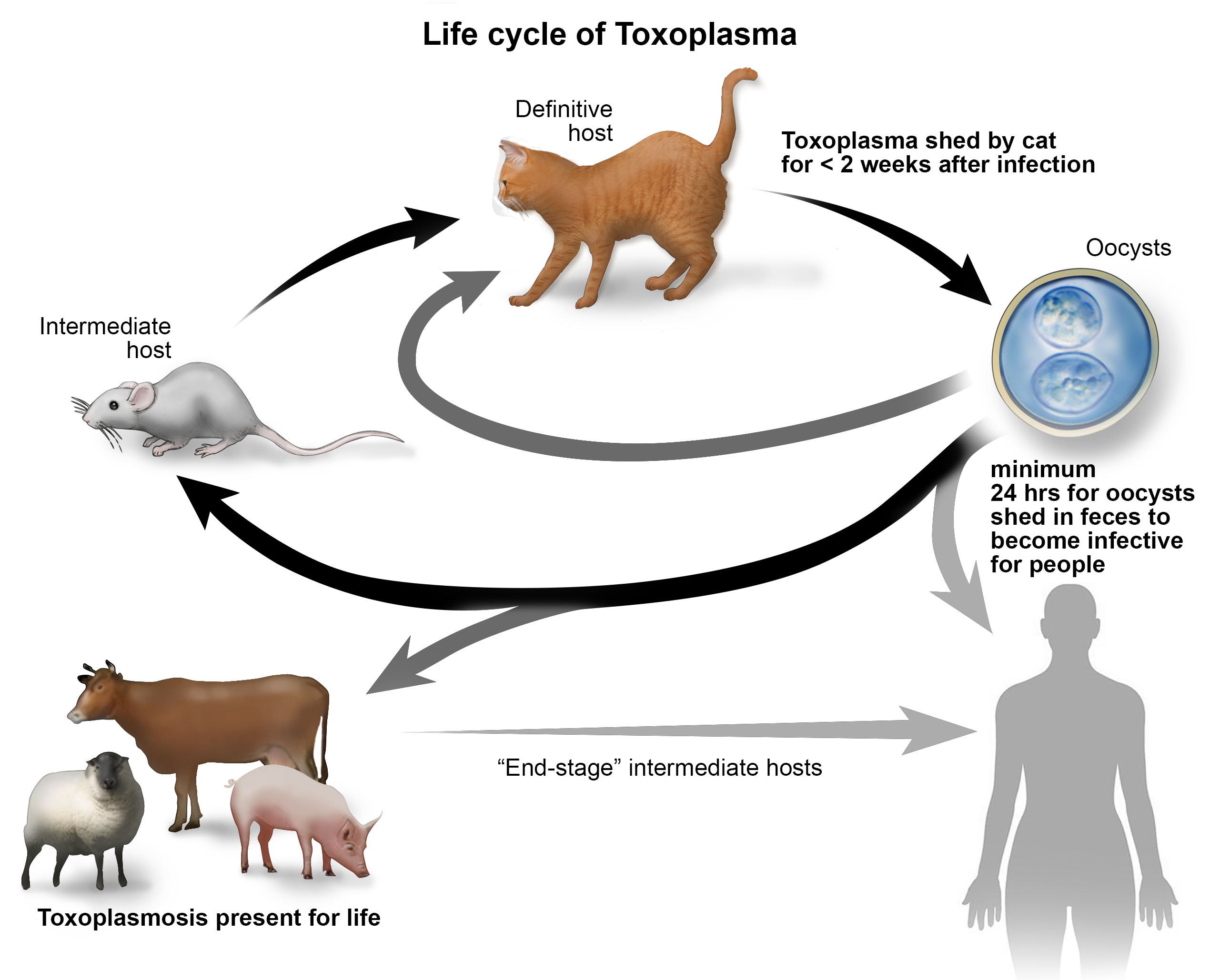
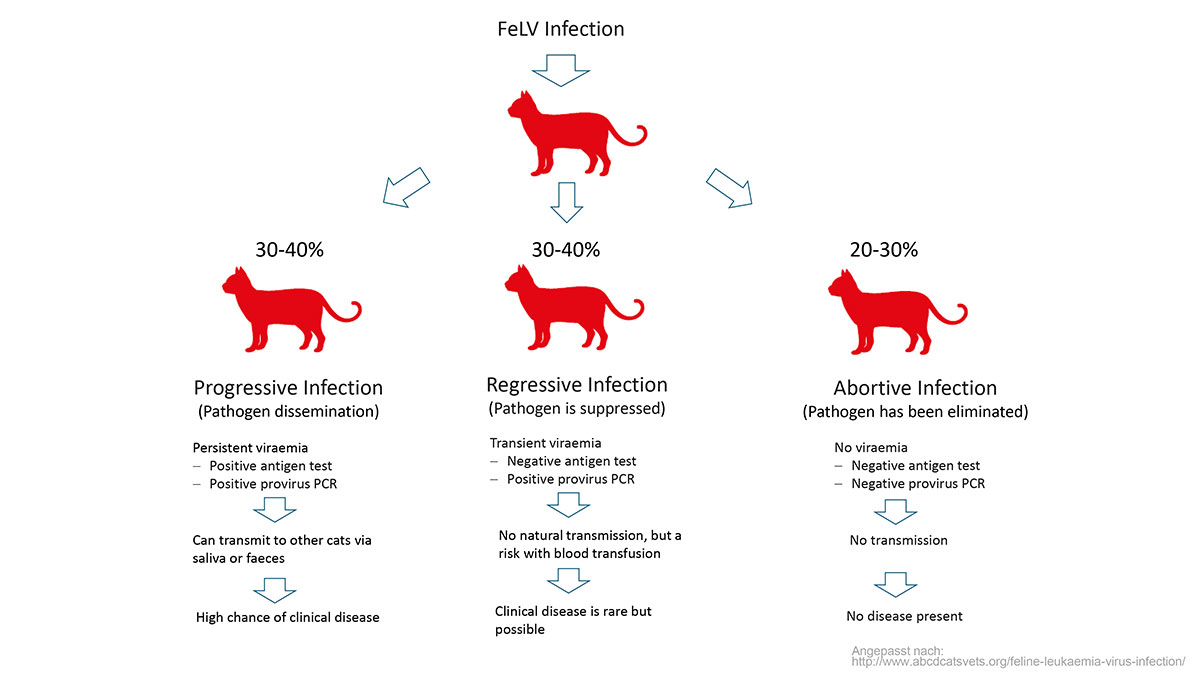
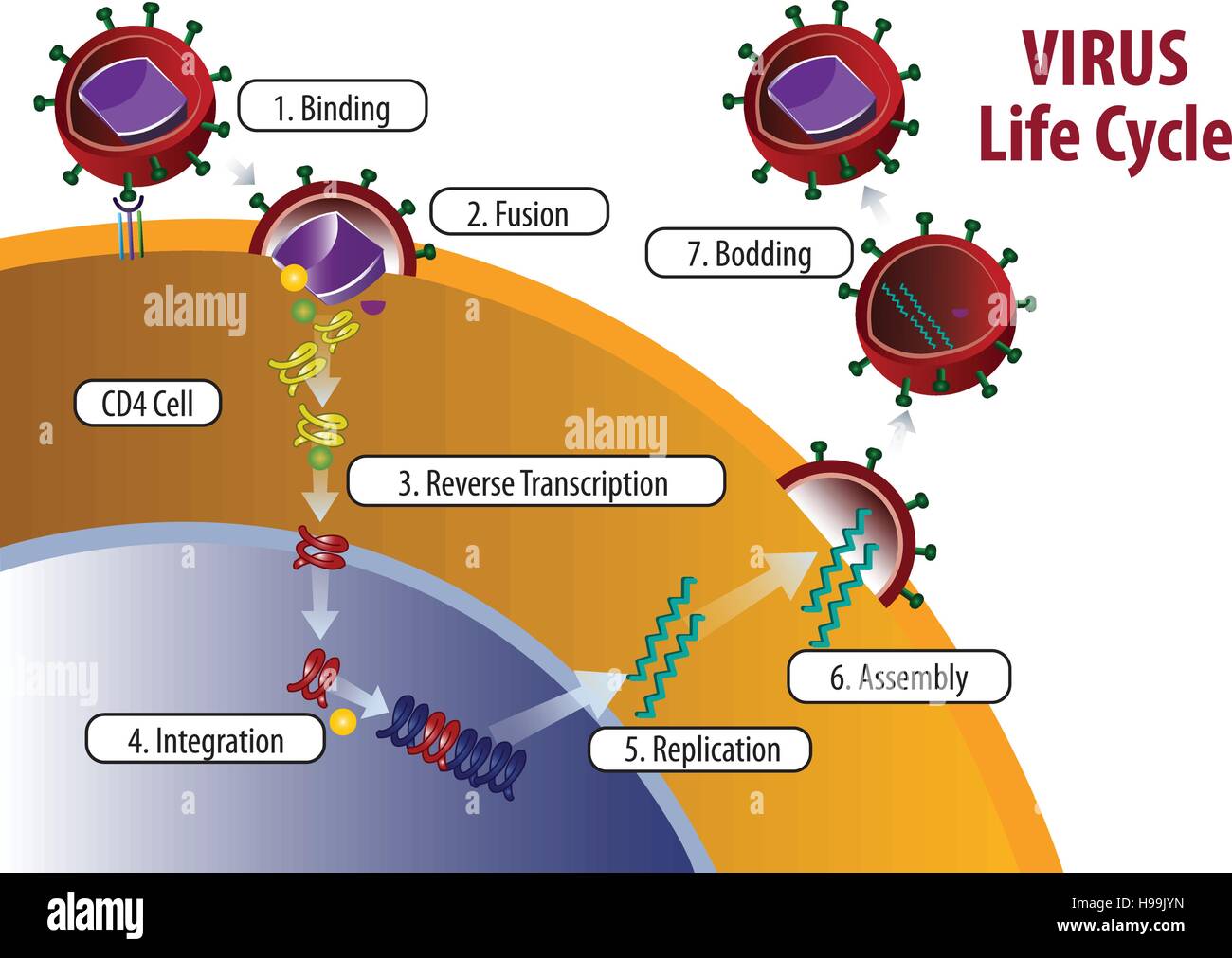
Furthermore, visual representations like the one above help us fully grasp the concept of Feline Leukemia Virus Life Cycle And Impact On Life Expectancy.
Progressive feline leukaemia virus (FeLV) infection dramatically shortens the lives of infected cats, causing acquired immunodeficiency, aplastic anaemia, lymphoma, leukaemia and other myeloproliferative diseases. The potential impact of regressive FeLV infection on the development of disease remains largely unknown, although there is evidence it contributes to lymphoma development. Despite a ...
Feline Leukemia Virus Infection
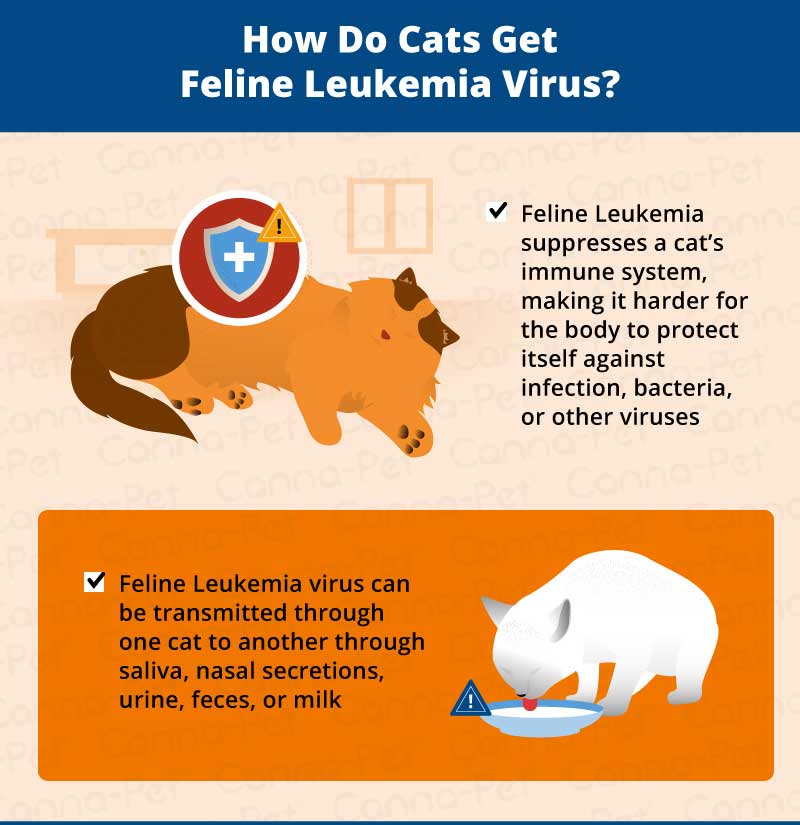
Overview of Feline Leukemia Virus Infection. First Described: Scotland, 1964 (Jarrett et al.) 1 Cause: Feline leukemia virus (family Retroviridae, subfamily Orthoretrovirinae, genus Gammaretrovirus) Affected Hosts: Domestic and some wild Felidae Geographic Distribution: Worldwide Mode of Transmission: Prolonged close contact with salivary secretions; to a lesser extent biting, transplacental ...
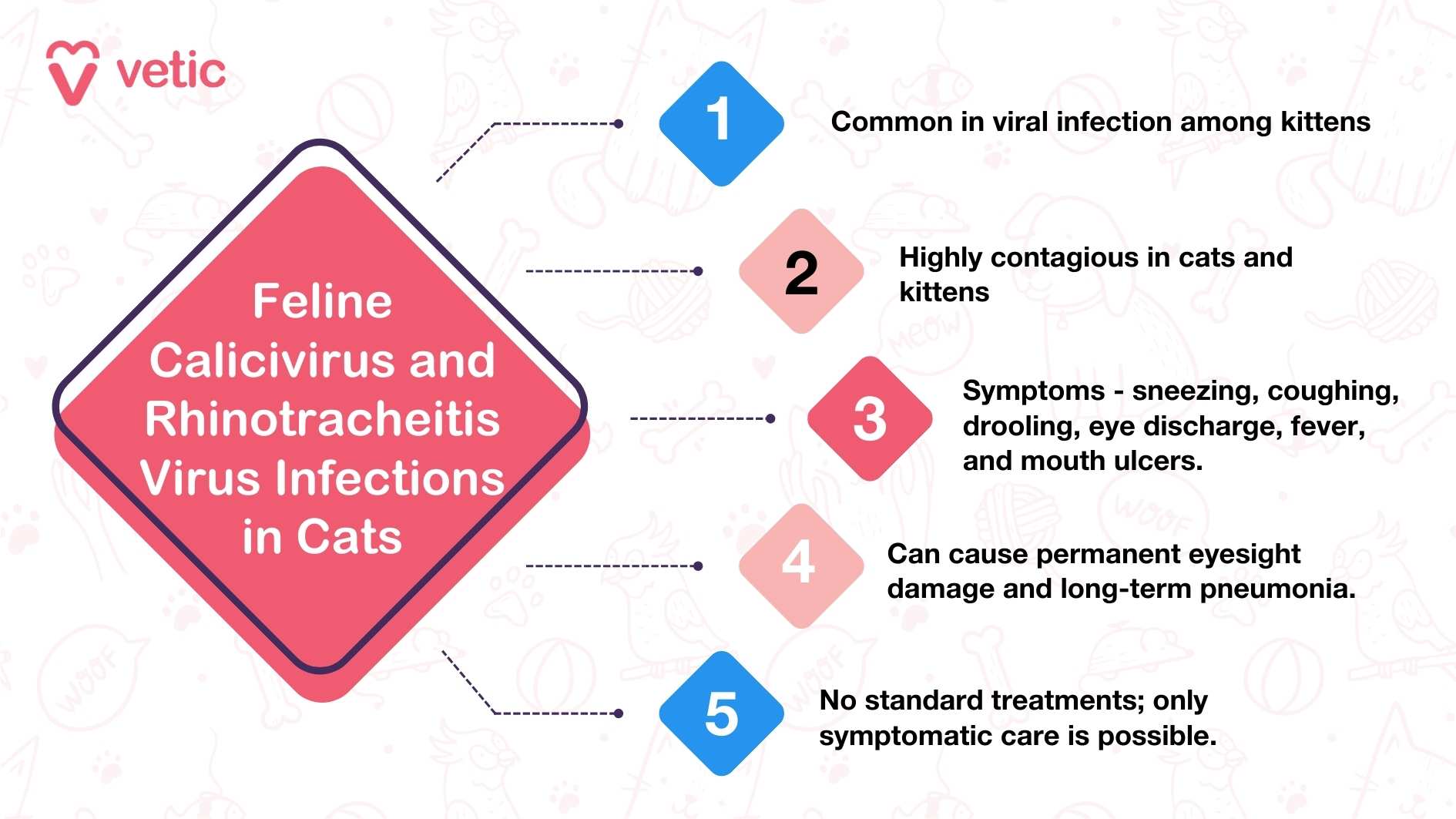
1. Feline Leukemia Virus Disease as a Model of Viral Oncogenesis Domestic cats have the highest incidence of naturally occurring lymphoid malignancies of any nonrodent mammal. Feline leukemia virus (FeLV) is an oncornavirus that causes lymphosarcoma, leukemia , and aplastic anemia in cats and is similar to leukemia viruses of mice (murine leukemia virus ) and chickens (avian leukemia virus ). The ...
PDF FeLV Fact SheetCurrent 2025
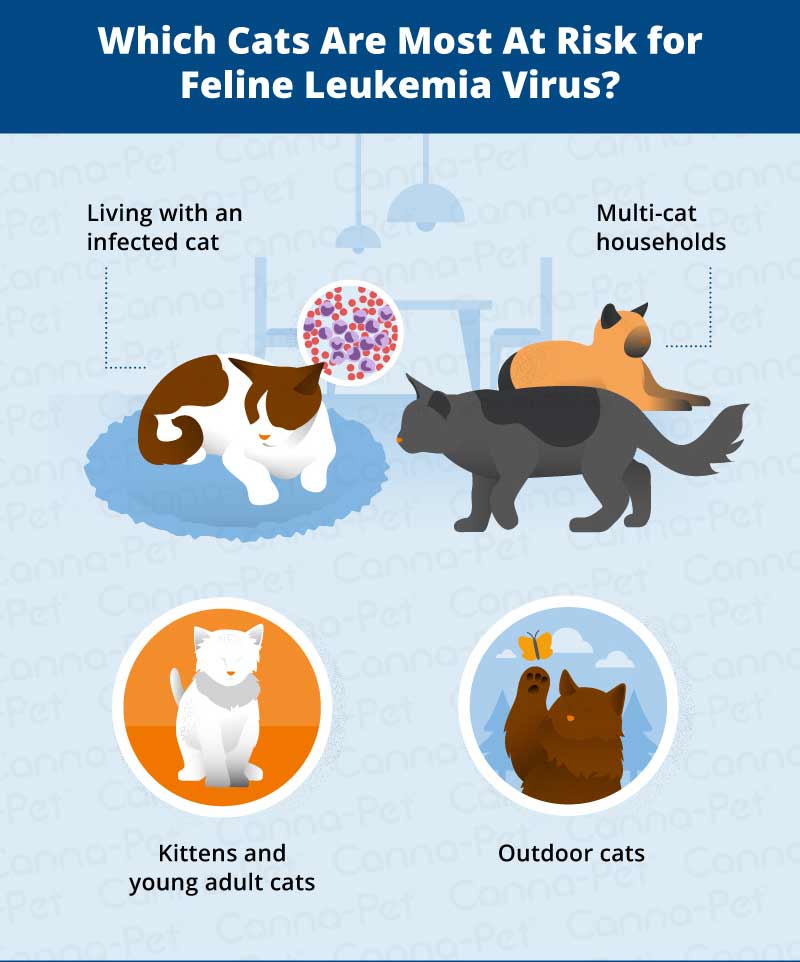
Cats with a regressive or abortive infection are less likely to shed the virus , making them less contagious, and unlikely to develop FeLV-associated illnesses. Cats with progressive infections are infected for life , are more susceptible to illness, and thus have a shortened life expectancy .
Feline leukaemia virus (FeLV), a gammaretrovirus of domestic cats, is a member of the Orthoretrovirinae subfamily of retroviruses. It contains a protein core with single-stranded RNA protected by an envelope.