Feline Leukemia Virus Life Expectancy and Your Cats Health
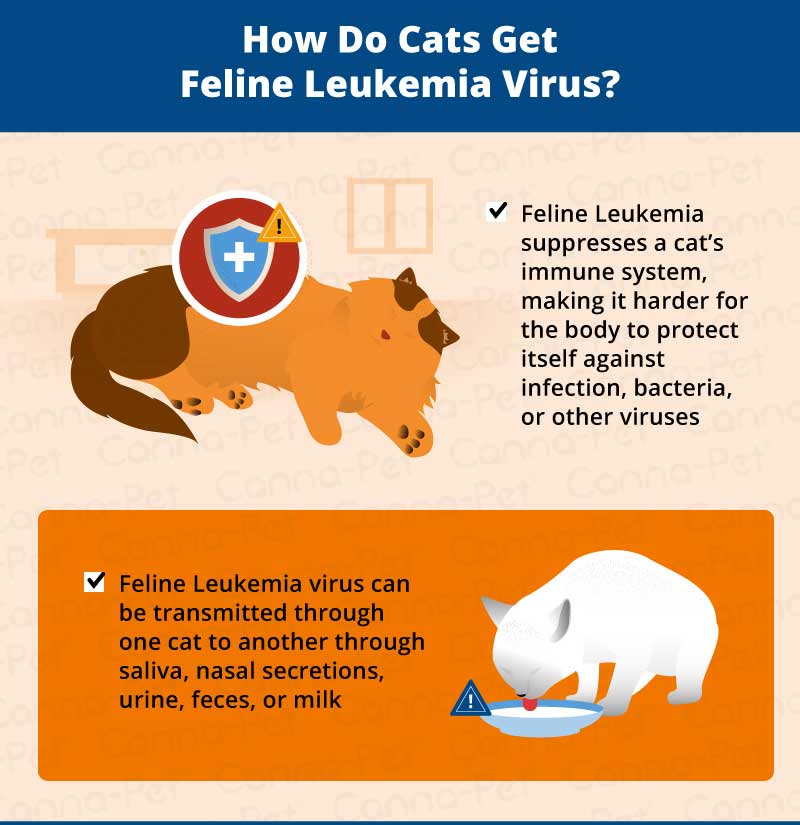
How Feline Leukemia Virus Is Transmitted Feline leukemia is a disease that only affects cats -- it cannot be transmitted to people, dogs, or other animals.
Feline Leukemia Virus Disease
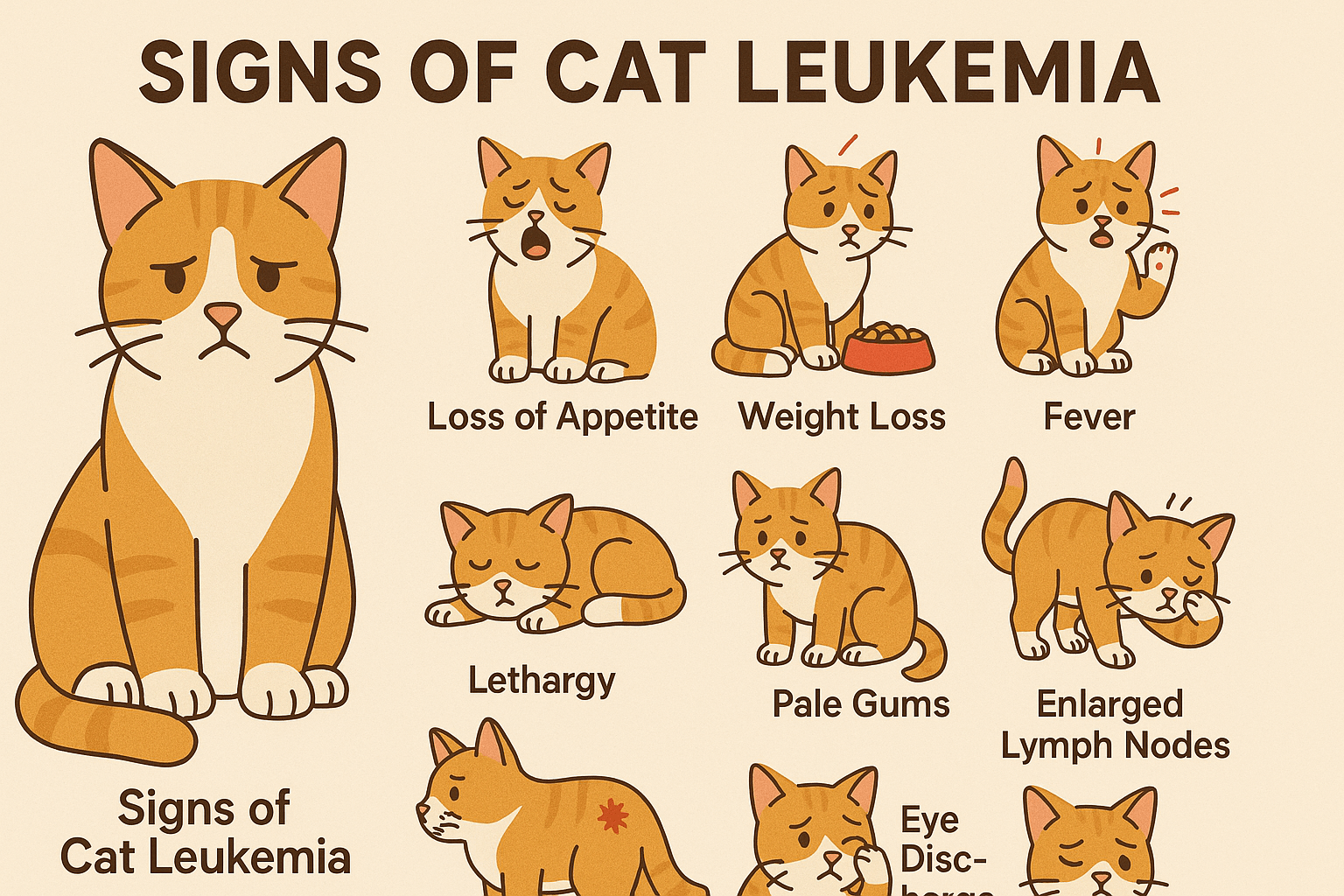
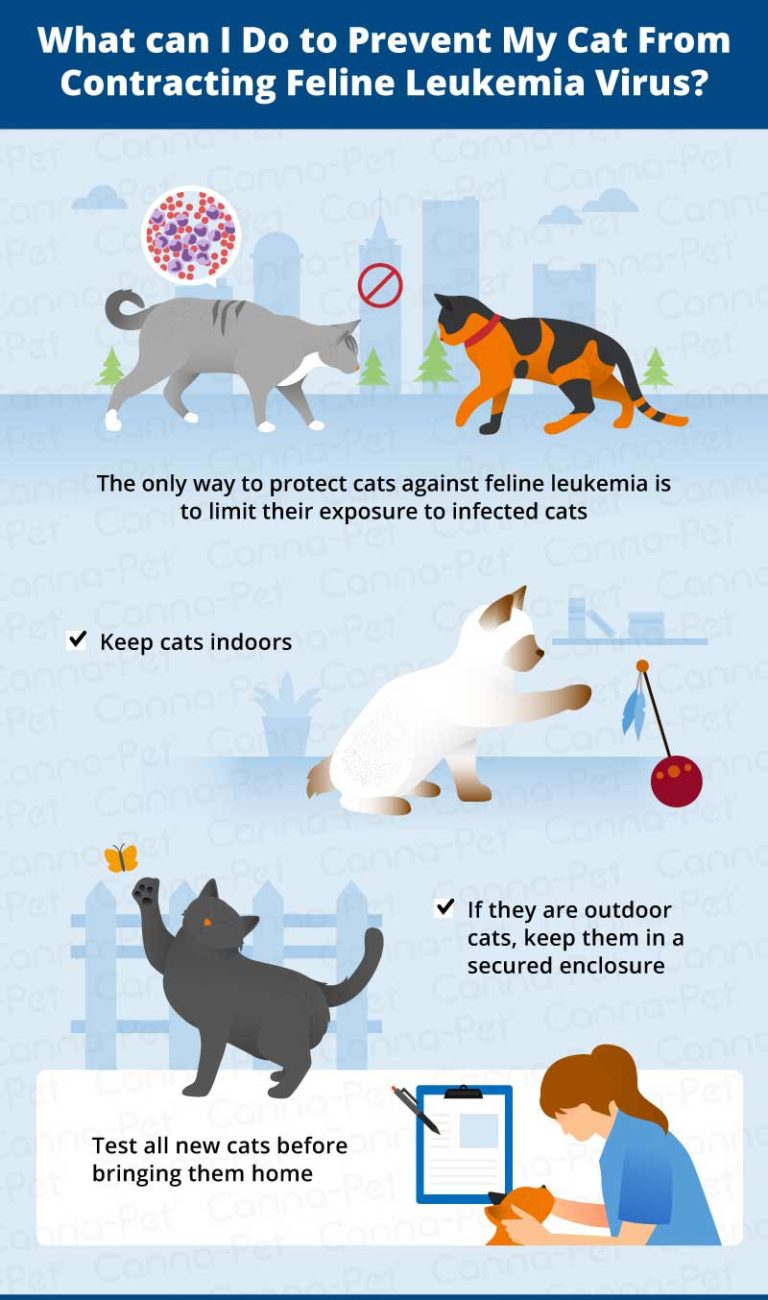
Feline leukemia virus (FeLV) is one of the most common infectious causes of disease of cats globally. Infection with FeLV can cause a variety of clinical signs, impacting a cat's longevity and quality of life. Vaccination and identification of infected cats is important in preventing disease transmission.
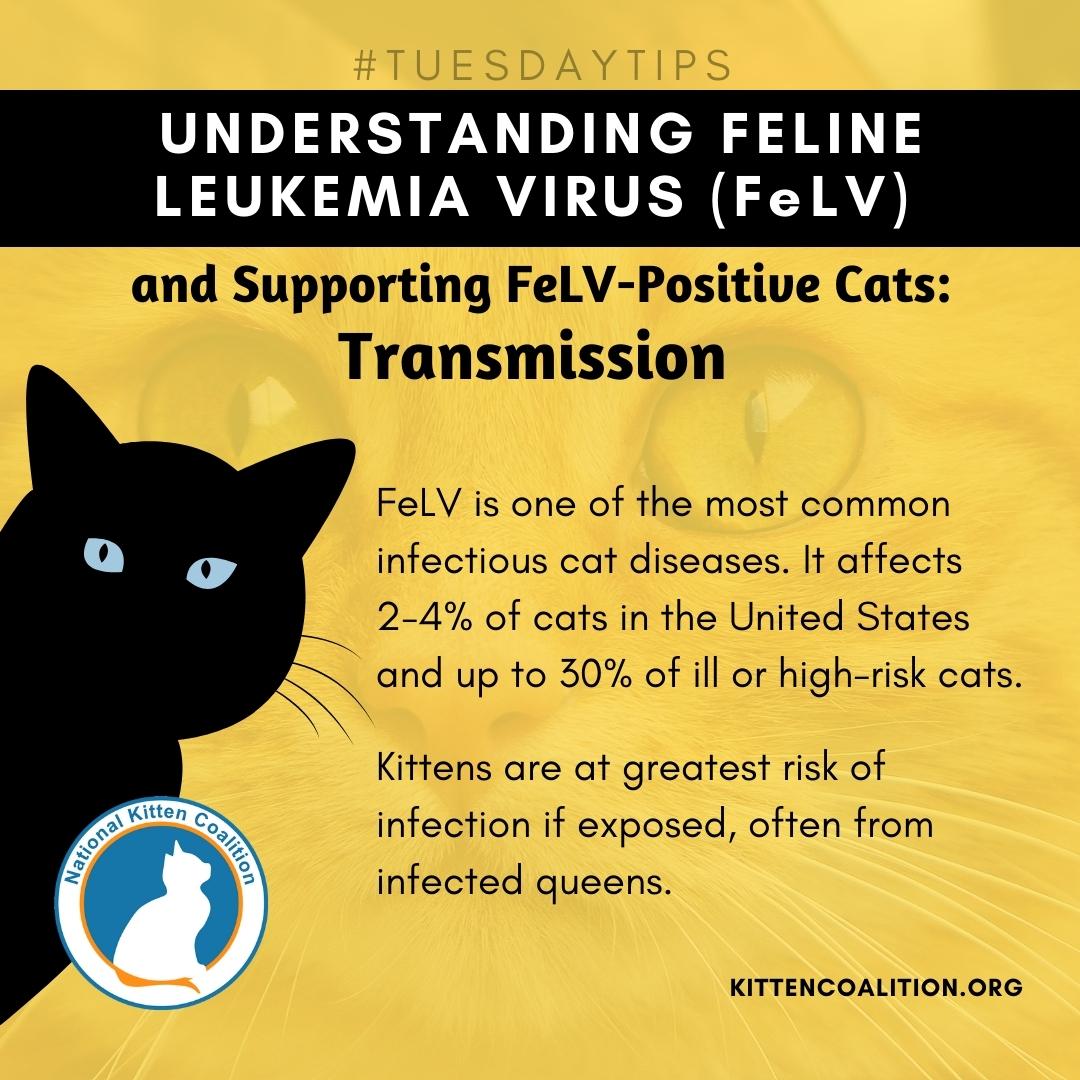
Suggested Articles Lymphoma Feline Vaccines: Benefits and Risks Diarrhea Neurological Disorders Feline Vision Problems: A Host of Possible Causes Feline leukemia virus (FeLV) is one of the most common and important infectious diseases in cats , affecting between 2-3% of all cats in the United States and Canada. Infection rates are significantly higher (up to 30%) in cats that are ill or ...
Feline leukemia virus lifetime study
Opportunistic infections in cats with progressive FeLV infection. A, Ulceration of the nasal planum in a 6-month-old male neutered domestic medium hair cat with progressive FeLV infection as defined by positive ELISA antigen and IFA assays on peripheral blood. Stomatitis was also present, and feline calicivirus infection was suspected. B, Severe nasal cryptococcosis in a Siamese cat from a ...
PDF Updates in the diagnosis and management of feline leukemia virus ...
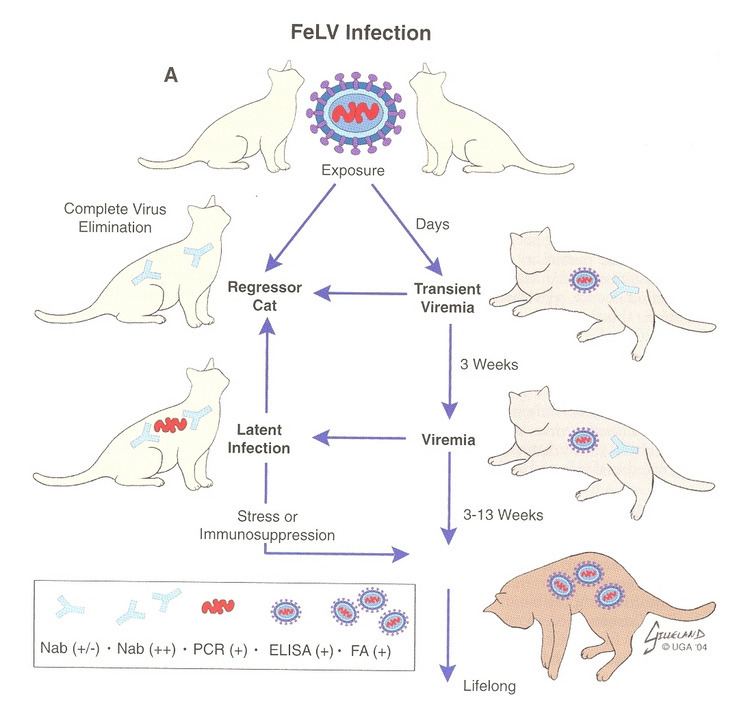
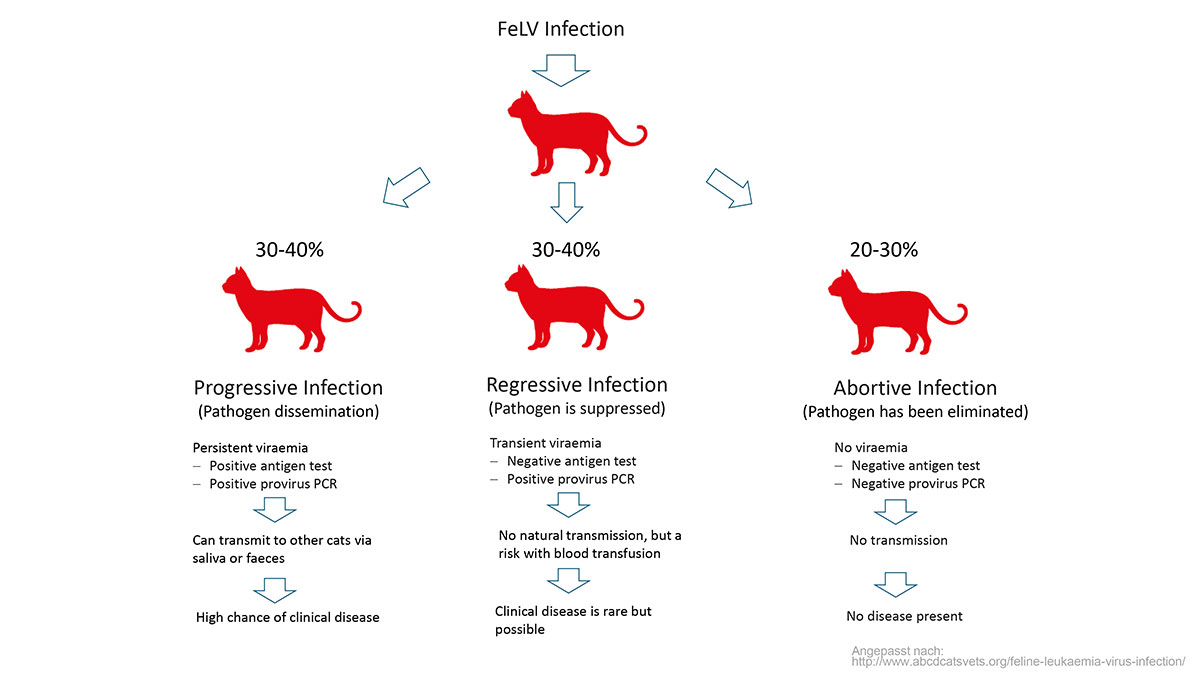
Updates in the diagnosis and management of feline leukemia virus (FeLV) Not all feline leukemia virus (FeLV) infected cats are the same. There are different stages of infection, different outcomes, and different disease manifestations. Some infected cats will go on to live a nearly normal lifespan while others may die within months to a few years.

Thousands of cats in the USA are newly diagnosed with feline leukemia virus (FeLV) each year, and known FeLV-infected cats are increasingly adopted from shelters. This study investigated optimal sample types to identify FeLV-infected cats and predictors of long-term survival in a cohort of FeLV-positive cats followed for up to 8 years after diagnosis.
Feline Leukemia Virus Brochure
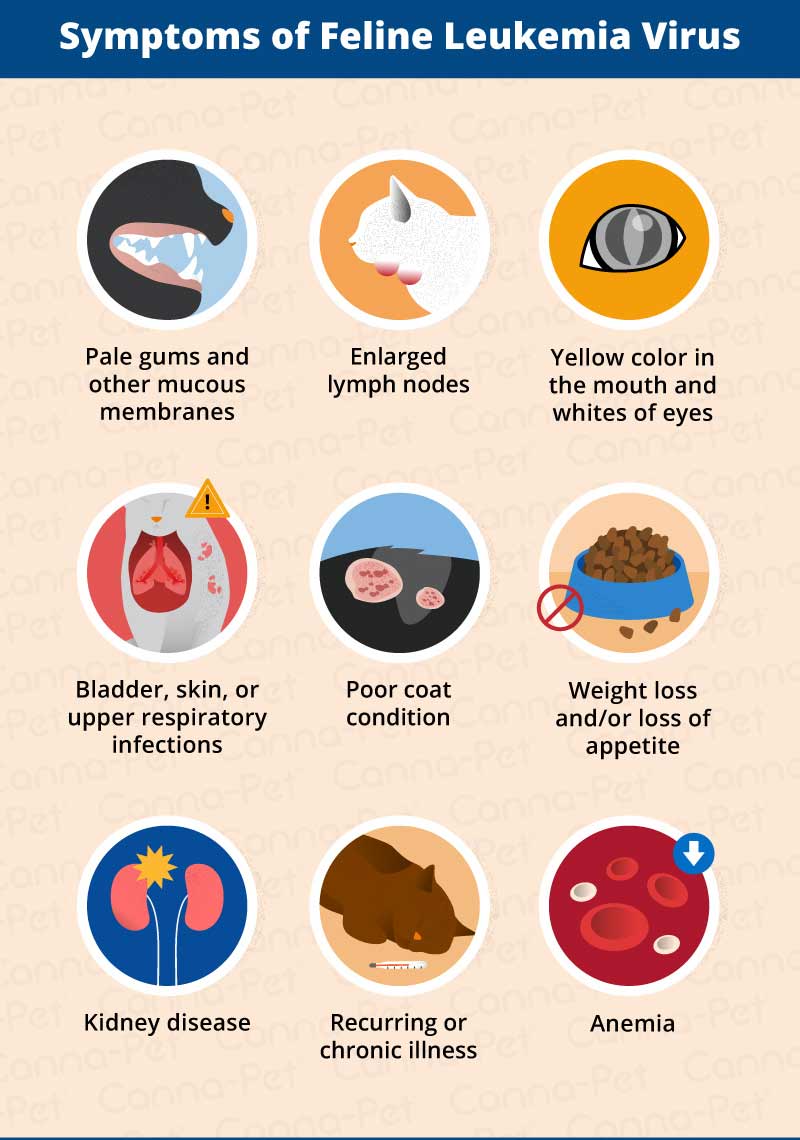
Feline leukemia virus adversely affects the cat's body in many ways. It is the most common cause of cancer in cats , it may cause various blood disorders, and it may lead to a state of immune deficiency that hinders the cat's ability to protect itself against other infections.
Feline leukaemia virus (FeLV), a gammaretrovirus of domestic cats , is a member of the Orthoretrovirinae subfamily of retroviruses. It contains a protein core with single-stranded RNA protected by an envelope.