Feline Leukemia in Cats
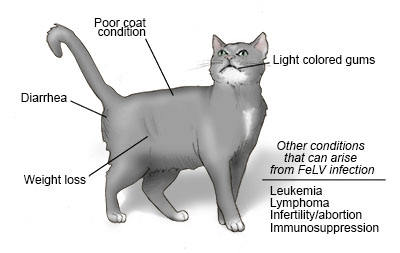
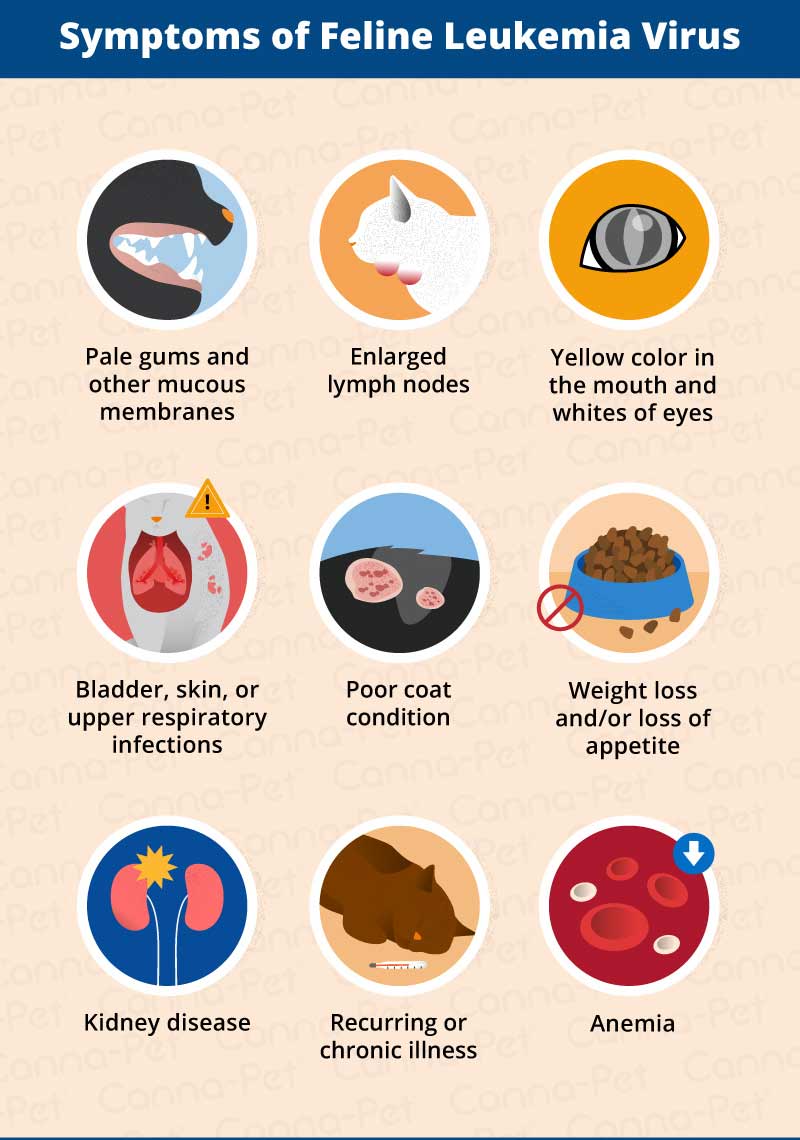
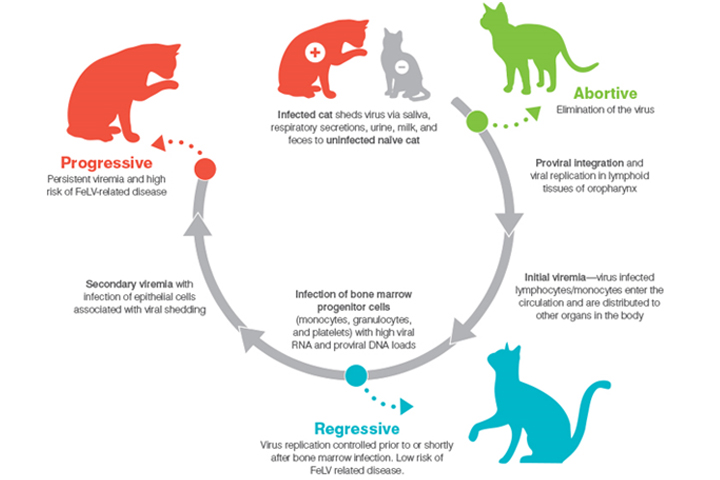
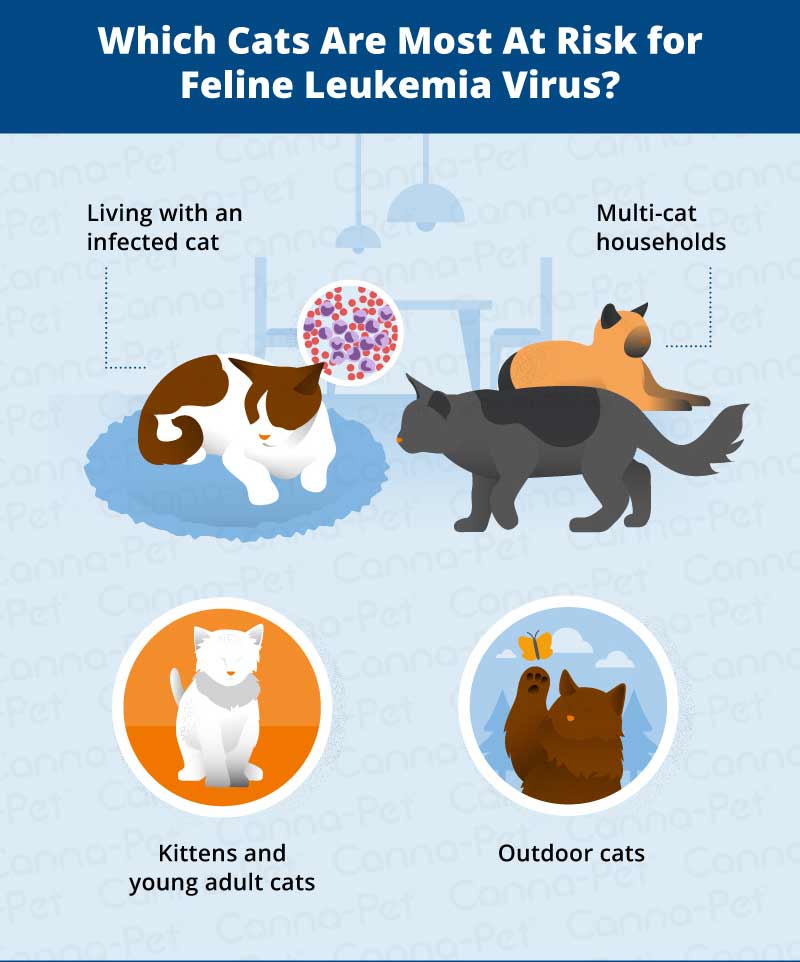
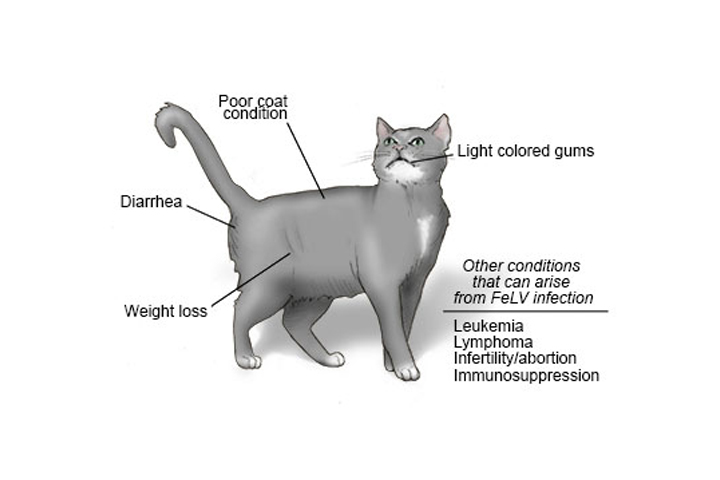
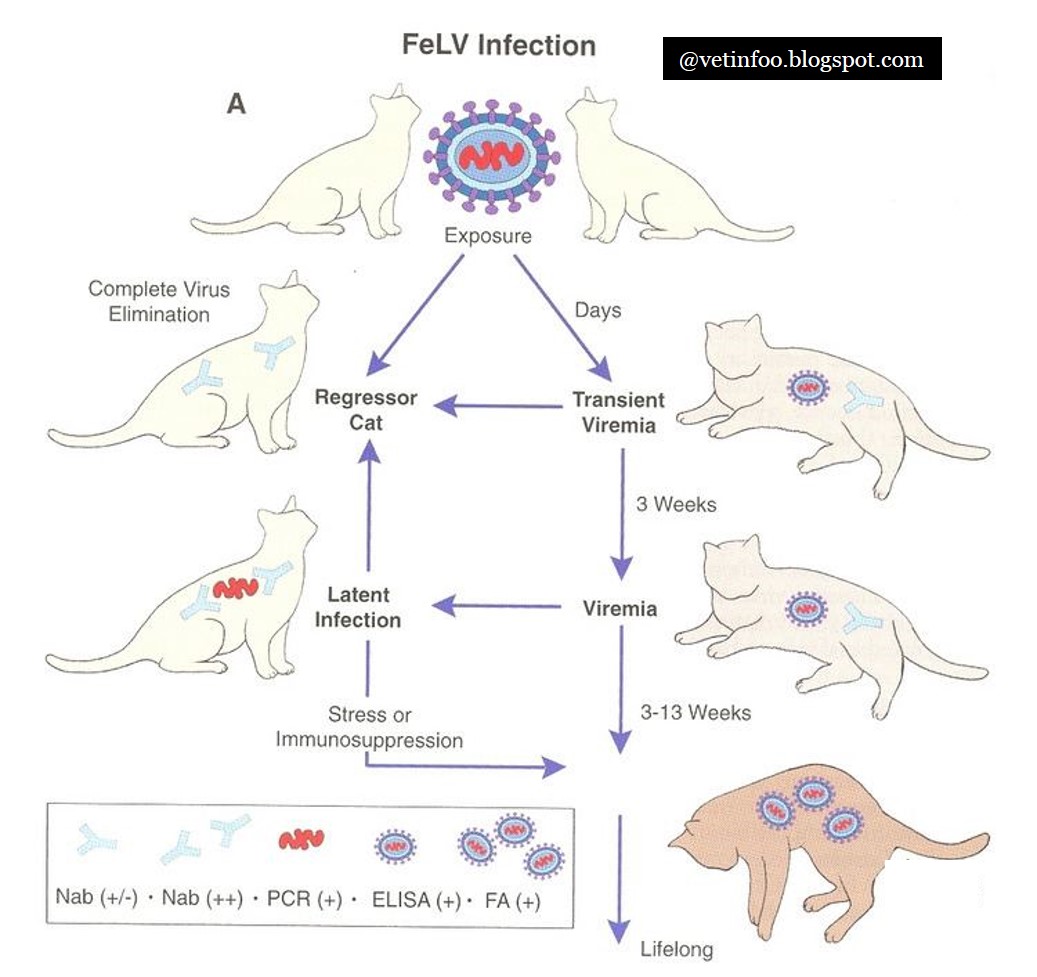
What Is Feline Leukemia Virus (FeLV)? FeLV is a virus that spreads through saliva, blood, and bodily fluids —most commonly through grooming, bite wounds, or from mother to kitten. After exposure: Some cats eliminate the virus on their own. Others become persistently infected, putting them at risk for anemia , recurrent infections, and cancers like lymphoma or leukemia . Persistently infected ...
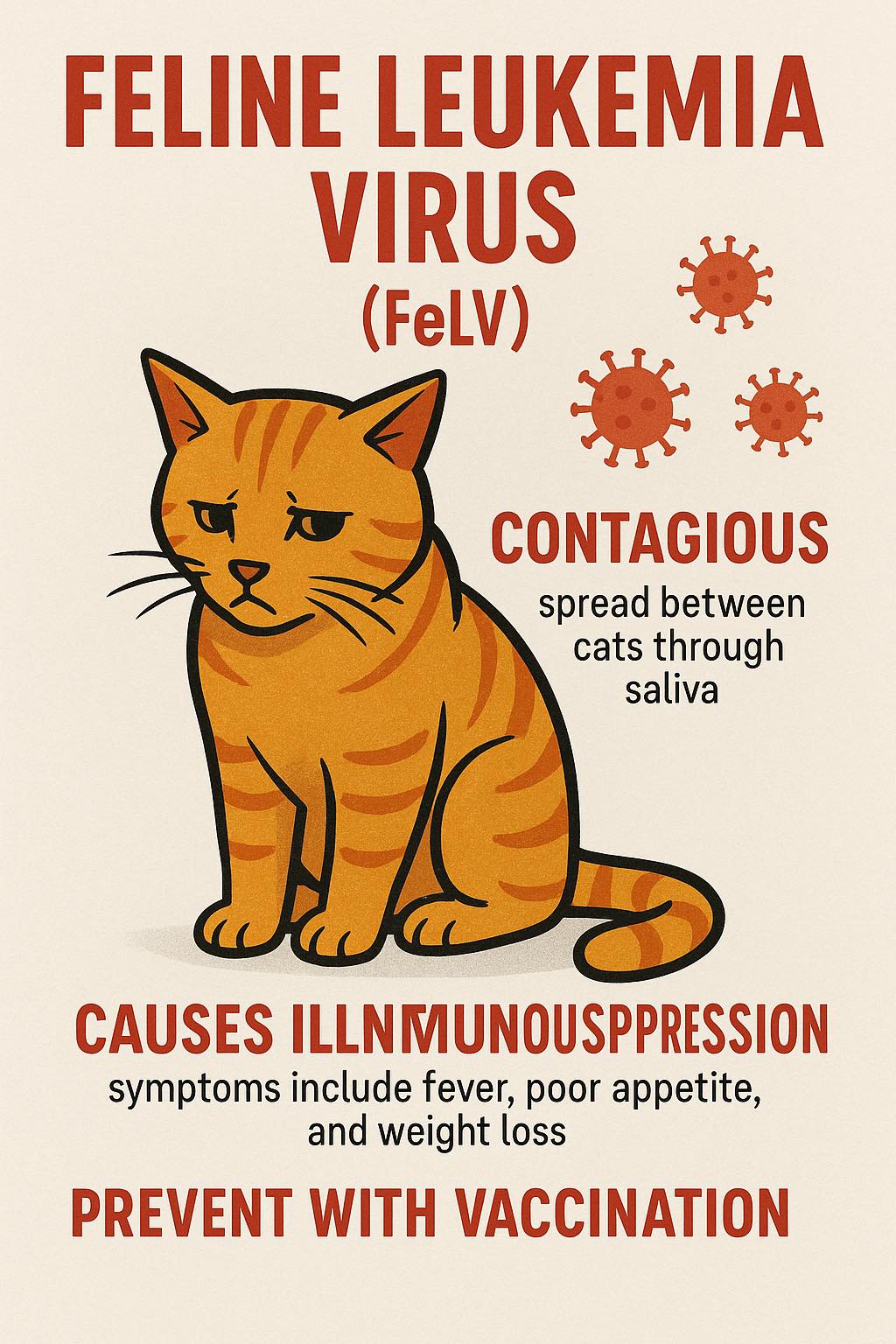
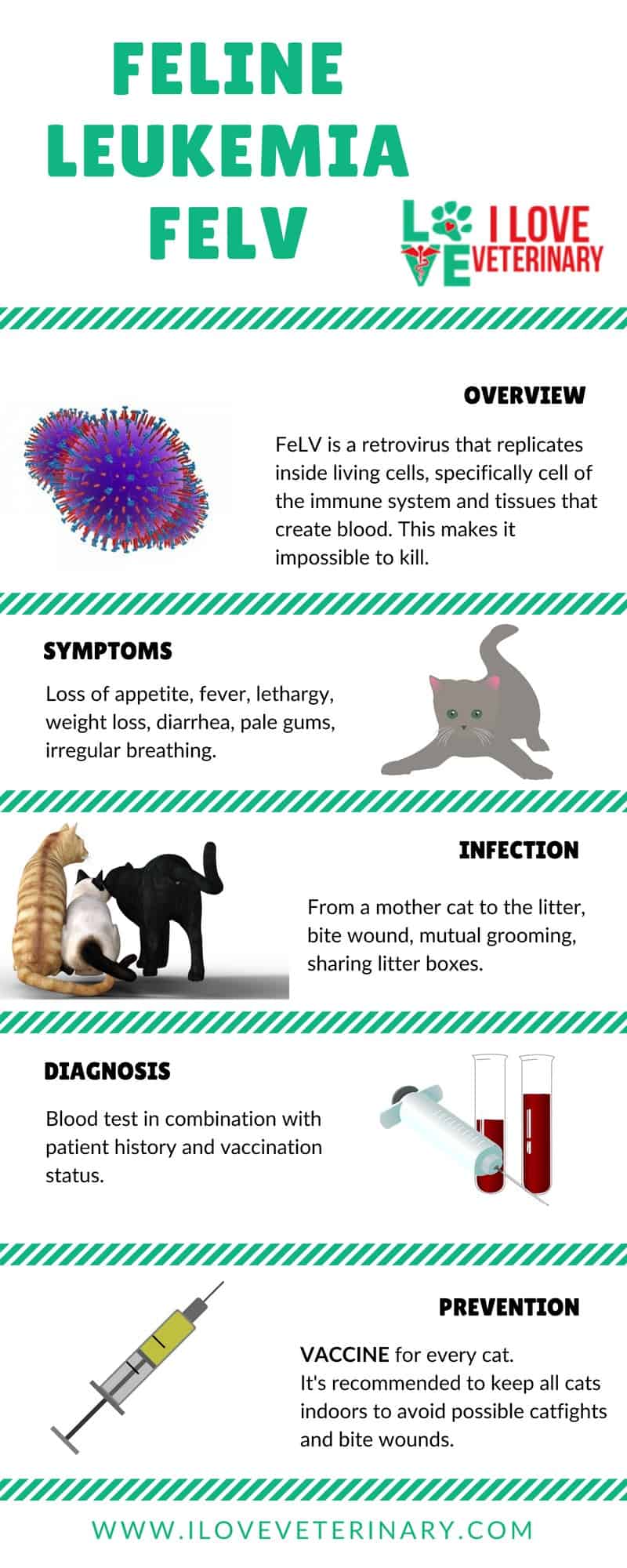
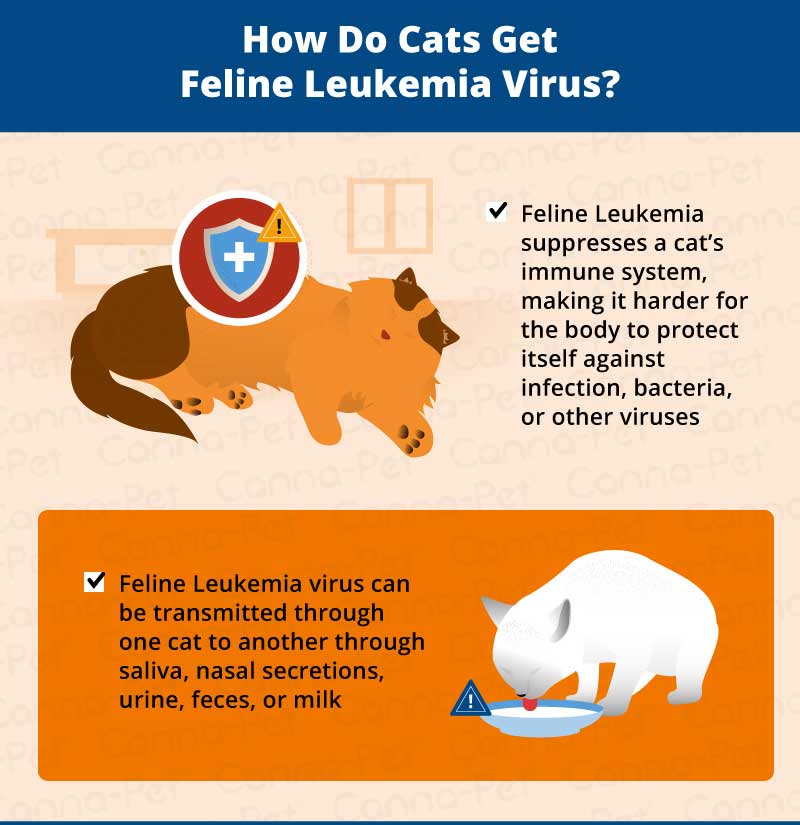
Feline leukemia virus is a retrovirus that affects cats worldwide. It's transmitted through saliva, blood, urine, and feces—typically through close contact with infected cats, shared litter boxes, or bite wounds.
What Is Feline Leukemia ? Feline leukemia is a very common disease in domestic cats with about 3% of all cats in the United States being infected. This disease is caused by the feline leukemia virus (FeLV) that can easily be transmitted to cats that are exposed to infected cats. Feline leukemia leaves infected cats at risk of developing cancer, anemia and infections because of a weakened immune ...

Feline leukemia virus (FeLV) is one of the most important infectious diseases of cats worldwide. Affected cats can develop anemia (a low red blood cell level), cancers, and /or suppression of the immune system. The disease worsens over time and is usually fatal. The virus can infect domestic and wild cats (such as lions). Widespread testing and vaccination efforts have helped to reduce the ...
Feline Leukemia Virus (FeLV) Symptoms, Vaccine, Treatment
WebMD explains feline leukemia virus (FeLV), including symptoms, risk factors, treatments , and prevention.

Feline leukemia virus (FeLV) is one of the most common infectious causes of disease of cats globally. Infection with FeLV can cause a variety of clinical signs, impacting a cat's longevity and quality of life. Vaccination and identification of infected cats is important in preventing disease transmission.
Feline Leukemia Virus
Suggested Articles Lymphoma Feline Vaccines: Benefits and Risks Diarrhea Neurological Disorders Feline Vision Problems: A Host of Possible Causes Feline leukemia virus (FeLV) is one of the most common and important infectious diseases in cats, affecting between 2-3% of all cats in the United States and Canada. Infection rates are significantly higher (up to 30%) in cats that are ill or ...
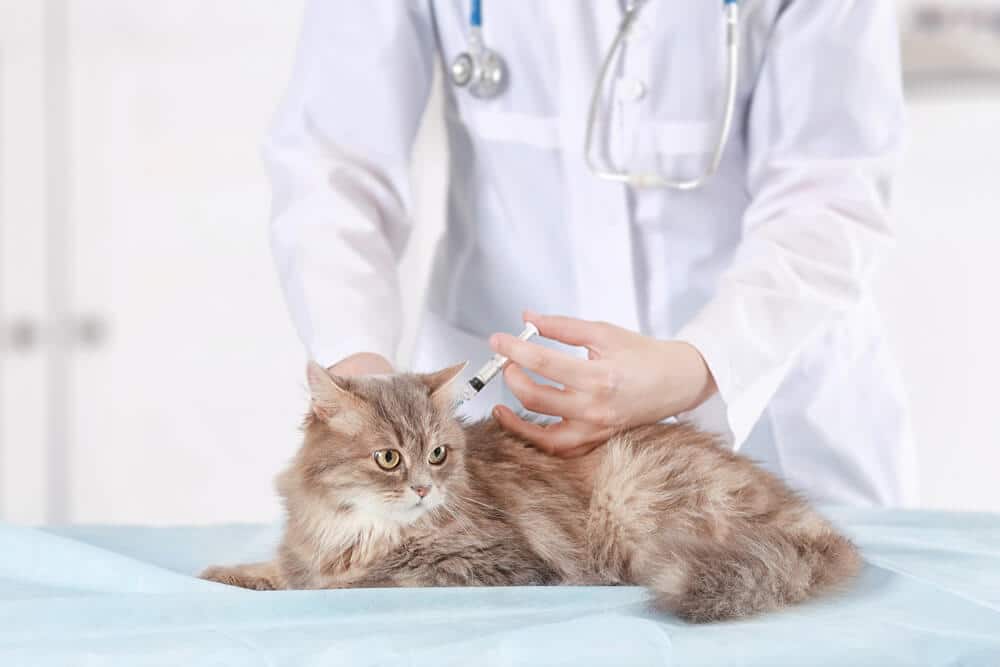
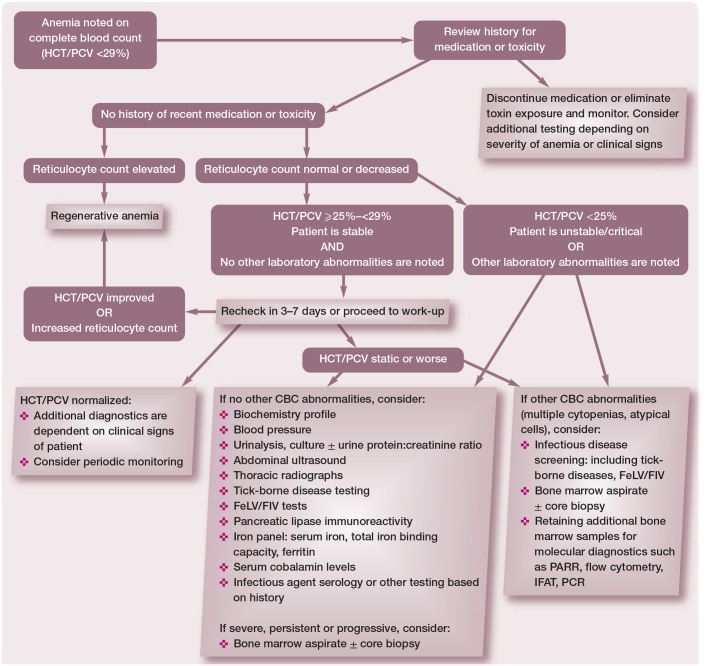
Such details provide a deeper understanding and appreciation for Feline Leukemia Virus And Anemia Treatment.
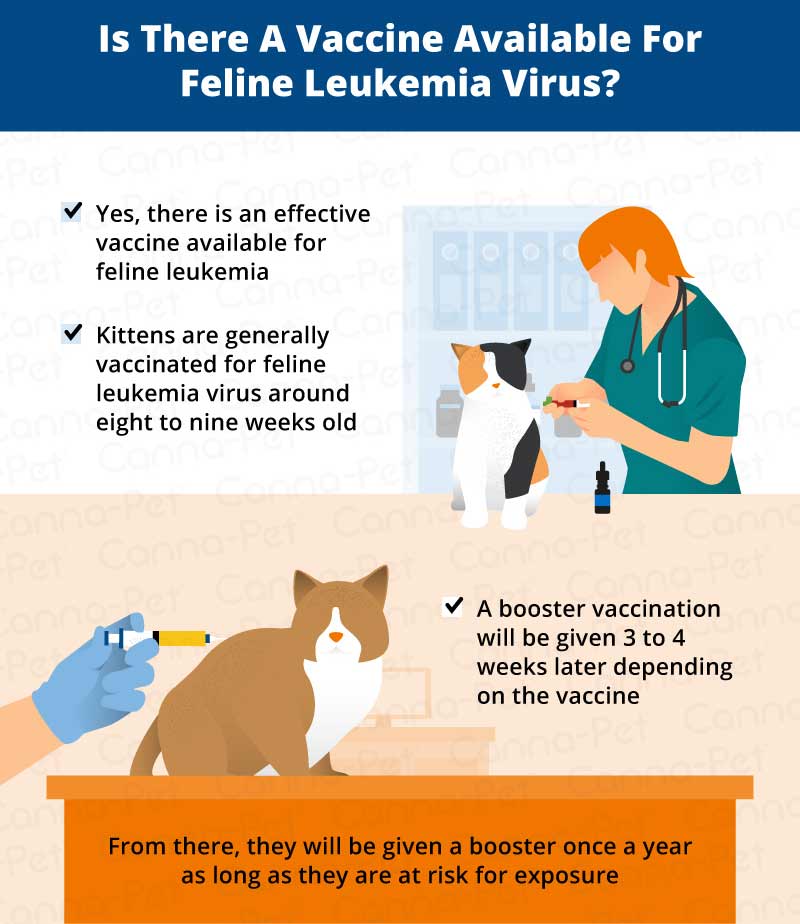
Feline Leukemia Virus (FeLV) is a common but preventable virus that can affect almost all cats. Dr. Boldan shares how FeLV weakens a cat's immune system, symptoms, and how the feline leukemia virus vaccine can be life-saving.
PDF Updates in the diagnosis and management of feline leukemia virus ...
Updates in the diagnosis and management of feline leukemia virus (FeLV) Not all feline leukemia virus (FeLV) infected cats are the same. There are different stages of infection, different outcomes, and different disease manifestations. Some infected cats will go on to live a nearly normal lifespan while others may die within months to a few years.
Feline leukaemia virus (FeLV), a gammaretrovirus of domestic cats, is a member of the Orthoretrovirinae subfamily of retroviruses. It contains a protein core with single-stranded RNA protected by an envelope.