The Role of Energy
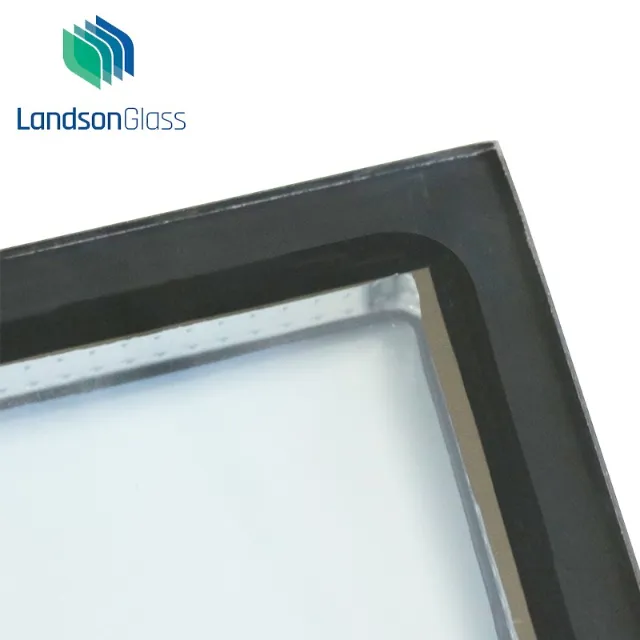
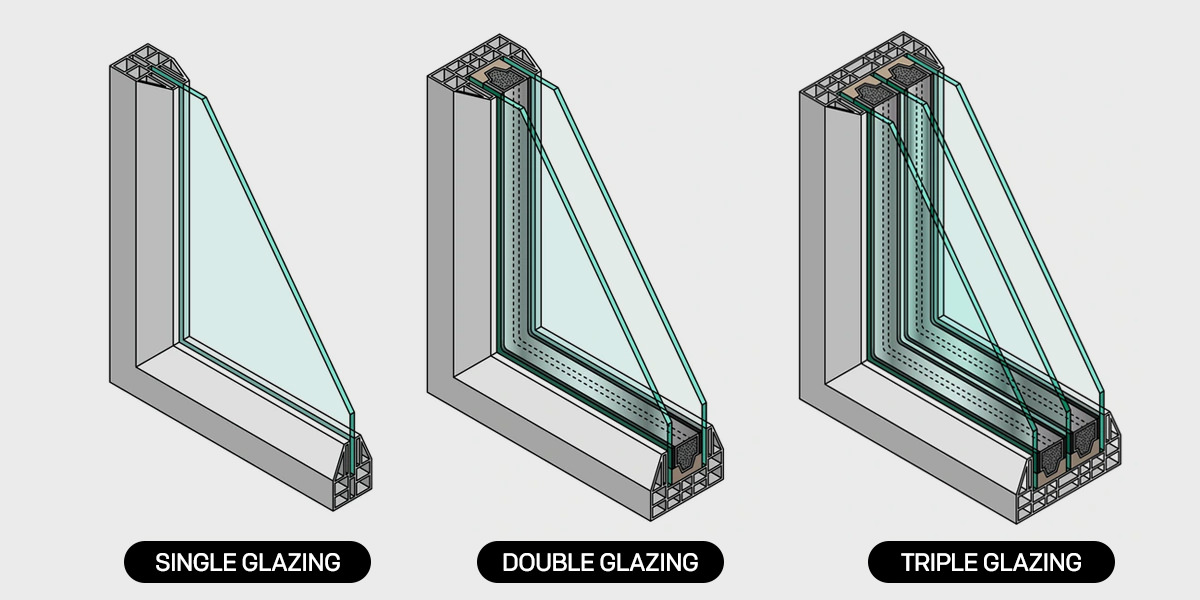
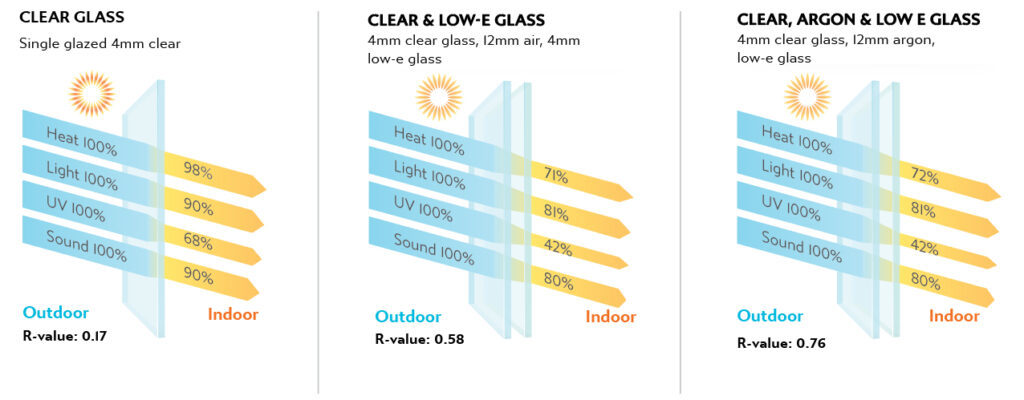
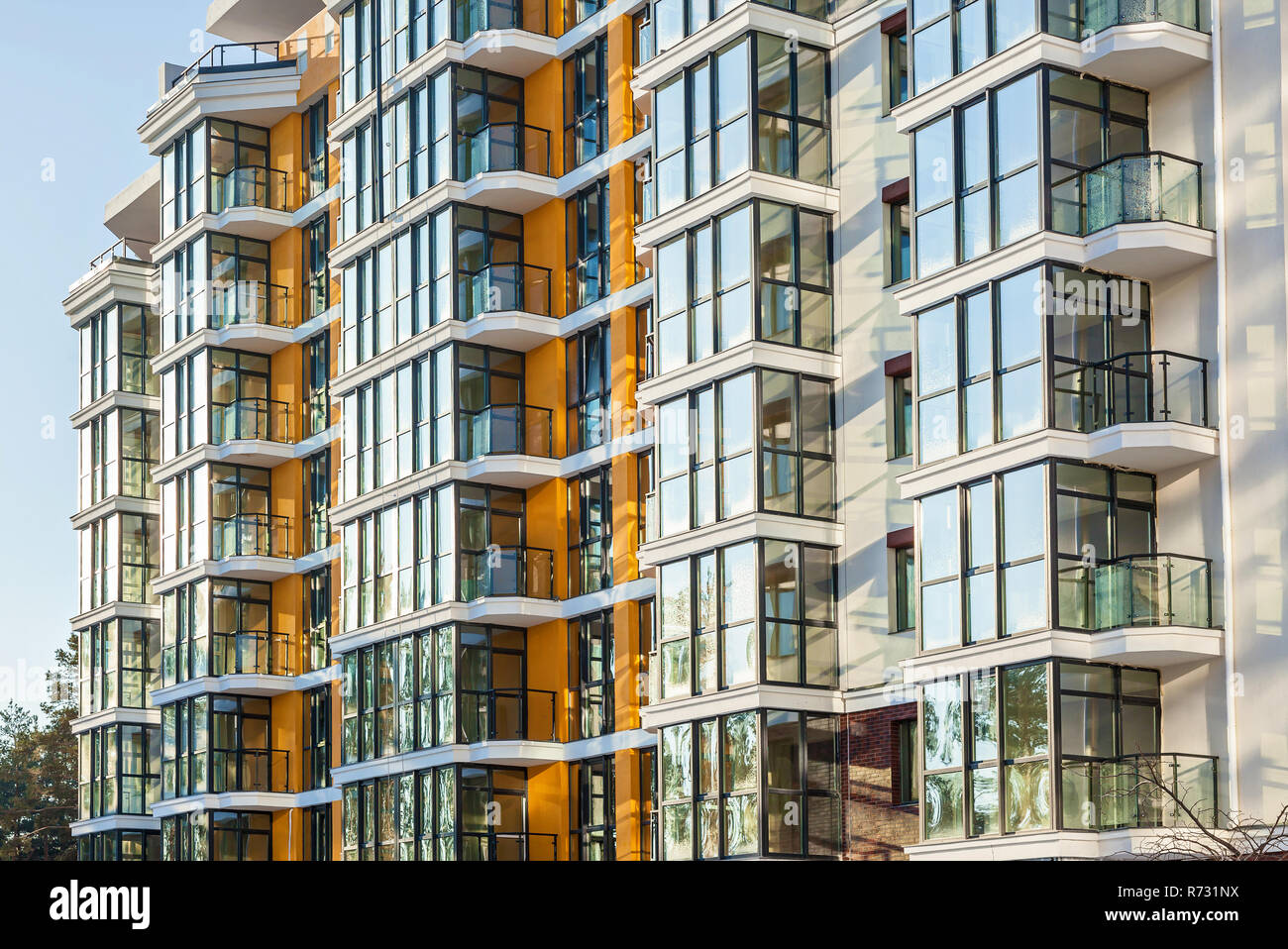
Insulated Glass for High-Rise Buildings Insulated glass for high-rise buildings is a major component of energy-efficient commercial glazing solutions. These units are made of two or more panes separated by gas-filled spaces. The result is reduced heat transfer, which stabilizes indoor temperatures year- round.
Energy -eficient windows save heating and cooling energy and improve occupant comfort while allowing for downsized HVAC equipment. Residential-type ENERGY STAR windows are a good choice for saving energy in single family and many multifamily buildings. However, structural, safety and façade design considerations in mid- and high-rise buildings often call for commercial-type windows which are ...
Exploring Energy
The energy consumption requirement of high-rise buildings necessitates effective innovations in architectural designs. The aim is to revolutionise high-rise buildings' thermal features and energy efficiency. This paper combines quantitative analyses through improved thermal simulations and qualitative information from surveys of stakeholders, including architects, engineers, and urban ...

High-rise building windows explained: curtain wall vs window wall, CSA A440 standards, wind loads, energy efficiency & Toronto maintenance tips.
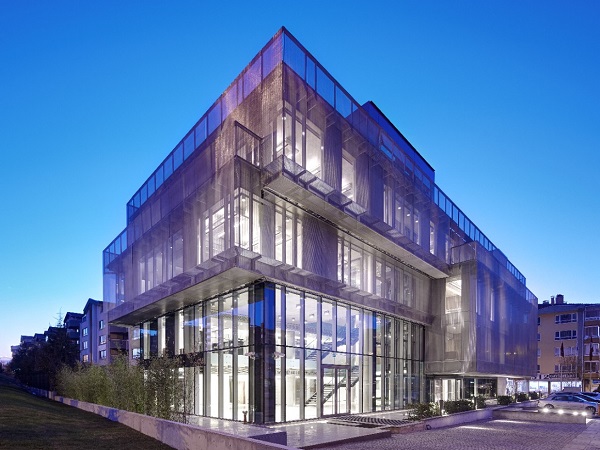
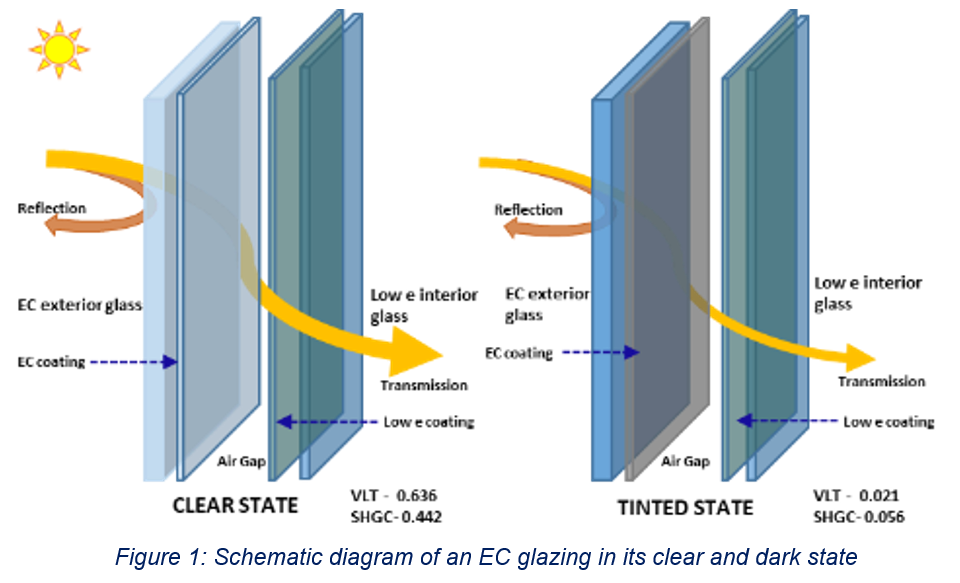
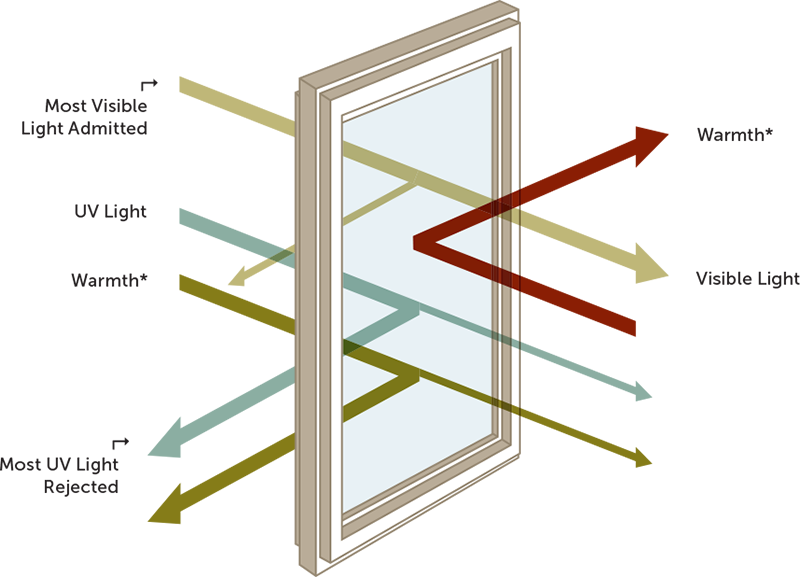
ENVISION's innovative window technology allows architects and building owners to create buildings with large expanses of glass without sacrificing energy efficiency. This technology offers the ideal combination of high thermal insulation, low solar heat gain coefficients, high visible light transmission and excellent sound attenuation.
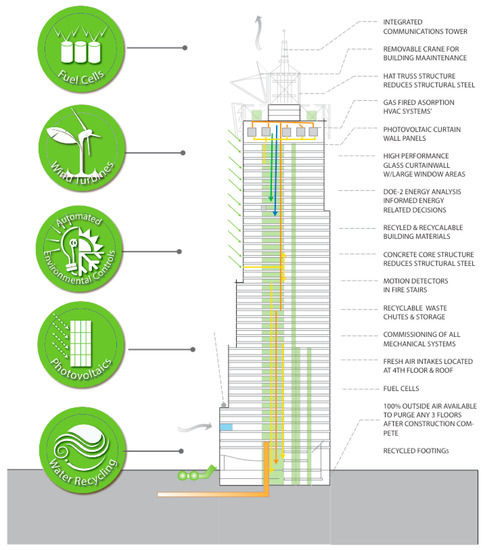
Substantially glazed facades are extensively used in contemporary high-rise buildings to achieve attractive architectural aesthetics. Inherent conflicts exist among architectural aesthetics, building energy consumption, and solar energy harvesting for glazed facades. In this study, we addressed these conflicts by introducing a new dynamic and vertical photovoltaic integrated building envelope ...
High Performance Glazing
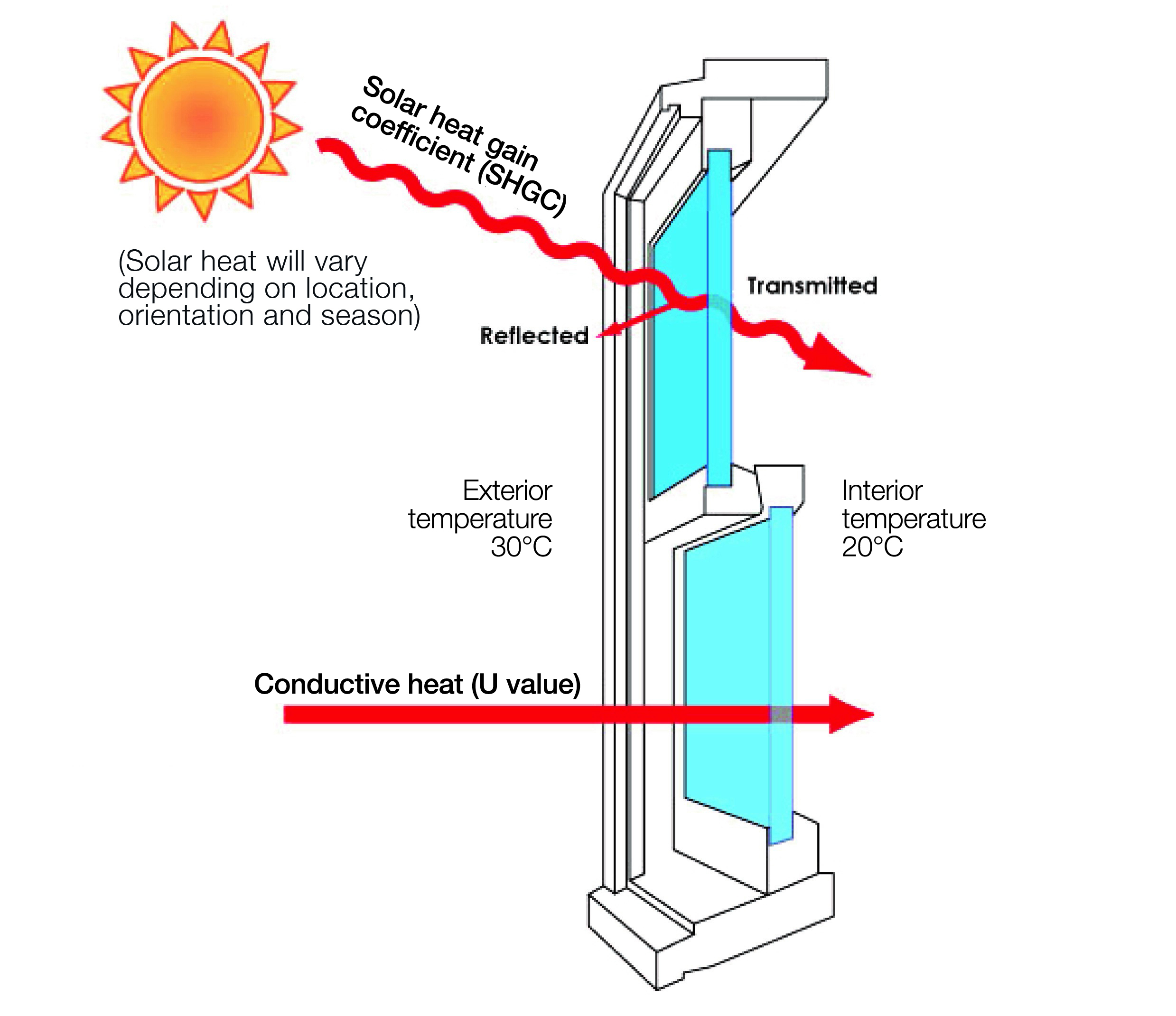
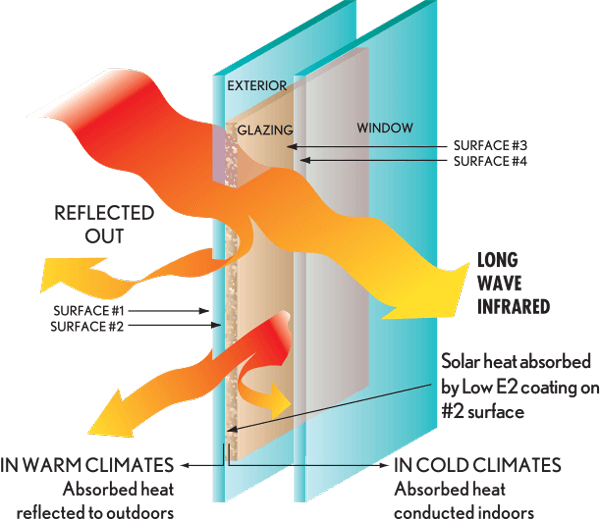
High performance glazing is an advanced glass system designed to improve thermal insulation, solar control, daylight efficiency, and acoustic comfort in buildings. We adopt high performance glazing to reduce energy consumption, enhance indoor comfort, and comply with modern building energy codes. These glazing systems form a critical part of the building envelope and directly influence heating ...
In summary, analysing window- glazing systems based on their functionalities/working principles allows for the selection and integration of technologies that collectively enhance energy efficiency, occupant comfort and sustainability in buildings.
PDF Energy Efficiency Standards for Residential Windows, Skylights, Doors ...
The purpose of this regulation is to improve the energy efficiency of manufactured fenestration products for all new and existing buildings. These products are a key component of a building's exterior envelope that affects the energy usage required to heat and/or cool the conditioned space. Improved energy efficiency can reduce energy costs for homeowners and businesses and reduce greenhouse ...
The 2012 BC Building Code (BCBC) and the 2014 Vancouver Building Bylaw (VBBL) introduced significant new fenestration energy performance requirements. For the first time, both codes have fenestration energy performance requirements for smaller buildings.