Feline Leukemia Virus Disease
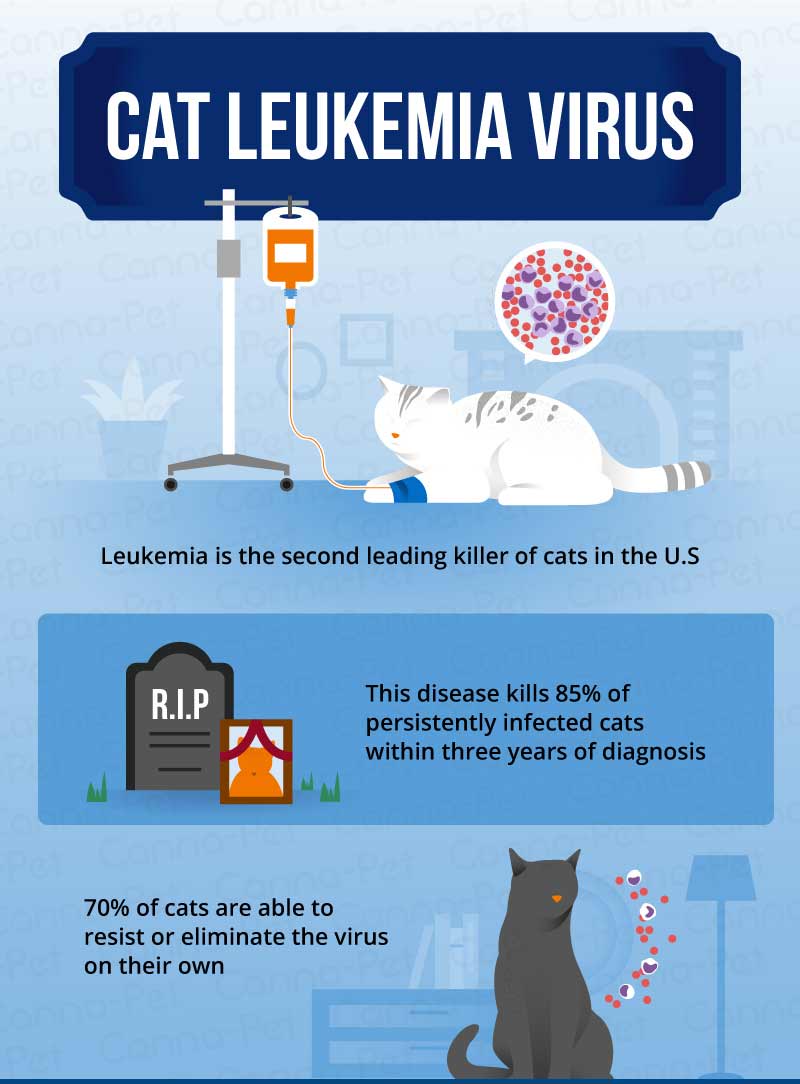
Feline leukemia virus (FeLV) is one of the most common infectious causes of disease of cats globally. Infection with FeLV can cause a variety of clinical signs, impacting a cat's longevity and quality of life. Vaccination and identification of infected cats is important in preventing disease transmission.
Affected cats may have concurrent intestinal involvement, although some cats with overt hepatic lymphosarcoma have inflammatory bowel disease , and some cats with overt enteric lymphosarcoma have non-neoplastic nonsuppurative CCHS. Evolution of chronic inflammation to a neoplastic process is suspected in each organ system.
Diseases associated with spontaneous feline leukemia virus (FeLV ...
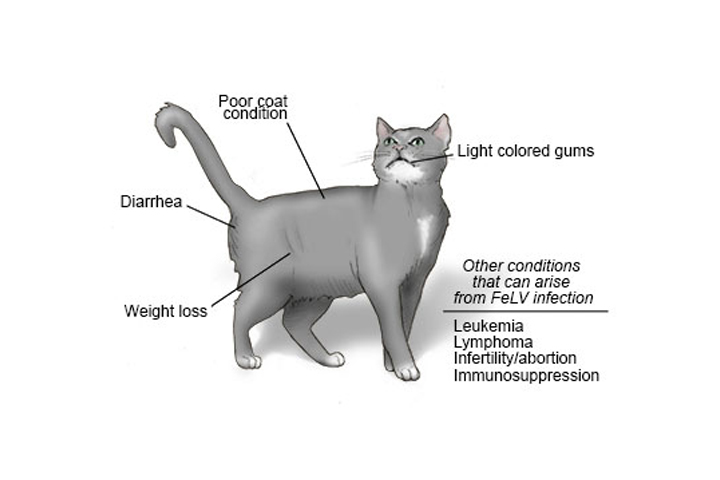
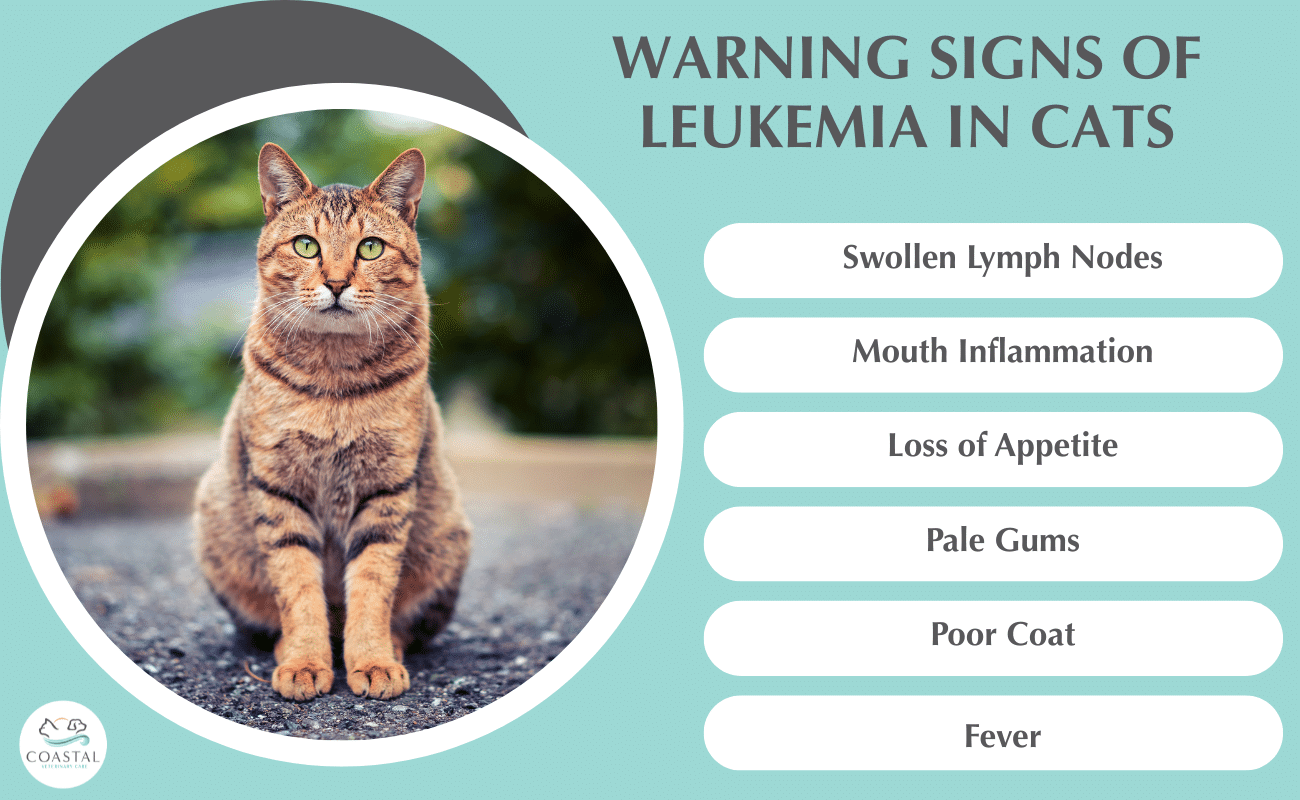
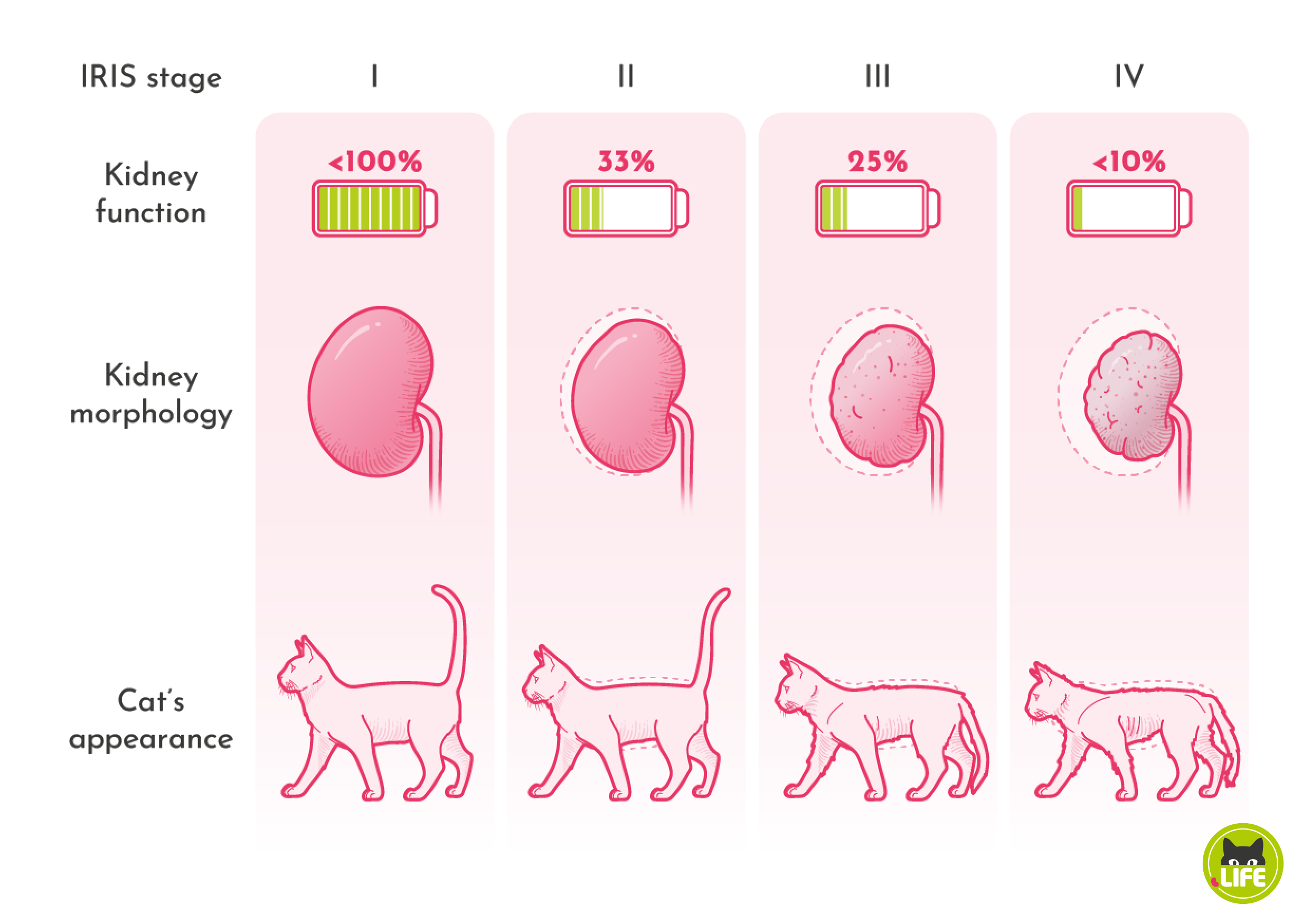
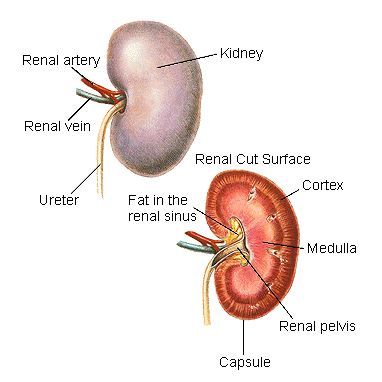
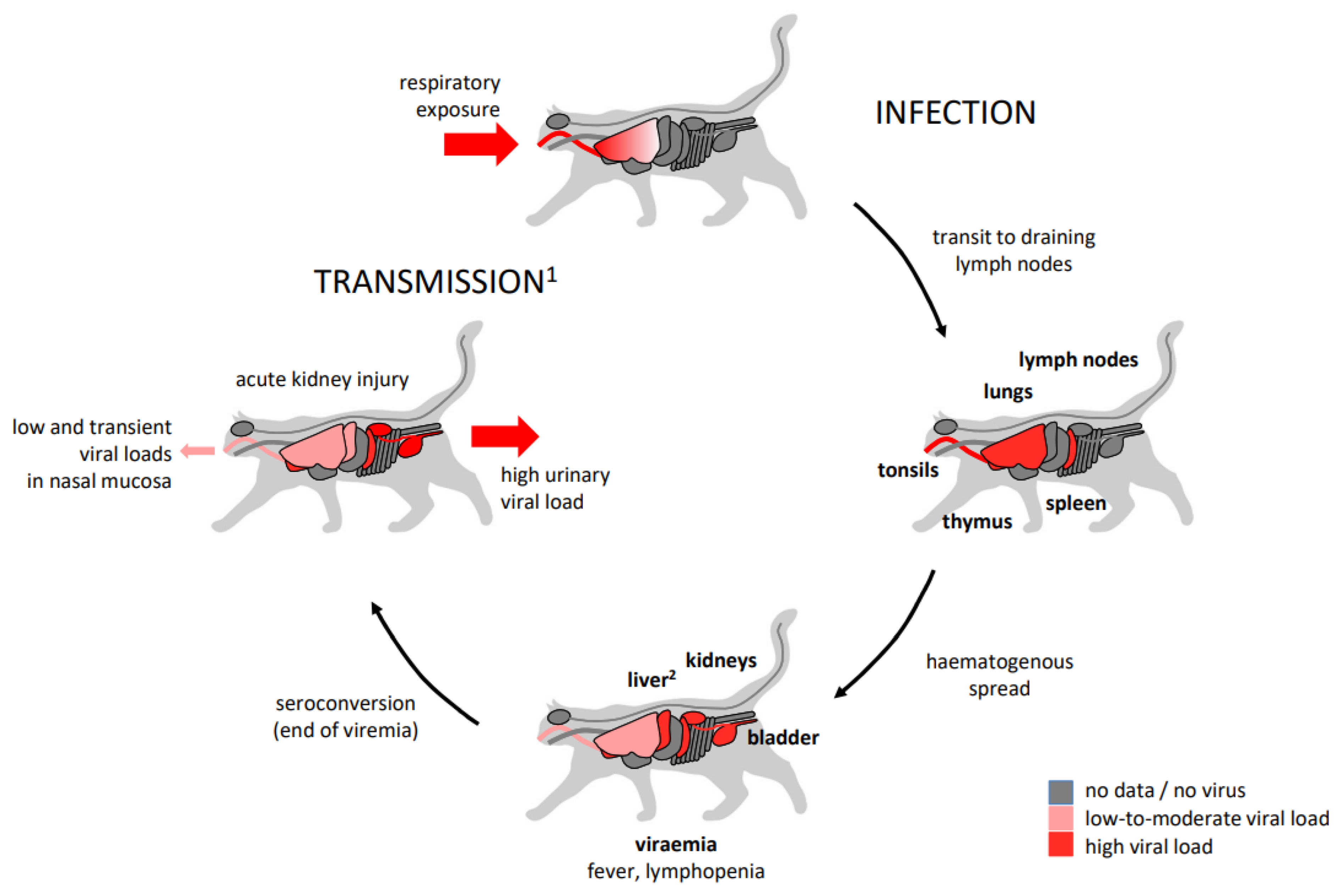
Moving forward, it's essential to keep these visual contexts in mind when discussing Cats With Leukemia Virus And Concurrent Renal And Hepatic Disease.
More than 2000 cats sent for necropsy in order to provide a diagnosis were investigated immunohistologically using paraffin sections for the presence of a persistent infection with feline leukemia virus (FeLV). The spectrum of neoplastic and ...
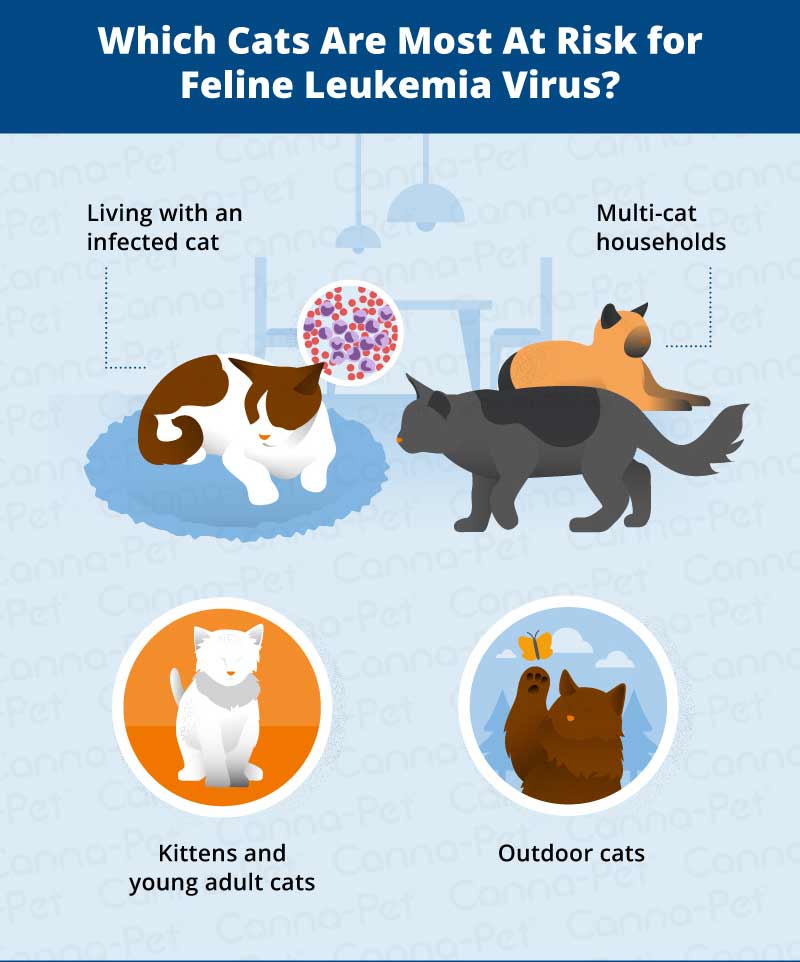
Suggested Articles Lymphoma Feline Vaccines: Benefits and Risks Diarrhea Neurological Disorders Feline Vision Problems: A Host of Possible Causes Feline leukemia virus (FeLV) is one of the most common and important infectious diseases in cats , affecting between 2-3% of all cats in the United States and Canada. Infection rates are significantly higher (up to 30%) in cats that are ill or ...
GUIDELINE for Feline Leukaemia Virus Infection
Instead, renal disease in FeLV-infected cats is more often linked to virus -induced lymphoma rather than primary immune-mediated mechanisms. While earlier studies have reported ICGN in FeLV-infected cats , many of these cases were associated with lymphoma, suggesting that FeLV contributes to glomerulopathy primarily as a tumour ...
Feline leukaemia virus (FeLV) infection in domestic pet cats in ...
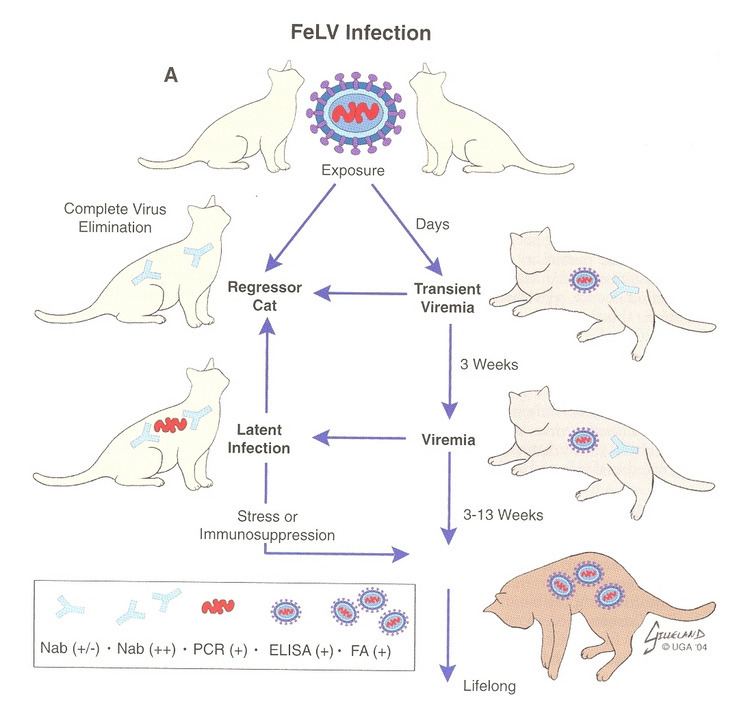
Progressive feline leukaemia virus (FeLV) infection dramatically shortens the lives of infected cats , causing acquired immunodeficiency, aplastic anaemia, lymphoma, leukaemia and other myeloproliferative diseases . The potential impact of regressive FeLV infection on the development of disease remains largely unknown, although there is evidence it contributes to lymphoma development. Despite a ...
Feline leukaemia virus (FeLV) is a well-known pathogen occurring worldwide in domestic and small wild cats . 1, 2 It is a gammaretrovirus that was first described as 'a virus -like particle associated with leukaemia (lymphosarcoma)' over 50 years ago by Jarrett et al. 3 FeLV infection can cause immunodeficiency, cytopenias and neoplasia in cats with the progressive form of the disease . 4 ...
GUIDELINE for Feline Leukaemia Virus Infection
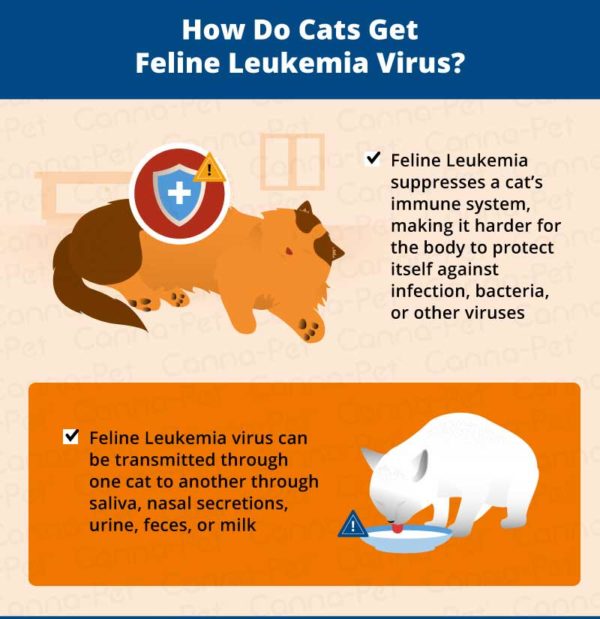
Overview of Feline Leukemia Virus Infection. First Described: Scotland, 1964 (Jarrett et al.) 1 Cause: Feline leukemia virus (family Retroviridae, subfamily Orthoretrovirinae, genus Gammaretrovirus) Affected Hosts: Domestic and some wild Felidae Geographic Distribution: Worldwide Mode of Transmission: Prolonged close contact with salivary secretions; to a lesser extent biting, transplacental ...