(PDF) Effects in dogs with behavioral disorders of a commercial ...
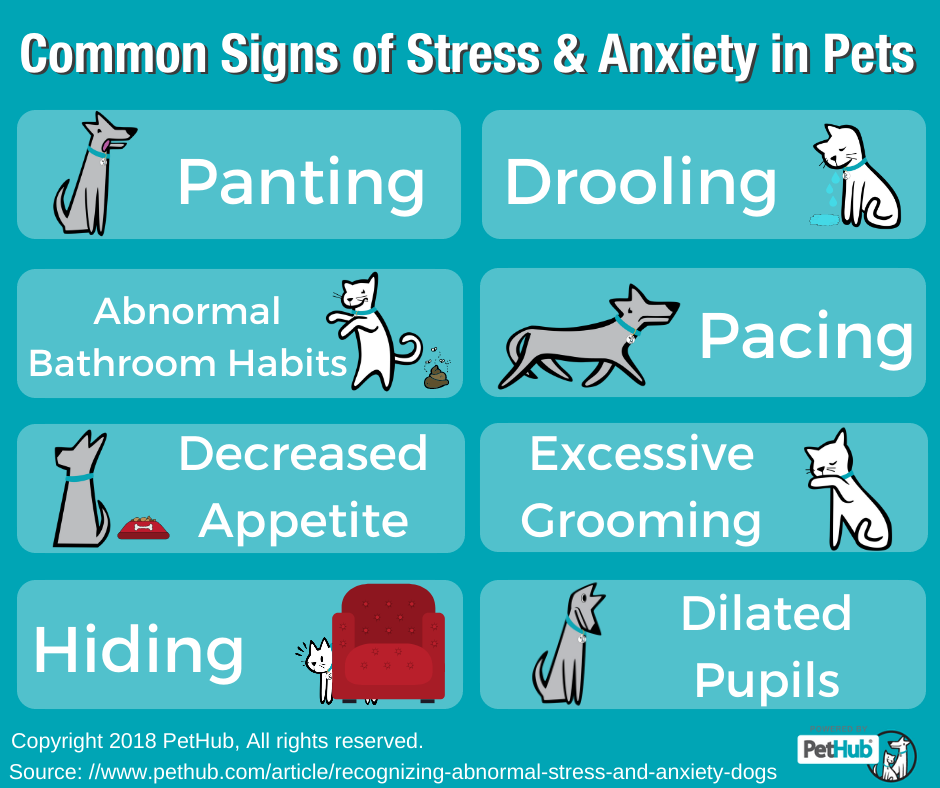
The well being of dogs can be affected by changes in human lifestyle, eating habits and increased stressors that lead to behavioral disorders including fear, hyperactivity and anxiety , followed by ...
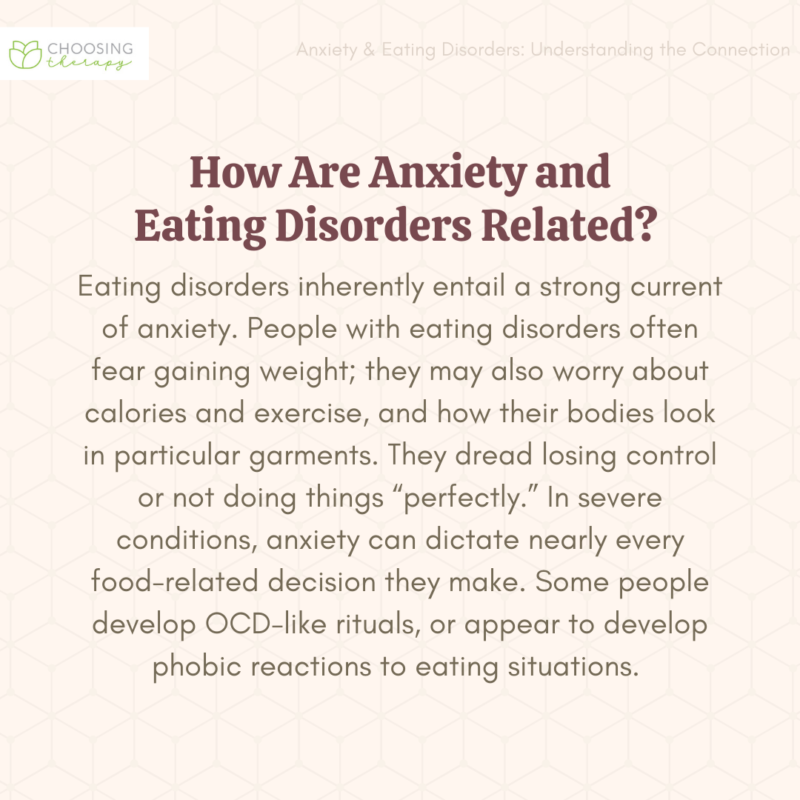
Studies suggest that interacting with animals can markedly alleviate symptoms associated with eating disorders—including anxiety , depression, and low self-esteem —while also fostering ...
In conclusion, emotional support dogs play a crucial role in eating disorder recovery. Their presence provides comfort, companionship, and unconditional love to individuals struggling with these disorders . These dogs offer a unique form of support that can help reduce anxiety , increase self-esteem, and promote a healthier relationship with food.
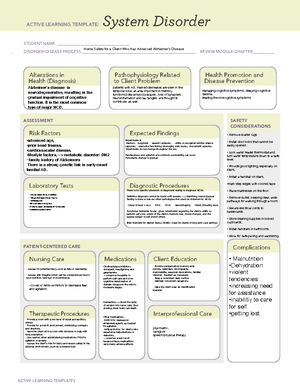
In this review, we explore the few but relevant studies performed on canine anxiety disorders . We agree that innovative bacterial therapeutical approaches for canine anxiety disorders will become a promising field of investigation and certainly pave the way for new approaches to these behavioral conditions.
Link between Foreign Body Ingestion and Behavioural Disorder in Dogs ...
Foreign body (FB) ingestion in dogs can threaten the animal's life and often result in an emergency surgery. The causes of pica (ingestion of non-nutritive substance) remain unexplored, although behavioral conditions including hyperactivity, impulsivity, obsessive-compulsive oral/ingestive disorders , anxiety or attachment related troubles have been implicated. Such behavioral causes of pica ...

Objectives This study aims to measure the effect of pet therapy (especially therapy with pets such as dogs or cats) in individuals with anxiety disorders . It is aimed to examine how pet therapy affects anxiety levels, whether it reduces anxiety symptoms and its contribution to overall quality of life.
Cognitive disorders (eg, cognitive dysfunction in dogs ) or neurologic disorders (eg, head trauma and vestibular disease) may also result in a reduced drive for food intake or a reduced physical capacity to eat. Food aversions can develop in humans and may also affect ill companion animals.
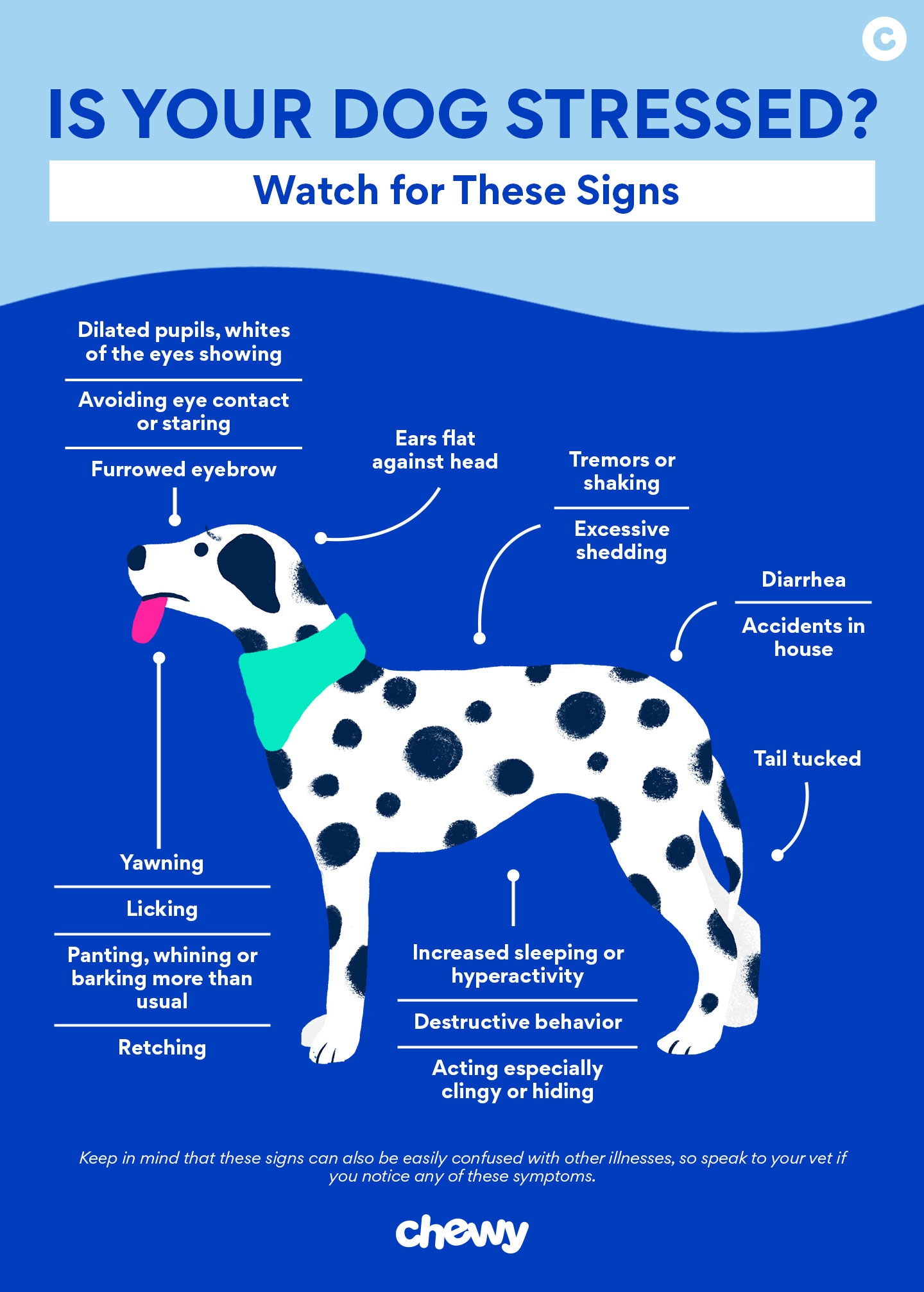
Brain & Cognitive Disorders Stress-Related Behavioral Disorders Stress in pets, as in people, can cause anxiety . Pets may become anxious from exposure to loud noises, separation from the owner (i.e., owner leaving pet alone), new people or pets in the household, or changes in routine. Chronic stress and subsequent anxiety can affect behavior, as well as gastrointestinal and immune health, and ...
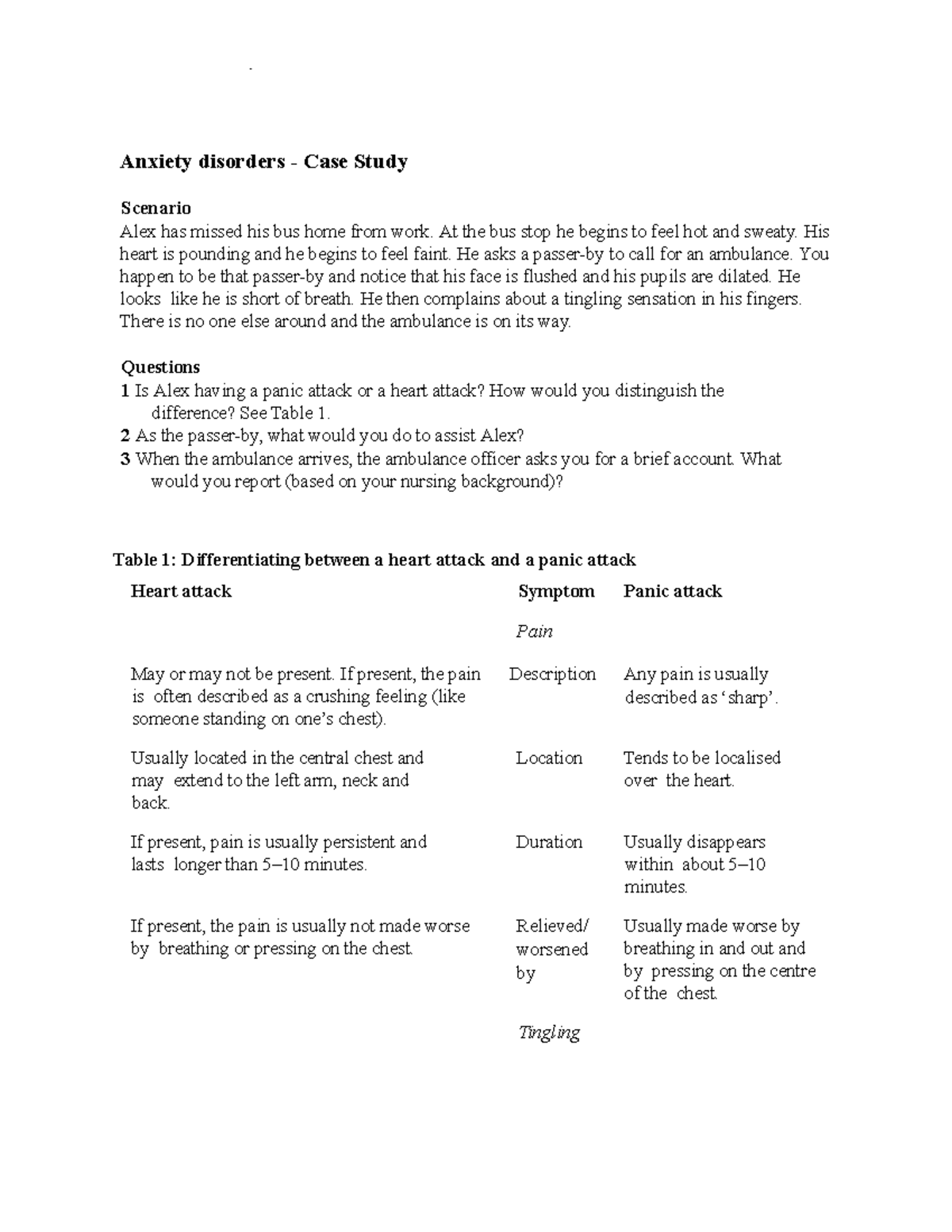
The Anxiety
Natural Anxiety Relief for Dogs : Evidence-Based Diet & Nutrition Strategies to Calm Anxious Dogs & Reduce Stress Naturally Summary The relationship between nutrition and mental health in dogs represents one of the most promising frontiers in canine wellness, revealing how dietary choices can profoundly influence anxiety levels, mood regulation, and behavioural responses. This comprehensive ...
Anorexia is a decrease or loss of appetite for food. While hunger is a physically driven, appetite is mentally driven. There are two types of anorexia: true anorexia and "pseudo-anorexia." Both result in decreased food intake, but a dog with pseudo-anorexia wants to eat (is hungry) but can't because of difficulty picking up, chewing, or swallowing food or some other cause.