Overview of Cancer Therapy And Glucose Dependent Insulinotropic Polypeptide Diets
Targeted radionuclide therapy (TRT) provides new and safe opportunities for cancer treatment and management with high precision and efficiency. Here we have designed a novel semiconducting polymer nanoparticle (SPN)-based radiopharmaceutical (211At-MeATE-SPN-GIP) for TRT against glucose-dependent insulinotropic polypeptide receptor (GIPR)-positive cancers to further explore the applications of ...
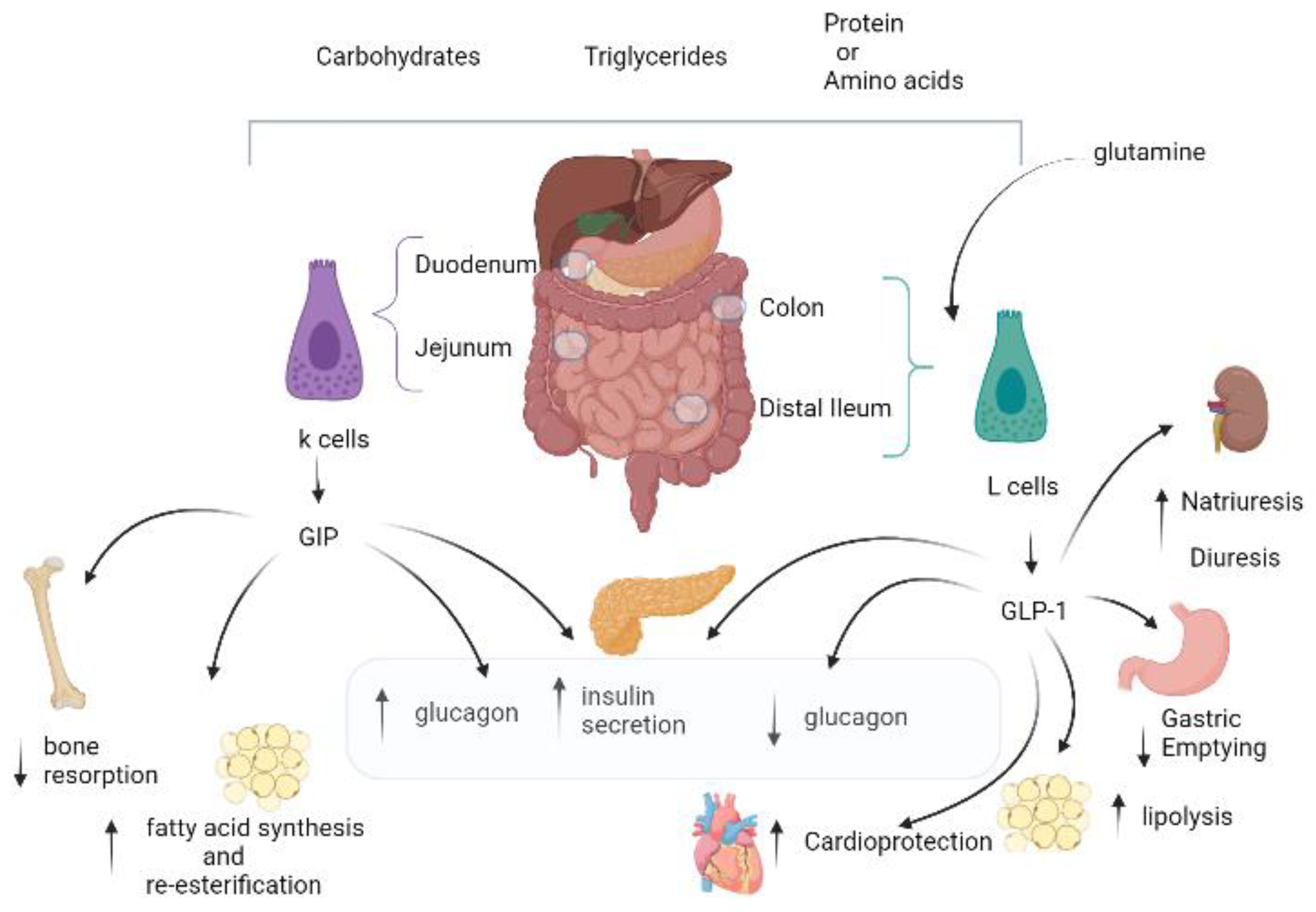
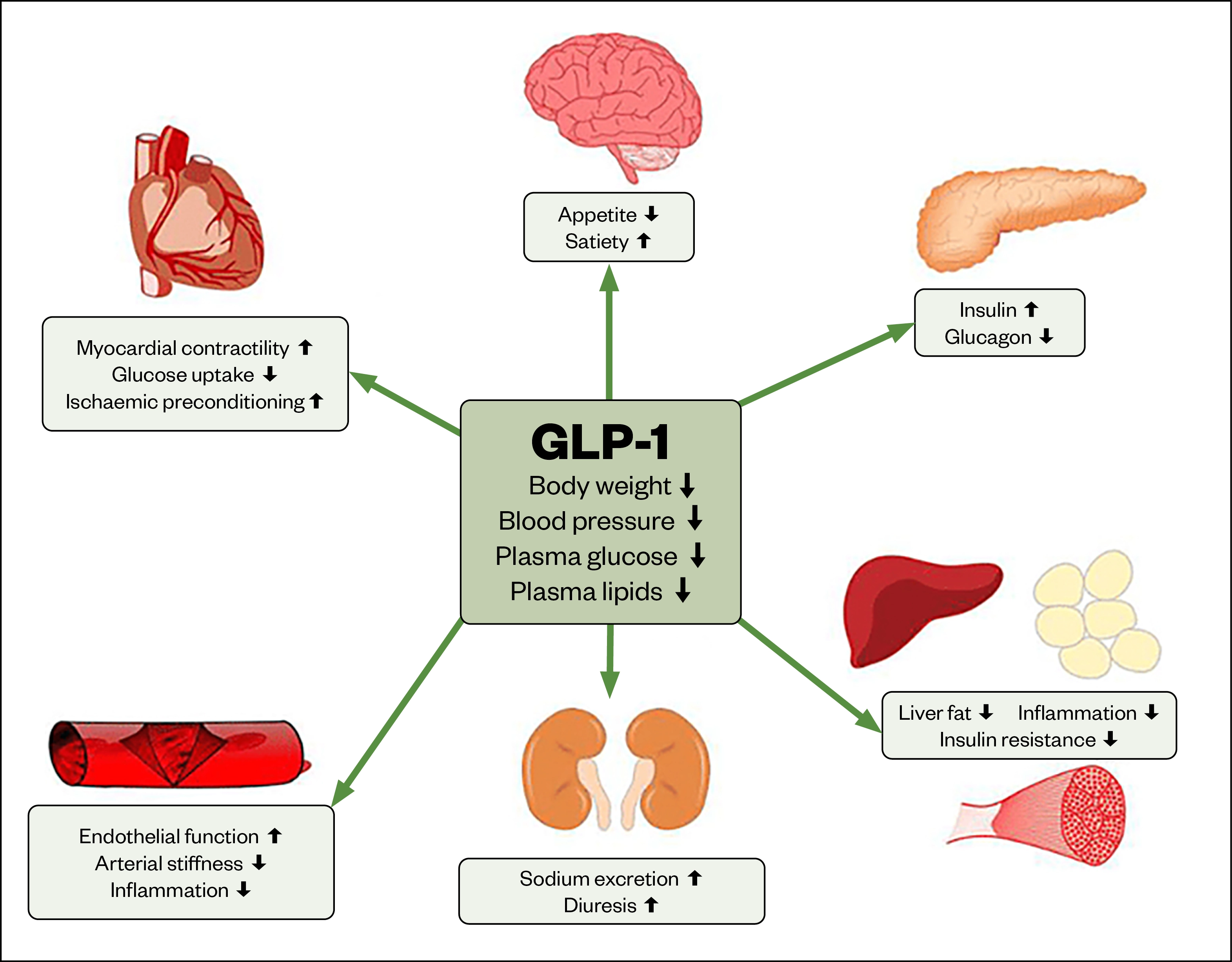
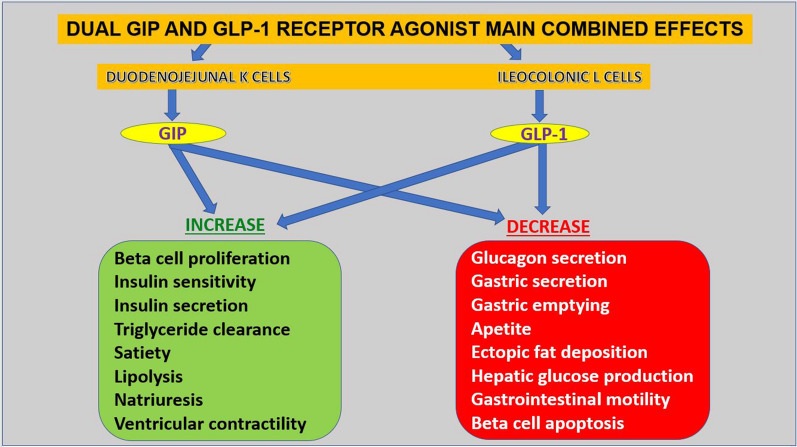
Among these therapies, incretin-based treatments have gained considerable attention due to their innovative mechanism of mimicking or amplifying the effects of endogenous incretin hormones, such as glucagon-like peptide-1 (GLP-1) and glucose-dependent insulinotropic polypeptide (GIP).
Key Details About Cancer Therapy And Glucose Dependent Insulinotropic Polypeptide Diets

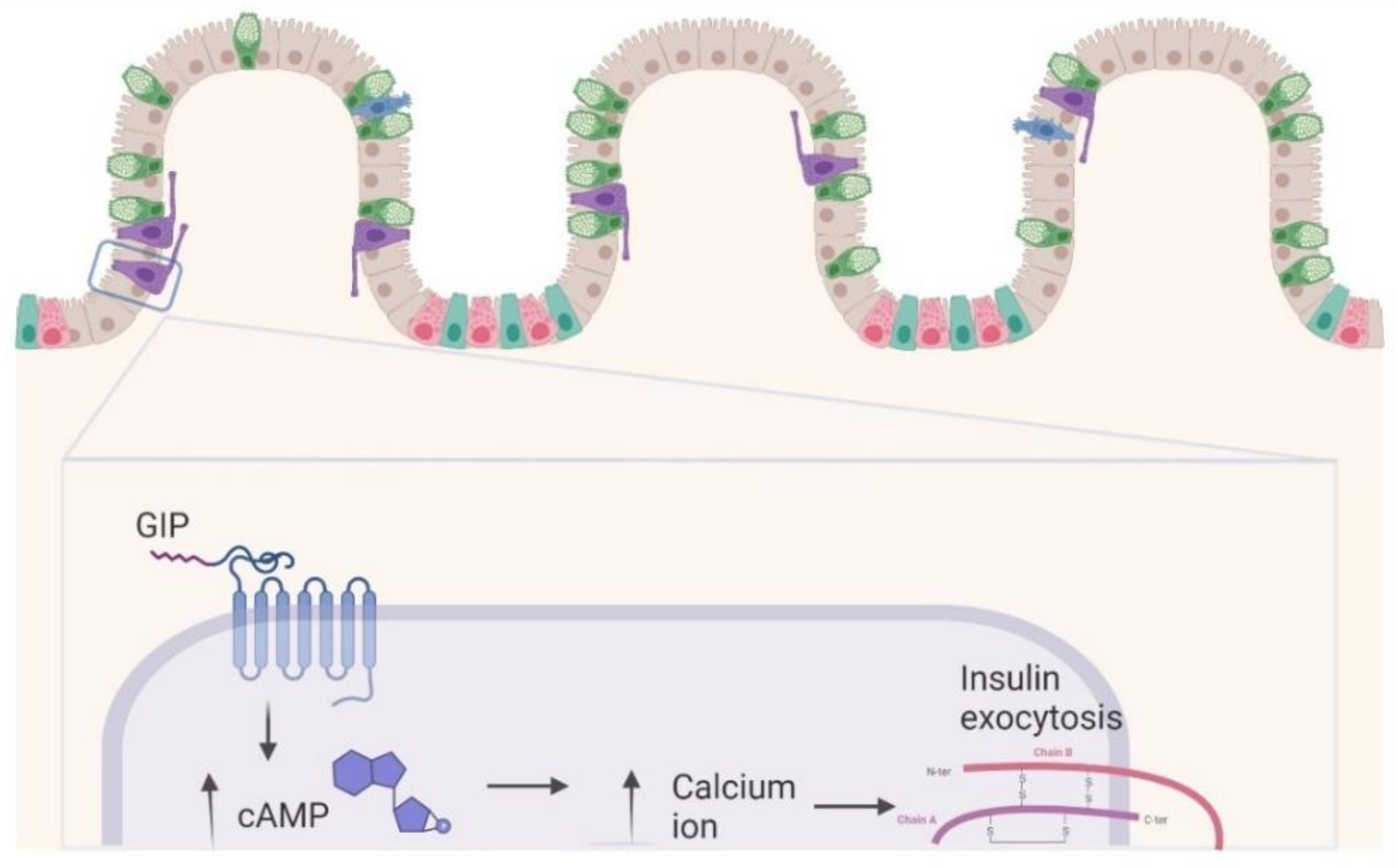
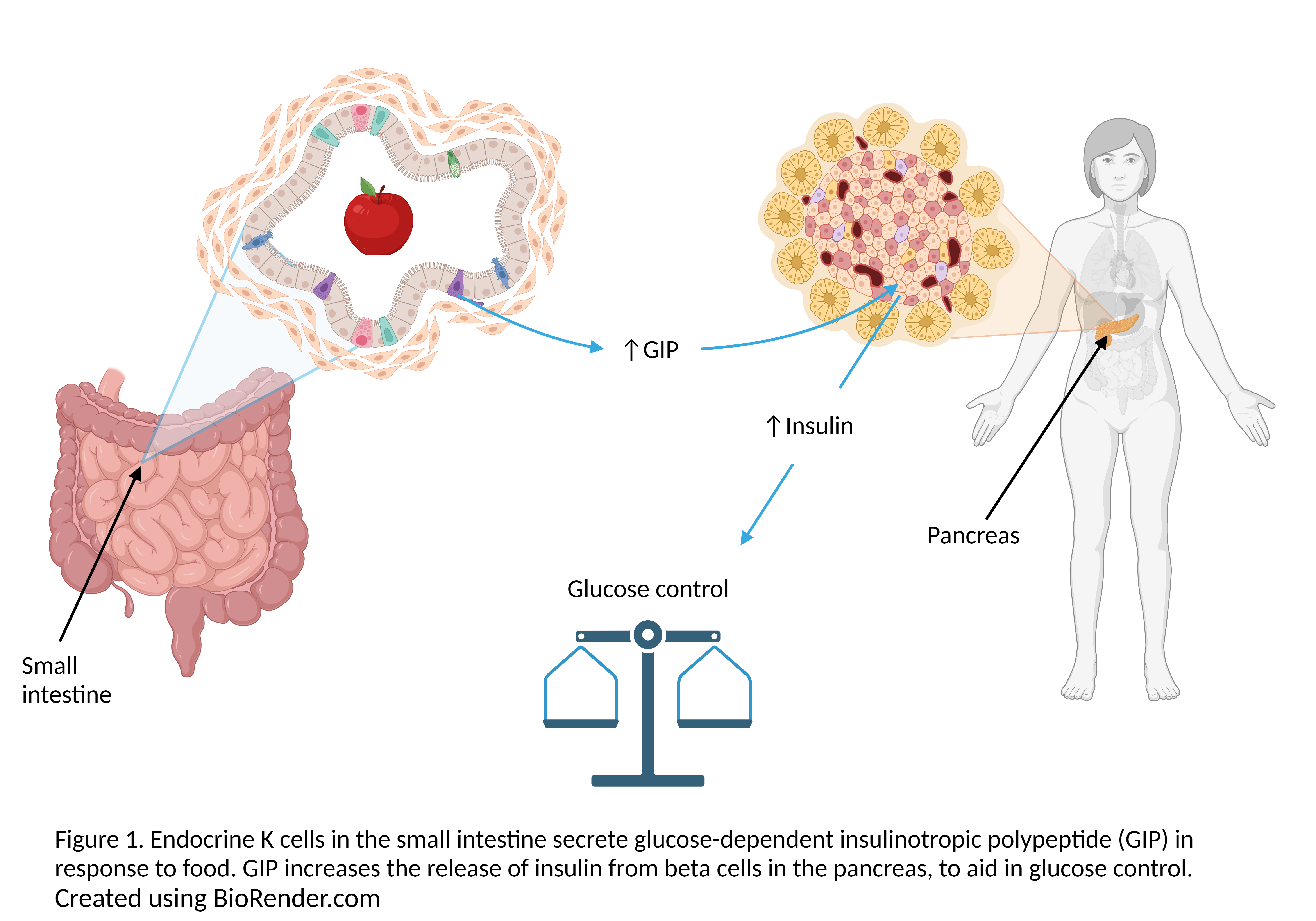
Abstract Glucose-dependent insulinotropic polypeptide (GIP) is a 42-amino acid hormone that is synthesized and released from upper intestinal enteroendocrine K cells in response to the ingestion of glucose or fat. The structure of GIP places it in the secretin/vasoactive intestinal polypeptide family of gastrointestinal regulatory peptides.
Glucose-dependent insulinotropic polypeptide (GIP) is a gastrointestinal regulatory peptide whose primary physiologic role is to stimulate postprandial pancreatic insulin secretion. Like insulin, GIP has been linked to enhanced nutrient efficiency, which occurred during the course of evolution.
Next generation dual GLP
This particular example perfectly highlights why Cancer Therapy And Glucose Dependent Insulinotropic Polypeptide Diets is so captivating.
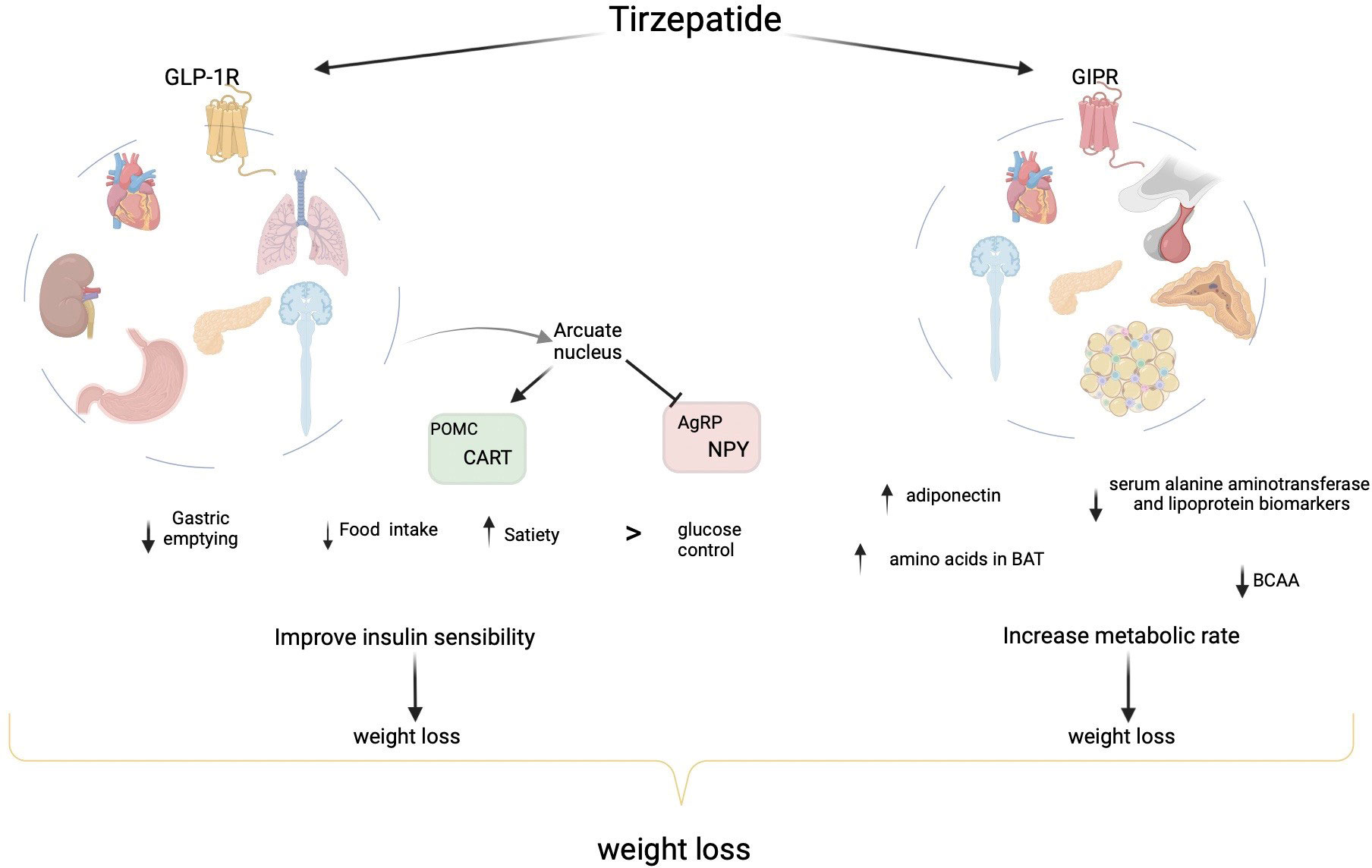
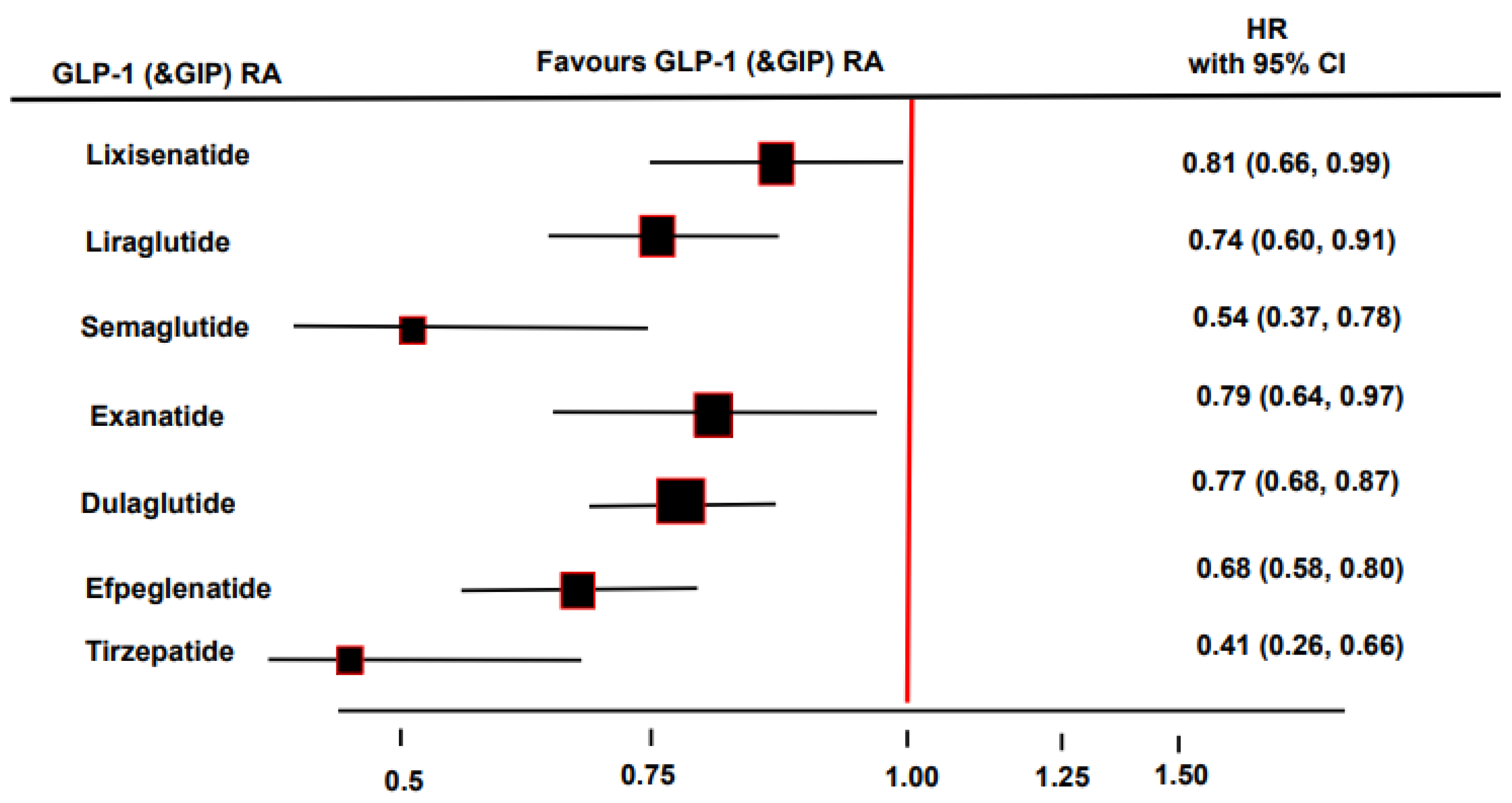
Glucagon-like peptide-1 receptor agonists (GLP-1 RAs) are currently at the forefront of type 2 diabetes mellitus (T2DM) and obesity treatment development and usage. However, recent focus on multi-receptor agonism with glucose-dependent insulinotropic polypeptide (GIP) and glucagon (Gcg) receptors has been investigated to assess for improved glycemic control, weight loss, and safety profile.
Endogenous incretin levels and risk of first incident cancer
Here, we explored whether fasting and oral glucose tolerance test post-challenge glucose-dependent insulinotropic peptide (GIP) and GLP-1 levels were associated with incident first cancer .
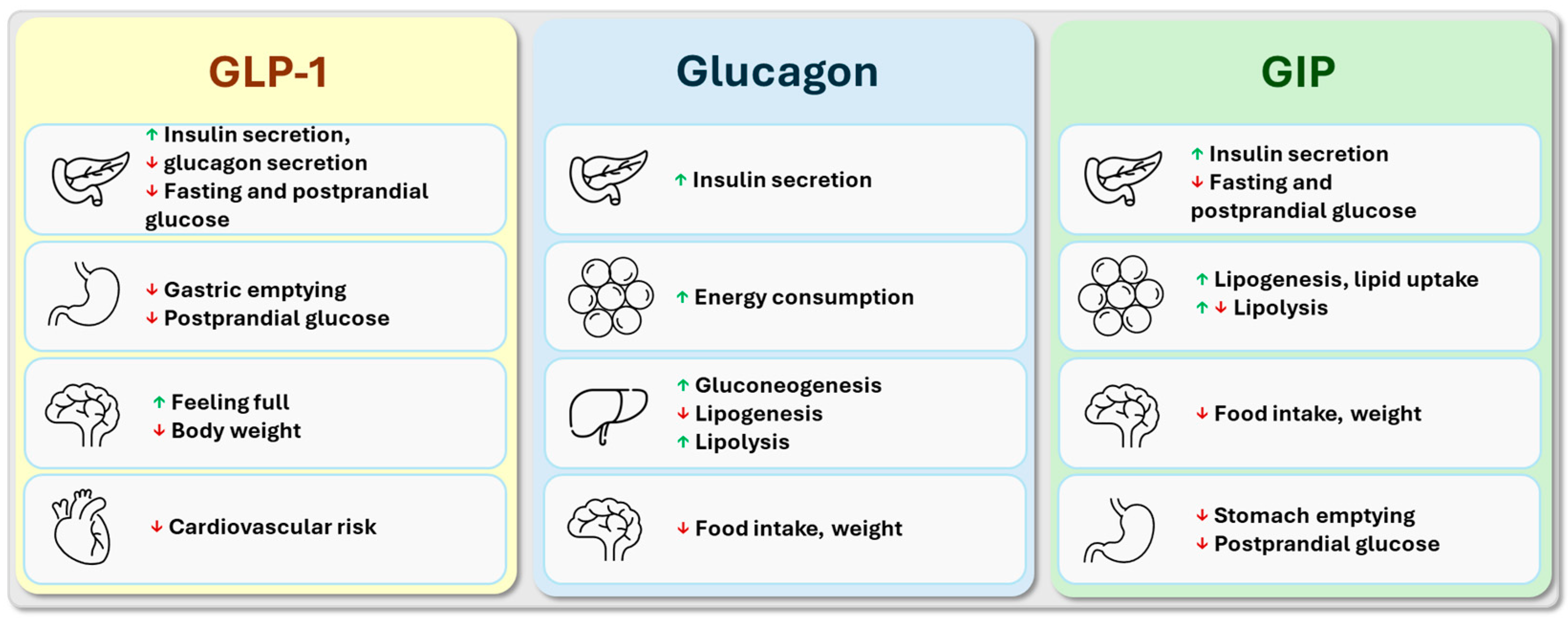
The glucose-dependent insulinotropic polypeptide (GIP) is an incretin hormone produced in the gastrointestinal tract in response to nutrients. GIP has a variety of effects on different systems, including the potentiation of insulin secretion from pancreatic β-cells after food intake (i.e. incretin effect), which is probably the most important. GIP effects are mediated by the GIP receptor ...
Evaluating glucose
The pathophysiology of diabetes involves a defective amplication of the late-phase insulin response fi to glucose by glucose-dependent insulinotropic polypeptide -regard-less of etiology and phenotype.