Chemotherapy in Cats
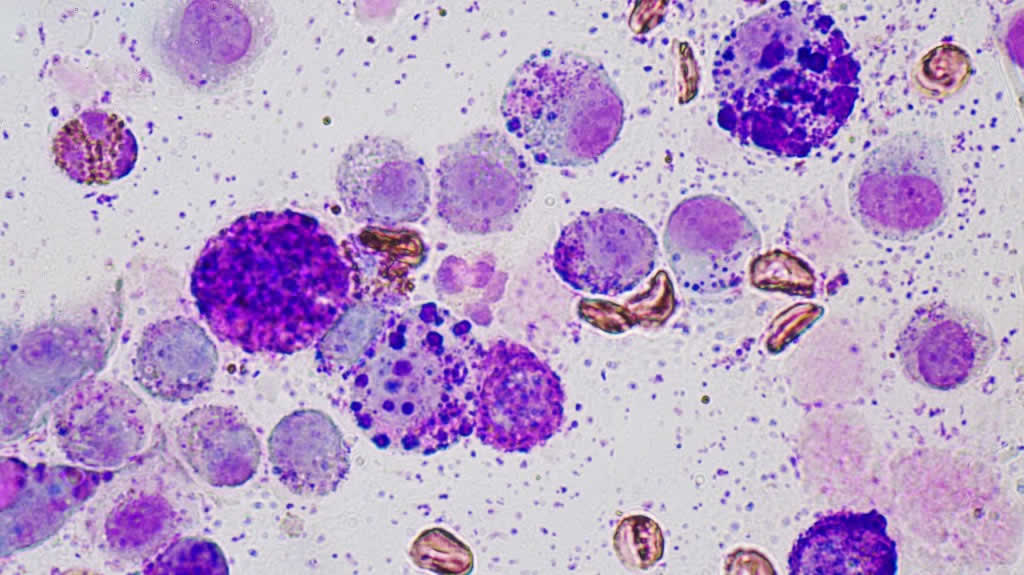
The article details the types of cancers commonly treated with chemotherapy in cats , including lymphoma, mast cell tumors , leukemia , and certain solid tumors . It also outlines the treatment process, from initial diagnostics and protocol planning to outpatient drug administration and ongoing monitoring for side effects.
Learn what feline mast cell tumors are, common signs, diagnosis, treatment options , and when to see your vet for a new lump or GI symptoms. Get answers fast.
Current Treatment Options for Mast Cell Tumors in Dogs and Cats
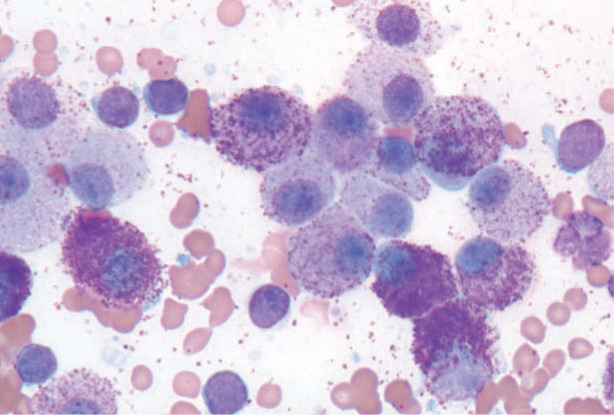
As we can see from the illustration, Cancer In Cats Treatment Options For Leukemia And Mast Cell Tumors has many fascinating aspects to explore.
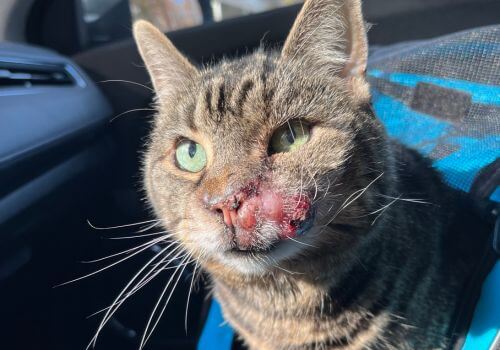
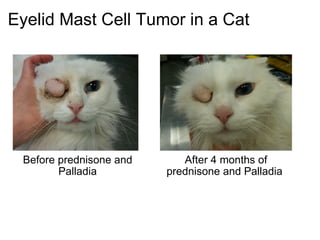
At ACCC, we offer a range of treatment options for feline mast cell tumors , tailored to the location (cutaneous or visceral), type, and extent of the tumor , as well as your cat's overall health and your individual goals.
Feline Mast Cell Tumors
For those cats , chemotherapy plays a role in treatment . The prognosis for cats with gastrointestinal mast cell tumors is variable but can be 1-2 years with aggressive treatment . For cats with splenic tumors , the prognosis after surgery is an average of about 14 months (compared to 4-6 months without surgery).
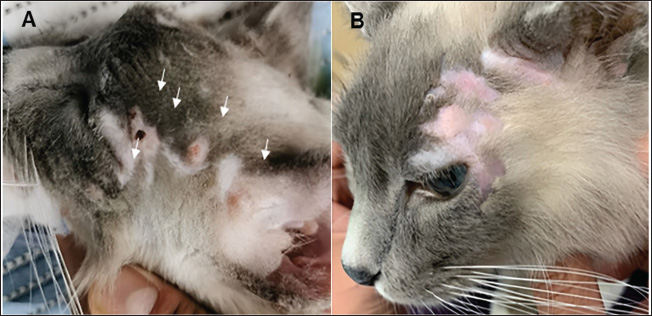
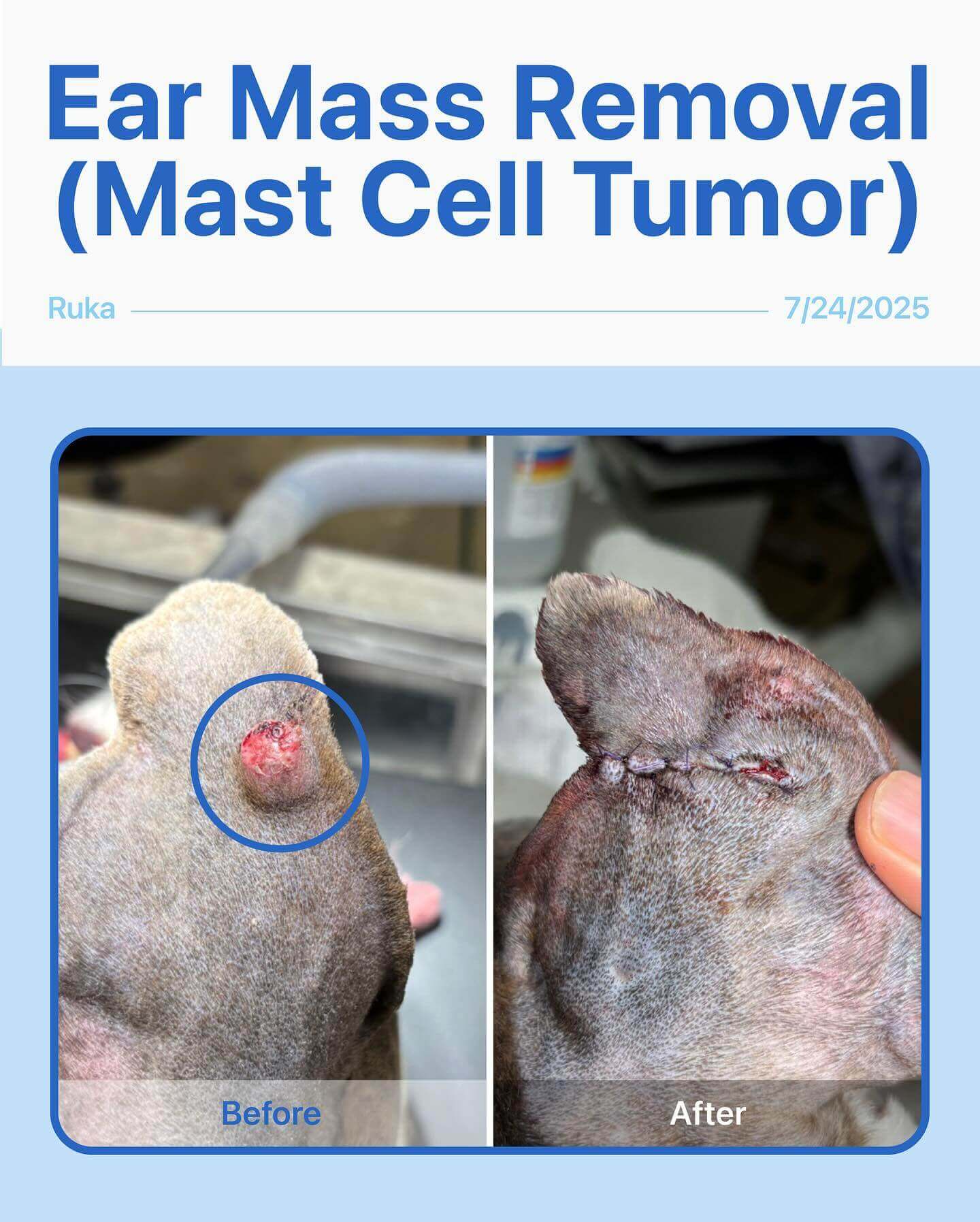
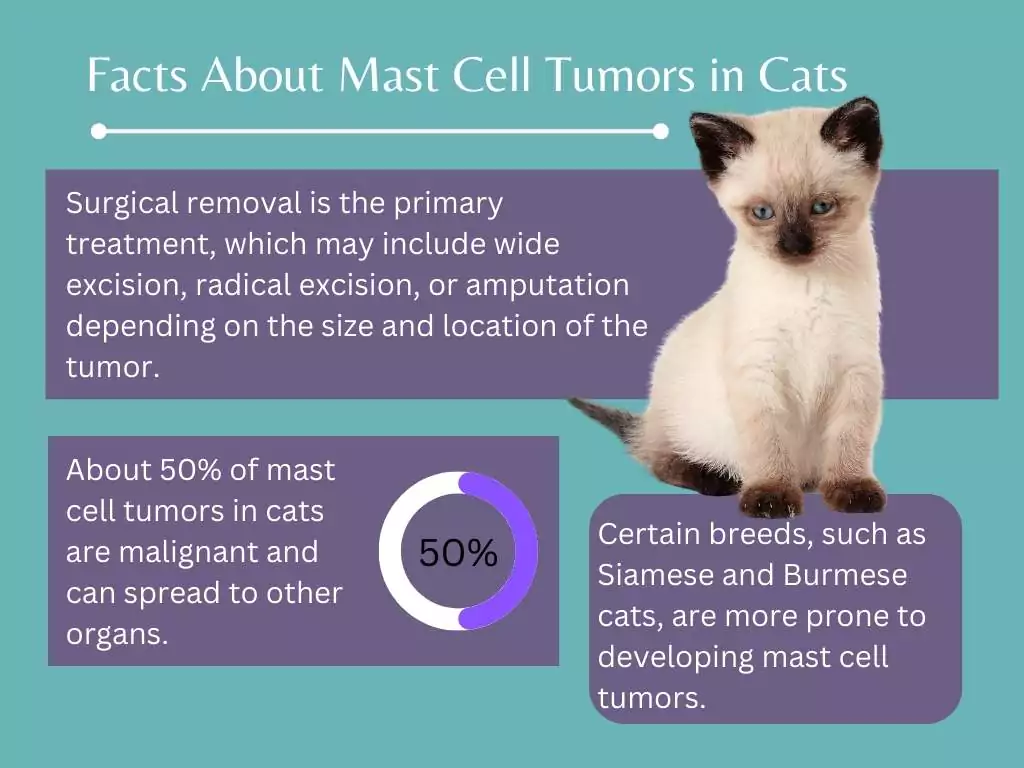
When this happens, some cats will develop an effusion (fluid build-up in the abdomen). How are mast cell tumors treated? Surgical removal of the mass (es) (cutaneous, splenic, or intestinal) is the treatment of choice whenever possible. Depending on the findings with histopathology and staging, chemotherapy may be suggested.
What to Know About Mast Cell Tumors in Cats
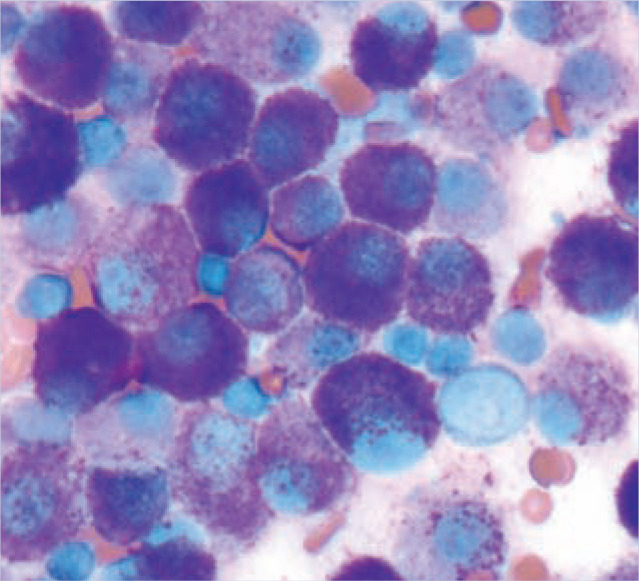
Find out what you need to know about mast cell tumors in cats . Learn about the causes, symptoms, treatment , medication, and prevention of mast cell tumors .

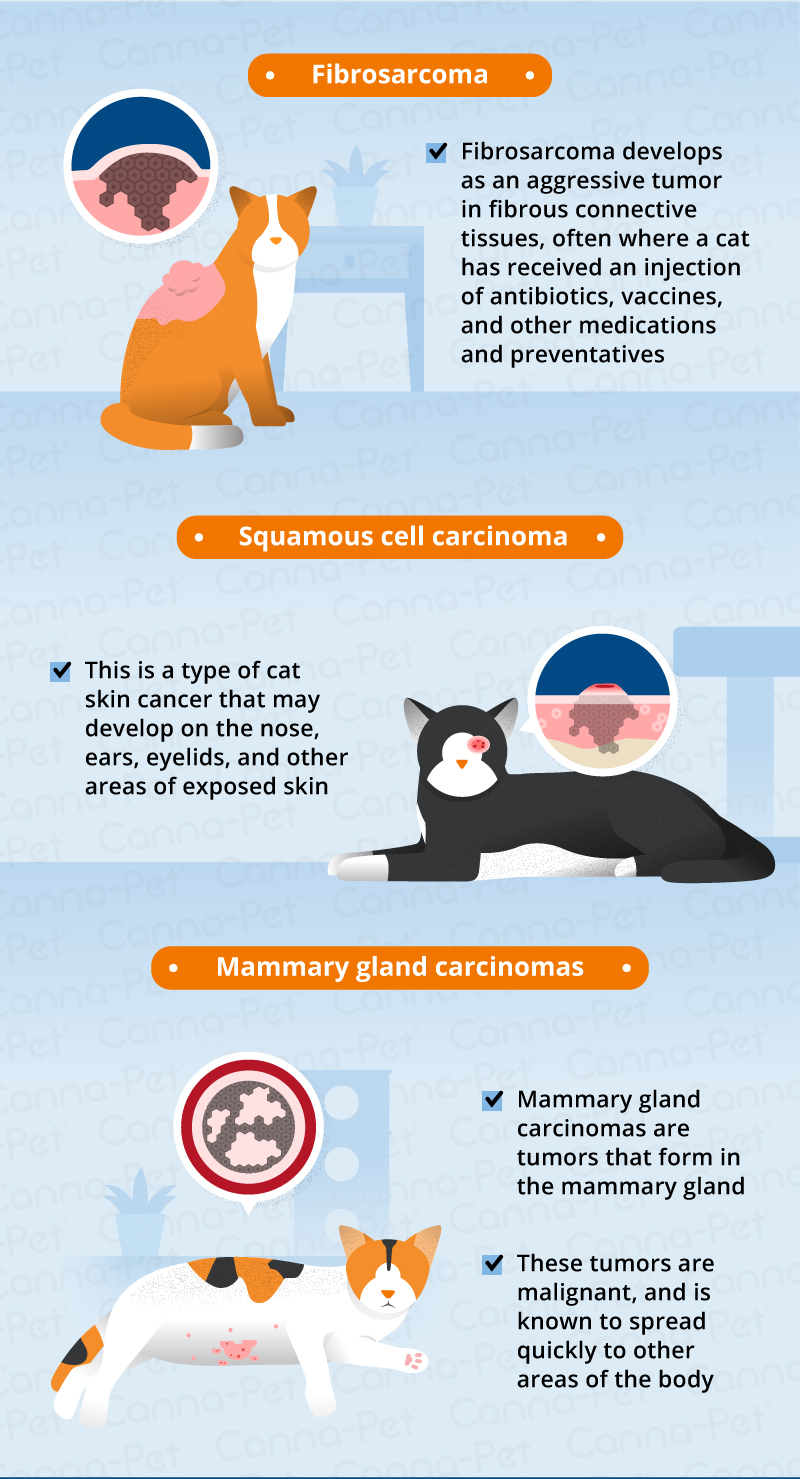
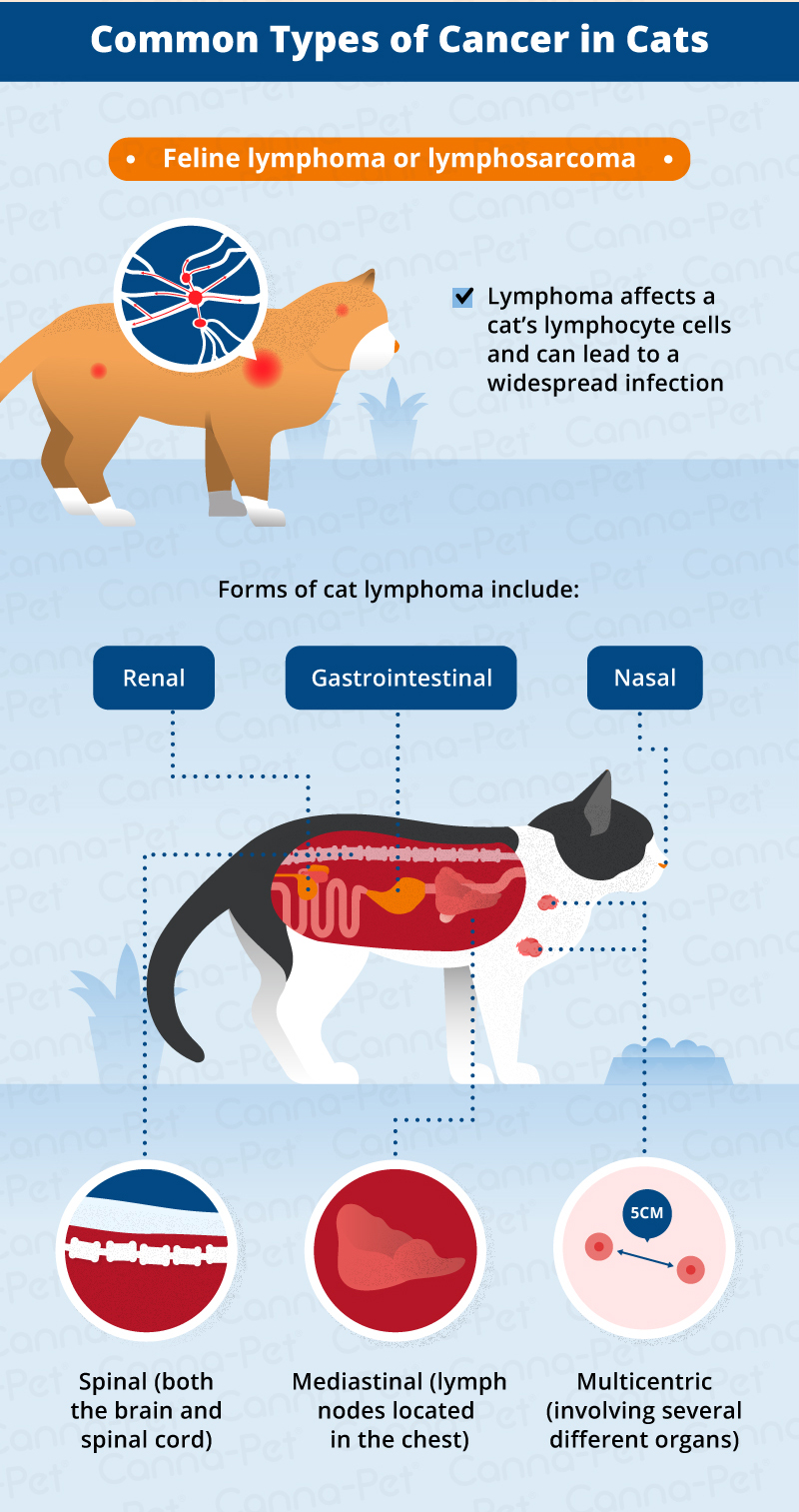
Cancer in cats occurs due to abnormal cell growth, and there are several different types that may affect a cat . In this article, our vet experts explain the symptoms, causes, treatment , and management of cancer in cats .
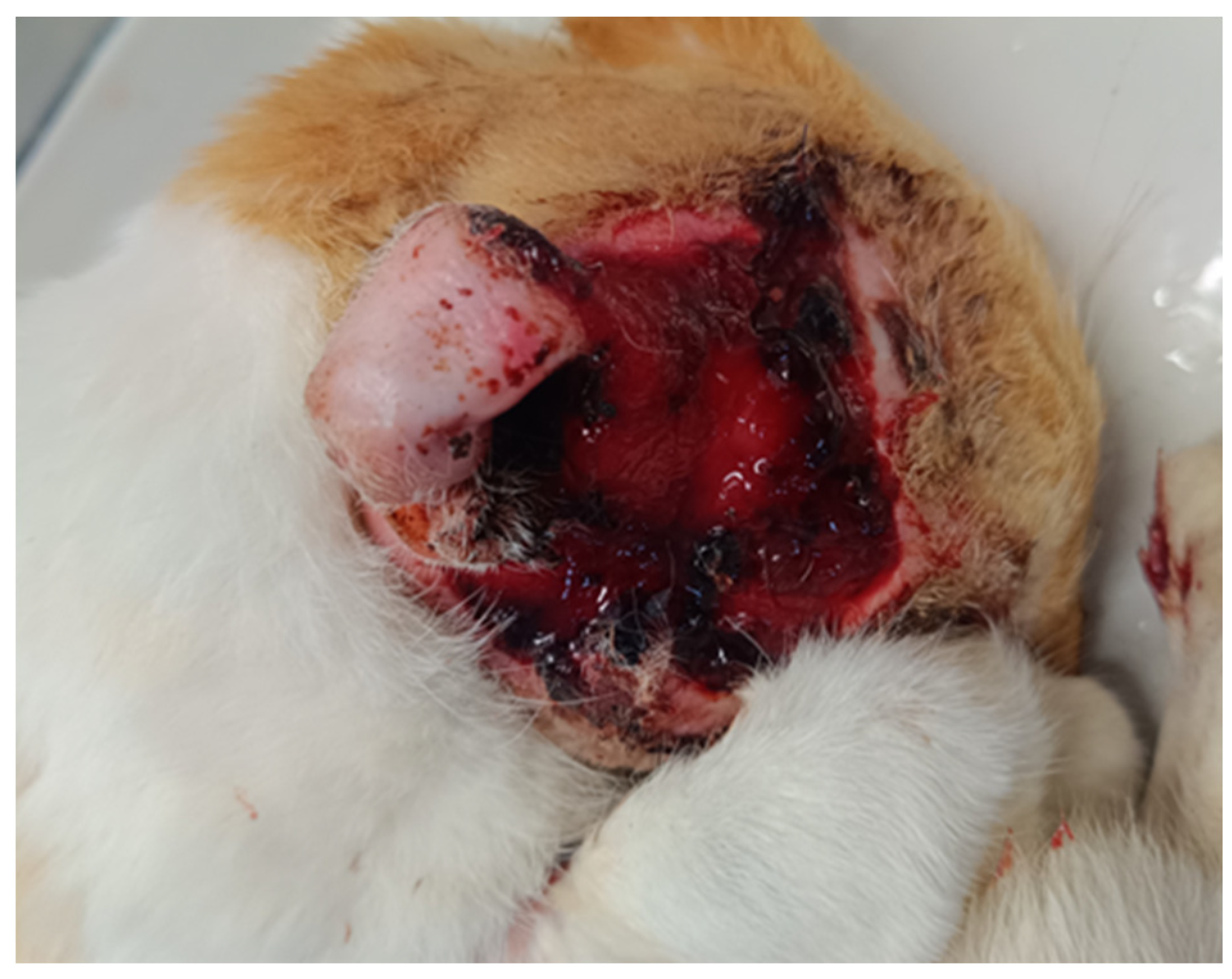
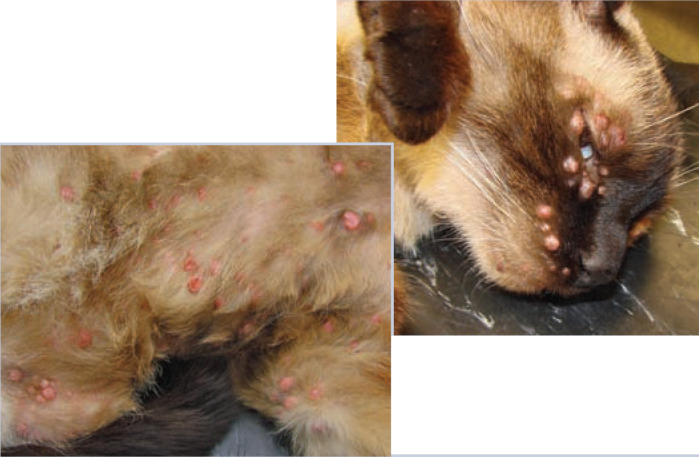
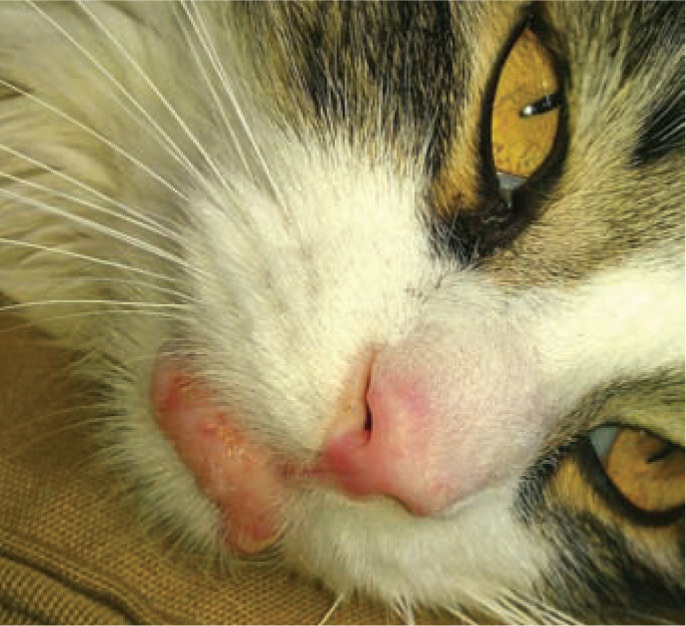
Skin MCT
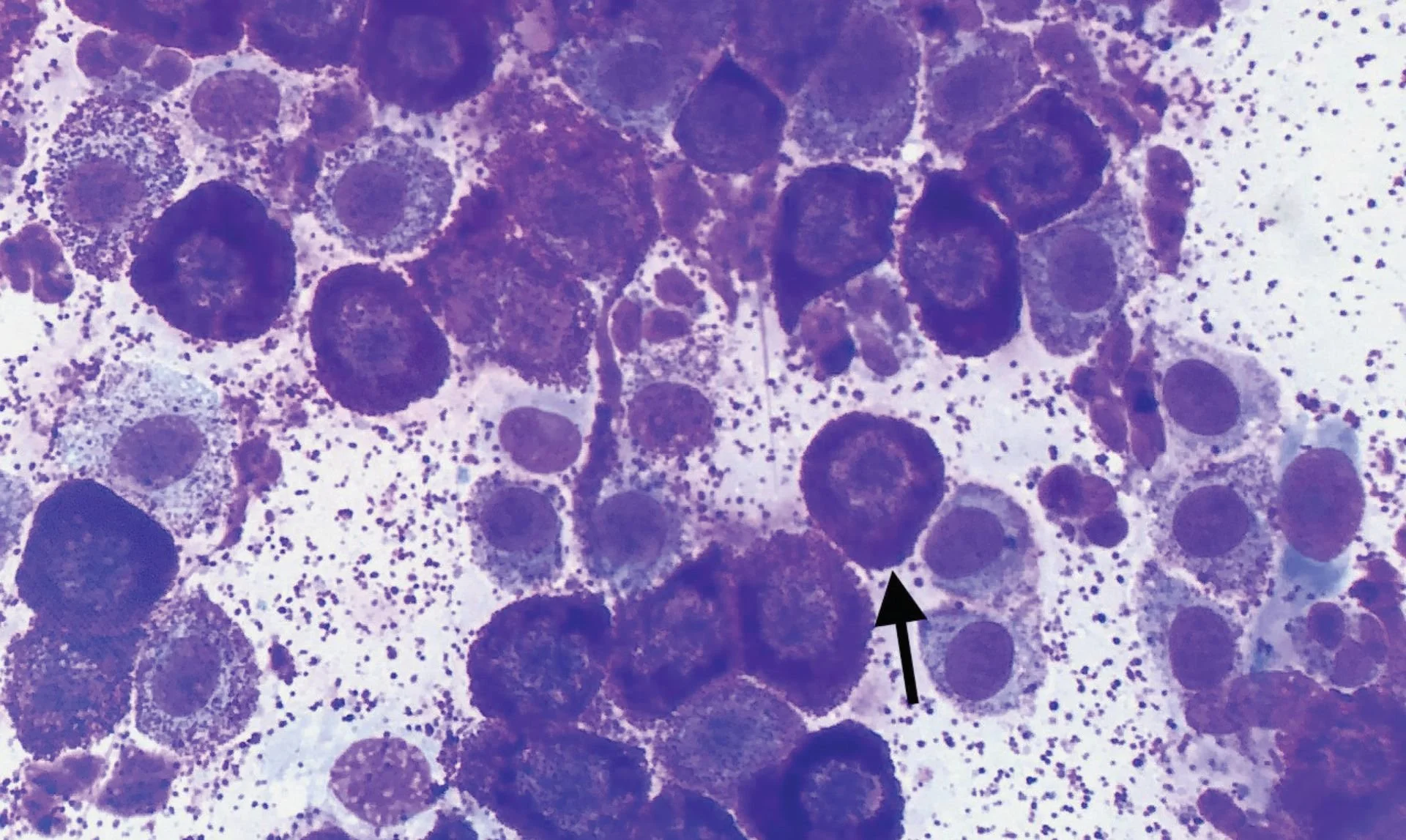
Feline cutaneous MCT is subdivided into compact and diffuse forms which may have prognostic significance Histologic grading system used in dogs does not have prognostic value in cats + Compact Mastocytic Mast Cell Tumors Compact MCT accounts for 50%-90% cases and most are benign
Guidelines at-a-Glance Understanding the common types of cancer in dogs and cats is essential for early detection, timely diagnosis, and appropriate treatment . Regular veterinary check-ups, awareness of clinical signs, and client education play critical roles in managing cancer in pets.