Blockchain for the carbon market
The increasing urgency of climate change demands innovative solutions to reduce the environmental impact of human activities. While carbon credits have become a pivotal tool in reducing greenhouse gas emissions , their effectiveness is hindered by challenges such as lack of transparency, inefficiencies, and governance issues in carbon markets. This article uniquely explores how blockchain ...
Cryptocurrency blockchain and its carbon footprint
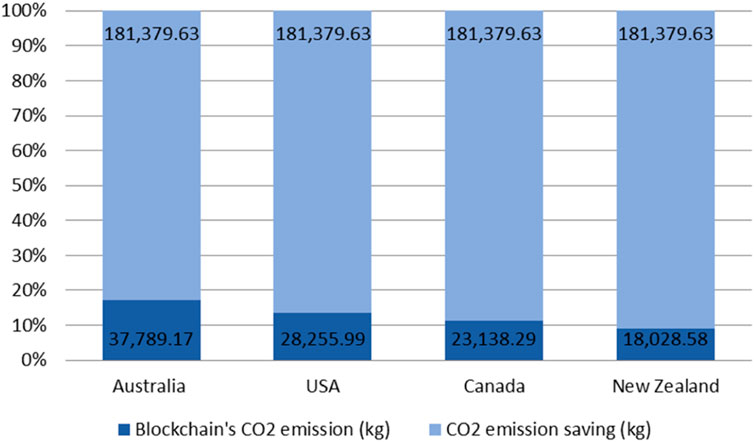
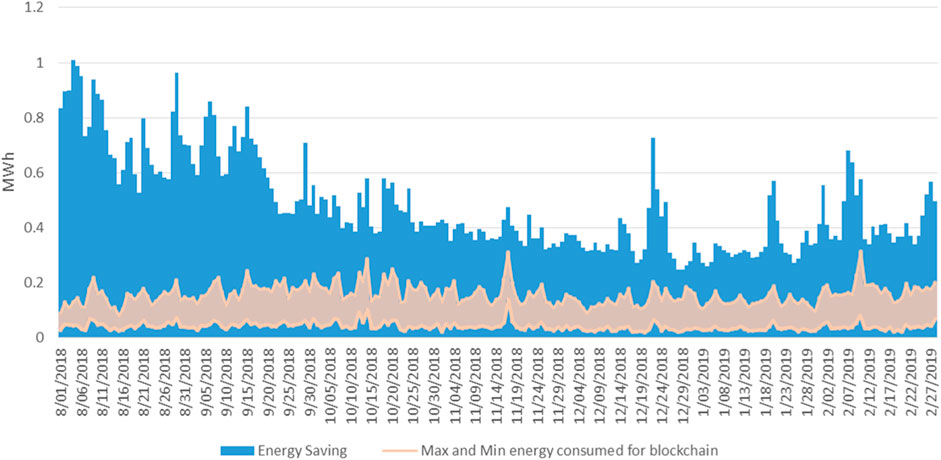
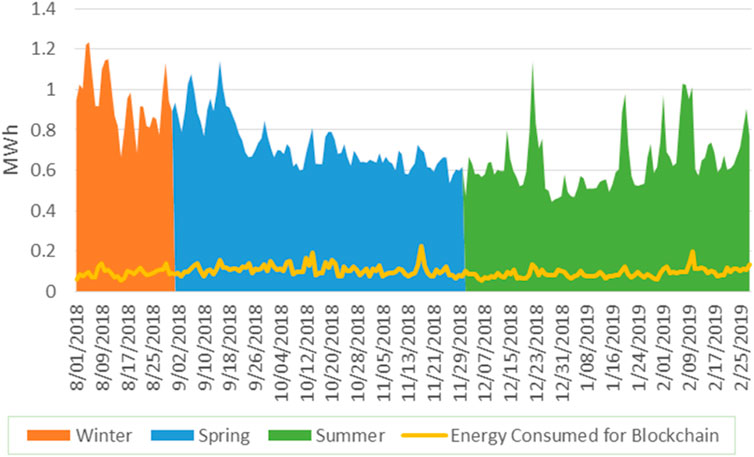
Contrastingly, the ongoing evolution of financial blockchain platforms introduces a spectrum of both prospects and challenges. The swift adoption of blockchain technology has given rise to concerns regarding energy consumption, potentially amplifying carbon emissions and environmental impacts associated with the underlying blockchain networks.

Moving forward, it's essential to keep these visual contexts in mind when discussing Blockchain Carbon Emissions.
The Developing Role of Blockchain in Carbon Markets
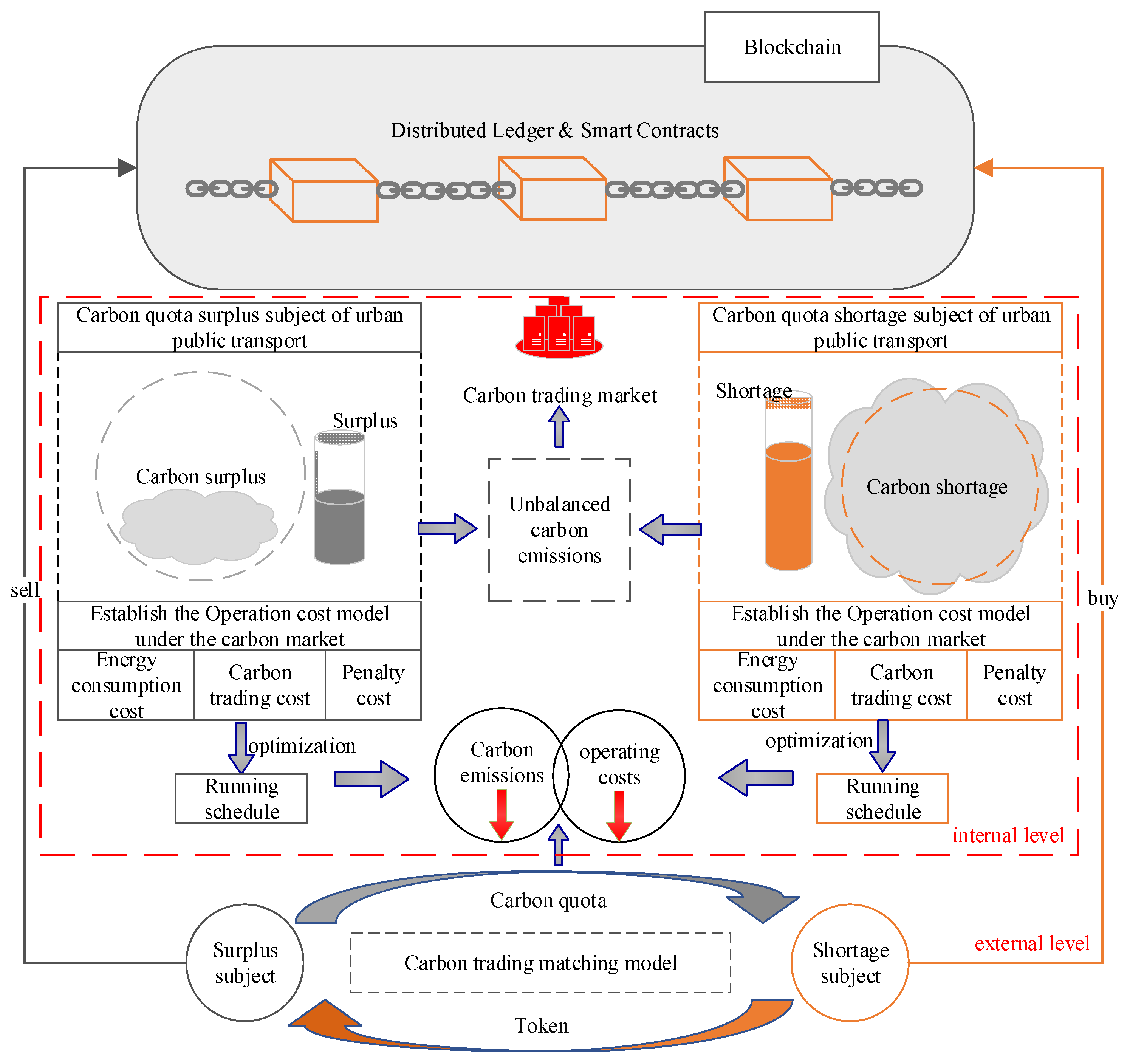
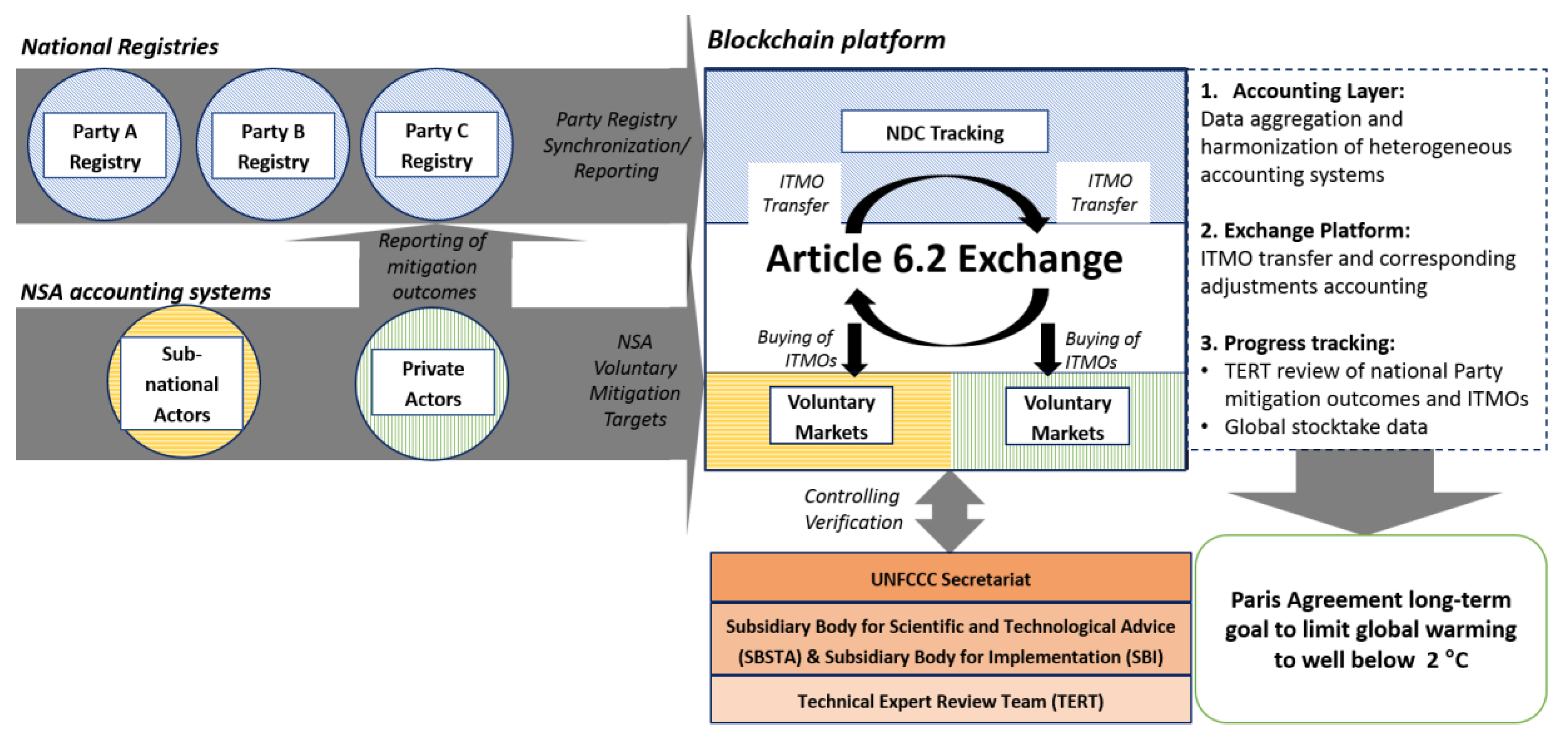
Carbon markets are a critical component in the global effort to combat climate change. These markets enable the trading of carbon credits, allowing companies to offset their emissions by investing in projects that reduce or sequester carbon dioxide. However, carbon markets face challenges related to transparency, accountability, and fraud prevention. Blockchain technology, with its ...
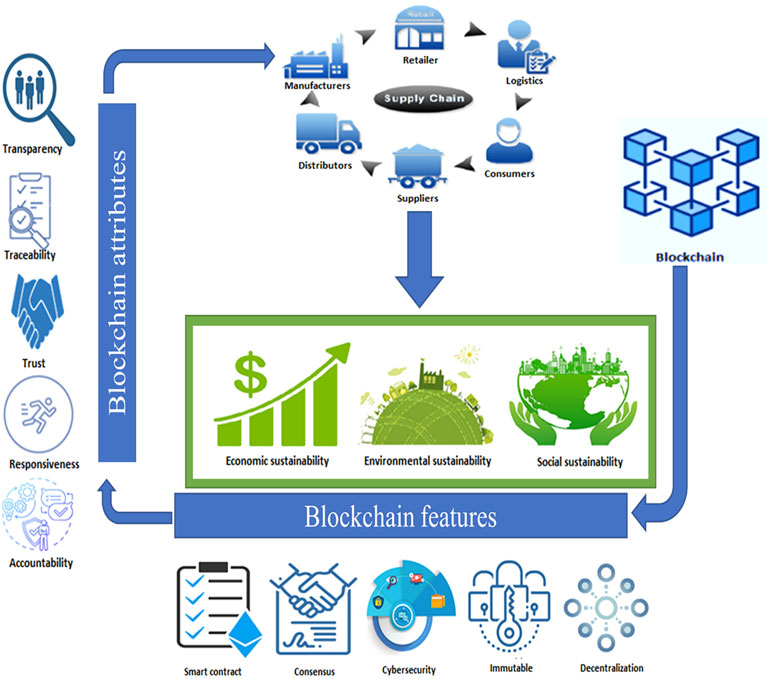
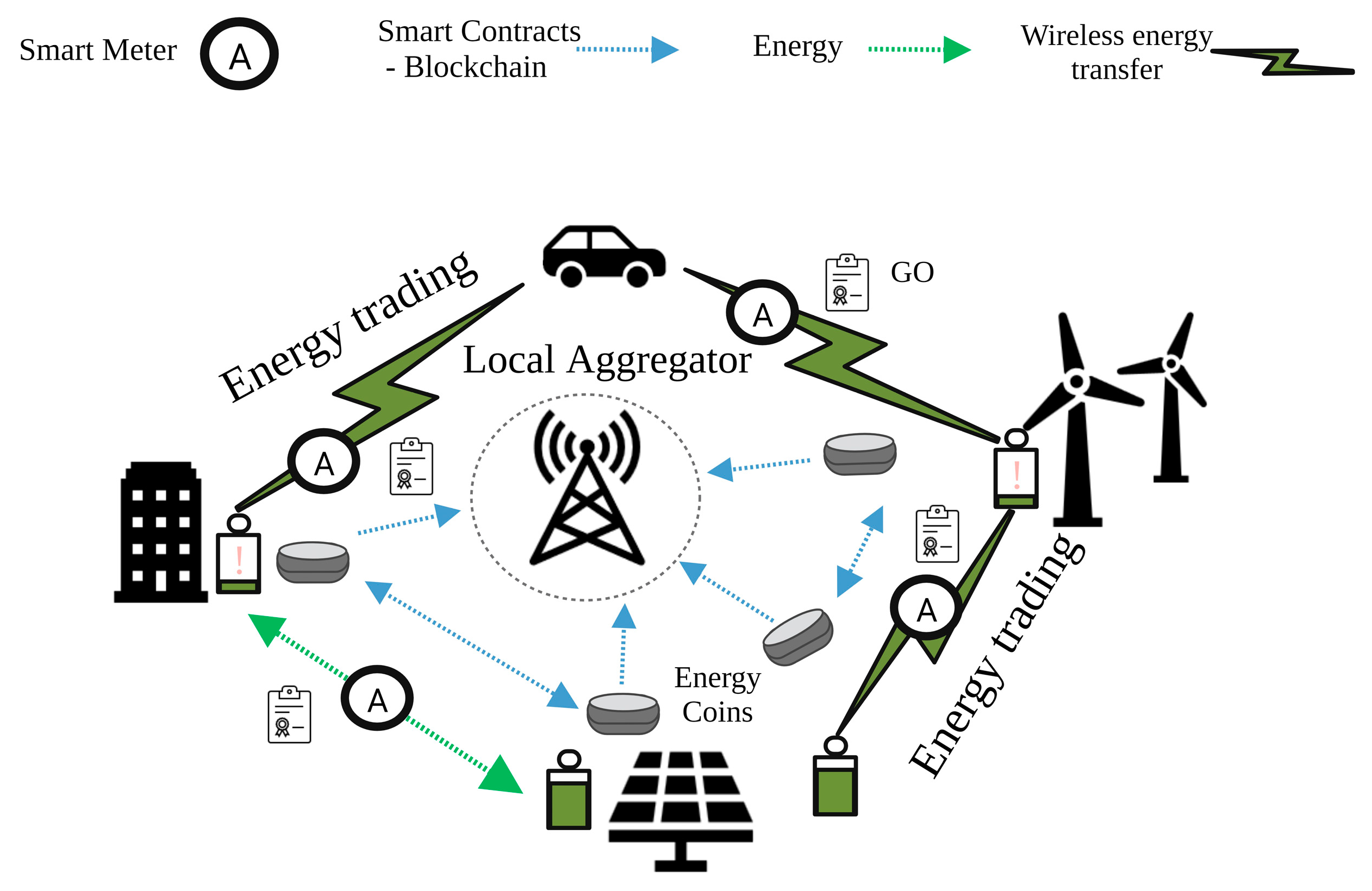
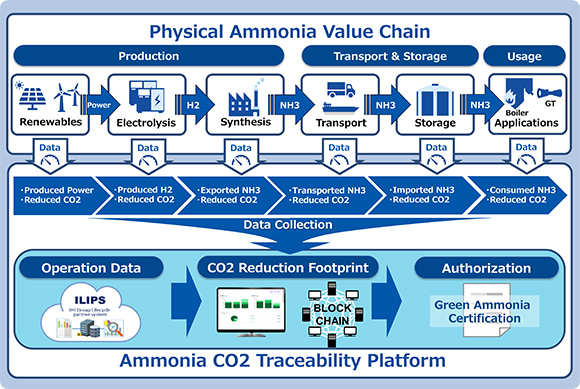
In particular, blockchain technology can help with the tracking of carbon footprint, transactions, and carbon emissions data across the entire value chain, assuring end-to-end traceability. It does this by leveraging its decentralised ledgers, open verification systems, immutability of records, smart contracts, and automated processes, among ...

This particular example perfectly highlights why Blockchain Carbon Emissions is so captivating.
Blockchain adoption for promoting carbon emission reduction in relation ...
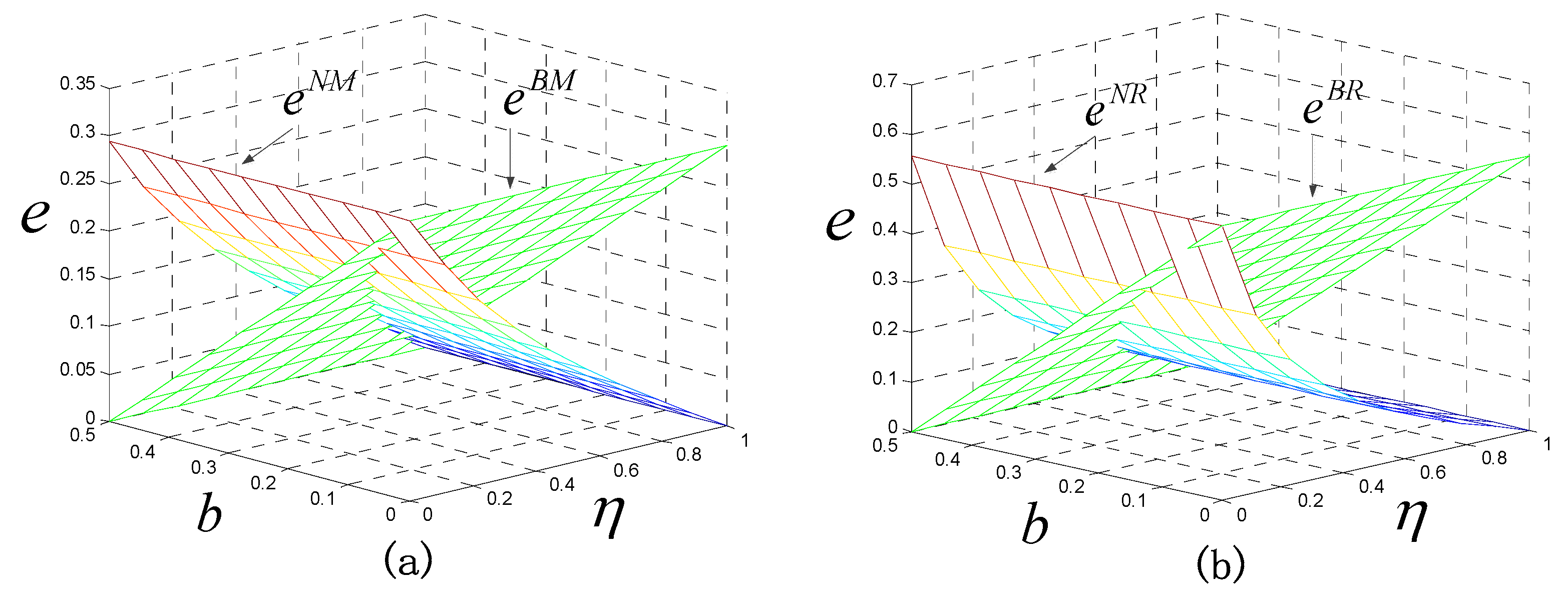
This paper examines the impact and value of blockchain adoption on firms' carbon emission reduction decisions. Accounting for social comparison between eco-conscious and general consumers, we develop game-theoretic models of producers and consumers under both monopoly and competition conditions, and where low- carbon and traditional (non-low- carbon ) products coexist. We first show that the ...
However, the considerable energy consumption required for blockchain networks that are based on proof-of-work validation technology compels adoption of alternative blockchain technologies. Moreover, the complexity of integrating existing carbon markets with blockchain platforms may present hurdles in achieving seamless interoperability.
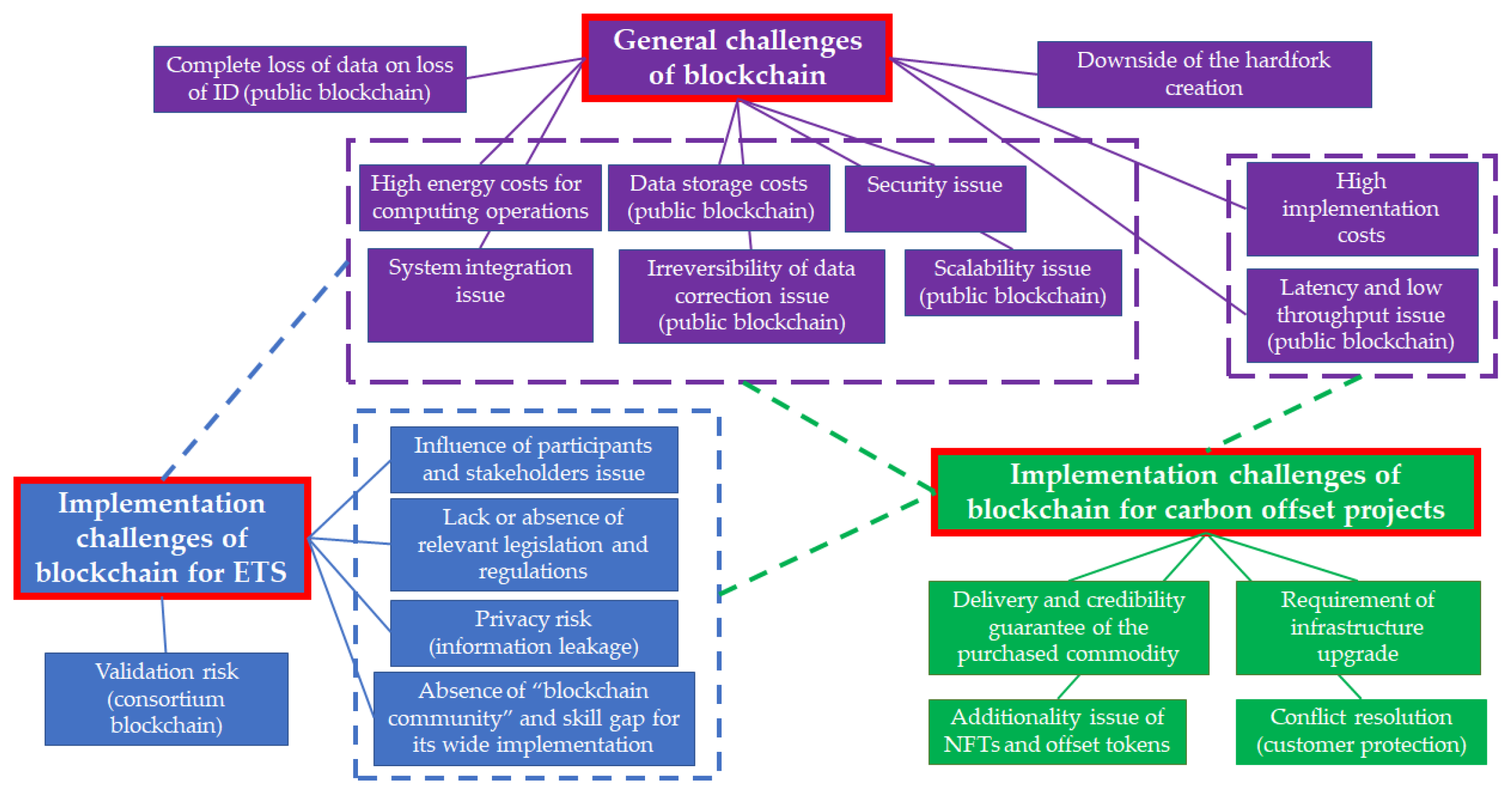
Such details provide a deeper understanding and appreciation for Blockchain Carbon Emissions.
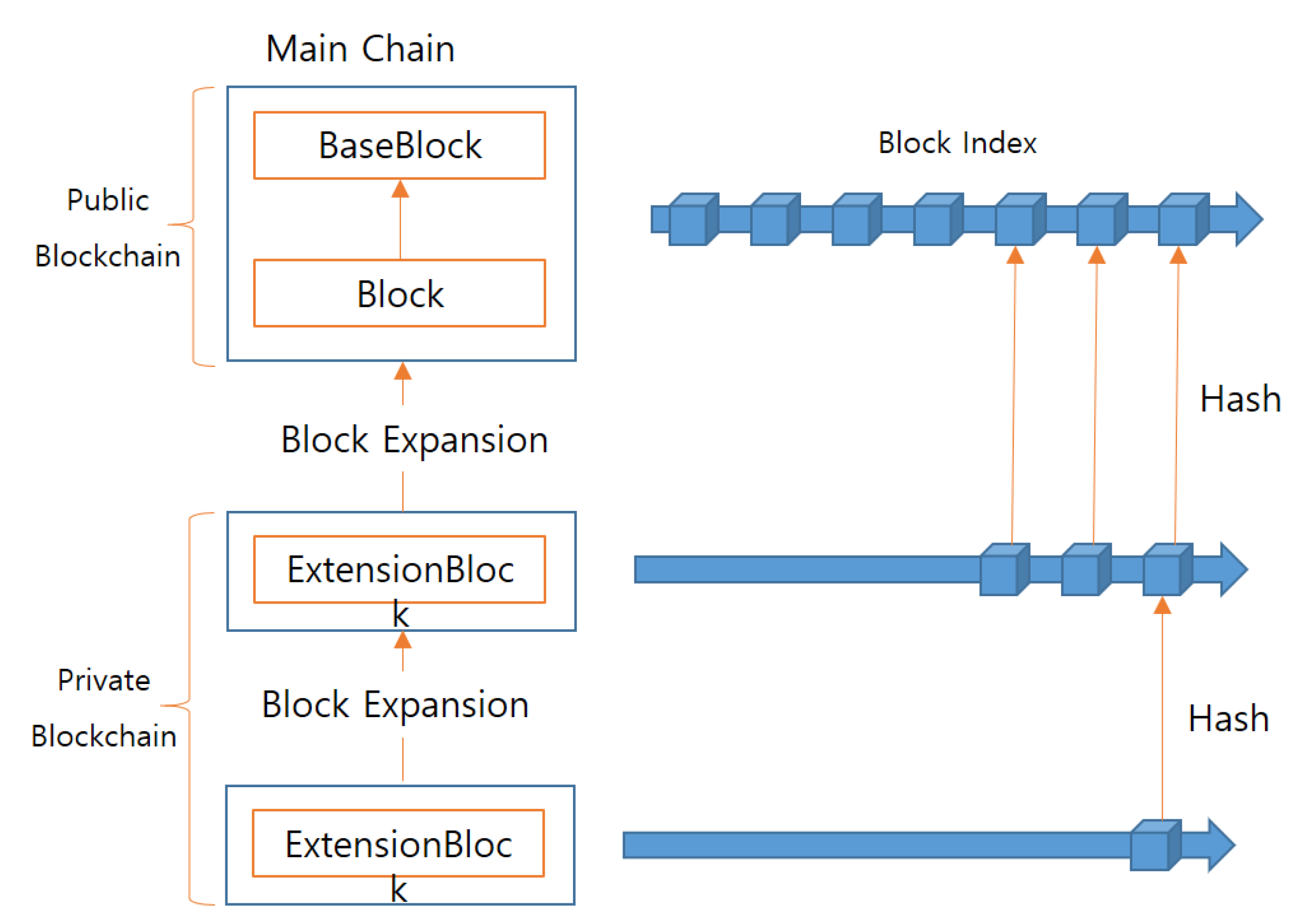
A blockchain
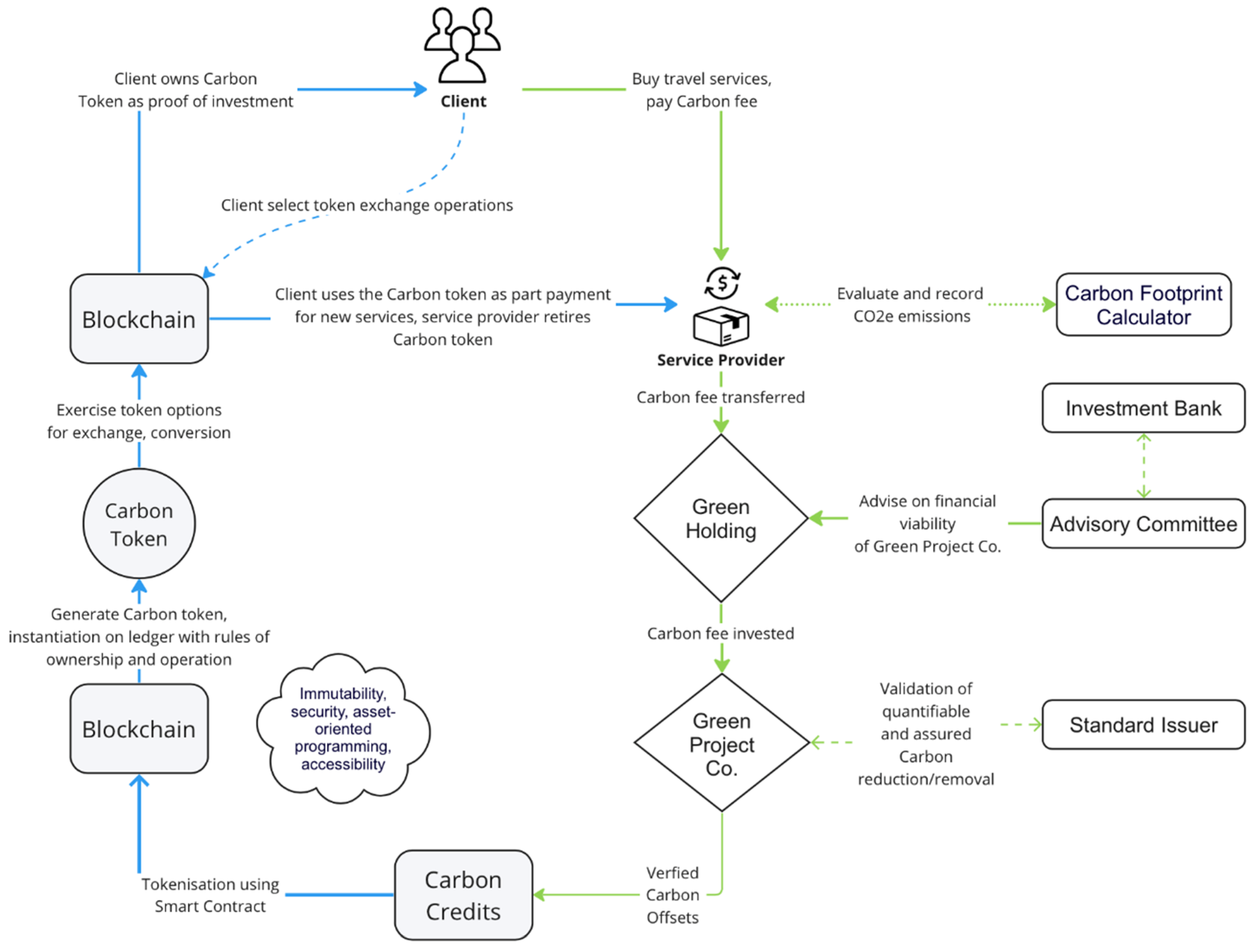
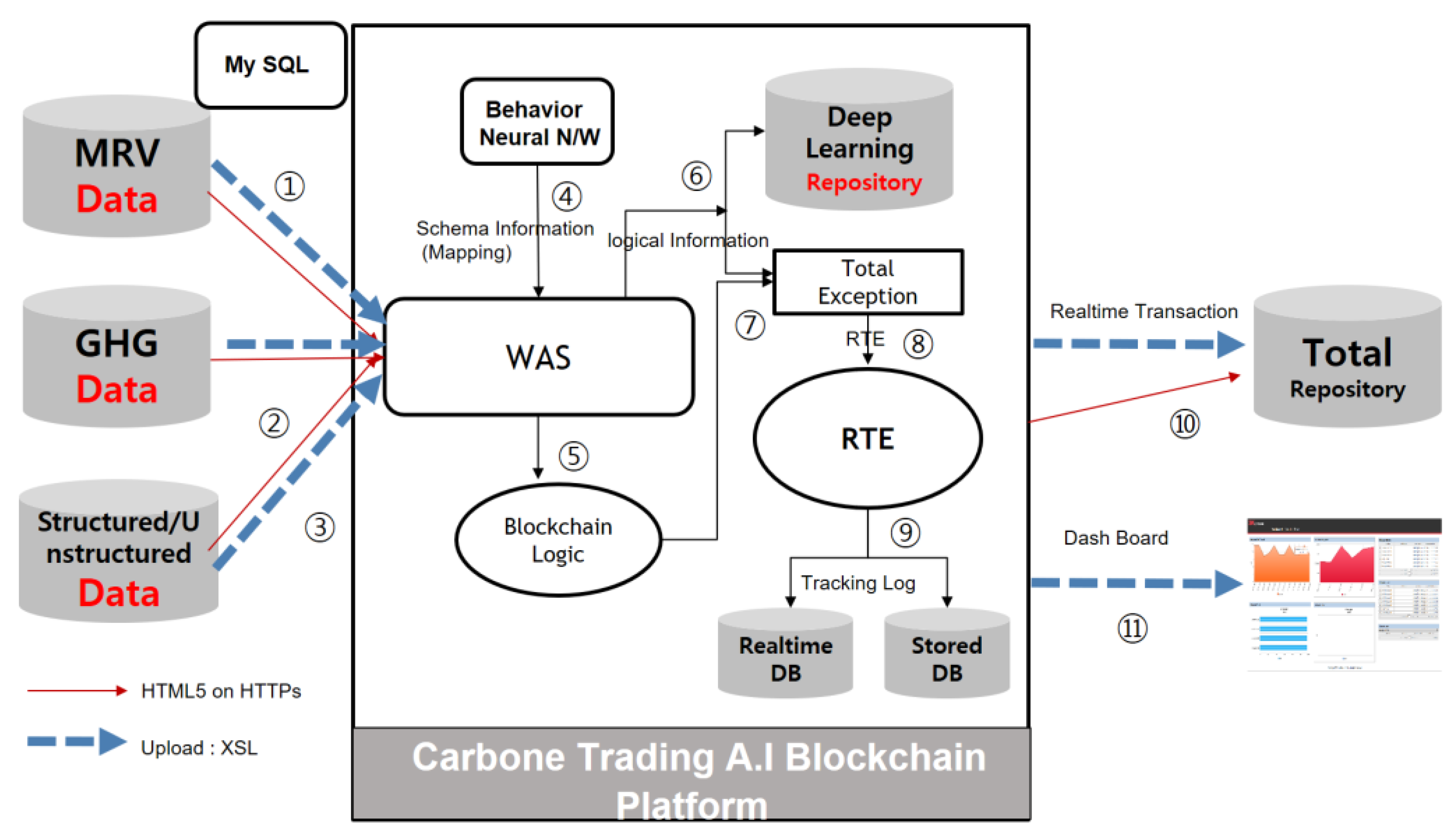
This paper introduces a stakeholder-oriented architecture of a blockchain -based carbon registry platform for Climate Action in Transportation (CATchain-R) that (i) integrates standards-aligned MRV ...
Blockchain can democratize ownership and reallocate resources to shift power dynamics to the people most knowledgeable of, and most vulnerable to, the effects of climate change. Blockchain could also improve the transparency and integrity of existing decarbonization mechanisms like carbon markets. When paired with digital tools for measurement, reporting and verification (MRV) - such as ...