Insulation for Off
Choose the right insulation for your off-grid structure. Covers R-value targets by climate zone, thermal bridging elimination, moisture management, natural materials (straw bale, hemp, sheep's wool), air sealing, and structure-specific strategies.
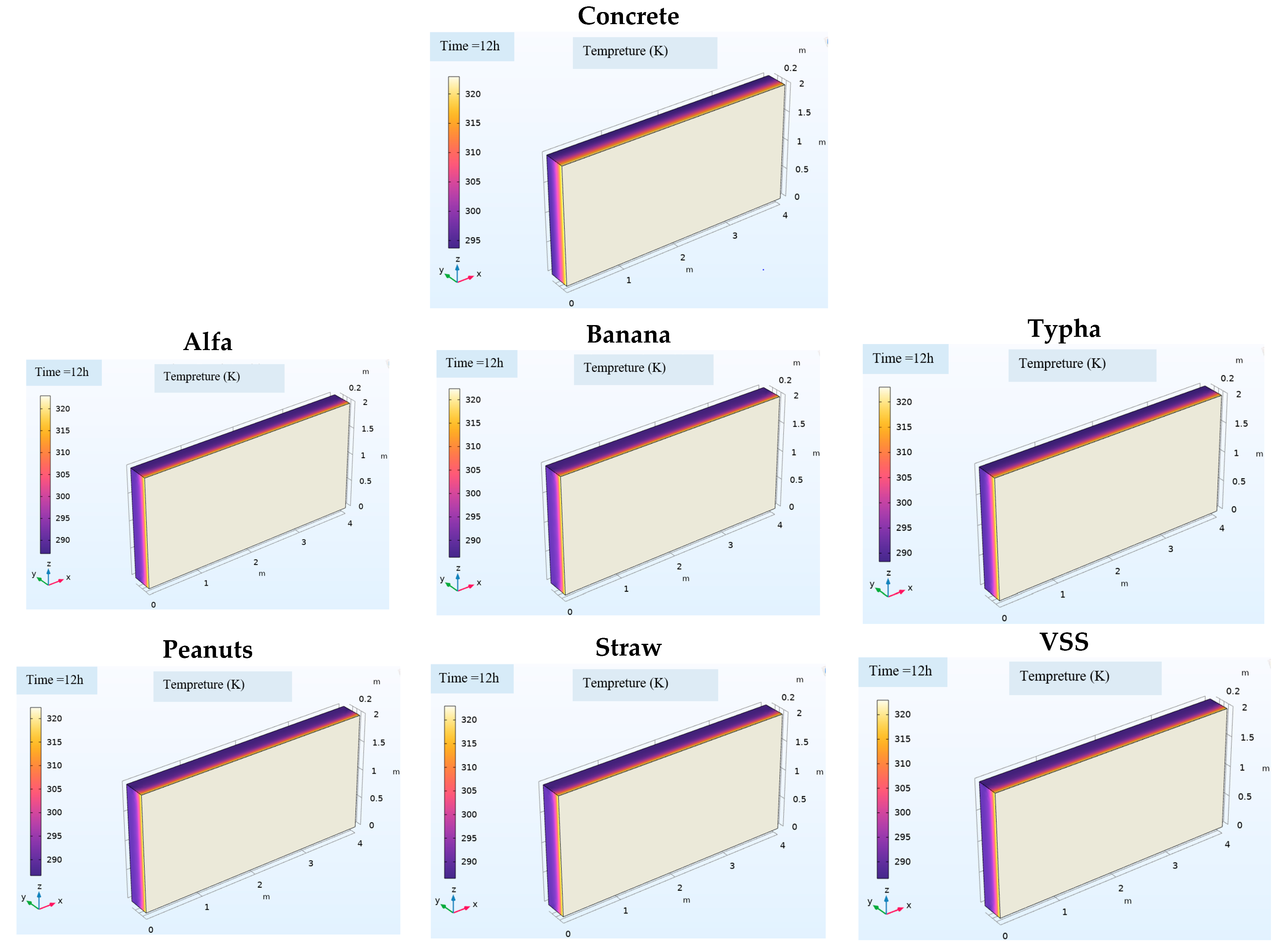
By establishing predictive equations for thermal and acoustic performance, this work provides a solid foundation for optimizing the use of bio-based materials in sustainable construction practices.
(PDF) Bio

Such details provide a deeper understanding and appreciation for Bio Based Thermal Insulation For Off Grid Apartments.
By establishing predictive equations for thermal and acoustic performance, this work provides a solid foundation for optimizing the use of bio-based materials in sustainable construction practices.
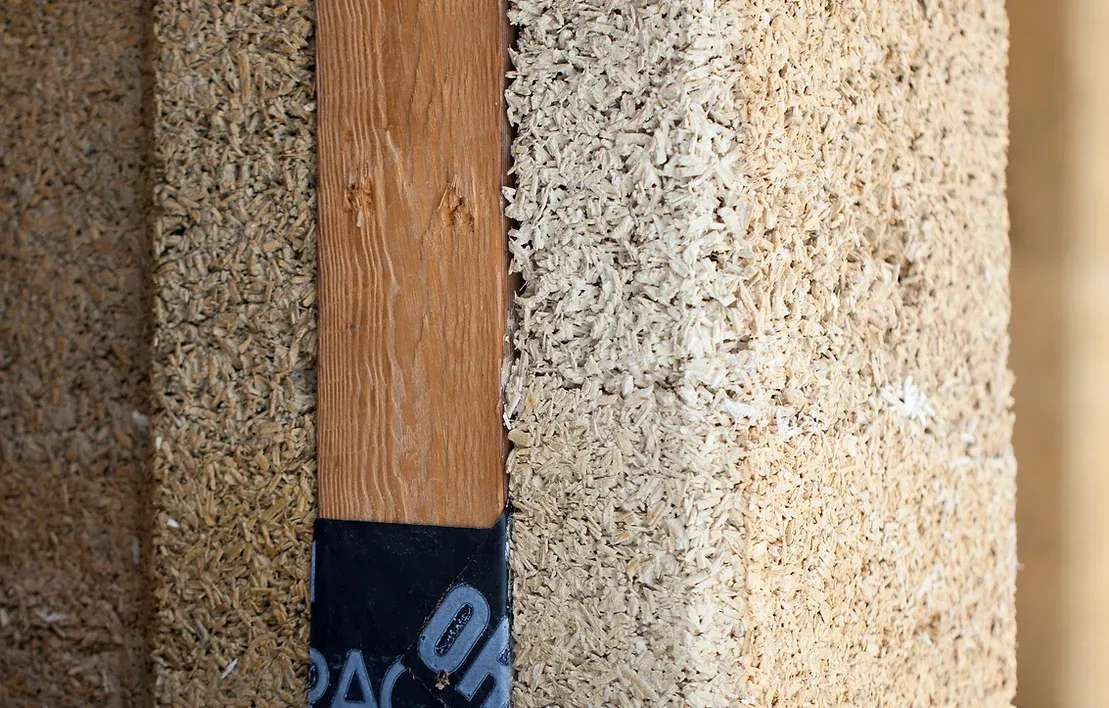
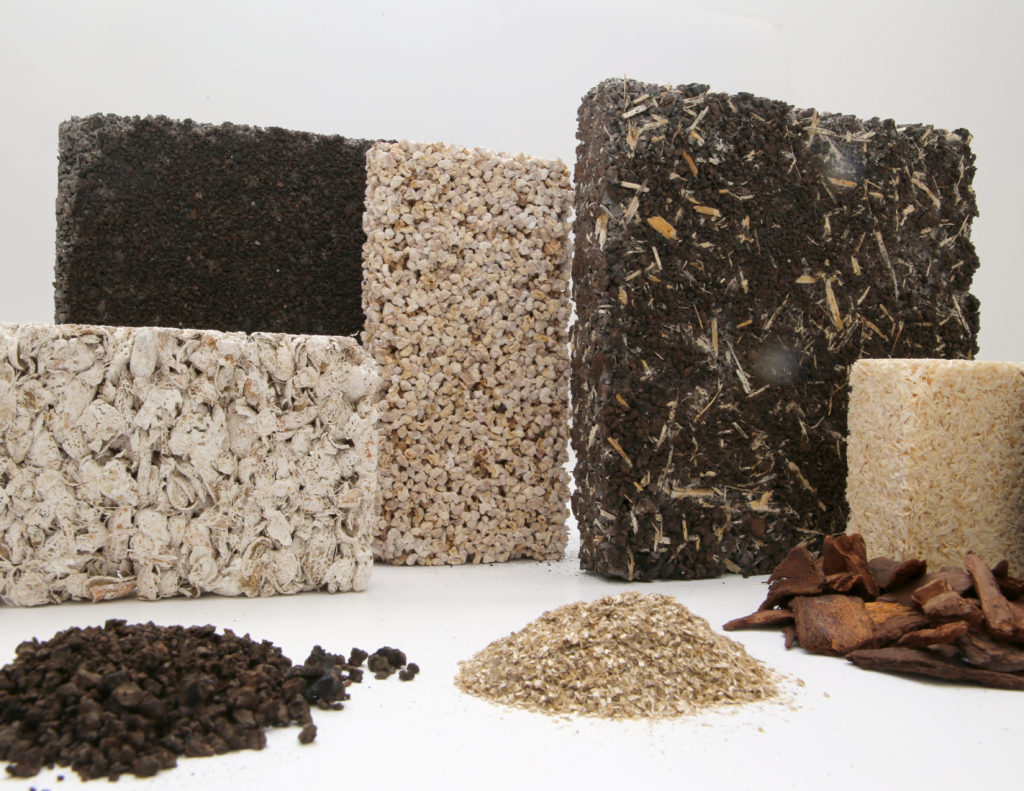
This article highlights bio-based insulation solutions based on cork, mycelium, straw, and hemp, valued for their renewable origins and low-impact production. With strong thermal performances and benefits for the indoor health of the occupants, they provide a great option for low-impact, sustainable construction.
Exploring Advancements in Bio

The growing need to mitigate the environmental impact of human activities has underscored the importance of biomaterials in sustainable architecture and construction. In this systematic review, advancements in bio -composite materials are consolidated and critically evaluated, emphasizing their thermal insulation properties and broader applications in sustainable building practices. Key aspects ...
As regulation tightens, carbon accounting improves and consumers become more environmentally aware, bio-based insulation materials move from "niche eco option" to "strategic choice," especially in heritage building retrofits, low-carbon housing developments, ESG-led commercial projects and government-funded retrofit schemes.
Climate mitigation potential of biobased insulation materials

This study fills this critical knowledge gap by conducting a literature review and mapping the key physical and environmental properties of bio-based insulation materials, thereby assessing their potential for climate mitigation.
Plant- based insulation materials, like hemp, wood fibre, cotton, cork, and straw, are becoming a popular choice for the eco-conscious homeowner. By using sustainable plants, these insulations and their impressive thermal performance (otherwise known as R-value)* are a lot safer for you and the environment than traditional choices, keeping your ...
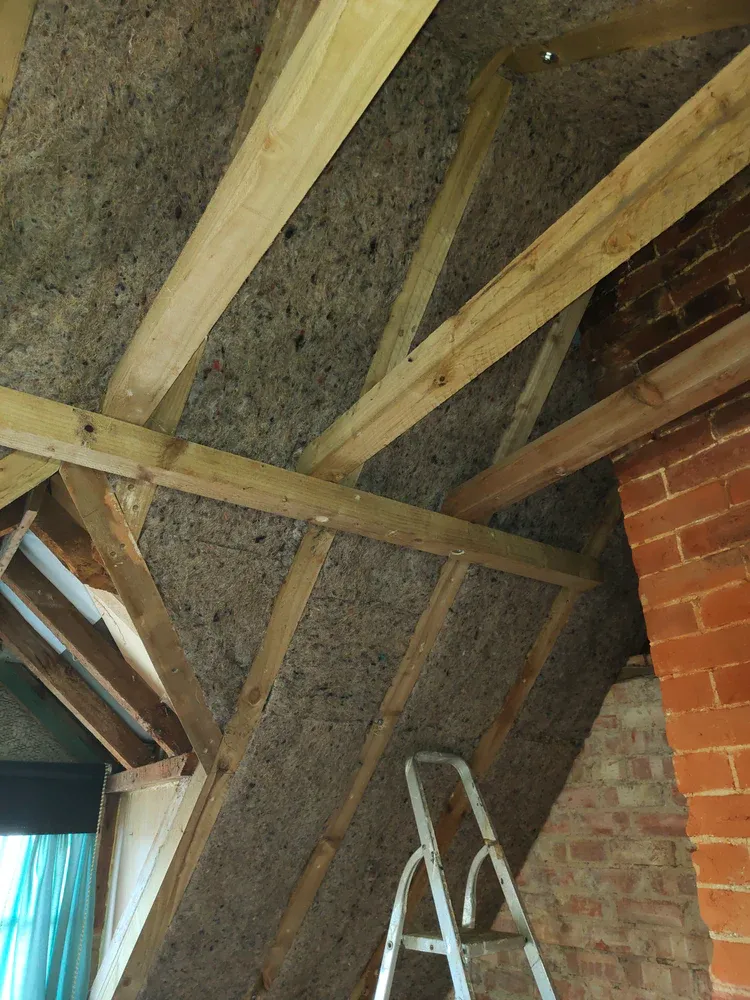
Natural fibre insulation is becoming increasingly popular as a sustainable alternative to traditional synthetic insulation materials. Derived from renewable resources, natural fibre insulation has a significantly lower carbon footprint and a higher sequestered biogenic carbon content compared to conventional insulation options like fibreglass, foam or mineral wool.
Natural insulation materials provide superior thermal performance, soundproofing, and humidity regulation, ensuring healthy, comfortable environments. Choose from eco-friendly options like hemp, jute, wood fibre, grass and wool for effective energy savings.
Insulation that stops heat escaping — so your bills don't go sprinting. Multifoil that insulates and installs without drama.