Waste Management Best Practices in Sustainable Architecture
In this article, we'll explore the best practices for waste management in sustainable architecture , highlighting the importance of design , material selection, and effective waste management systems. Waste Reduction through Design and Material Selection Effective waste management begins with design and material selection.
This research delves into modern techniques in interior design that promote zero- waste by focusing on modular components, digital tools like Building Information Modeling (BIM), and circular ...
Key Details About Architecture And Interior Design Recycling And Waste Reduction
A zero- waste approach ensures that every phase of the design process is executed with precision, reducing material wastage and increasing resource sustainability. This guide provides an in-depth, technical roadmap for achieving zero- waste interior design .

This particular example perfectly highlights why Architecture And Interior Design Recycling And Waste Reduction is so captivating.
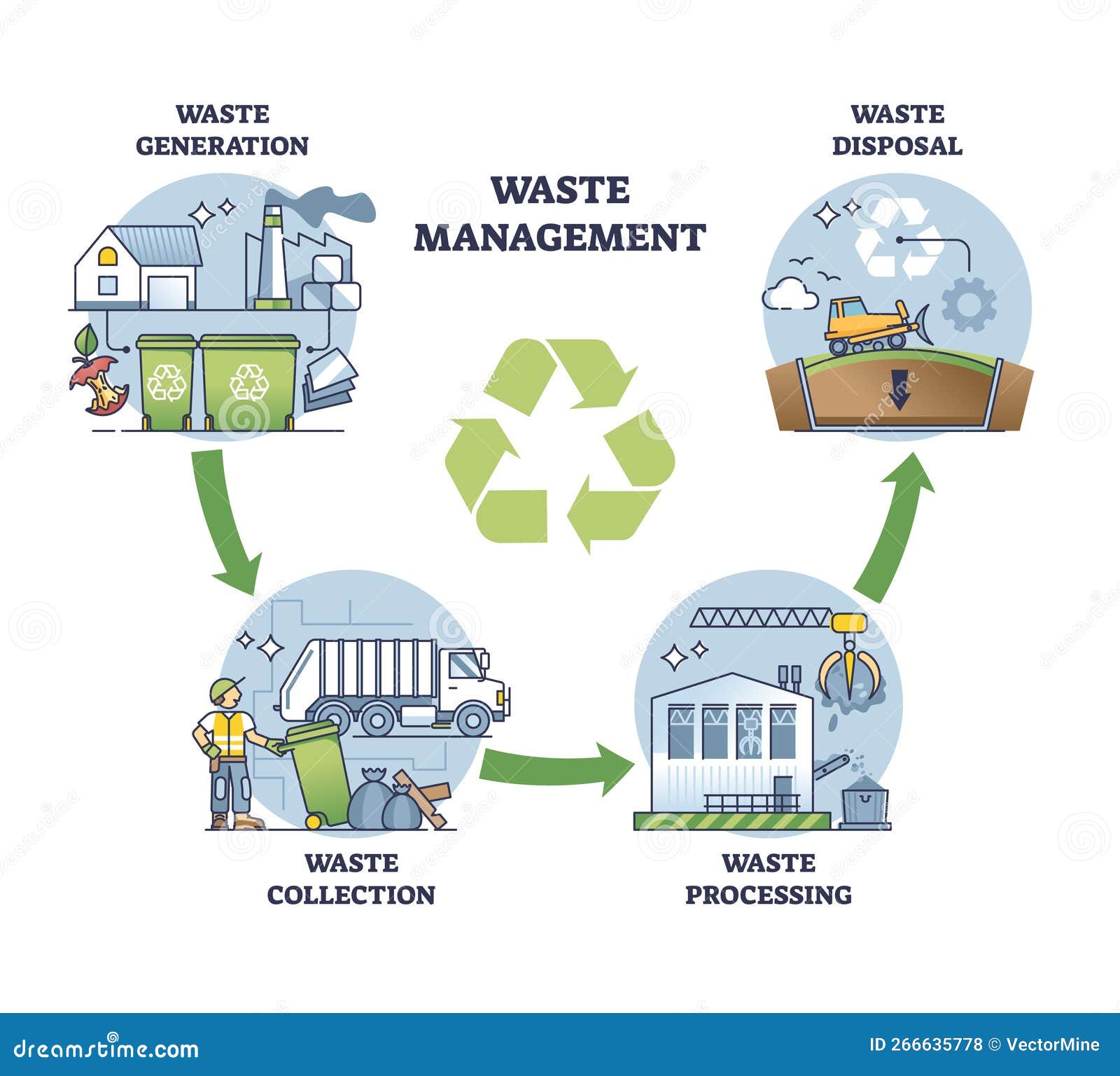
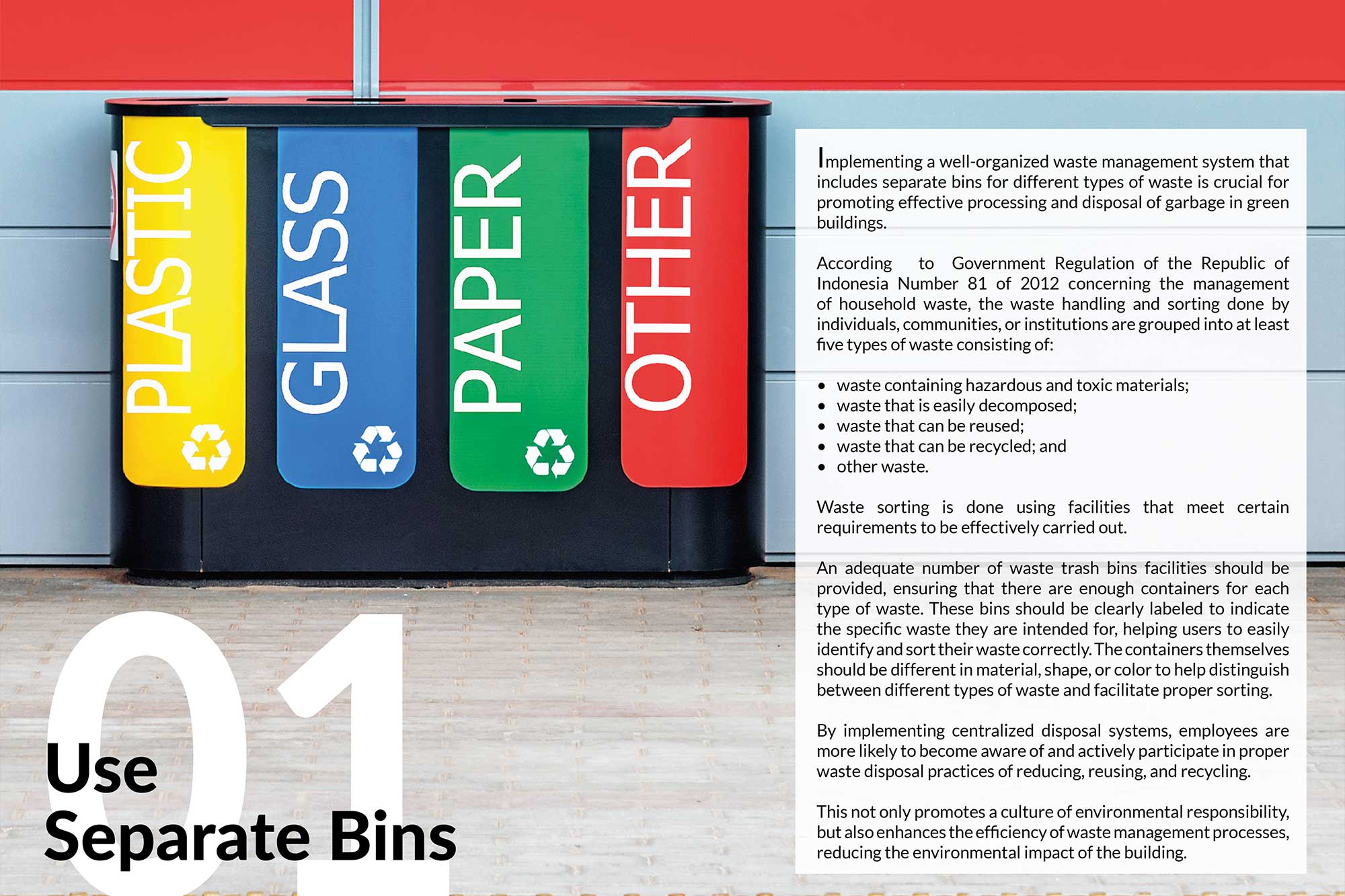
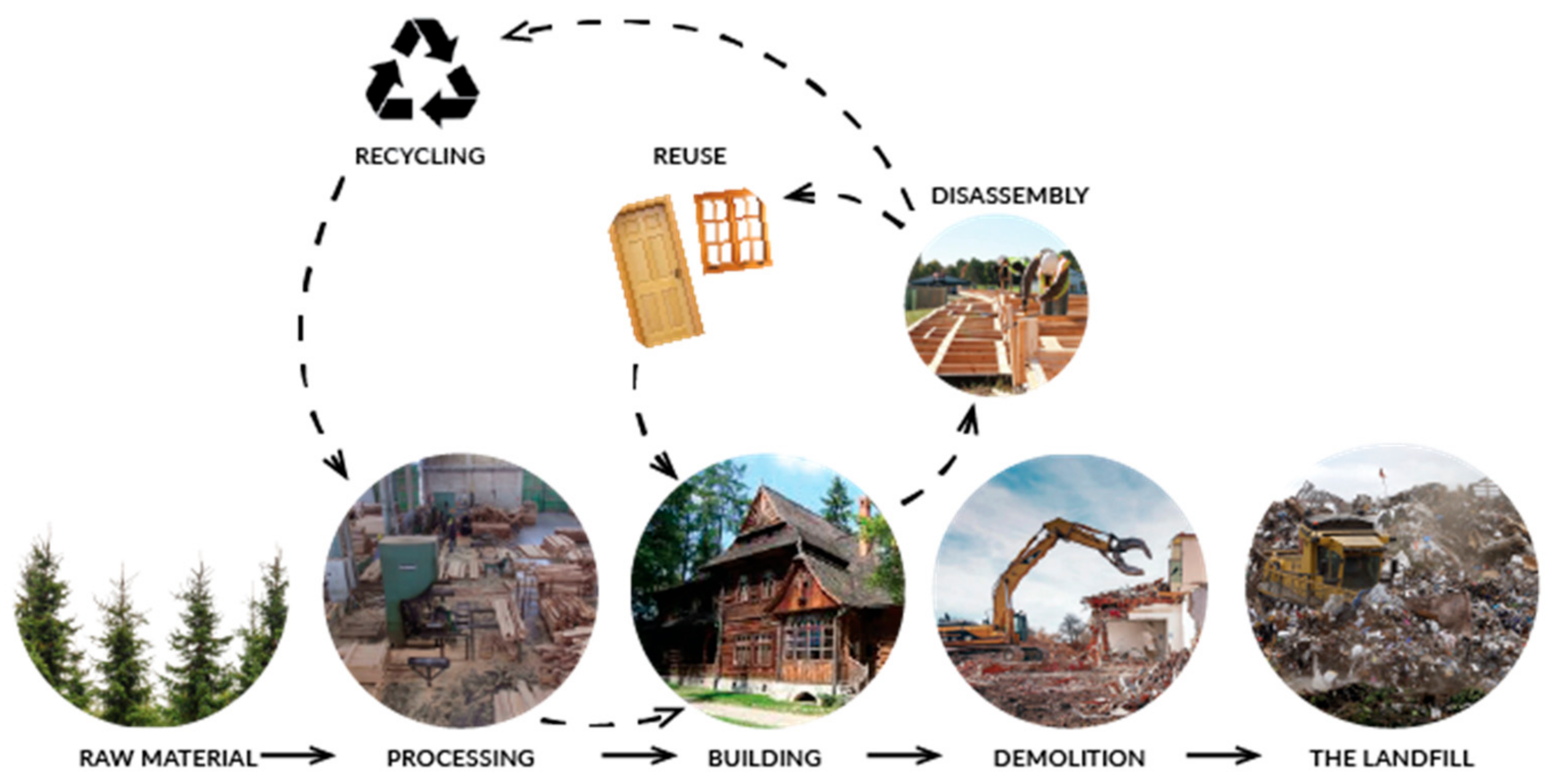
Adaptive Reuse - Instead of demolishing old buildings, architects can repurpose structures for new functions. This approach preserves resources and reduces demolition waste . Waste Management Strategies in Architecture Integrating waste management into building design makes it easier for occupants to recycle and dispose of waste responsibly.
Turning Waste into Architecture
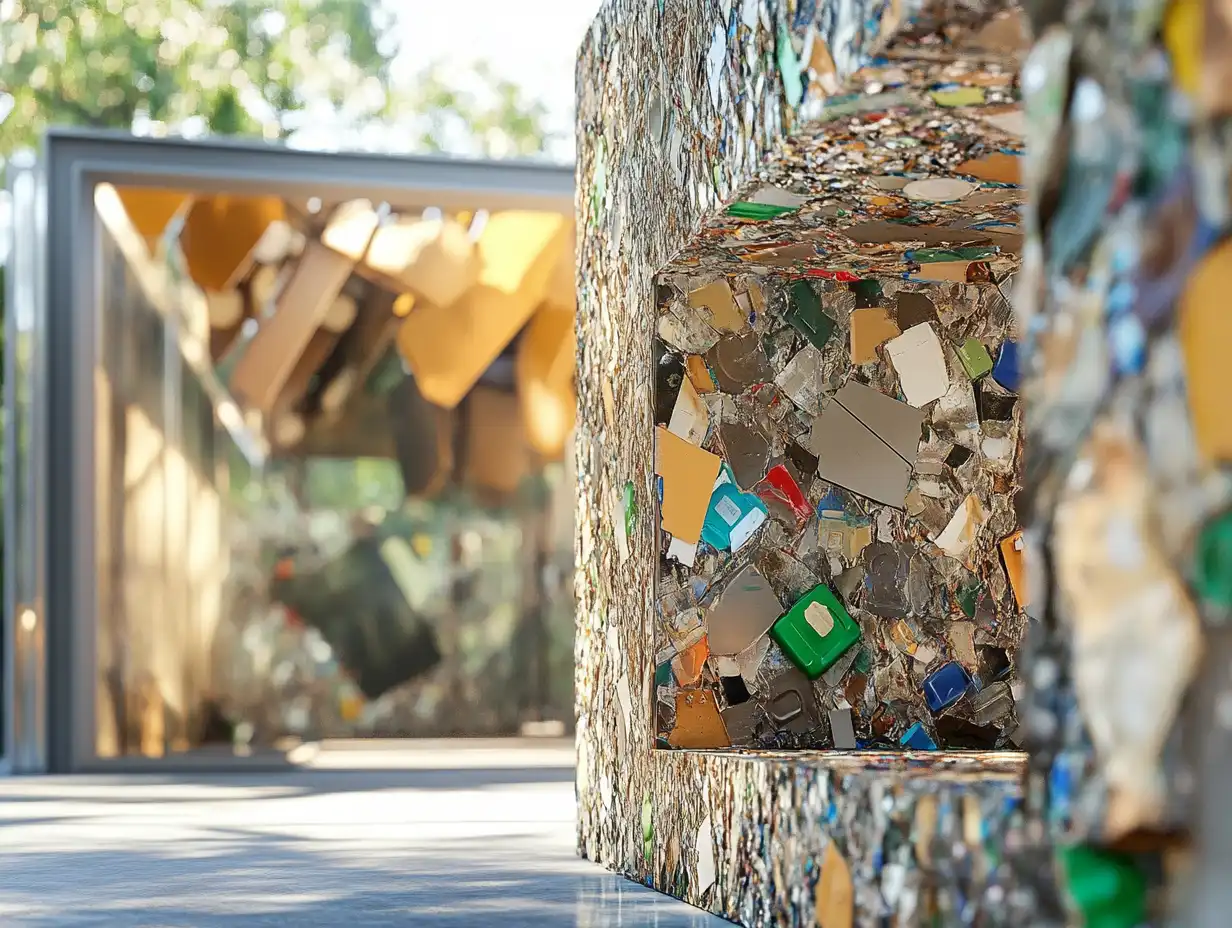
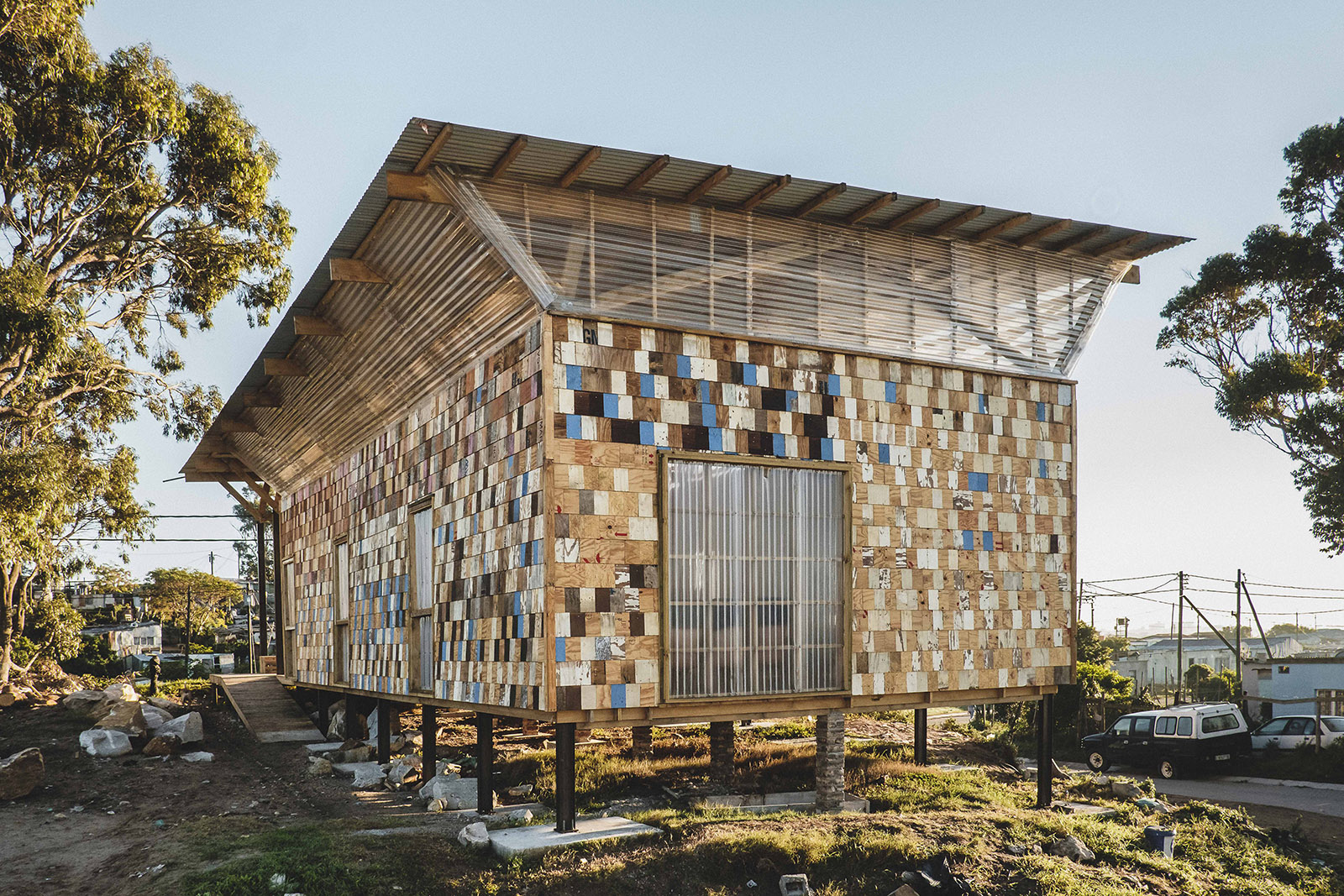
By embracing upcycled designs , architects can transform discarded materials into innovative structures, significantly reducing waste while promoting sustainability in the built environment.
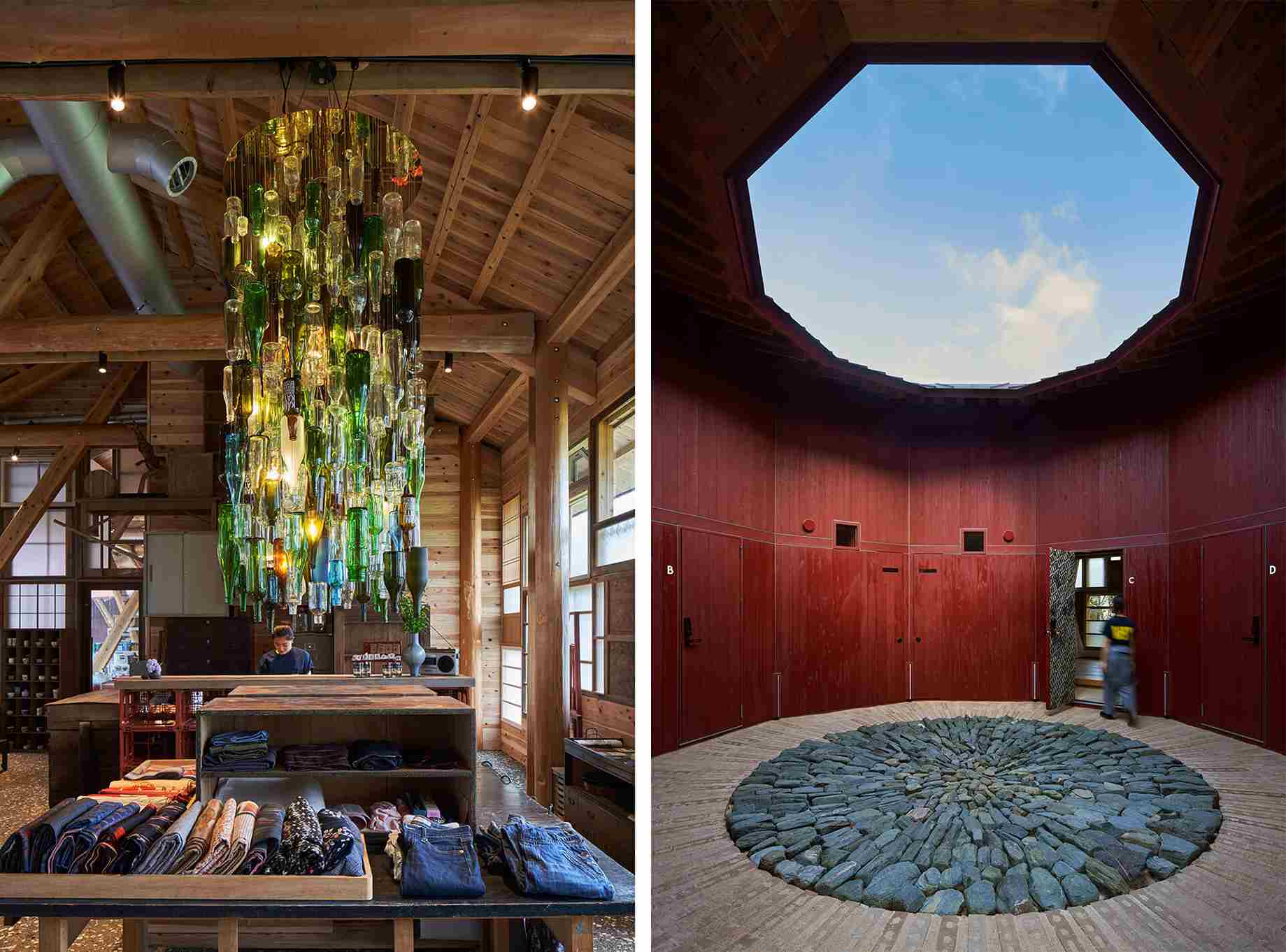
The eight interiors in this lookbook, which were made from unwanted items and recycled materials, show how designers have rediscovered the value of waste .
Deconstruction by Design
Moreover, this practice promotes more efficient and sustainable waste disposal practices. By diverting construction and demolition waste from landfills, the reuse of reclaimed materials contributes to the reduction of greenhouse gas emissions and alleviates the burden on waste management infrastructure.
Reused and Recycled Materials in 10 Interior Design Projects
Discover 10 projects that use recycled or reused elements to improve the quality of their interiors .
Sustainable interior design encompasses creating spaces that have minimal negative environmental impact, nurture occupant well-being, and conserve global resources. The choices made in sustainable interior design directly impact the carbon footprint of interior spaces, making it essential to select materials and practices that lower emissions.
Understanding Architecture And Interior Design Recycling And Waste Reduction Before the Gallery
Recycling | Tag | ArchDaily. This note connects the source idea with the visuals in a simple, reader-friendly way.
Recycled Materials | ArchDaily. This note connects the source idea with the visuals in a simple, reader-friendly way.
This Recyclable and Recycled Architecture is Redefining Sustainable Design | Kamikatsu Zero. The extra context helps the page feel more useful without forcing the same phrase repeatedly.