Ventilation Strategies for Deep Energy Renovations of High
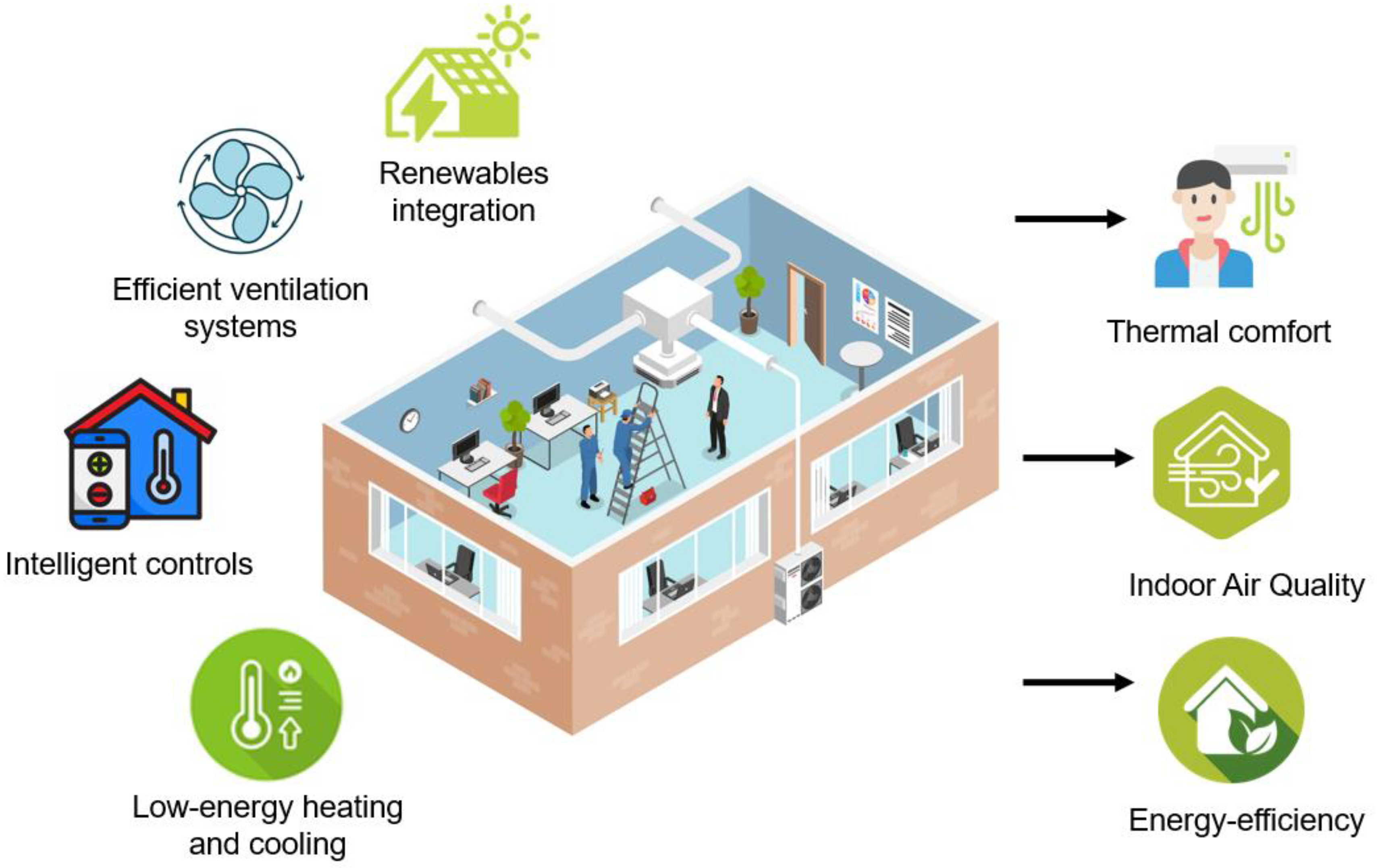
Ensuring proper indoor air quality in high-rise apartment buildings is a crucial challenge, particularly when upgrading ventilation systems during deep energy renovation of existing buildings . This study evaluates the condition of existing ventilation systems and assesses the performance, cost, and energy efficiency of different mechanical ventilation solutions with heat recovery , including ...
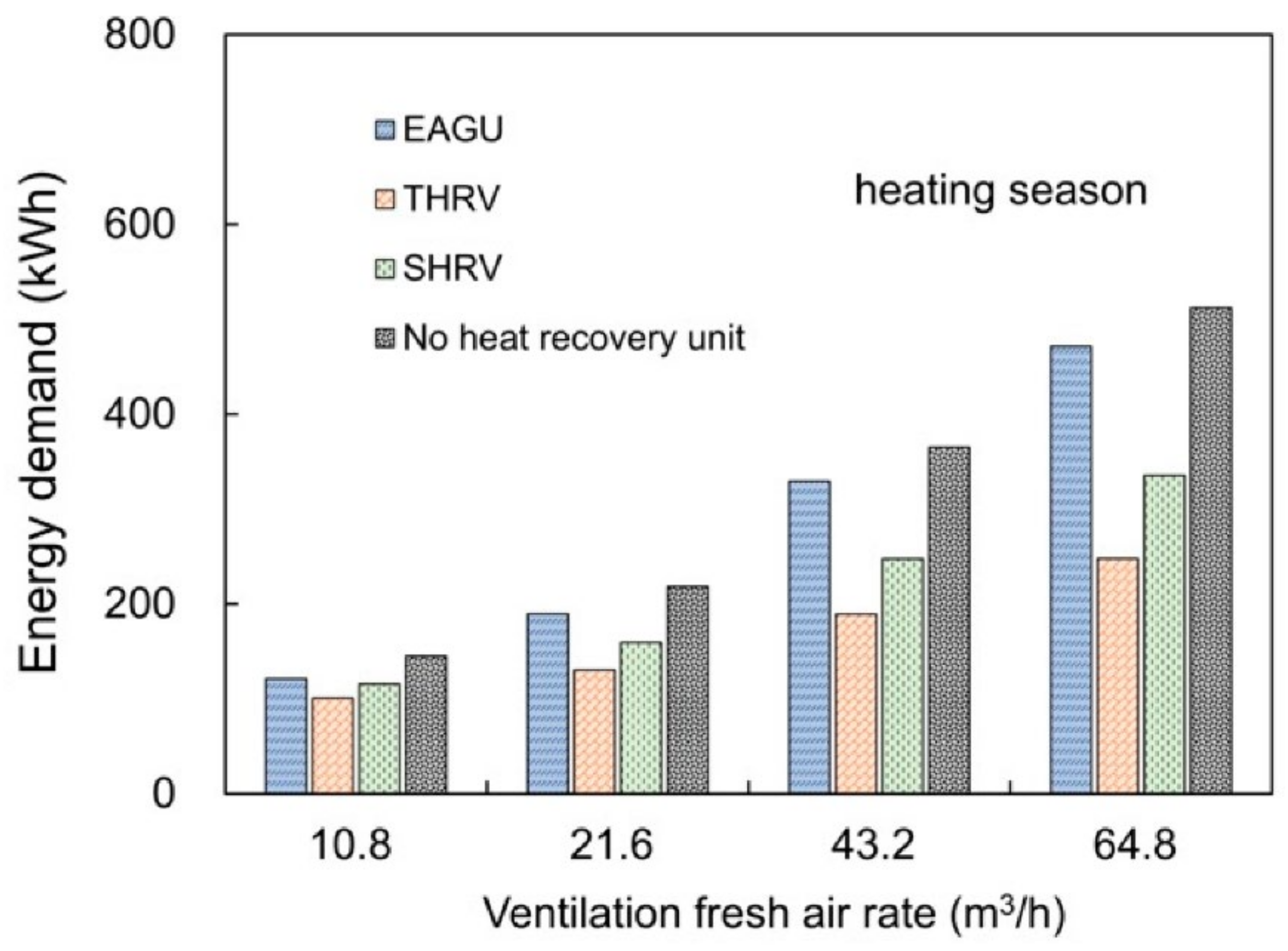
The findings indicate that demand-controlled ventilation (DCV) can enhance energy efficiency by up to 88% while maintaining CO 2 concentrations below 1000 ppm during 76% of the occupancy period. Heat recovery systems achieve efficiencies of nearly 90%, leading to a reduction in heating energy consumption by approximately 19%.
Ventilation Strategies for Deep Energy Renovations of High
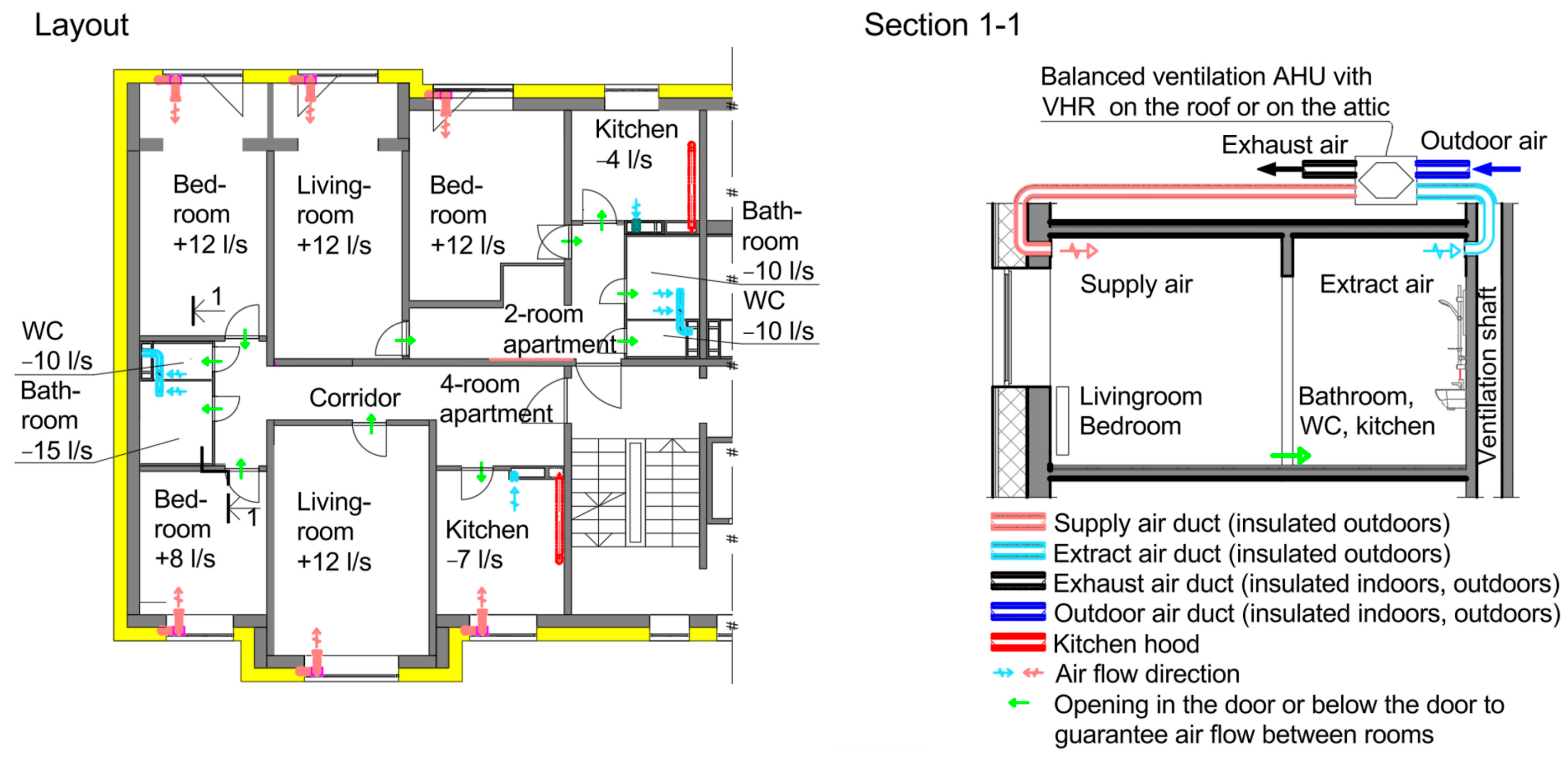
The results indicate that while centralized and decentralized mechanical ventilation with heat recovery enhances energy efficiency and indoor air quality in high-rise multifamily apartment ...
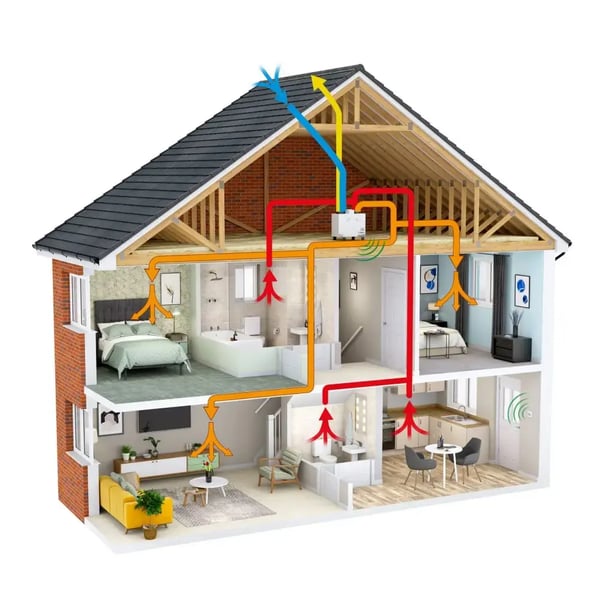
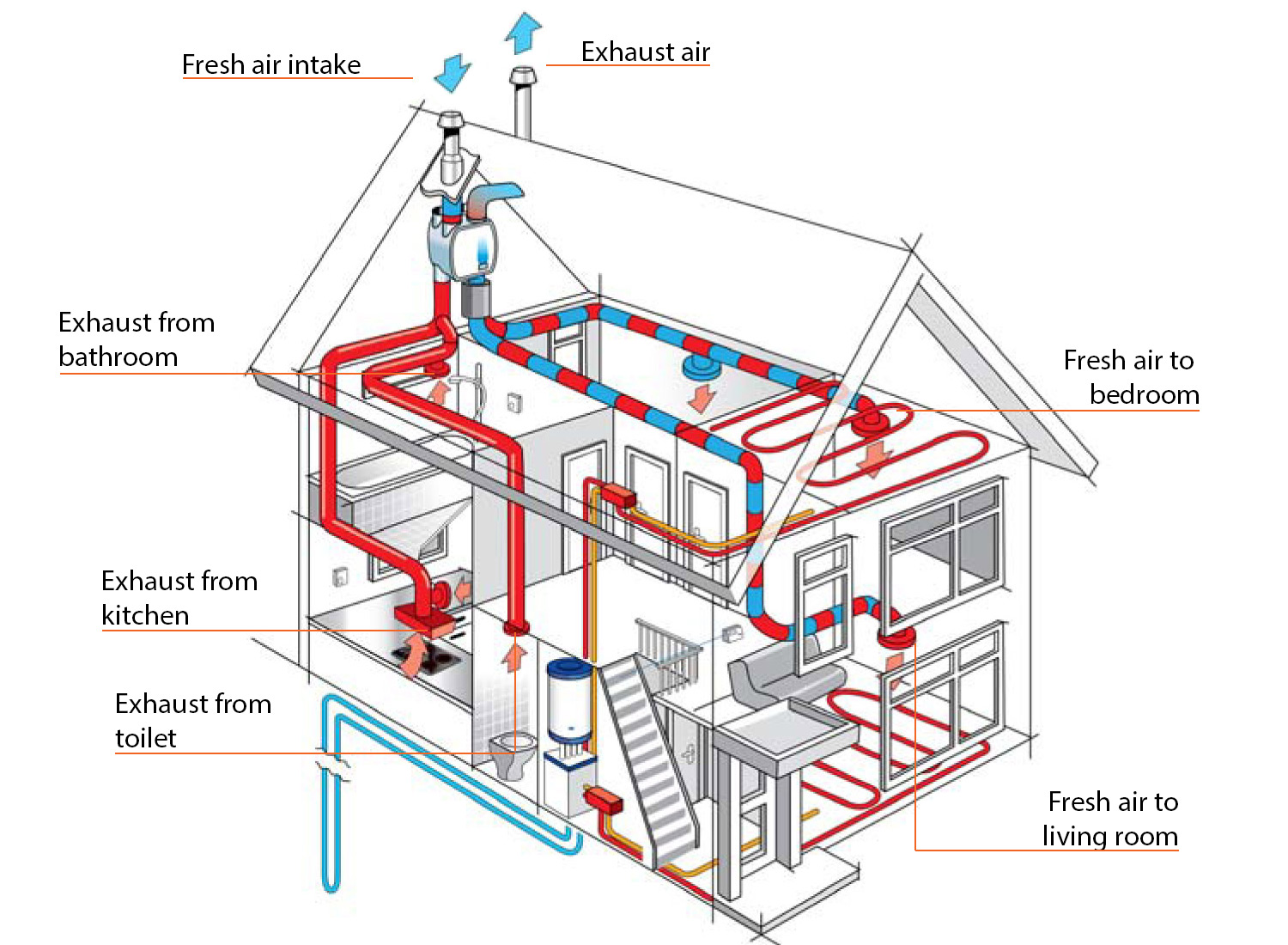
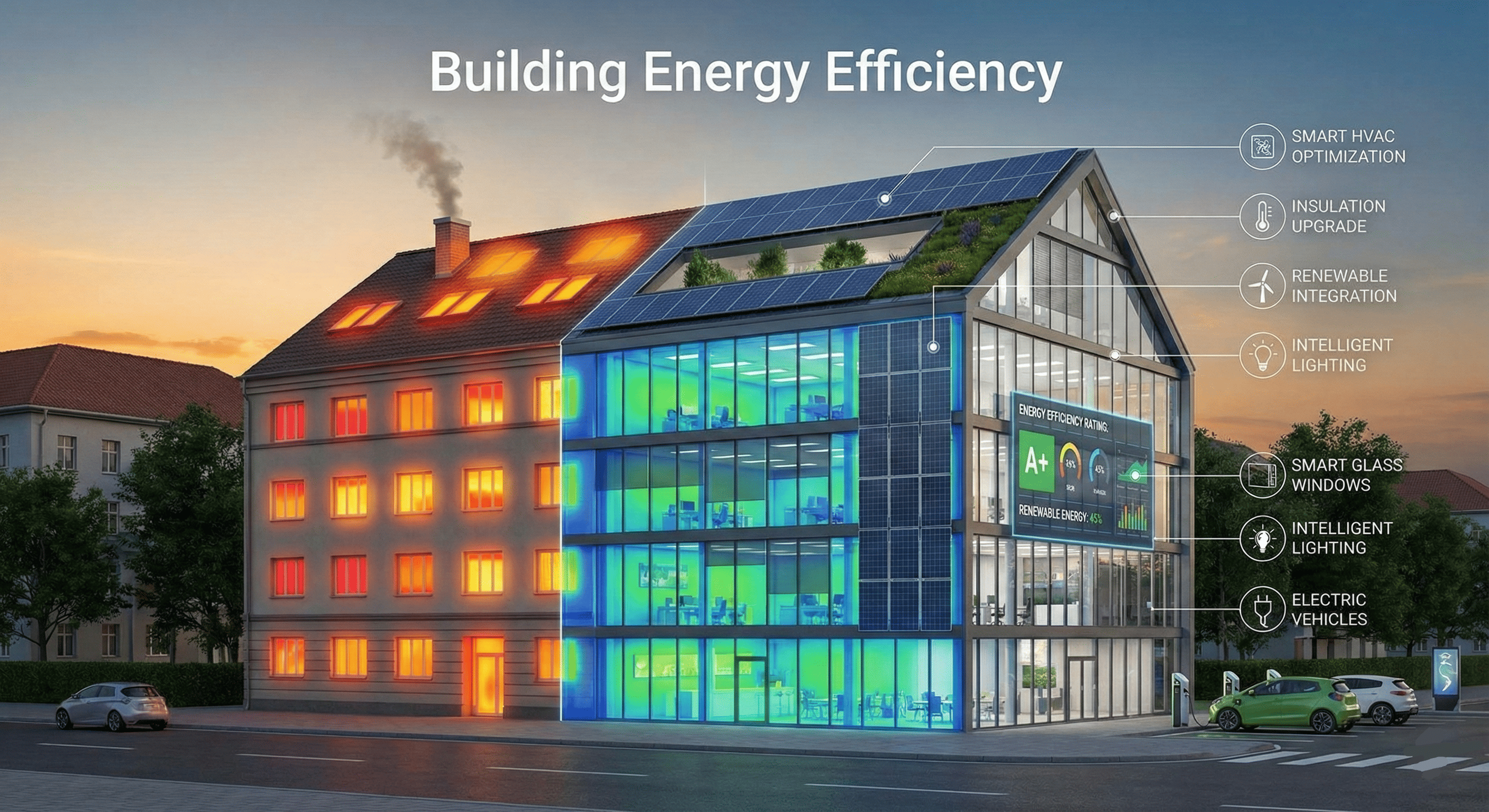
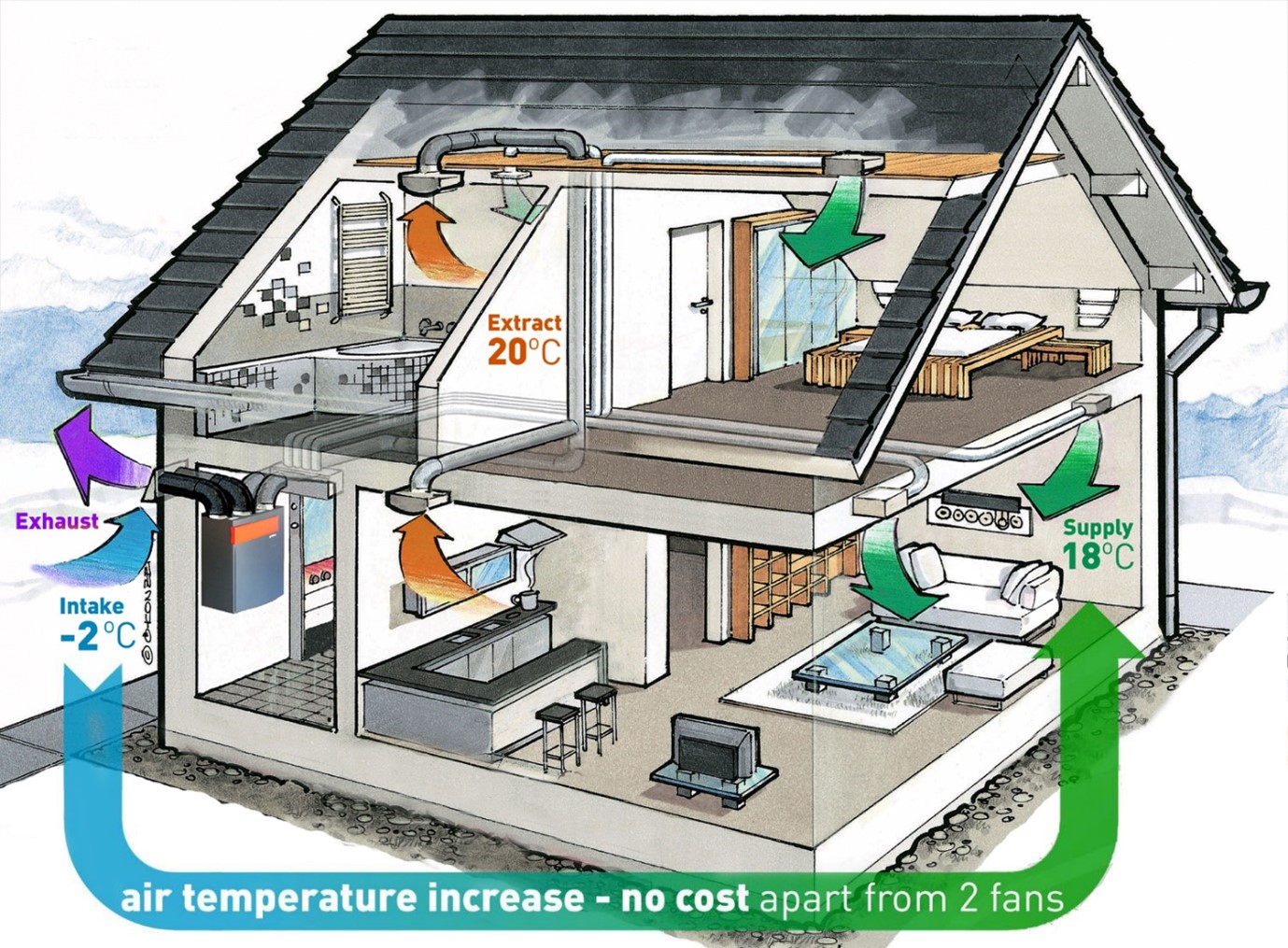
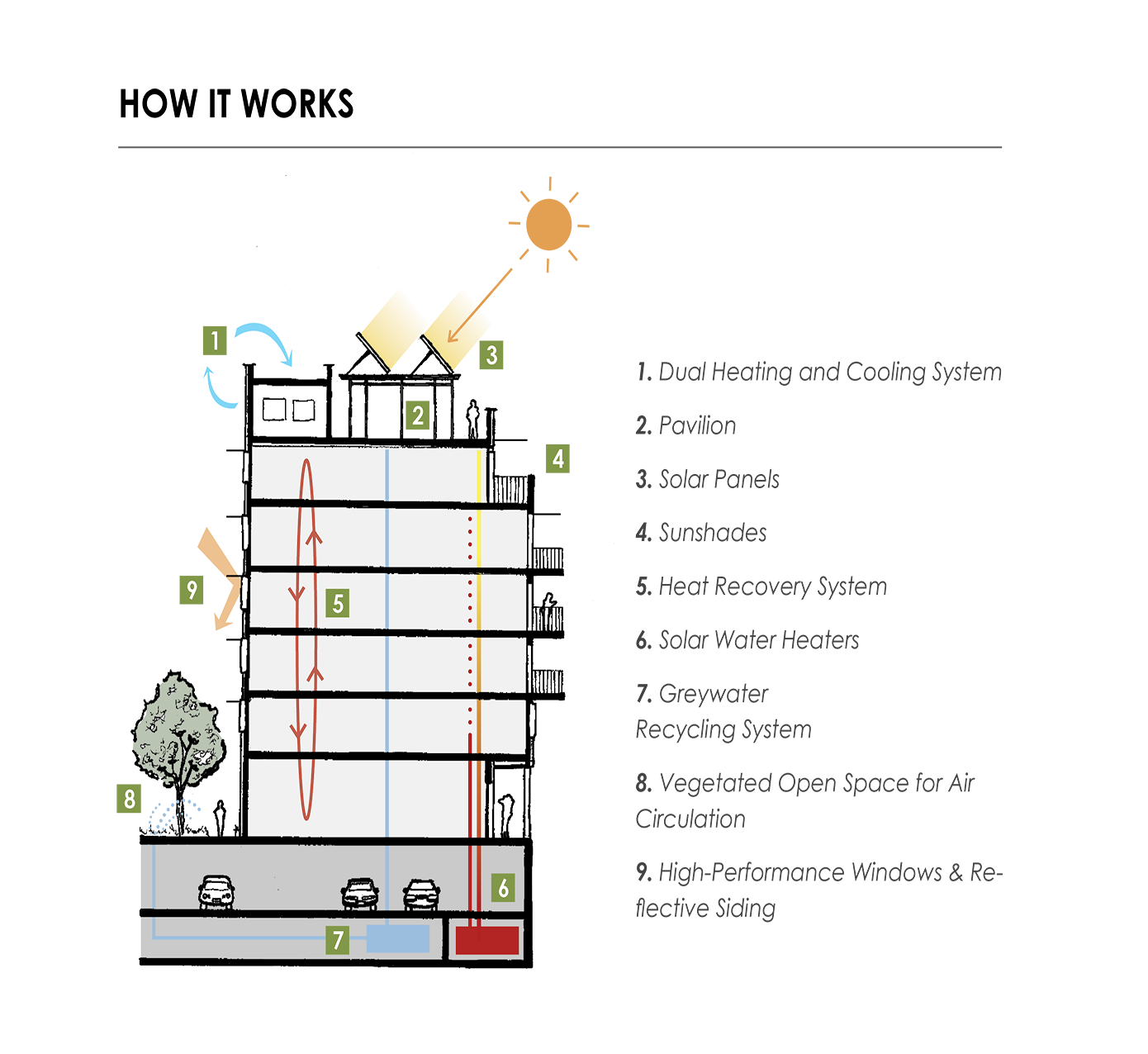
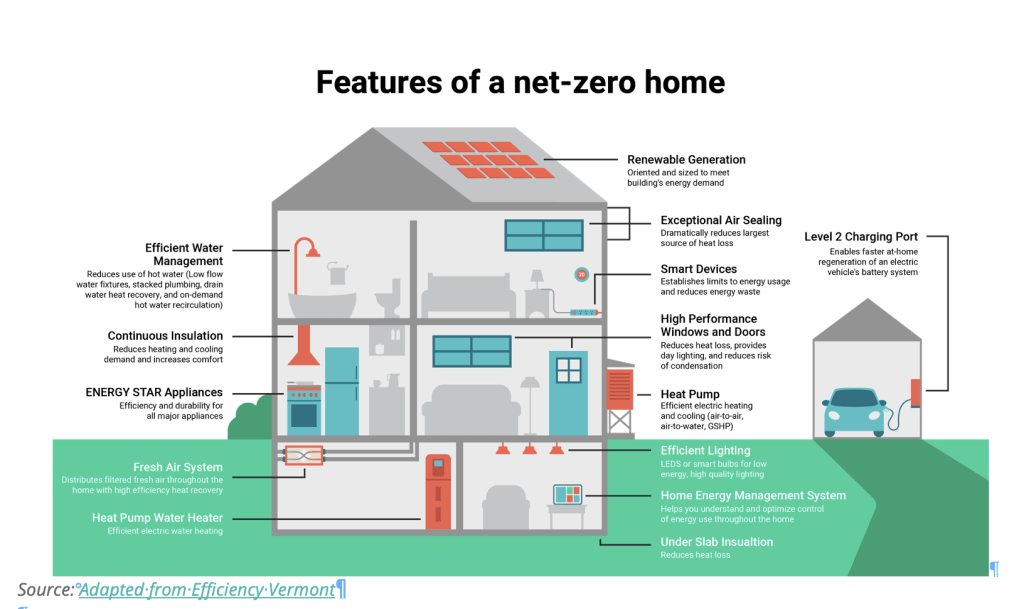
Furthermore, visual representations like the one above help us fully grasp the concept of Apartment Building Energy Efficiency And Energy Recovery Ventilation.
The results obtained show the convenience of using ventilation systems with heat recovery from an energy point of view (with an energy efficiency of 89%), but not so if an exergy analysis is performed (with an exergy efficiency of 4%).
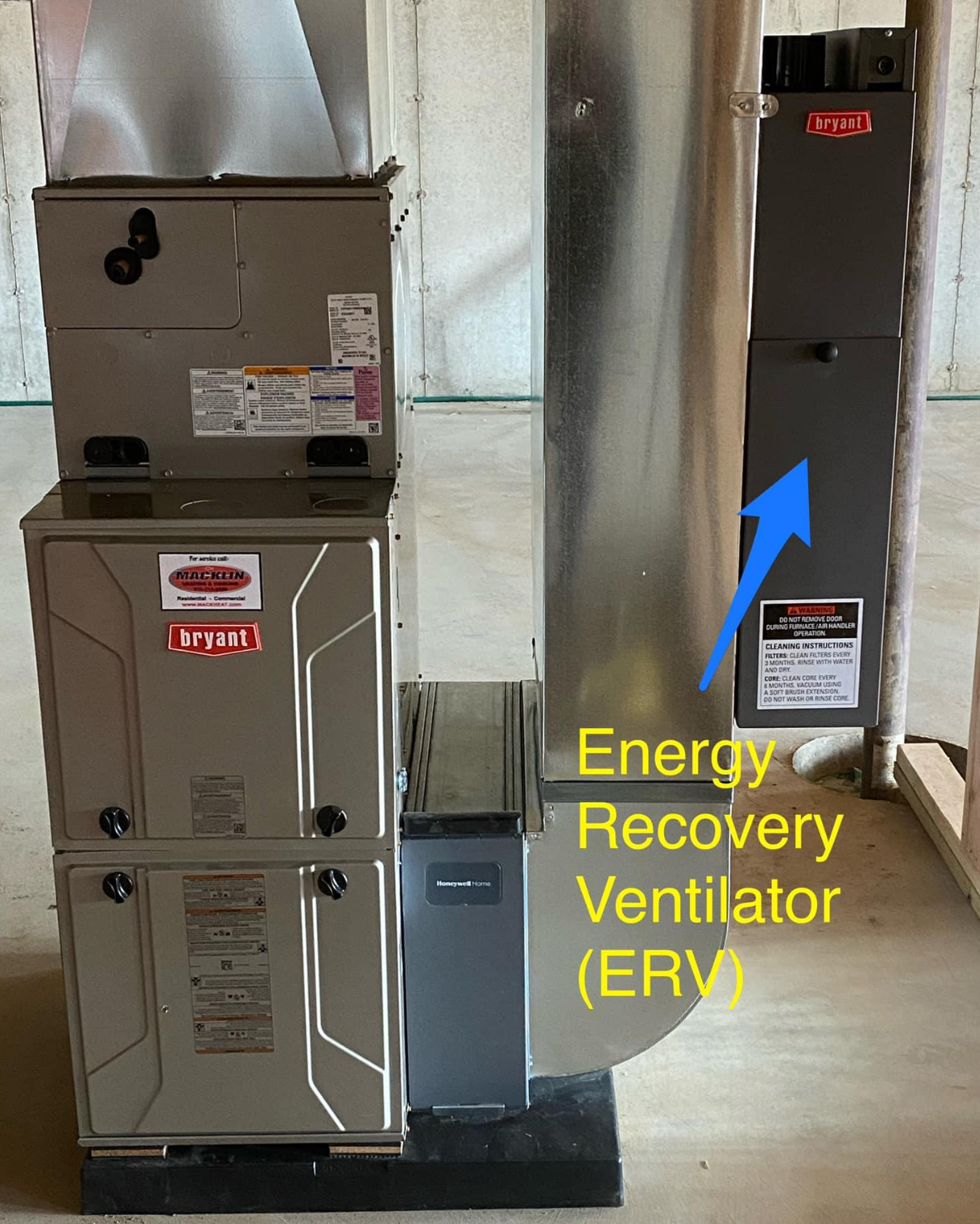
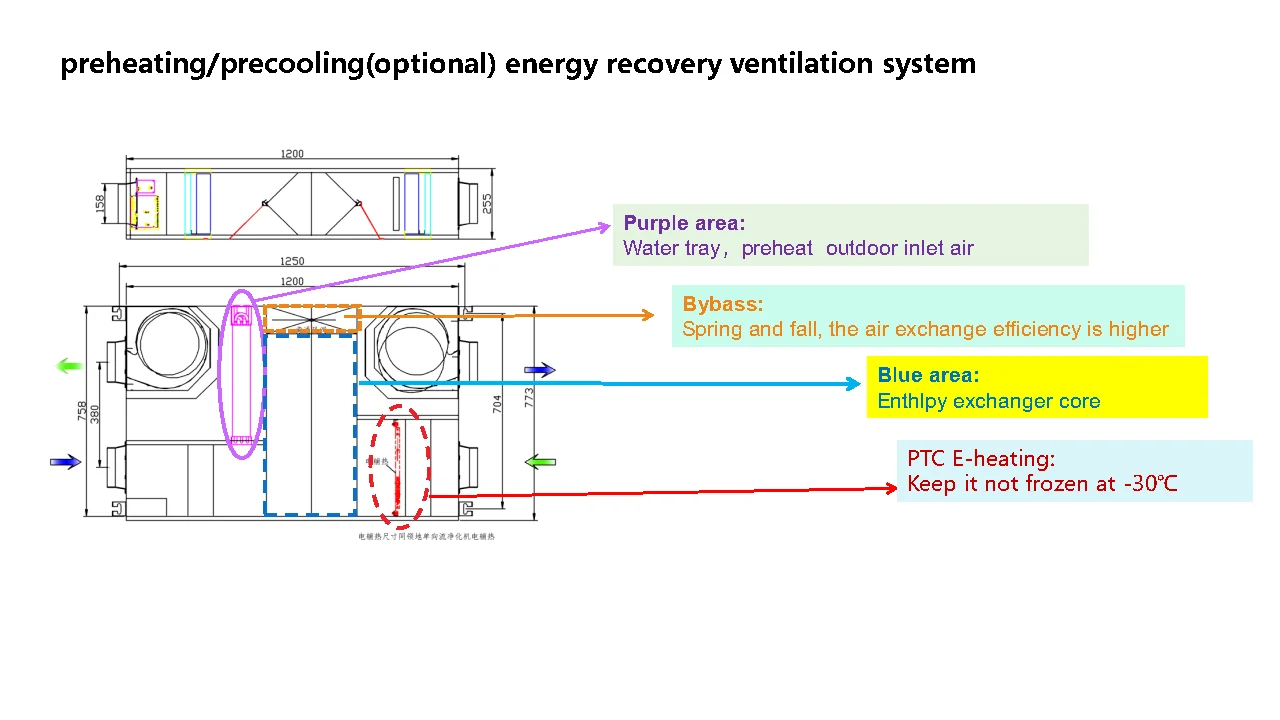
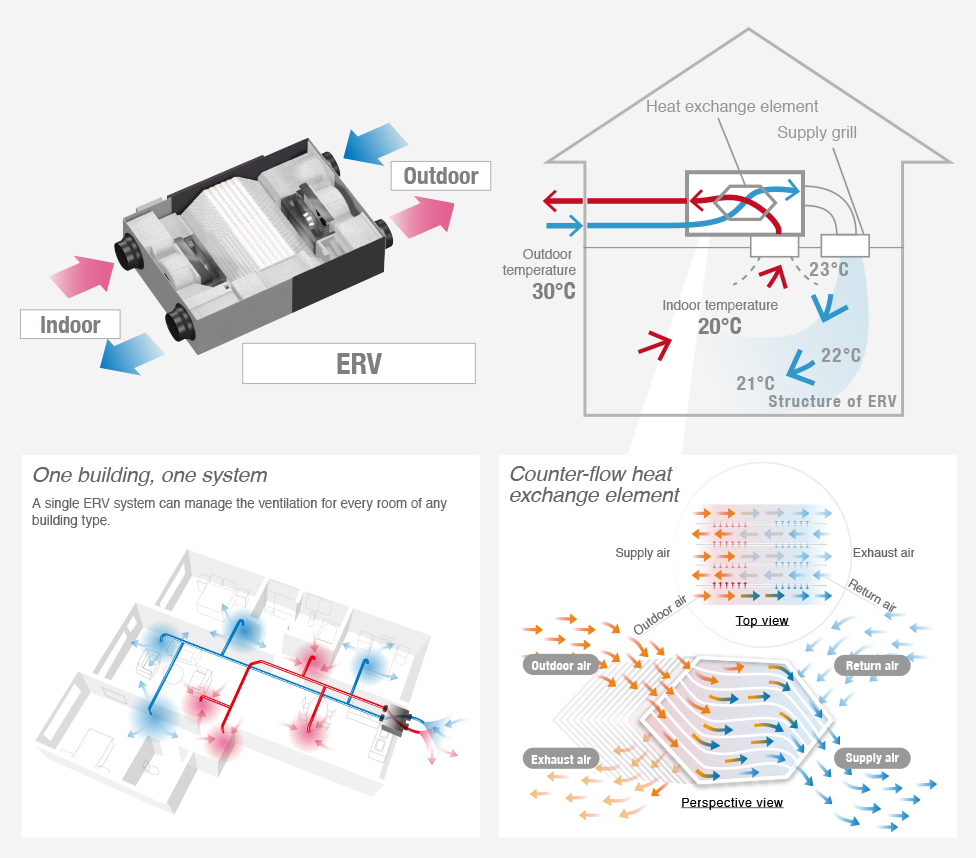
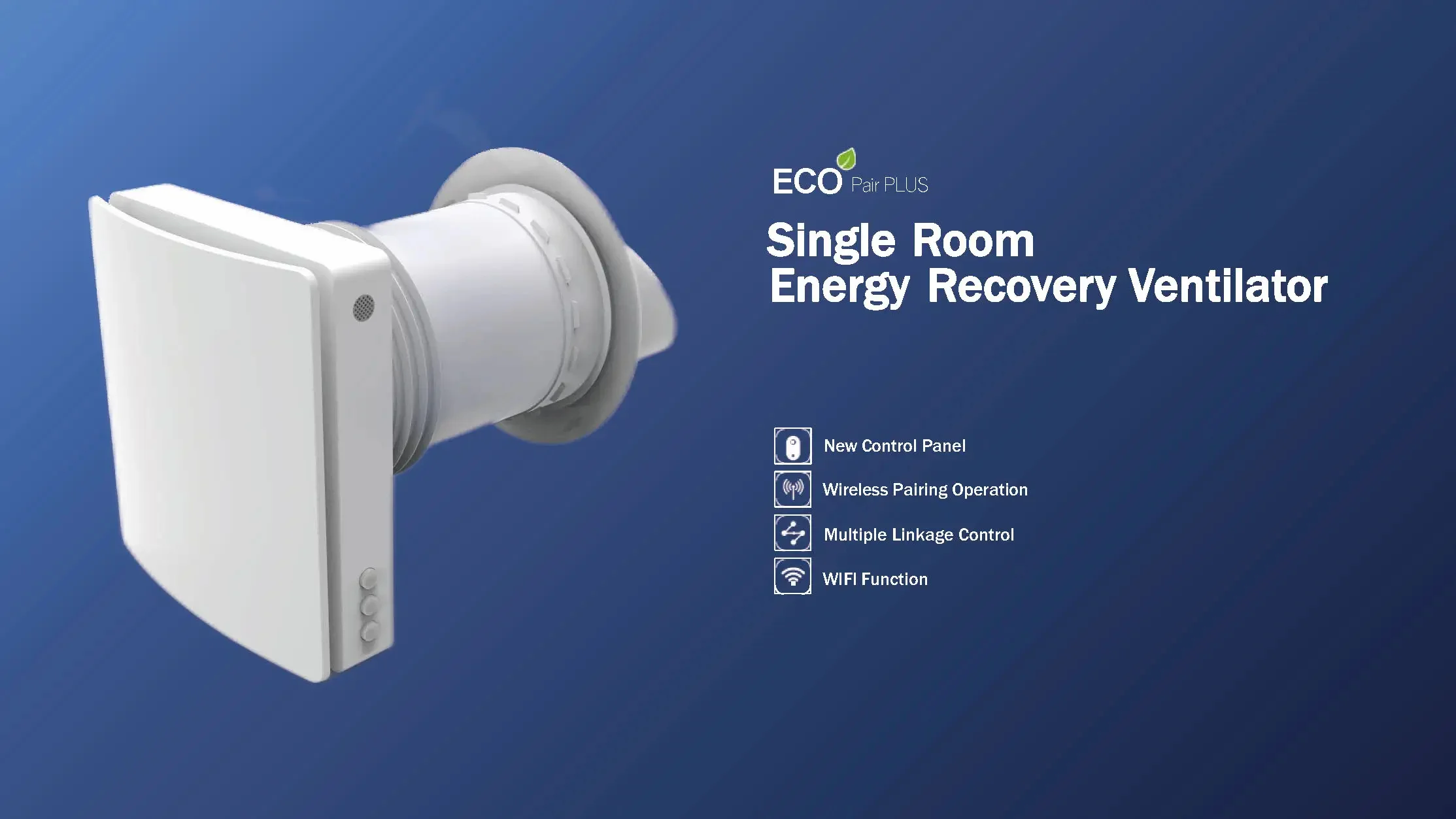
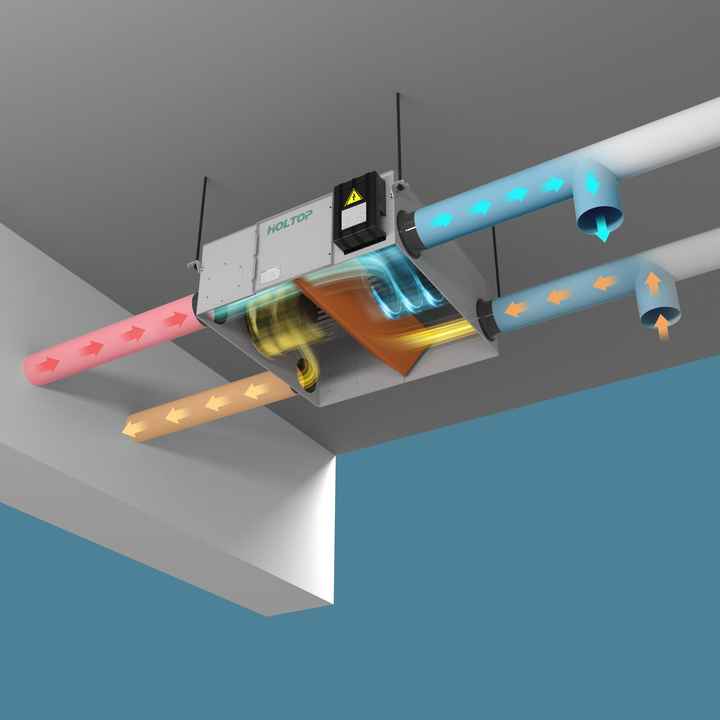
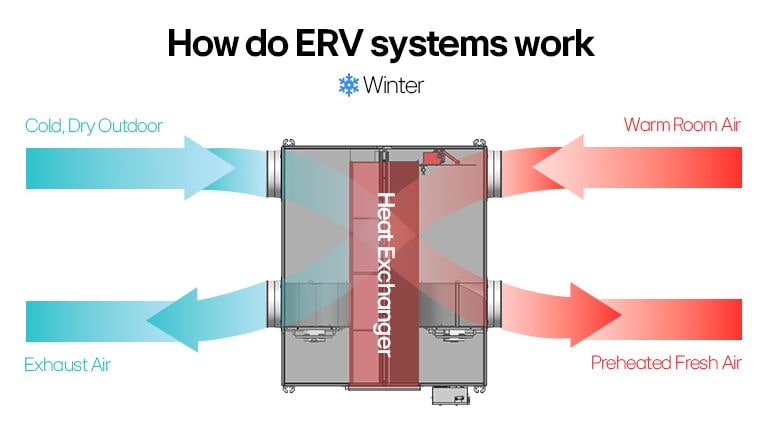
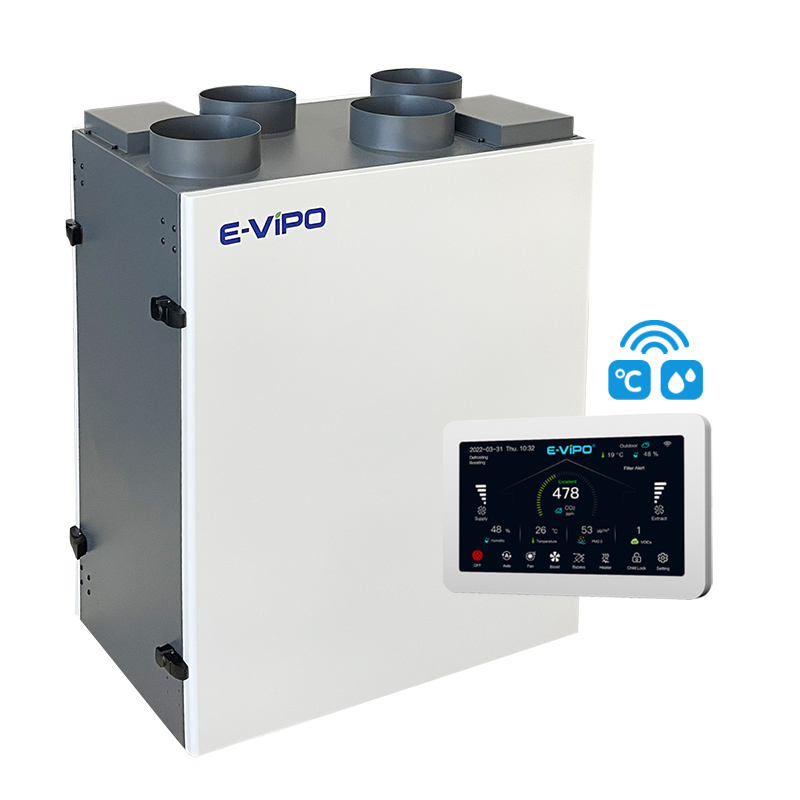
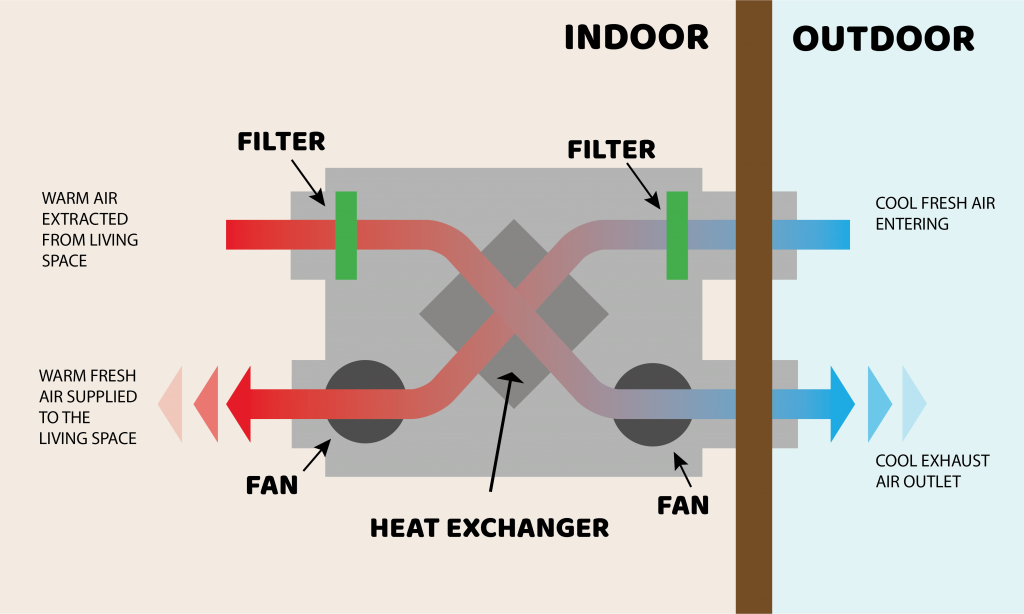
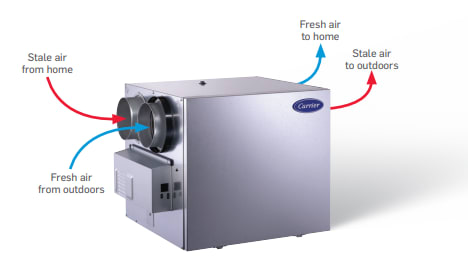
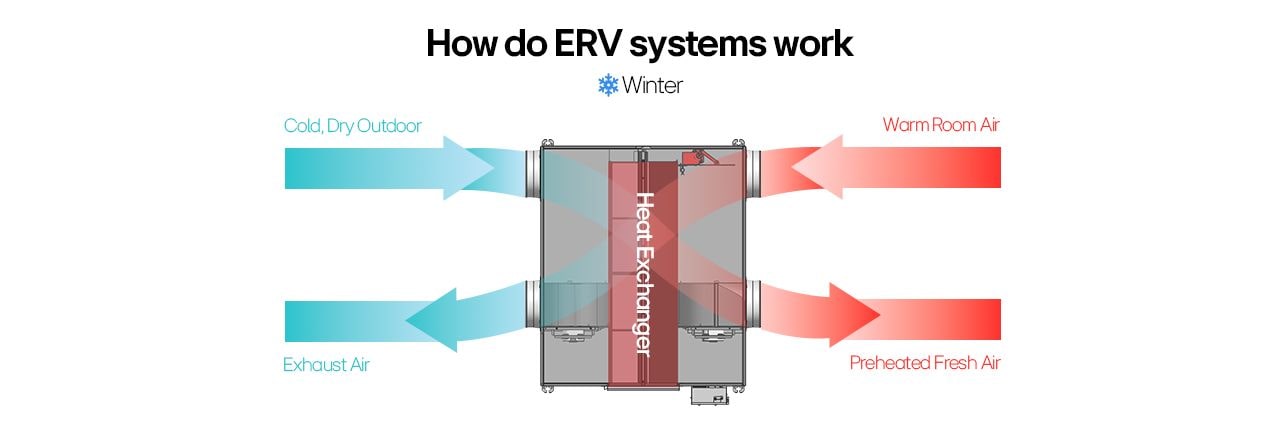
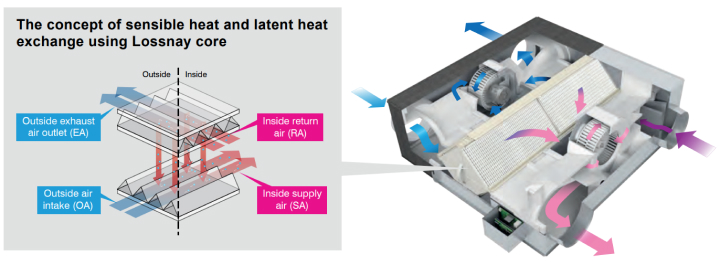
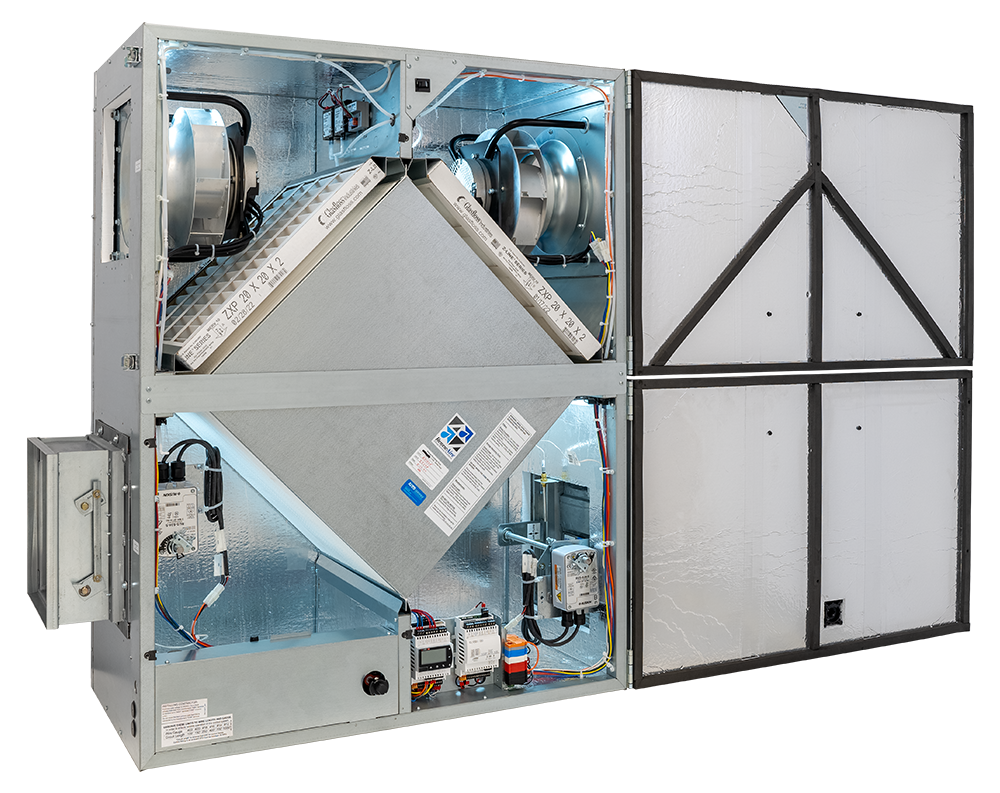
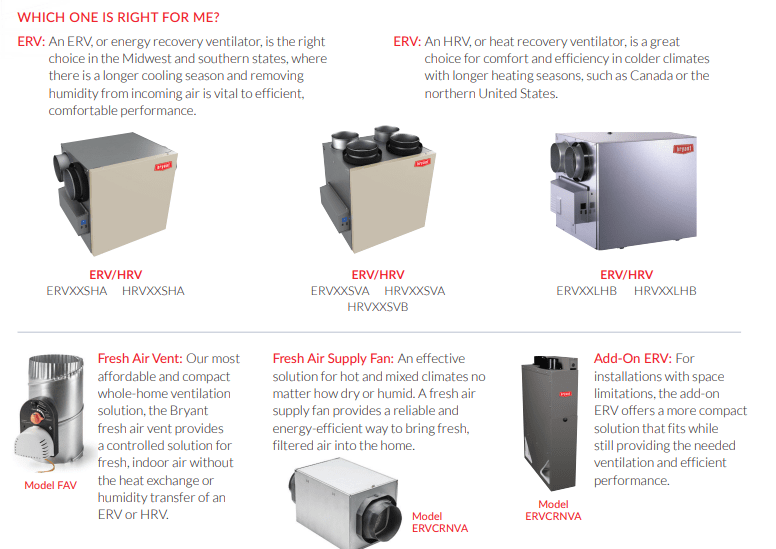
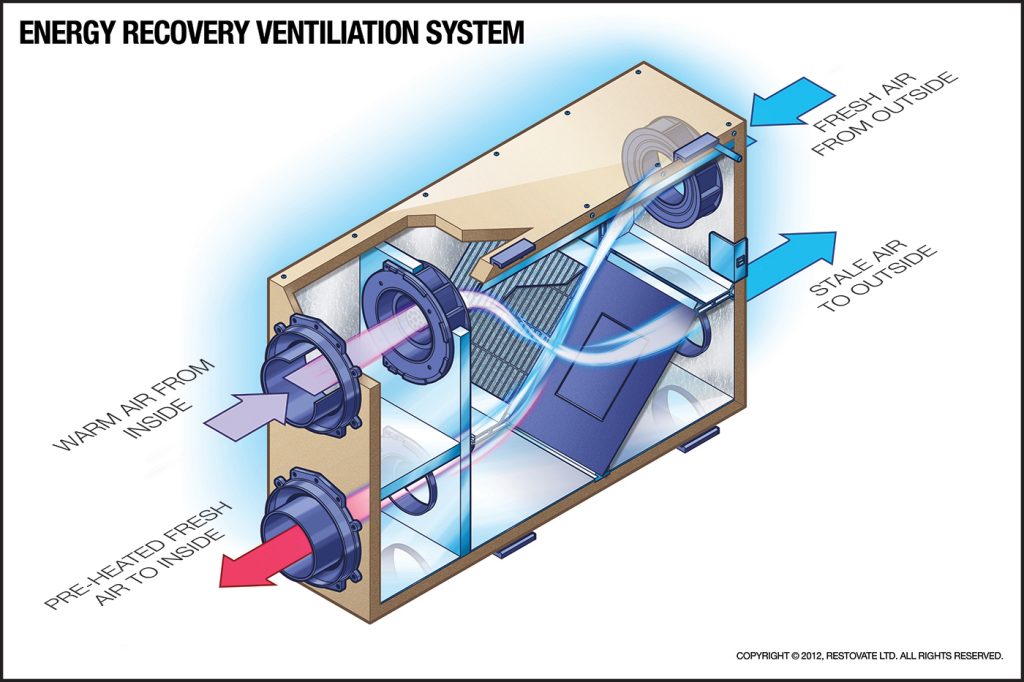
What Is an Energy Recovery Ventilator? An energy recovery ventilator (ERV) is a mechanical ventilation system that exchanges the stale, indoor air of a building with fresh, filtered air from outside, while simultaneously transferring heat and moisture between the outgoing and incoming air streams.
Ventilation strategies in net
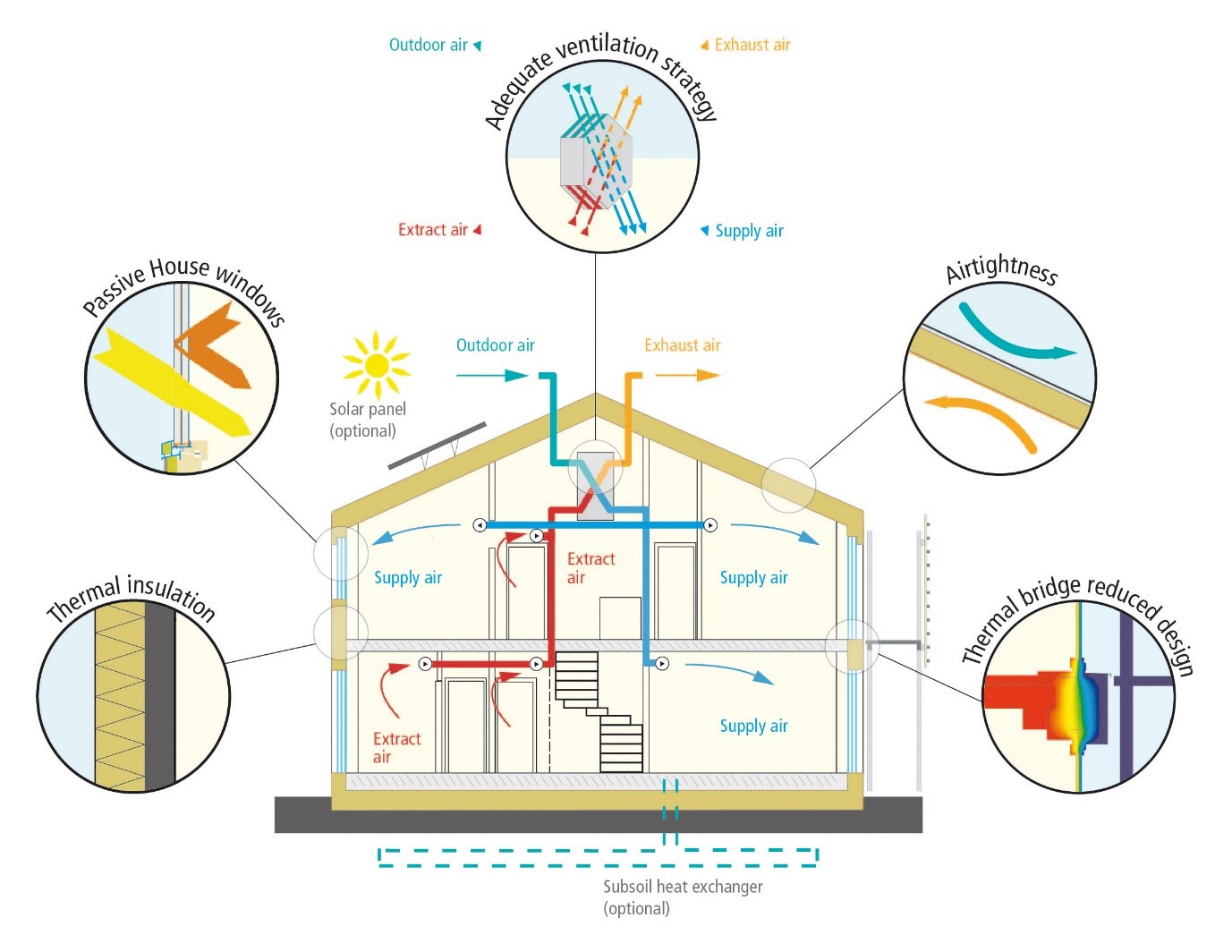
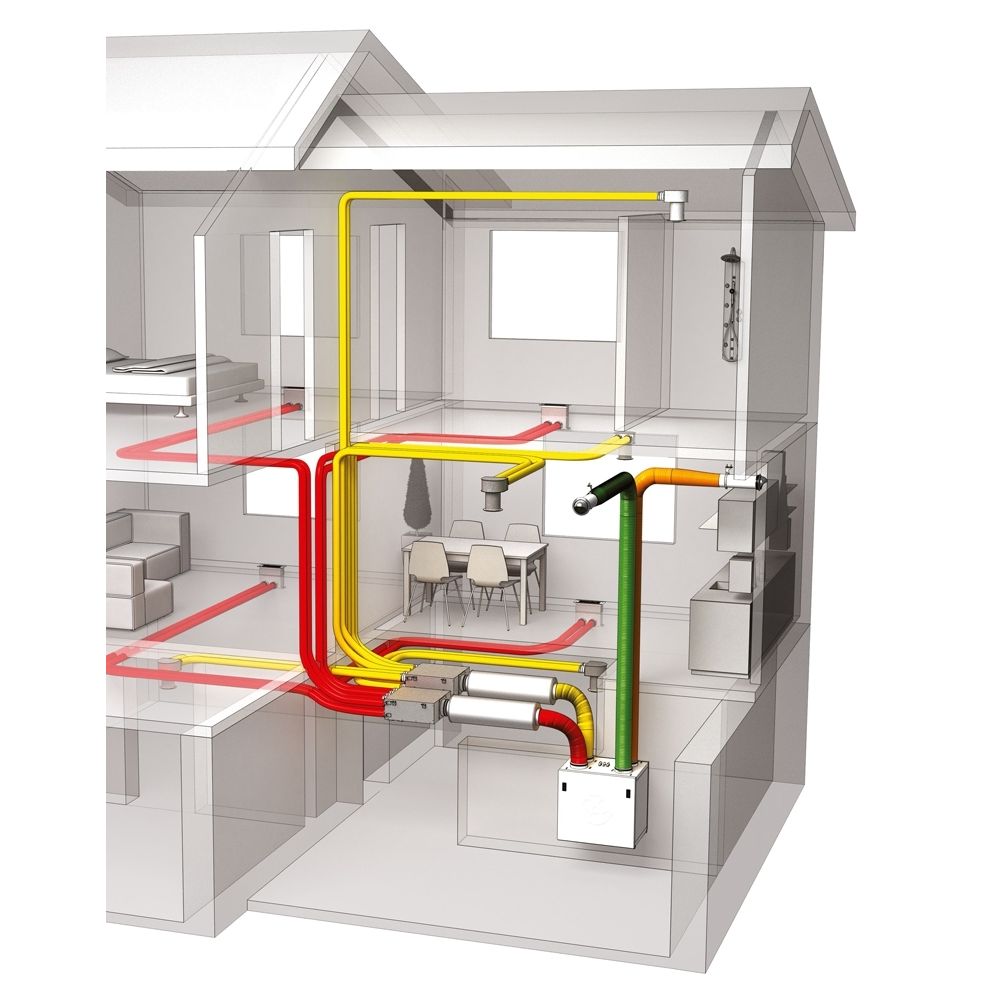
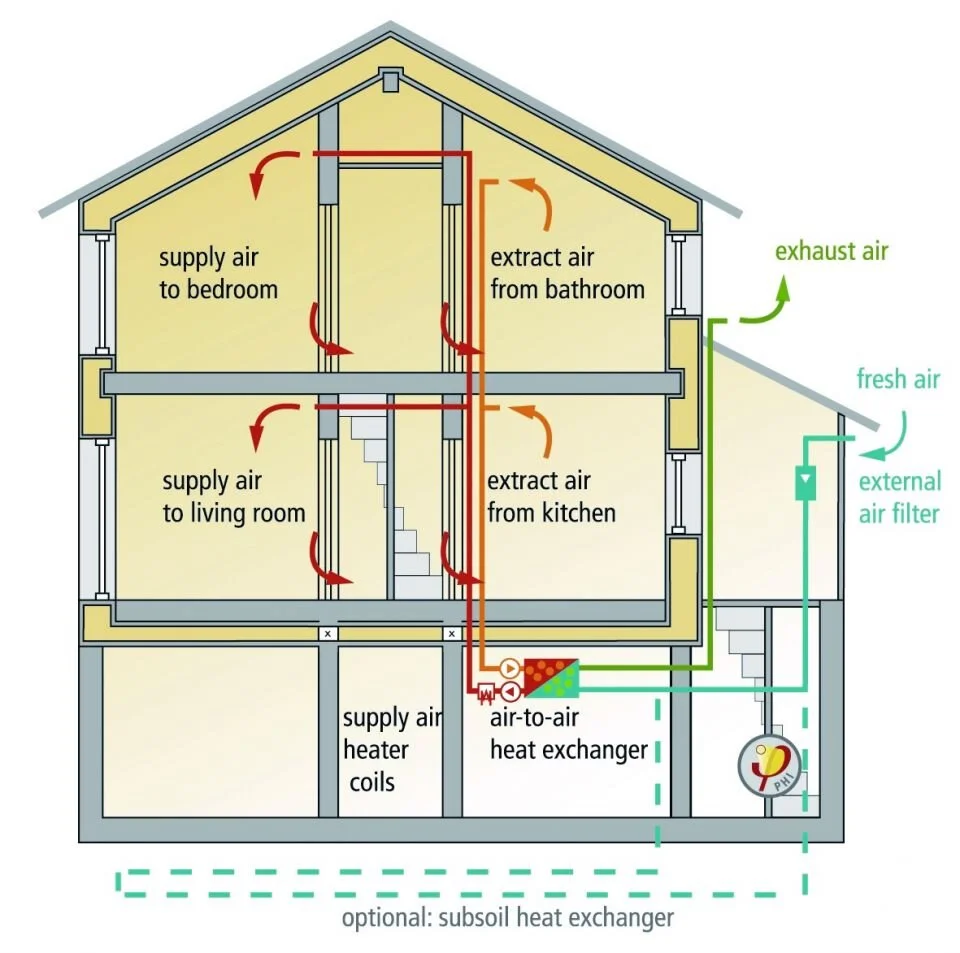
These buildings were constructed in accordance with high-performance Passive House standards and were equipped with energy -efficient HVAC systems featuring low-temperature distribution and emission, a two-stage groundwater-source heat pump with a desuperheater, and mechanical ventilation with heat recovery .
This approach achieved significant thermal energy savings, covered heat losses due to ventilation , and provided improved air and environmental quality in the apartment building .
Heat and energy recovery ventilators
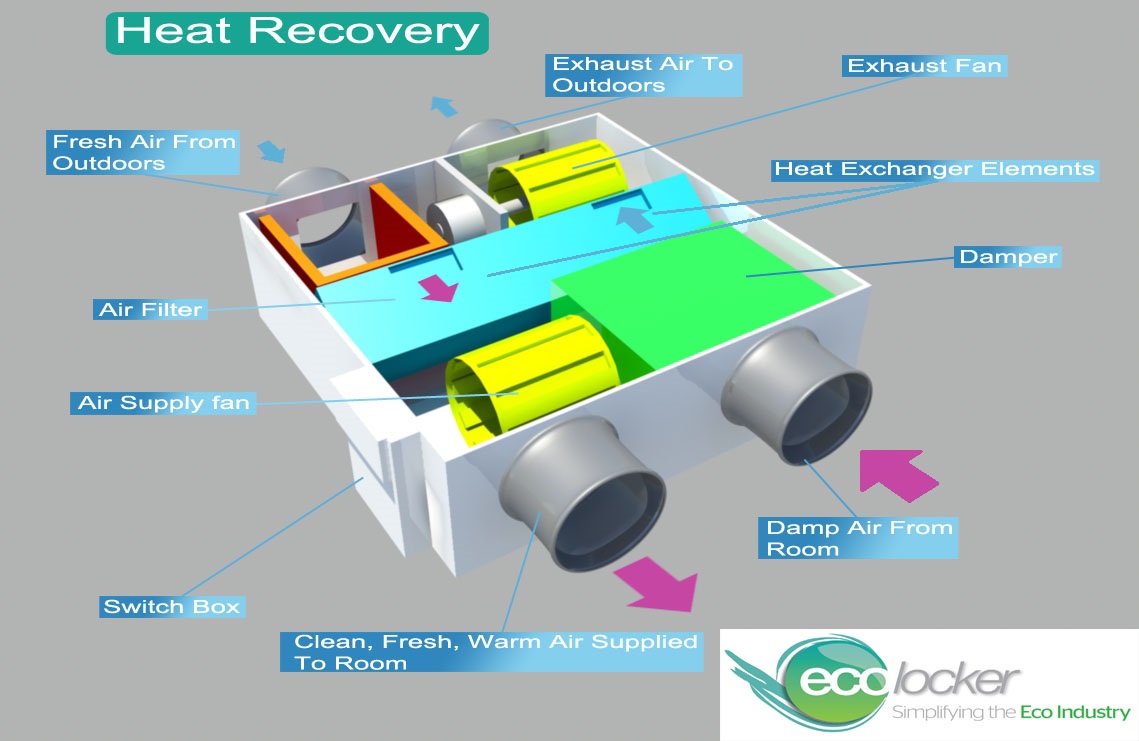
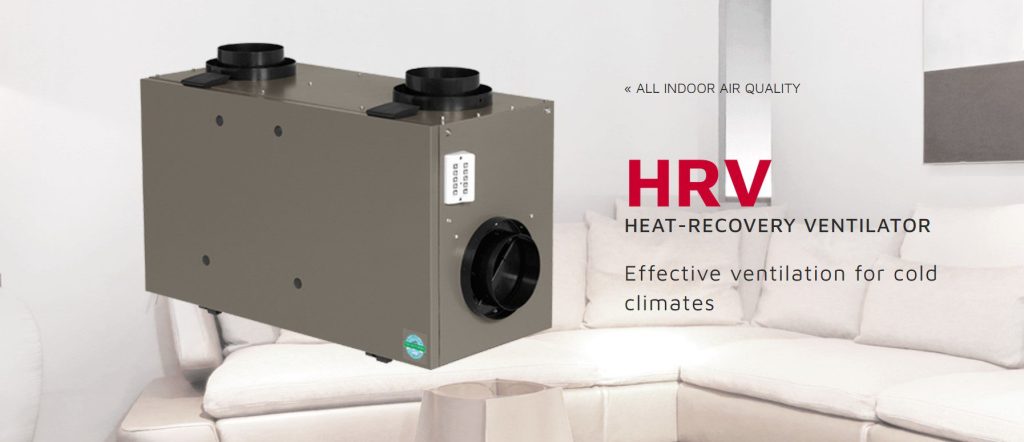
What is a heat recovery ventilator? A heat recovery ventilator (HRV) is a ventilation device that helps make your home healthier, cleaner, and more comfortable by continuously replacing stale indoor air with fresh outdoor air. New homes built since 1977 are more airtight, which helps save energy but can make the inside air stale. To complement this airtightness, modern homes use HRVs to ...
What are heat recovery ventilators and energy recovery ventilators? Your building's HVAC system has both intake and exhaust air ducts. In colder temperatures, the intake air has to be heated to a comfortable temperature, which costs money. Also, the exhaust air is still warm when it leaves the building—which is a waste of energy and money. In warm temperatures, the reverse process takes place.